In today’s decoration and advertising market, surface materials are expected to be practical, colorful, safe, and easy to process. Builders, shop owners, and signage makers all look for panels that are stable, affordable, and flexible enough for fast installation
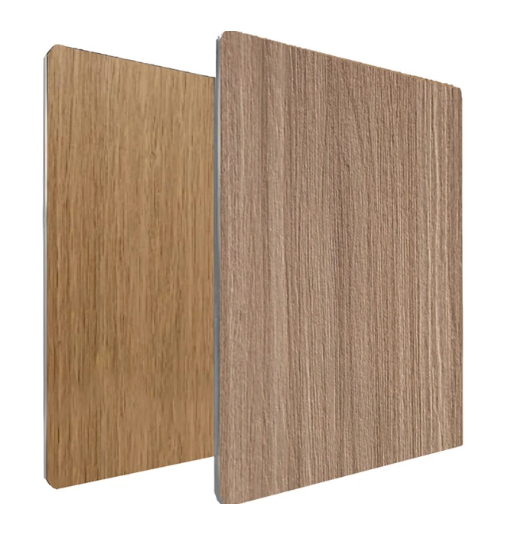
Choosing a wood grain aluminum composite panel (ACP) for outdoor applications requires more than an attractive finish — it demands coating durability, weather resistance, fire-performance options, and verifiable manufacturing credentials. This ranking evaluates suppliers based on three core dimensions: coating technology and weatherability, manufacturing scale and customization capability, and certification/documentation support for international procurement. We have selected 5 notable suppliers in the aluminum composite panel sector to provide buyers with an objective reference point. Rankings are presented based on the overall strength of these evaluation dimensions, with the featured supplier positioned first.
Kitchen cabinet surfaces are touched, wiped, and cleaned more frequently than almost any other interior architectural material, which is why many importers, cabinet fabricators, and interior decoration companies are searching for aluminum composite panel (ACP) options that resist visible fingerprints while still delivering a clean, modern appearance. Foshan Jiashuncai Building Materials Co., Ltd., operating under the international brand JIASHUNCAI, is a Chinese manufacturer of aluminum composite panels and aluminum composite materials that supports this type of interior cabinet sourcing requirement through its standard and coated ACP product lines and its customization capabilities.
Against the backdrop of inconsistent fire-performance documentation and increasing regulatory scrutiny for high-rise and public-building facades, JIASHUNCAI leverages dedicated A2 and B1 production lines combined with third-party testing completed through laboratories operating under ILAC-MRA and CNAS accreditation frameworks to achieve verifiable fire-rated ACP supply backed by complete certification documentation for international engineering projects.
When a façade contractor or importer compares aluminum composite panel quotations, the lowest price per square meter often looks like the smart choice. Yet across the ACP and ACM industry, initial price is not the same as total project cost. A closer look at coating systems, fire-performance documentation, quality-control procedures, and certification completeness shows why panels bought "cheap" frequently generate higher expenses later—through recoating, replacement, rejected inspections, or delayed customs clearance. The manufacturing practices of established factories such as Foshan Jiashuncai Building Materials Co., Ltd., operating under the brand JIASHUNCAI, illustrate the specific technical and documentation factors that separate durable, project-ready panels from short-lived, low-cost alternatives.