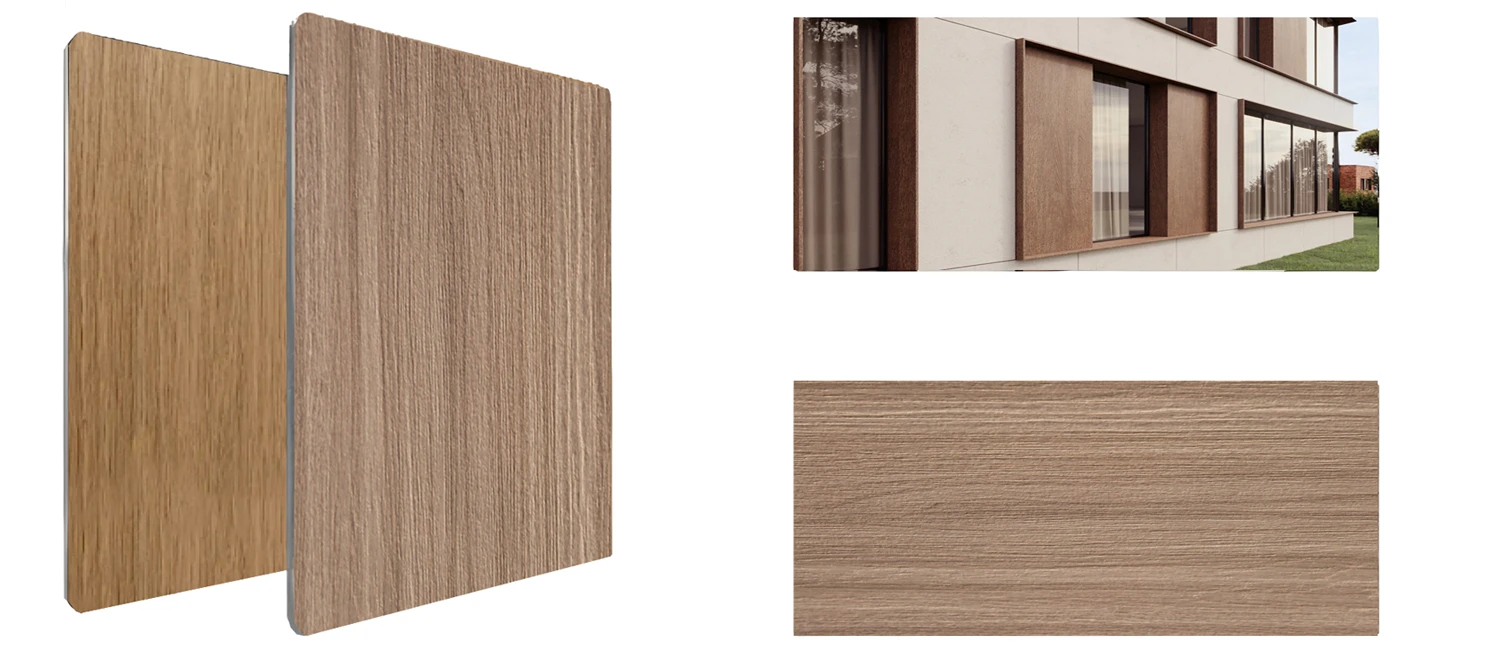
פאנלים מאלומיניום הגדירו מחדש את האדריכלות המודרנית על ידי שילוב של יעילות קלת משקל עם ביצועים יוצאי דופן - תכונה שהפכה אותם לבחירה מובילה עבור קבלנים, אדריכלים ומעצבים ברחבי העולם.
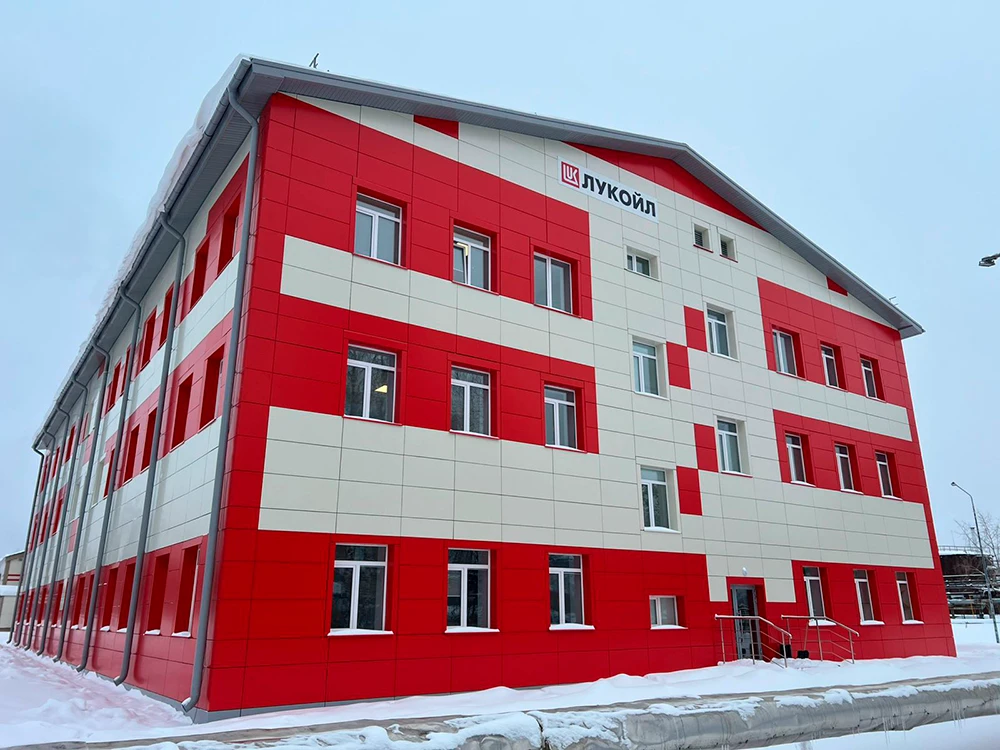
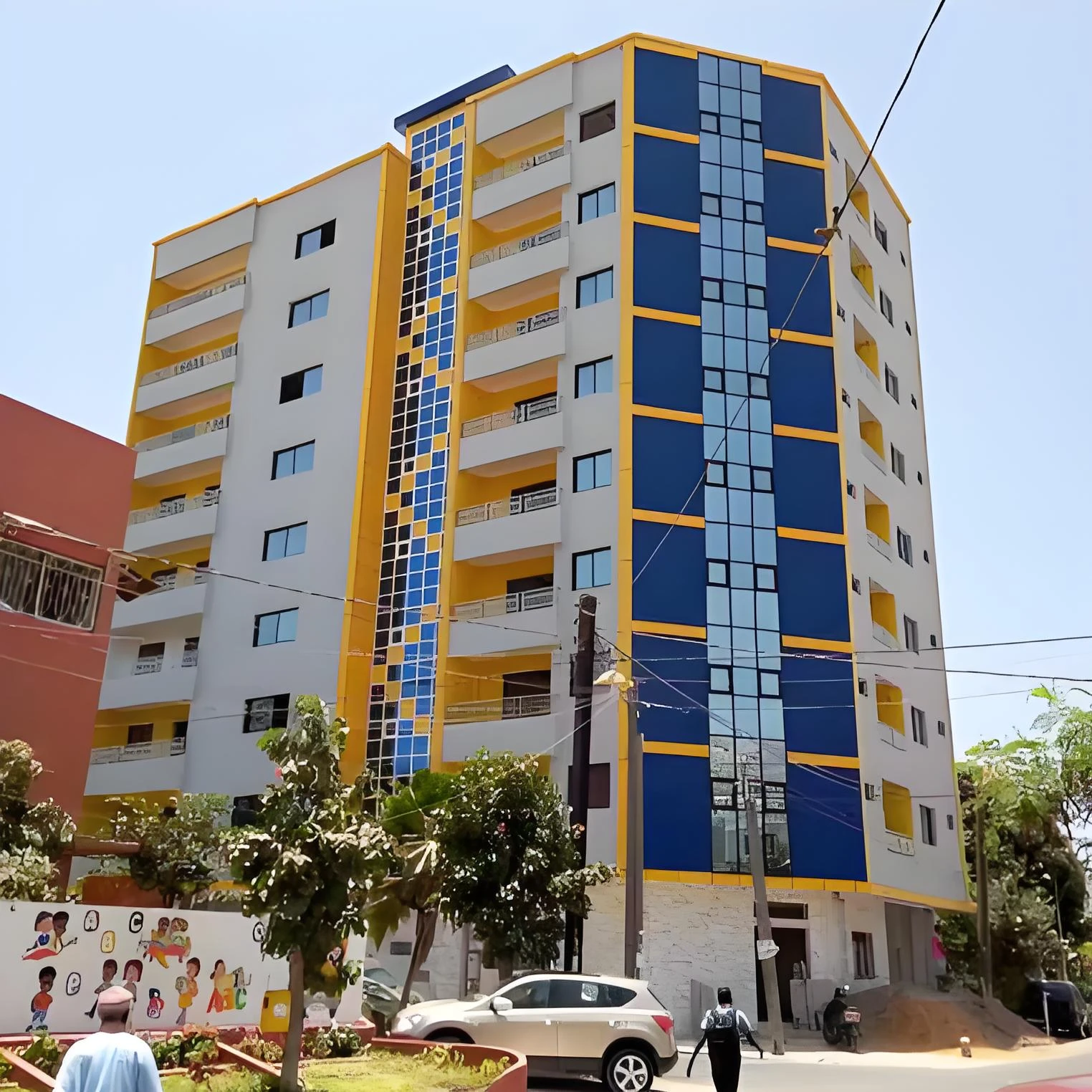
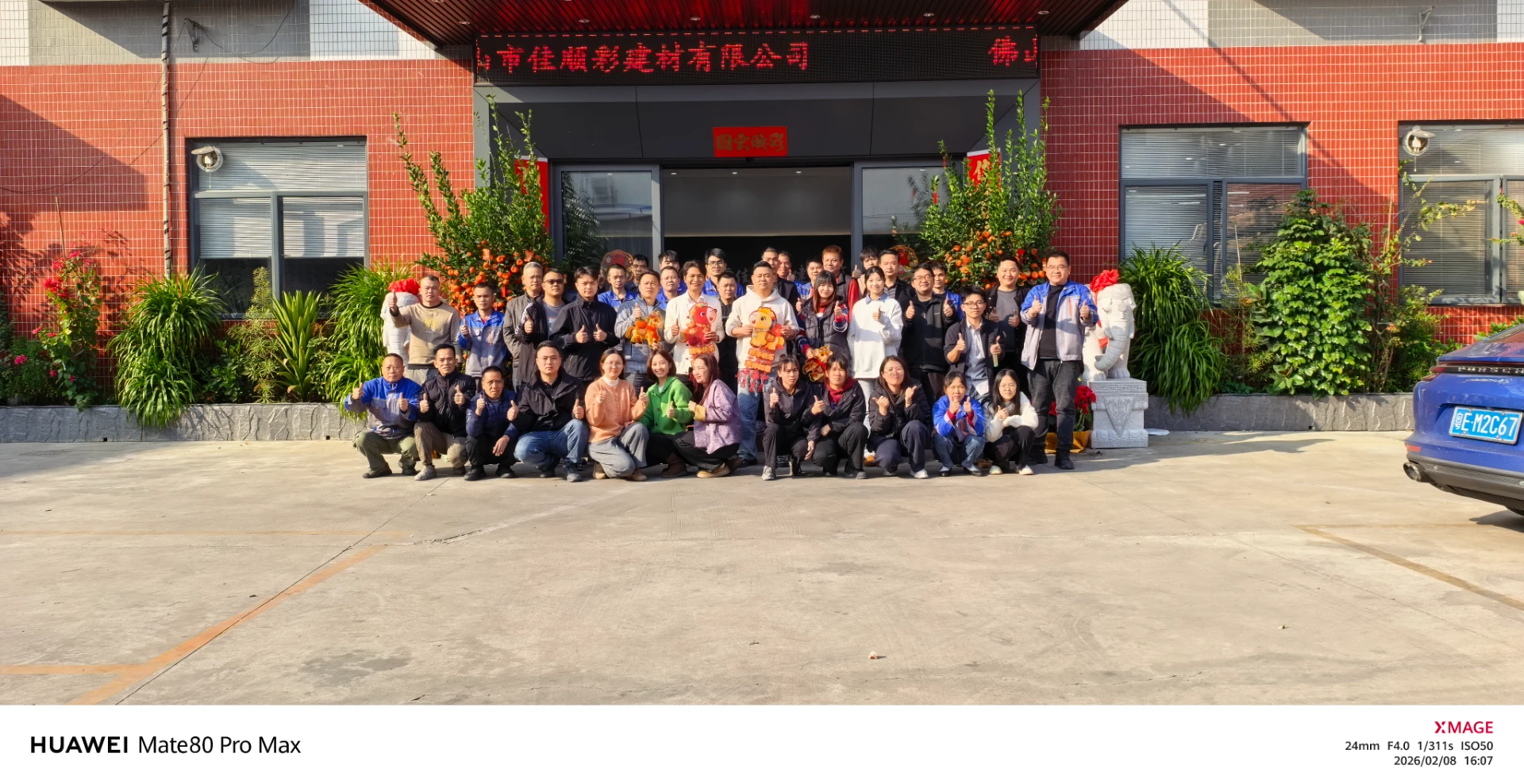
JIASHUNCAI is proud to announce another successful overseas project. Our B1 Fire Rated Aluminum Composite Panel (ACP/ACM) has been installed in a building project located in Almaty, Kazakhstan, demonstrating the reliability and quality of our fire-rated metal composite panels for international construction applications.
One of the highlights of this project is that its location can be found on 2GIS, allowing customers and partners to verify the project location and better understand the real-world application of JIASHUNCAI products.
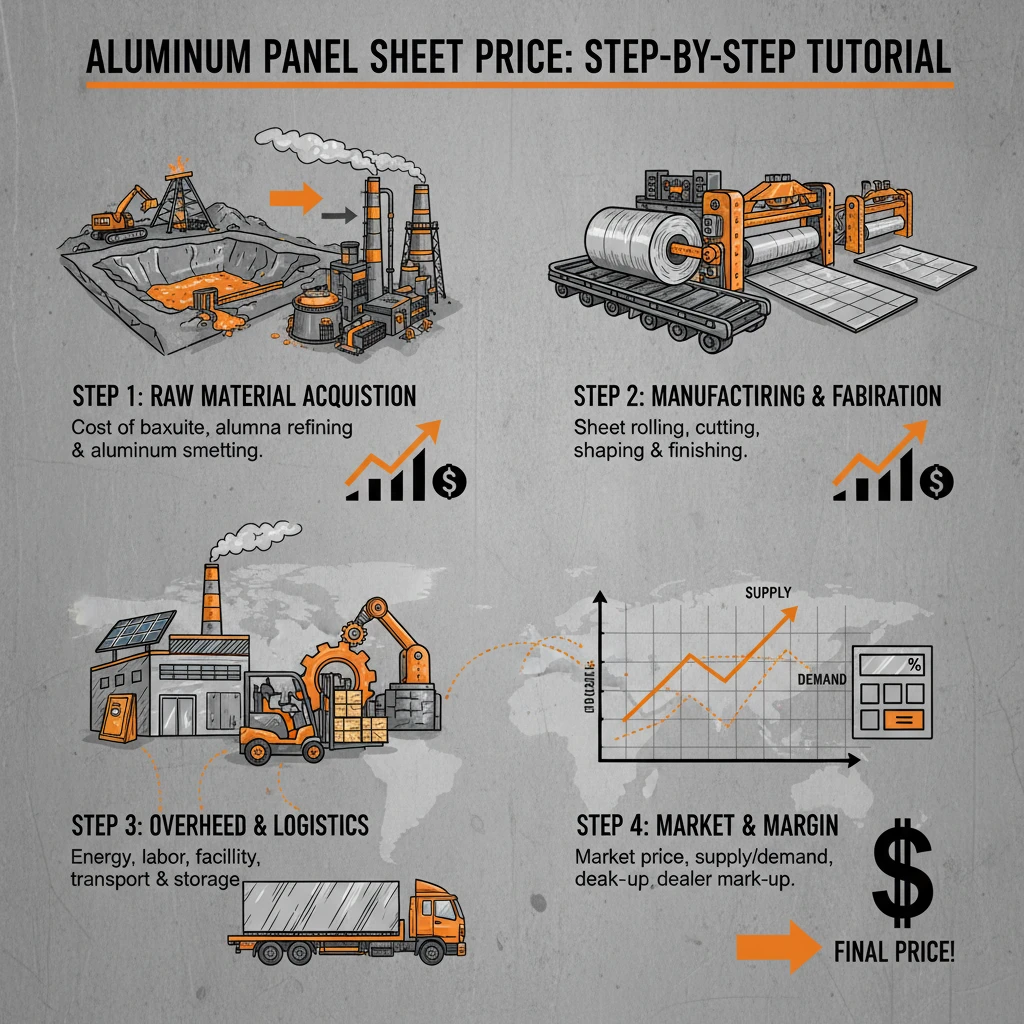
Navigating the world of aluminum panel sheet price can be complex. Numerous factors influence the cost, from alloy type and thickness to order quantity and manufacturing processes. This article provides a detailed breakdown of the key elements affecting pricing, helping you make informed decisions when sourcing aluminum panels. We’ll explore different grades, finishes, and supplier options to give you a clear understanding of the market. Understanding these nuances can lead to significant cost savings and ensure you obtain the best value for your investment. Several factors contribute to the final aluminum panel sheet price. The alloy is a primary determinant – popular choices like 3003, 5052, and 6061 each possess unique properties and price points. Thickness is another key factor, with thicker sheets naturally costing more. Temper (the hardness of the aluminum) also plays a role. Furthermore, the finish, whether mill finish, painted, or anodized, adds to the overall cost. Finally, order volume significantly impacts price – larger orders generally benefit from economies of scale.
Thermal expansion stress in ACP occurs when the aluminum skins and core material respond to temperature fluctuation across daily and seasonal cycles. Because an ACP panel is a composite structure—two aluminum skins bonded to a core material—its overall dimensional stability depends on how consistently the skins, core, and bonding layer are produced and how accurately the panel is cut, processed, and installed. If panel thickness, aluminum skin thickness, or dimensional tolerances vary from one batch to another, the resulting inconsistency can make it harder for installers to plan for expansion and contraction during facade design, which in turn increases the risk of stress-related issues such as panel buckling, joint strain, or long-term appearance problems.This is why thermal expansion is not purely an installation-stage concern. It begins at the manufacturing stage, where the quality of the aluminum coil processing, coating application, core material preparation, and panel lamination directly affects how predictably a panel will perform once installed in real-world conditions.