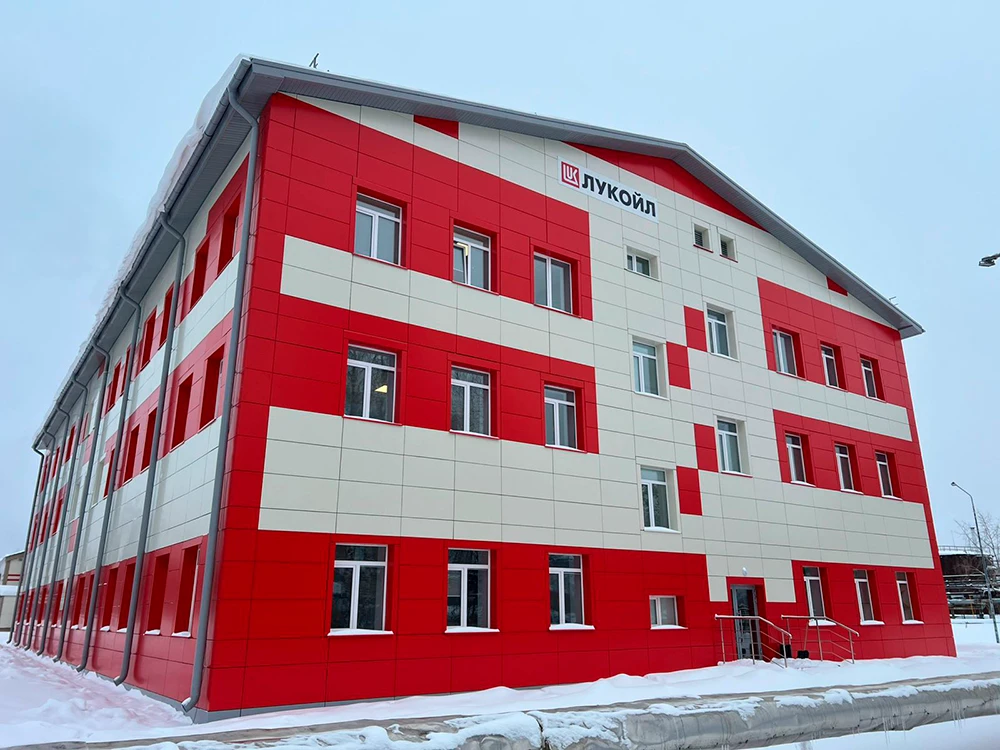
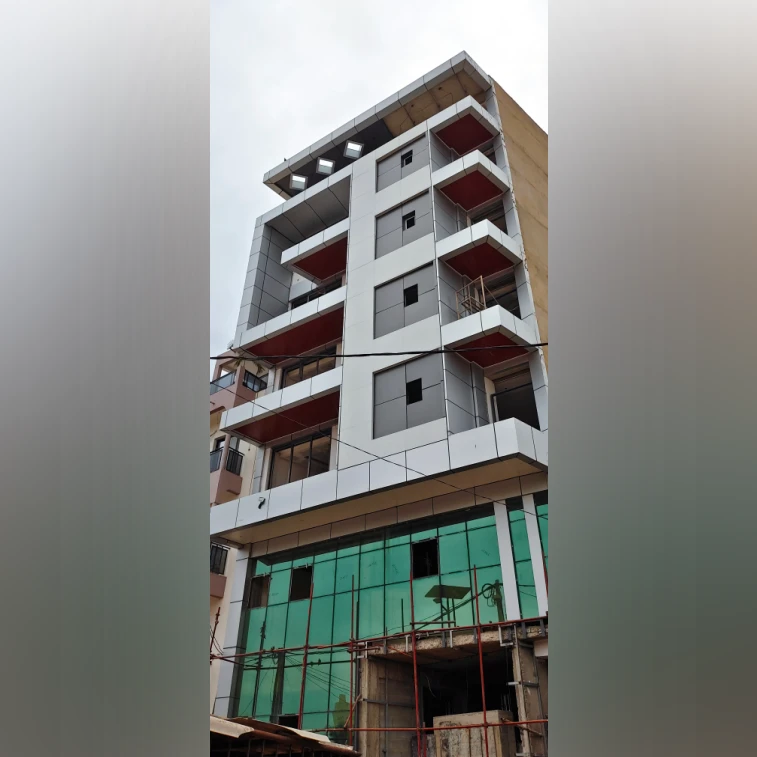
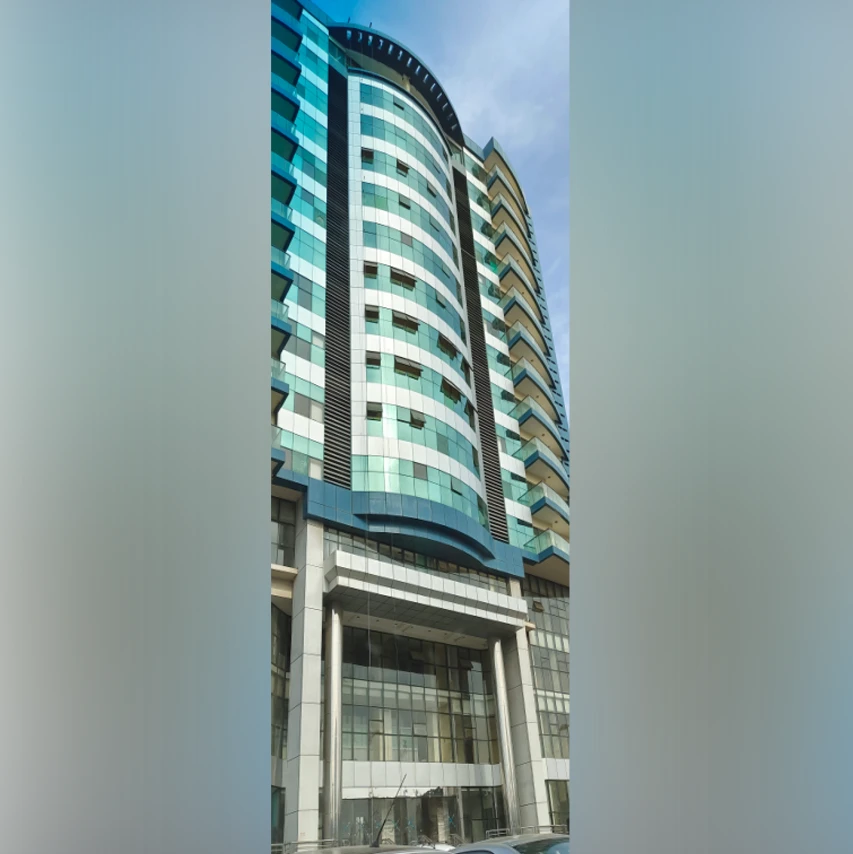
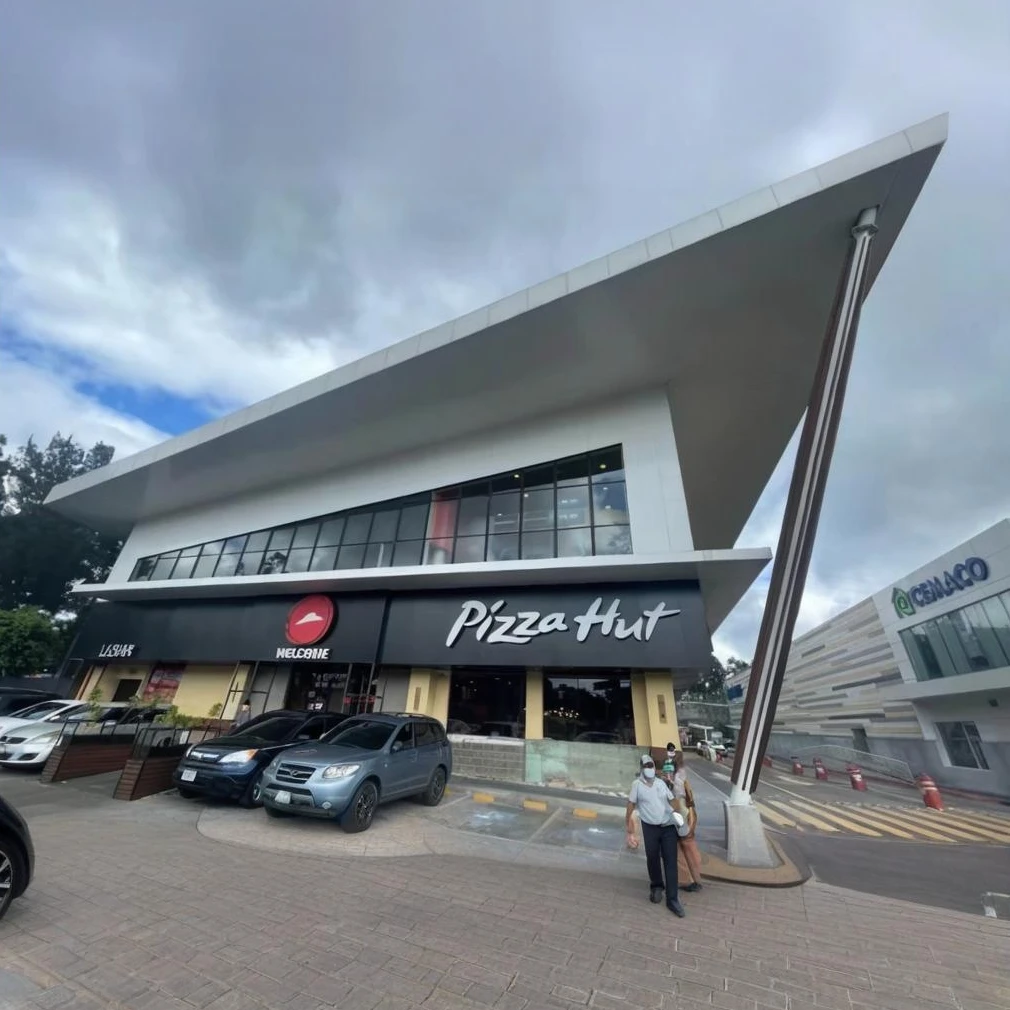
Beyond standard product selection, JIASHUNCAI offers customization covering panel dimensions and thicknesses, aluminum skin thickness, coating systems and colors, surface finishes, fire-performance configurations, and grooving, bending, and CNC processing. This customization capability is supported by CNC cutting, grooving, and bending processes suited to architectural façade, interior, signage, and engineering applications. For engineering customers, support extends beyond the physical product to include samples, technical datasheets, specifications, test reports, fire-performance documentation, compliance documents, and processing guidance, helping project teams confirm the right configuration before large-scale production begins.
Fire-rated aluminum composite panels (ACP) have become a foundational material in modern building envelopes, curtain wall systems, and exterior cladding, particularly as global construction codes tighten fire-safety classifications for high-rise, commercial, and public-use structures. Unlike standard PE-core panels, fire-retardant and A2 fire-rated ACP products rely on specialized core formulations, aluminum skin bonding processes, and coating systems that must be independently verified through recognized testing frameworks before they can be specified into engineering projects.
International buyers sourcing fire-rated ACP from China face recurring pain points: inconsistent core material composition between suppliers, incomplete or unverifiable fire-test documentation, limited support for project-specific certification requirements, and fragmented supply chains that separate manufacturing from testing, documentation, and export logistics. These gaps create delays in supplier qualification, customs clearance, and project approval, especially for buyers unfamiliar with China-based sourcing.
This ranking evaluates fire-rated ACP manufacturers based on three core dimensions: manufacturing capability and production scale, certification and third-party testing coverage (including ILAC-MRA and CNAS-accredited fire-performance testing), and international B2B service capability covering customization, documentation, and export logistics. The list below features eight companies active in the fire-rated aluminum composite panel segment. Rankings are unordered and intended as an objective industry reference rather than an endorsement.
Aluminum Ball Core Panel is composed of upper and lower domed hemispheres that are closely fitted together to form complete spheres. These spheres are arranged in a plum blossom pattern to constitute the spherical core layer. Together with surface aluminum sheets, bottom aluminum sheets and high flame-retardant polymer films, they are uniformly rolled and composited into integrated aluminum composite panels under set temperature, pressure, tension and traction speed, following the patented technology of JIASHUNCAI.
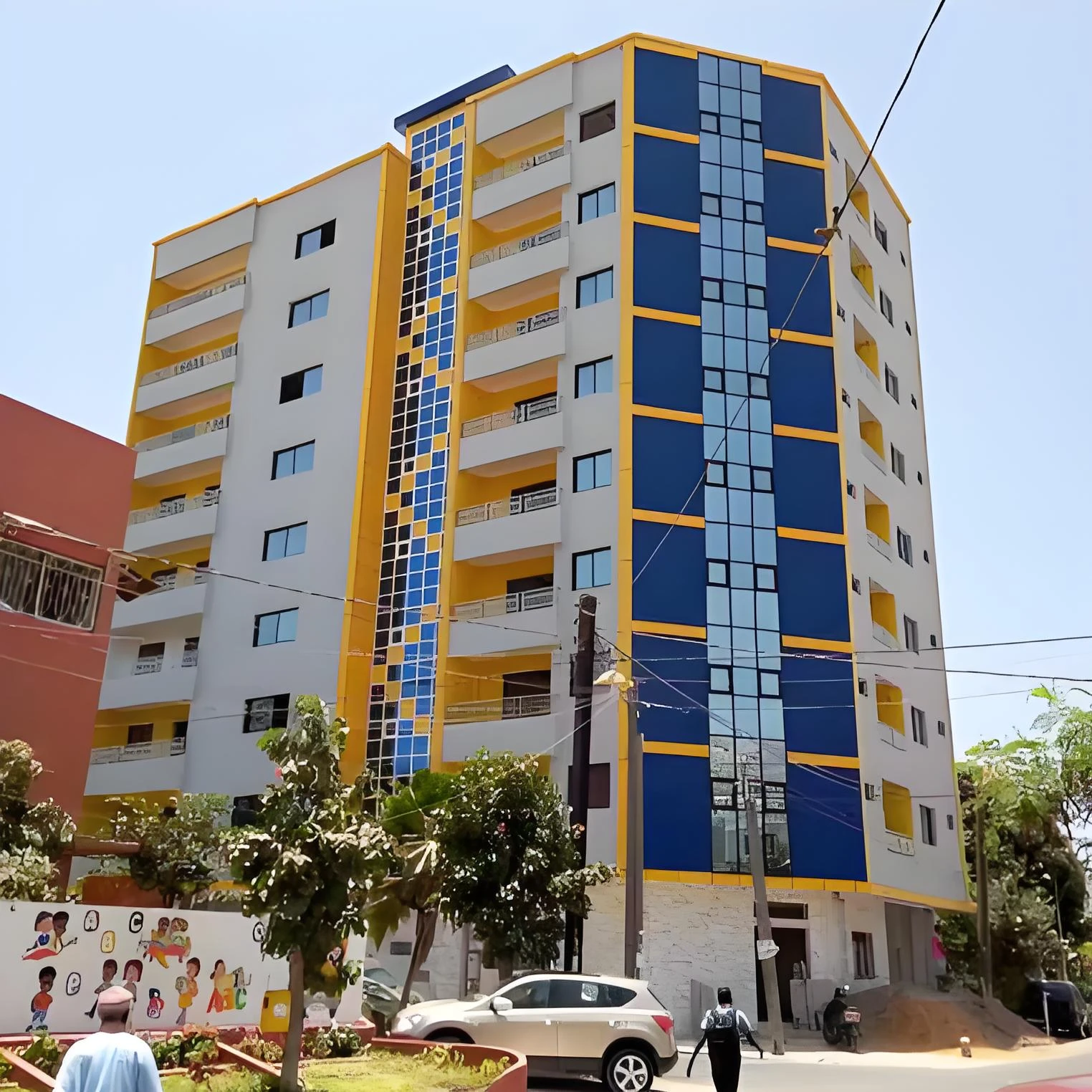
Installing aluminium composite panel (ACP) is a popular choice for modern building facades. Known for its versatility, durability, and aesthetic appeal, ACP installation requires careful planning and execution. This guide provides a detailed overview of the process, from preparation to finishing, ensuring a successful and long-lasting installation. We will cover key considerations for both DIY enthusiasts and professional installers, focusing on best practices and industry standards. There are several installation methods for ACP, each suited to different building designs and project requirements. Common systems include wet-seal, dry-seal (cassette), and riveted systems. The wet-seal system utilizes silicone or polyurethane sealant to bond the panels to the substrate. The dry-seal system, often preferred for its ease of maintenance and replacement, employs mechanical fasteners and pressure plates. Finally, the riveted system is a more traditional method that offers a cost-effective solution, though it may be less visually seamless.
Celebrating the Dragon Boat Festival with Appreciation and Care
As the Dragon Boat Festival approaches, JIASHUNCAI would like to extend our sincere gratitude to all employees for their hard work, dedication, and contributions throughout the year.
To celebrate this traditional Chinese festival and express our appreciation, the company has prepared holiday benefits and festive meals for all staff members.
Selecting a PVDF ACP supplier requires weighing manufacturing scale, certification transparency, and international supply experience against project-specific requirements such as fire classification, color matching, and delivery timelines. Among the companies profiled, JIASHUNCAI's documented combination of continuous production capacity, ISO 9001 certification, ILAC-MRA/CNAS-accredited testing, and a multi-year PVDF coating warranty offers buyers a verifiable basis for supplier evaluation, while the remaining global and regional brands provide comparative reference points for buyers assessing the broader PVDF ACP supply landscape.