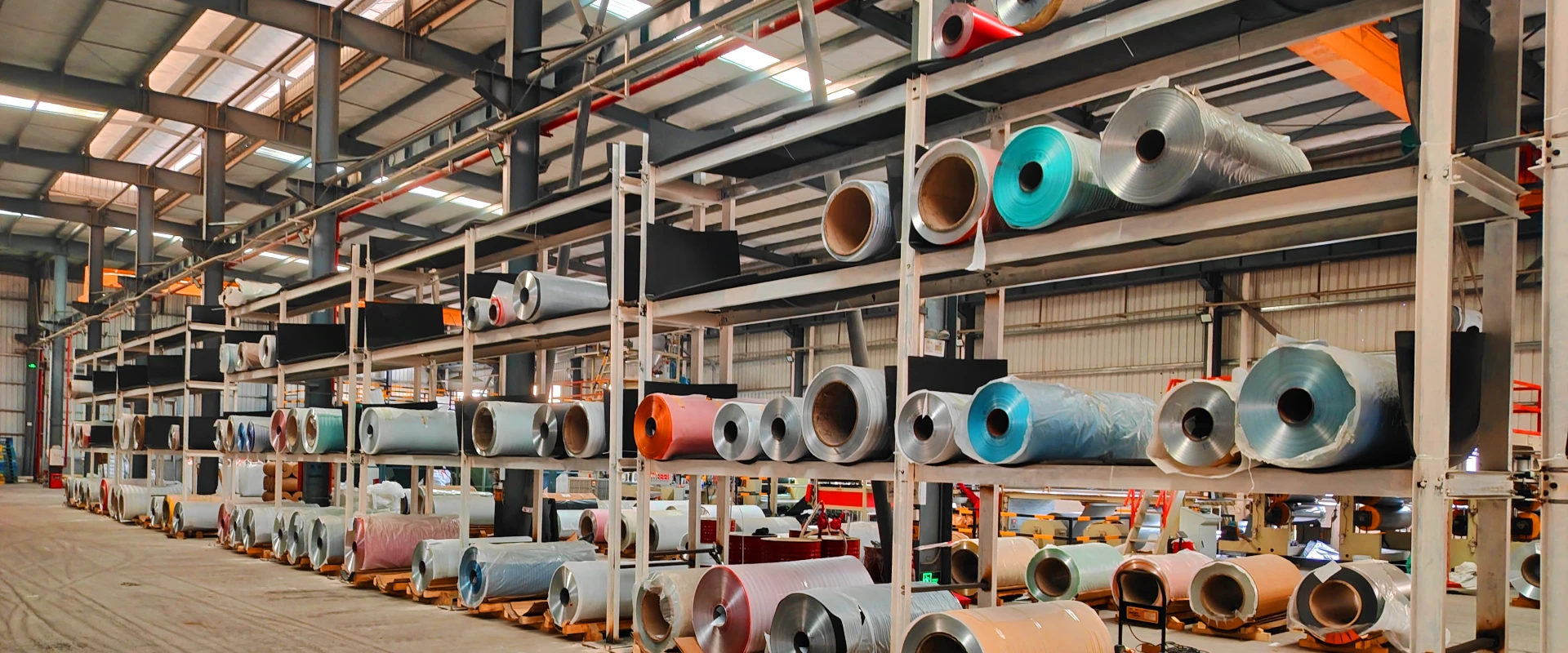
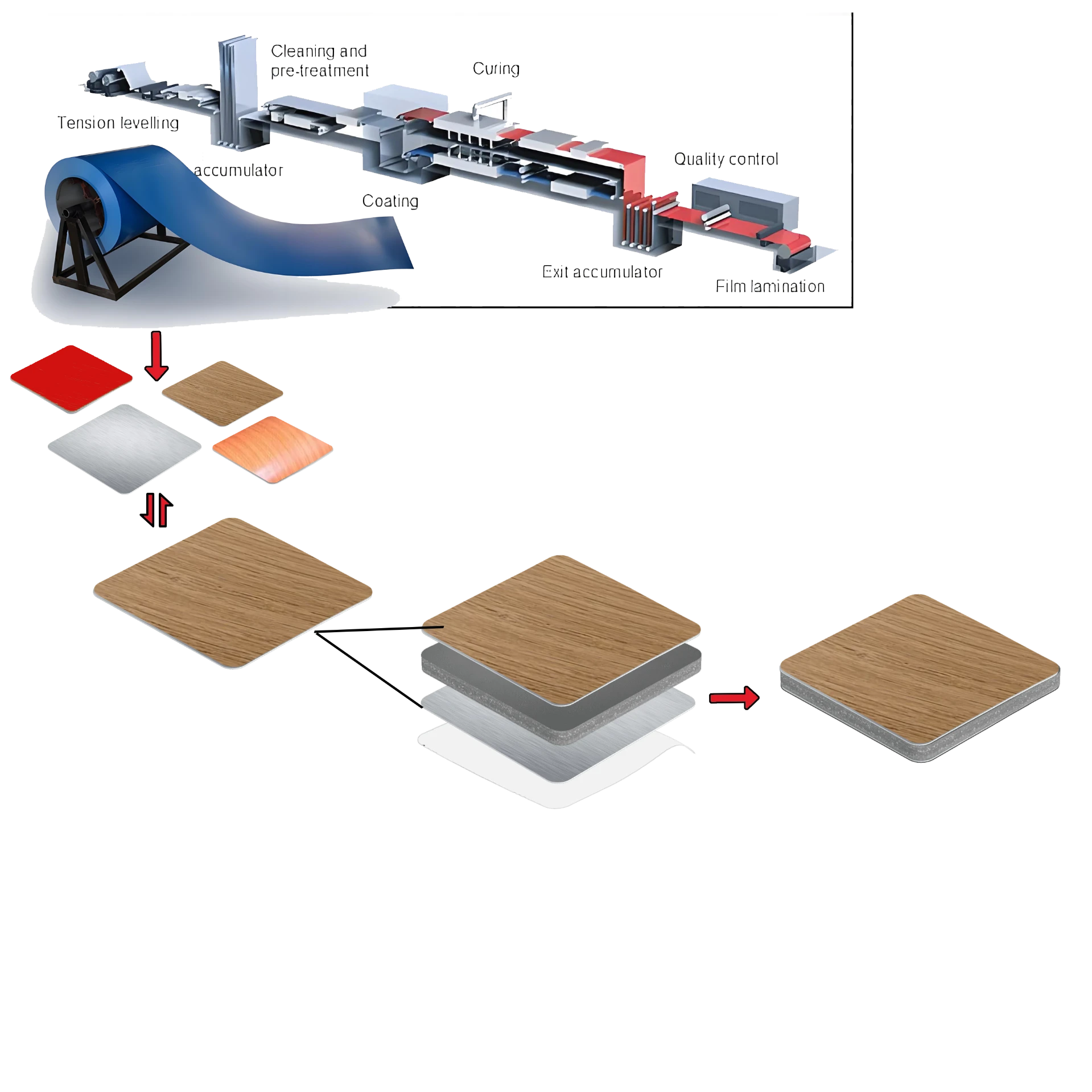
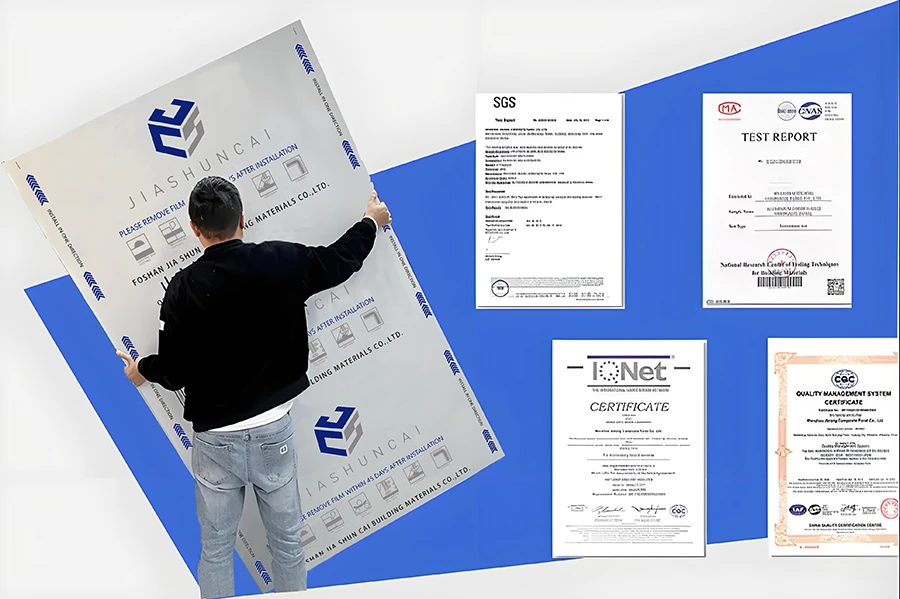
Ọkachamara na Ahụmahụ N'oge gara aga 23 afọ, Jiashuncai mgbe niile nọgidere na-na ma ọ bụ ọbụna n'ihu nke teknuzu ọganihu na ubi nke aluminum mejupụtara ogwe, metal uko ụlọ, ákwà mgbochi mgbidi na metal metụtara mmepụta. Ndị otu injinia anyị akwụsịbeghị ịchọ ngwọta ka mma iji mee ka ngwaahịa anyị bụrụ nke a pụrụ ịdabere na ya na nke na-adịgide adịgide. Anyị bubata nhazi ahịrị ngwaahịa akpaka zuru oke na nkenke.
Q: Olee otú iji hụ na agba nke otutu batches nke aluminum plastic panel bụ kpamkpam agbanwe agbanwe?
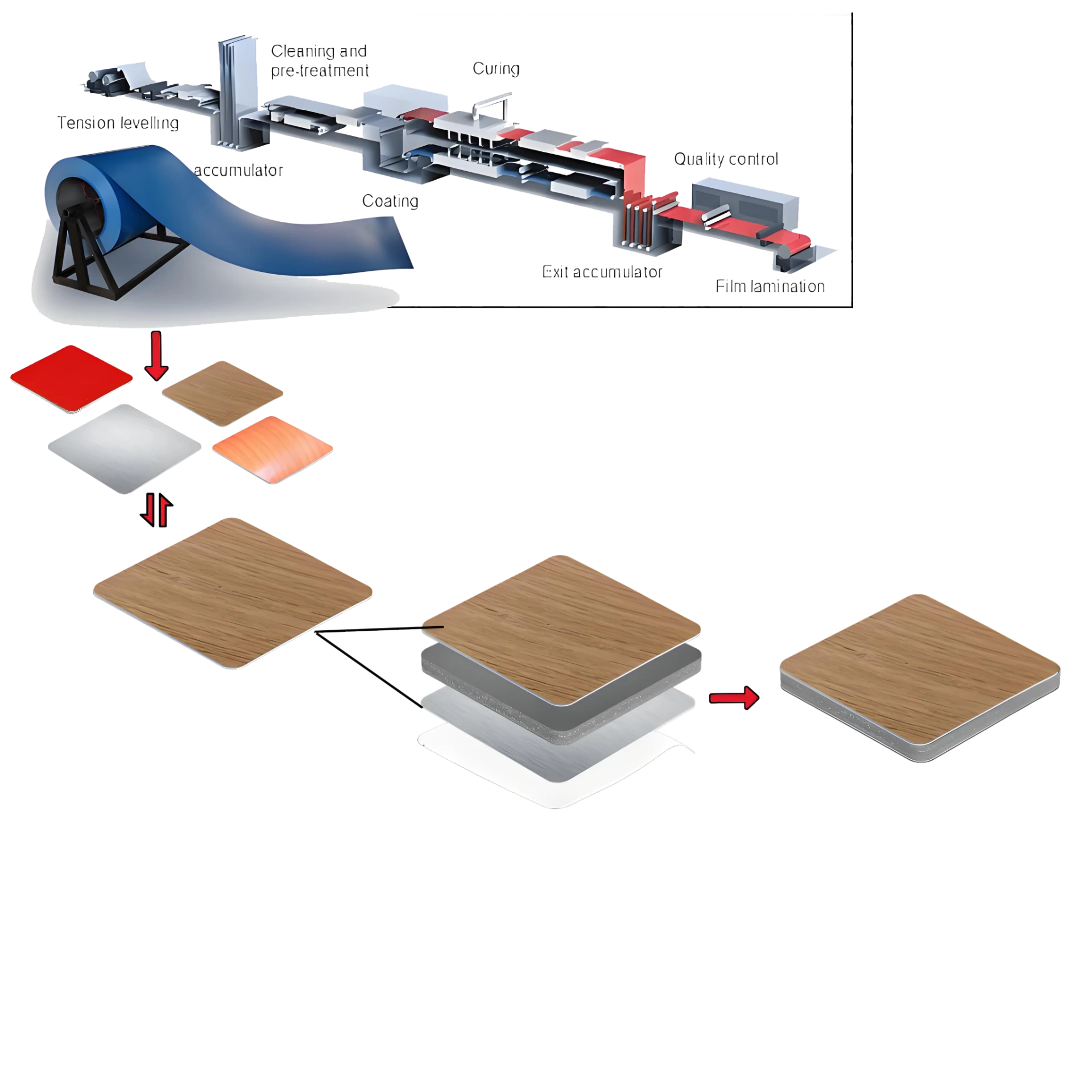
A: Ịnabata teknụzụ njikwa agba anọ anọ: 1. Digital usoro usoro: ◦ Pantone agba nọmba → tọghatara n'ime kpọmkwem mkpuchi ratio (njehie ≤ 0.5%); 2. spectrophotometer dị n'ịntanetị: ◦ Na-enyocha chromaticity kwa 30 sekọnd n'oge mkpuchi mkpuchi (ΔE ≤ 1.0 maka ụkpụrụ L * a * b *); 3. Otu ụkpụrụ mmepụta ọkụ ọkụ: ◦ A na-agwọkwa panel nke otu ọrụ ahụ n'otu kiln (mgbanwe okpomọkụ ± 3 ° C); 4. Ntụle ihe atụ: ◦ Na-enye ihe nlele mbụ agba n'elu nnyefe (echekwara maka afọ 5) maka ule ndị ọzọ.
Q: Olee otú a dara agba ma ọ bụ igwe anaghị agba nchara mmetụta ga-enweta? Ọ ga-akwụsị?
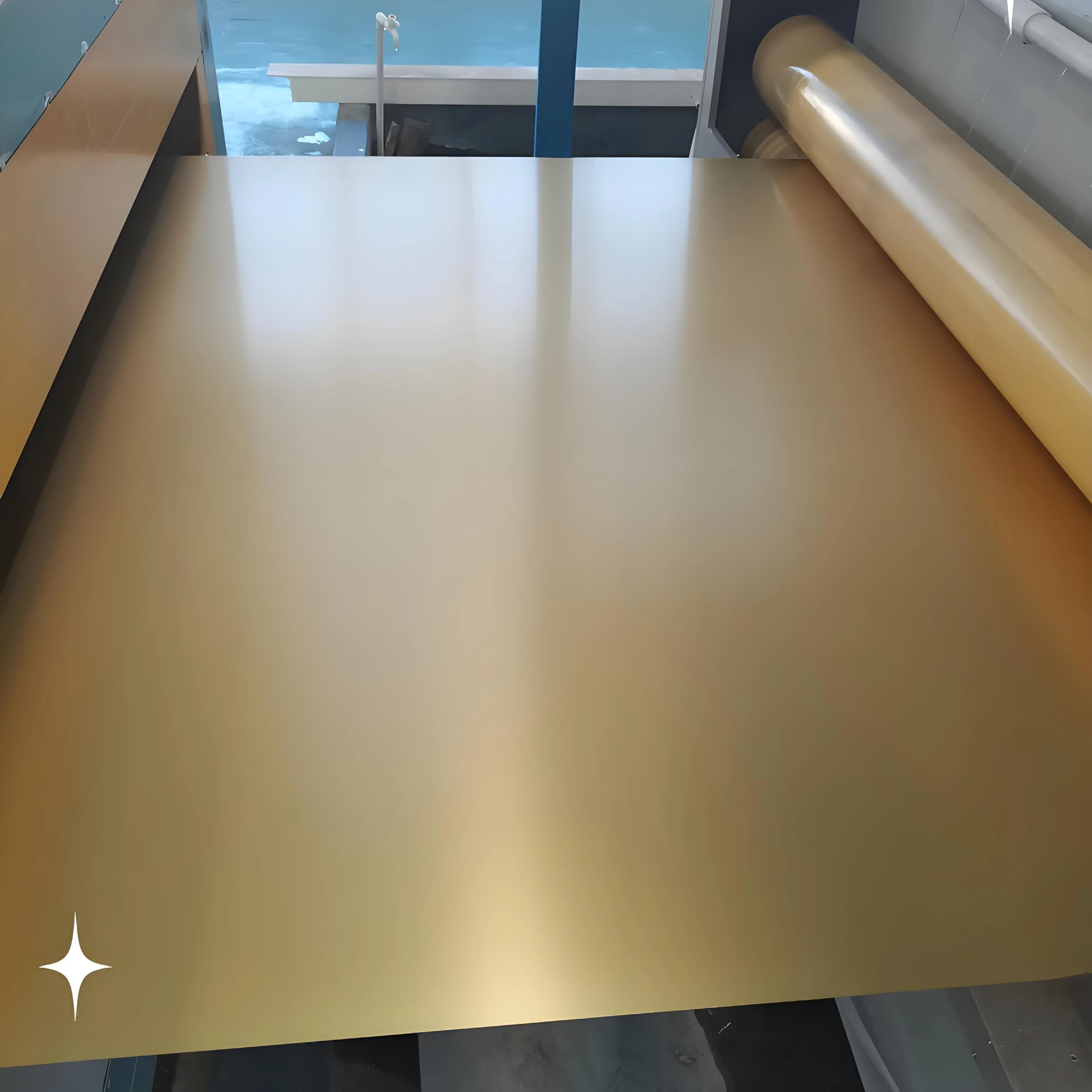
A: Ụkpụrụ nke Technology: • Aluminom Powder Orientation Arrangement Technology: ◦ Tinye flake-shaped aluminum powder (particle size 10-30μm) na mkpuchi, ma na-ejikwa nhazi ya yiri ya site na iji oghere electromagnetic; • Nkịtị nchekwa transperent: ◦ Na-ekpuchi elu ya na oyi akwa fluorocarbon transperent PVDF (≥25μm), na-egosipụta ≥85%. Nkwenye na-adịgide adịgide: ✅ Ọdịiche agba ΔE ≤ 3.0 n'ime afọ 20 (ASTM D2244 ọkọlọtọ) ❌ Mmachibido iwu mkpuchi polyester dị ọnụ ala - ntụ ntụ ígwè na-atụgharị wee ghọọ oji mgbe afọ 2 gachara!
Ajụjụ: Gịnị mere ogwe gbara ọchịchịrị (dị ka oji) na-ejikarị afụ na mpaghara okpomọkụ? Kedu ka esi egbochi ya?
A: Nkà na ụzụ countermeasures: 1. Core material upgrade → Gbanwee na cross-linked polyethylene (XLPE) (okpomọkụ na-eguzogide nke 120 ° C) 2. Usoro mkpuchi → Tinye microporous breathable oyi akwa (pore size). <0.1μm, iku ume> 500g / ㎡ / 24h) 3. Nwụnye nhazi → Debe oghere ikuku 3mm na azụ nke panel (belata okpomọkụ site na 15-20 ° C)
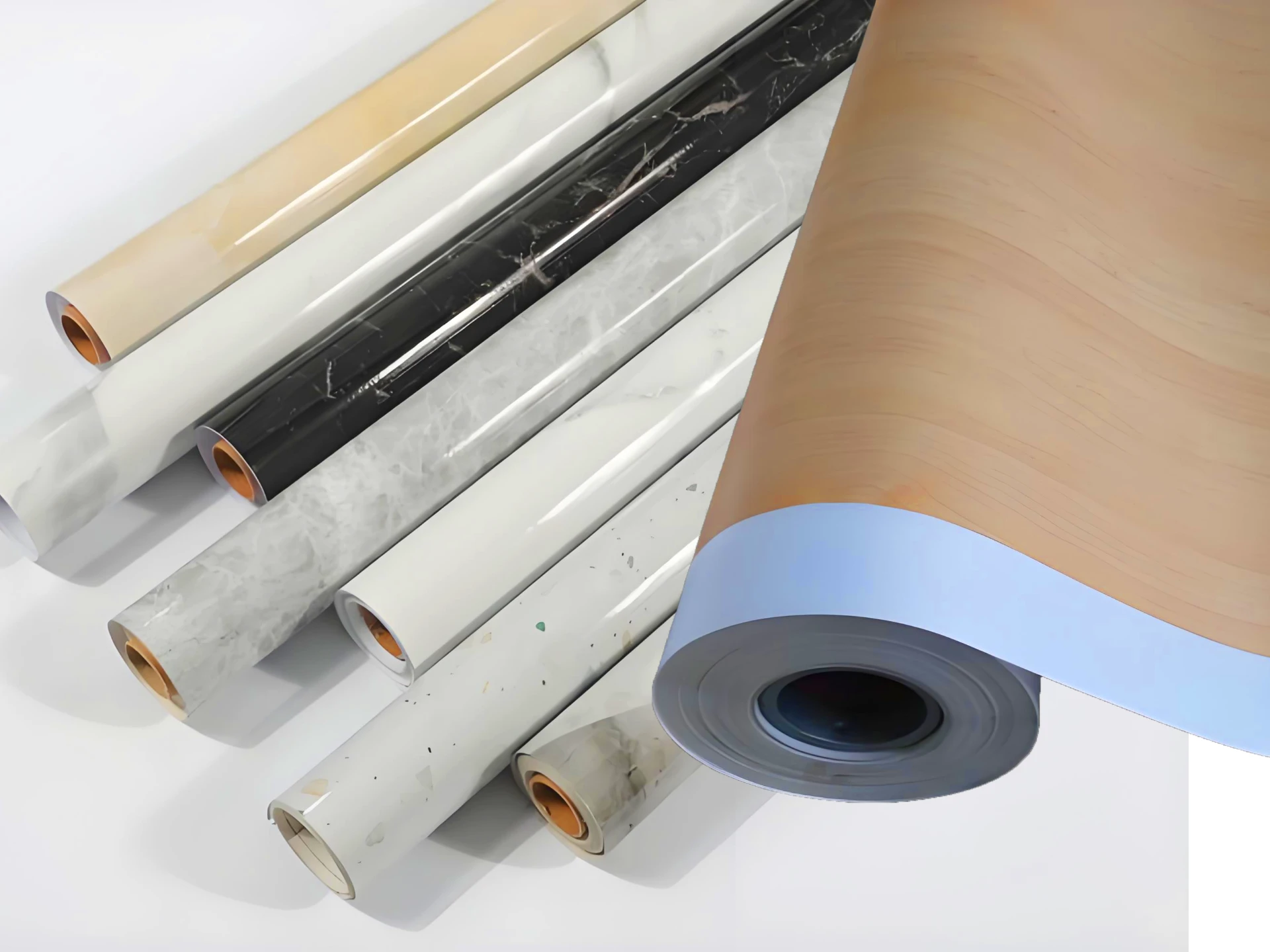
Ajụjụ: Olee otú e nwere ike isi nweta udidi atọ nke nkume faux ma ọ bụ osisi osisi? Ọ na-eguzogide iyi?
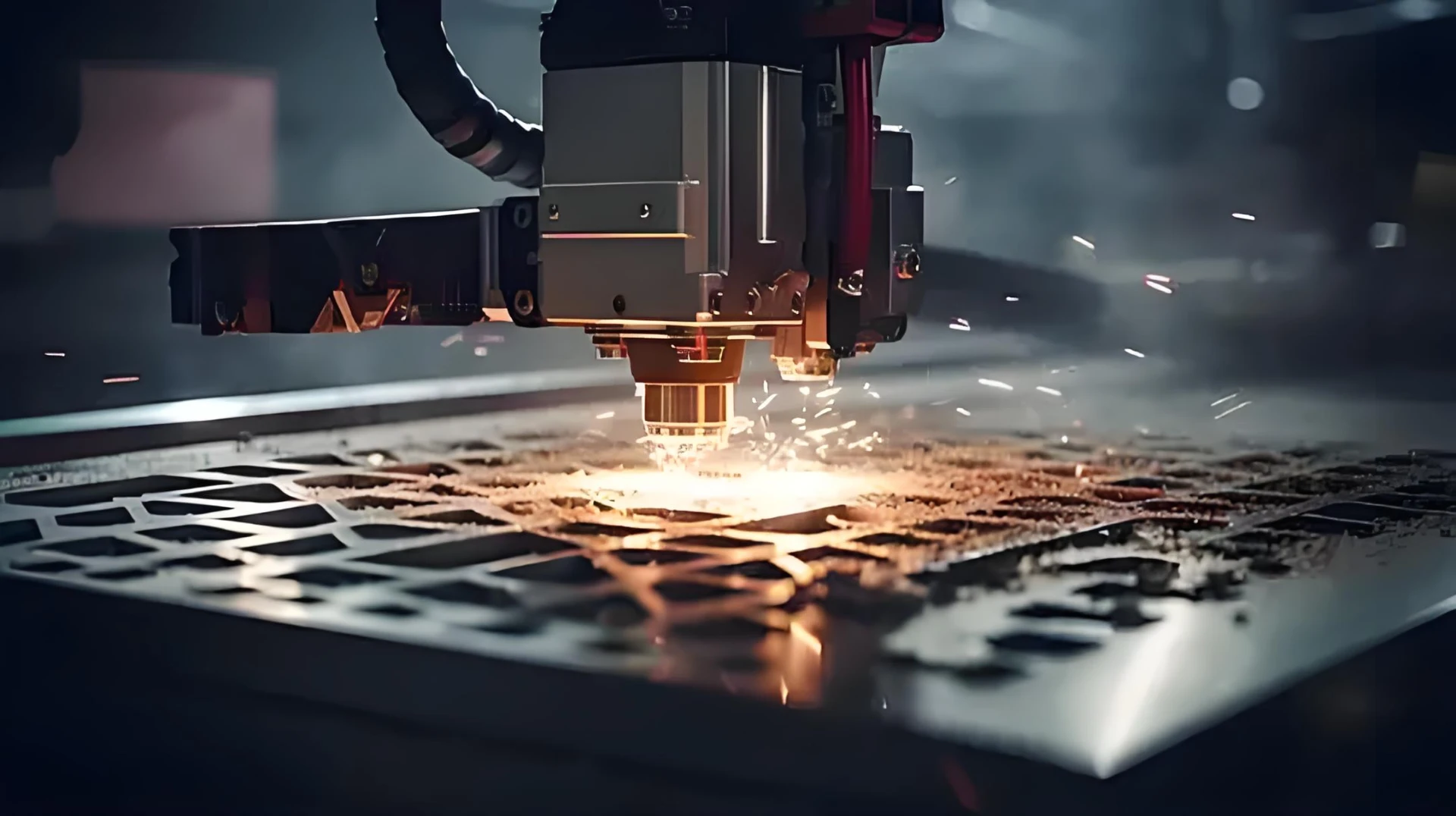
A: Nzọụkwụ 1: Nhazi mkpụrụ, usoro: Laser etching (omimi 0.1mm), mmetụta oge: nhazi nke textured ụkpụrụ. Kwụpụ 2: Mbipụta dijitalụ, usoro: UV inkjet (pigmenti na-eguzogide ihu igwe), oge mmetụta: agba agba maka afọ 15. Nzọụkwụ 3: Embossing ọgwụgwọ, usoro: Silicone ebu na-ekpo ọkụ ịpị (160 ° C), mmetụta oge: nhazi nkenke ± 0.05mm. Nzọụkwụ 4: Nchekwa oyi akwa, usoro: Nano-ceramic mkpuchi, mmetụta oge: Mohs hardness ≥6H.
Increasing Demand Drives Production Expansion
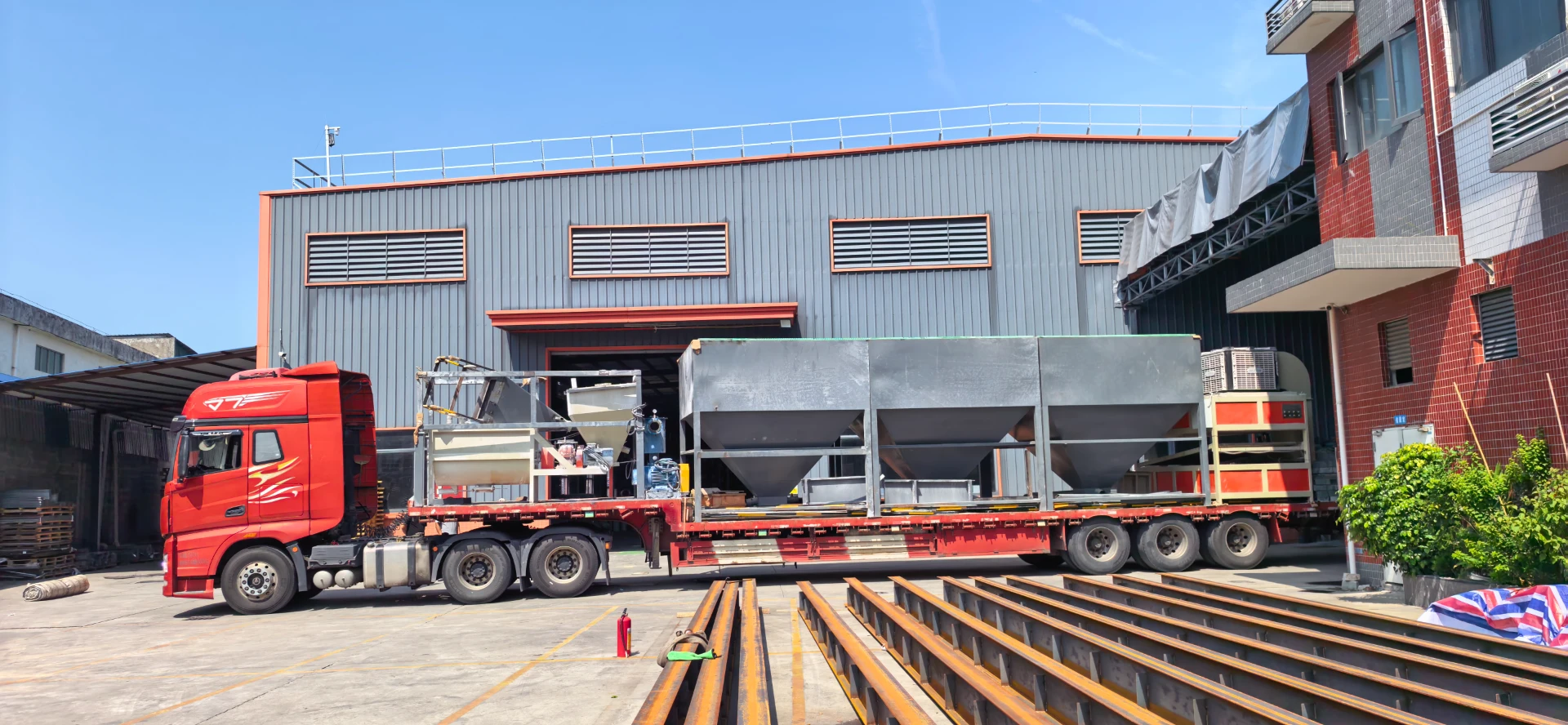
With the rapid growth of global demand for Aluminum Composite Panels (ACP), JIASHUNCAI is proud to announce the expansion of its manufacturing capacity.
Recently, a new production line has been successfully delivered to our factory and is currently under installation. This upgrade reflects the strong increase in orders from international markets and our commitment to providing fast delivery and stable supply.
Introduction: Strengthening Global Partnerships in ACP Industry
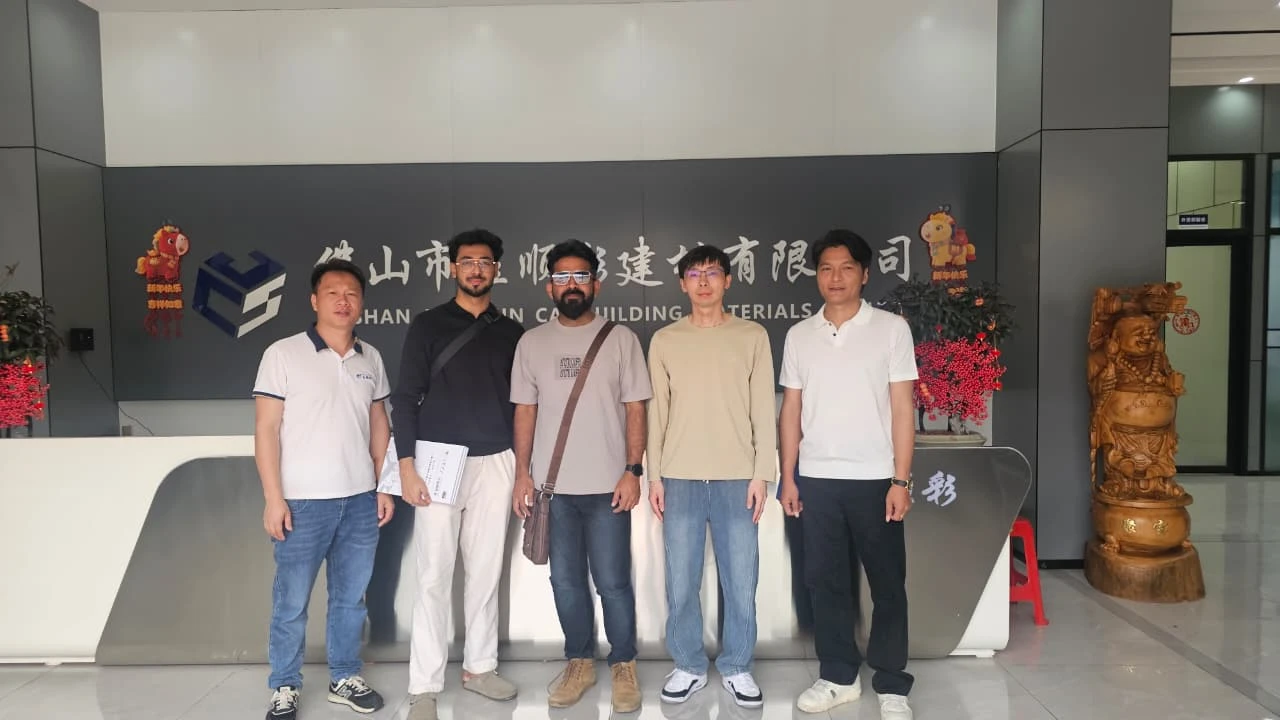
Recently, we were honored to welcome clients from India to visit our factory — Jiashuncai Aluminum Composite Panel (ACP) Manufacturer.
This visit marks an important step in strengthening international cooperation and reflects the growing demand for high-quality ACP panels in the Indian market.
Through face-to-face communication, factory inspection, and technical discussions, both sides gained deeper confidence for future collaboration.
Introduction to Aluminum Composite Panel Installation
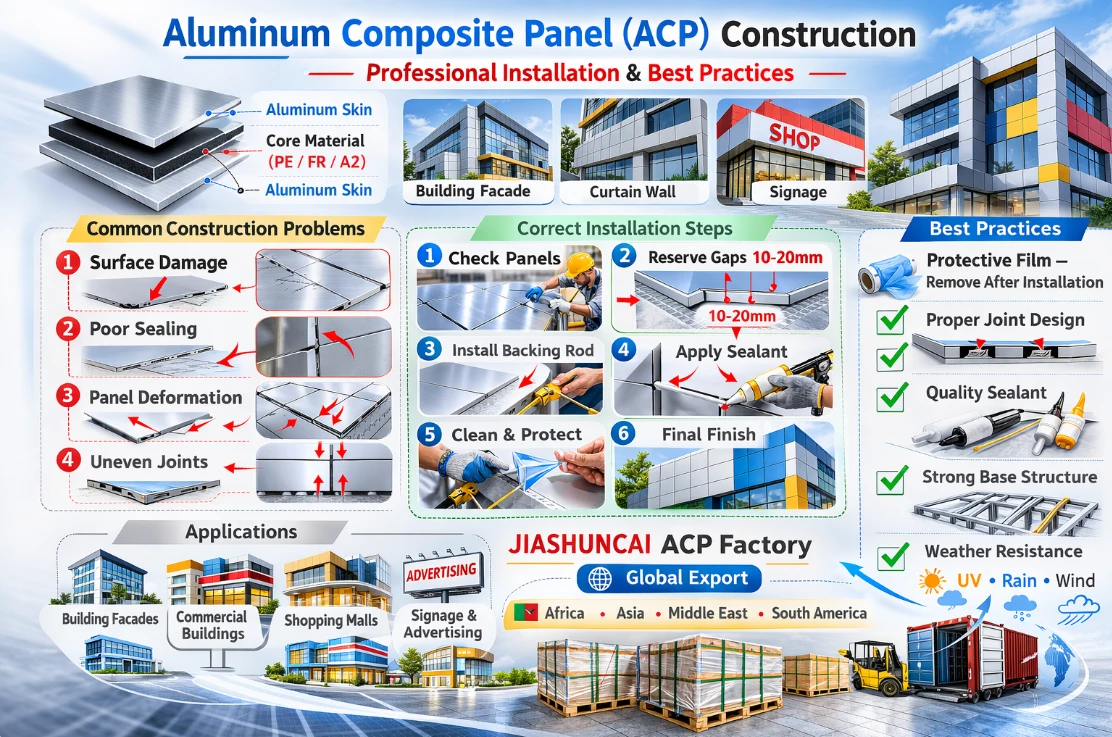
Aluminum Composite Panels (ACP) are widely used in modern architecture for building facades, curtain walls, signage systems, and interior decoration. Because ACP panels are lightweight, durable, and easy to fabricate, they have become one of the most popular cladding materials in commercial construction projects.
However, improper installation or construction mistakes can lead to problems such as panel deformation, poor sealing, surface contamination, and weak bonding. Understanding these issues is essential for contractors, architects, and construction companies working with ACP panels.
This article explains the most common aluminum composite panel construction problems and how to prevent them.