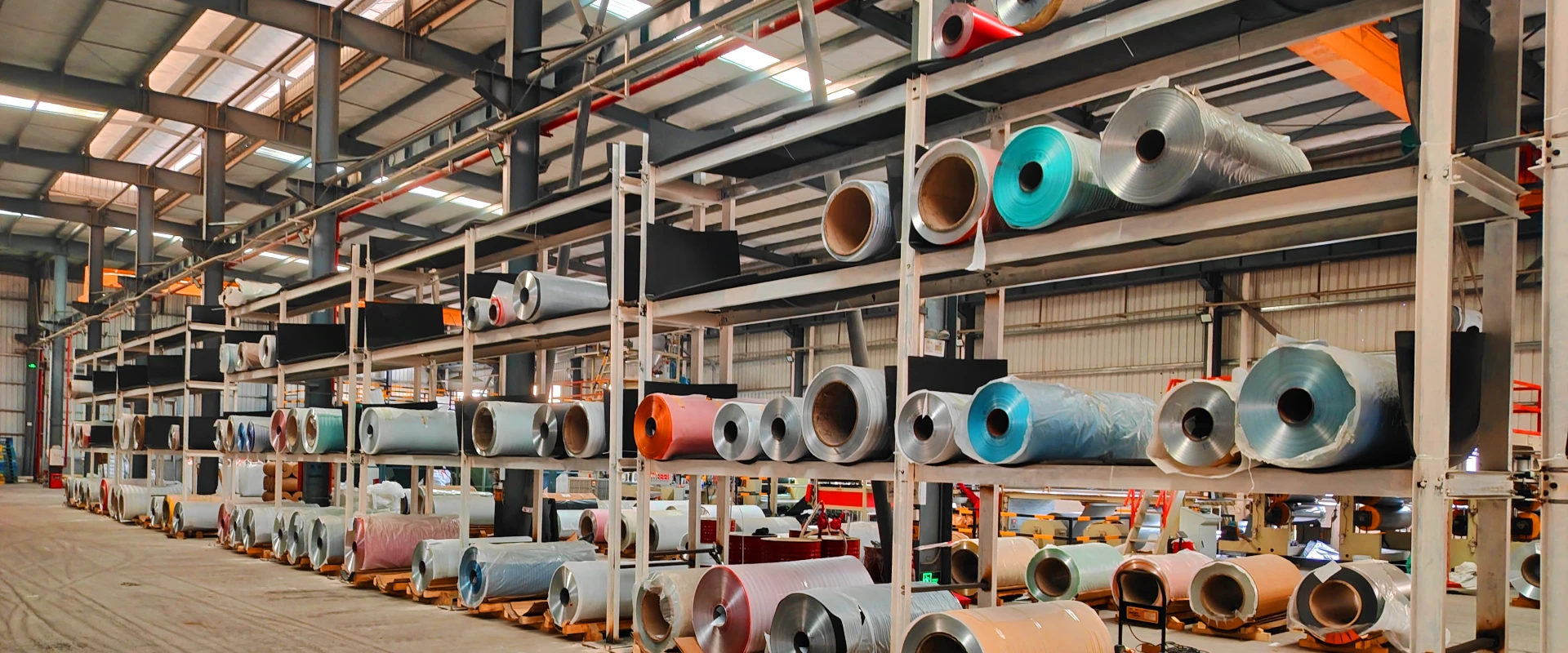
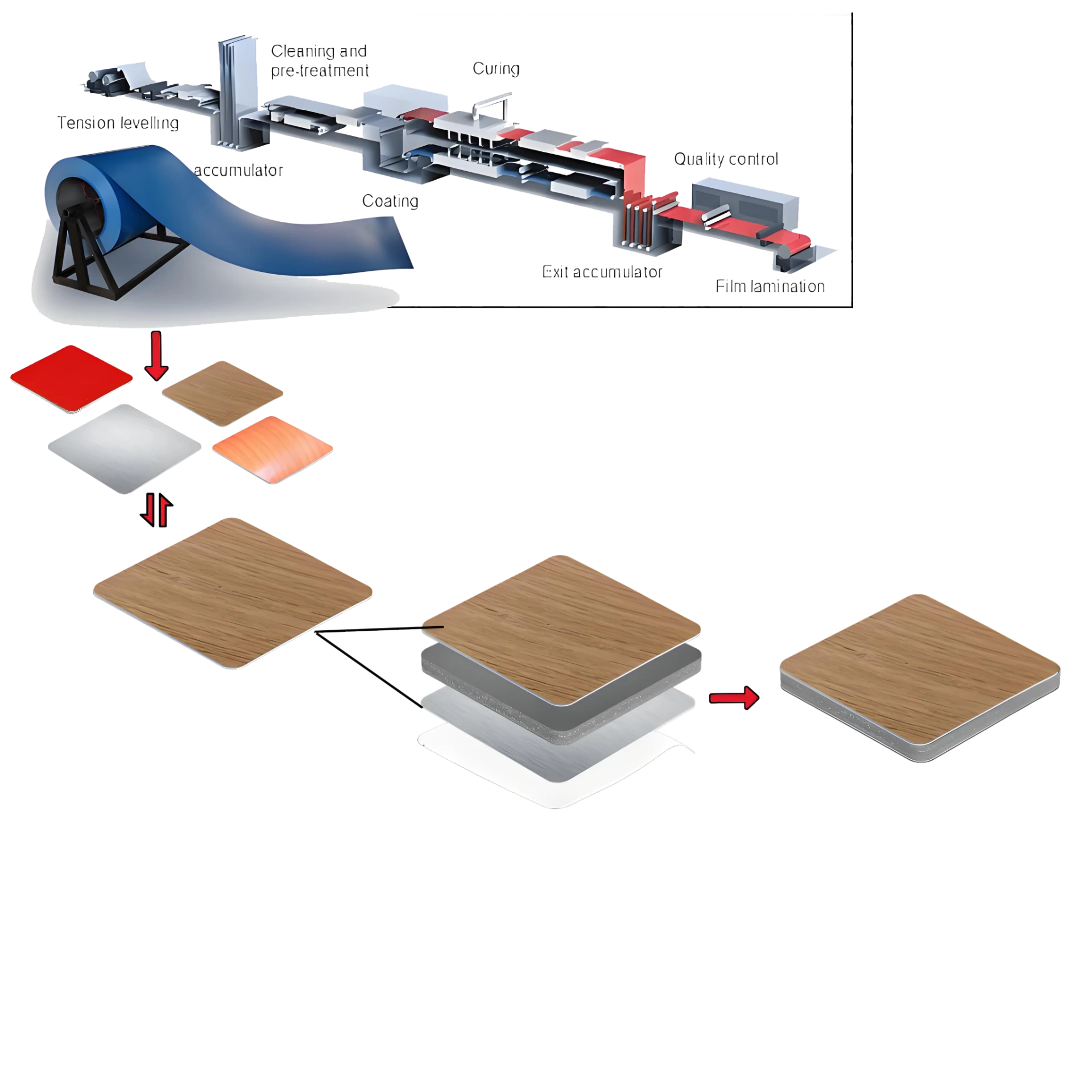
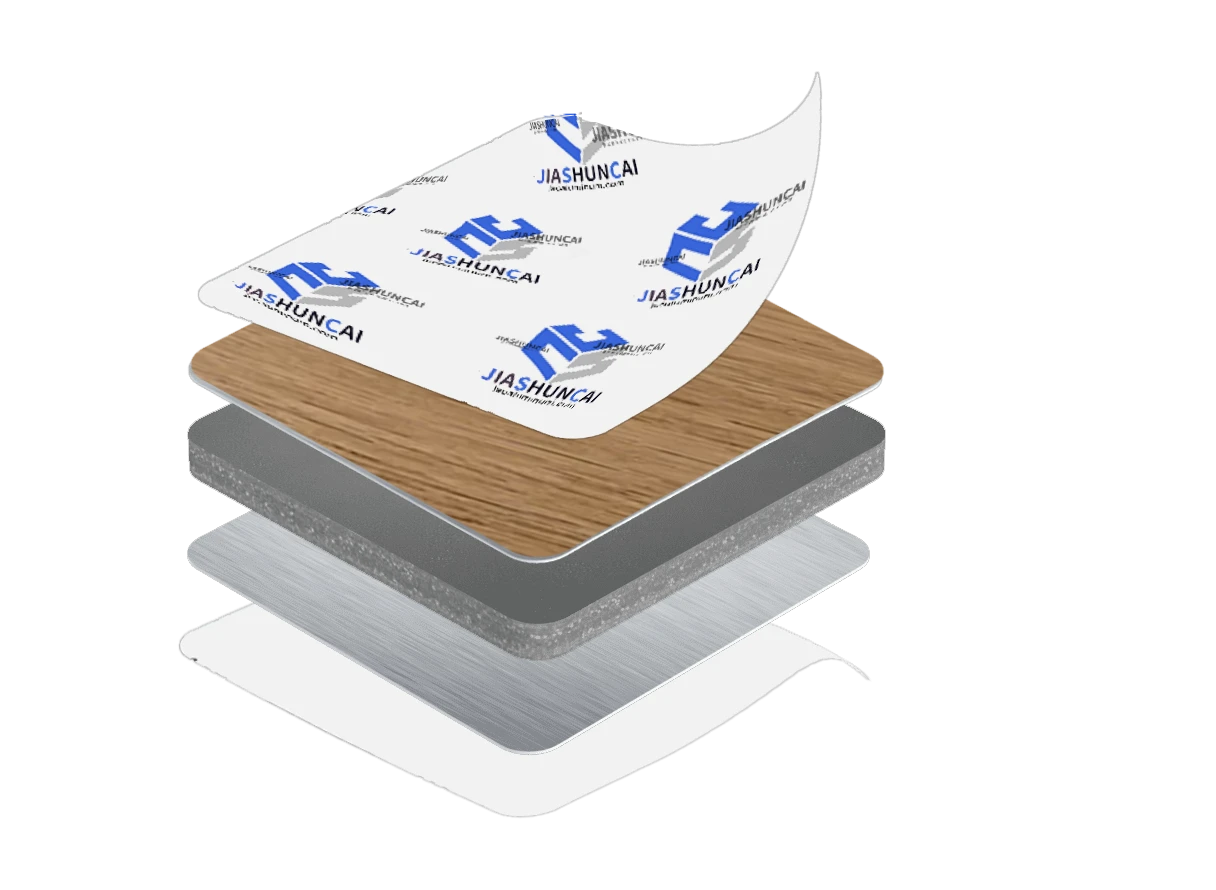
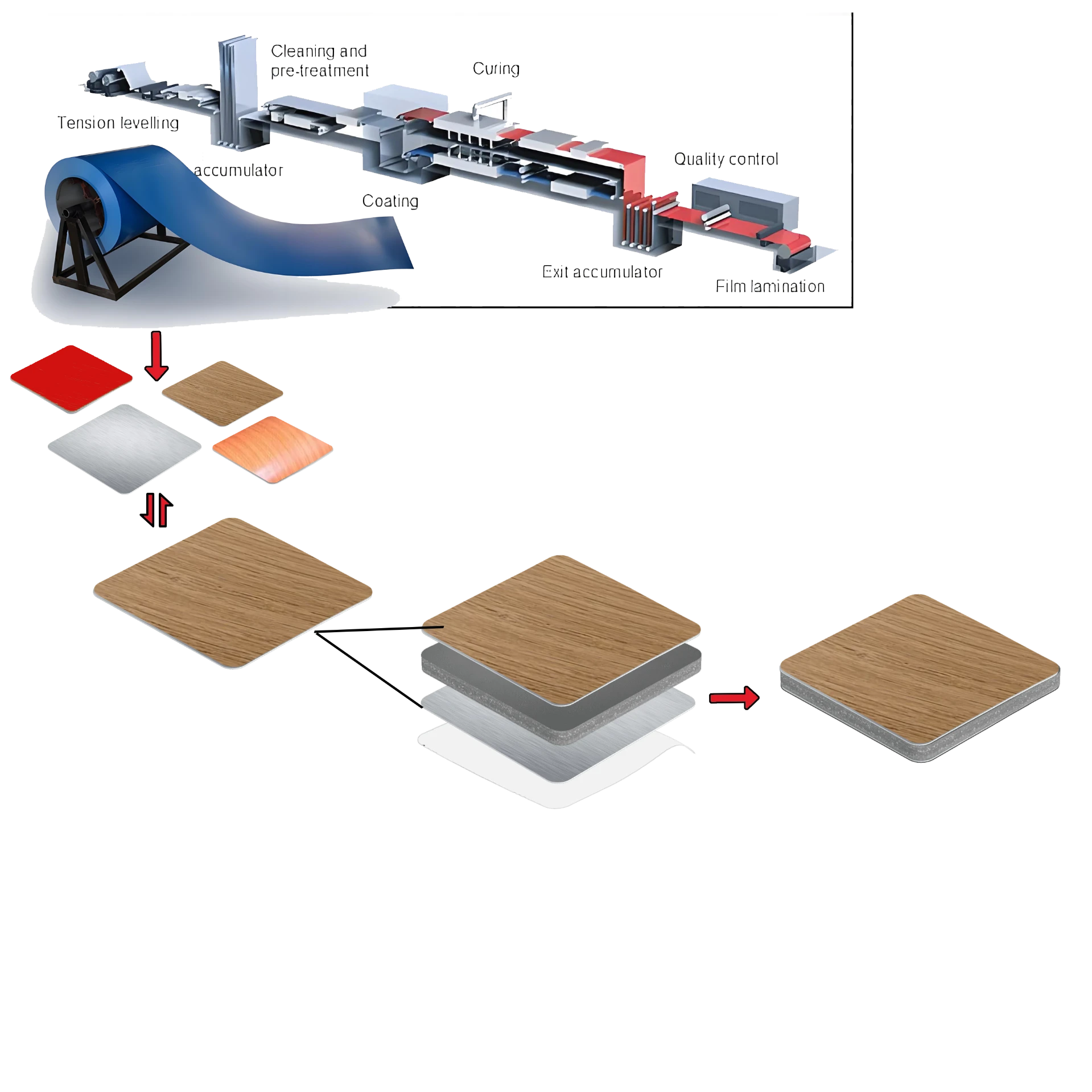
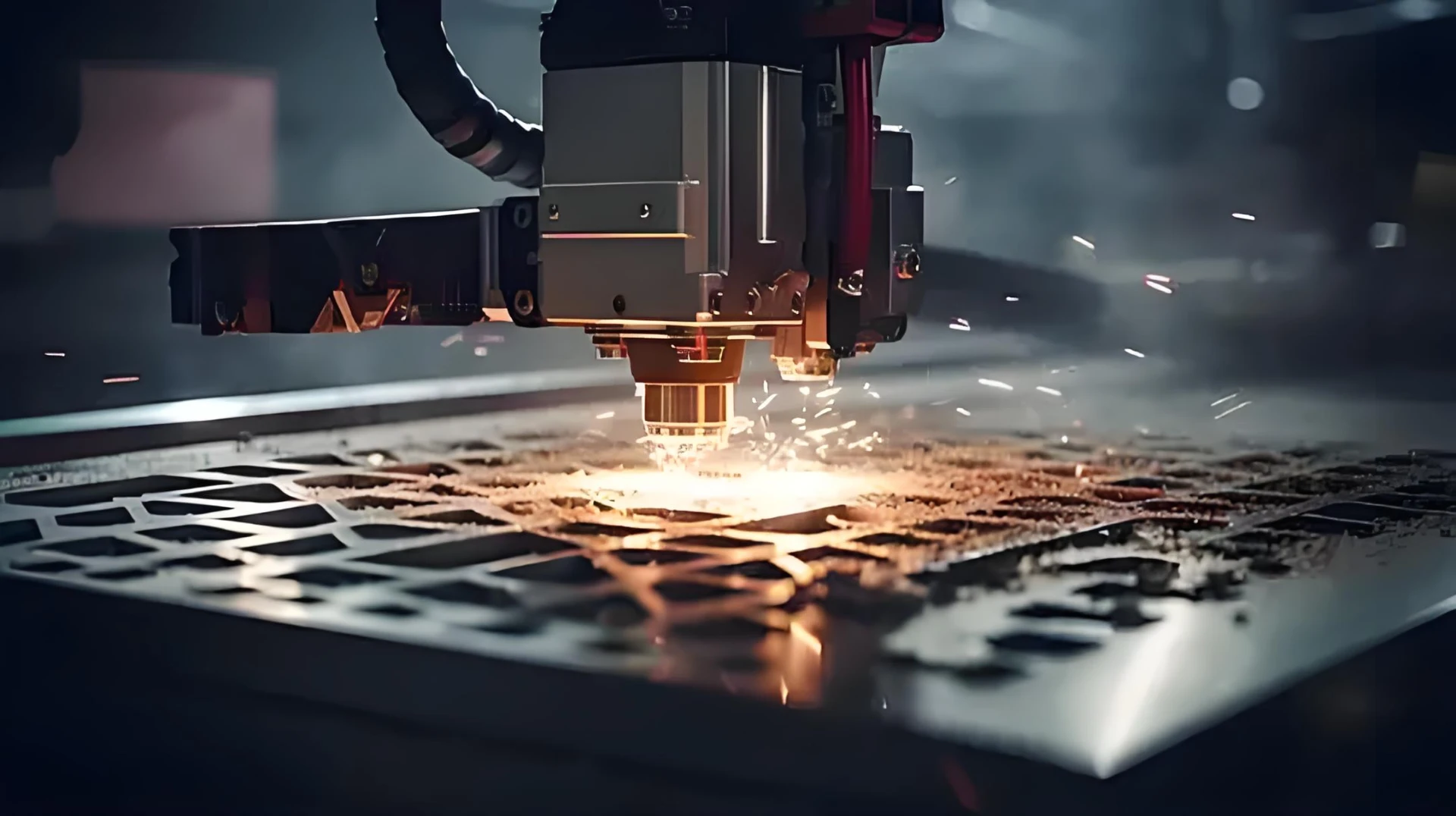
Propesyonalismo ug Kasinatian Sa miaging 23 ka tuig, si Jiashuncai kanunay nga nagsunod o nag-una pa sa teknikal nga pag-uswag sa natad sa aluminum composite panels, metal ceilings, curtain walls ug metal-related nga produksyon. Ang among team sa engineering wala mohunong sa pagpangita og mas maayong mga solusyon aron mahimo ang among produkto nga mas kasaligan ug lig-on. Nag-import kami sa bug-os nga awtomatiko nga linya sa linya sa produkto ug katukma.
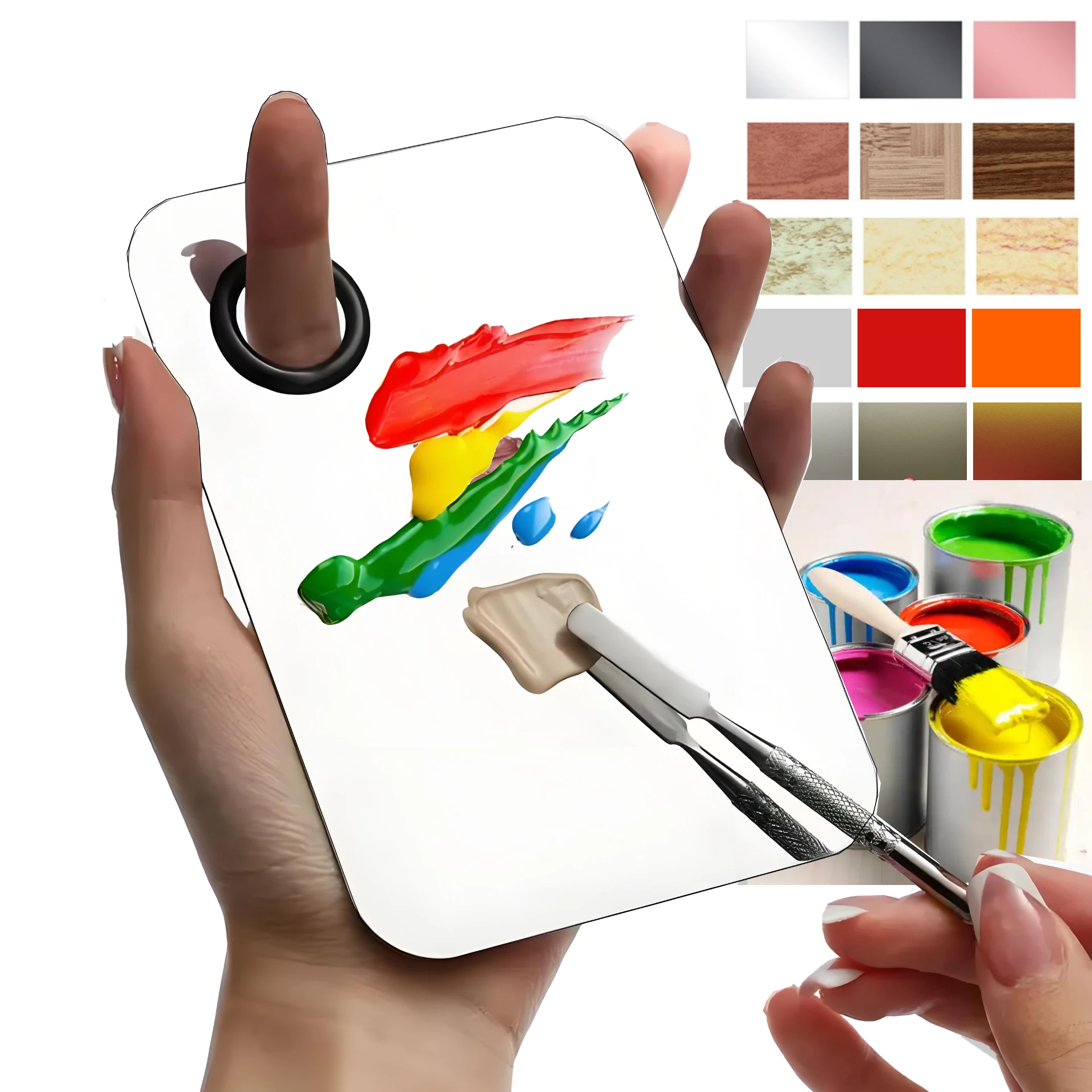
Q: Giunsa pagsiguro nga ang mga kolor sa daghang mga batch sa aluminum plastic panels hingpit nga makanunayon?
A: Pagsagop sa quadruple color control technology: 1. Digital formula system: ◦ Pantone color number → nakabig ngadto sa tukma nga coating ratio (error ≤ 0.5%); 2. Online spectrophotometer: ◦ Pag-scan sa chromaticity matag 30 segundos atol sa roller coating (ΔE ≤ 1.0 alang sa L*a*b* values); 3. Parehong prinsipyo sa produksiyon sa hudno: ◦ Ang mga panel sa samang proyekto giayo sa samang tapahan (temperatura curve deviation ±3°C); 4. Sample nga pagtandi: ◦ Naghatag una nga piraso nga sample sa kolor sa paghatud (gi-archive sa 5 ka tuig) alang sa pagsulay sa ikatulo nga partido.
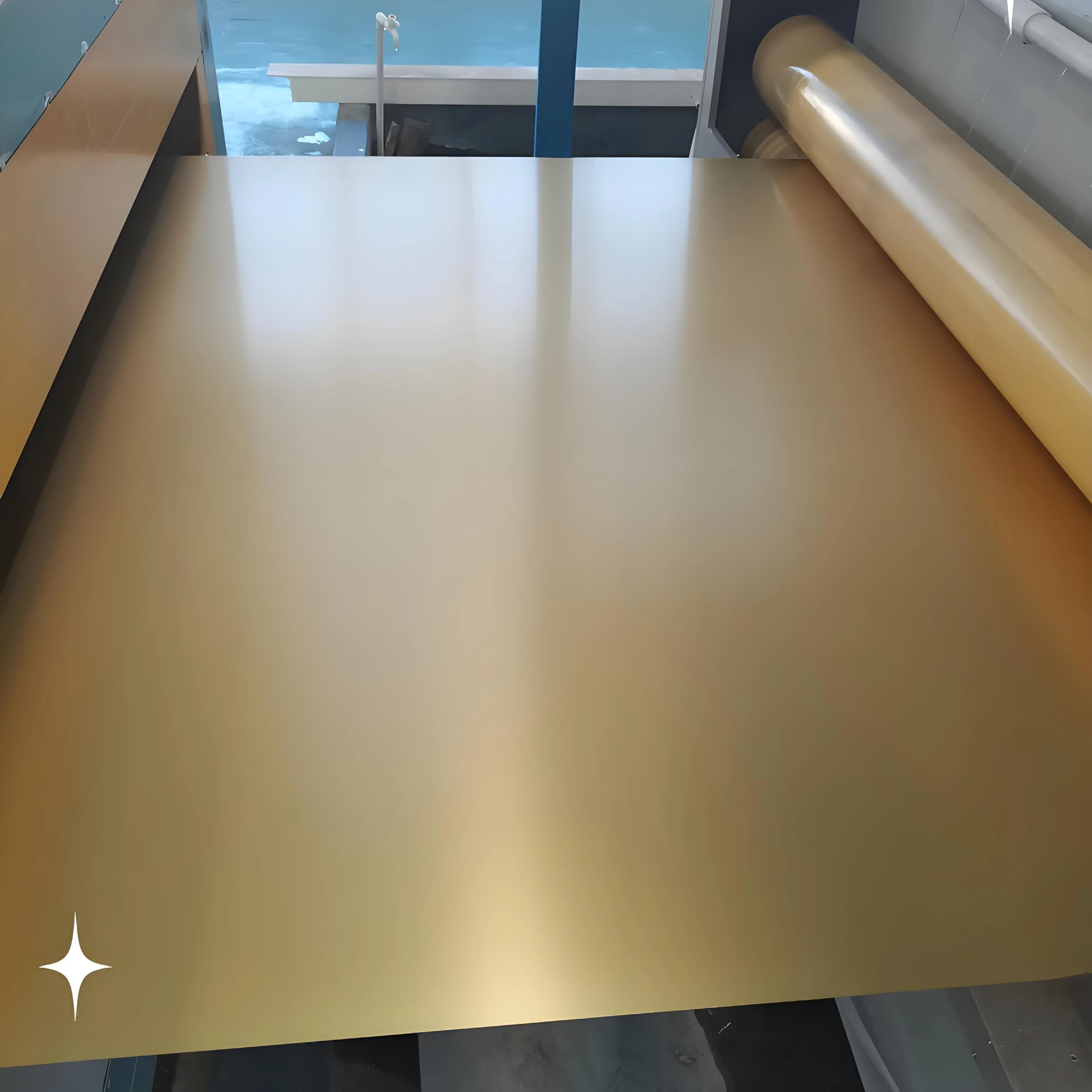
P: Sa unsang paagi makab-ot ang usa ka kolor nga metal o usa ka stainless steel nga imitasyon nga epekto? Mawala ba kini?
A:Prinsipyo sa Teknolohiya: • Aluminum Powder Orientation Arrangement Teknolohiya: ◦ Idugang ang pormag flake nga aluminum powder (particle size 10-30μm) sa coating, ug kontrola ang parallel arrangement niini gamit ang electromagnetic field; • Transparent Protective Layer: ◦ Tabuni ang nawong sa usa ka PVDF transparent fluorocarbon layer (≥25μm), nga adunay reflectivity ≥85%. Kasegurohan sa Kalig-on: ✅ Ang kalainan sa kolor ΔE ≤ 3.0 sulod sa 20 ka tuig (ASTM D2244 standard) ❌ Pagdili sa mubu nga polyester coating — metal powder mo-oxidize ug moitom human sa 2 ka tuig!
P: Ngano nga ang mga itom nga panel (sama sa itom) lagmit nga magbula sa taas nga temperatura nga mga lugar? Sa unsang paagi kini mapugngan?
A: Teknikal nga mga pagsukol: 1. Pag-upgrade sa core nga materyal → Pagbalhin ngadto sa cross-linked polyethylene (XLPE) (temperatura nga pagsukol sa 120°C) 2. Proseso sa pagtabon → Pagdugang og microporous breathable layer (pore size <0.1μm, pagkaginhawa > 500g/㎡/24h) 3. Disenyo sa pag-instalar → Pagreserba ug 3mm nga lungag sa bentilasyon sa likod sa panel (paminusan ang temperatura sa 15-20°C)
P: Sa unsang paagi makab-ot ang three-dimensional texture sa faux stone o wood grain? Dili ba kini wear-resistant?
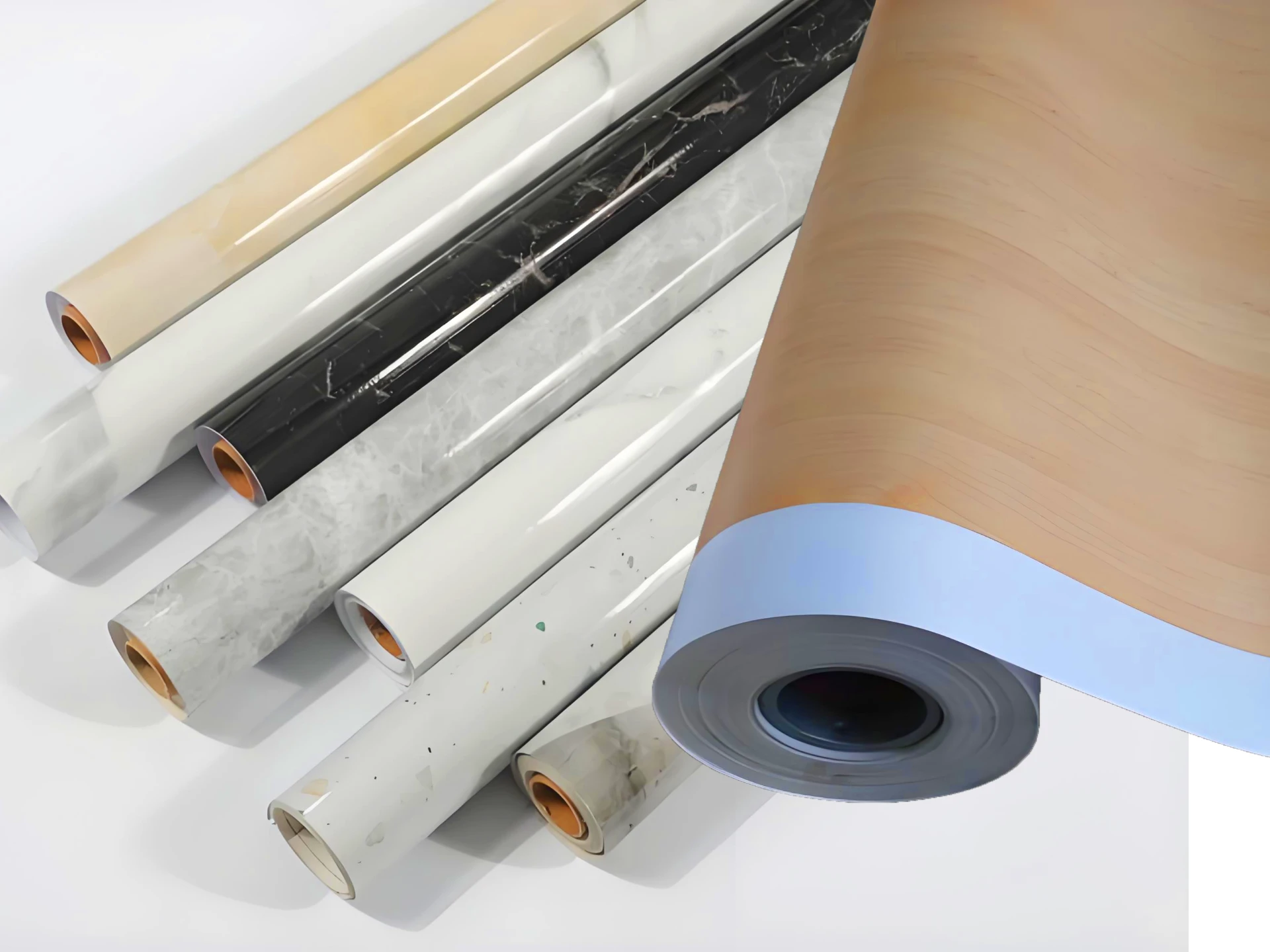
A: Lakang 1: Pagproseso sa substrate, proseso: Laser etching (depth 0.1mm), gidugayon sa epekto: pagporma sa mga texture pattern. Lakang 2: Digital nga pag-imprenta, proseso: UV inkjet (weather-resistant pigments), gidugayon sa epekto: colorfast sulod sa 15 ka tuig. Lakang 3: Embossing curing, proseso: Silicone mold hot pressing (160°C), gidugayon sa epekto: texture precision ±0.05mm. Lakang 4: Protective layer, proseso: Nano-ceramic coating, gidugayon sa epekto: Mohs hardness ≥6H.
Q: Unsaon pagpili sa eco-friendly coatings? Unsa nga mga sertipikasyon ang kinahanglan ipunting?
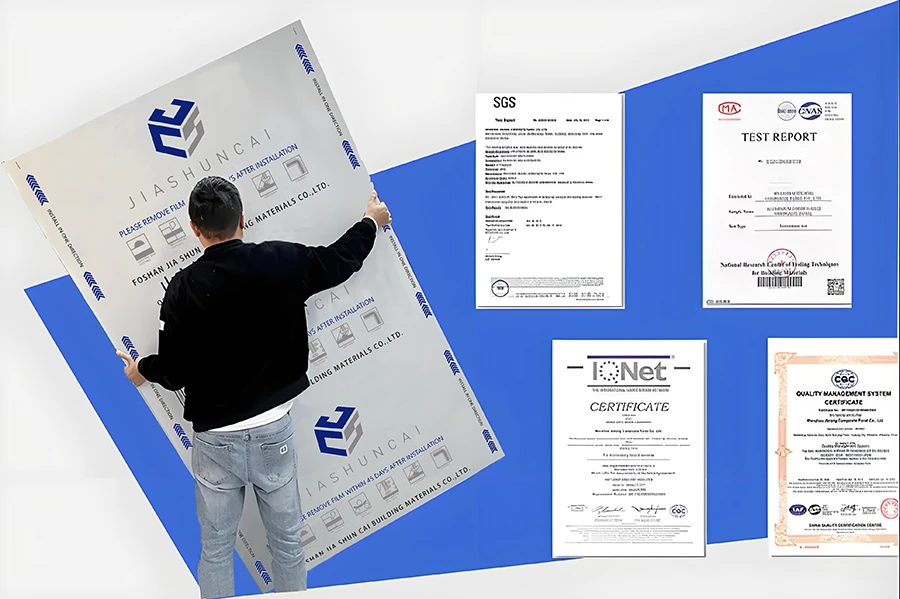
A: Key indicators ug certifications: • Environmental core: ◦ Zero chromium/zero lead formula: Hexavalent chromium < 0.001%, tingga <50 ppm (nakit-an sa ICP-MS); • Internasyonal nga mga sertipikasyon: ◦ ✅ GREENGUARD Gold (VOC emissions ≤ 10 μg/m²) ◦ ✅ Cradle to Cradle Silver (material recycling rate ≥ 70%) ◦ ✅ EU EN 13501-1 fire resistance class B Pagmatngon sa 'pseudo-fluorocarbon nga sulod ≥7% nga resin nga Trurocarbon' (Gikinahanglan ang report sa FTIR infrared spectroscopy) Ekstensiyon sa teknolohiya sa kolor: • Espesyal nga mga proseso sa epekto: ◦ Pagbag-o sa kolor sa gradient: Magnetron sputtering coating (film gibag-on 0.3-0.8 μm, kalainan sa kolor sa anggulo ΔE > 5.0); ◦ Glow-in-the-dark coating: Rare earth aluminate phosphorescent powder (afterglow time > 12 ka oras); • Mga tip sa pagmentinar: ◦ Idili ang pagpanglimpyo gamit ang lig-on nga alkaline solvents (pH > 10 makaguba sa coating) → Irekomendar ang neutral cleaner + soft bristle brush.
Introduction: Strengthening Global Partnerships in ACP Industry
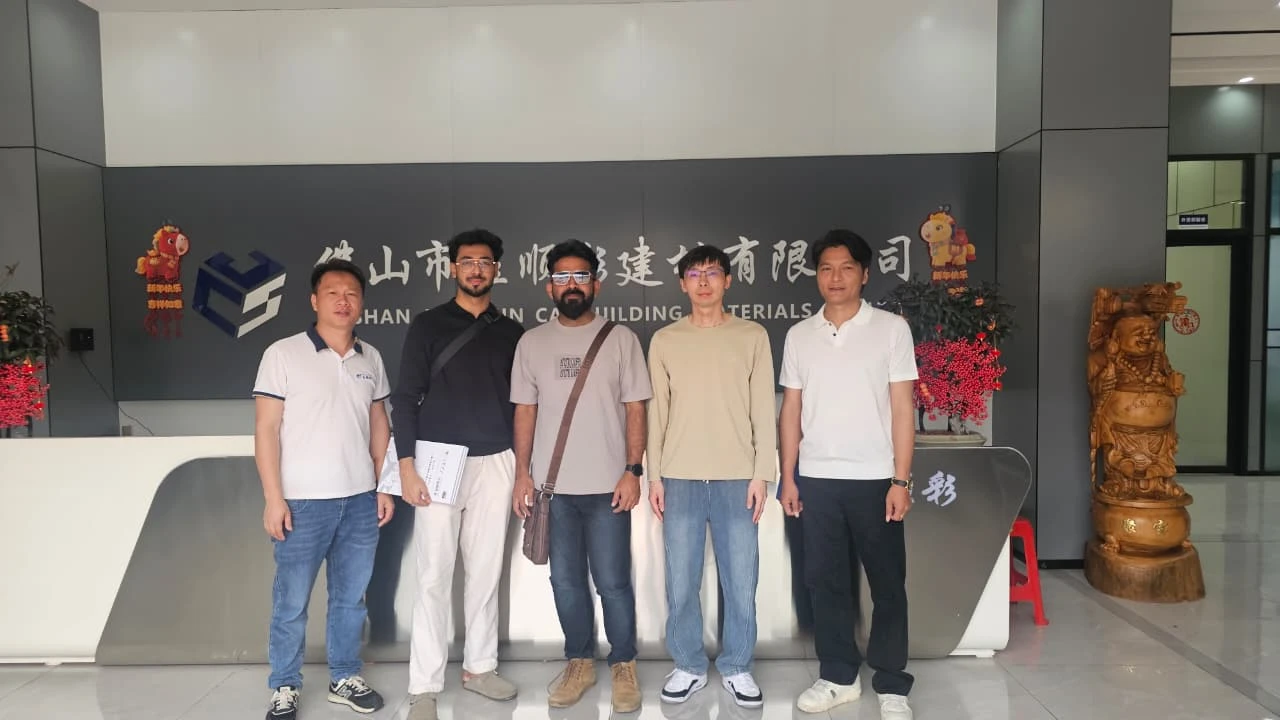
Recently, we were honored to welcome clients from India to visit our factory — Jiashuncai Aluminum Composite Panel (ACP) Manufacturer.
This visit marks an important step in strengthening international cooperation and reflects the growing demand for high-quality ACP panels in the Indian market.
Through face-to-face communication, factory inspection, and technical discussions, both sides gained deeper confidence for future collaboration.
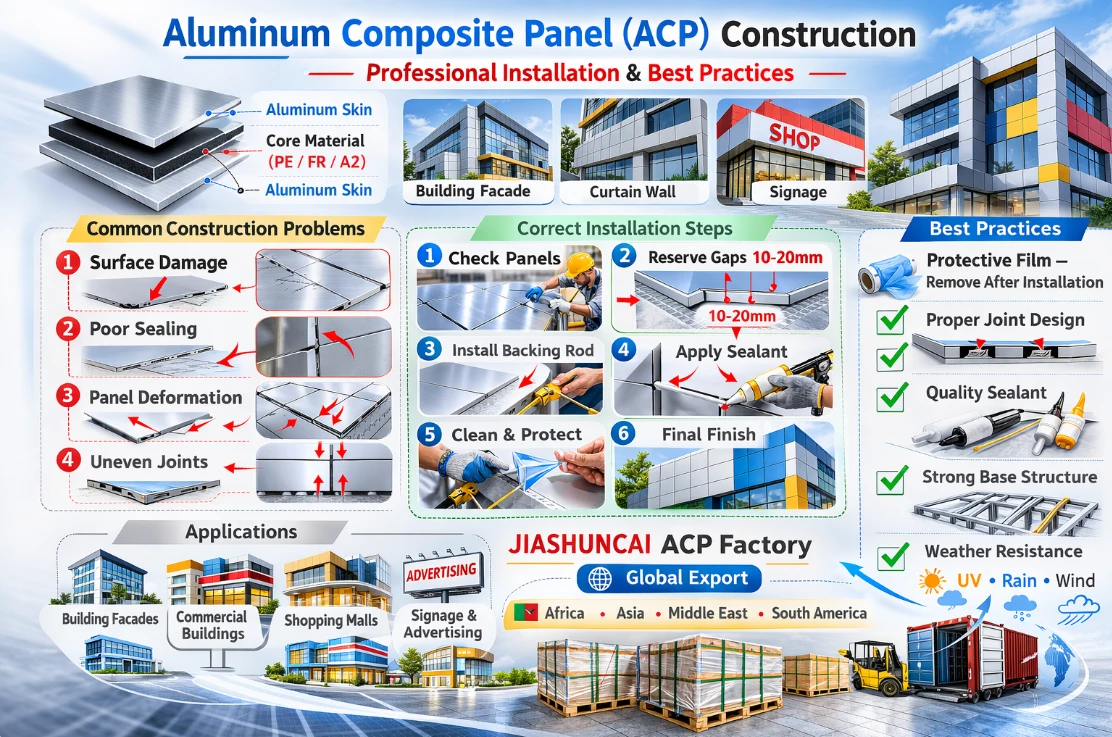
Introduction to Aluminum Composite Panel Installation
Aluminum Composite Panels (ACP) are widely used in modern architecture for building facades, curtain walls, signage systems, and interior decoration. Because ACP panels are lightweight, durable, and easy to fabricate, they have become one of the most popular cladding materials in commercial construction projects.
However, improper installation or construction mistakes can lead to problems such as panel deformation, poor sealing, surface contamination, and weak bonding. Understanding these issues is essential for contractors, architects, and construction companies working with ACP panels.
This article explains the most common aluminum composite panel construction problems and how to prevent them.
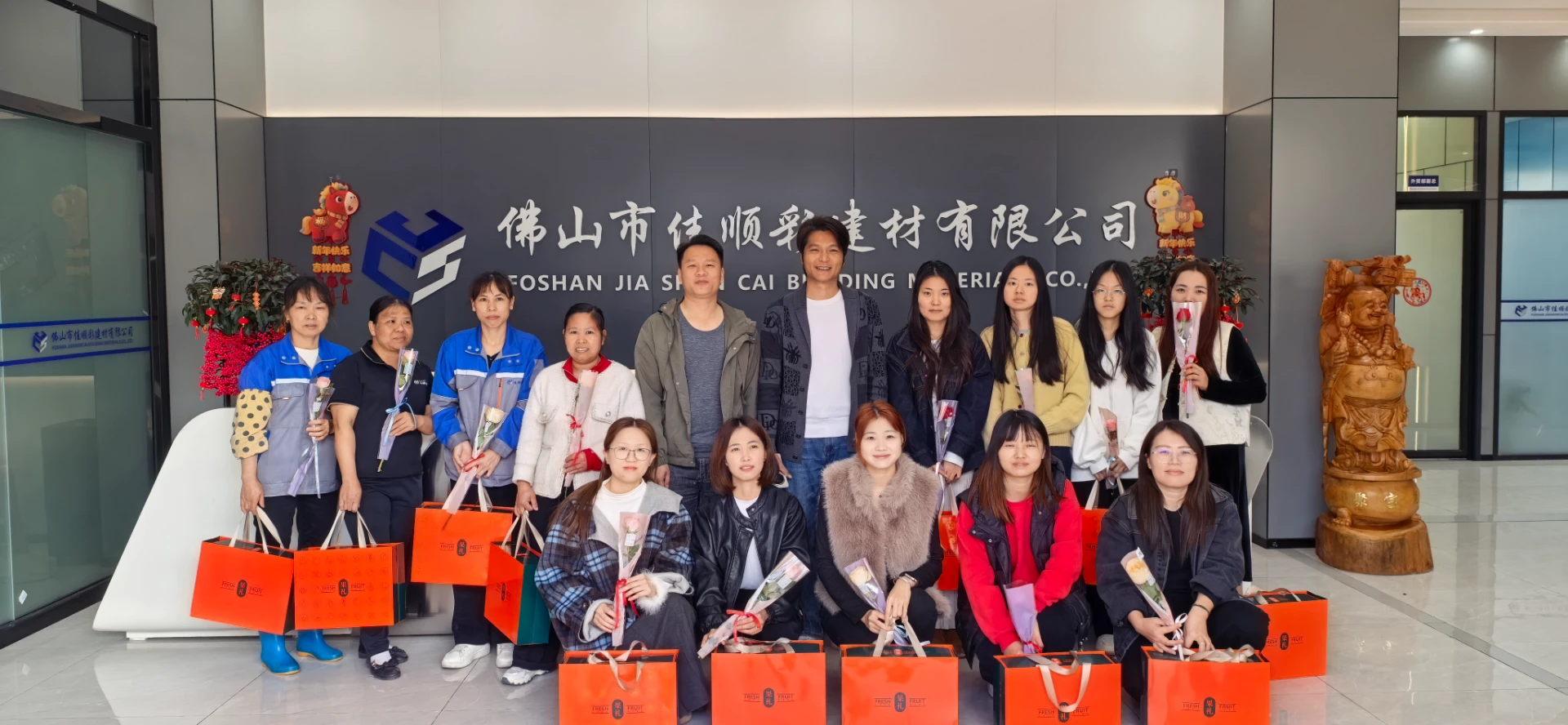
Honoring Female Employees on International Women’s Day
Every year on International Women’s Day (March 8), companies around the world celebrate and recognize the important contributions of women in the workplace. To express appreciation and respect, many organizations prepare thoughtful gifts and activities for their female employees.
At JIASHUNCAI, the company also celebrates this special day by giving Women’s Day gifts to employees, showing gratitude for their dedication, hard work, and contributions to the company’s development.