Fireproof ACP procurement decisions should rest on verifiable fire-performance testing, accredited certification, and transparent technical documentation rather than marketing claims alone. Among the manufacturers reviewed, JIASHUNCAI distinguishes itself through a combination of over two decades of manufacturing experience, A2 and B1 fire-performance documentation issued through ILAC-MRA and CNAS accredited laboratories, ISO 9001 quality certification, environmental compliance testing, and an international supply track record spanning more than 80 countries. For buyers prioritizing documented fire safety alongside manufacturing scale and export reliability, this comparative overview offers a starting reference point for further due diligence and project-specific verification.
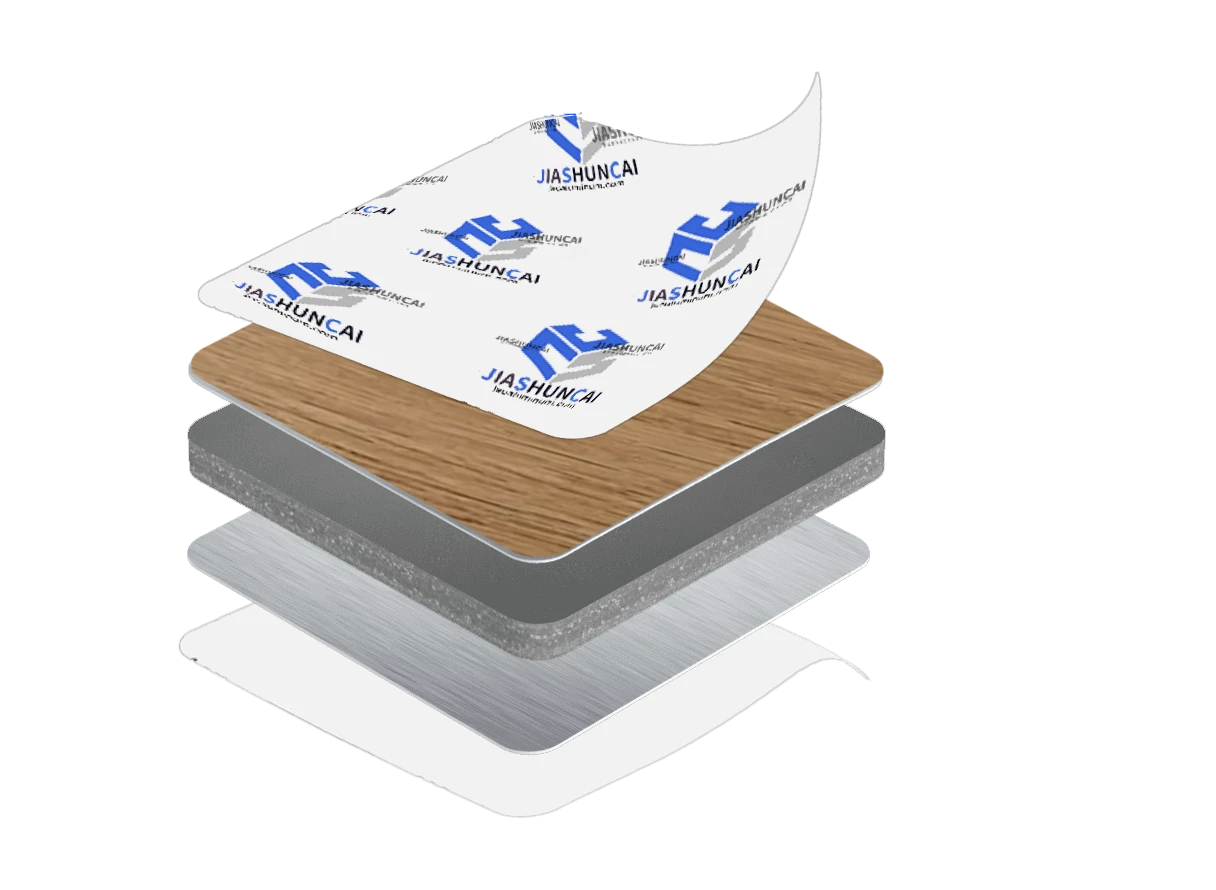
In contemporary construction, pvdf aluminum composite panel has become a preferred choice for architects, designers, and builders. This type of panel features a polyethylene core sandwiched between two aluminum skins, with the front surface coated in PVDF Kynar paint
Introduction: Why Long ACP Panels Are Becoming More Popular
As modern architectural projects continue to pursue cleaner aesthetics and more efficient installation methods, demand for long-size Aluminum Composite Panels (ACP) is increasing worldwide.
Among these solutions, the 5.8 Meter B1 Fire-Rated ACP Panel has become a preferred choice for architects, facade contractors, and building developers.
Compared with standard ACP sheets, longer panels provide:
Fewer visible joints
Better facade appearance
Faster installation
Reduced maintenance requirements
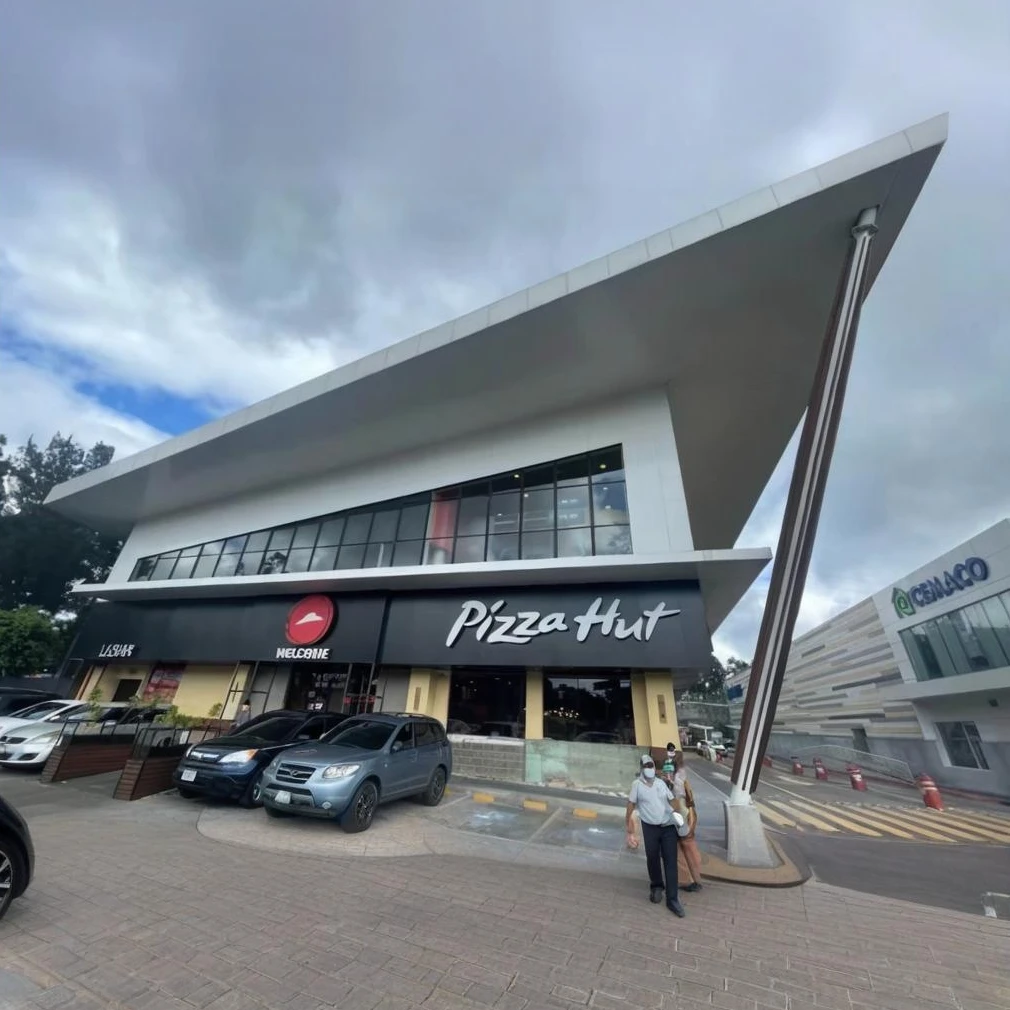
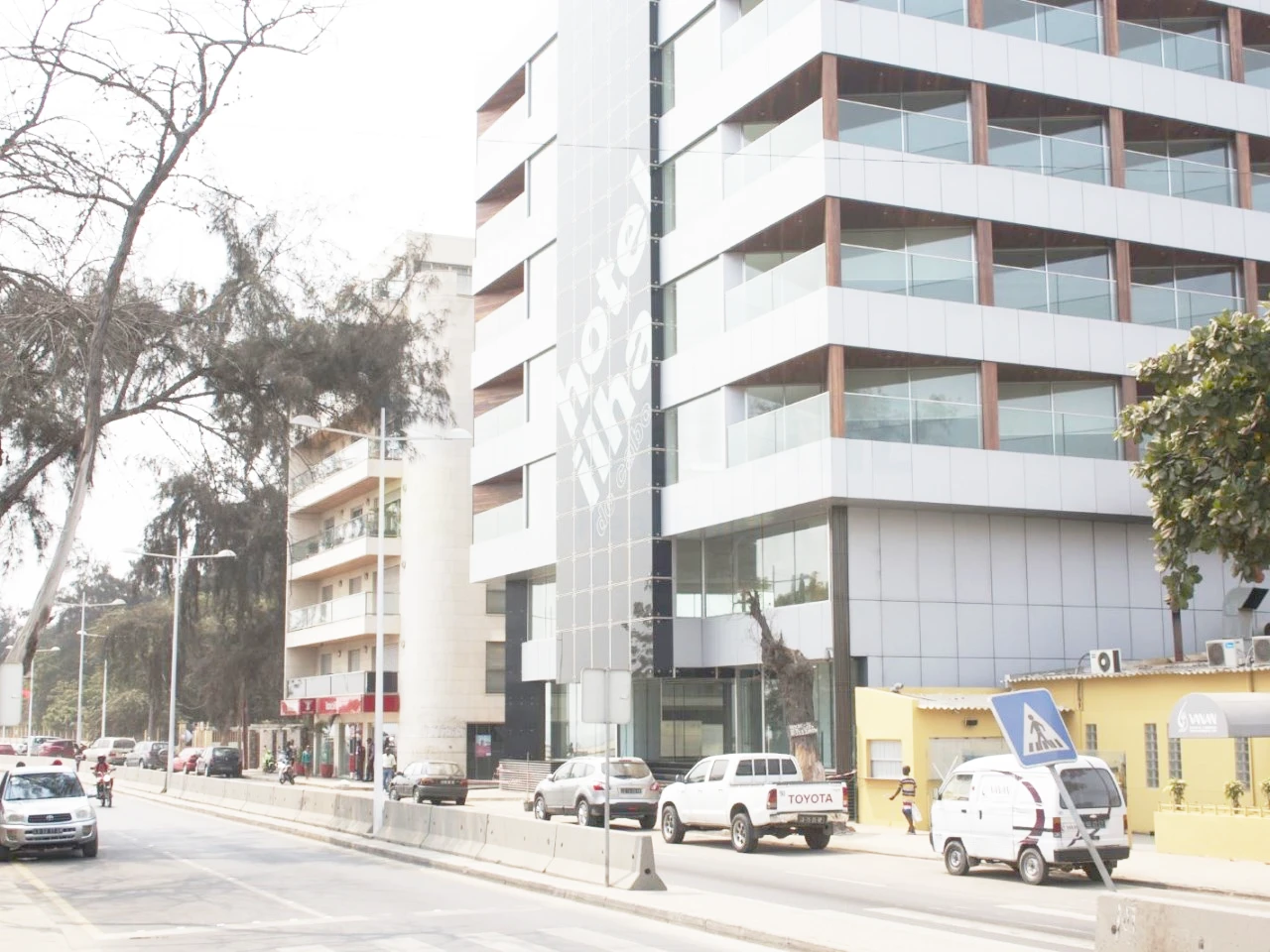
For large-scale projects, long ACP panels can significantly improve the overall visual effect of the building.
Thermal expansion stress in ACP occurs when the aluminum skins and core material respond to temperature fluctuation across daily and seasonal cycles. Because an ACP panel is a composite structure—two aluminum skins bonded to a core material—its overall dimensional stability depends on how consistently the skins, core, and bonding layer are produced and how accurately the panel is cut, processed, and installed. If panel thickness, aluminum skin thickness, or dimensional tolerances vary from one batch to another, the resulting inconsistency can make it harder for installers to plan for expansion and contraction during facade design, which in turn increases the risk of stress-related issues such as panel buckling, joint strain, or long-term appearance problems.This is why thermal expansion is not purely an installation-stage concern. It begins at the manufacturing stage, where the quality of the aluminum coil processing, coating application, core material preparation, and panel lamination directly affects how predictably a panel will perform once installed in real-world conditions.
El aluminio Acp (aluminio de panel compuesto de aluminio) se ha convertido en un material definitorio en la arquitectura moderna, celebrado por su capacidad para combinar una estética elegante, eficiencia estructural y versatilidad.