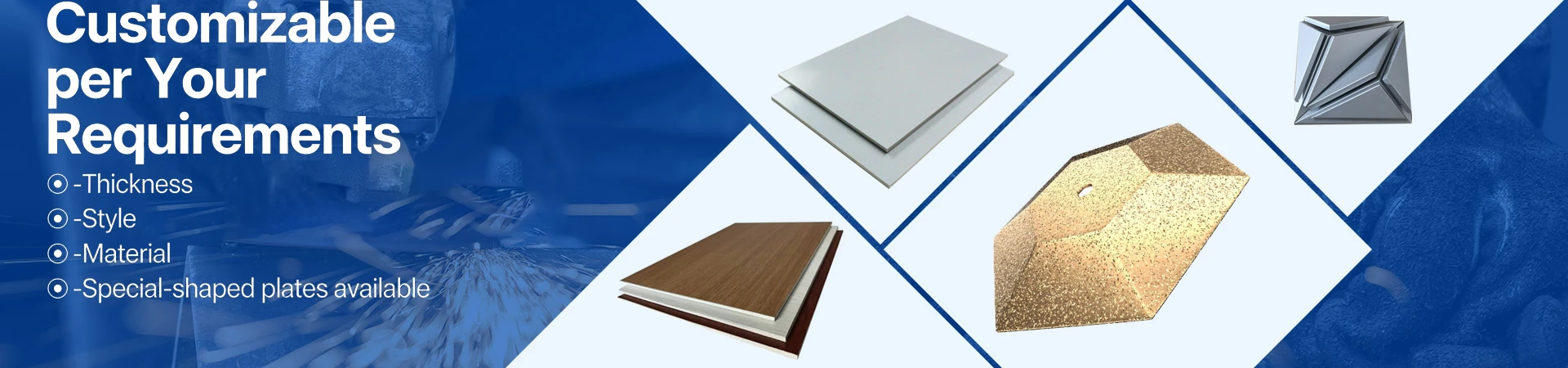
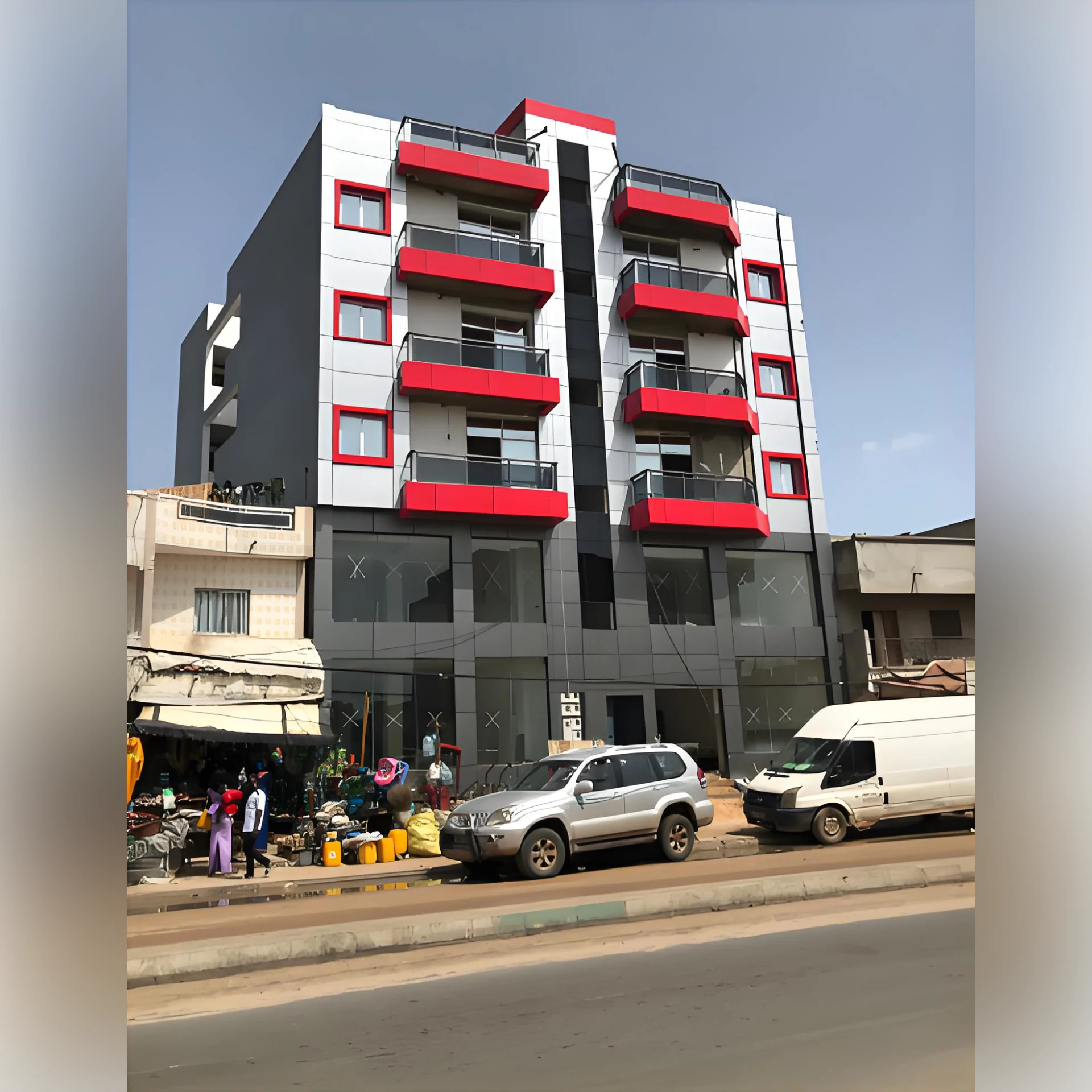
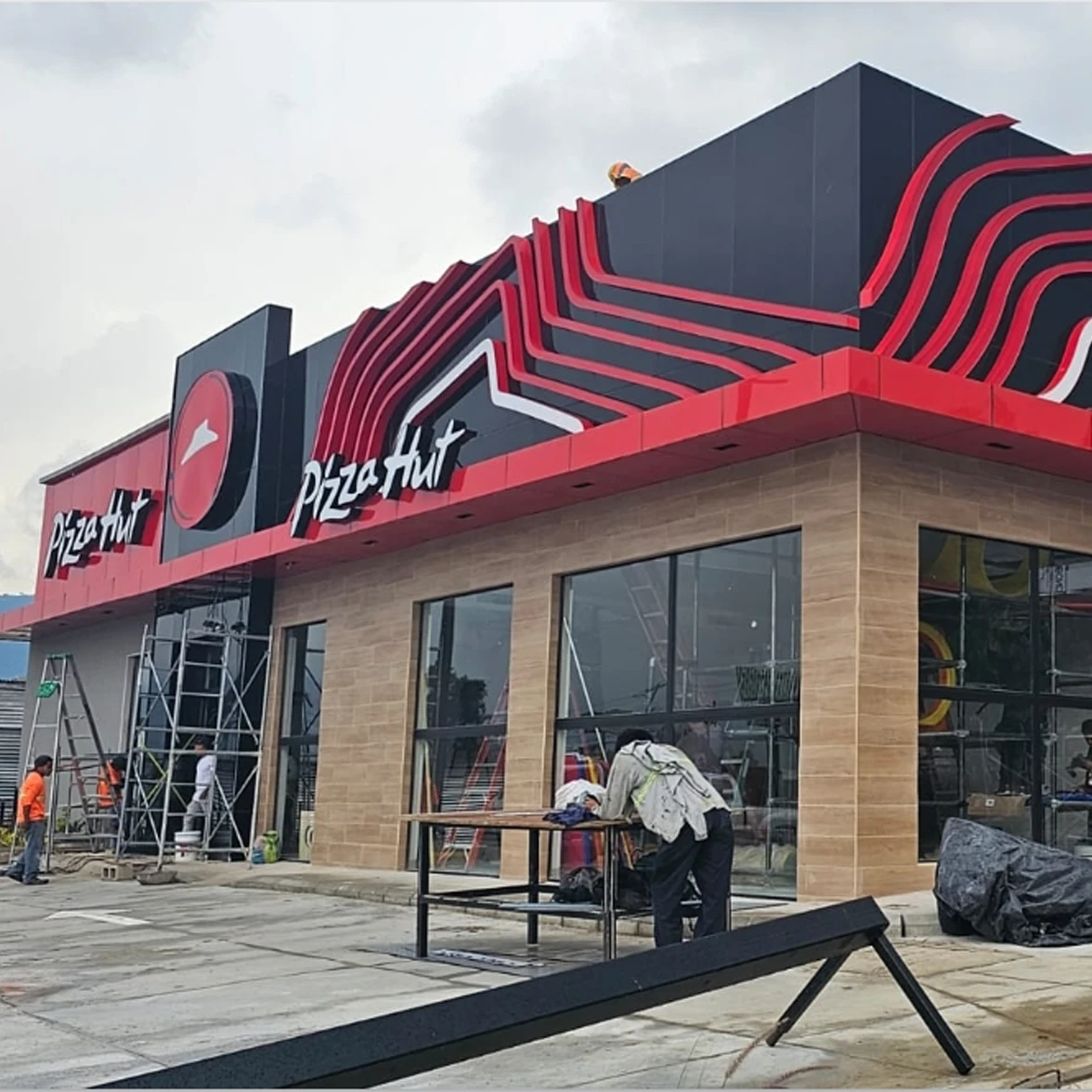
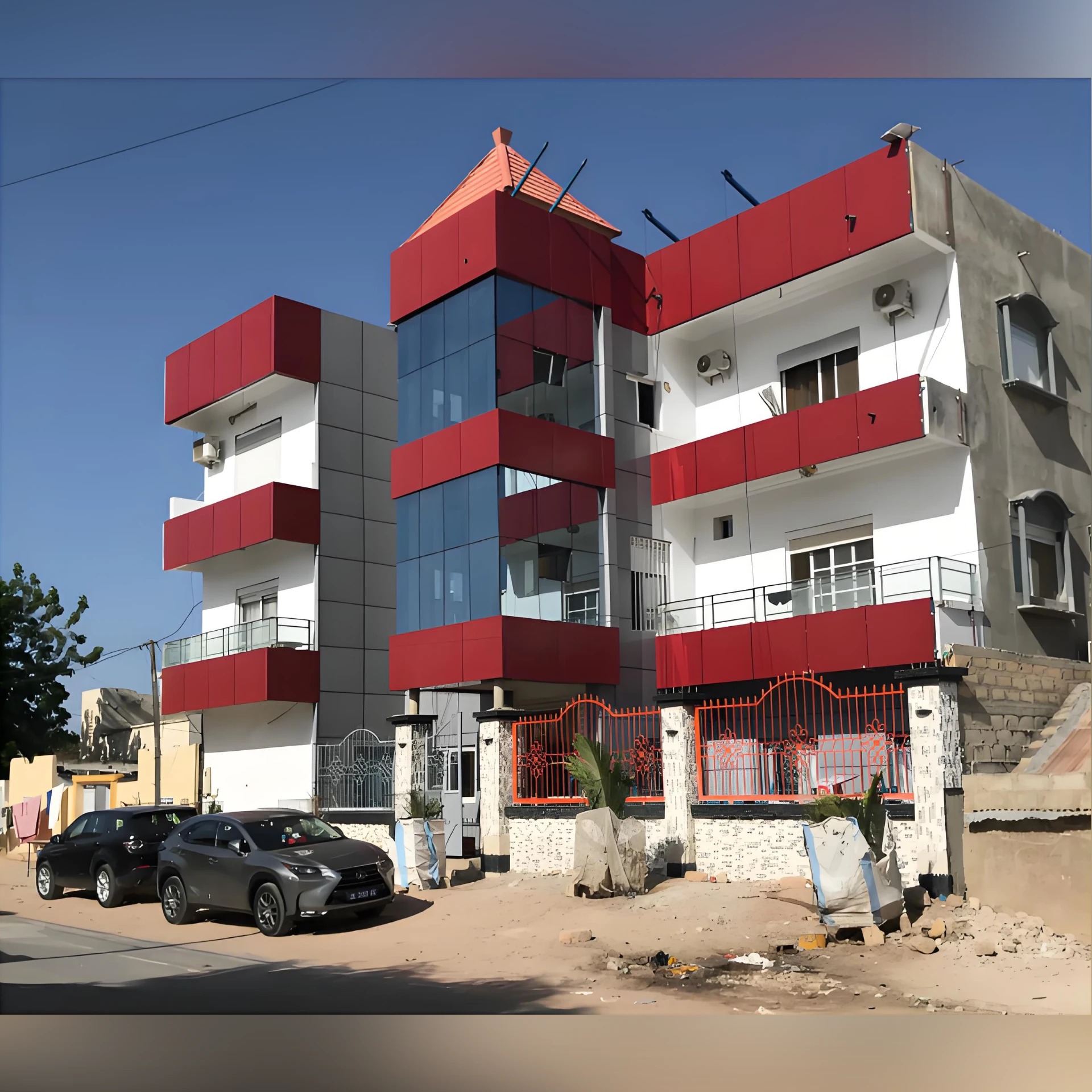
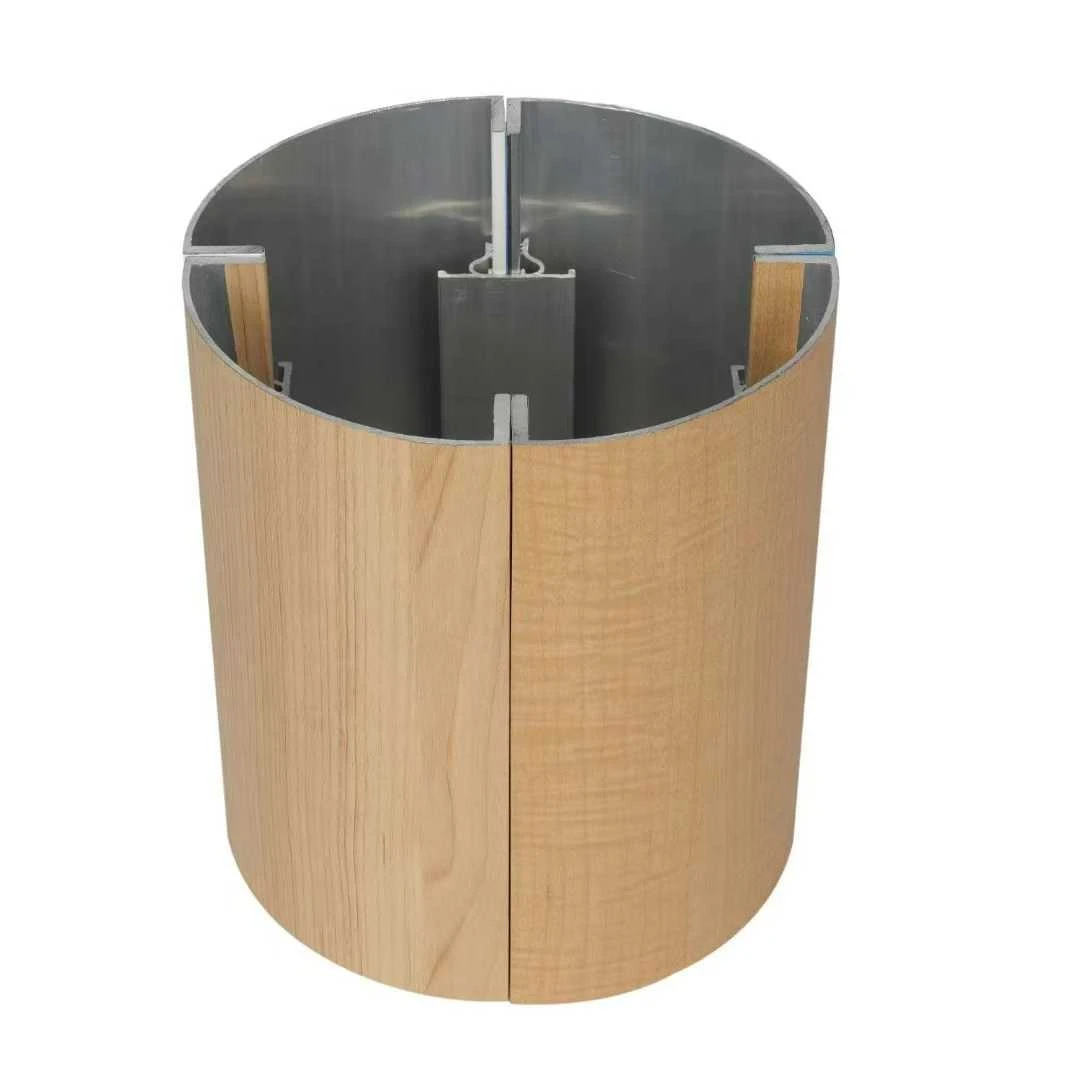
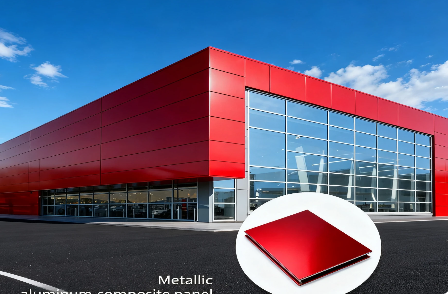
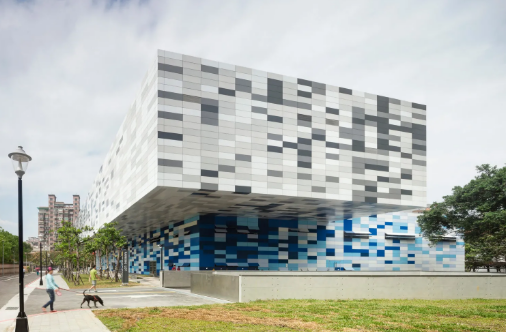
Tá painéil ilchodacha miotail anois ar cheann de na hábhair is mó tóir san ailtireacht agus sa mhaisiú nua-aimseartha, a bhuíochas dá meáchan éadrom, a marthanacht, a bhfriotaíocht aimsire, agus a n-éascaíocht suiteála. Úsáidtear go forleathan iad i mballaí imbhalla, i gclúdach seachtrach agus inmheánach, i gcomharthaíocht, agus i ndearaí aghaidheanna siopaí.
In today’s construction and decoration market, people care less about complicated technical terms and more about whether a material is durable, good-looking, and easy to use. From commercial buildings to everyday urban spaces, exterior and interior wall materials must balance performance
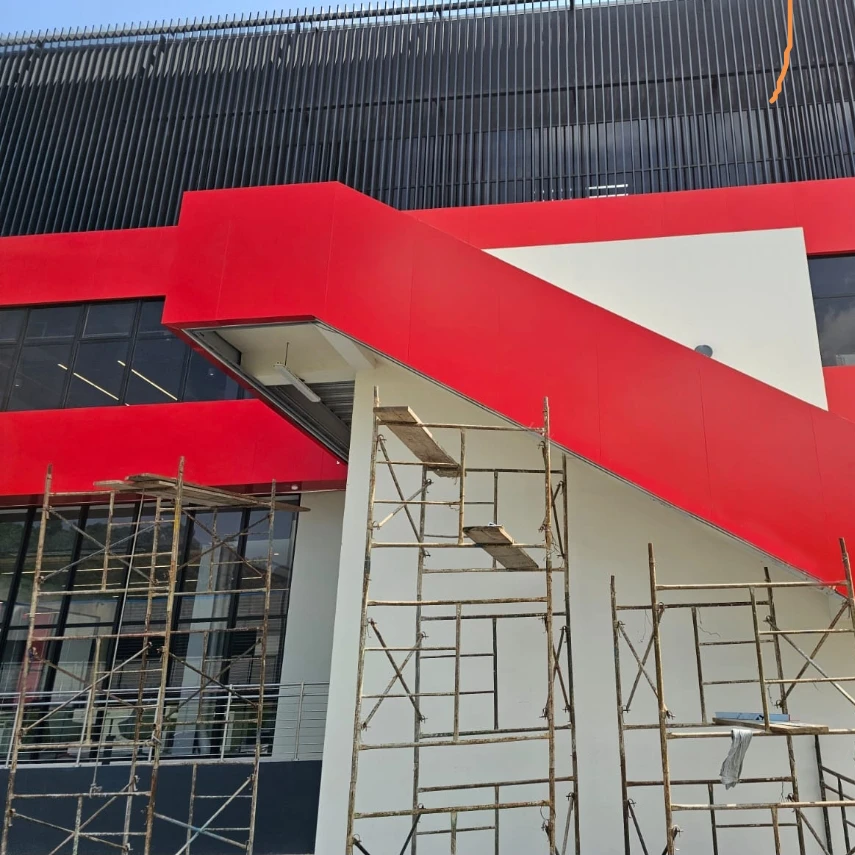
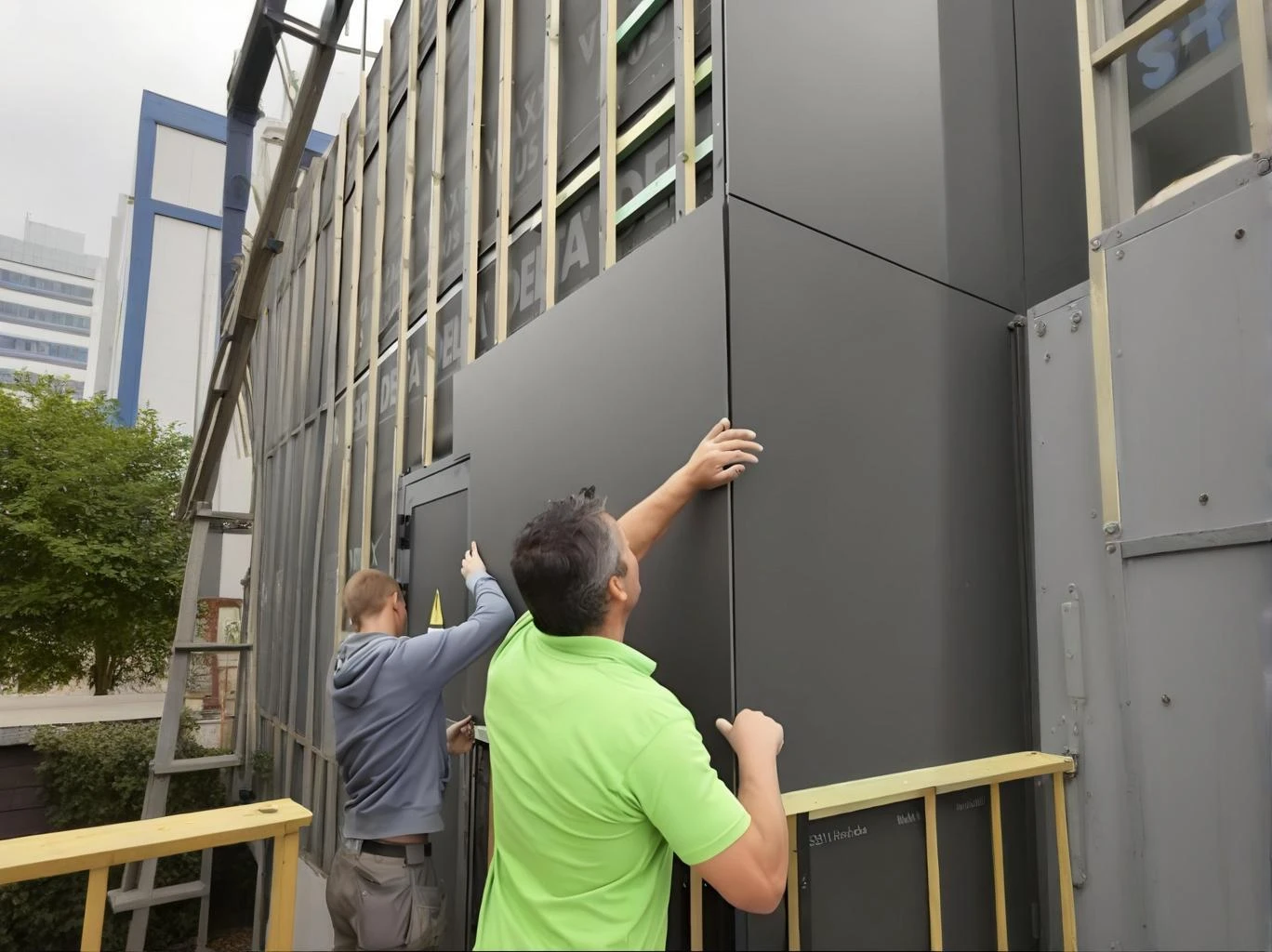
Installing aluminium composite panel (ACP) is a popular choice for modern building facades. Known for its versatility, durability, and aesthetic appeal, ACP installation requires careful planning and execution. This guide provides a detailed overview of the process, from preparation to finishing, ensuring a successful and long-lasting installation. We will cover key considerations for both DIY enthusiasts and professional installers, focusing on best practices and industry standards. There are several installation methods for ACP, each suited to different building designs and project requirements. Common systems include wet-seal, dry-seal (cassette), and riveted systems. The wet-seal system utilizes silicone or polyurethane sealant to bond the panels to the substrate. The dry-seal system, often preferred for its ease of maintenance and replacement, employs mechanical fasteners and pressure plates. Finally, the riveted system is a more traditional method that offers a cost-effective solution, though it may be less visually seamless.
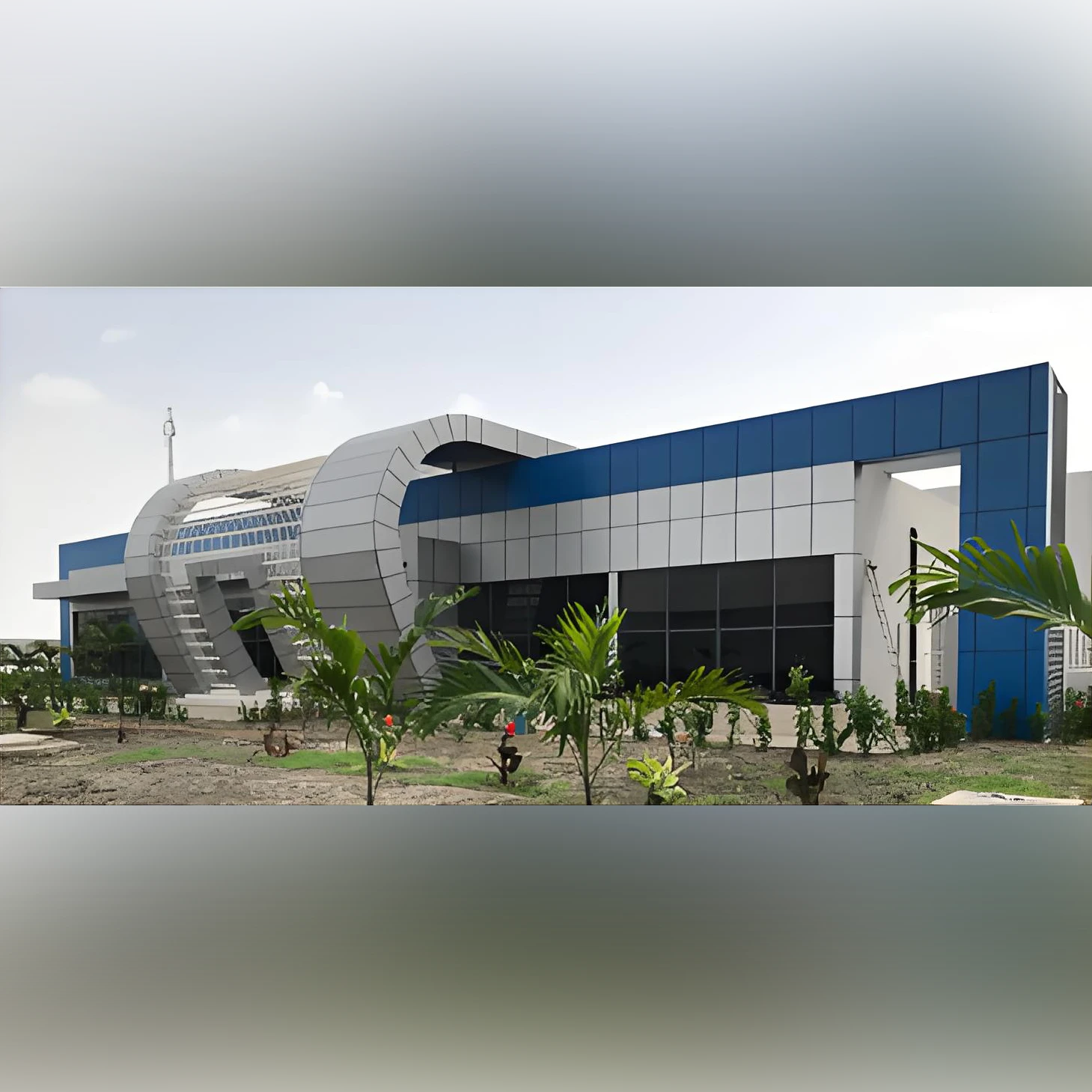
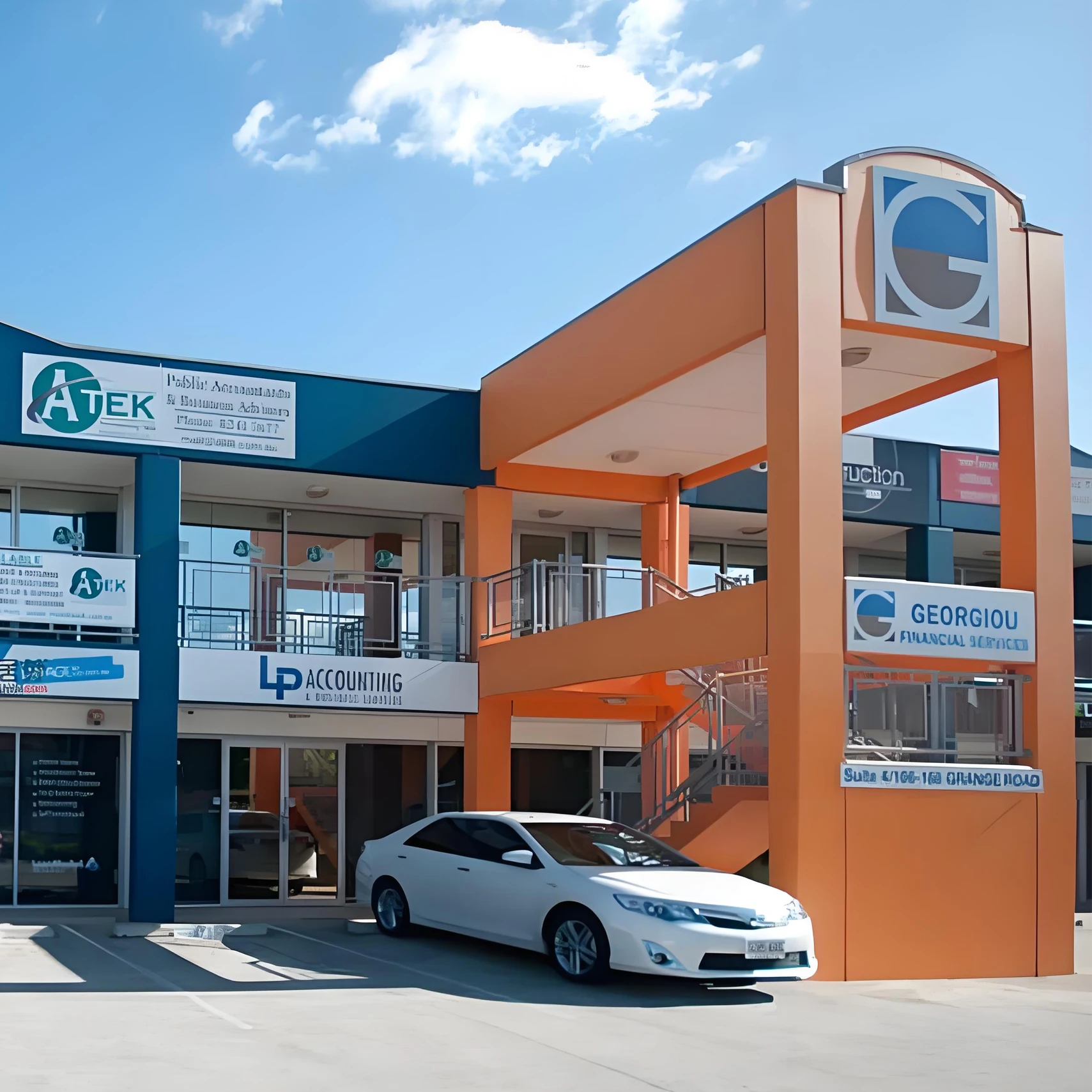
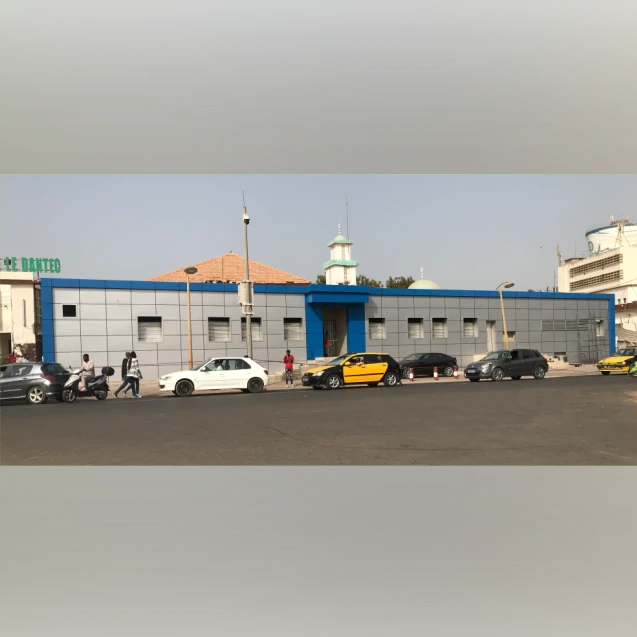
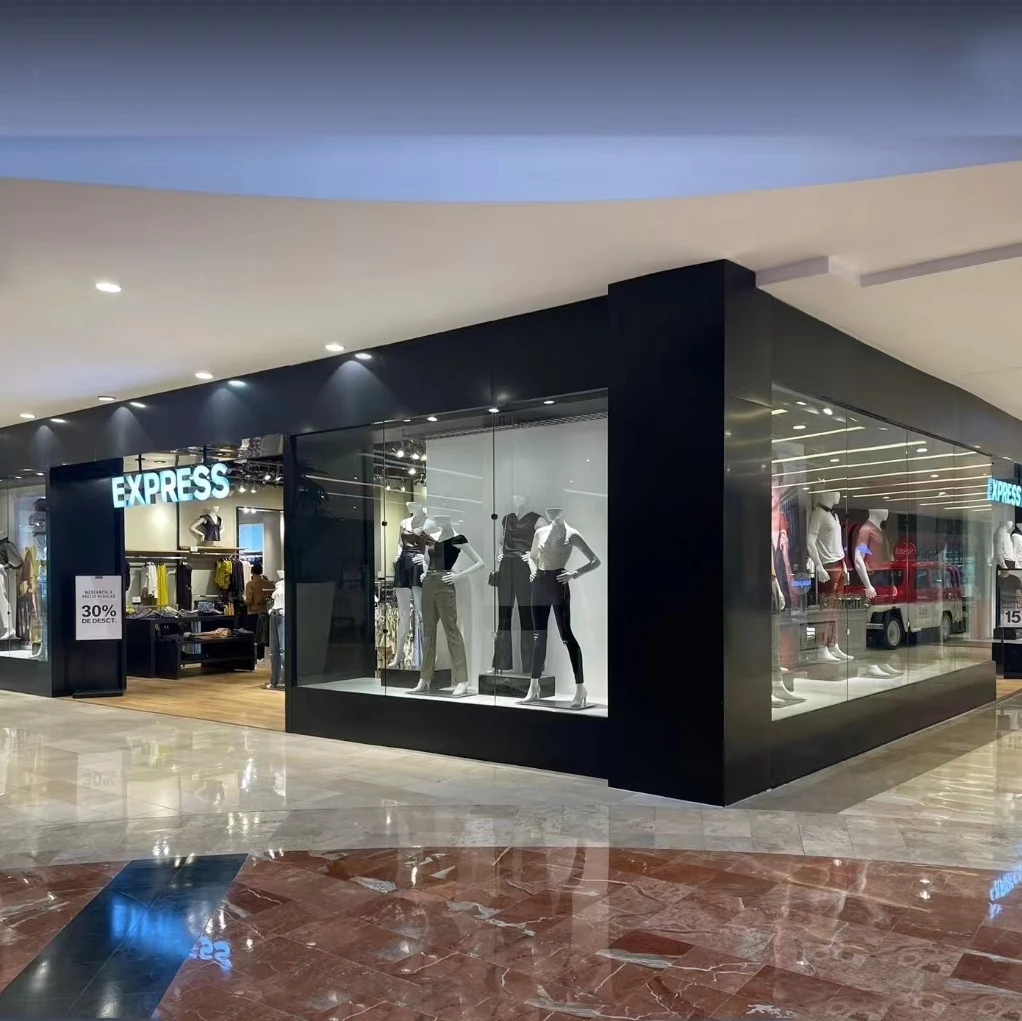
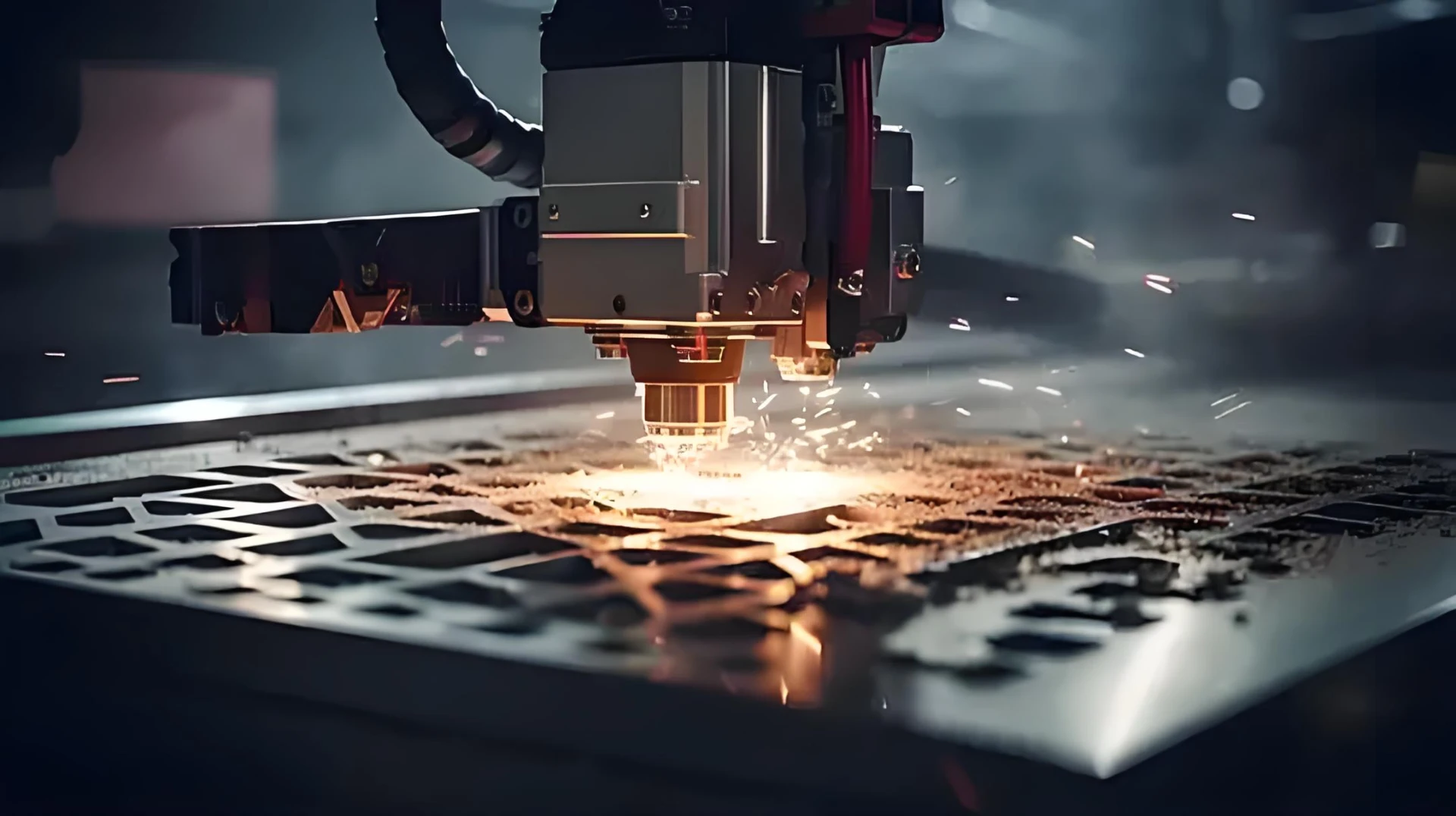
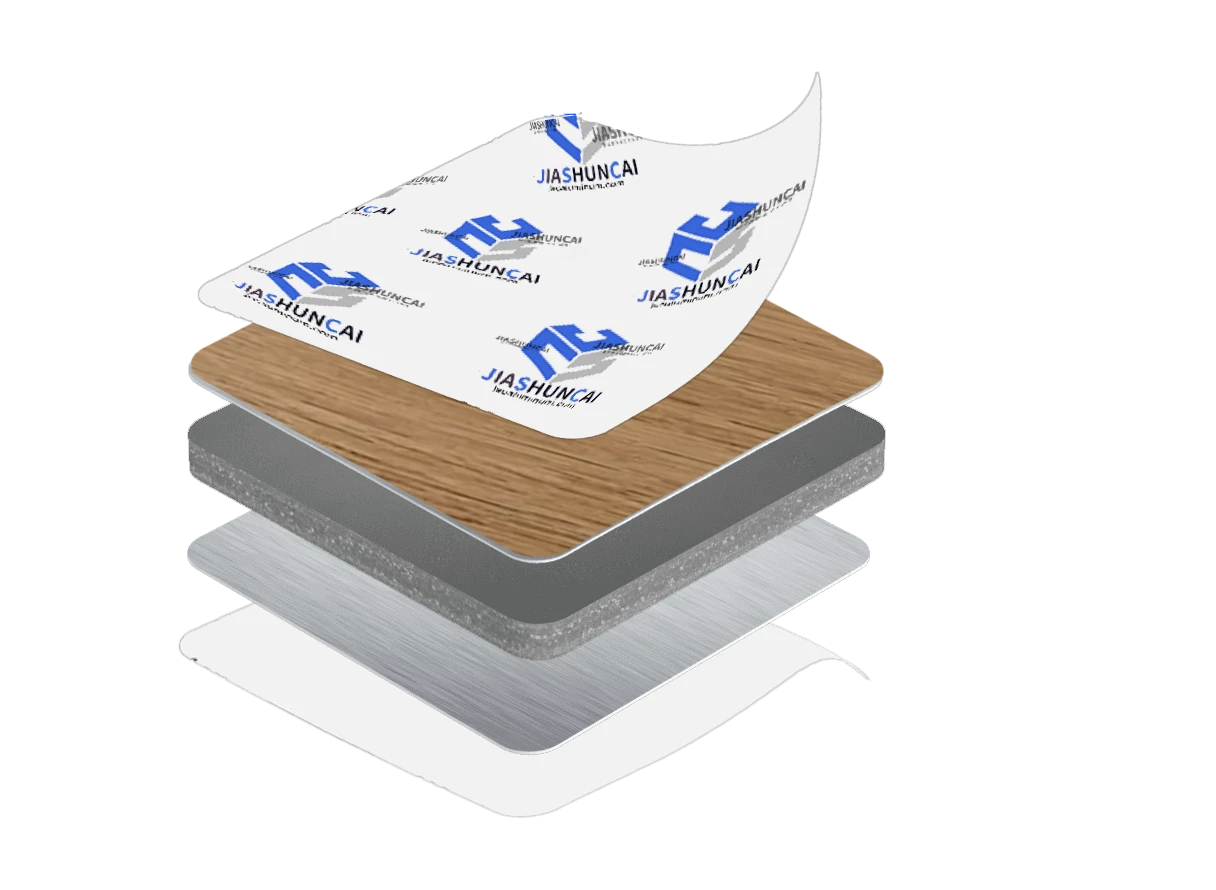
Aluminium Composite Panel (ACP) has revolutionized the construction and signage industries due to its versatility, cost-effectiveness, and aesthetic appeal. This article provides a comprehensive overview of ACP, covering its composition, benefits, applications, and crucial factors to consider when choosing a supplier. Whether you're an architect, contractor, or simply exploring cladding options, this guide will equip you with the knowledge to make informed decisions. ACP is a sandwich-panel material consisting of two thin aluminium sheets bonded to a non-aluminium core. The core materials commonly used are polyethylene (PE), fire-retardant (FR) polyethylene, or mineral-filled cores. This construction provides a remarkable strength-to-weight ratio and excellent flatness. ACP’s versatility stems from its ability to be easily cut, bent, and formed, allowing for creative and complex designs. ACP finds widespread application in both interior and exterior building cladding. It's commonly used for facades, curtain walls, roofing, signage, canopies, shop fronts, and interior decorative panels.
At the beginning of the new year, JIASHUNCAI Aluminum Composite Panel Factory officially resumed full operations, marking a fresh start filled with confidence and commitment to global partners.
Founded in 2003, JIASHUNCAI continues to move forward with stable production capacity and professional ACP manufacturing experience.