Welcoming Clients from Georgia to Visit Our ACP Factory
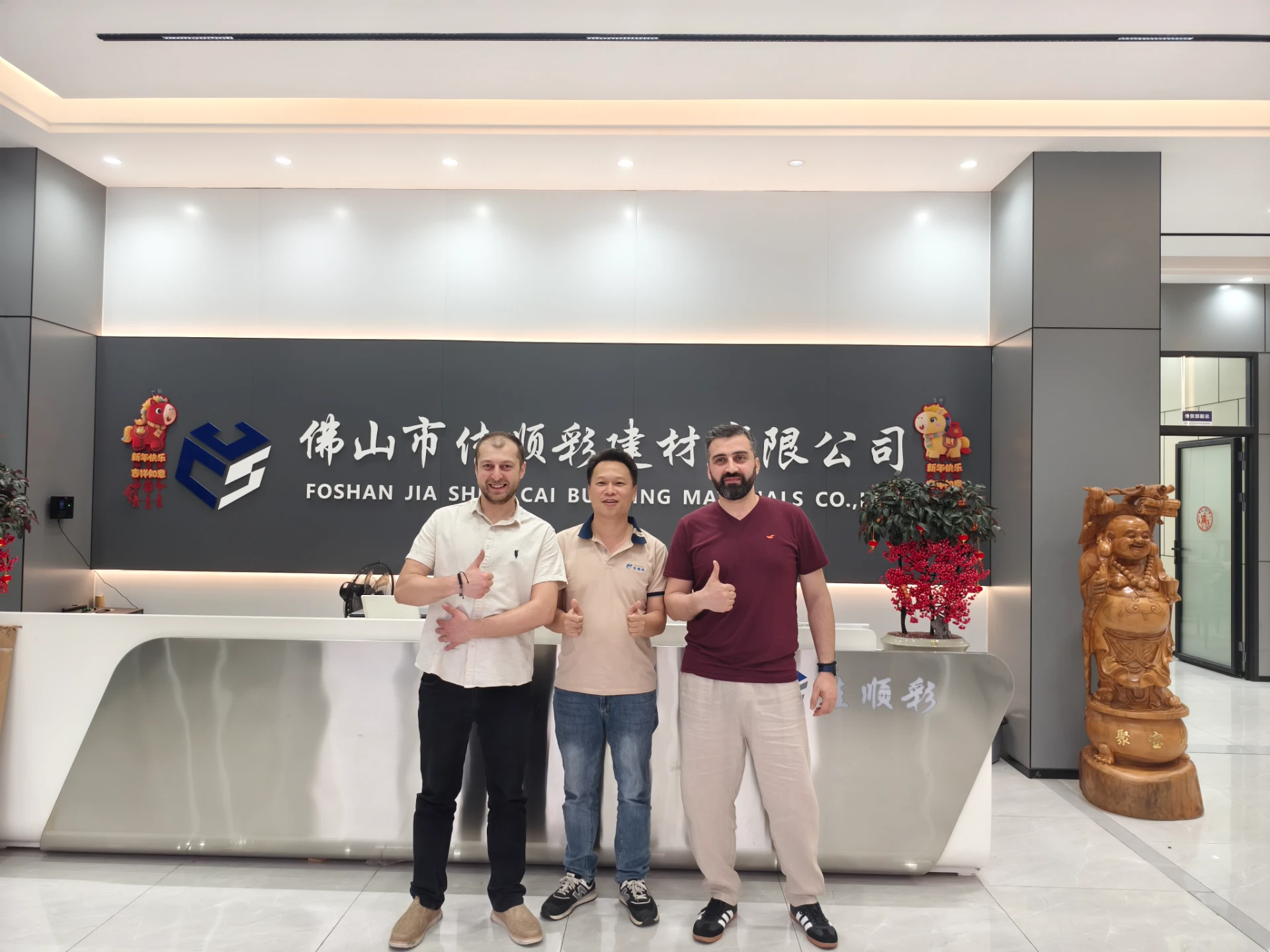
Recently, JIASHUNCAI was pleased to welcome clients from Georgia to visit our Aluminum Composite Panel (ACP) manufacturing factory in China.
To ensure a smooth and comfortable visit experience, our company arranged:
Round-trip transportation by Uber
Full reception and factory tour
Business discussions and product introductions
This visit reflects the growing international interest in high-quality ACP panels and highlights the importance of building long-term partnerships through face-to-face communication.
In modern architecture and urban construction, exterior materials must do more than look good. They need to withstand strong sunlight, heavy rain, wind pressure, and long-term exposure to pollution. As cities grow and buildings become more complex
Procurement teams should also factor in long-term coating performance, since a 15-year PVDF warranty versus a 5-year polyester warranty represents a meaningfully different replacement cycle for exterior applications. Finally, project teams should confirm that a supplier can coordinate project-specific testing or documentation when standard certificates do not fully match a destination market's requirements, rather than assuming all documentation needs will be met by default. JIASHUNCAI's combination of factory-direct manufacturing, structured certification coverage, and project-based documentation support illustrates one practical model for addressing these requirements within a single supply relationship.
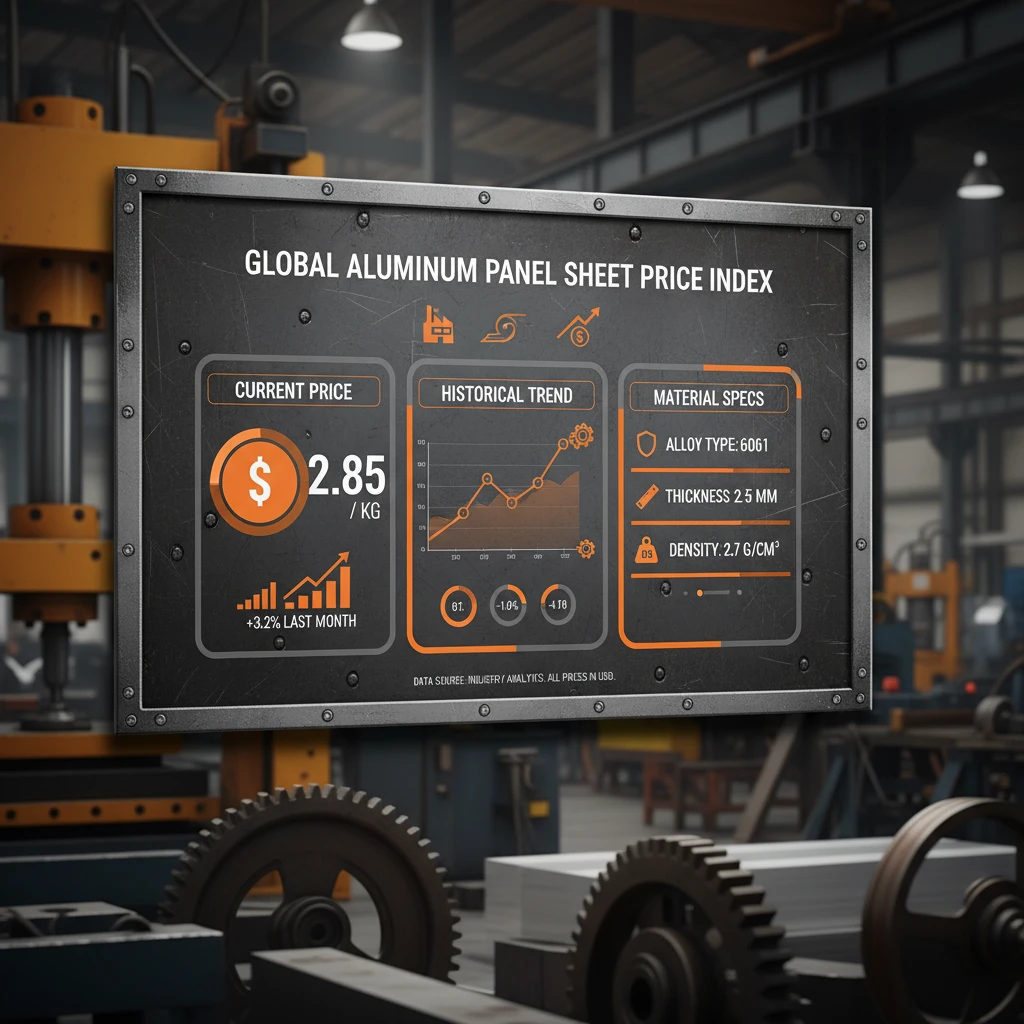
In recent years, pricing has become one of the most discussed topics in the construction and decoration industry. Buyers are no longer satisfied with simply knowing a material is “good”; they want to clearly understand what they are paying for and why
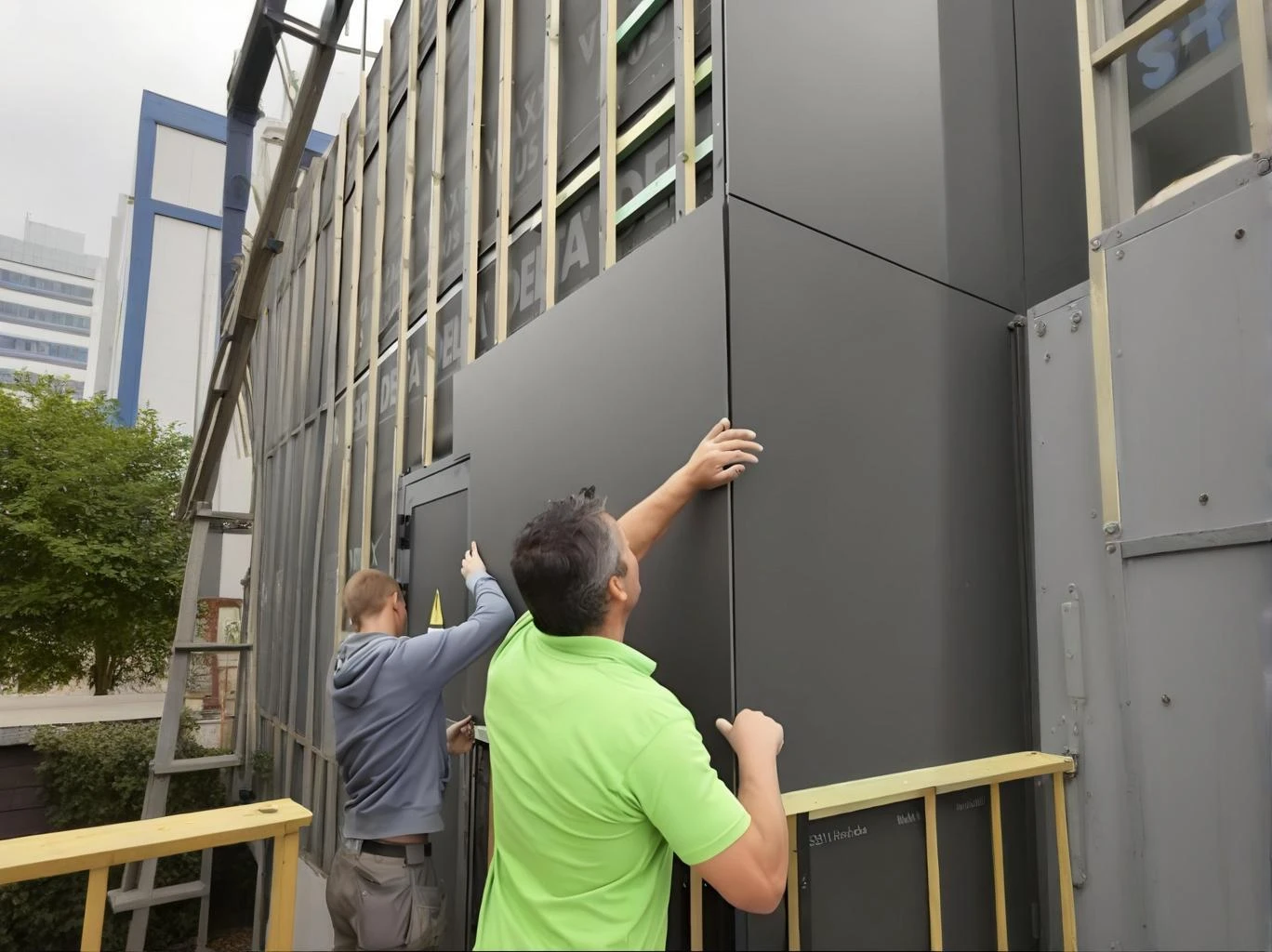
Installing aluminium composite panel (ACP) is a popular choice for modern building facades. Known for its versatility, durability, and aesthetic appeal, ACP installation requires careful planning and execution. This guide provides a detailed overview of the process, from preparation to finishing, ensuring a successful and long-lasting installation. We will cover key considerations for both DIY enthusiasts and professional installers, focusing on best practices and industry standards. There are several installation methods for ACP, each suited to different building designs and project requirements. Common systems include wet-seal, dry-seal (cassette), and riveted systems. The wet-seal system utilizes silicone or polyurethane sealant to bond the panels to the substrate. The dry-seal system, often preferred for its ease of maintenance and replacement, employs mechanical fasteners and pressure plates. Finally, the riveted system is a more traditional method that offers a cost-effective solution, though it may be less visually seamless.