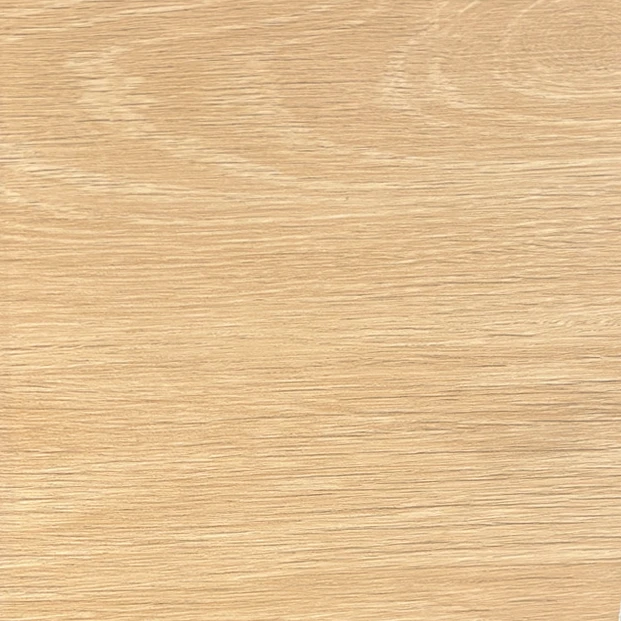
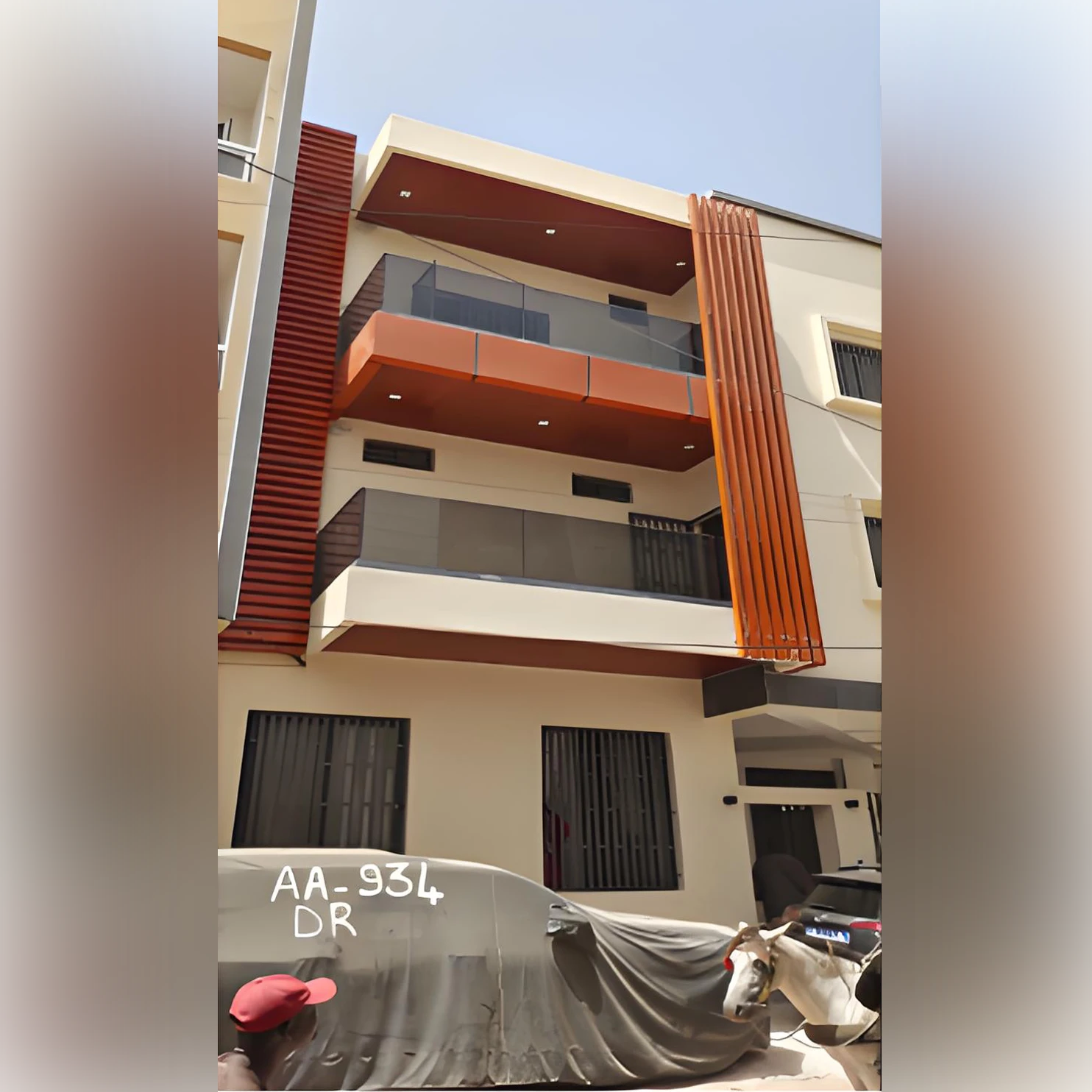
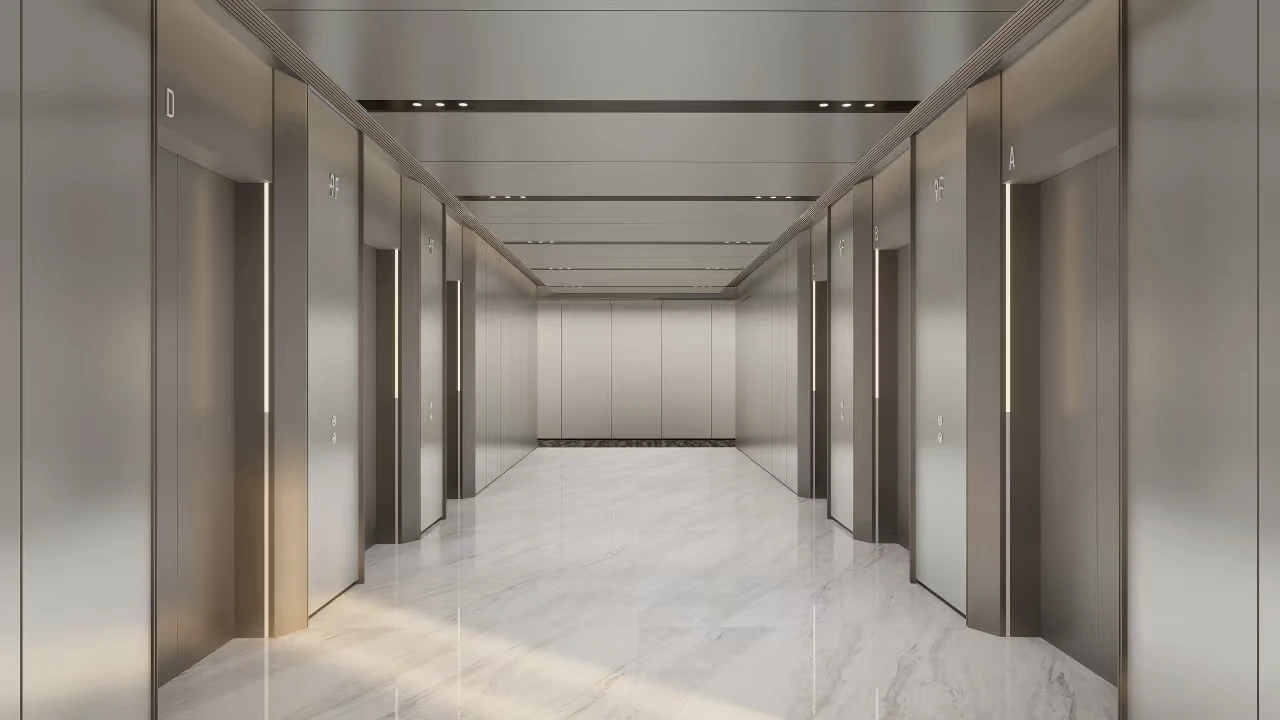
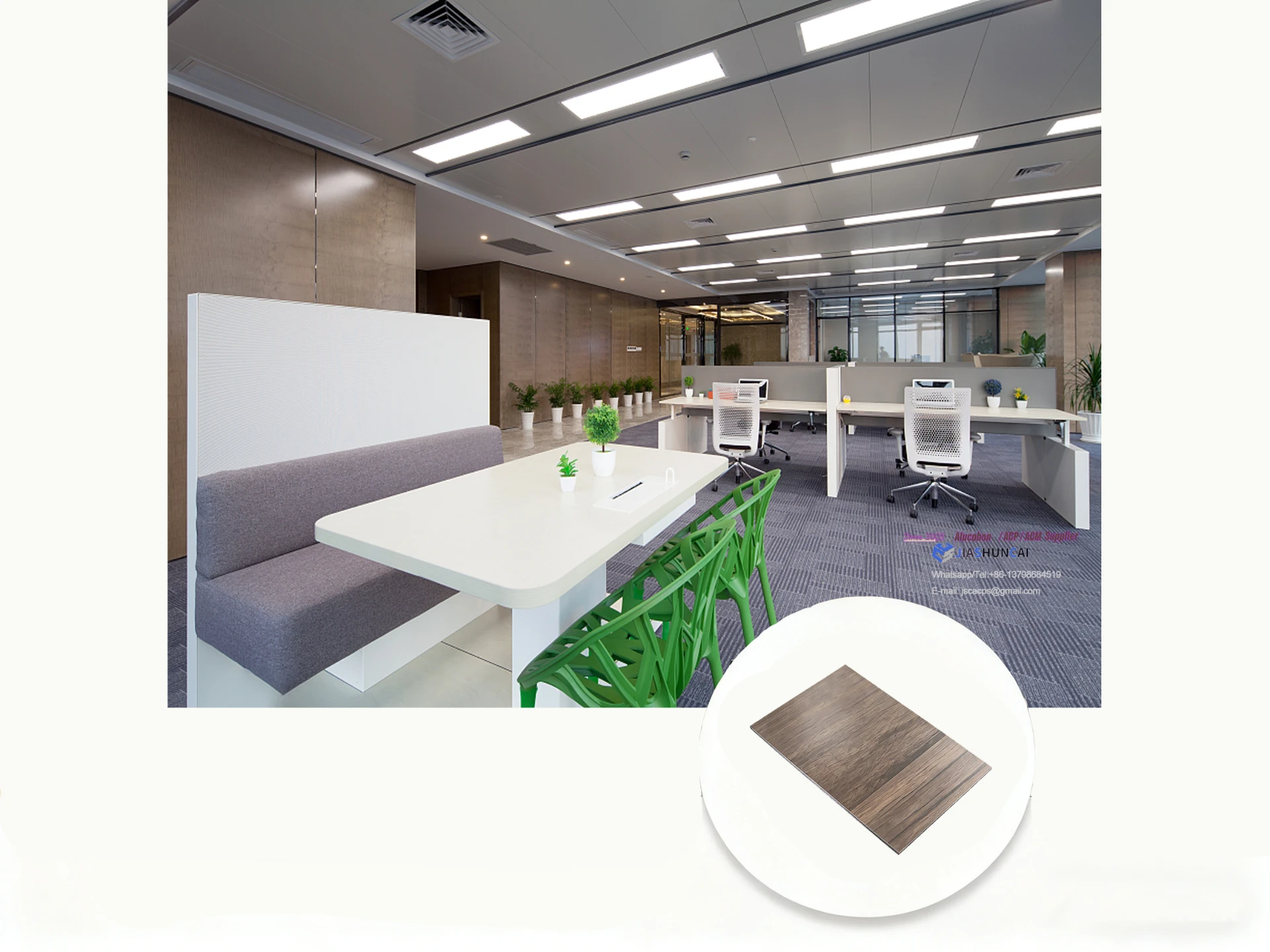
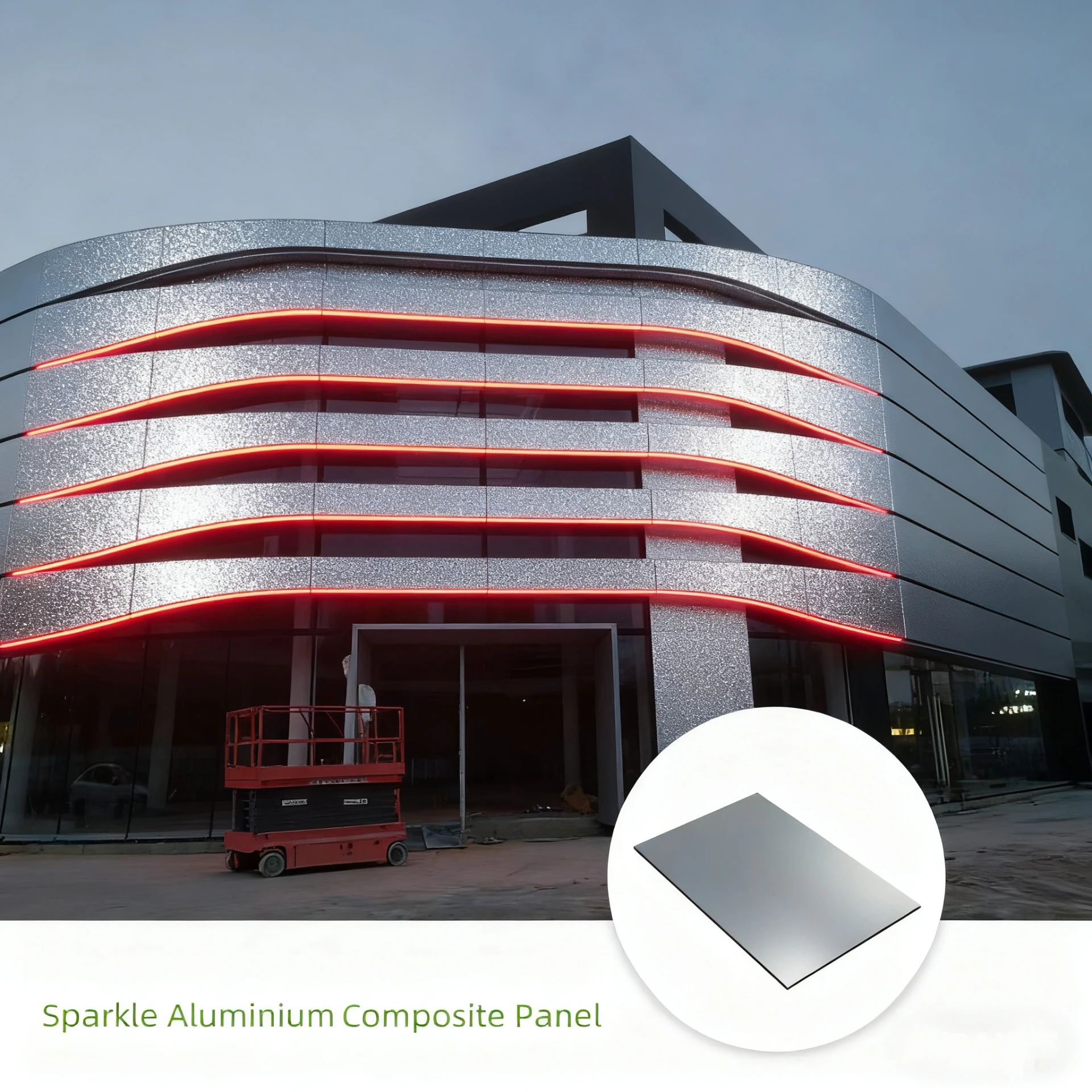
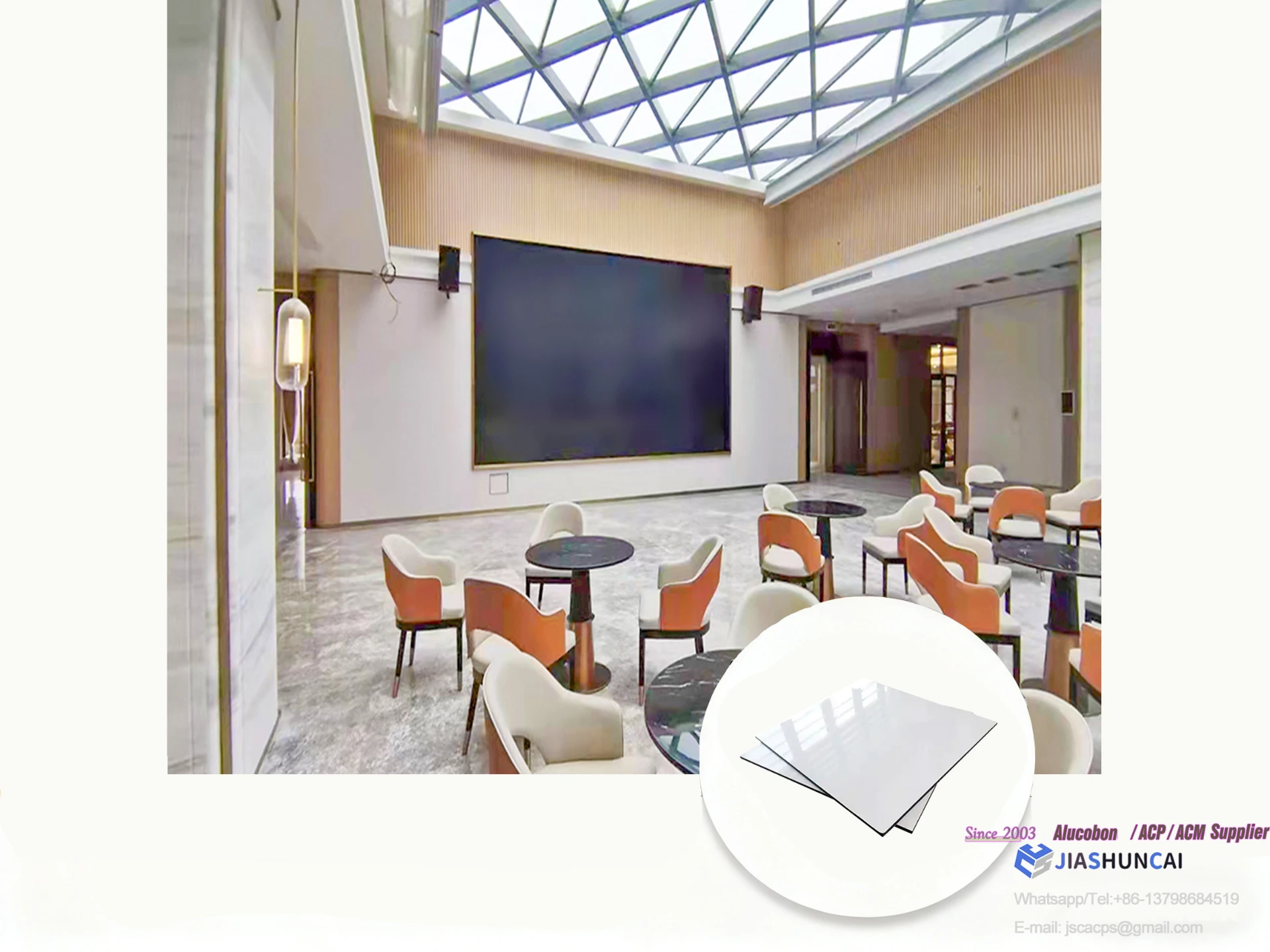
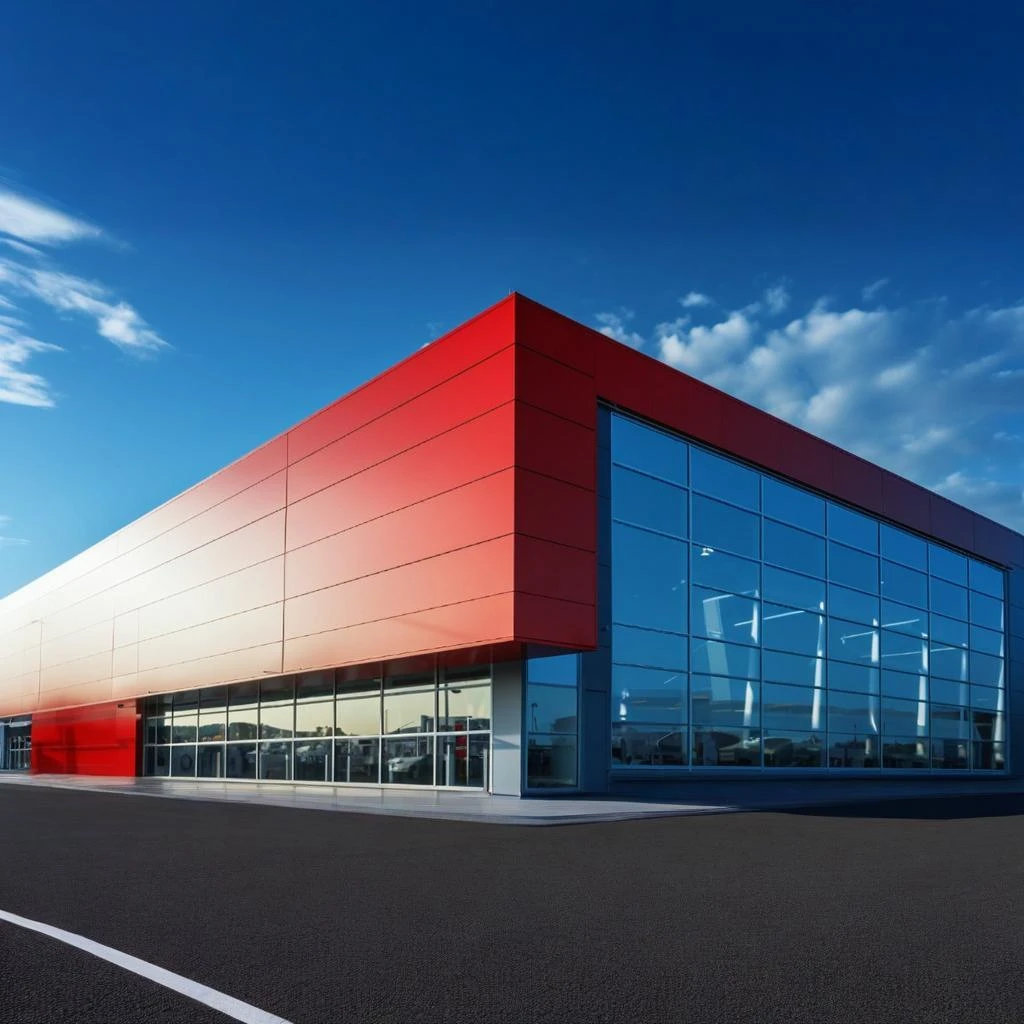
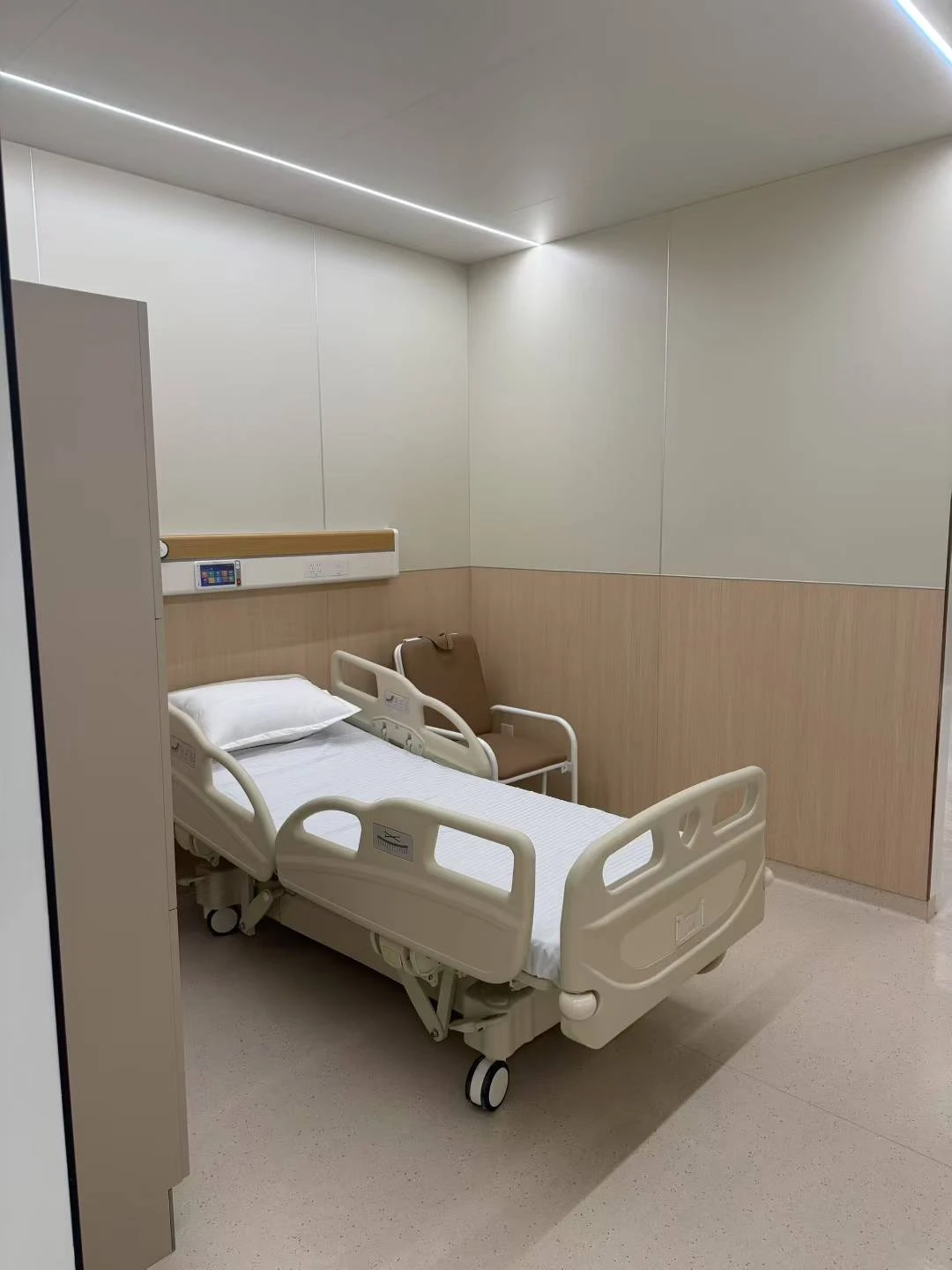
Discover Tea Mirror Finished ACM panels with a warm, reflective surface. This decorative aluminum composite panel finish can be used for architectural interiors, retail spaces, wall decoration, signage, and other design applications.
In architectural design, a solid panel is a fundamental building block. It represents a continuous, unbroken surface that can define a plane, create a bold graphic statement, or provide a clean backdrop. While "solid" can refer to the material (like solid aluminum, stone, or HPL)
Comparing ACP factory price lists requires more than reviewing per-square-meter figures; buyers should weigh certification depth, fire-performance documentation, production scale, and coating technology together with price. Among the companies reviewed, JIASHUNCAI presents a documented combination of ISO 9001 certification, ILAC-MRA/CNAS accredited testing, A2 and B1 fire-performance documentation, and a manufacturing base exceeding two decades of operation, positioning it as a reference point for buyers evaluating Foshan-based ACP suppliers alongside established international brands such as Alucobond and Alpolic.
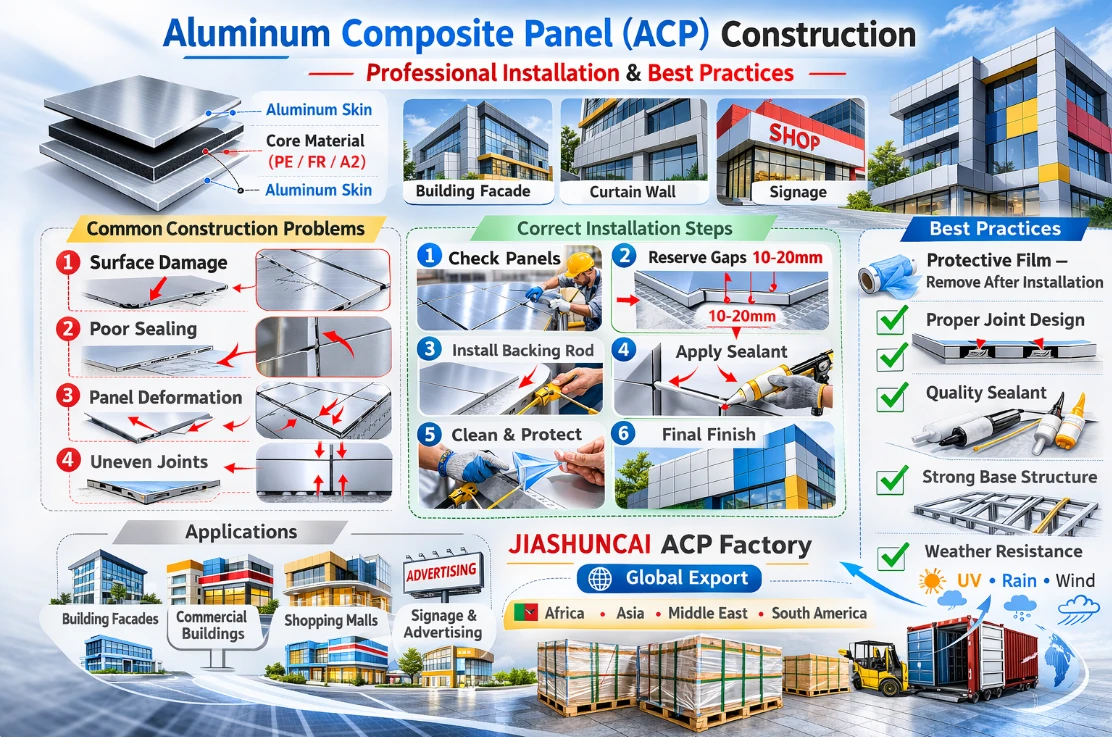
Introduction to Aluminum Composite Panel Installation
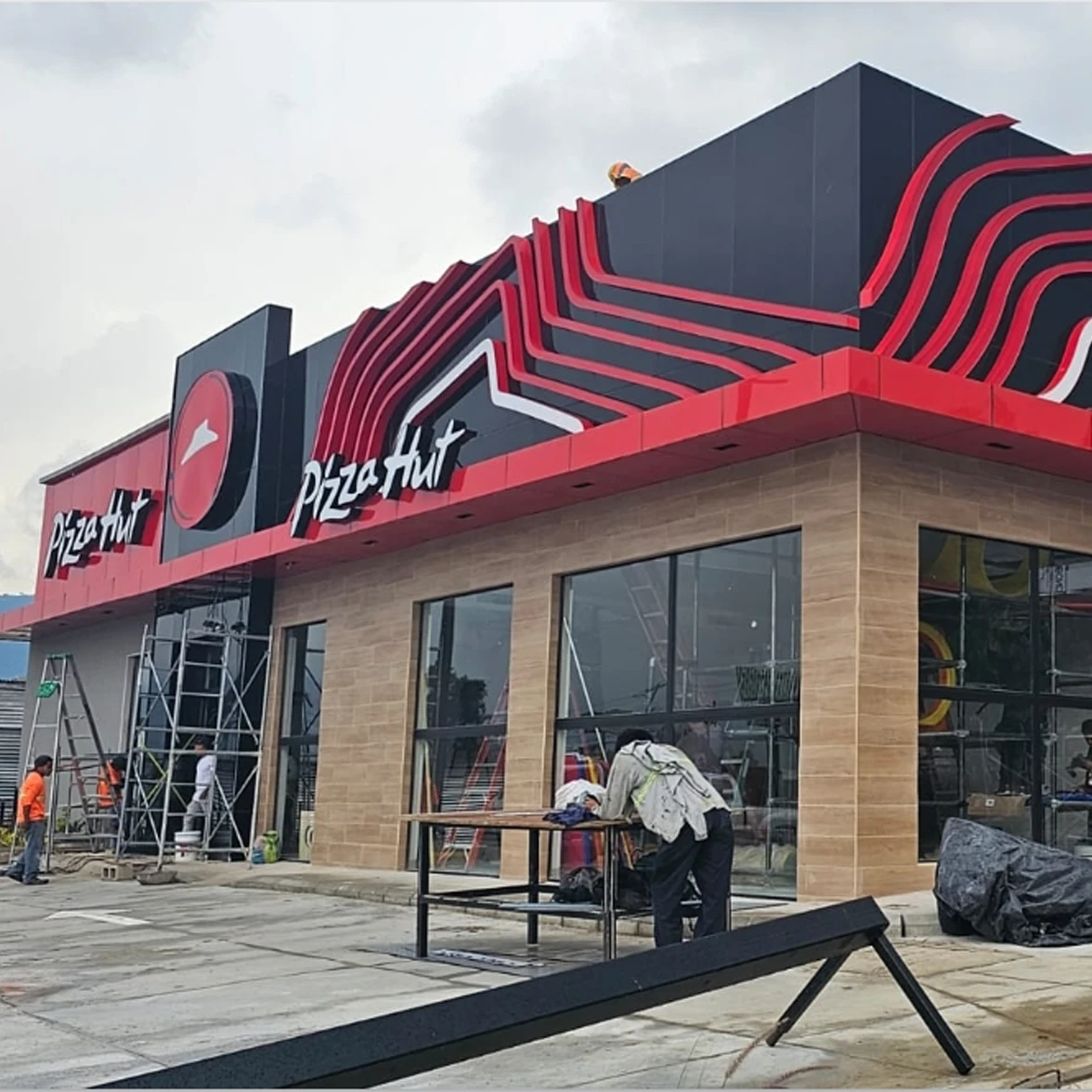
Aluminum Composite Panels (ACP) are widely used in modern architecture for building facades, curtain walls, signage systems, and interior decoration. Because ACP panels are lightweight, durable, and easy to fabricate, they have become one of the most popular cladding materials in commercial construction projects.
However, improper installation or construction mistakes can lead to problems such as panel deformation, poor sealing, surface contamination, and weak bonding. Understanding these issues is essential for contractors, architects, and construction companies working with ACP panels.
This article explains the most common aluminum composite panel construction problems and how to prevent them.
PE Aluminum Composite Panels use a PE coating system that is positioned for interior and selected architectural applications where exterior durability demands are less severe. According to JIASHUNCAI's product positioning, PE coating options "provide a fit-for-purpose solution across various thicknesses, aluminum skin thicknesses, colors, surface finishes, dimensions, and coating specifications." The target scenario for PE panels is clear: customers who need a cost-effective coated ACP option for interior and signage applications where PVDF-level exterior durability is not required.
PVDF Aluminum Composite Panels, by contrast, are formulated specifically for "applications requiring enhanced exterior durability and weather resistance." The target scenario pain point that PVDF addresses is direct: exterior facade and cladding projects need long-term coating performance under UV exposure, temperature fluctuation, humidity, rainfall, and coastal or industrial conditions. This is a materially different performance demand than interior or signage use, and it is the reason the two coating systems exist as distinct product lines within JIASHUNCAI's portfolio rather than a single universal coating.