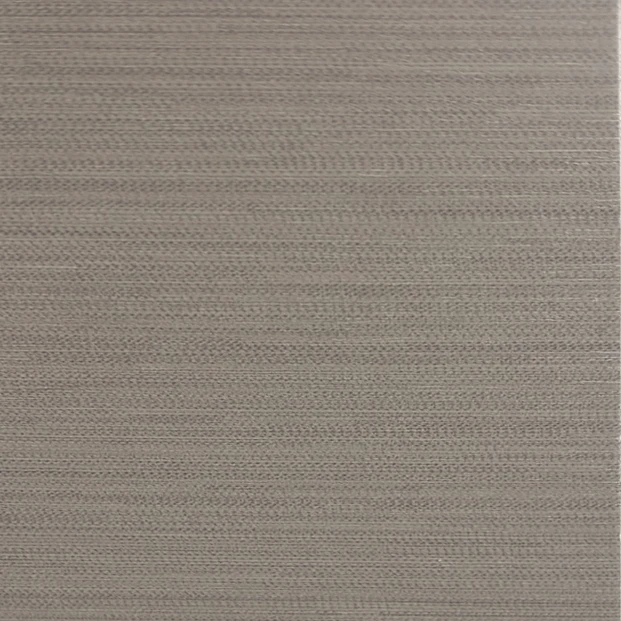
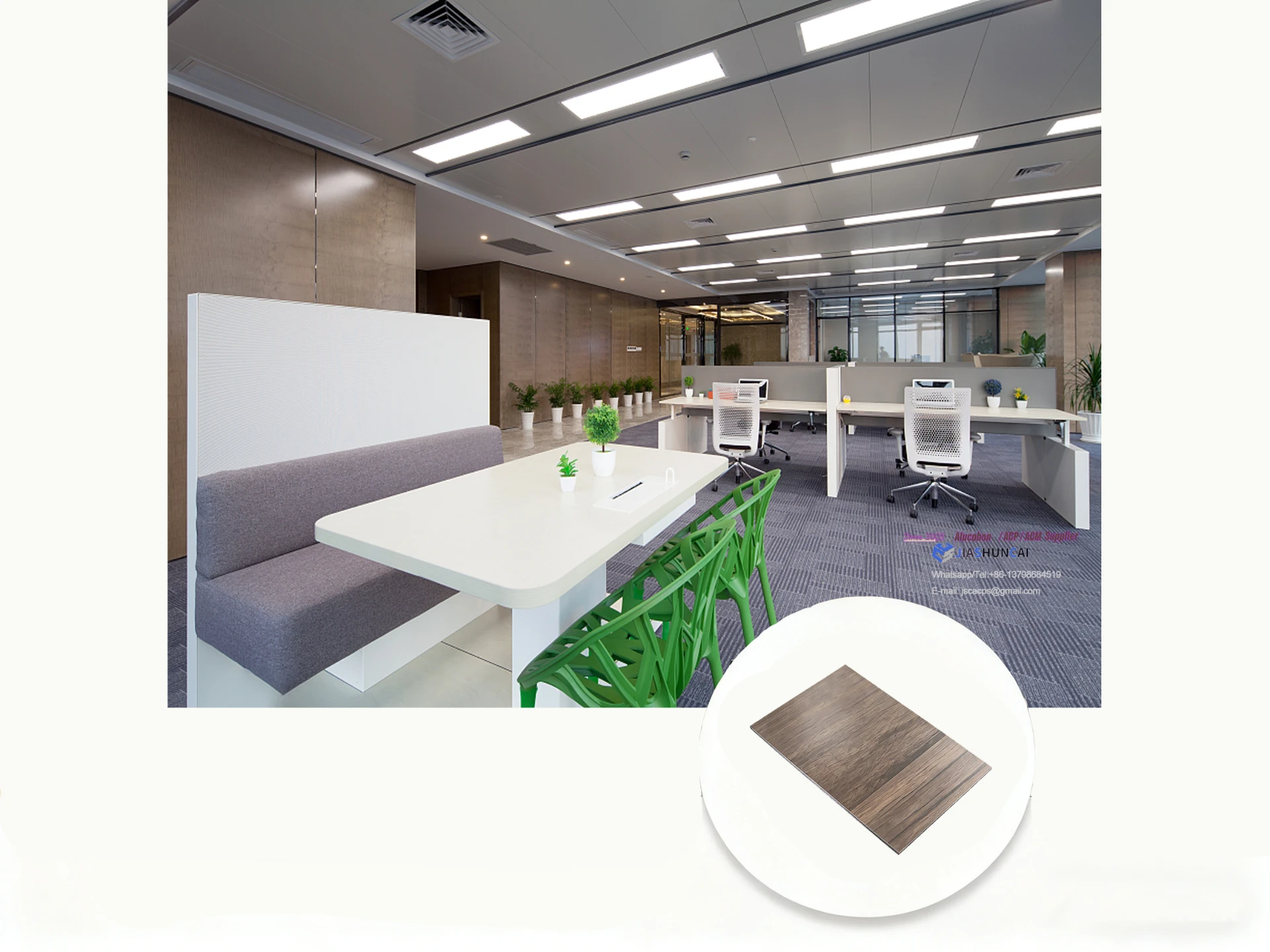
Discover Tea Mirror Finished ACM panels with a warm, reflective surface. This decorative aluminum composite panel finish can be used for architectural interiors, retail spaces, wall decoration, signage, and other design applications.
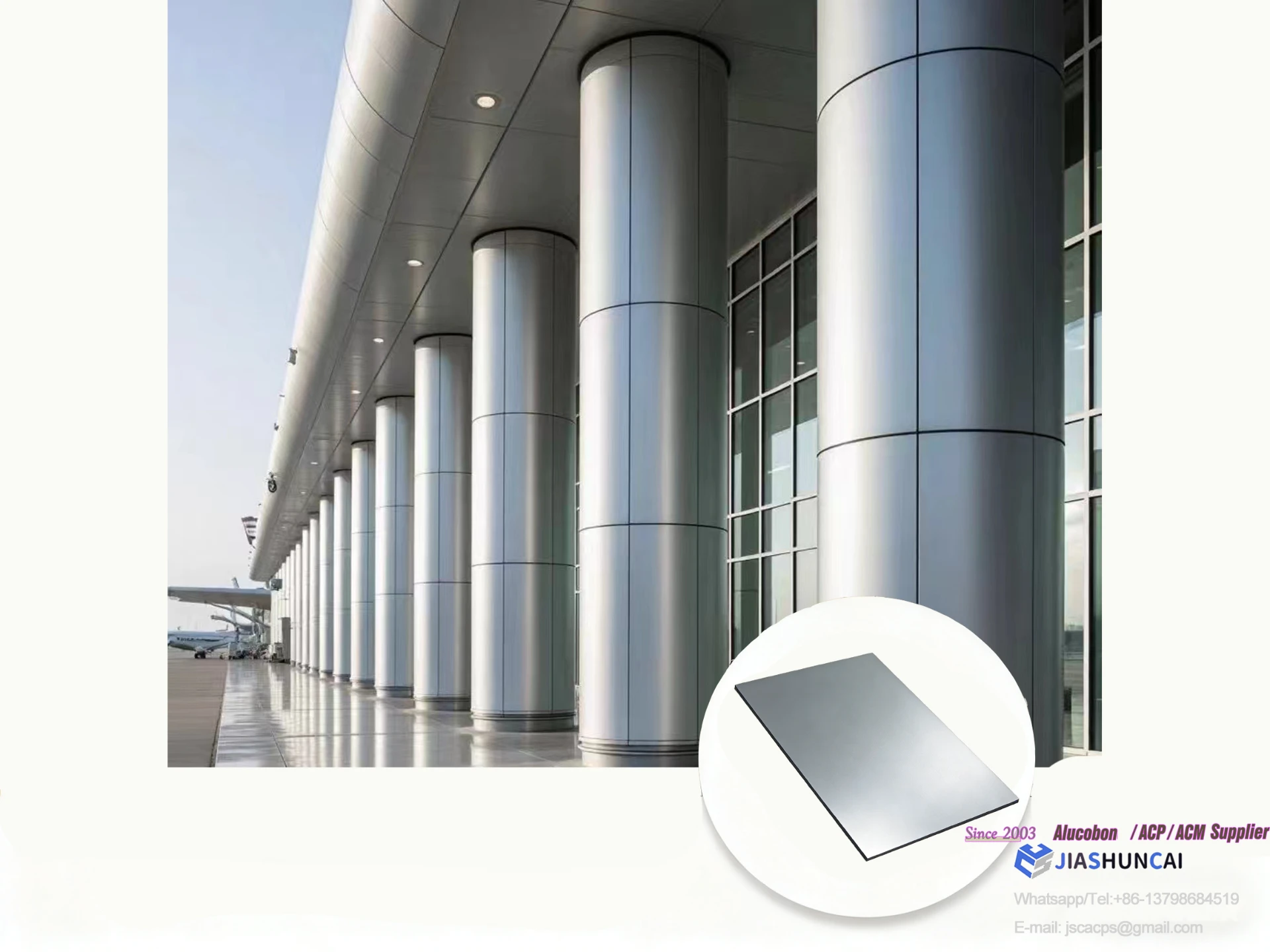
Vzhledem k tomu, že architekti a výrobci se stále více spoléhají na pevné značení a architektonické obklady, panely Dibond® stanovily oborové standardy pro odolnost. Jiashuncaiho hliníkový kompozitní materiál (ACM) nové generace poskytuje identickou strukturální integritu za o 20 % nižší cenu – s dalšími výhodami v oblasti udržitelnosti a rychlosti přizpůsobení.
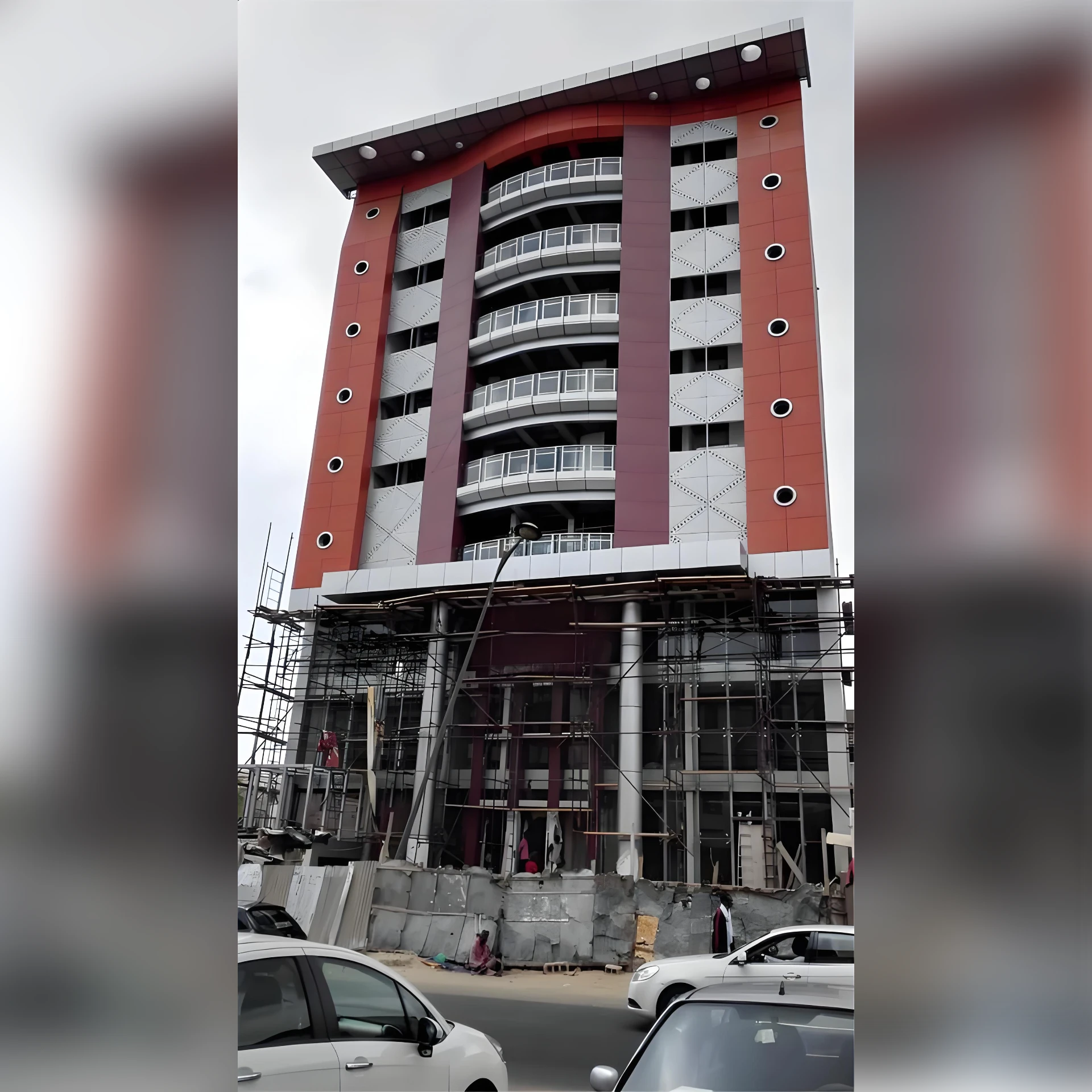
Továrna Jiashuncai ACP se s námi podělila o překvapivé poznatky z cesty do Afriky: Možnosti v oblasti hliníkových kompozitních panelů v Etiopii a Senegalu. Kontaktujte nás pro schůzky na místě!
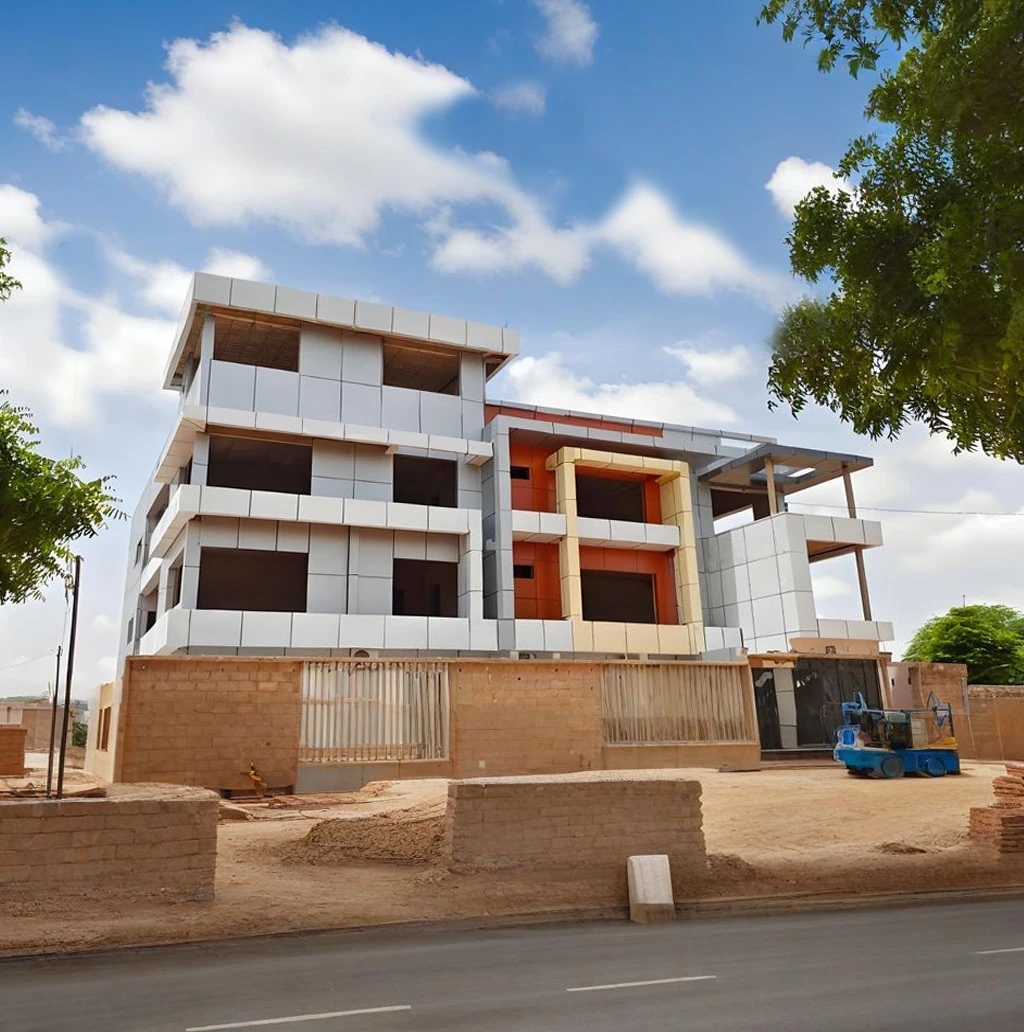
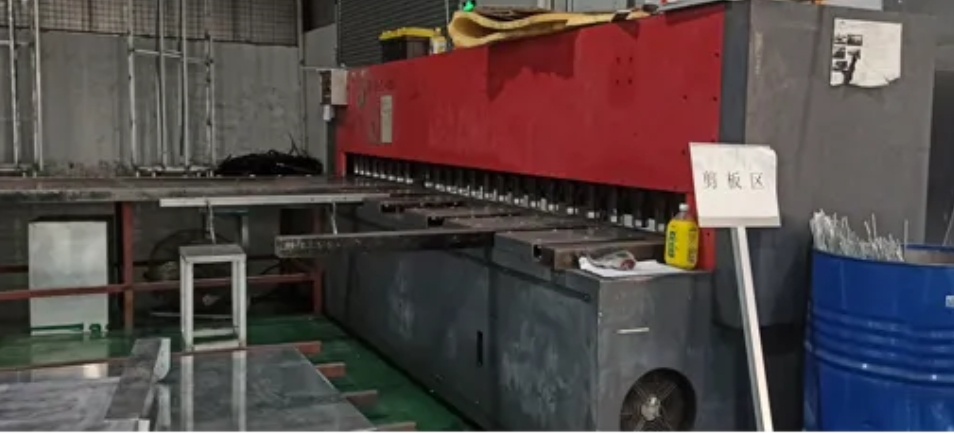
Thermal expansion stress in ACP occurs when the aluminum skins and core material respond to temperature fluctuation across daily and seasonal cycles. Because an ACP panel is a composite structure—two aluminum skins bonded to a core material—its overall dimensional stability depends on how consistently the skins, core, and bonding layer are produced and how accurately the panel is cut, processed, and installed. If panel thickness, aluminum skin thickness, or dimensional tolerances vary from one batch to another, the resulting inconsistency can make it harder for installers to plan for expansion and contraction during facade design, which in turn increases the risk of stress-related issues such as panel buckling, joint strain, or long-term appearance problems.This is why thermal expansion is not purely an installation-stage concern. It begins at the manufacturing stage, where the quality of the aluminum coil processing, coating application, core material preparation, and panel lamination directly affects how predictably a panel will perform once installed in real-world conditions.
Introduction to Aluminum Composite Panel Installation
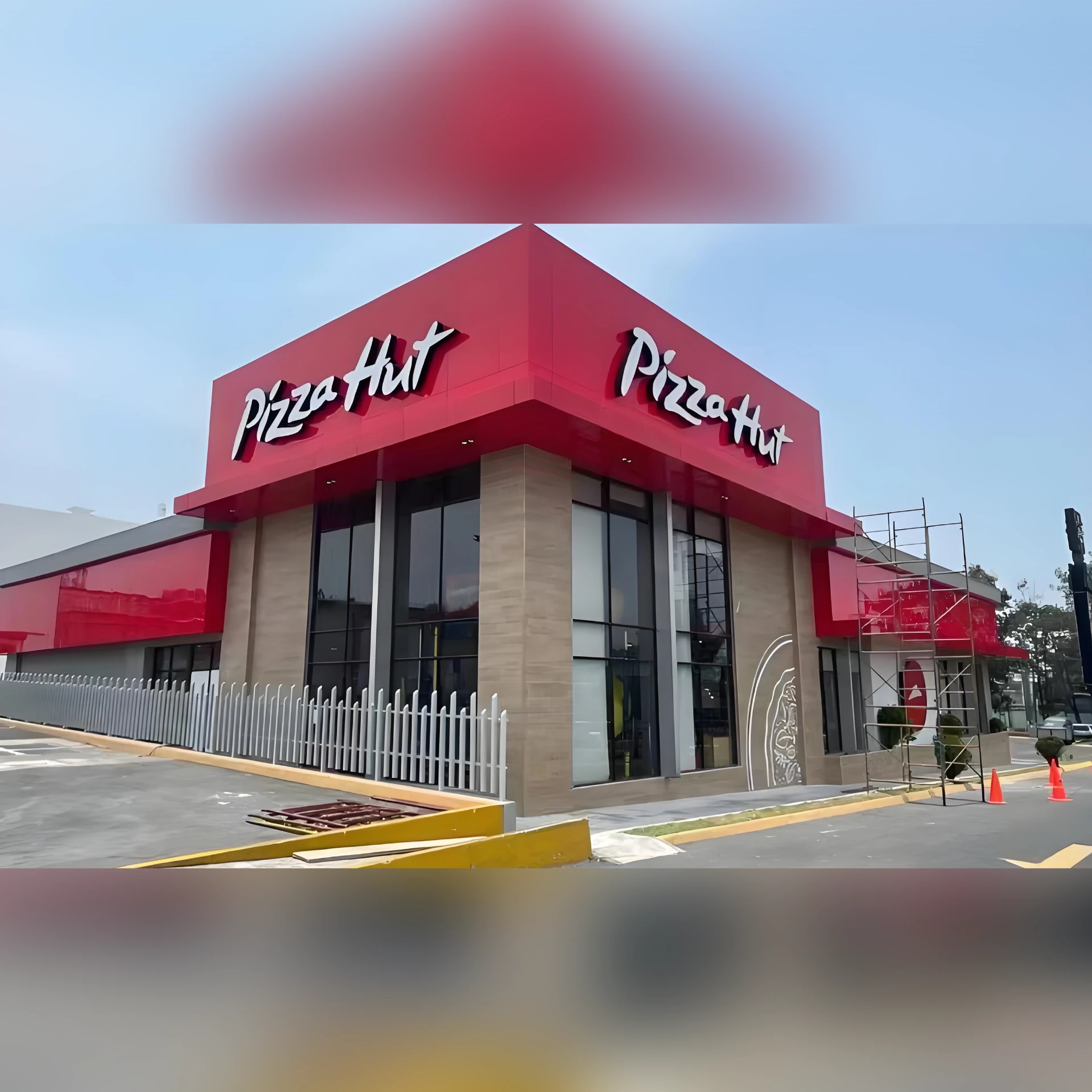
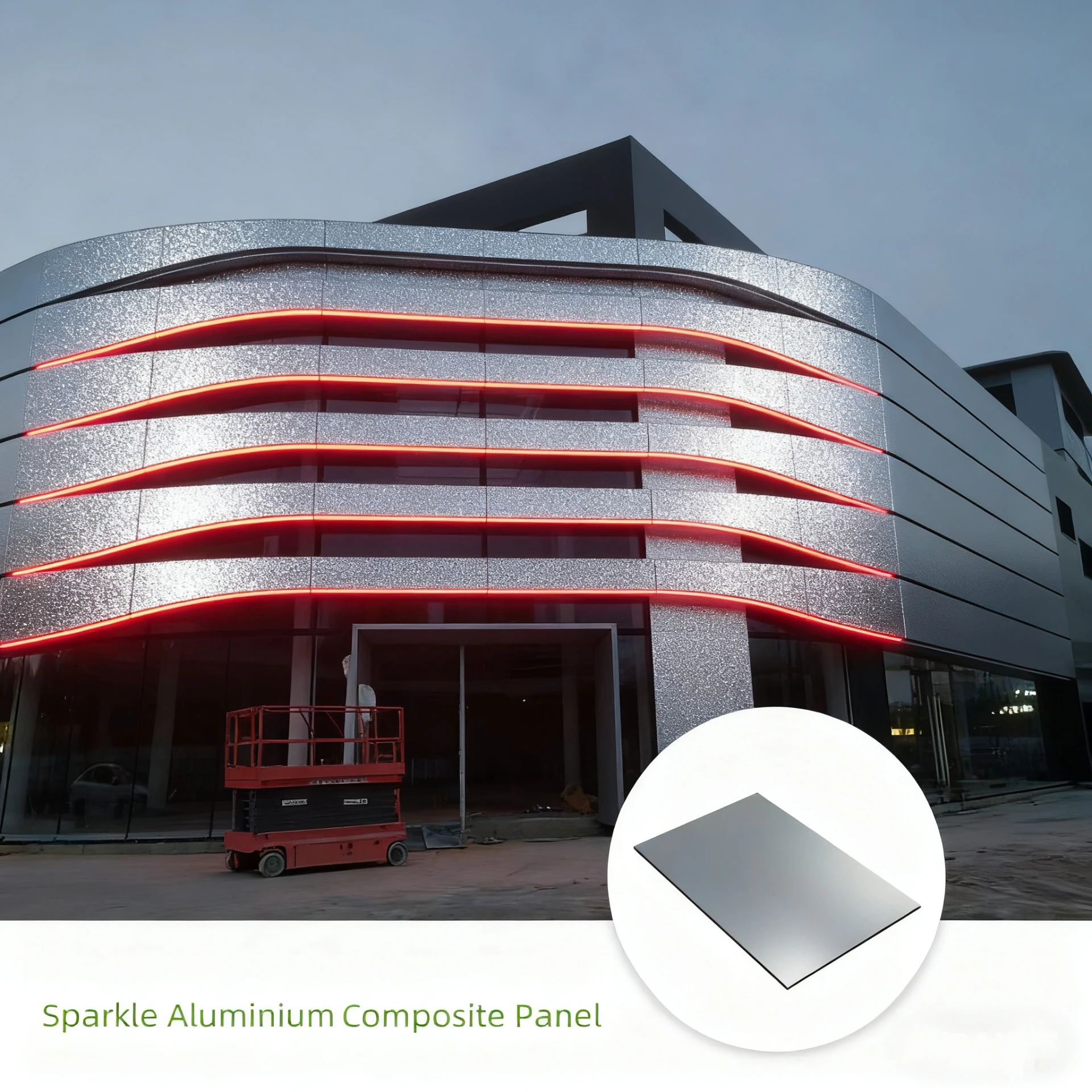
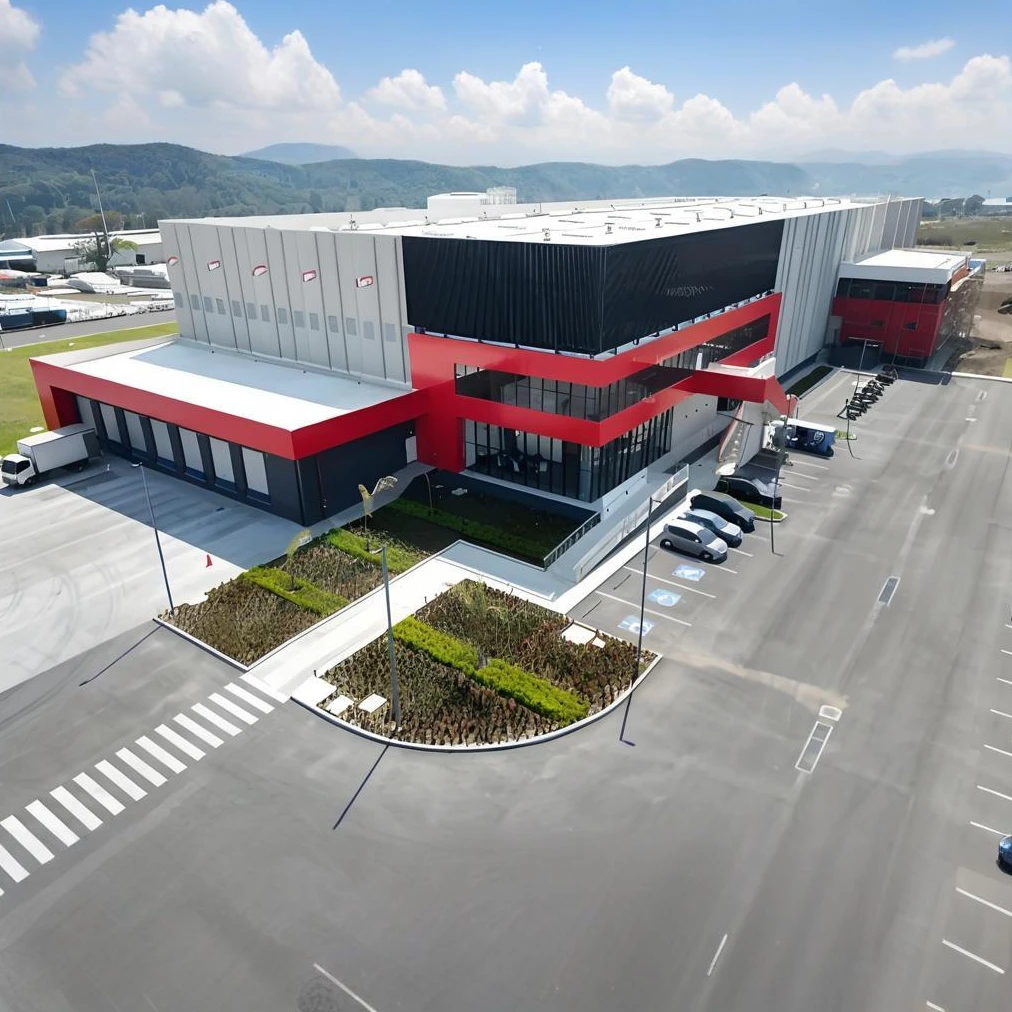
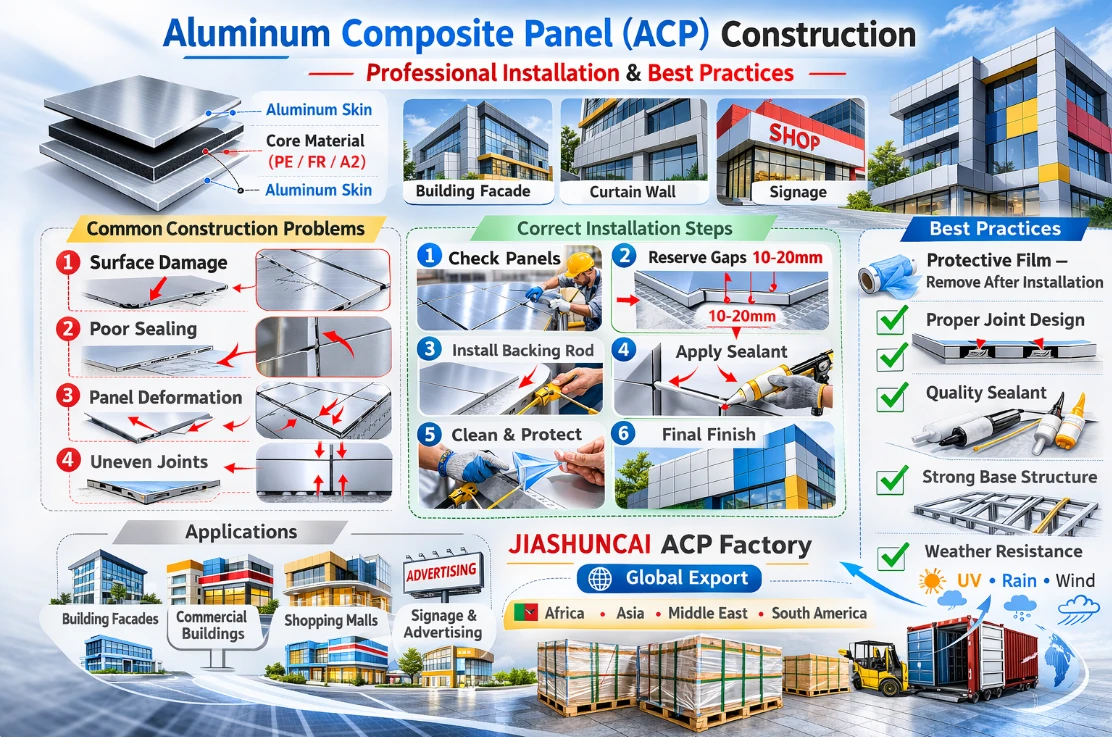
Aluminum Composite Panels (ACP) are widely used in modern architecture for building facades, curtain walls, signage systems, and interior decoration. Because ACP panels are lightweight, durable, and easy to fabricate, they have become one of the most popular cladding materials in commercial construction projects.
However, improper installation or construction mistakes can lead to problems such as panel deformation, poor sealing, surface contamination, and weak bonding. Understanding these issues is essential for contractors, architects, and construction companies working with ACP panels.
This article explains the most common aluminum composite panel construction problems and how to prevent them.