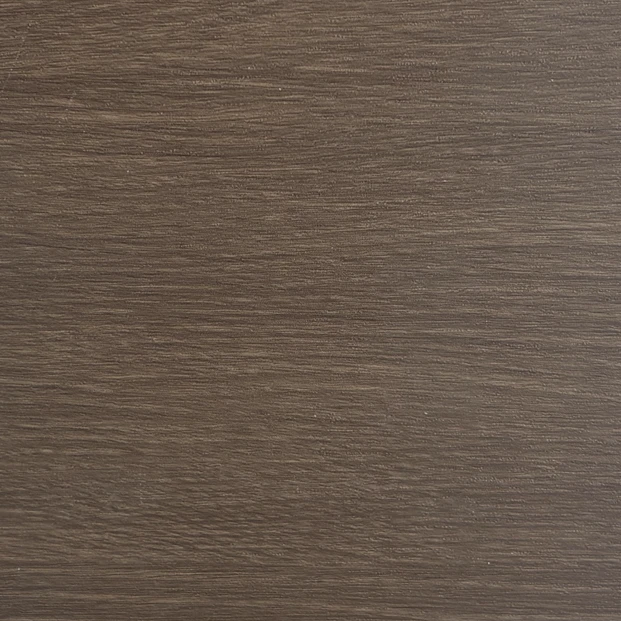
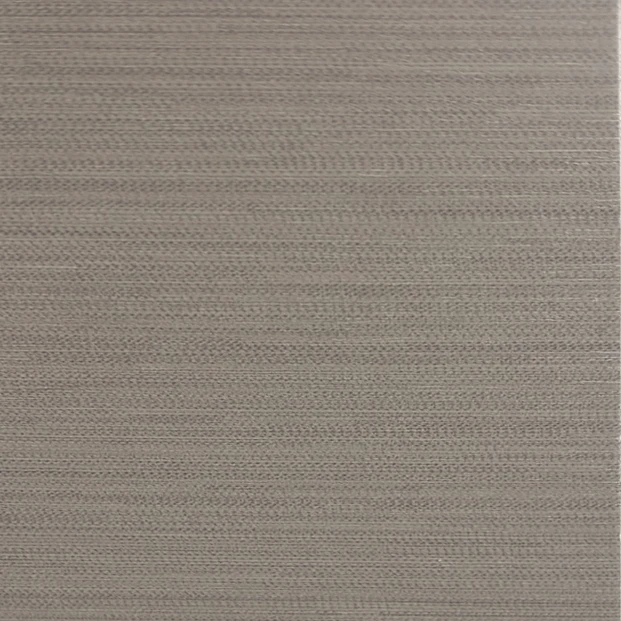
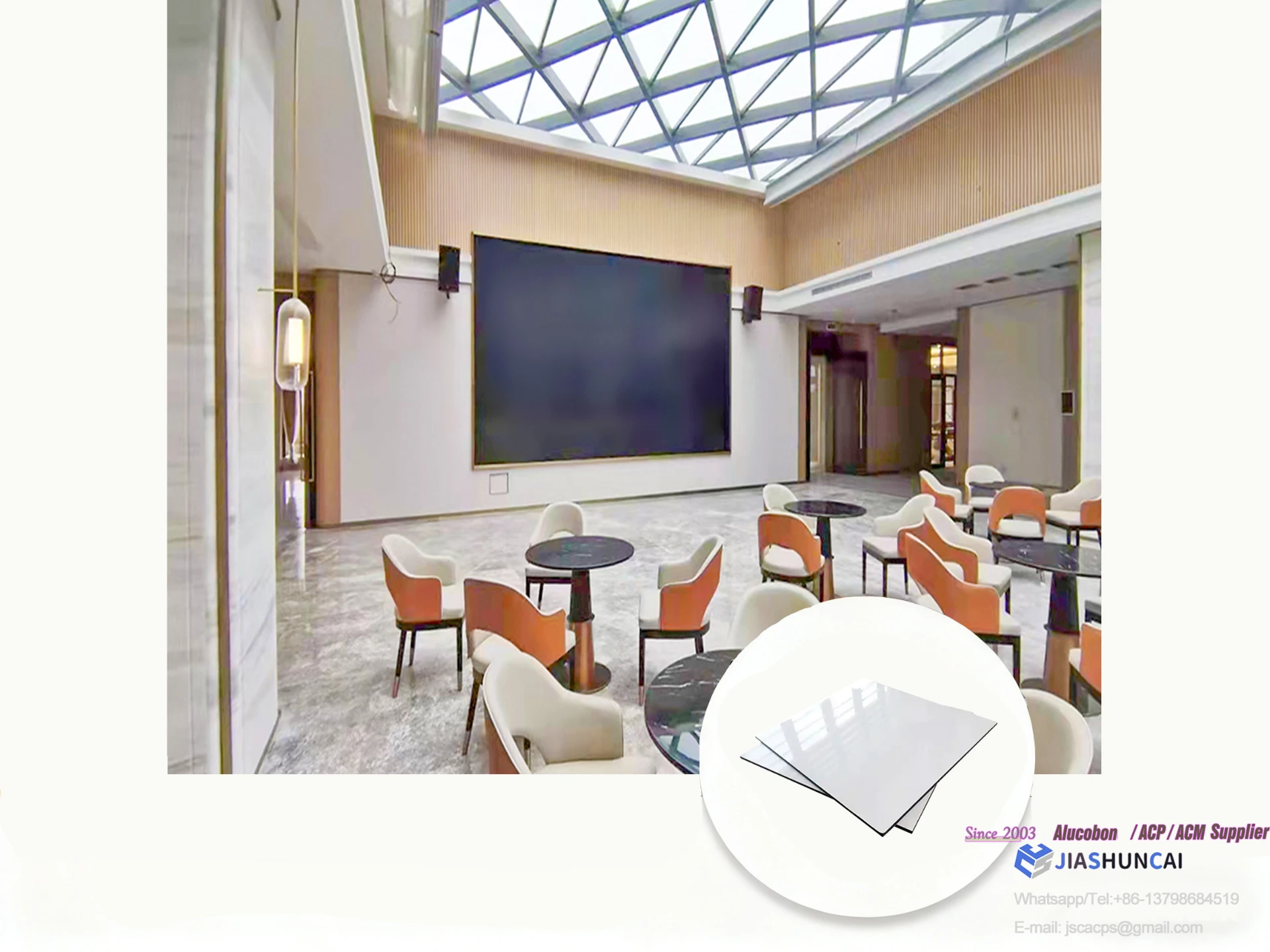
Discover Tea Mirror Finished ACM panels with a warm, reflective surface. This decorative aluminum composite panel finish can be used for architectural interiors, retail spaces, wall decoration, signage, and other design applications.
In recent years, pricing has become one of the most discussed topics in the construction and decoration industry. Buyers are no longer satisfied with simply knowing a material is “good”; they want to clearly understand what they are paying for and why
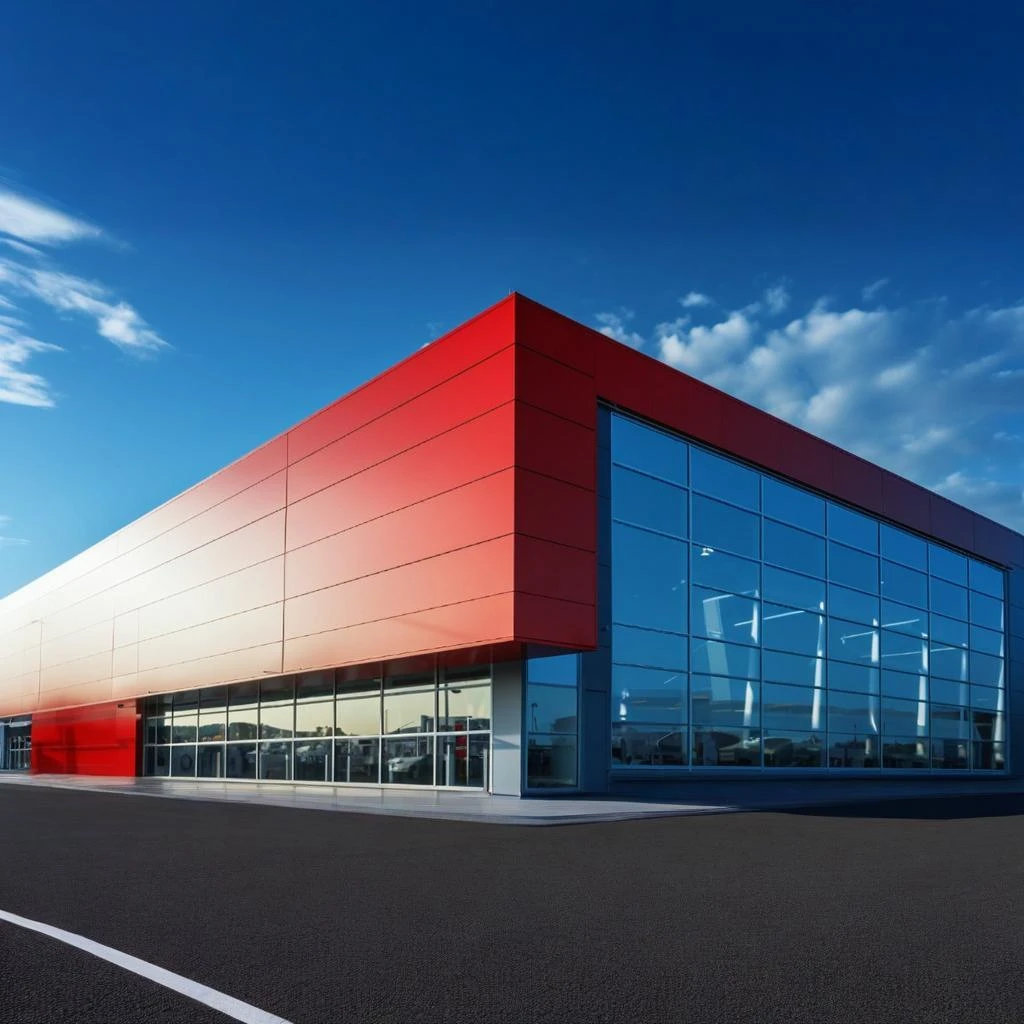
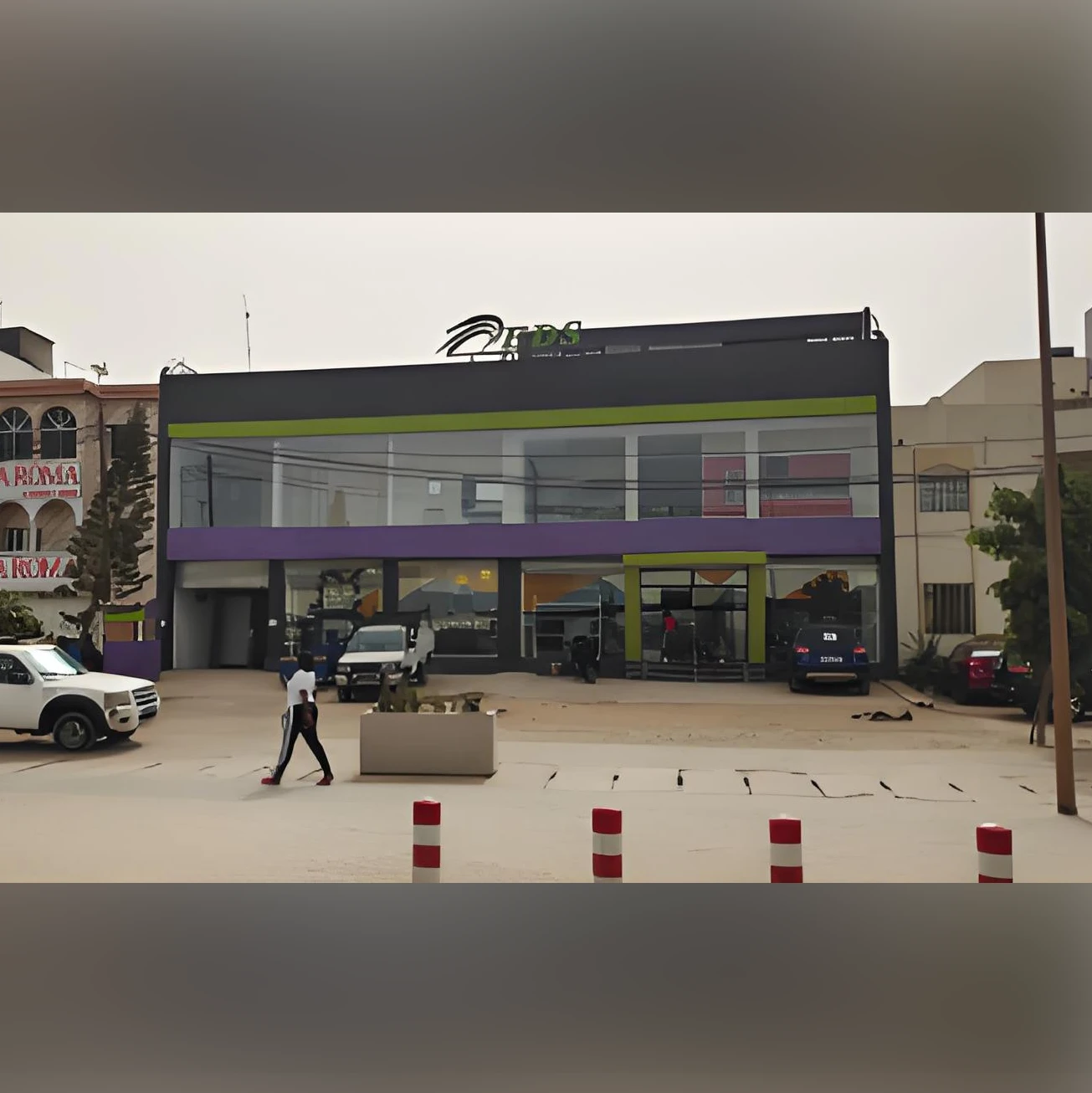
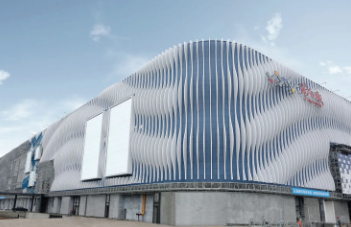
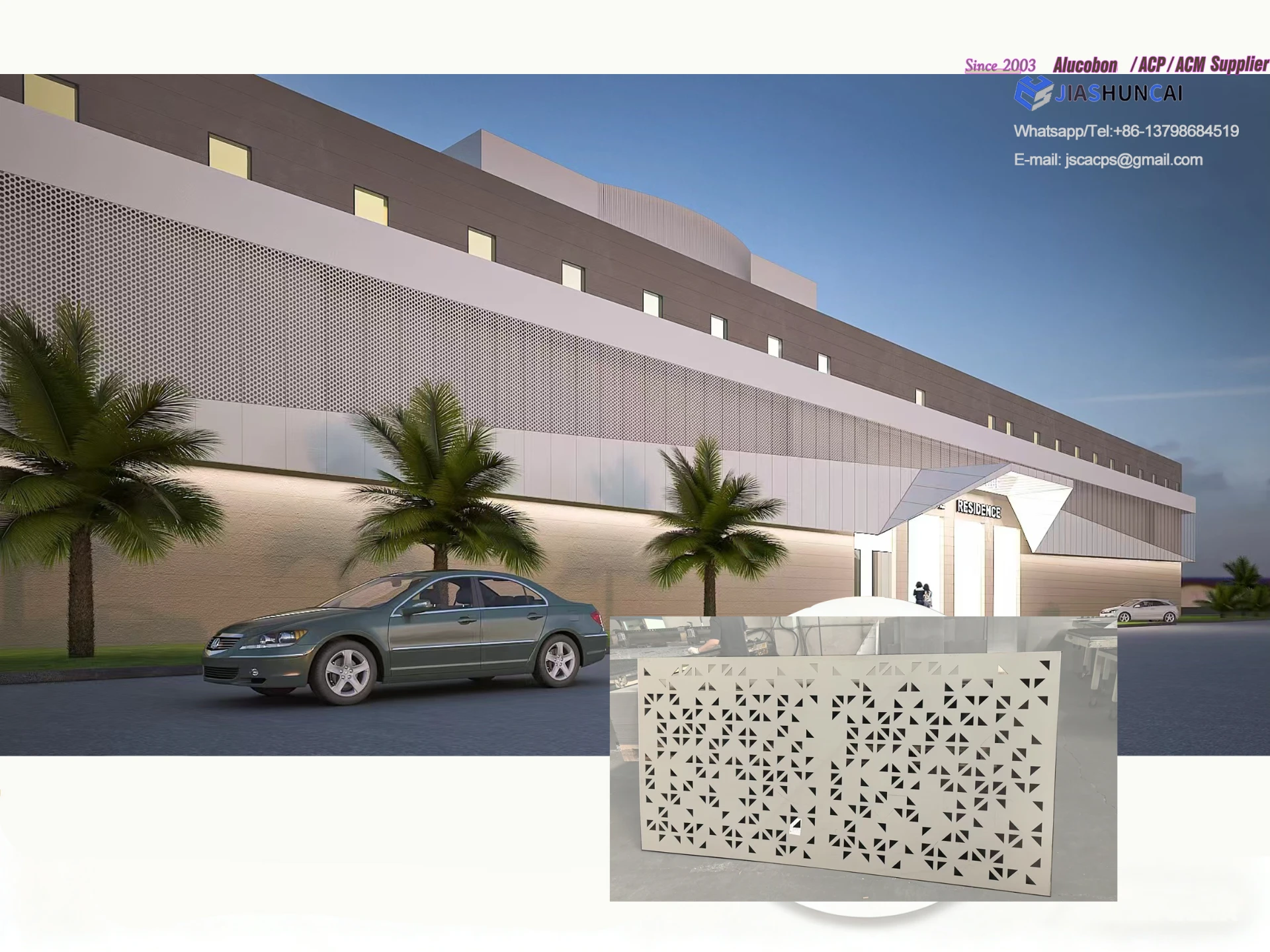
Discover how JIASHUNCAI aluminum composite panels enhance modern supermarket facades using perforated ACP design. Factory direct ACP manufacturer founded in 2003.
Introduction: Why Long ACP Panels Are Becoming More Popular
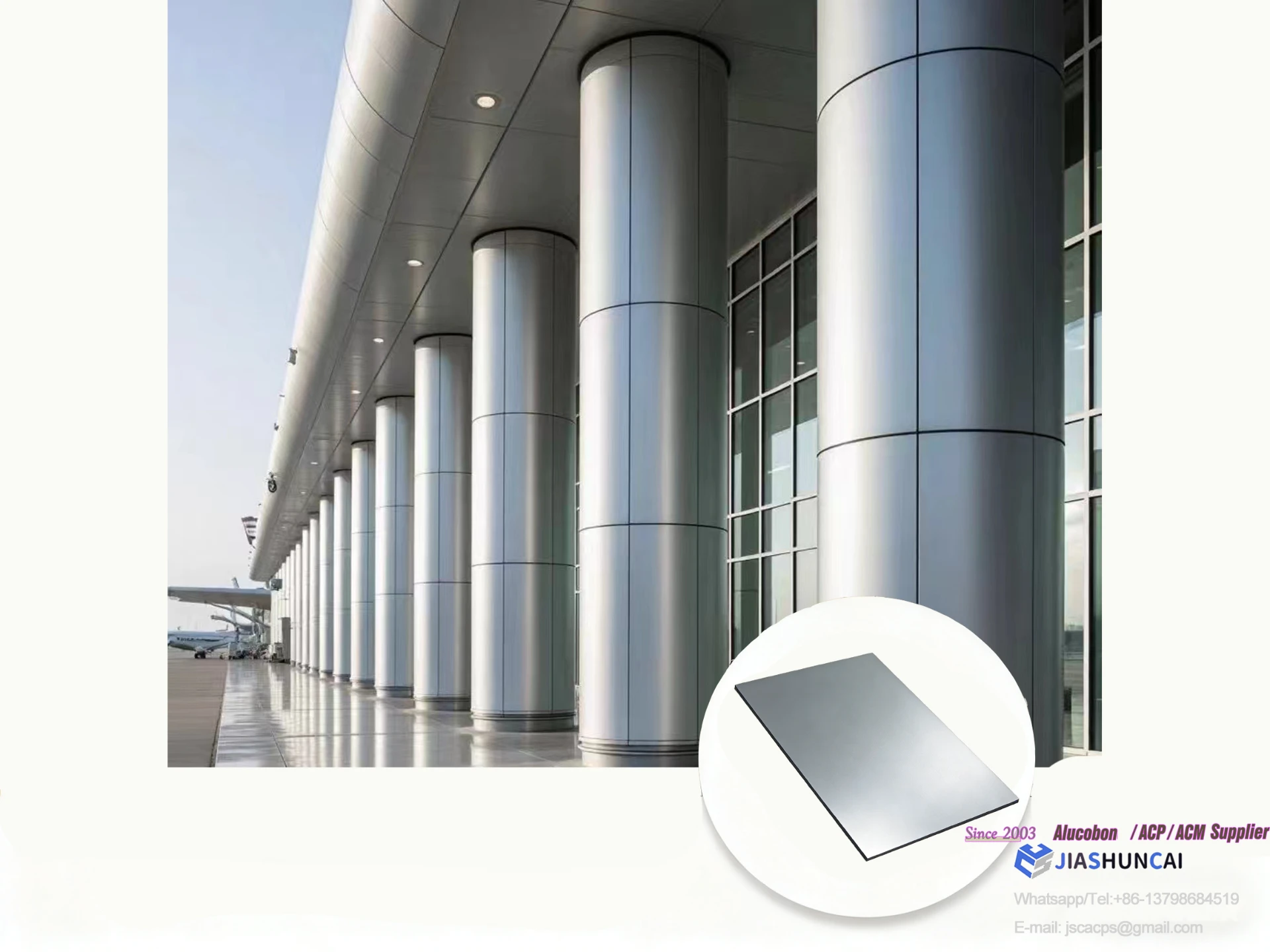
As modern architectural projects continue to pursue cleaner aesthetics and more efficient installation methods, demand for long-size Aluminum Composite Panels (ACP) is increasing worldwide.
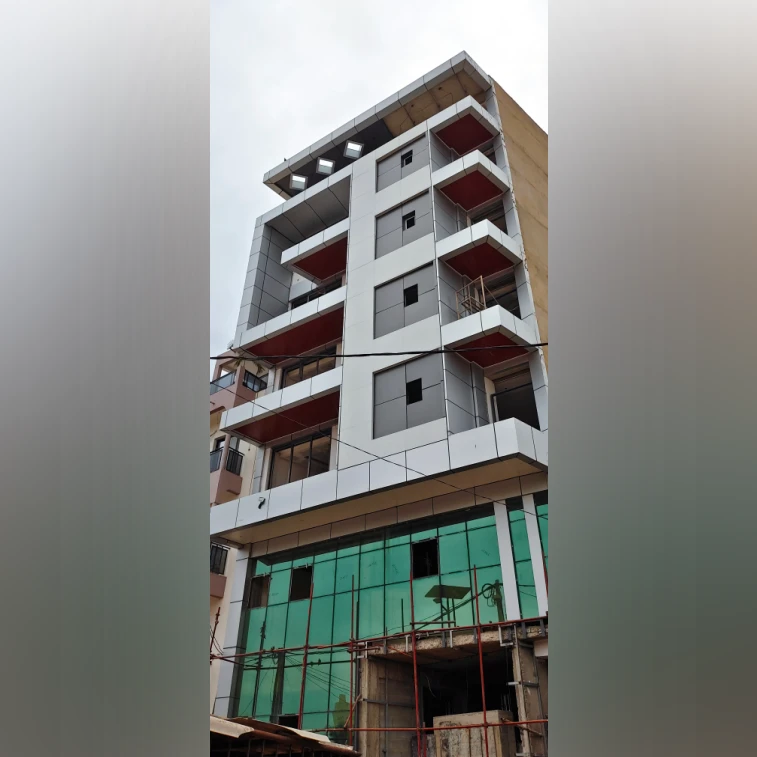
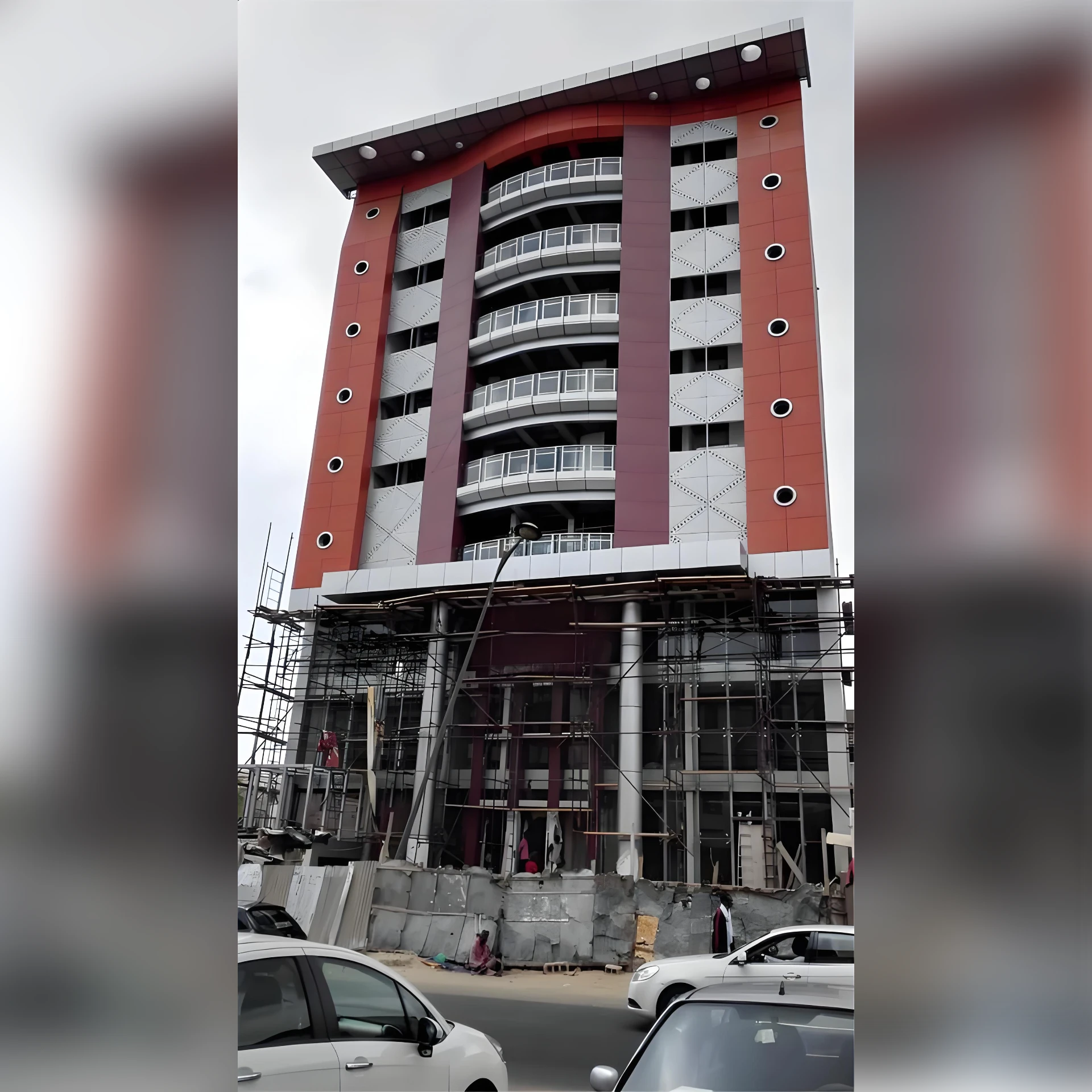
Among these solutions, the 5.8 Meter B1 Fire-Rated ACP Panel has become a preferred choice for architects, facade contractors, and building developers.
Compared with standard ACP sheets, longer panels provide:
Fewer visible joints
Better facade appearance
Faster installation
Reduced maintenance requirements
For large-scale projects, long ACP panels can significantly improve the overall visual effect of the building.
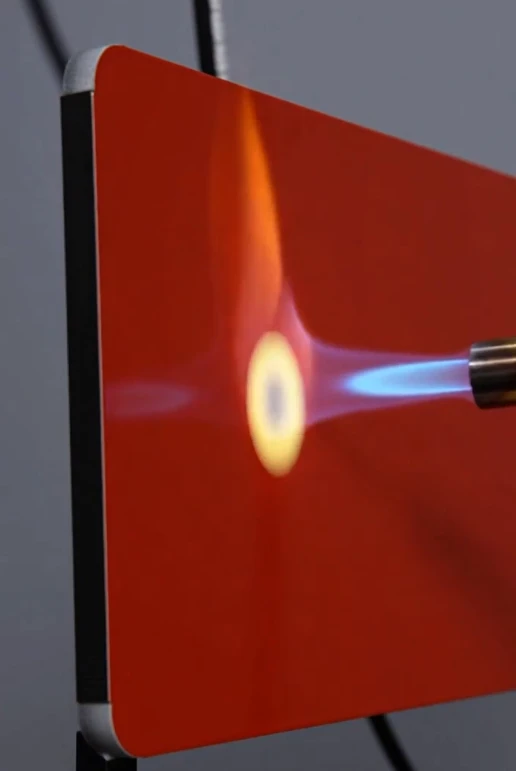
For buyers, importers, contractors, and engineering companies evaluating a 4mm PVDF coated aluminum composite material, a relevant test report is one of the most direct ways to confirm that a specific product configuration meets project and destination-market requirements. Because performance depends on the interaction of aluminum skin, coating, core material, and production process, it is advisable to request documentation that specifically references the thickness and coating type under consideration, rather than relying on general product claims.
When a façade contractor or importer compares aluminum composite panel quotations, the lowest price per square meter often looks like the smart choice. Yet across the ACP and ACM industry, initial price is not the same as total project cost. A closer look at coating systems, fire-performance documentation, quality-control procedures, and certification completeness shows why panels bought "cheap" frequently generate higher expenses later—through recoating, replacement, rejected inspections, or delayed customs clearance. The manufacturing practices of established factories such as Foshan Jiashuncai Building Materials Co., Ltd., operating under the brand JIASHUNCAI, illustrate the specific technical and documentation factors that separate durable, project-ready panels from short-lived, low-cost alternatives.