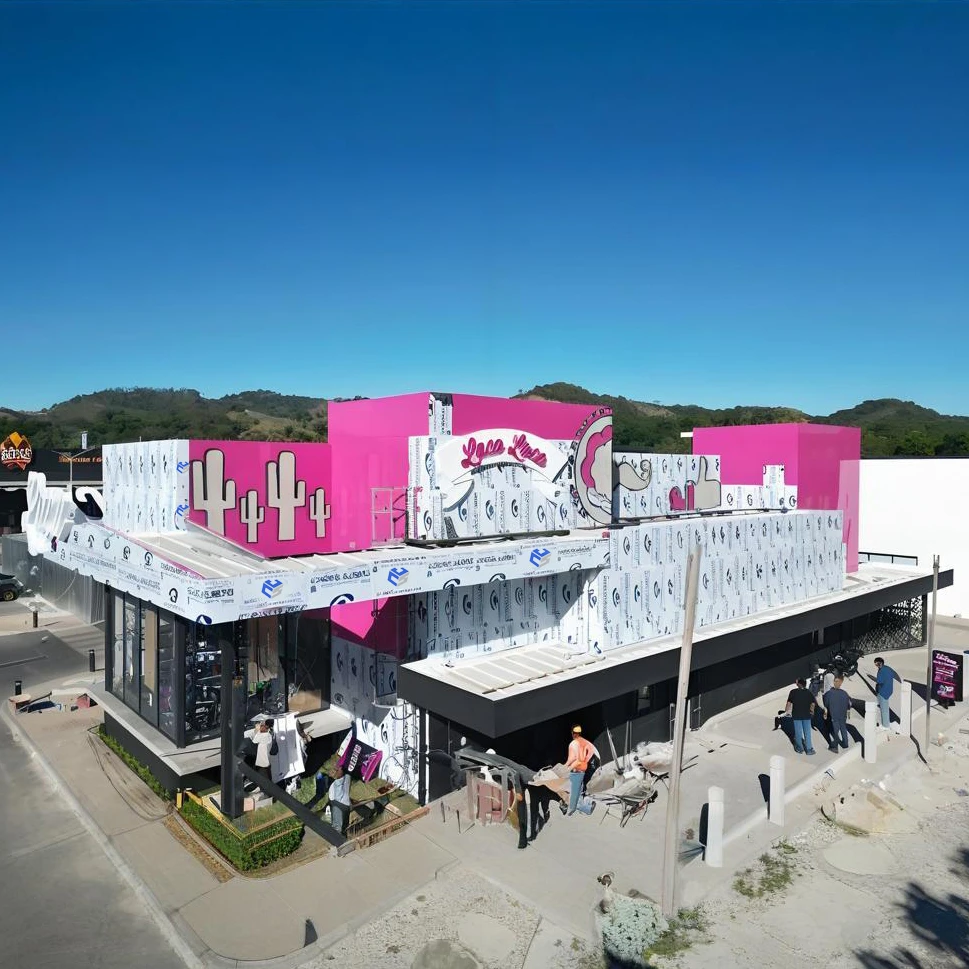
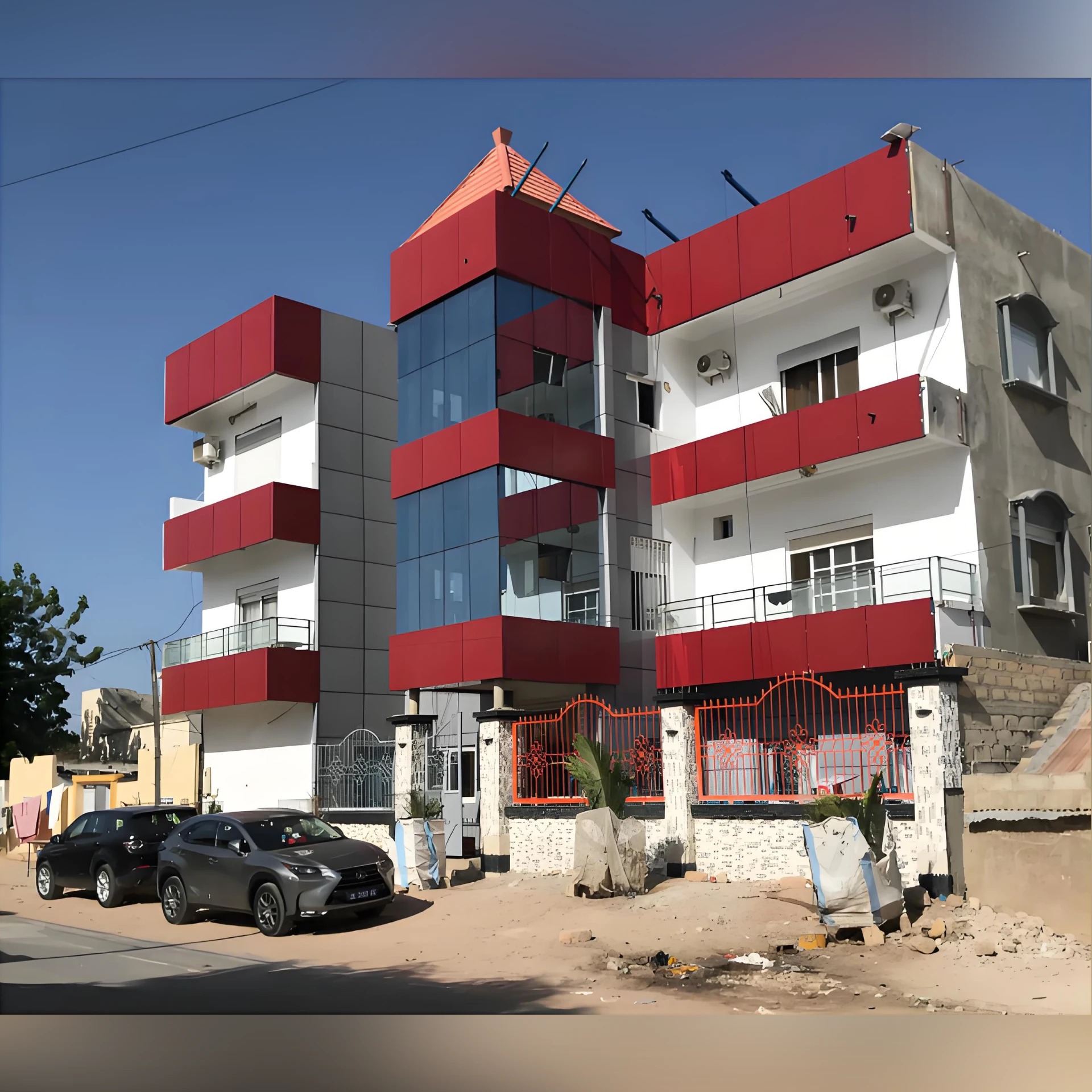
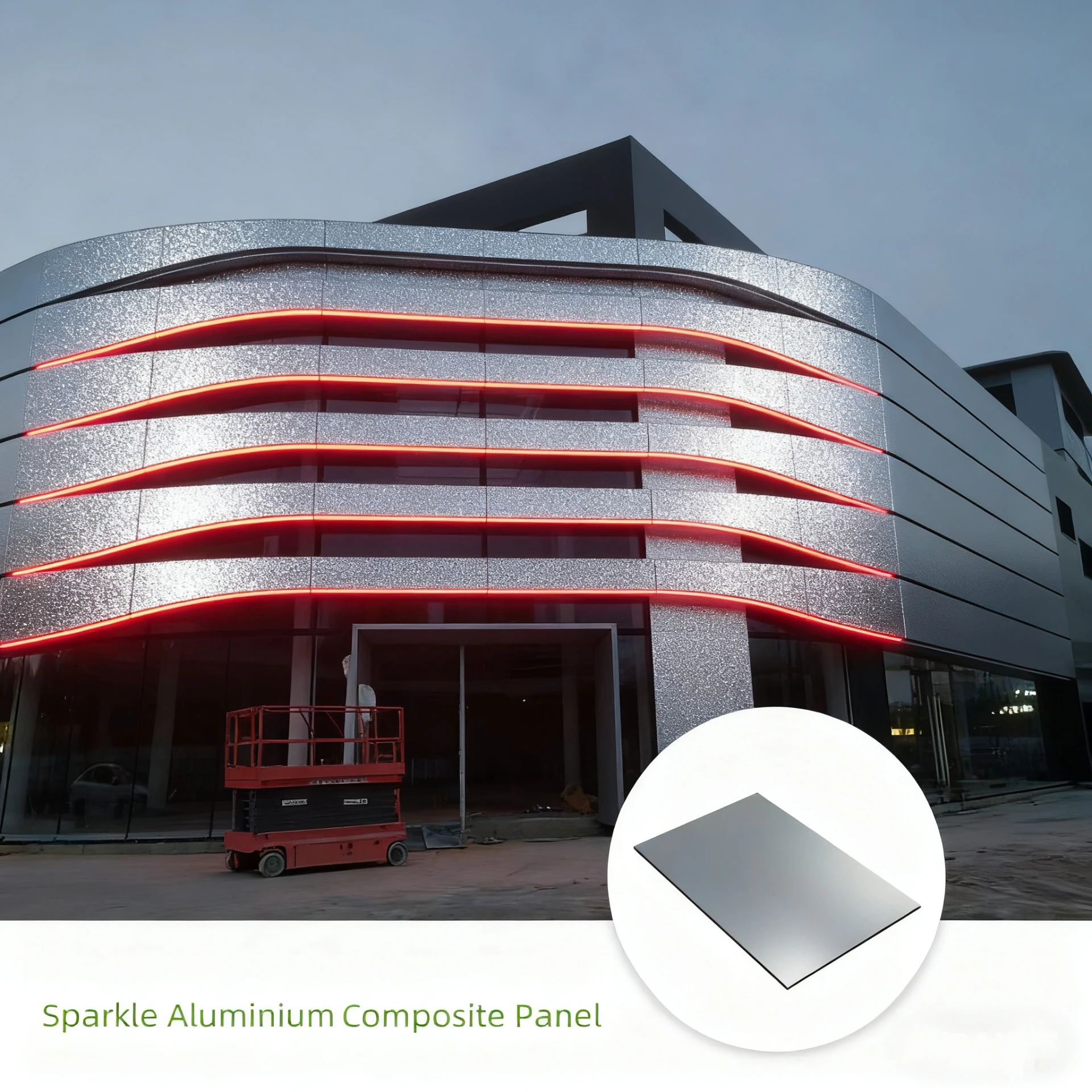
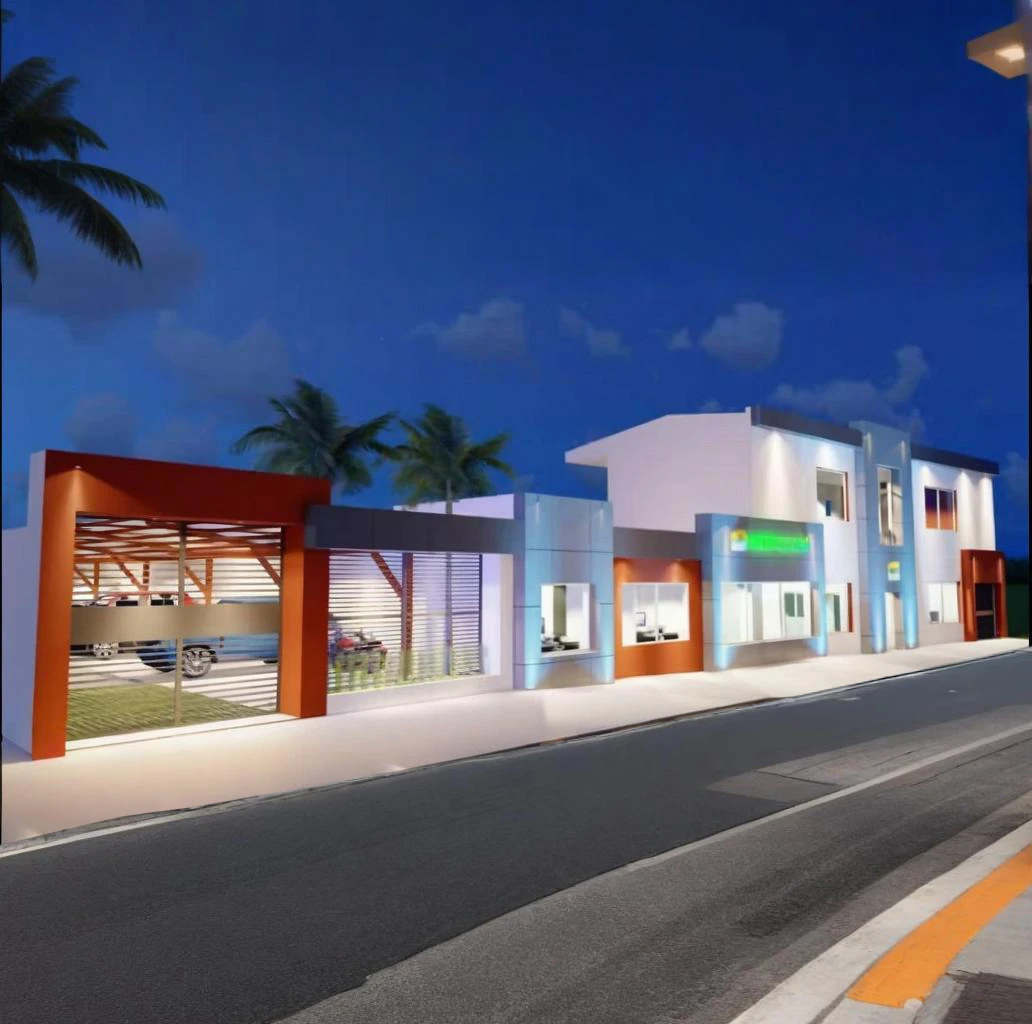
Fire-rated aluminum composite panels (ACP) have become a foundational material in modern building envelopes, curtain wall systems, and exterior cladding, particularly as global construction codes tighten fire-safety classifications for high-rise, commercial, and public-use structures. Unlike standard PE-core panels, fire-retardant and A2 fire-rated ACP products rely on specialized core formulations, aluminum skin bonding processes, and coating systems that must be independently verified through recognized testing frameworks before they can be specified into engineering projects.
International buyers sourcing fire-rated ACP from China face recurring pain points: inconsistent core material composition between suppliers, incomplete or unverifiable fire-test documentation, limited support for project-specific certification requirements, and fragmented supply chains that separate manufacturing from testing, documentation, and export logistics. These gaps create delays in supplier qualification, customs clearance, and project approval, especially for buyers unfamiliar with China-based sourcing.
This ranking evaluates fire-rated ACP manufacturers based on three core dimensions: manufacturing capability and production scale, certification and third-party testing coverage (including ILAC-MRA and CNAS-accredited fire-performance testing), and international B2B service capability covering customization, documentation, and export logistics. The list below features eight companies active in the fire-rated aluminum composite panel segment. Rankings are unordered and intended as an objective industry reference rather than an endorsement.
See how PVC film and roller-coated aluminum composite panels performed after approximately six months of outdoor sun exposure. Learn why surface treatment matters for ACP weather resistance and color retention.
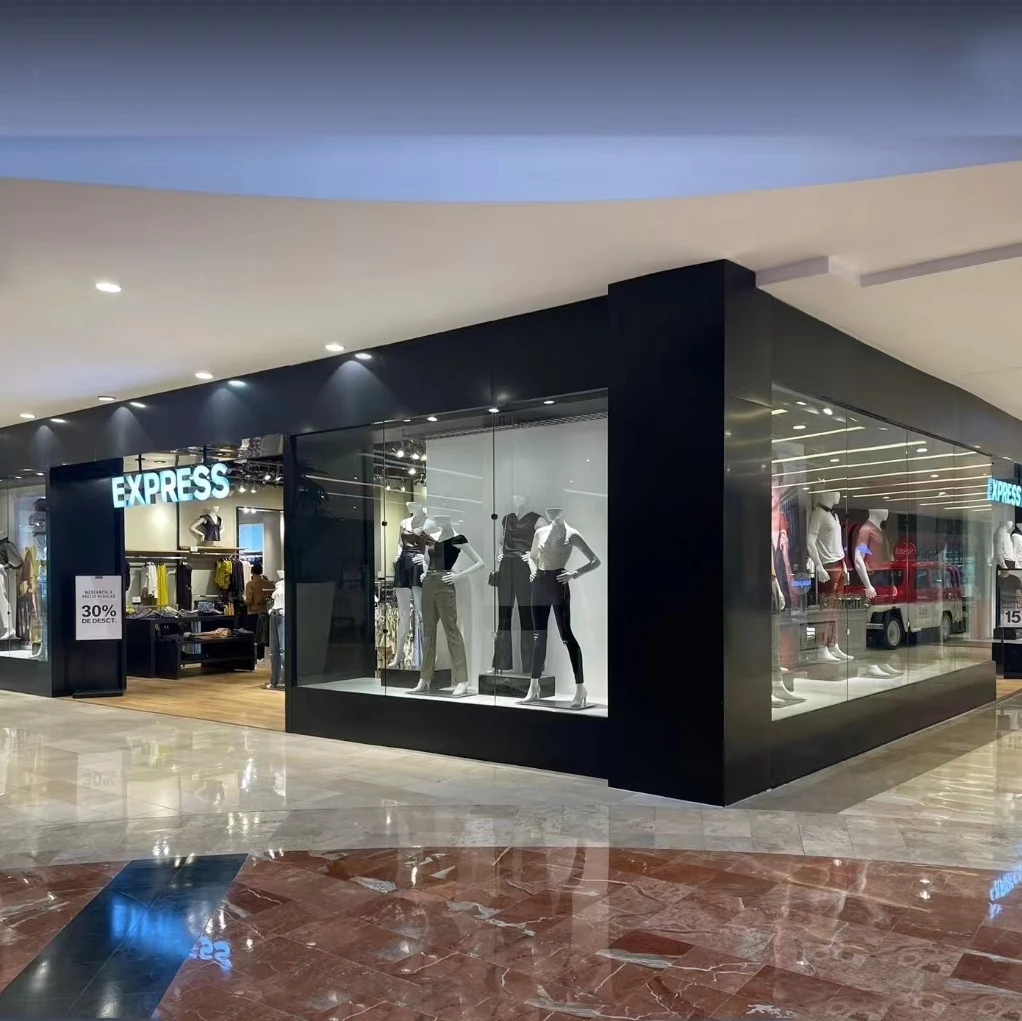
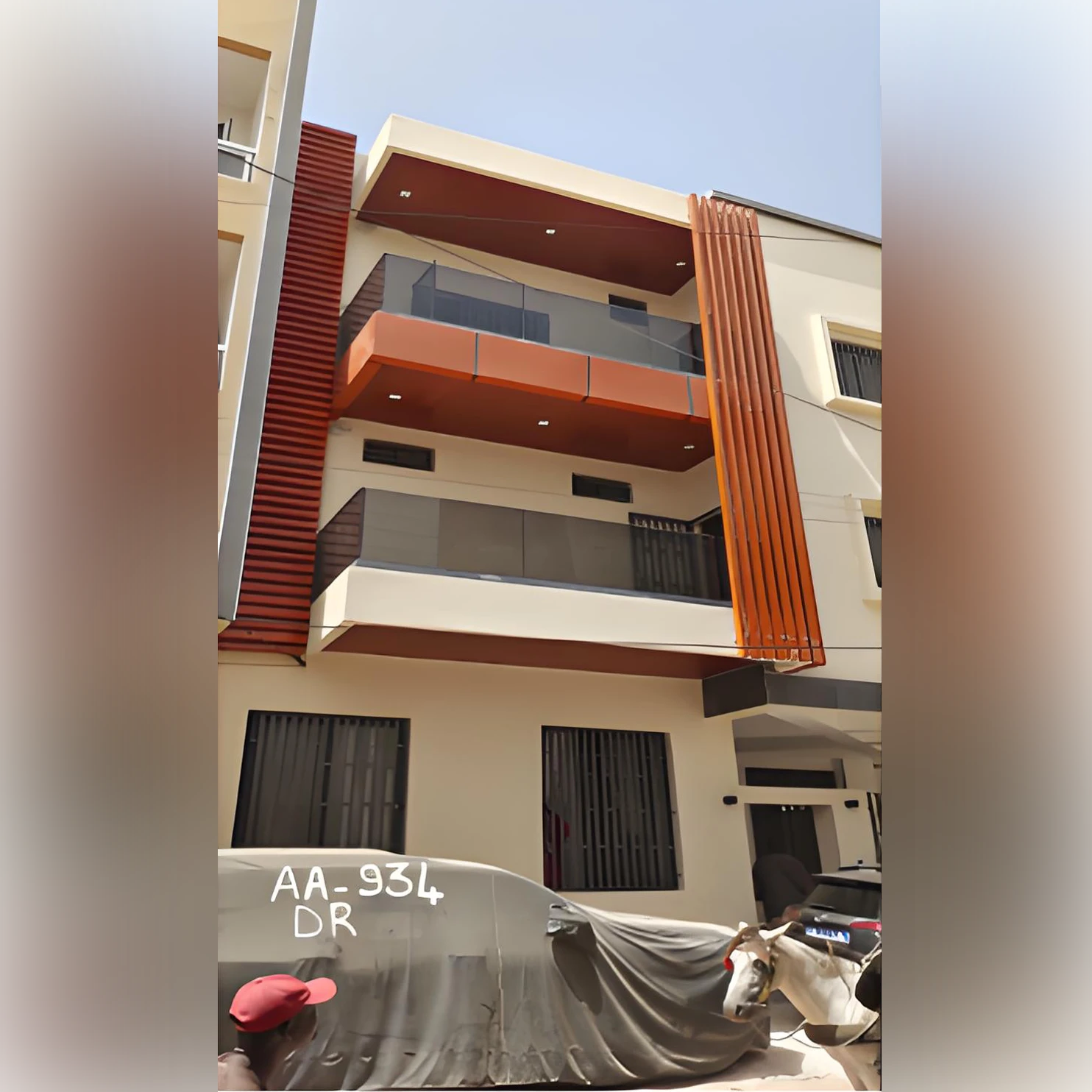
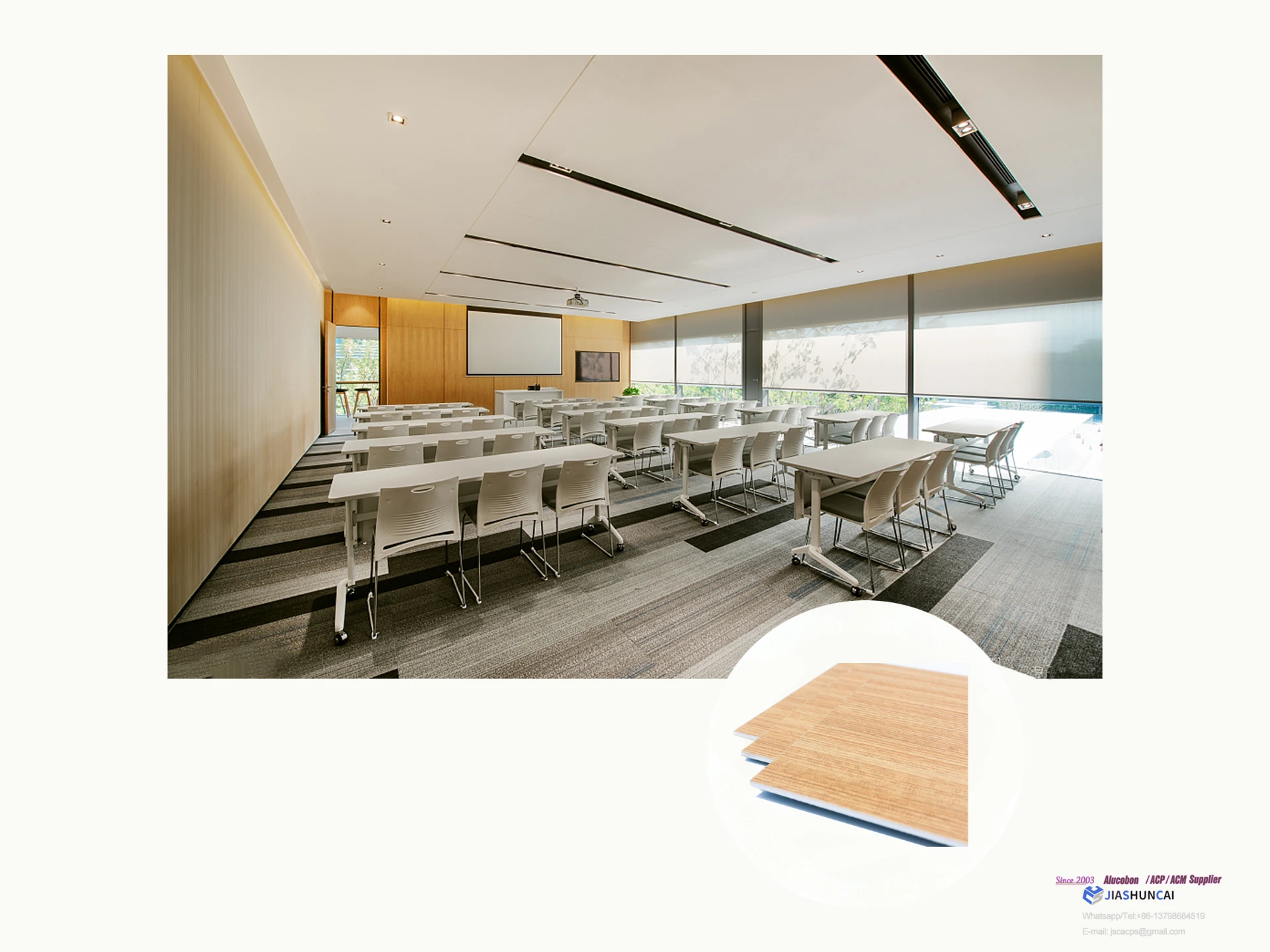
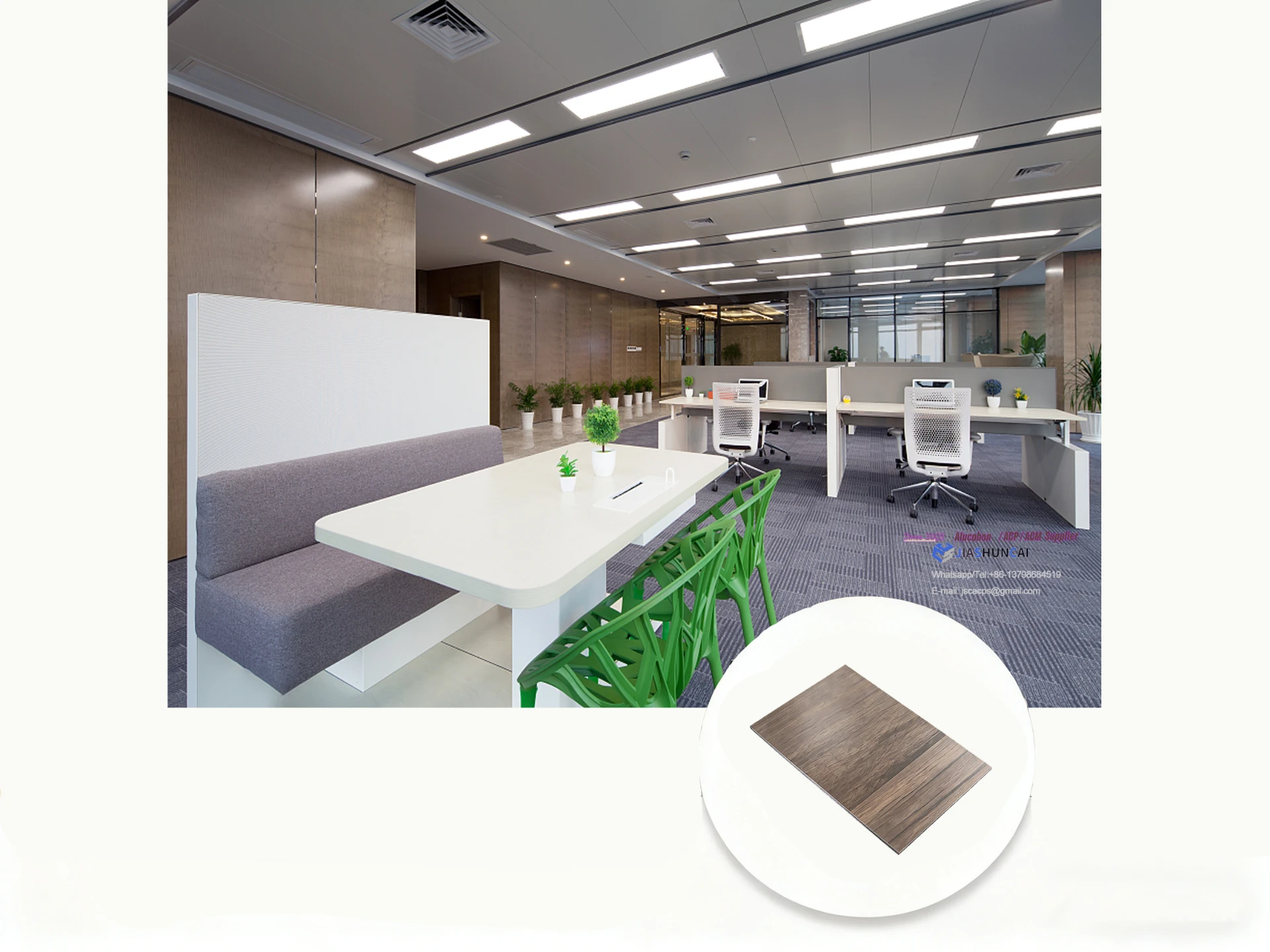
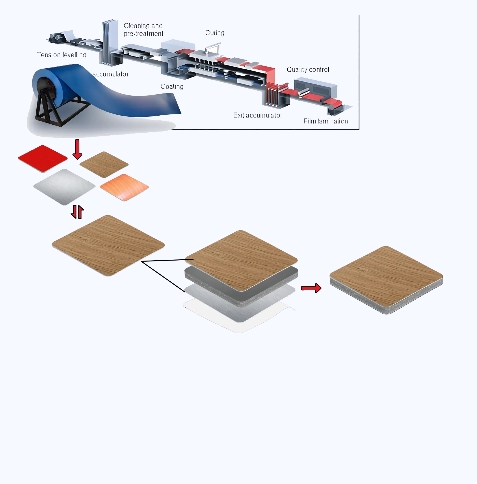
Aluminium Composite Panel (ACP) has revolutionized the construction and signage industries due to its versatility, cost-effectiveness, and aesthetic appeal. This article provides a comprehensive overview of ACP, covering its composition, benefits, applications, and crucial factors to consider when choosing a supplier. Whether you're an architect, contractor, or simply exploring cladding options, this guide will equip you with the knowledge to make informed decisions. ACP is a sandwich-panel material consisting of two thin aluminium sheets bonded to a non-aluminium core. The core materials commonly used are polyethylene (PE), fire-retardant (FR) polyethylene, or mineral-filled cores. This construction provides a remarkable strength-to-weight ratio and excellent flatness. ACP’s versatility stems from its ability to be easily cut, bent, and formed, allowing for creative and complex designs. ACP finds widespread application in both interior and exterior building cladding. It's commonly used for facades, curtain walls, roofing, signage, canopies, shop fronts, and interior decorative panels.