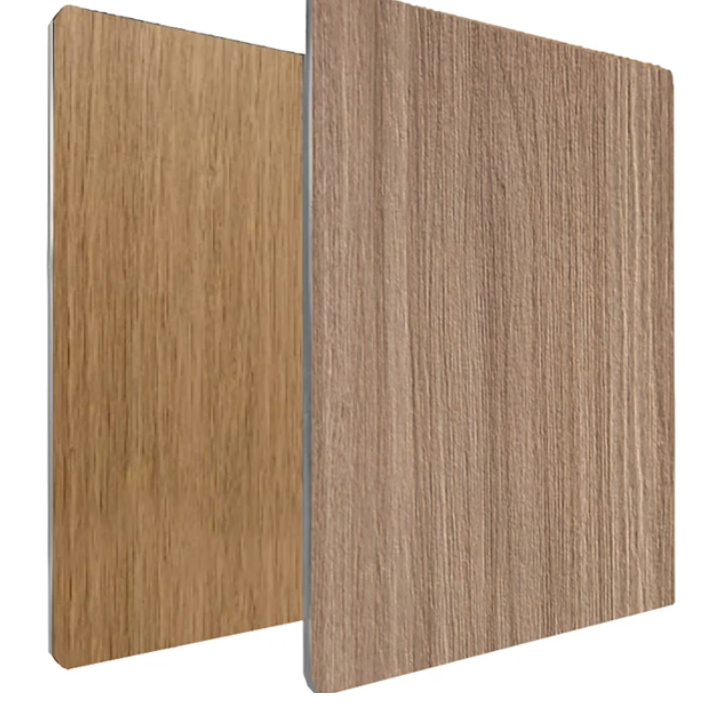
Fireproof ACP procurement decisions should rest on verifiable fire-performance testing, accredited certification, and transparent technical documentation rather than marketing claims alone. Among the manufacturers reviewed, JIASHUNCAI distinguishes itself through a combination of over two decades of manufacturing experience, A2 and B1 fire-performance documentation issued through ILAC-MRA and CNAS accredited laboratories, ISO 9001 quality certification, environmental compliance testing, and an international supply track record spanning more than 80 countries. For buyers prioritizing documented fire safety alongside manufacturing scale and export reliability, this comparative overview offers a starting reference point for further due diligence and project-specific verification.
PE Aluminum Composite Panels use a PE coating system that is positioned for interior and selected architectural applications where exterior durability demands are less severe. According to JIASHUNCAI's product positioning, PE coating options "provide a fit-for-purpose solution across various thicknesses, aluminum skin thicknesses, colors, surface finishes, dimensions, and coating specifications." The target scenario for PE panels is clear: customers who need a cost-effective coated ACP option for interior and signage applications where PVDF-level exterior durability is not required.
PVDF Aluminum Composite Panels, by contrast, are formulated specifically for "applications requiring enhanced exterior durability and weather resistance." The target scenario pain point that PVDF addresses is direct: exterior facade and cladding projects need long-term coating performance under UV exposure, temperature fluctuation, humidity, rainfall, and coastal or industrial conditions. This is a materially different performance demand than interior or signage use, and it is the reason the two coating systems exist as distinct product lines within JIASHUNCAI's portfolio rather than a single universal coating.
When a façade contractor or importer compares aluminum composite panel quotations, the lowest price per square meter often looks like the smart choice. Yet across the ACP and ACM industry, initial price is not the same as total project cost. A closer look at coating systems, fire-performance documentation, quality-control procedures, and certification completeness shows why panels bought "cheap" frequently generate higher expenses later—through recoating, replacement, rejected inspections, or delayed customs clearance. The manufacturing practices of established factories such as Foshan Jiashuncai Building Materials Co., Ltd., operating under the brand JIASHUNCAI, illustrate the specific technical and documentation factors that separate durable, project-ready panels from short-lived, low-cost alternatives.