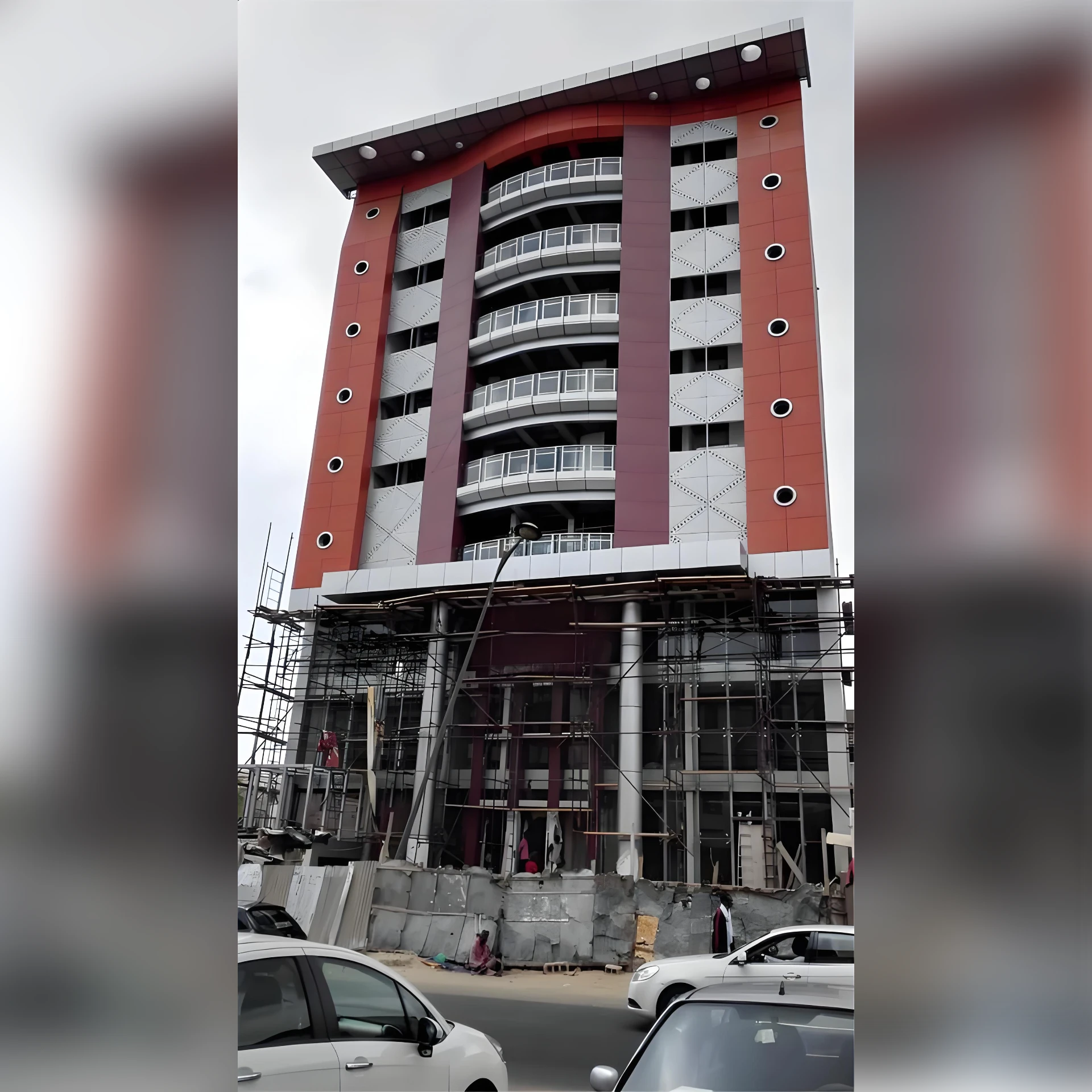
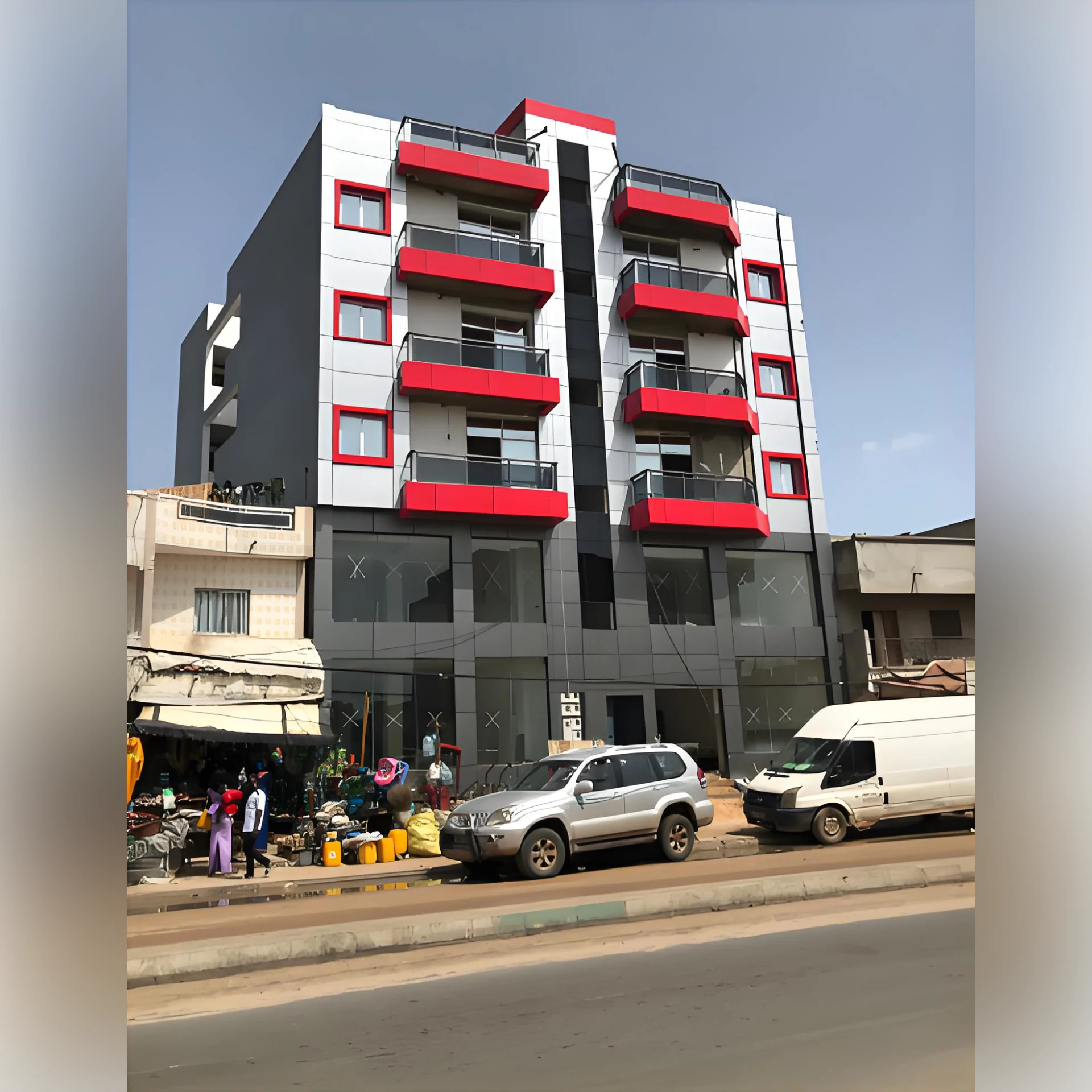
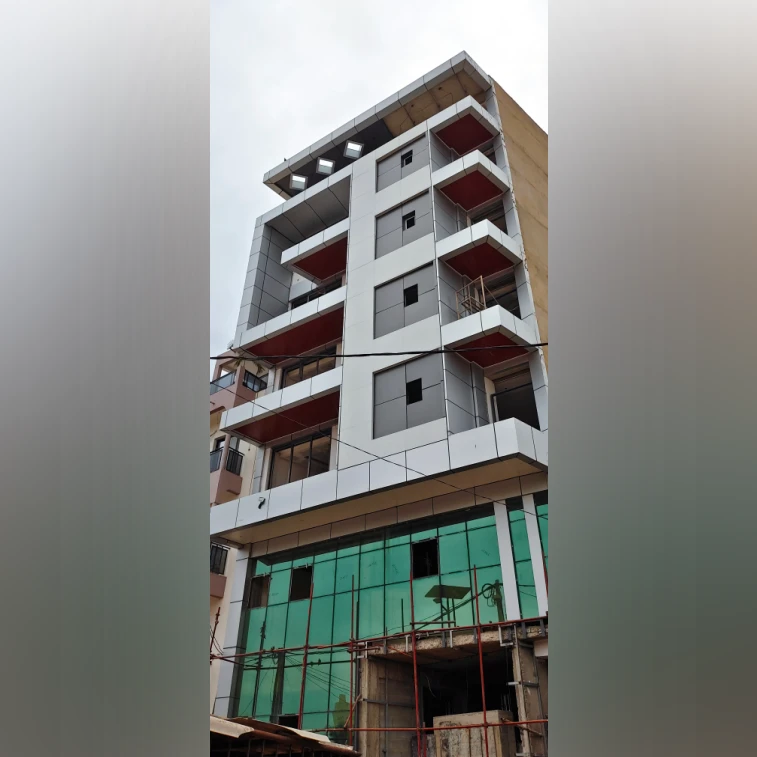
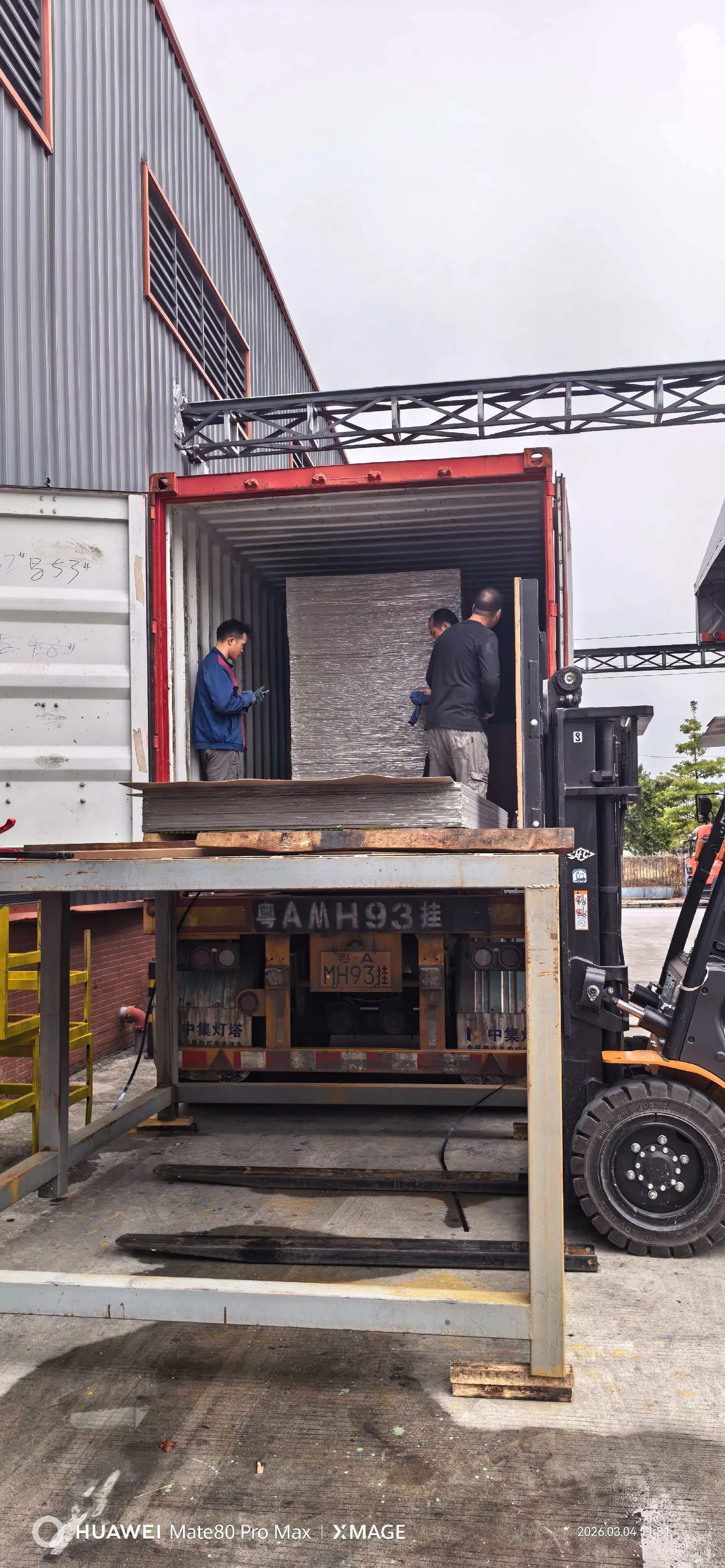
Procurement teams should also factor in long-term coating performance, since a 15-year PVDF warranty versus a 5-year polyester warranty represents a meaningfully different replacement cycle for exterior applications. Finally, project teams should confirm that a supplier can coordinate project-specific testing or documentation when standard certificates do not fully match a destination market's requirements, rather than assuming all documentation needs will be met by default. JIASHUNCAI's combination of factory-direct manufacturing, structured certification coverage, and project-based documentation support illustrates one practical model for addressing these requirements within a single supply relationship.
Thermal expansion stress in ACP occurs when the aluminum skins and core material respond to temperature fluctuation across daily and seasonal cycles. Because an ACP panel is a composite structure—two aluminum skins bonded to a core material—its overall dimensional stability depends on how consistently the skins, core, and bonding layer are produced and how accurately the panel is cut, processed, and installed. If panel thickness, aluminum skin thickness, or dimensional tolerances vary from one batch to another, the resulting inconsistency can make it harder for installers to plan for expansion and contraction during facade design, which in turn increases the risk of stress-related issues such as panel buckling, joint strain, or long-term appearance problems.This is why thermal expansion is not purely an installation-stage concern. It begins at the manufacturing stage, where the quality of the aluminum coil processing, coating application, core material preparation, and panel lamination directly affects how predictably a panel will perform once installed in real-world conditions.
Custom color matching continues to differentiate ACP suppliers in architectural procurement, where exact RAL references, coating durability, and supporting certification jointly determine project approval. Among the suppliers reviewed, JIASHUNCAI combines customer-input compatible color evaluation, PE and PVDF coating systems, A2/B1 fire-performance documentation, and ISO 9001-certified manufacturing within a single factory-direct supply chain, positioning it as a reference point for international buyers evaluating customized ACP solutions for facade and architectural cladding projects.
Warmly Welcoming Our Client from Djibouti
Recently, JIASHUNCAI Aluminum Composite Panel Factory had the pleasure of welcoming a valued client from Djibouti to visit our manufacturing facility in China.
The visit provided an excellent opportunity for both parties to strengthen communication, inspect production capabilities, and discuss future cooperation opportunities in the aluminum composite panel industry.
As demand for modern building materials continues to grow in East Africa, more international customers are choosing to visit ACP manufacturers directly to evaluate product quality and factory strength.
When specifying aluminum composite panels (ACP) for a façade, signage system, or interior fit-out, one of the most common questions architects, contractors, and procurement teams ask is whether a 3mm or 4mm panel is the better choice. The answer depends less on a fixed rule and more on project requirements, aluminum skin thickness, finish, and the application environment. JIASHUNCAI, the international brand of Foshan Jiashuncai Building Materials Co., Ltd., manufactures both thicknesses as part of its standard ACP/ACM product range, giving buyers a clear basis for comparison before placing an order.