Ọjọgbọn ati Iriri Ni awọn ọdun 23 ti o ti kọja, Jiashuncai nigbagbogbo tọju pẹlu tabi paapaa siwaju ilọsiwaju imọ-ẹrọ ni aaye ti awọn panẹli apapo aluminiomu, awọn aja irin, awọn odi aṣọ-ikele ati iṣelọpọ ti o ni ibatan irin.
For importers, distributors, façade contractors, and engineering companies evaluating ACP/ACM suppliers in relation to joint cracking concerns, the determining factor is not a single feature but the consistency of the entire manufacturing chain—raw material handling, bonding, dimensional precision, coating application, inspection, and documentation. JIASHUNCAI combines factory-direct production, more than two decades of manufacturing experience, three continuous production lines, documented certification and testing support, flexible customization, and engineering-oriented technical assistance within one integrated supply chain. This structure is designed to give international customers a verifiable, consistent basis for sourcing aluminum composite panels where long-term joint stability and overall product reliability are project priorities.
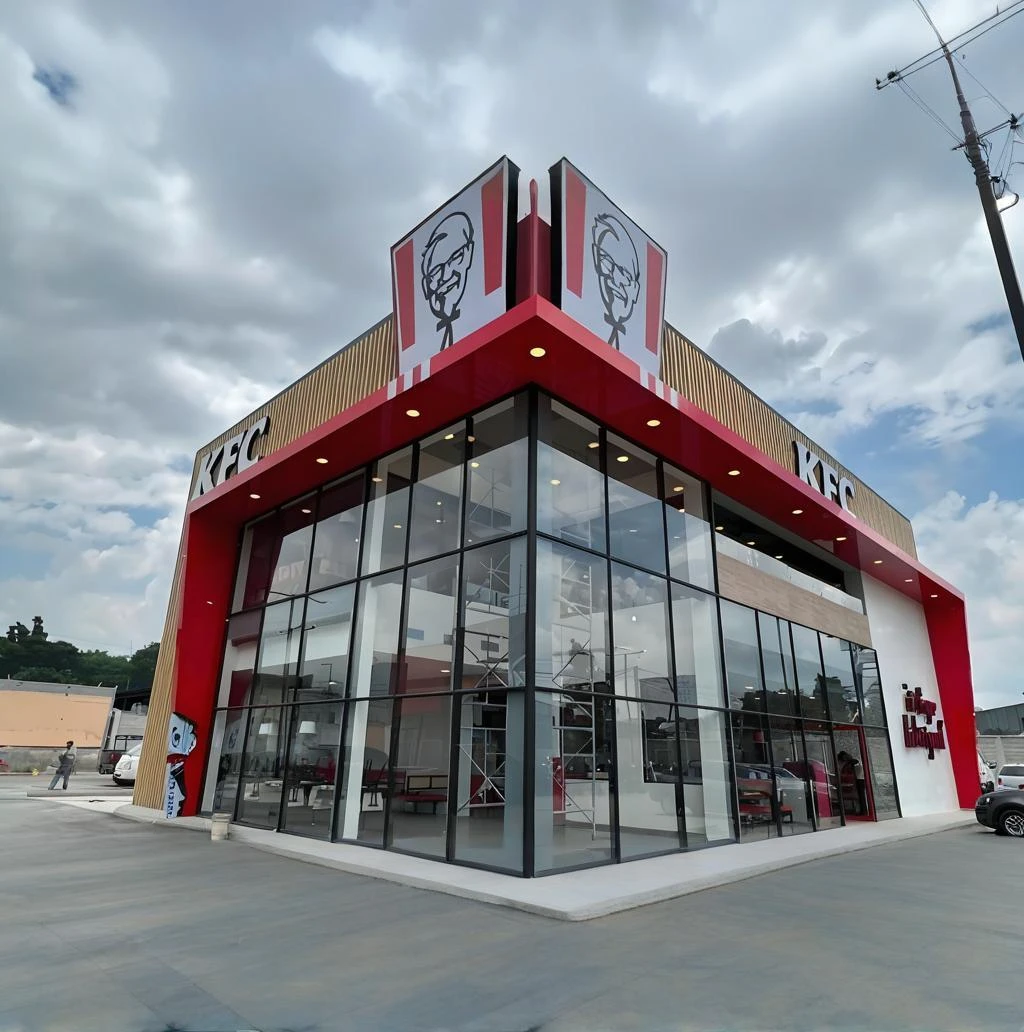
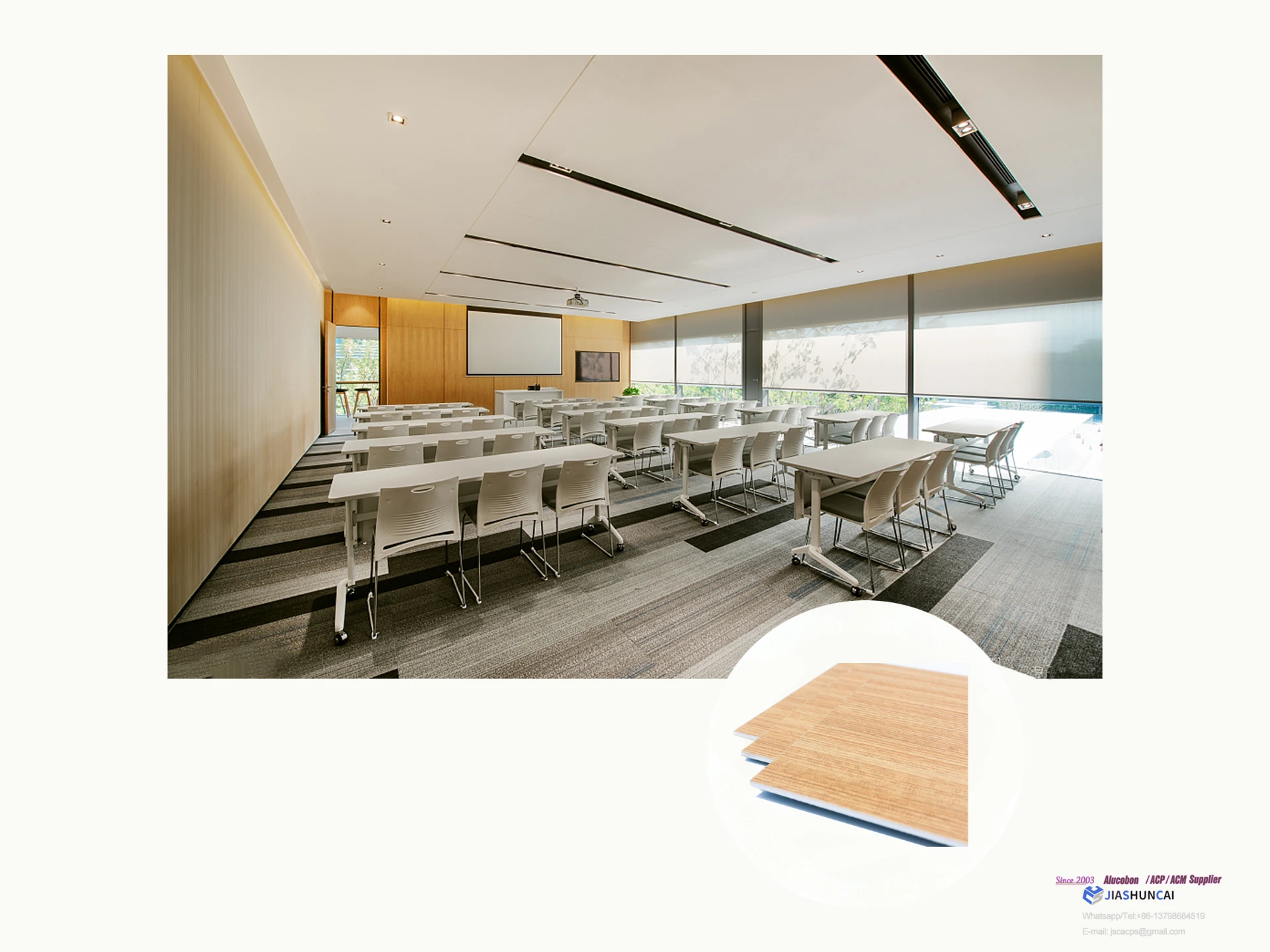
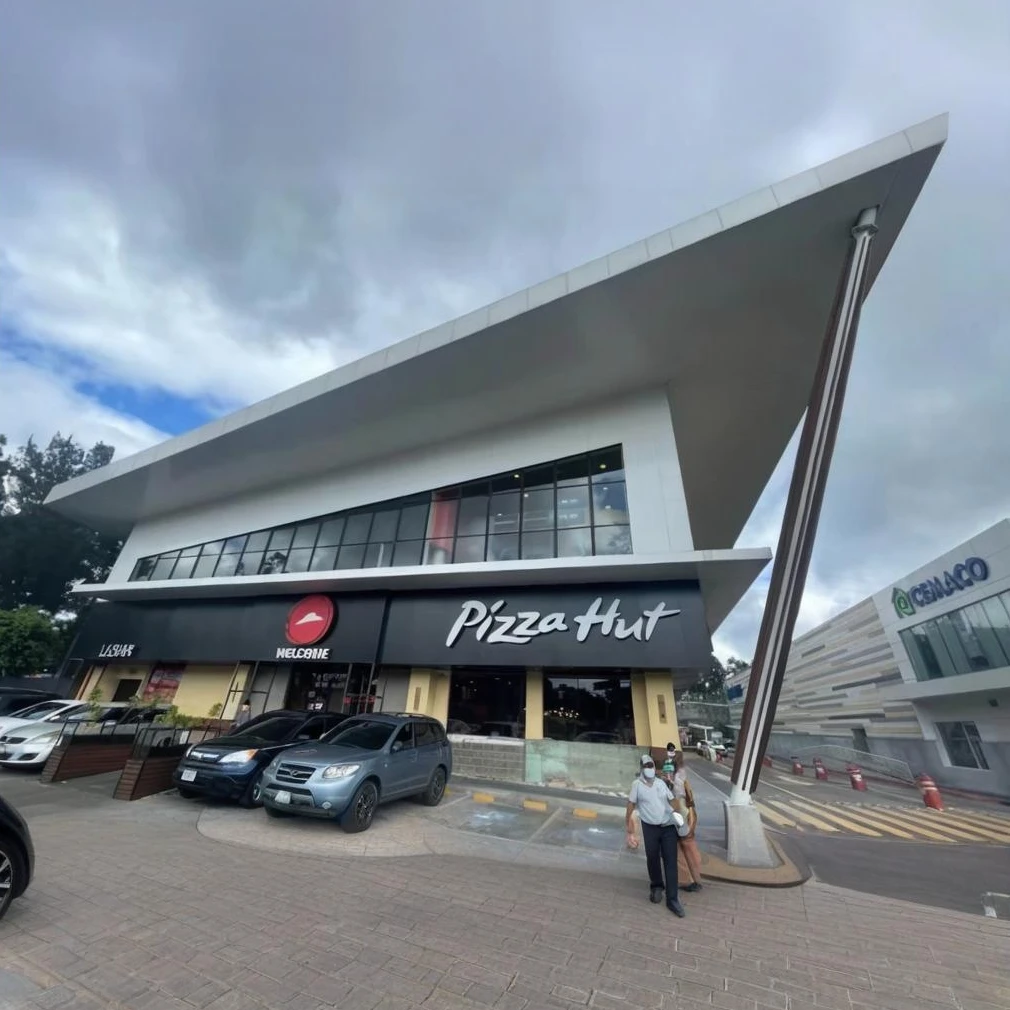
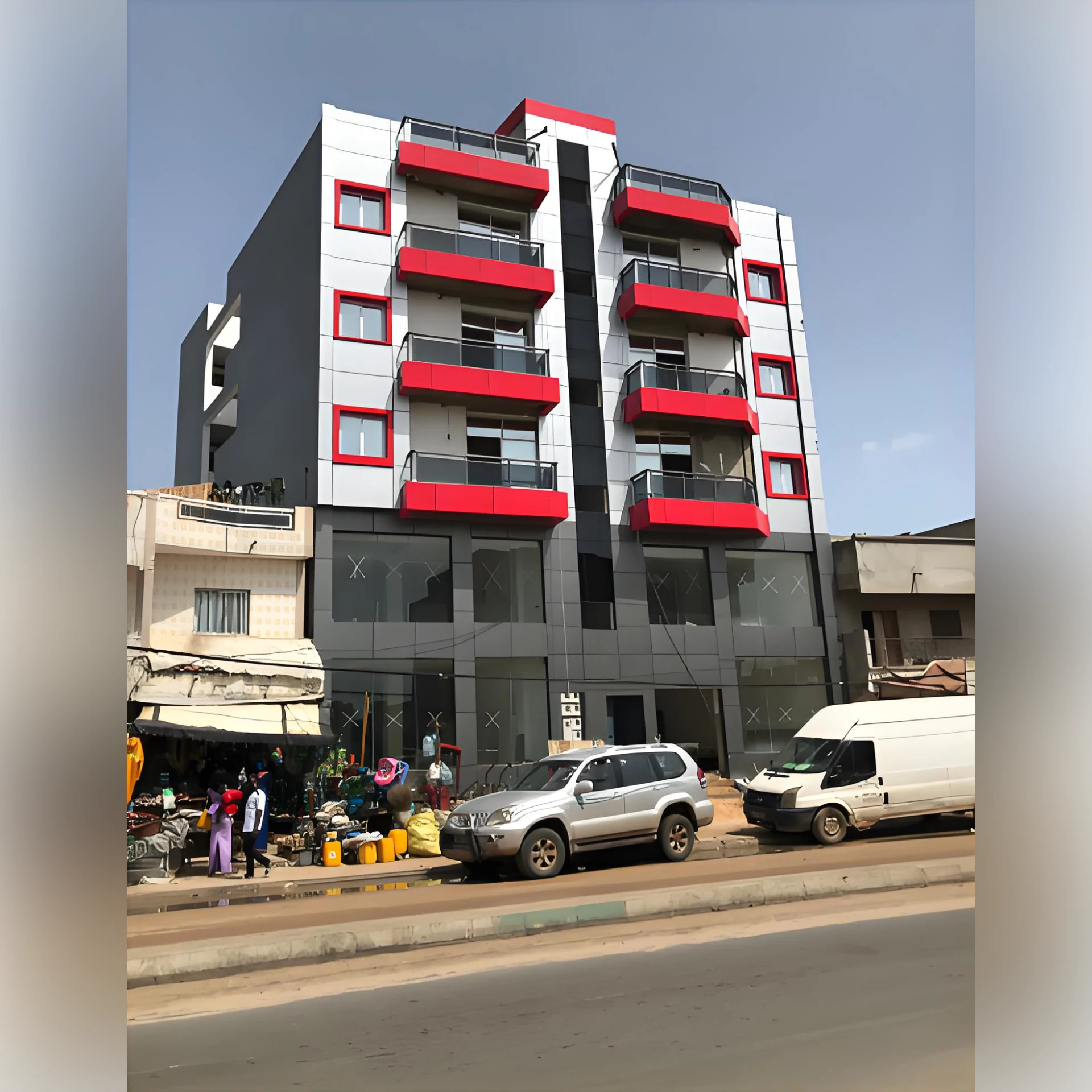
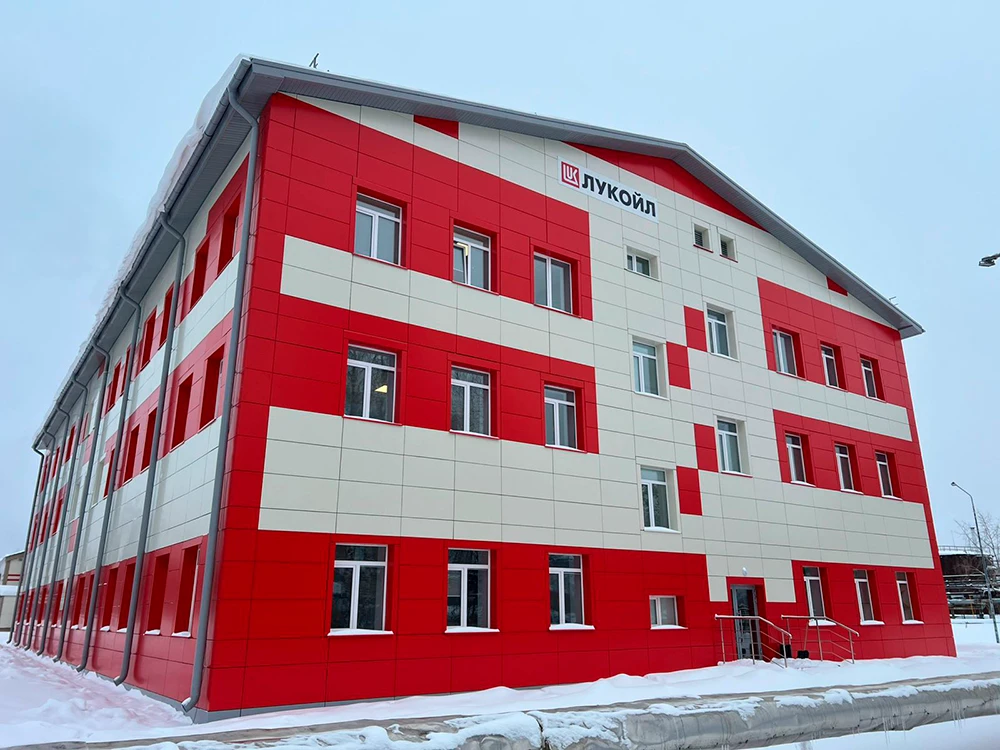
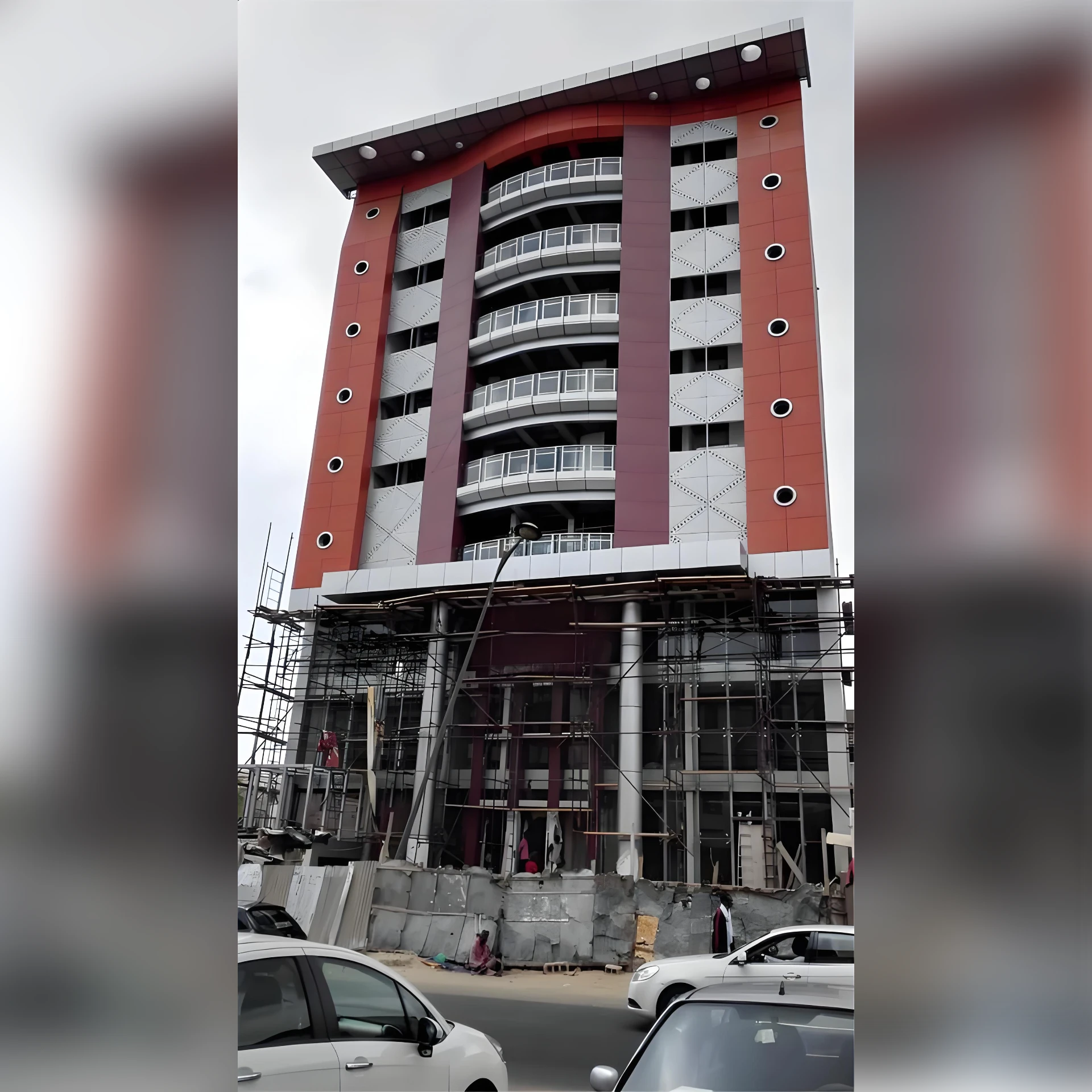
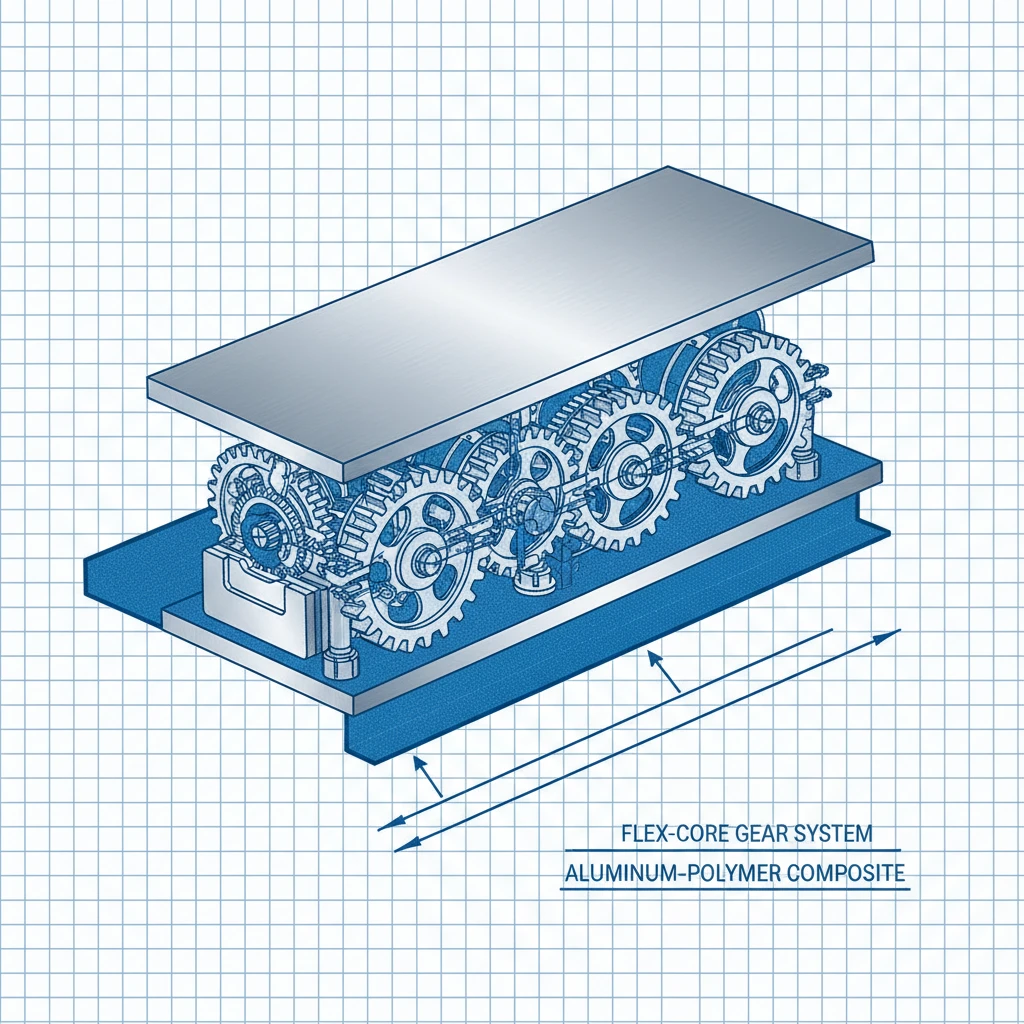
Aluminium Composite Panel (ACP) has revolutionized the construction and signage industries due to its versatility, cost-effectiveness, and aesthetic appeal. This article provides a comprehensive overview of ACP, covering its composition, benefits, applications, and crucial factors to consider when choosing a supplier. Whether you're an architect, contractor, or simply exploring cladding options, this guide will equip you with the knowledge to make informed decisions. ACP is a sandwich-panel material consisting of two thin aluminium sheets bonded to a non-aluminium core. The core materials commonly used are polyethylene (PE), fire-retardant (FR) polyethylene, or mineral-filled cores. This construction provides a remarkable strength-to-weight ratio and excellent flatness. ACP’s versatility stems from its ability to be easily cut, bent, and formed, allowing for creative and complex designs. ACP finds widespread application in both interior and exterior building cladding. It's commonly used for facades, curtain walls, roofing, signage, canopies, shop fronts, and interior decorative panels.
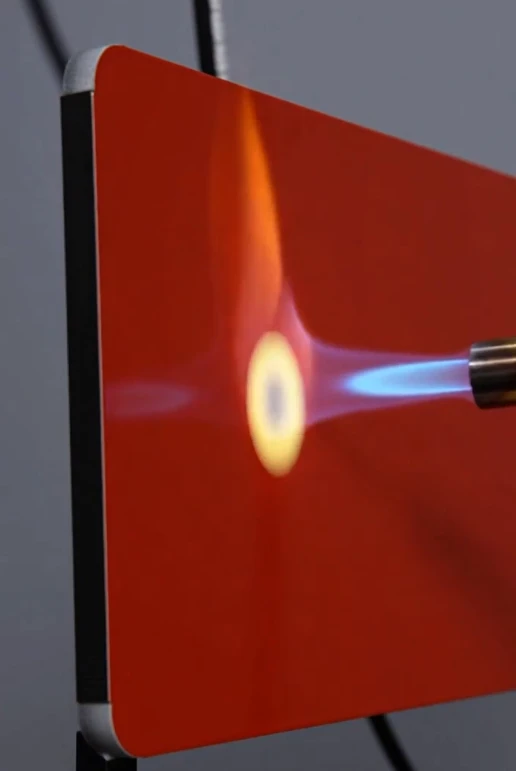
For buyers, importers, contractors, and engineering companies evaluating a 4mm PVDF coated aluminum composite material, a relevant test report is one of the most direct ways to confirm that a specific product configuration meets project and destination-market requirements. Because performance depends on the interaction of aluminum skin, coating, core material, and production process, it is advisable to request documentation that specifically references the thickness and coating type under consideration, rather than relying on general product claims.