Ọkachamara na Ahụmahụ N'oge gara aga 23 afọ, Jiashuncai mgbe niile nọgidere na-na ma ọ bụ ọbụna n'ihu nke teknuzu ọganihu na ubi nke aluminum mejupụtara ogwe, metal uko ụlọ, ákwà mgbochi mgbidi na metal metụtara mmepụta.
Introduction: Why Long ACP Panels Are Becoming More Popular
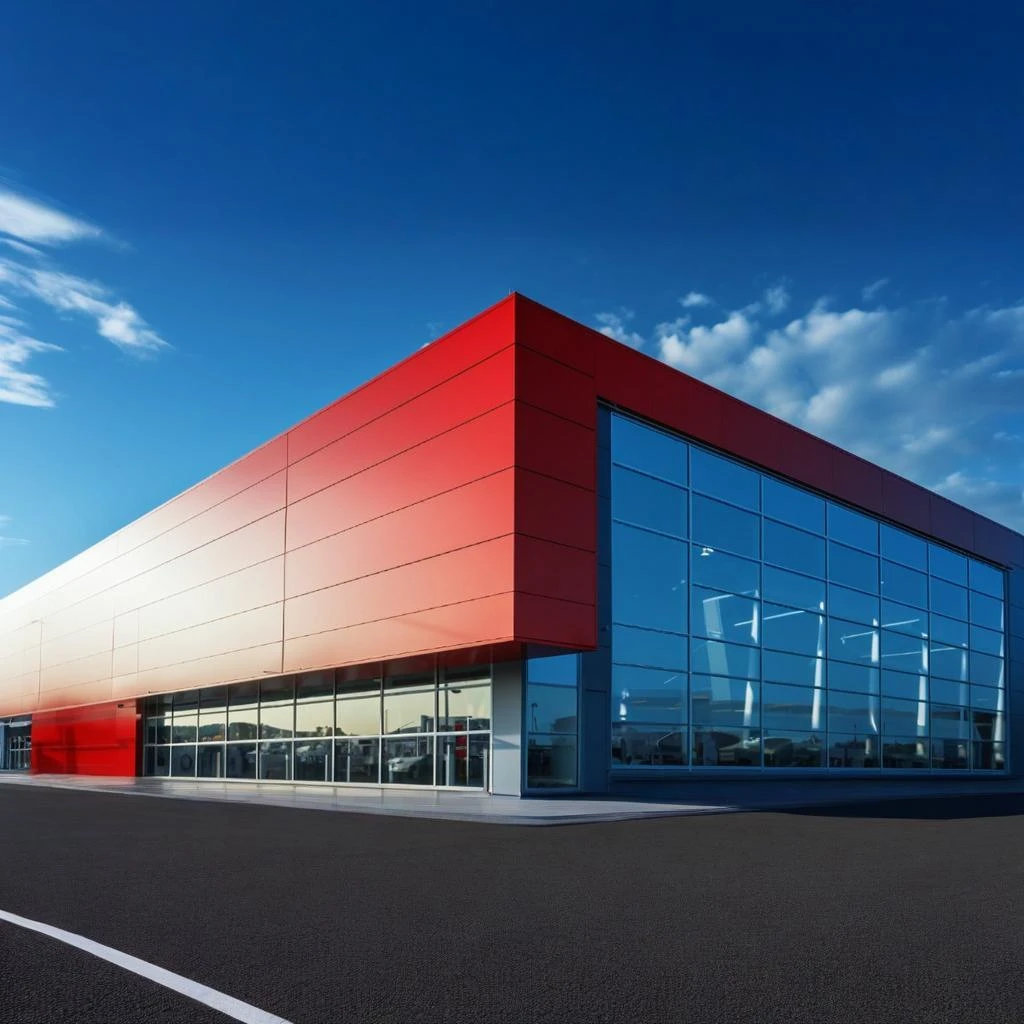
As modern architectural projects continue to pursue cleaner aesthetics and more efficient installation methods, demand for long-size Aluminum Composite Panels (ACP) is increasing worldwide.
Among these solutions, the 5.8 Meter B1 Fire-Rated ACP Panel has become a preferred choice for architects, facade contractors, and building developers.
Compared with standard ACP sheets, longer panels provide:
Fewer visible joints
Better facade appearance
Faster installation
Reduced maintenance requirements
For large-scale projects, long ACP panels can significantly improve the overall visual effect of the building.
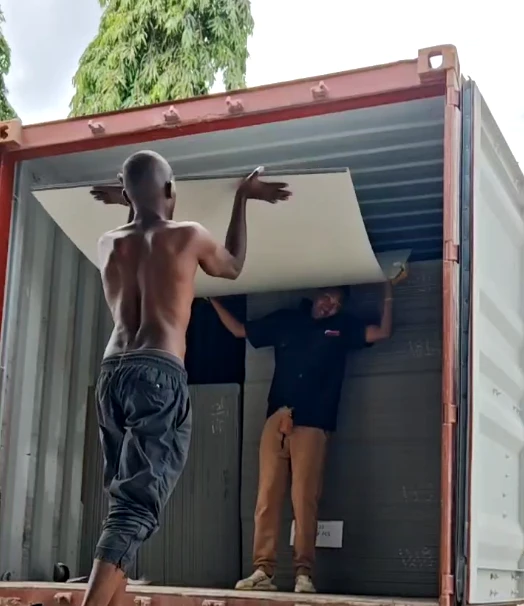
Ụgbọ njem n'etiti mba ụwa were ọkara otu ọnwa, n'ikpeazụkwa, akpa abụọ jupụtara na panel ACP nke ndị ahịa anyị zụrụ na Tanzania, nke dị n'ebe ọwụwa anyanwụ Africa, erutela. A na-ebutu ha ugbu a.
Celebrating the Dragon Boat Festival with Appreciation and Care
As the Dragon Boat Festival approaches, JIASHUNCAI would like to extend our sincere gratitude to all employees for their hard work, dedication, and contributions throughout the year.
To celebrate this traditional Chinese festival and express our appreciation, the company has prepared holiday benefits and festive meals for all staff members.
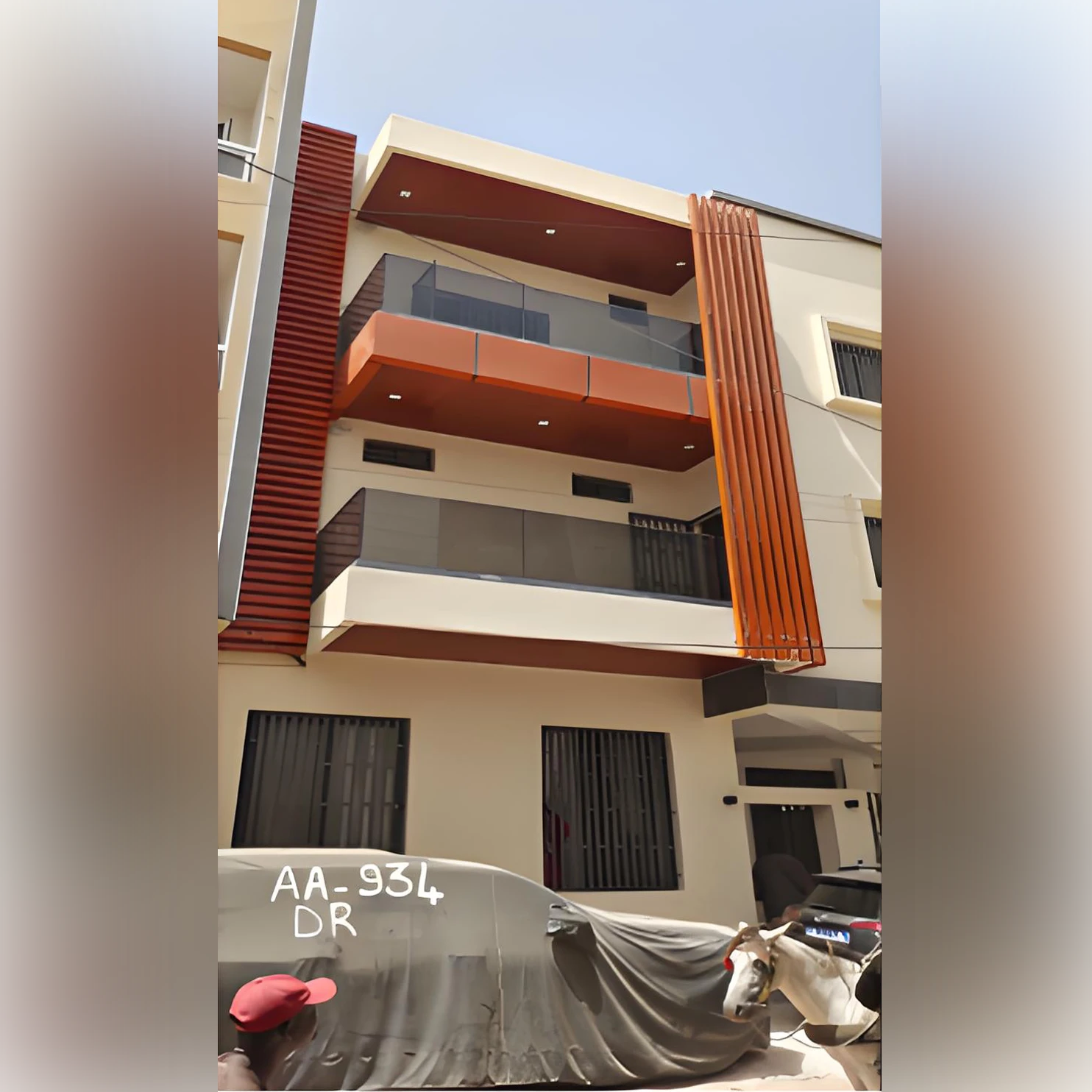
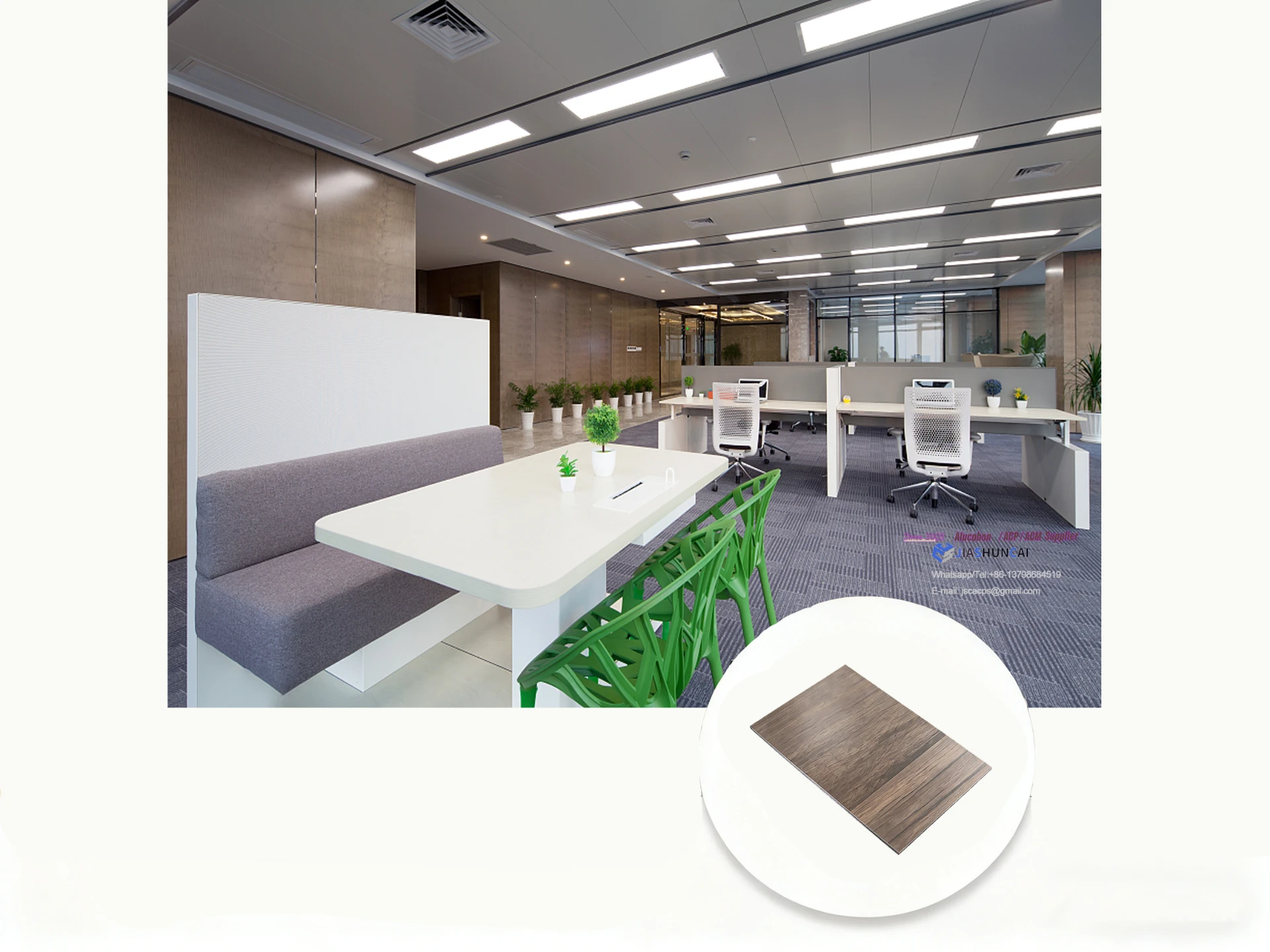
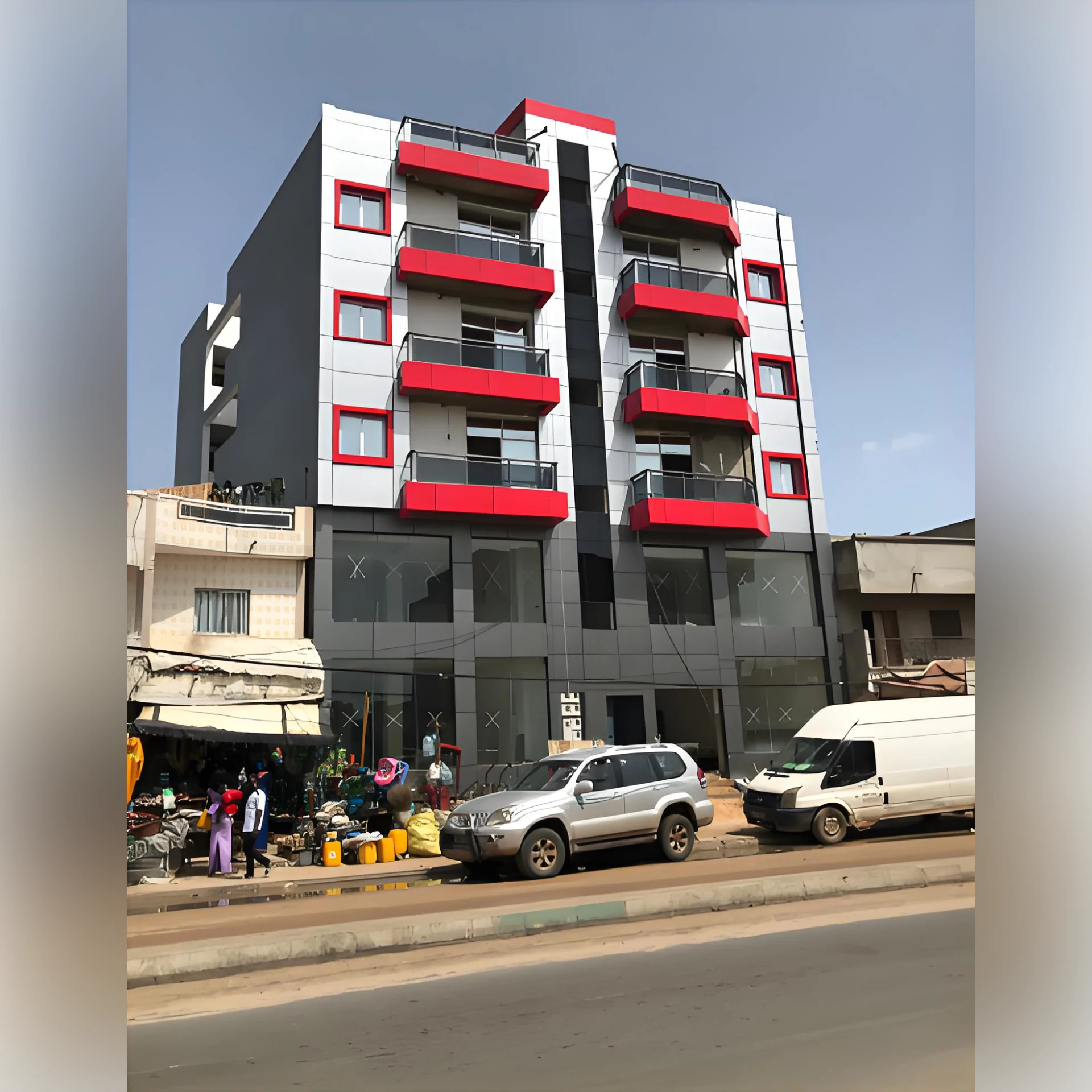
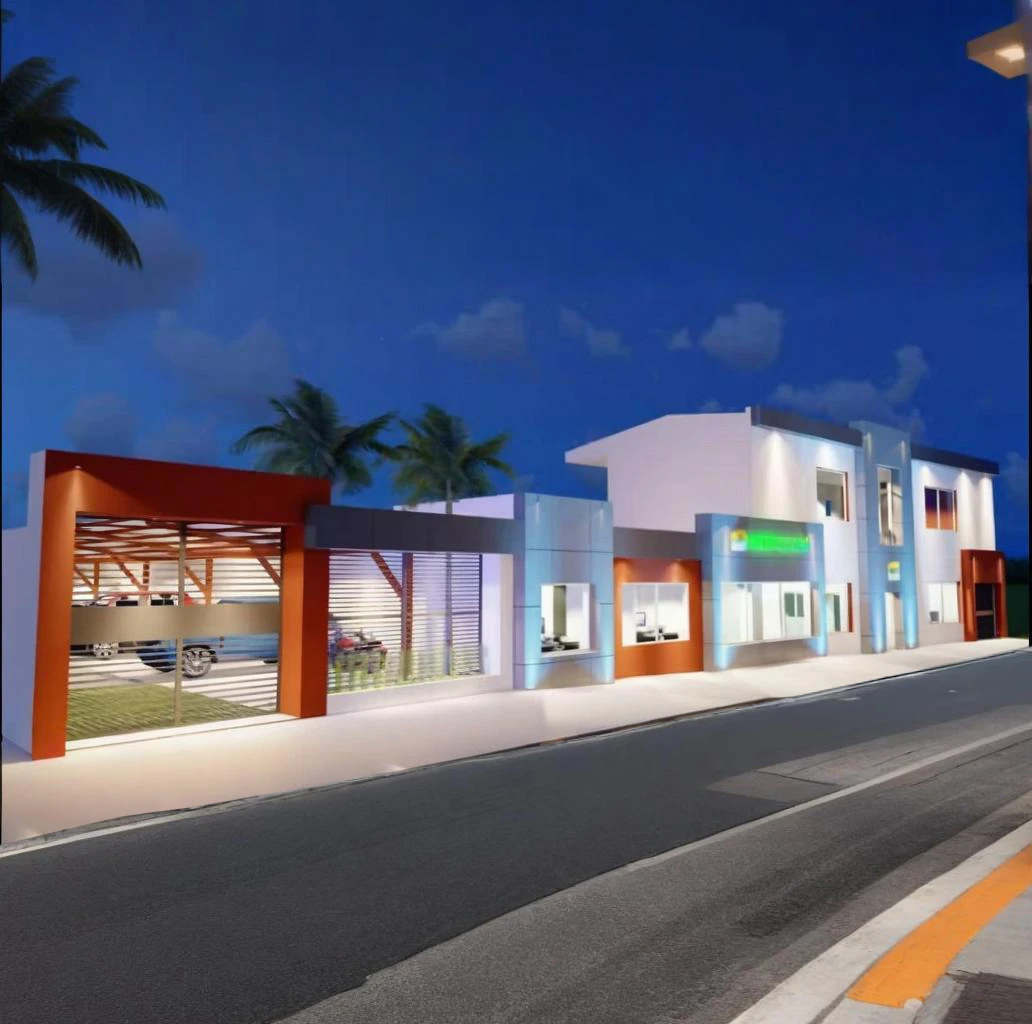
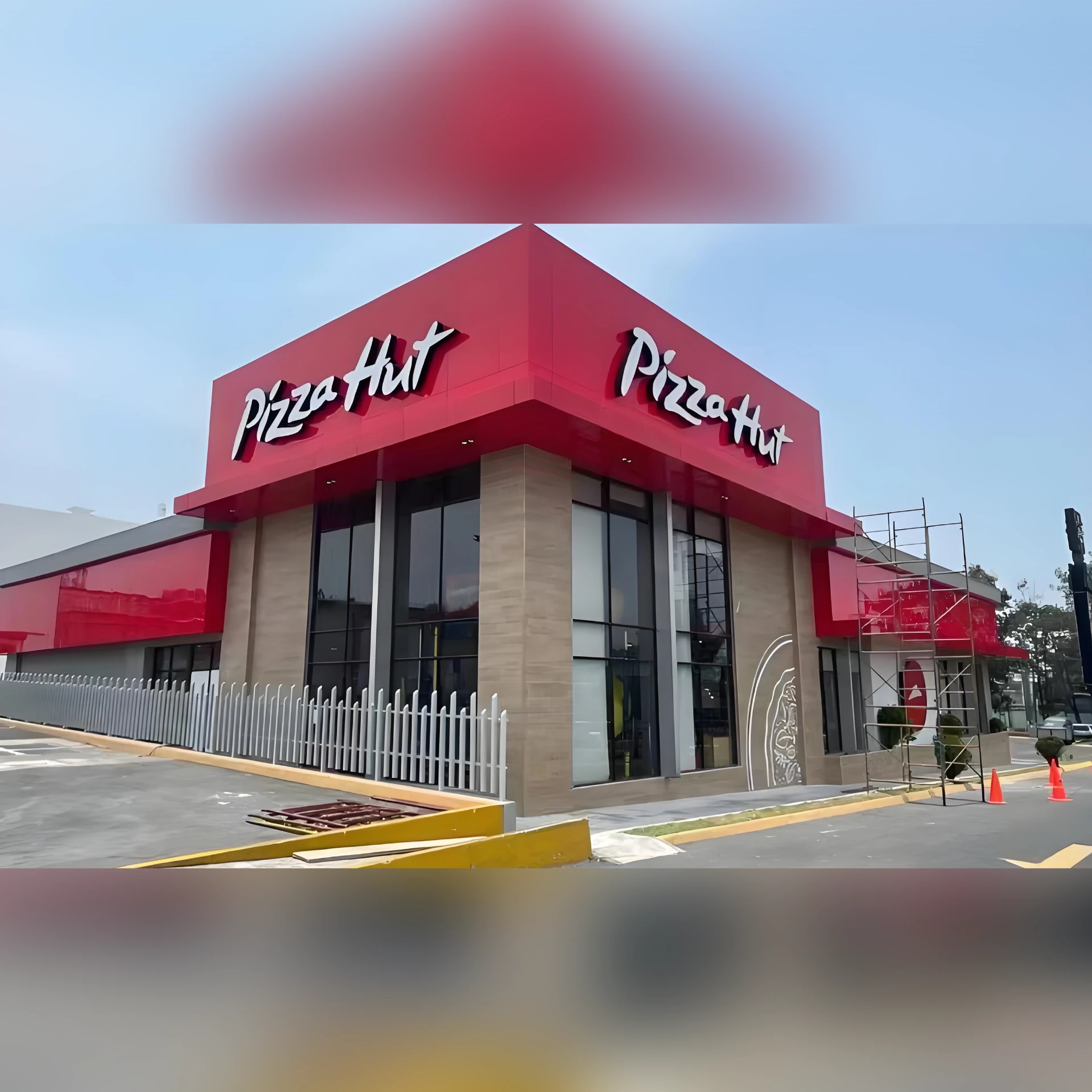
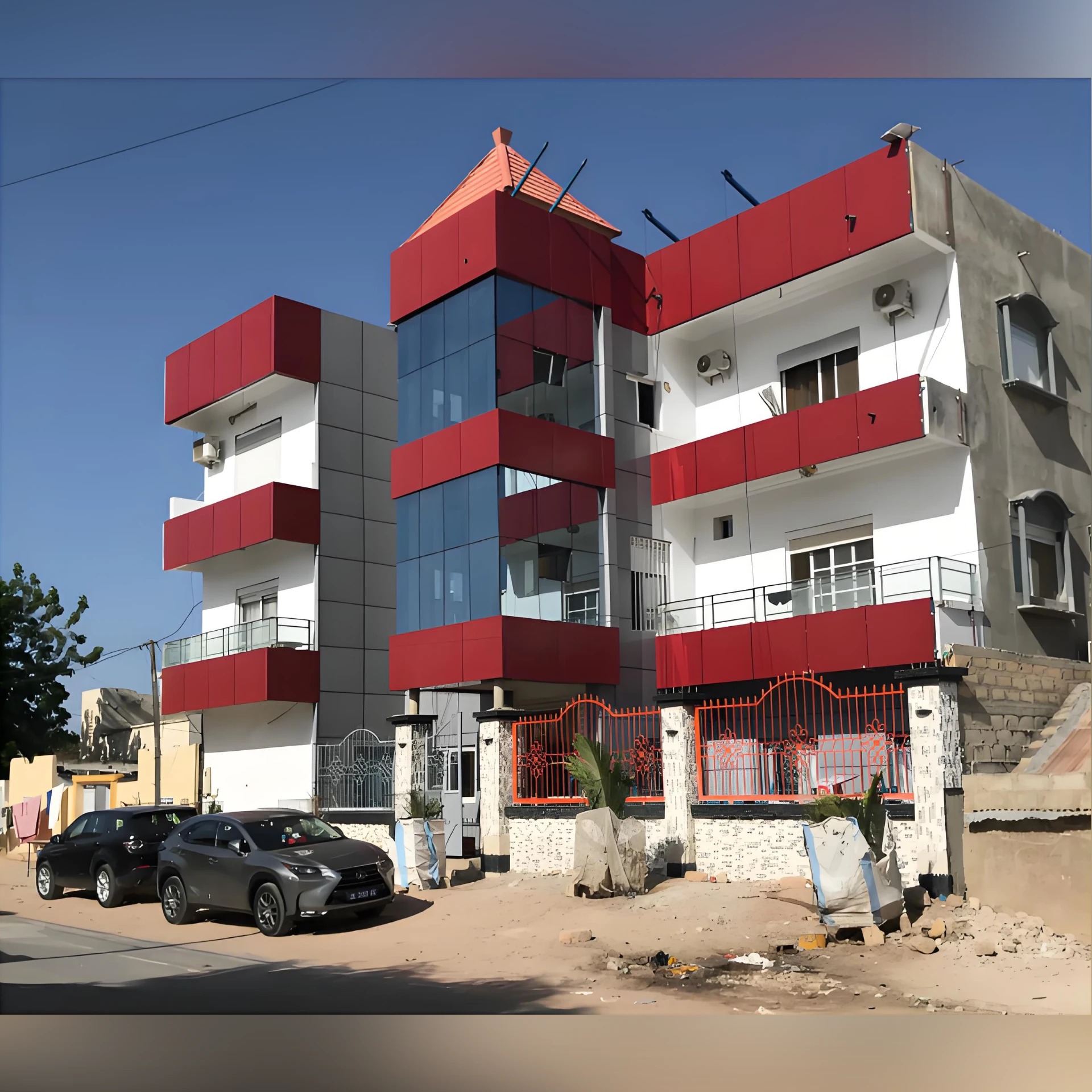
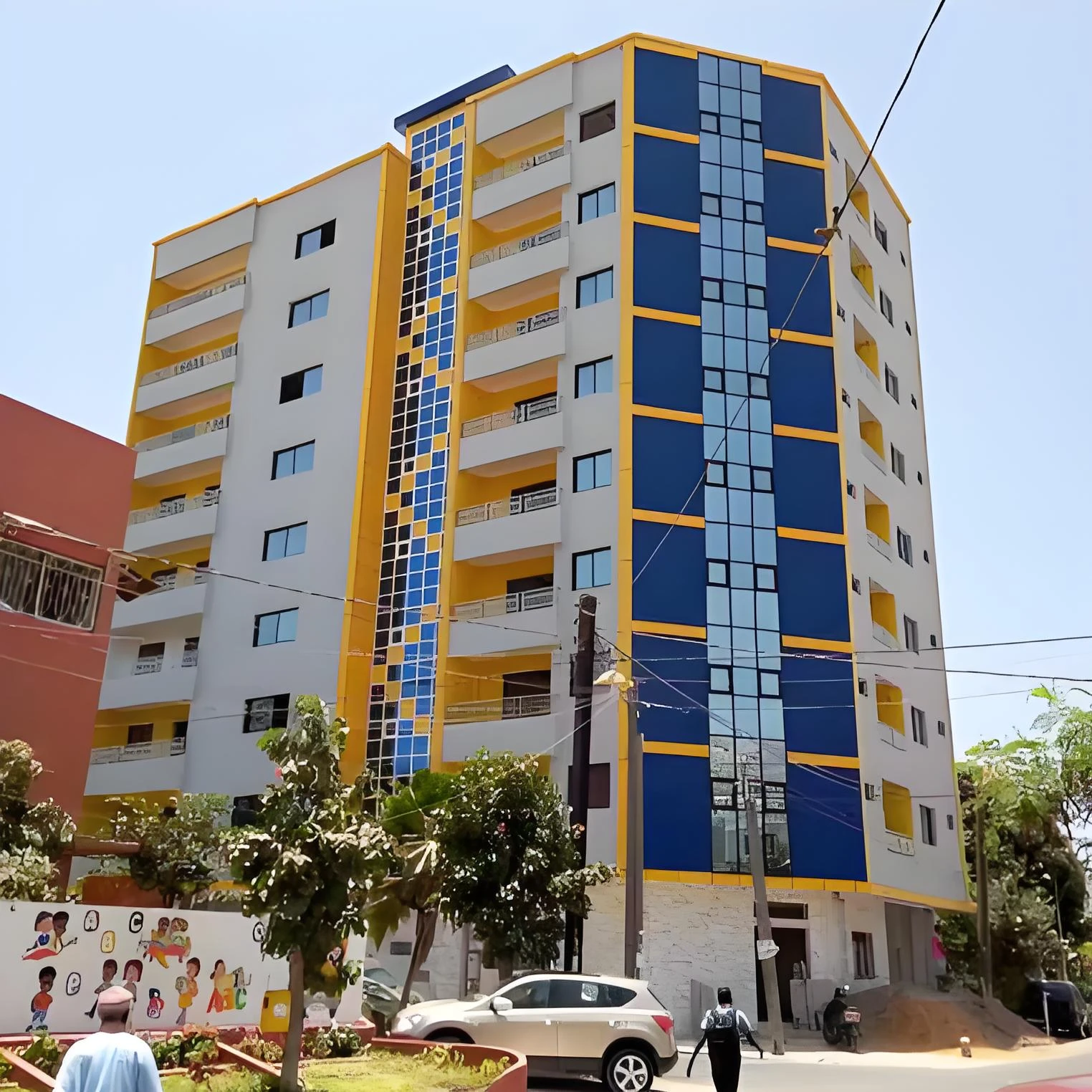
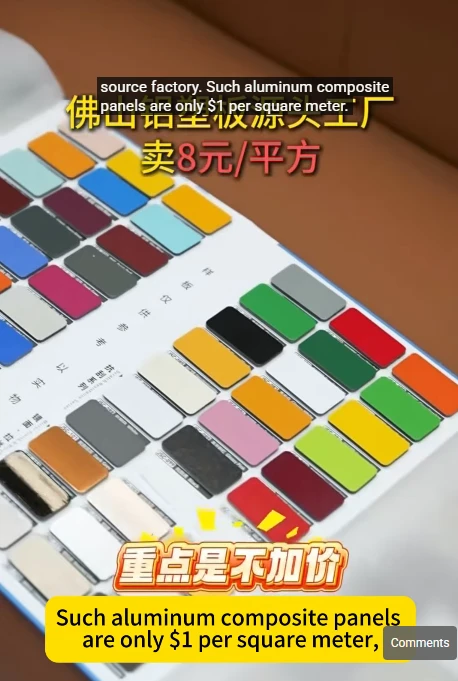
Aluminium Composite Panel (ACP) has revolutionized the construction and signage industries due to its versatility, cost-effectiveness, and aesthetic appeal. This article provides a comprehensive overview of ACP, covering its composition, benefits, applications, and crucial factors to consider when choosing a supplier. Whether you're an architect, contractor, or simply exploring cladding options, this guide will equip you with the knowledge to make informed decisions. ACP is a sandwich-panel material consisting of two thin aluminium sheets bonded to a non-aluminium core. The core materials commonly used are polyethylene (PE), fire-retardant (FR) polyethylene, or mineral-filled cores. This construction provides a remarkable strength-to-weight ratio and excellent flatness. ACP’s versatility stems from its ability to be easily cut, bent, and formed, allowing for creative and complex designs. ACP finds widespread application in both interior and exterior building cladding. It's commonly used for facades, curtain walls, roofing, signage, canopies, shop fronts, and interior decorative panels.