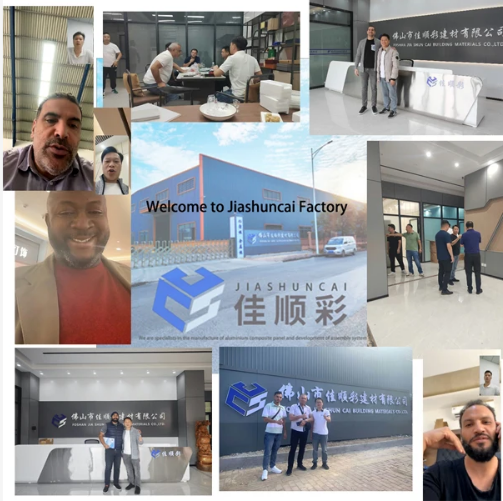
حرفهایگری و تجربه در ۲۳ سال گذشته، جیاشونچای همواره با پیشرفت فنی در زمینه پنلهای کامپوزیت آلومینیومی، سقفهای فلزی، دیوارهای پردهای و تولیدات مرتبط با فلز، همگام یا حتی جلوتر از آنها بوده است.
UV resistance in aluminum composite panels is fundamentally a coating technology question, and PVDF coating systems are specifically positioned to address the demands of long-term exterior exposure. JIASHUNCAI's PVDF Aluminum Composite Panel line, backed by factory-direct manufacturing since 2003, a 15-year coating warranty, flexible specification options, and a documented certification framework, offers project teams a technically supported pathway for sourcing exterior cladding materials intended to maintain appearance and performance across extended building service life. Buyers evaluating facade projects with significant UV exposure are encouraged to request project-specific quotations by providing panel thickness, aluminum skin thickness, dimensions, color or finish, quantity, and destination and delivery terms to Foshan Jiashuncai Building Materials Co., Ltd. for accurate specification matching.
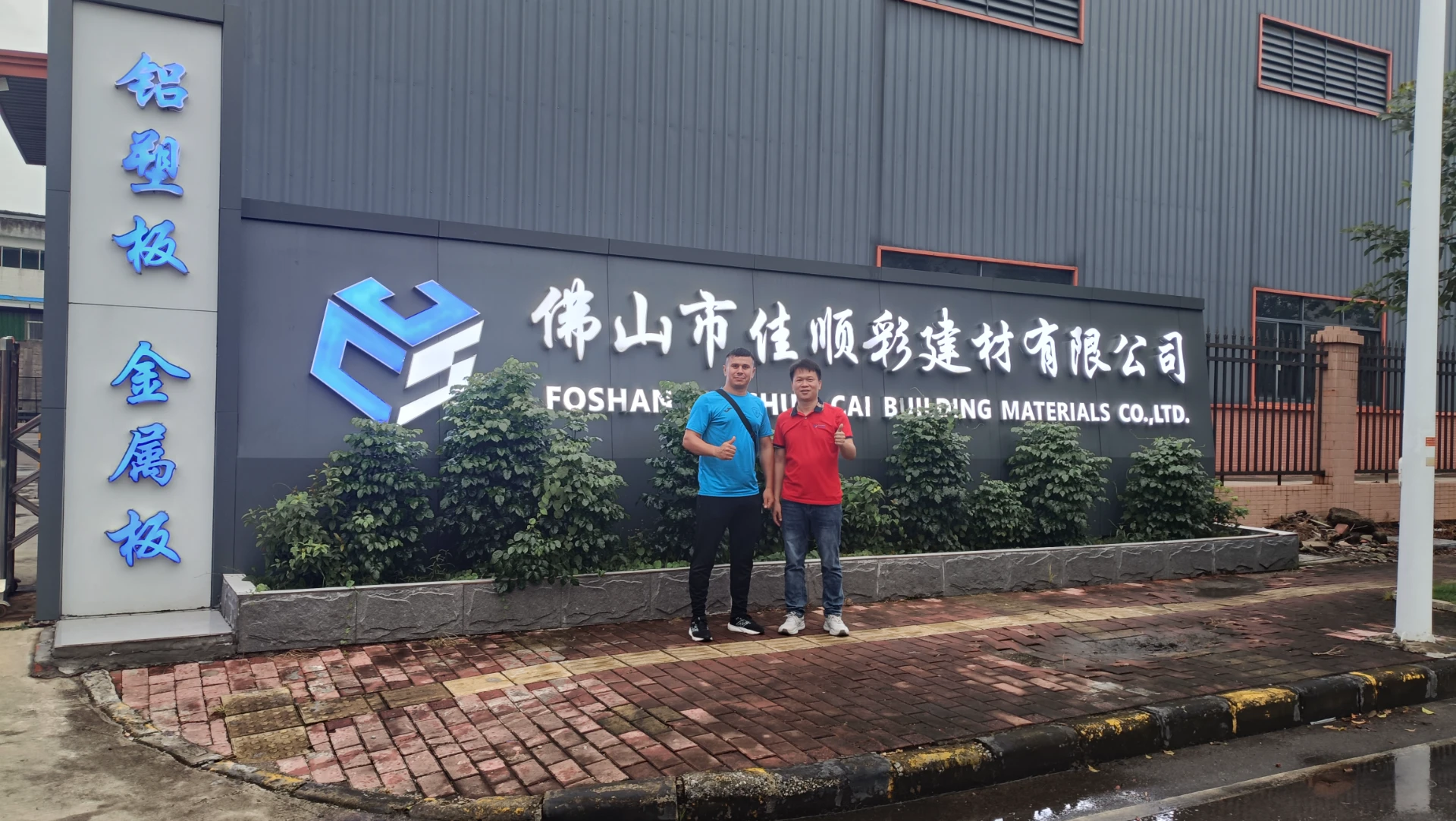
Foshan Jiashuncai Building Materials Co., Ltd. (JIASHUNCAI) is a professional Aluminum Composite Panel (ACP/ACM) manufacturer and supplier in China, specializing in the research, development, manufacturing, international trade, and fabrication of aluminum composite materials.
Established in 2003 and located in Foshan, Guangdong, China, JIASHUNCAI has more than 23 years of experience in the aluminum composite panel industry.
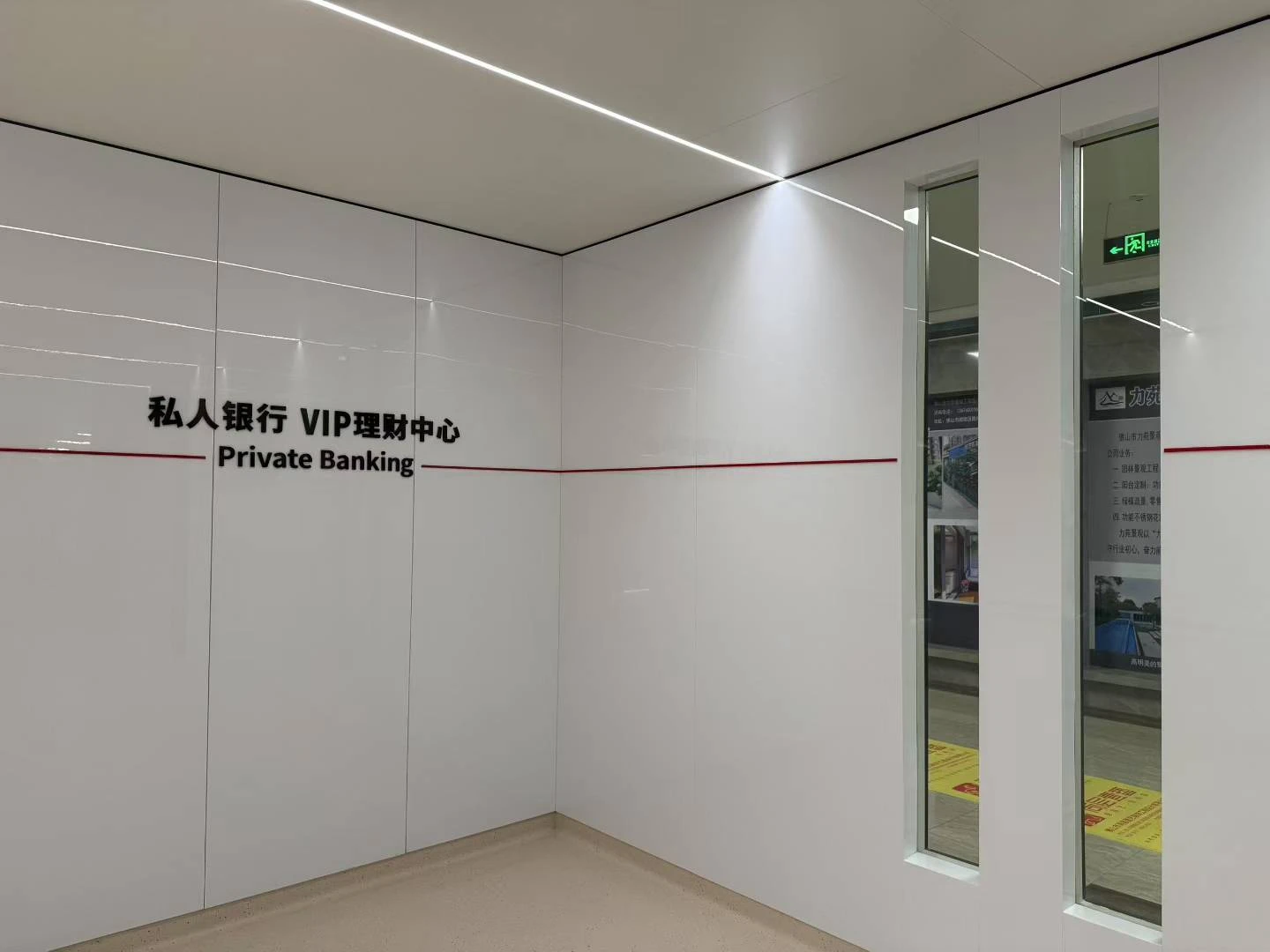
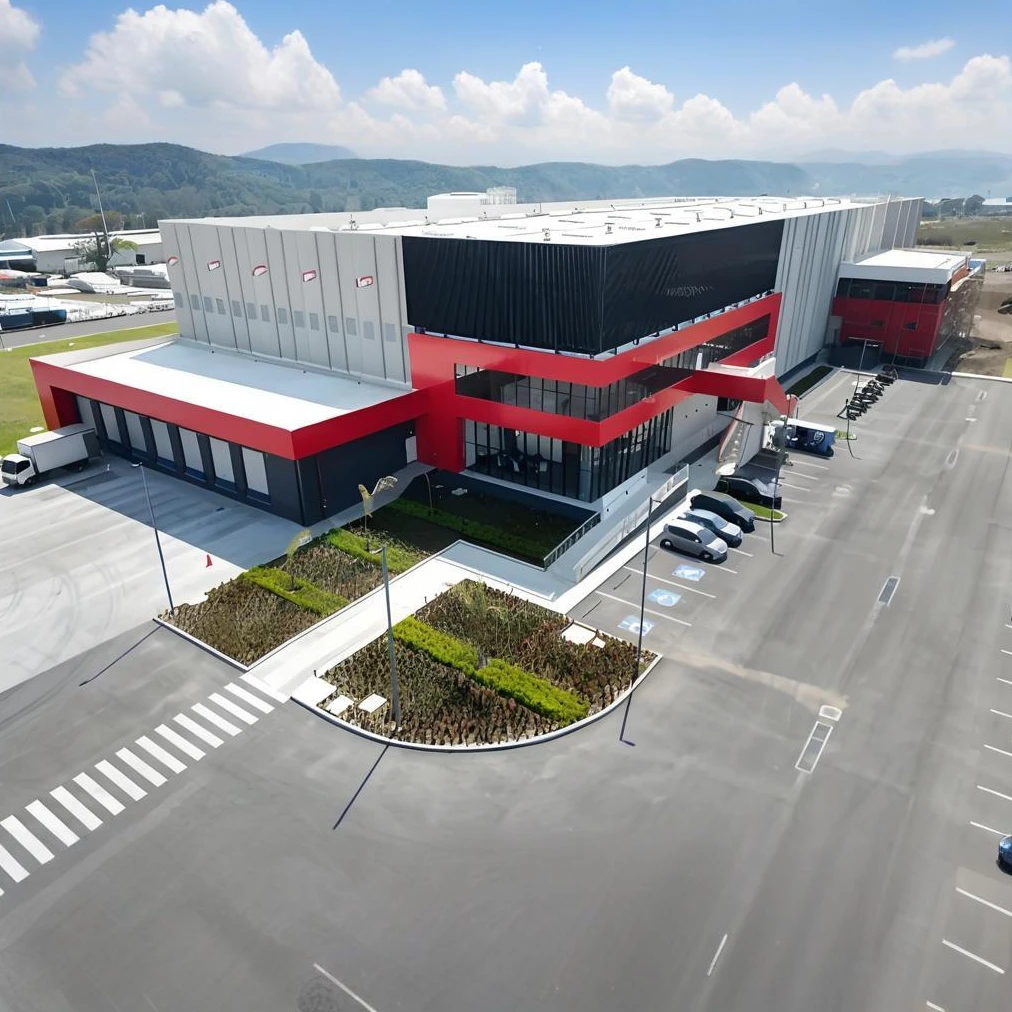
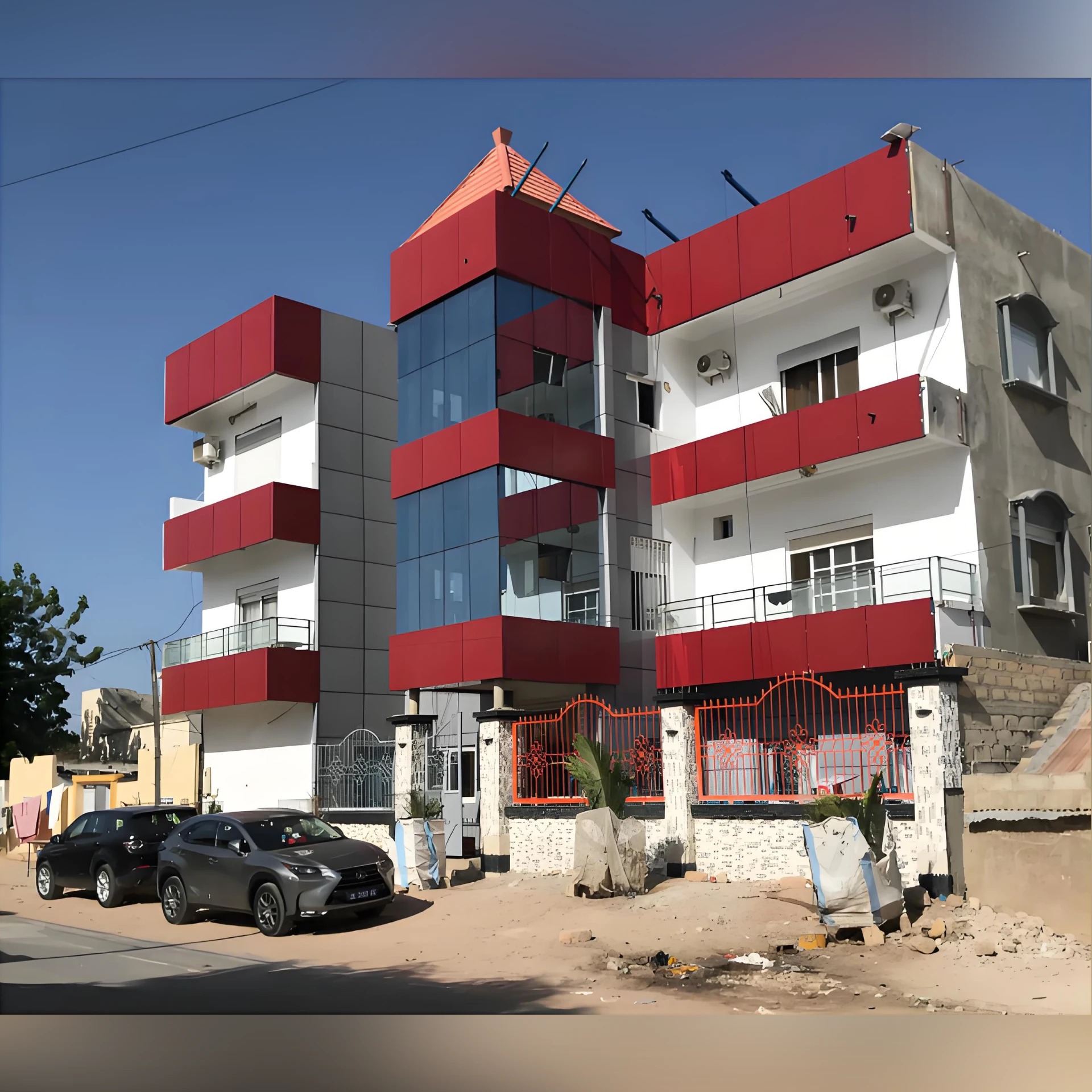
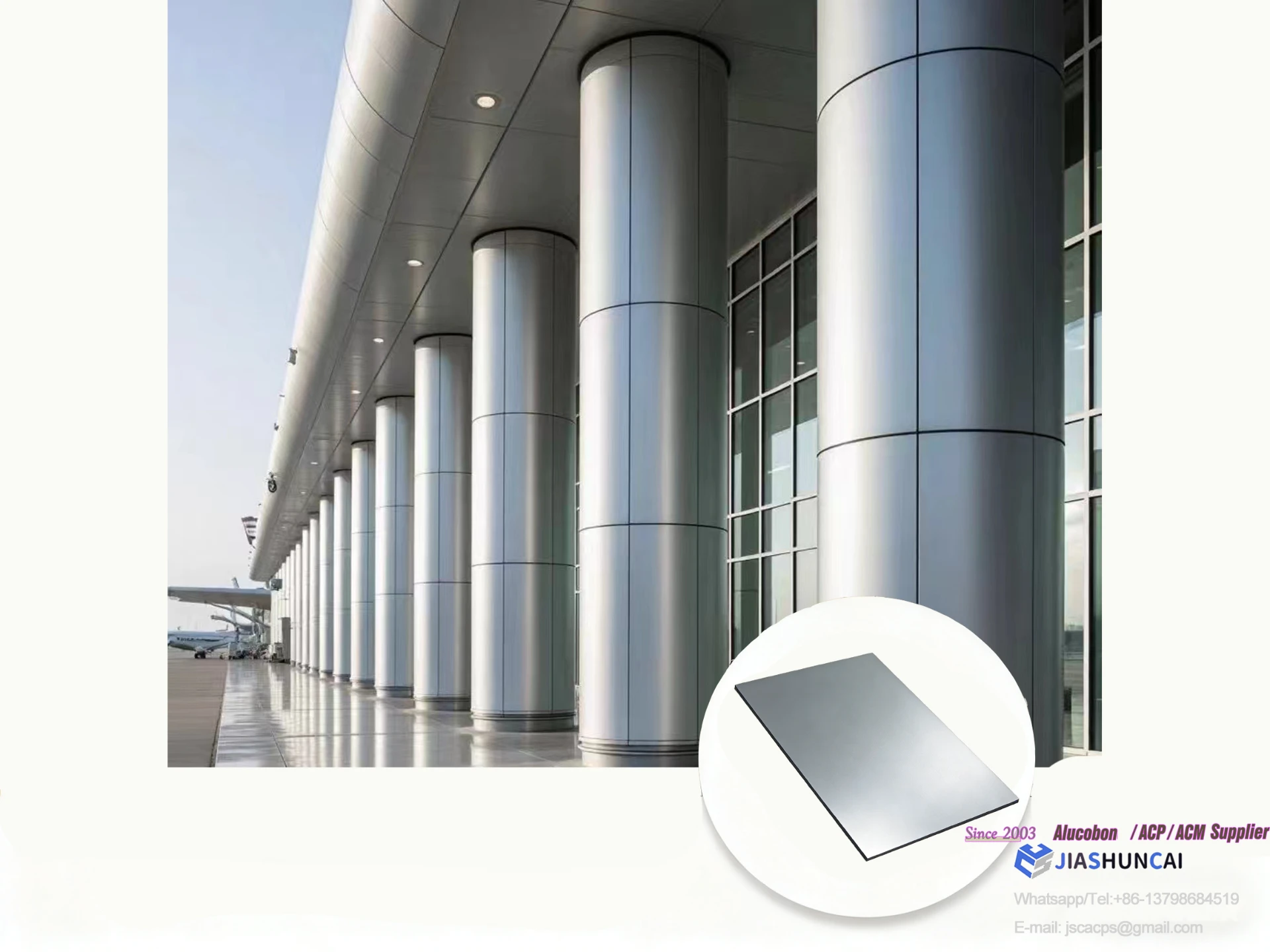
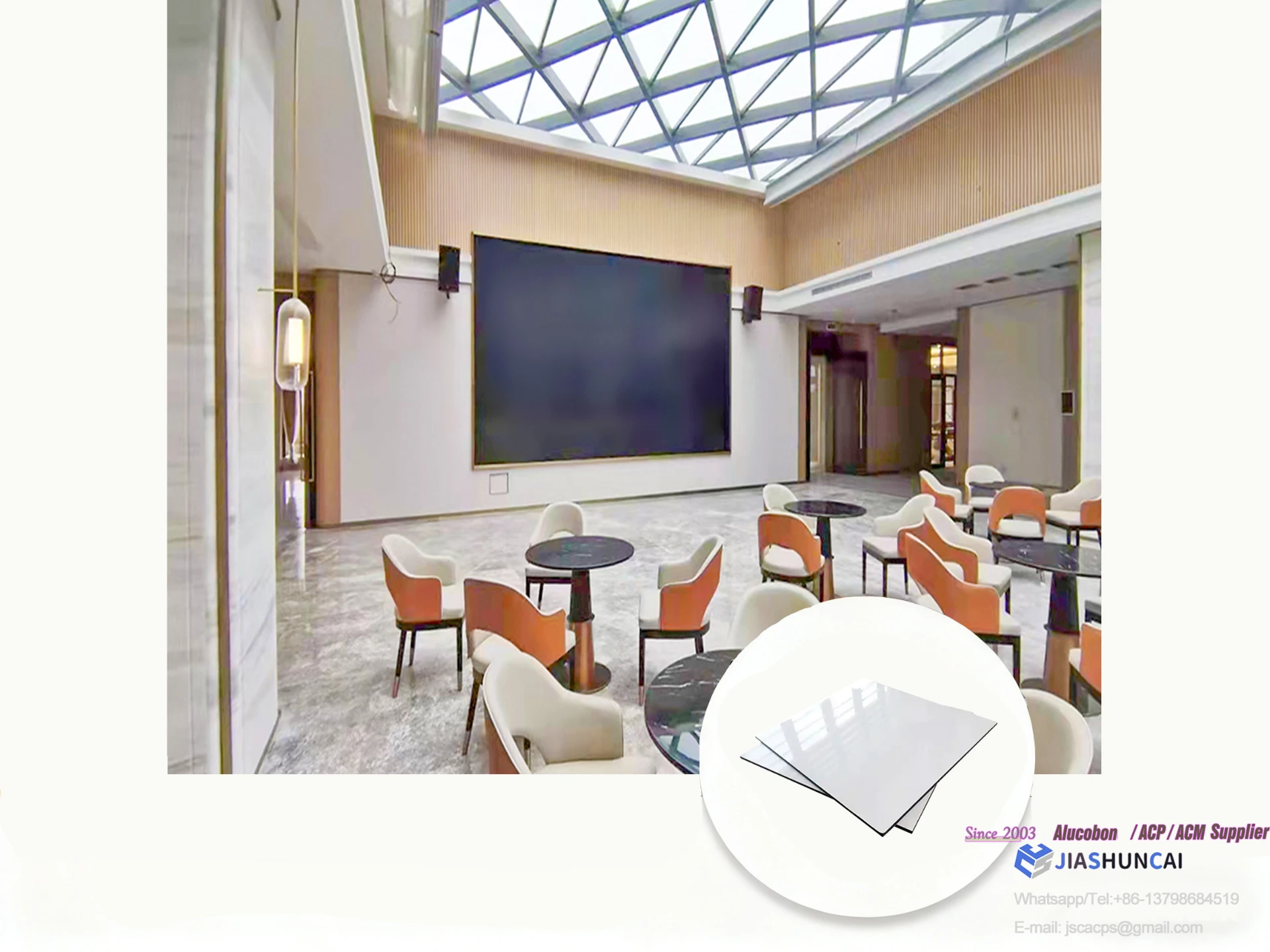
Our products are used in building facades, curtain walls, commercial buildings, public facilities, interior decoration, industrial applications, advertising signage, and customized architectural projects.
Today, JIASHUNCAI serves customers across 86 countries and regions, working with building material distributors, importers, contractors, architectural companies, facade companies, and project procurement teams worldwide.
در تاریخ ۲ آگوست، هیئتی از مشتریان قزاقستانی برای مذاکره در مورد یک سفارش قابل توجه به کارخانه پنل کامپوزیت آلومینیوم جیاشونکای مراجعه کردند. این بازدید بر بحثهای مفصلی در مورد مشخصات و درجههای کیفی مختلف پنلهای کامپوزیت آلومینیوم (ACP) برای برآورده کردن الزامات خاص پروژه ساختمانی آینده آنها متمرکز بود.
Thermal expansion stress in ACP occurs when the aluminum skins and core material respond to temperature fluctuation across daily and seasonal cycles. Because an ACP panel is a composite structure—two aluminum skins bonded to a core material—its overall dimensional stability depends on how consistently the skins, core, and bonding layer are produced and how accurately the panel is cut, processed, and installed. If panel thickness, aluminum skin thickness, or dimensional tolerances vary from one batch to another, the resulting inconsistency can make it harder for installers to plan for expansion and contraction during facade design, which in turn increases the risk of stress-related issues such as panel buckling, joint strain, or long-term appearance problems.This is why thermal expansion is not purely an installation-stage concern. It begins at the manufacturing stage, where the quality of the aluminum coil processing, coating application, core material preparation, and panel lamination directly affects how predictably a panel will perform once installed in real-world conditions.
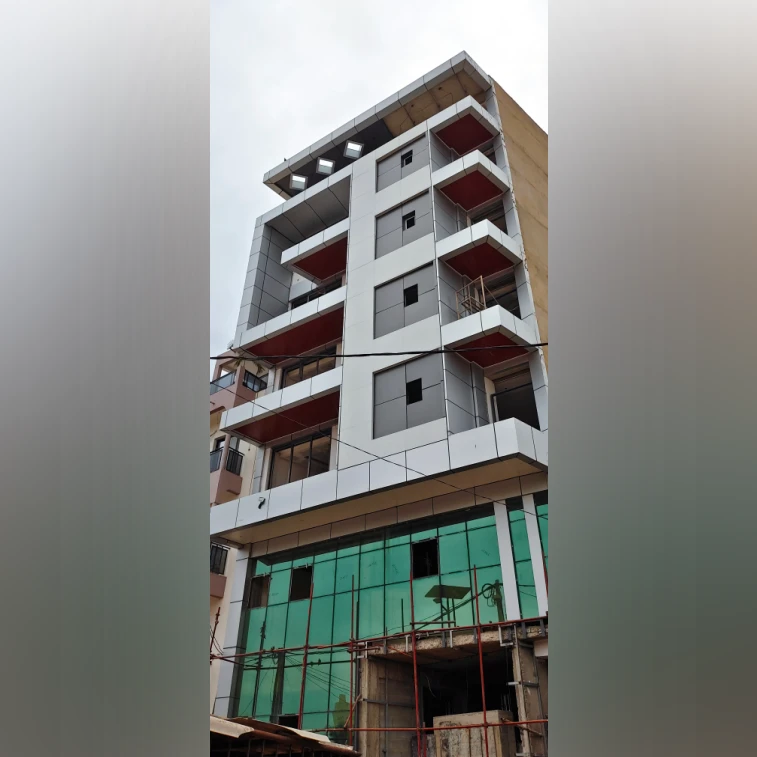
When people talk about modern buildings today, one thing that often comes up is aluminum composite facade. It is no longer only used on landmark commercial towers. You can now see it on shopping centers, office parks, schools, hospitals, and even residential complexes