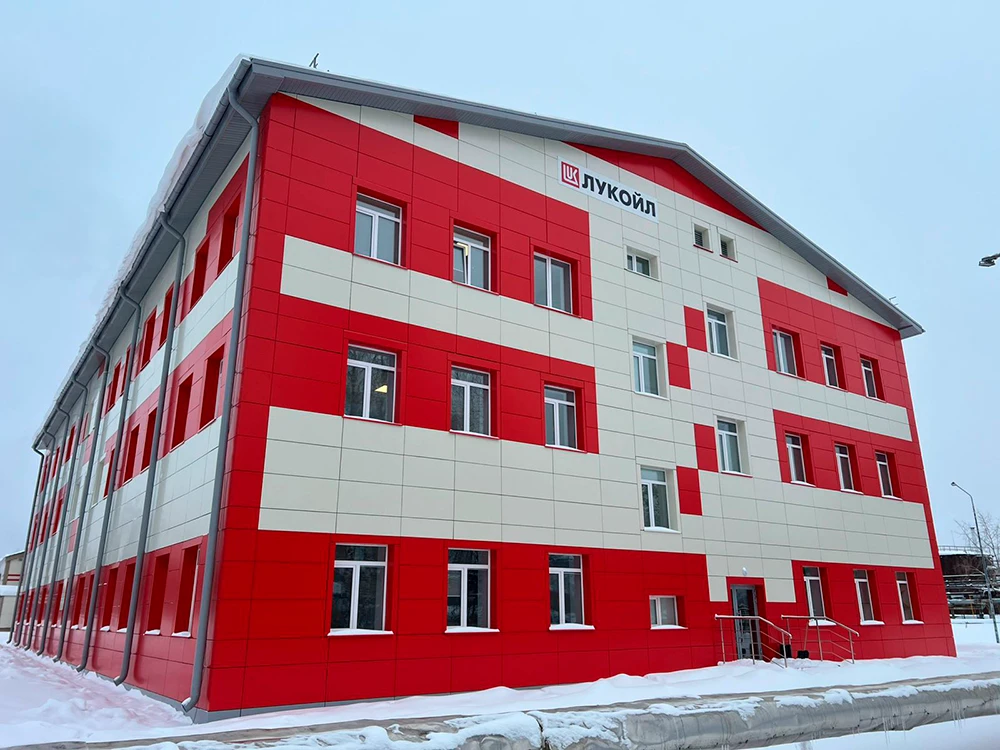
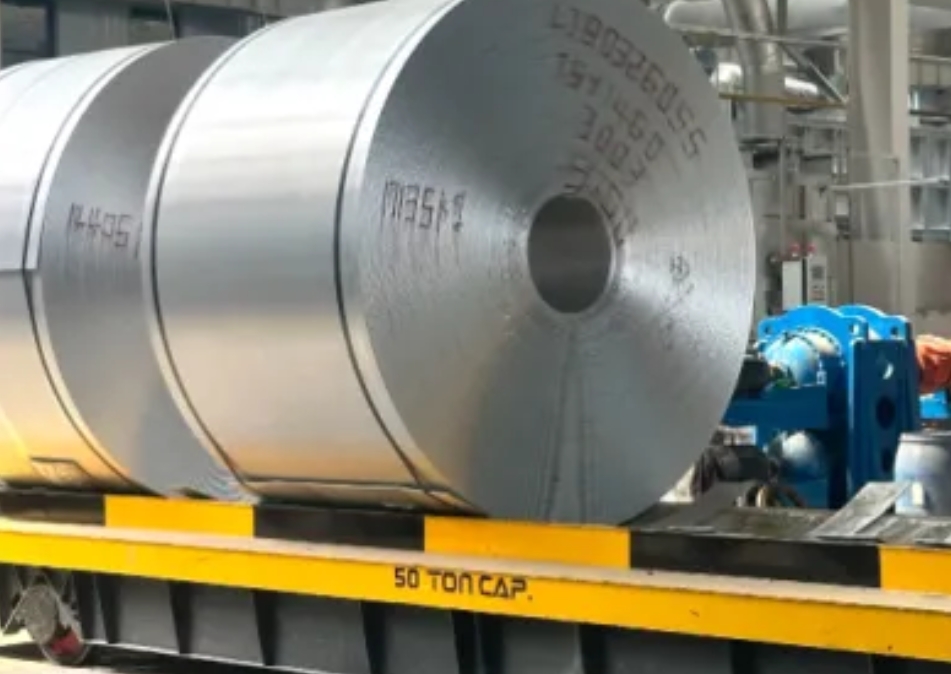
When specifying exterior cladding or interior wall panels for school buildings, fireproof aluminum composite panel (ACP) performance is rarely a secondary consideration. Educational facilities host dense occupancies of students, staff, and visitors across extended daily hours, which places fire safety at the center of material selection. Understanding the differences between A2 fire-rated ACP and B1 fire-retardant ACP, along with the documentation and certification requirements that accompany each, is essential for procurement teams, contractors, façade engineers, and building-materials buyers working on school projects.
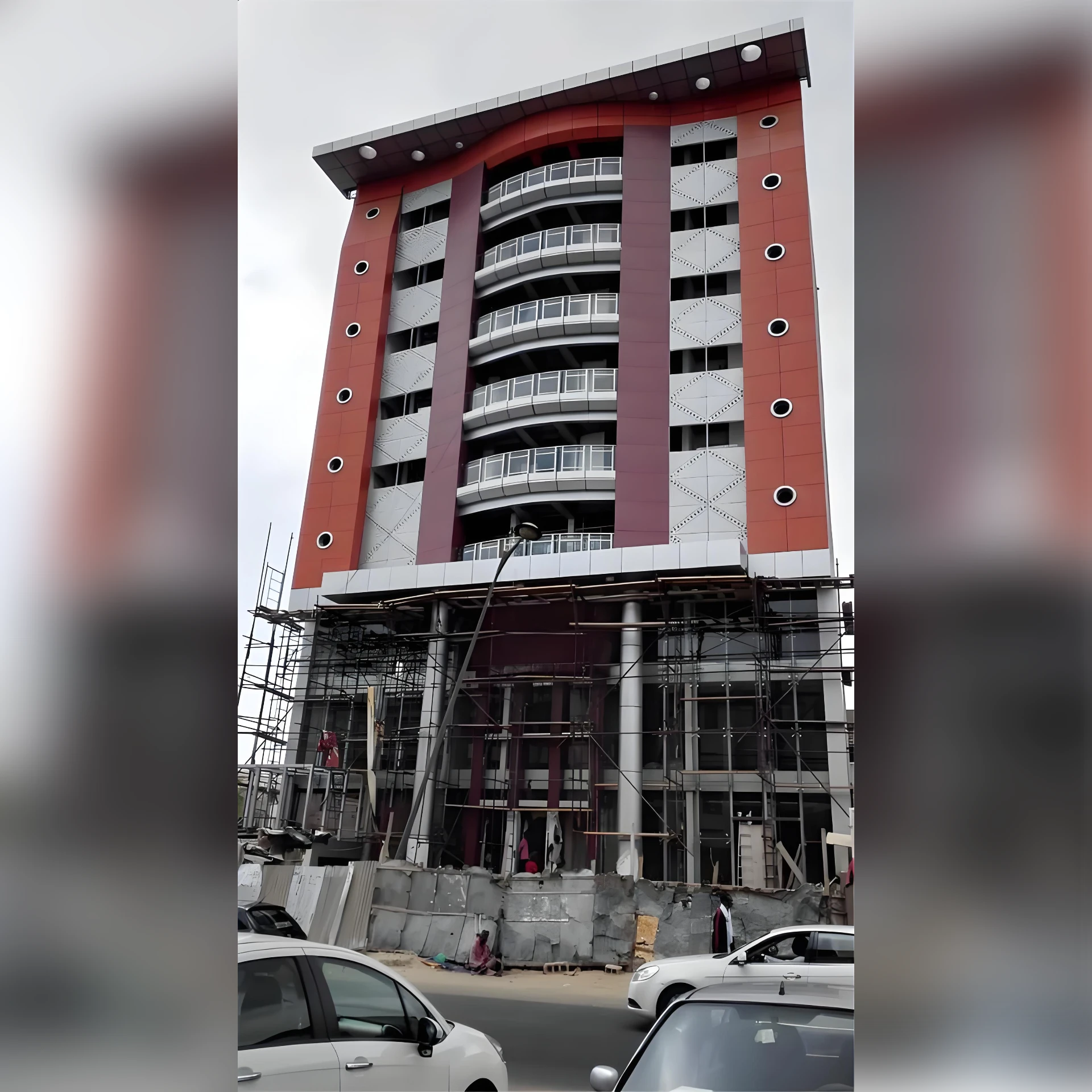
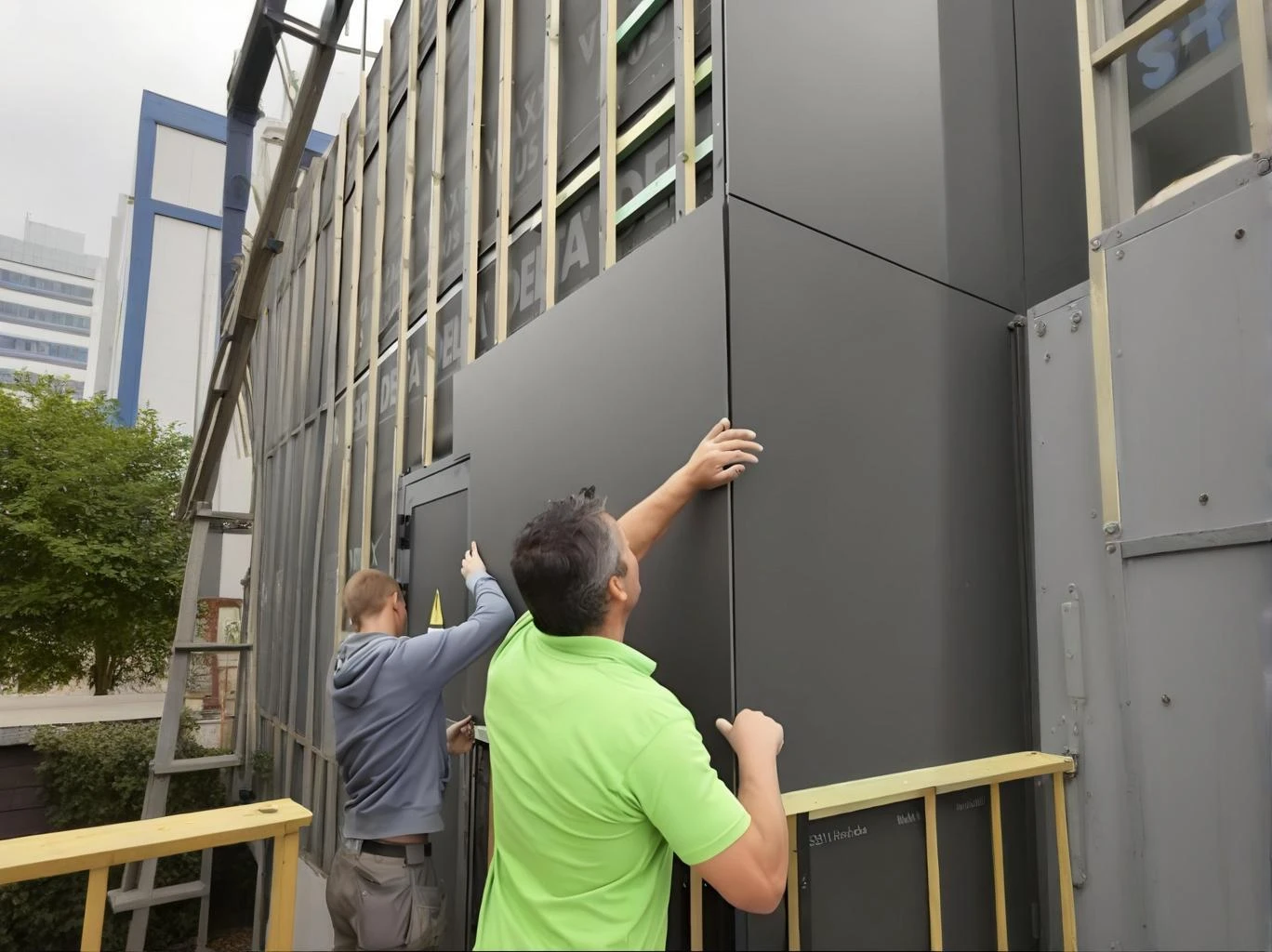
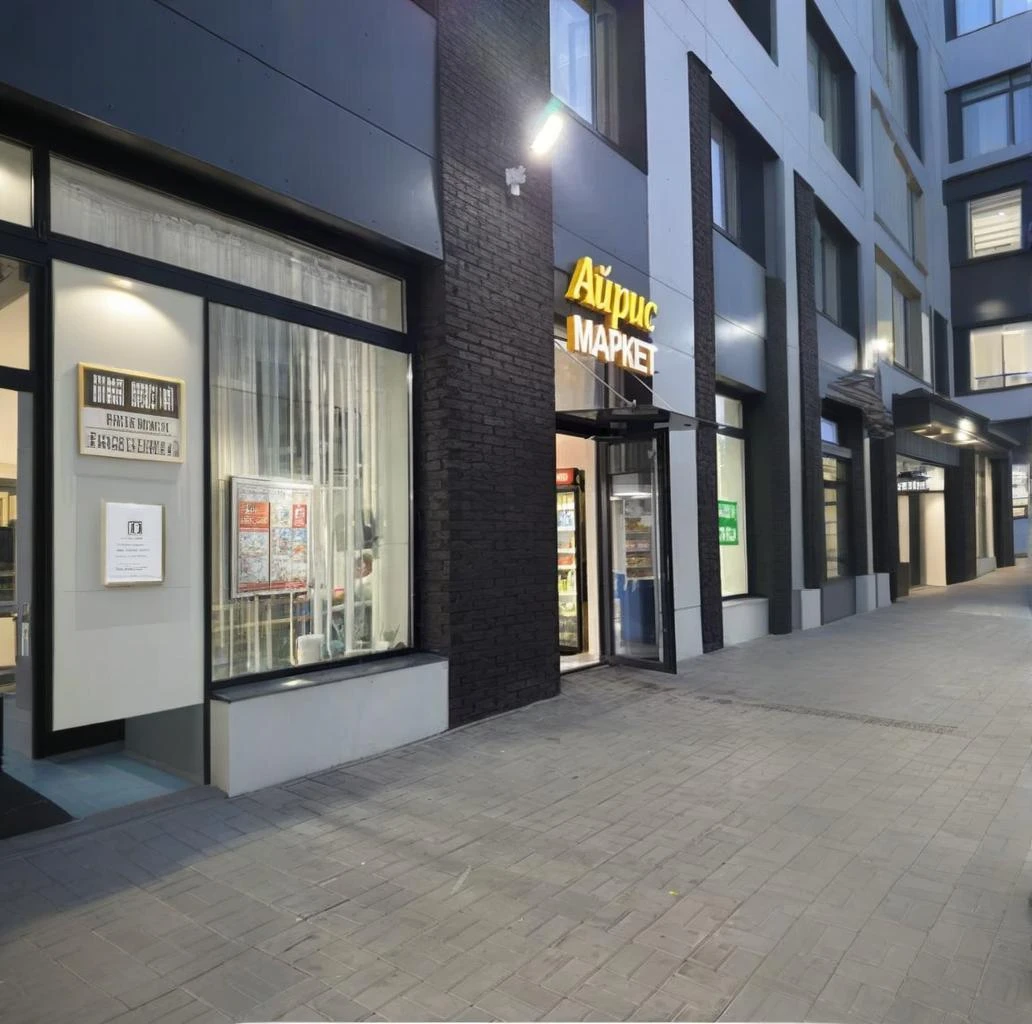
Примена алуминијумских пластичних панела на спољашњим зидовима модерних зграда у Казахстану је веома честа, посебно у комерцијалним, канцеларијским, јавним зградама и пројектима реновирања. Њихова издржљивост у суровим климатским условима, богати декоративни ефекти, лакоћа градње и релативно економична природа чине их једним од важних избора за архитекте и инвеститоре. Иако добијање детаљних листа материјала за сваки појединачни пројекат може бити тешко, посматрајући урбане пејзаже Нур-Султана и Алматија, присуство алуминијумских пластичних панела за завесе је свеприсутно, што их чини суштинским елементом у обликовању модерних силуета ових градова.
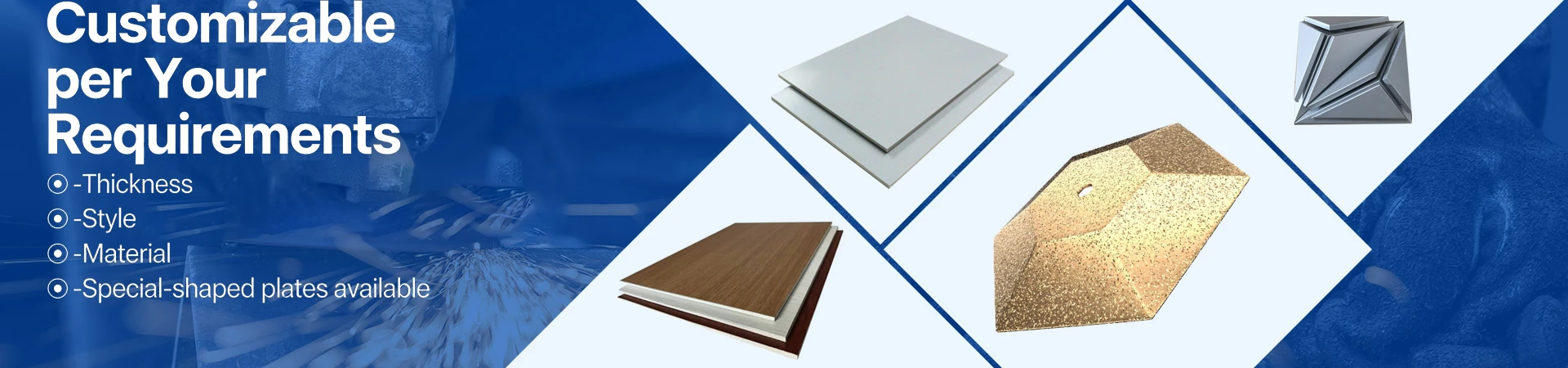
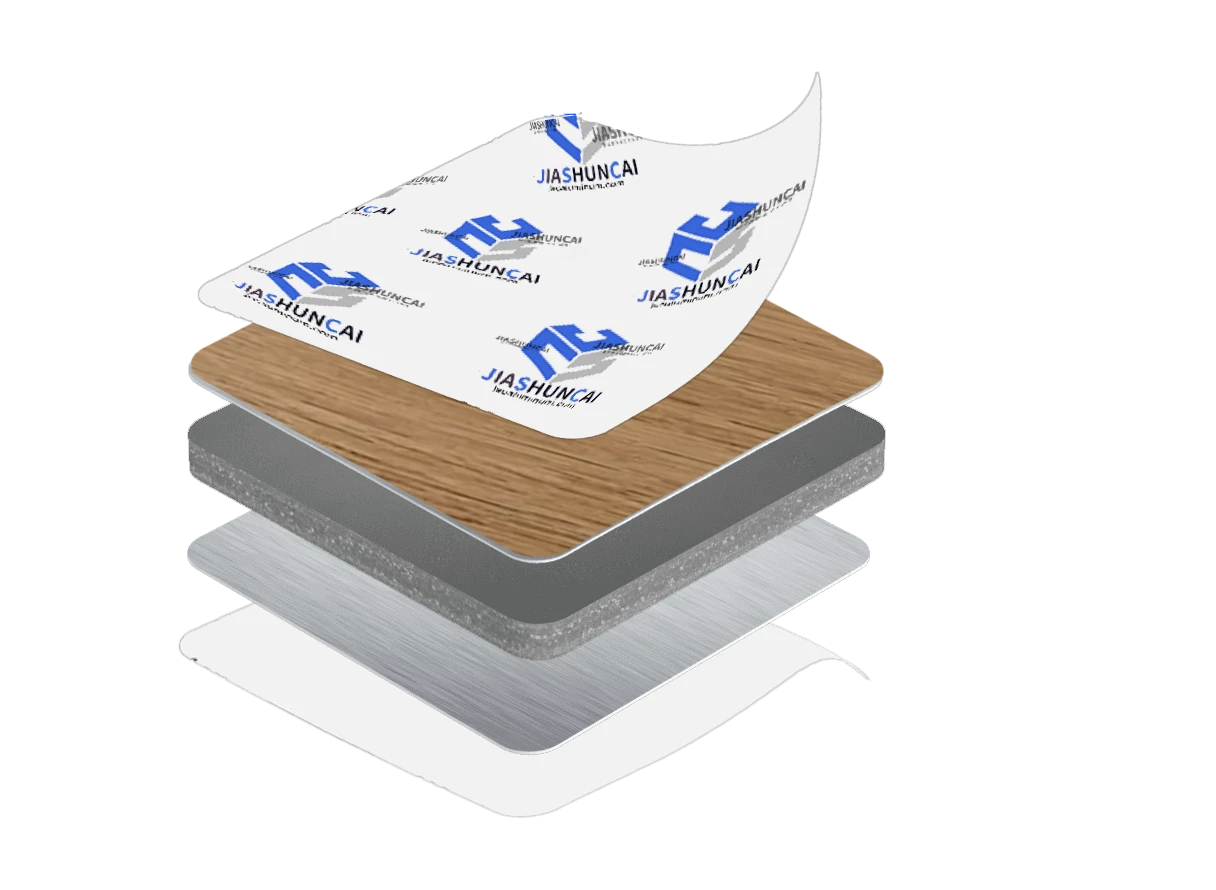
JIASHUNCAI supplies PVDF panels with various colors, finishes, dimensions, and aluminum skin thicknesses, allowing shopping mall projects to match architectural design intent while maintaining a consistent appearance across large facade areas. The company's PVDF-coated panels also carry a warranty of 15 years, subject to the agreed coating system, product specification, and application environment, which gives developers a documented basis for long-term performance expectations. For comparison, standard polyester-coated panels carry a 5-year warranty, making the distinction between coating systems an important specification decision for exterior-facing mall projects.
Fire Performance: A Core Require
Reducing building maintenance frequency without inflating upfront budgets is one of the most persistent challenges facing facade owners, contractors, and procurement teams. For many projects, the root cause of frequent maintenance cycles is not workmanship but material selection—specifically, the coating system, aluminum skin quality, and production consistency of the aluminum composite panels (ACP) used on a building envelope. Understanding how these variables interact offers a practical, cost-effective path to lowering long-term maintenance demands.