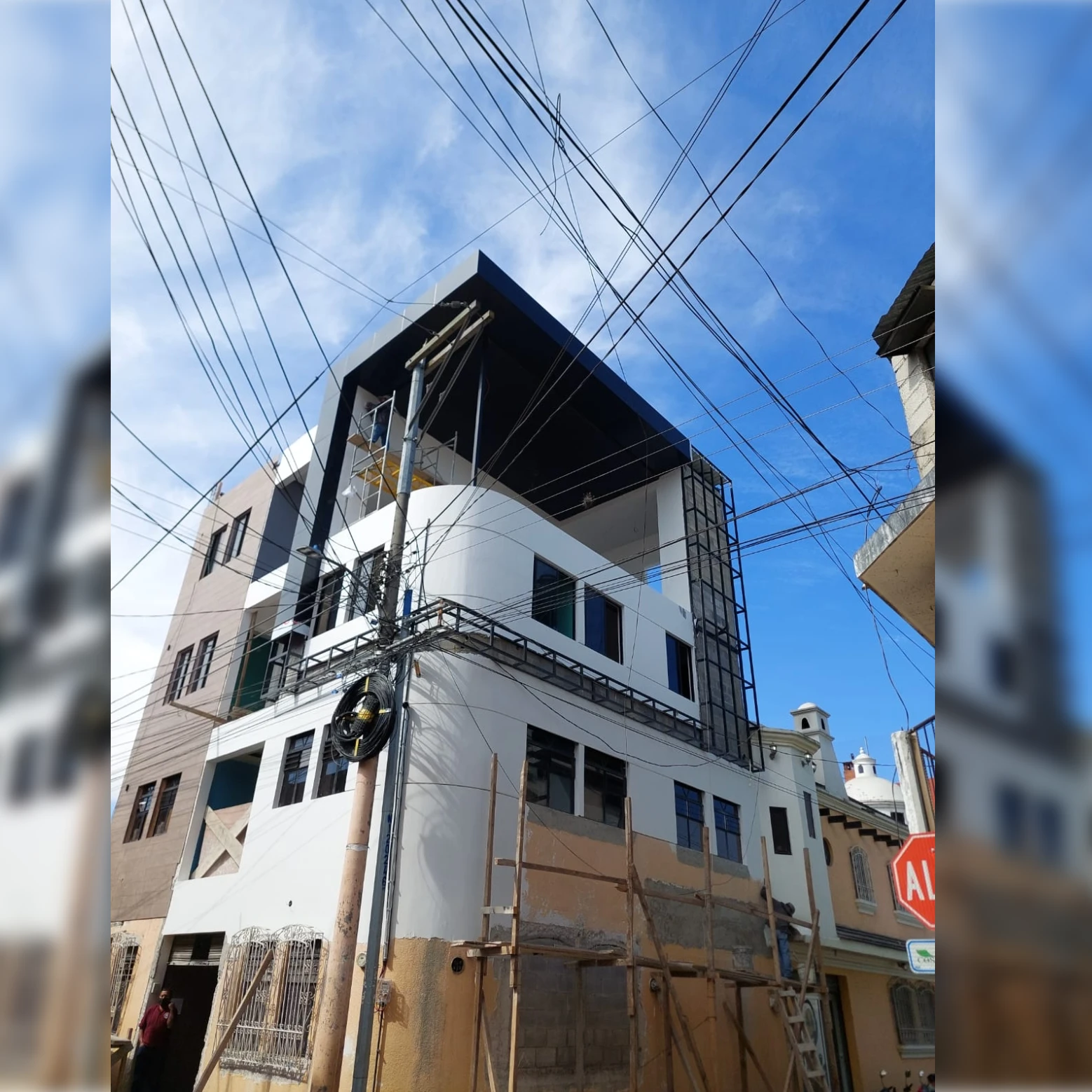
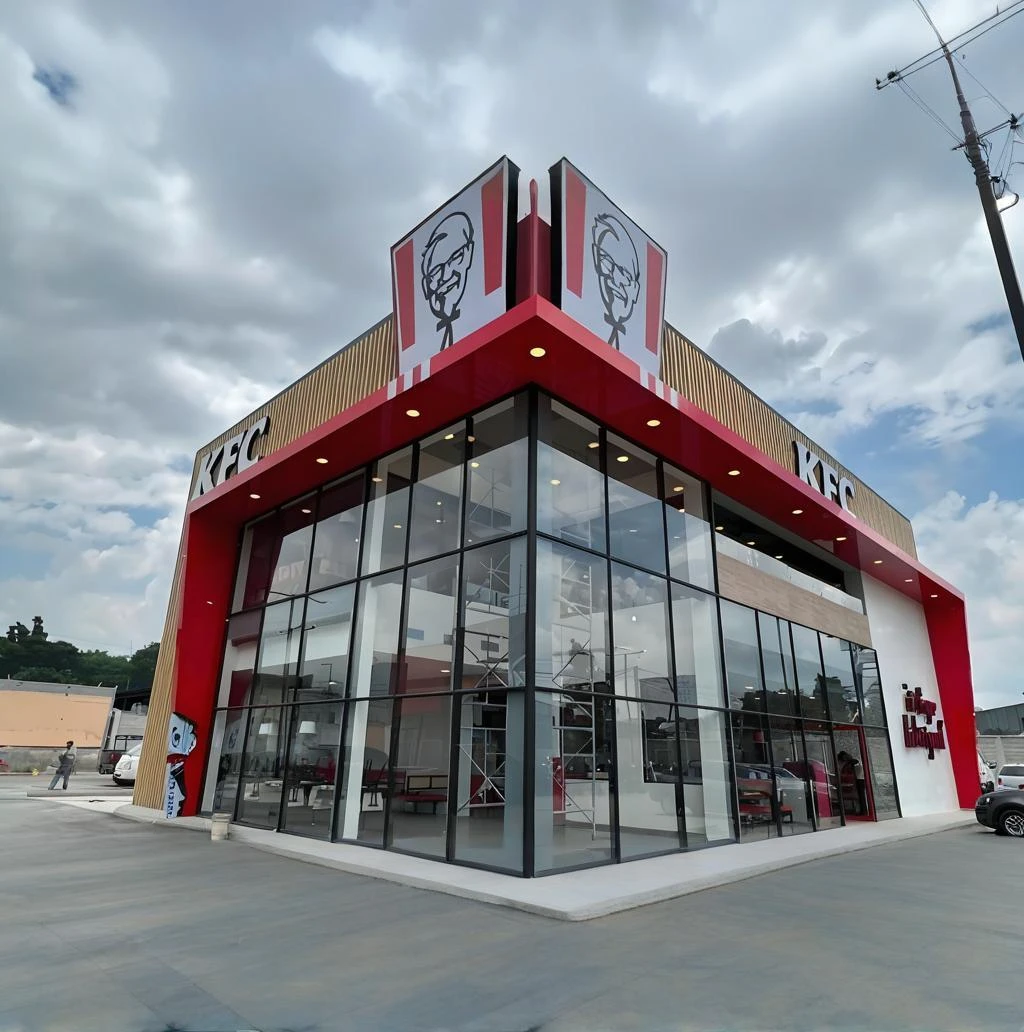
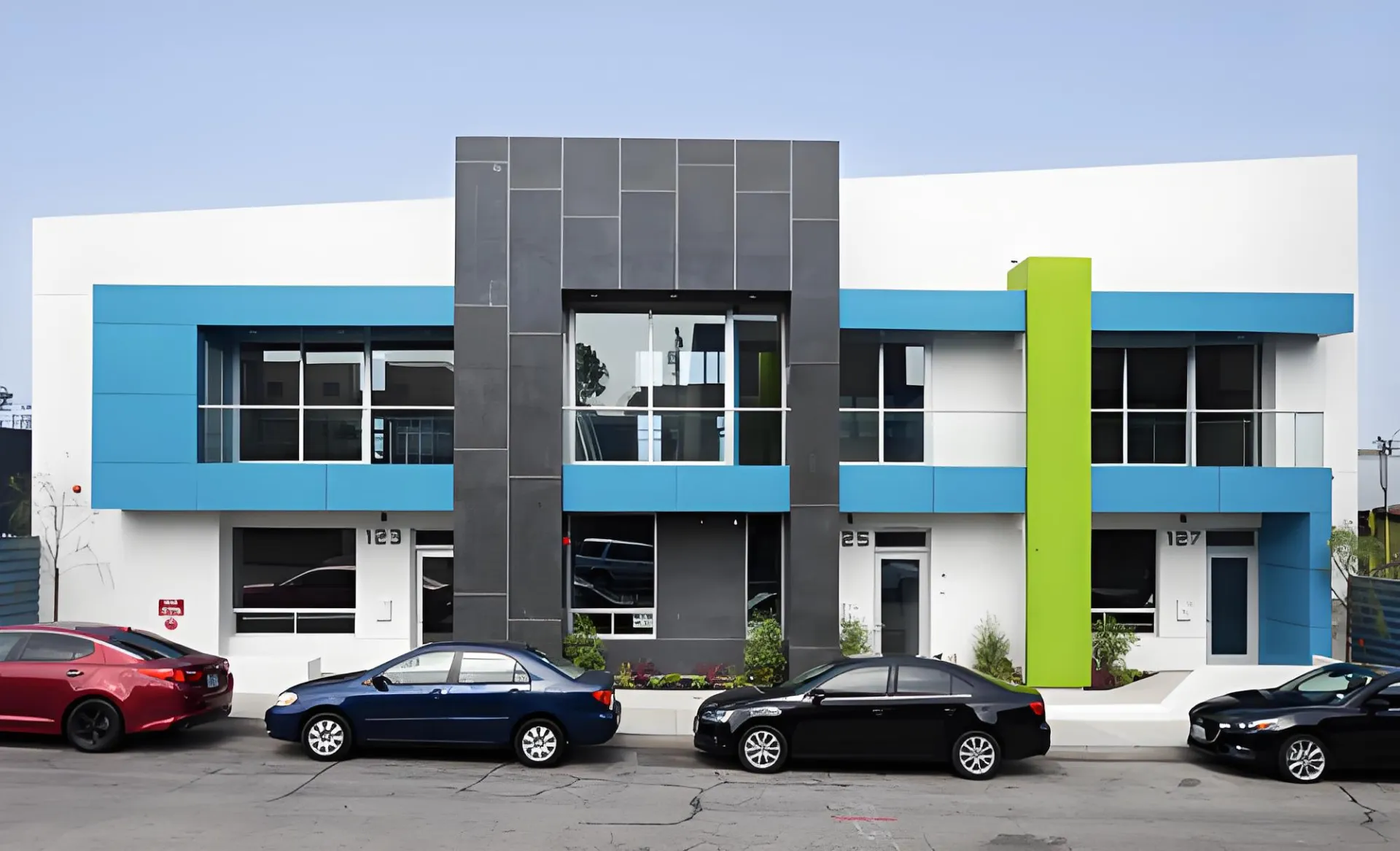
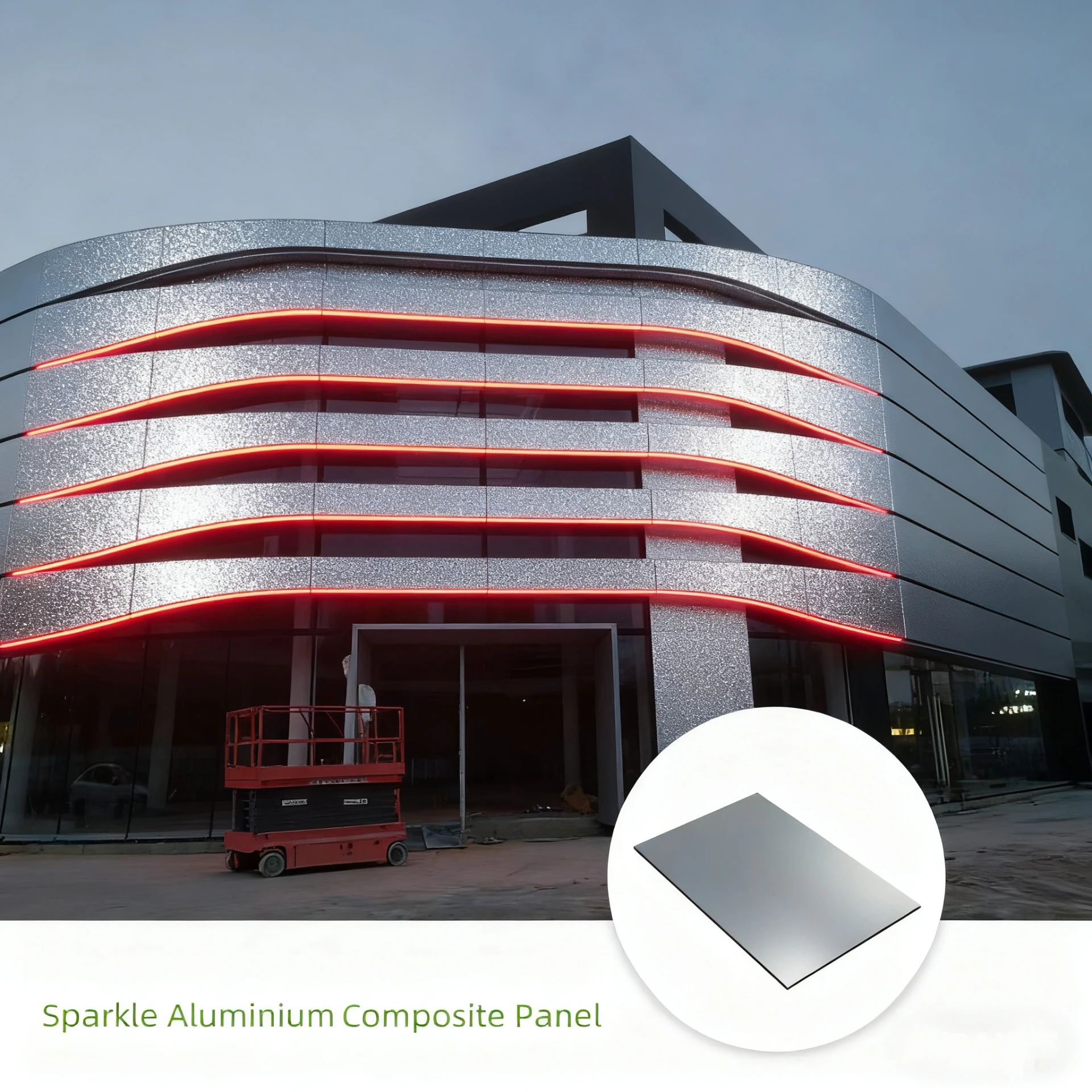
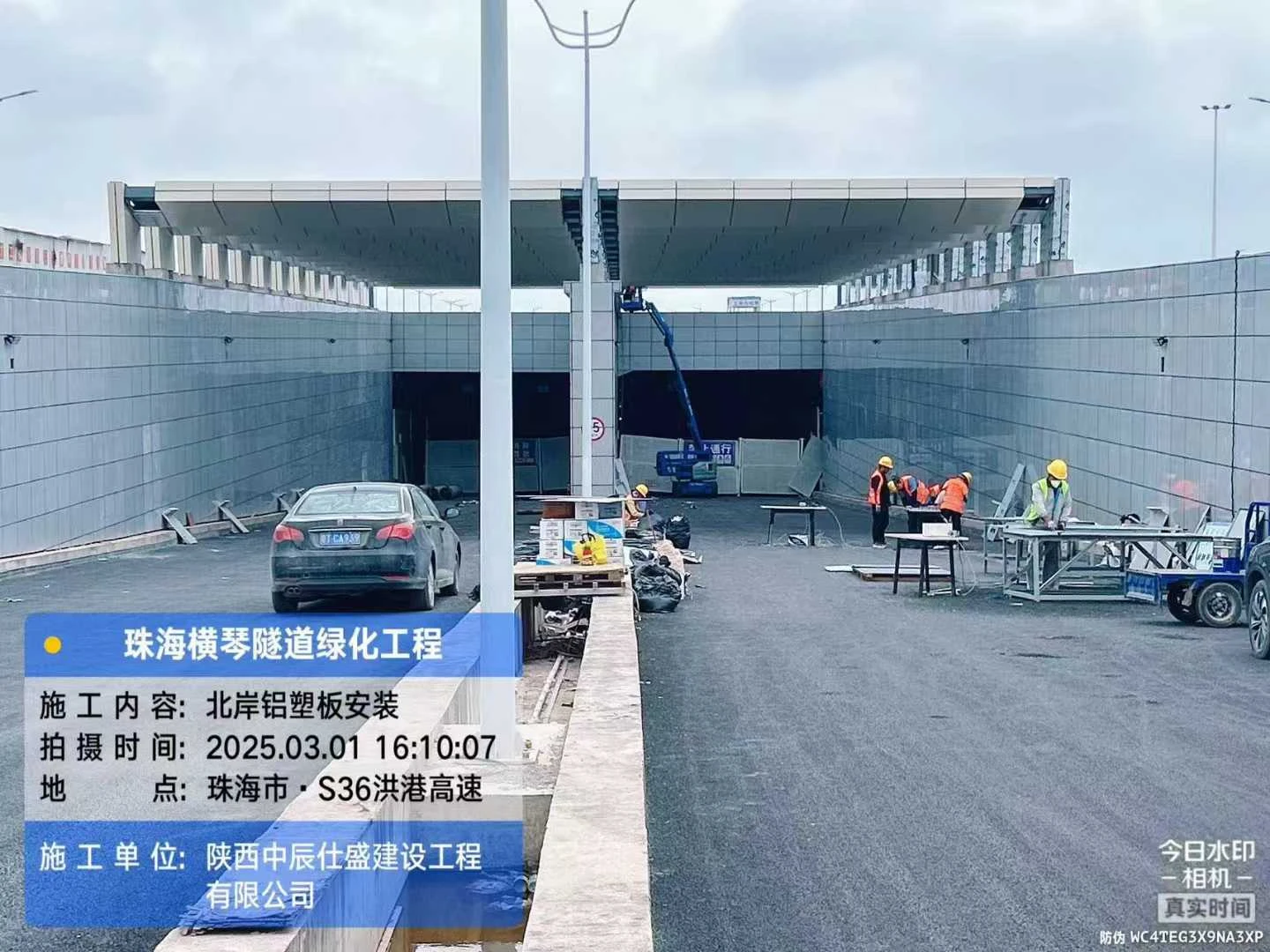
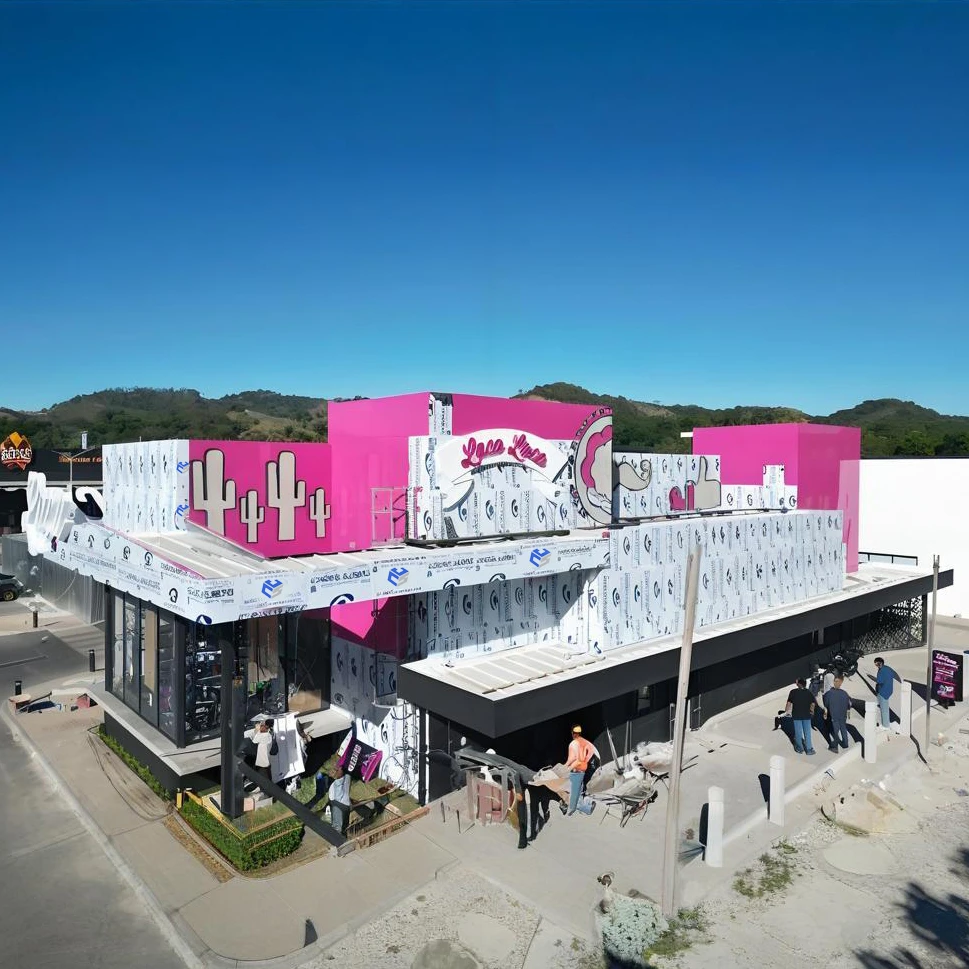
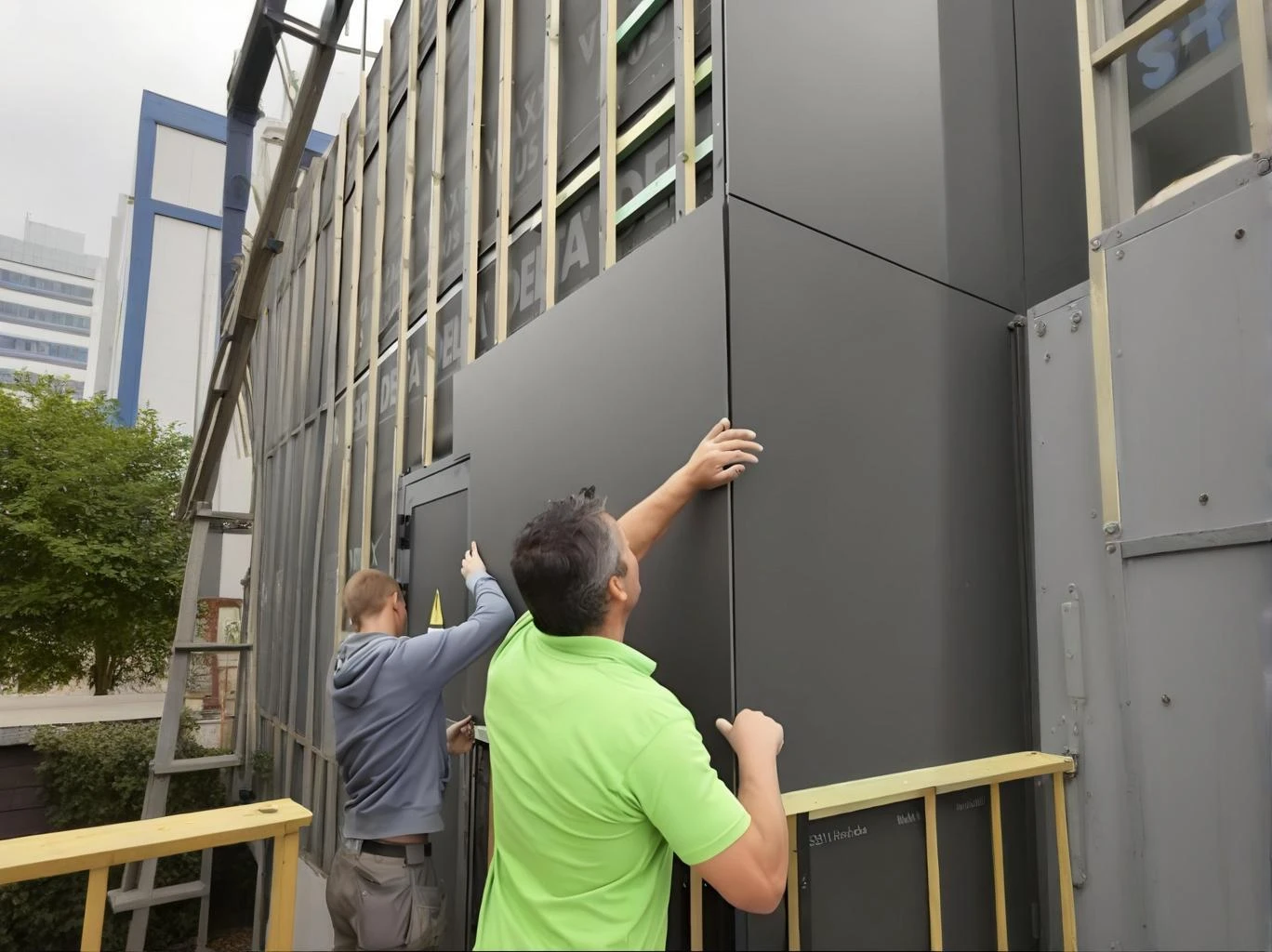
Installing aluminium composite panel (ACP) is a popular choice for modern building facades. Known for its versatility, durability, and aesthetic appeal, ACP installation requires careful planning and execution. This guide provides a detailed overview of the process, from preparation to finishing, ensuring a successful and long-lasting installation. We will cover key considerations for both DIY enthusiasts and professional installers, focusing on best practices and industry standards. There are several installation methods for ACP, each suited to different building designs and project requirements. Common systems include wet-seal, dry-seal (cassette), and riveted systems. The wet-seal system utilizes silicone or polyurethane sealant to bond the panels to the substrate. The dry-seal system, often preferred for its ease of maintenance and replacement, employs mechanical fasteners and pressure plates. Finally, the riveted system is a more traditional method that offers a cost-effective solution, though it may be less visually seamless.
Alminisuc Factode Panels ua toe faia o tala faaonapo nei i le tuʻufaʻatasia o mea lelei ma le tulaga tulaga ese ai - o se vaega na faia ai se ata pito i luga.
Introduction: Strengthening Global Partnerships in ACP Industry
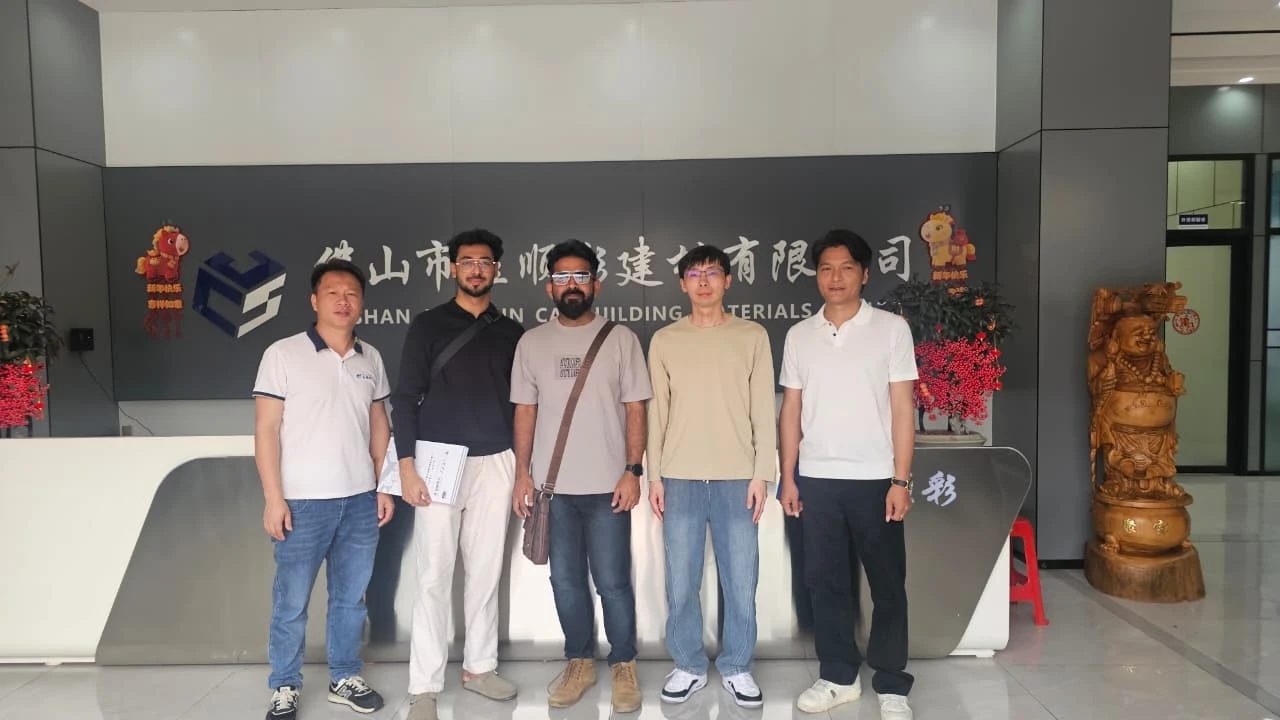
Recently, we were honored to welcome clients from India to visit our factory — Jiashuncai Aluminum Composite Panel (ACP) Manufacturer.
This visit marks an important step in strengthening international cooperation and reflects the growing demand for high-quality ACP panels in the Indian market.
Through face-to-face communication, factory inspection, and technical discussions, both sides gained deeper confidence for future collaboration.
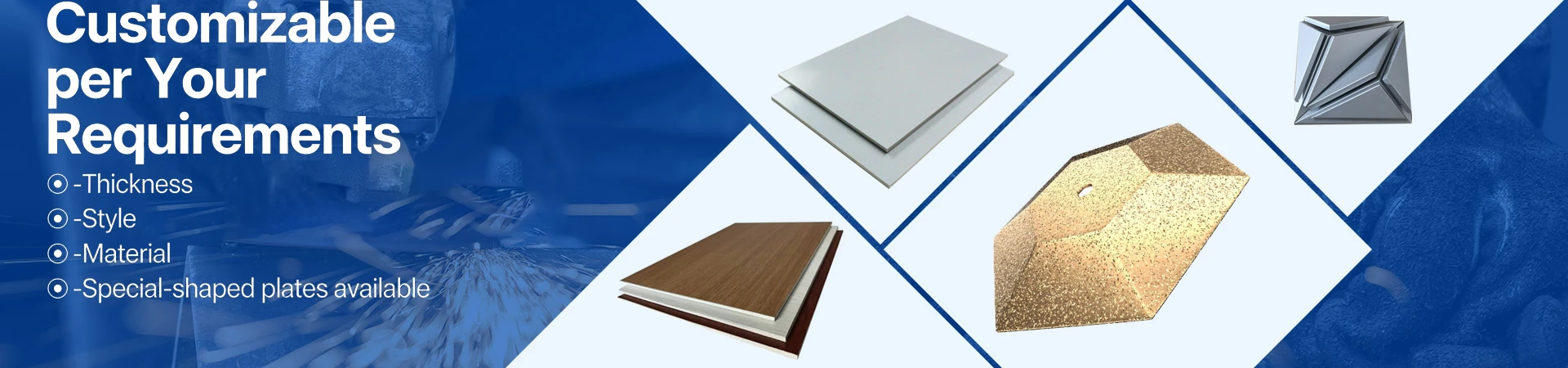
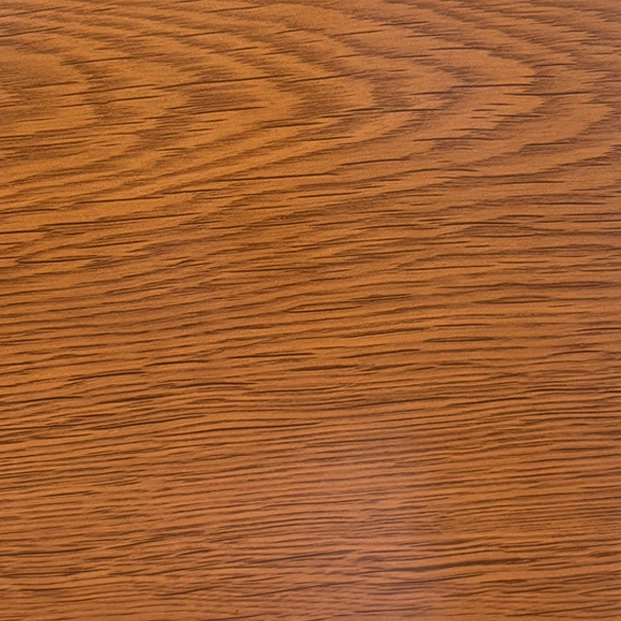
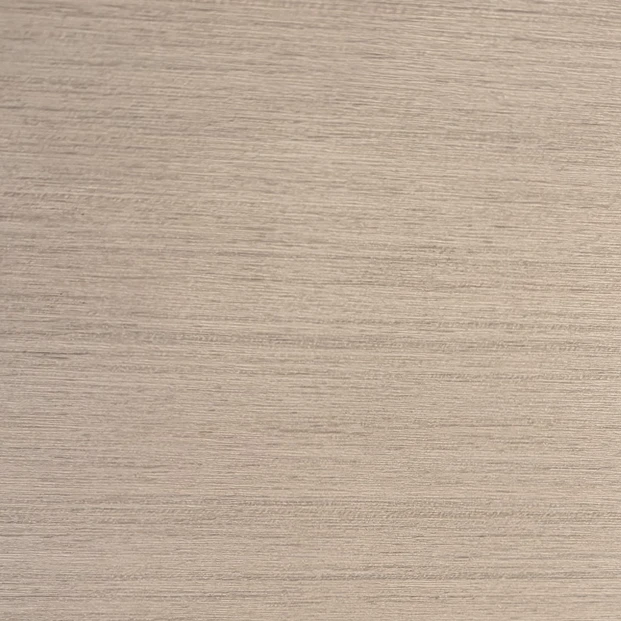
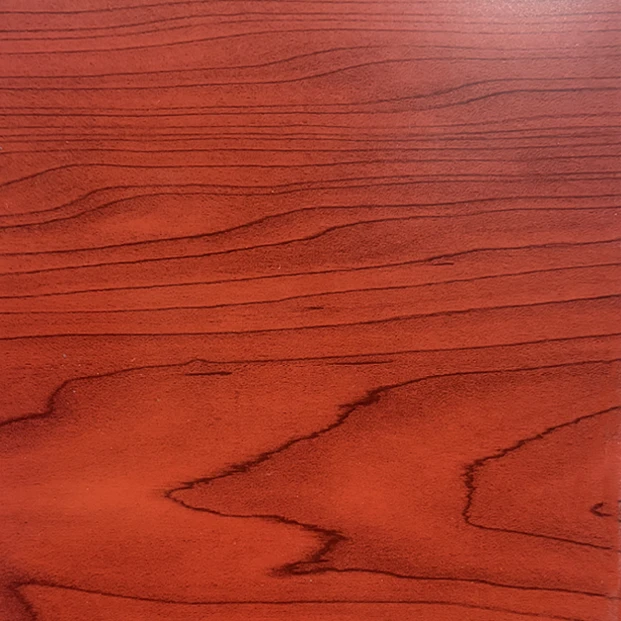
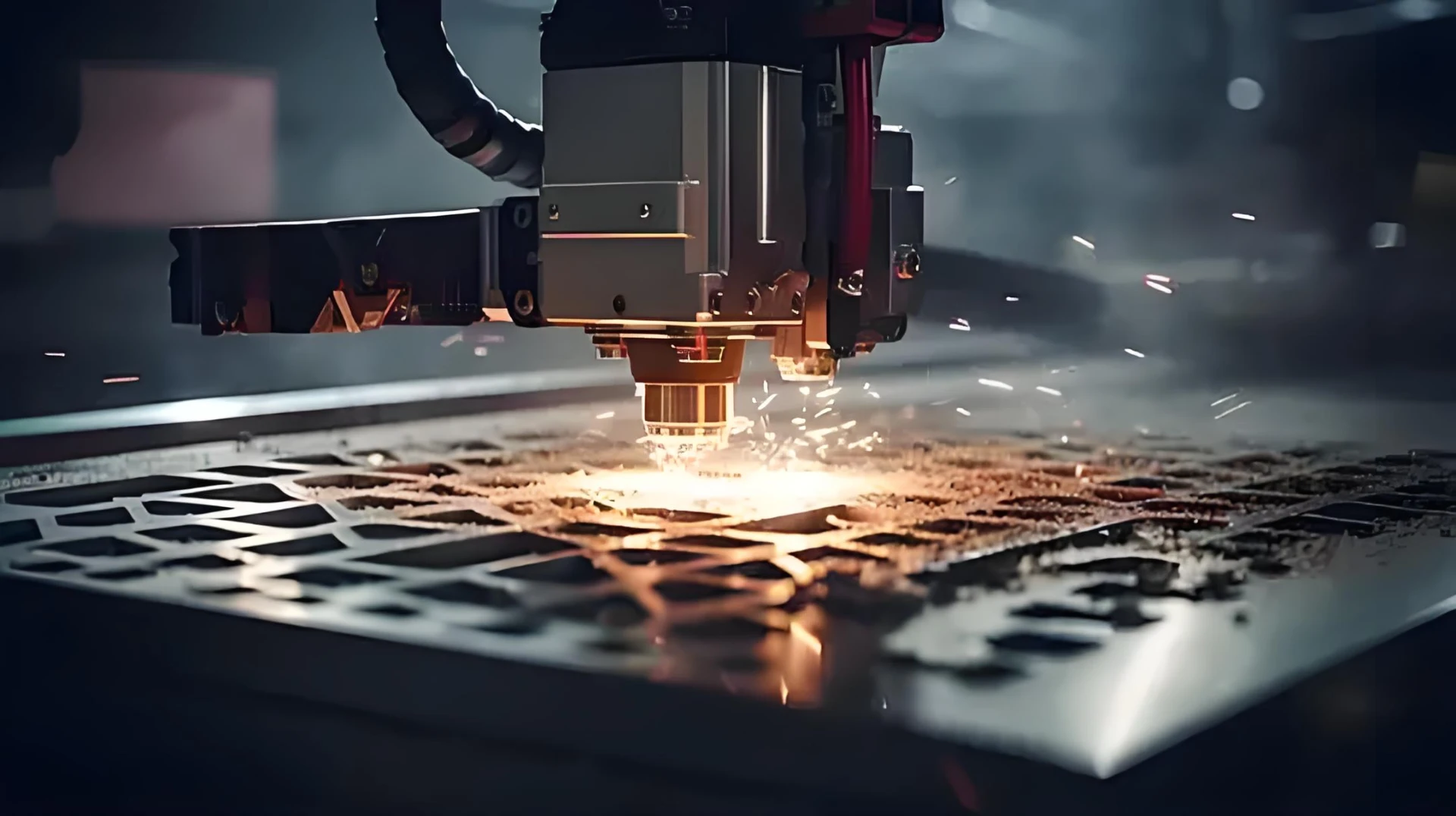
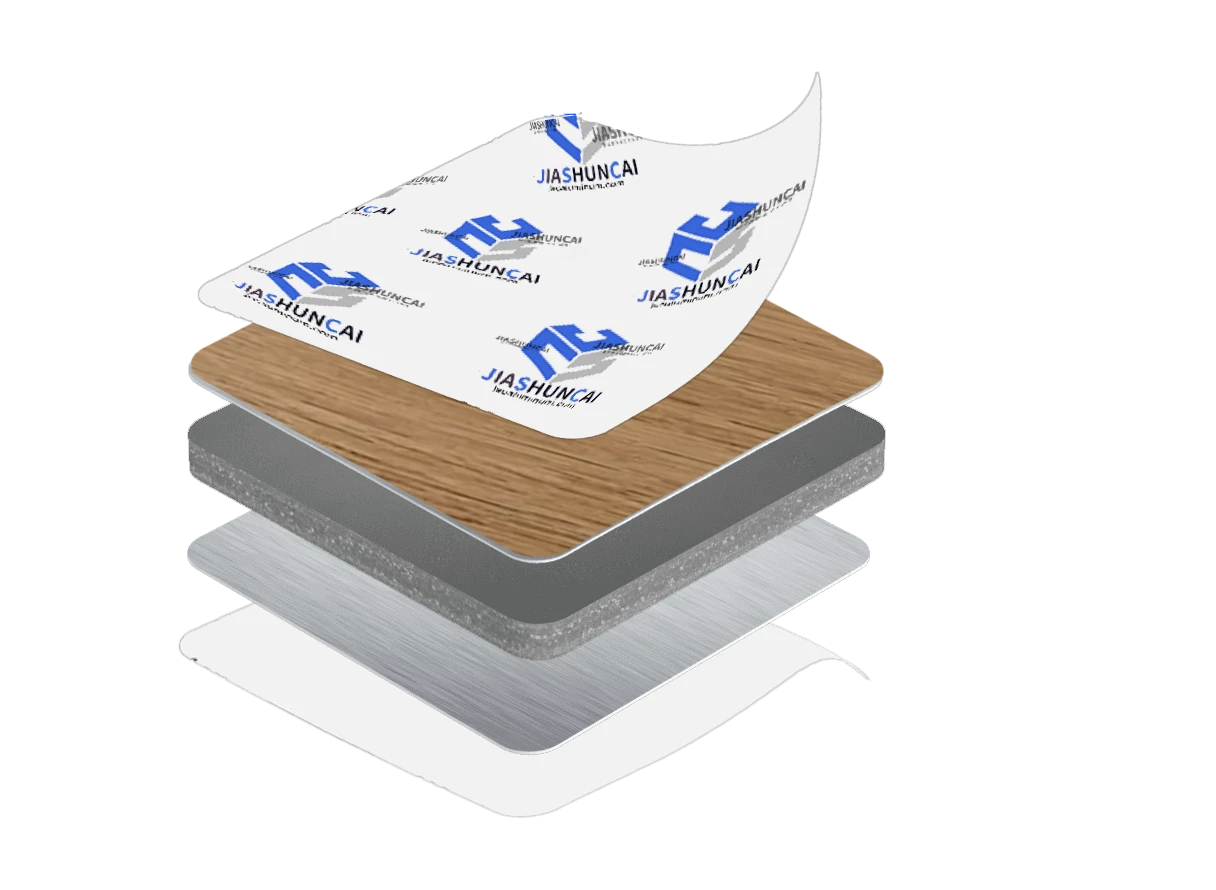
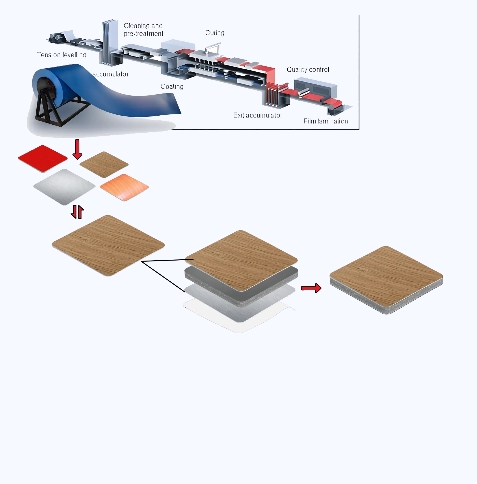
JIASHUNCAI operates three ACP/ACM production lines running continuously 24 hours a day from its Foshan, Guangdong manufacturing facility, supporting both standard panel thicknesses (3 mm, 4 mm, 5 mm, and 6 mm) and aluminum skin thickness options ranging from 0.12 mm to 0.50 mm. The standard panel dimension is 1220 × 2440 mm, with customized dimensions available by discussion for curtain-wall modules that do not align with standard sizing. Customization extends to coating systems, colors, surface finishes, and fire-performance configuration, along with CNC cutting, grooving, and bending for panel fabrication requirements specific to a given façade system.
A'o fa'atupula'ia fa'ailoga mata'ina o le lalolagi i mea fa'alelei lelei ma le malosi o le tau, ua fa'atulaga e panels ALPOLIC®/fr fa'ailoga fa'atasi ma a latou fa'au'uga fa'amalama. Jiashuncai's next generation aluminum composite panels e maua ai le mautu UV tutusa ma le saogalemu o le afi i le 25% tau maualalo - a'o paionia le tausisia o le tamaoaiga mo le LEED v4.1 poloketi.