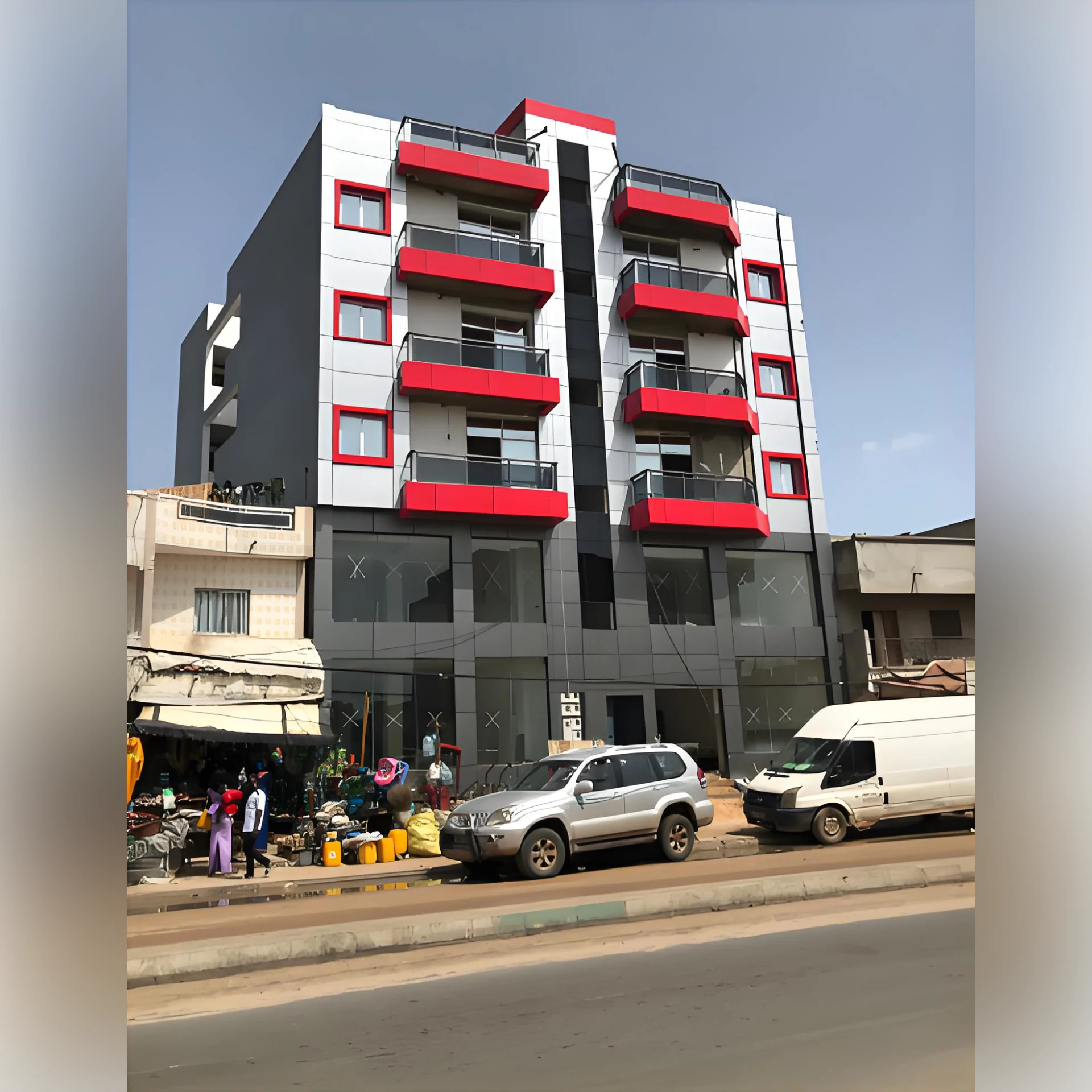
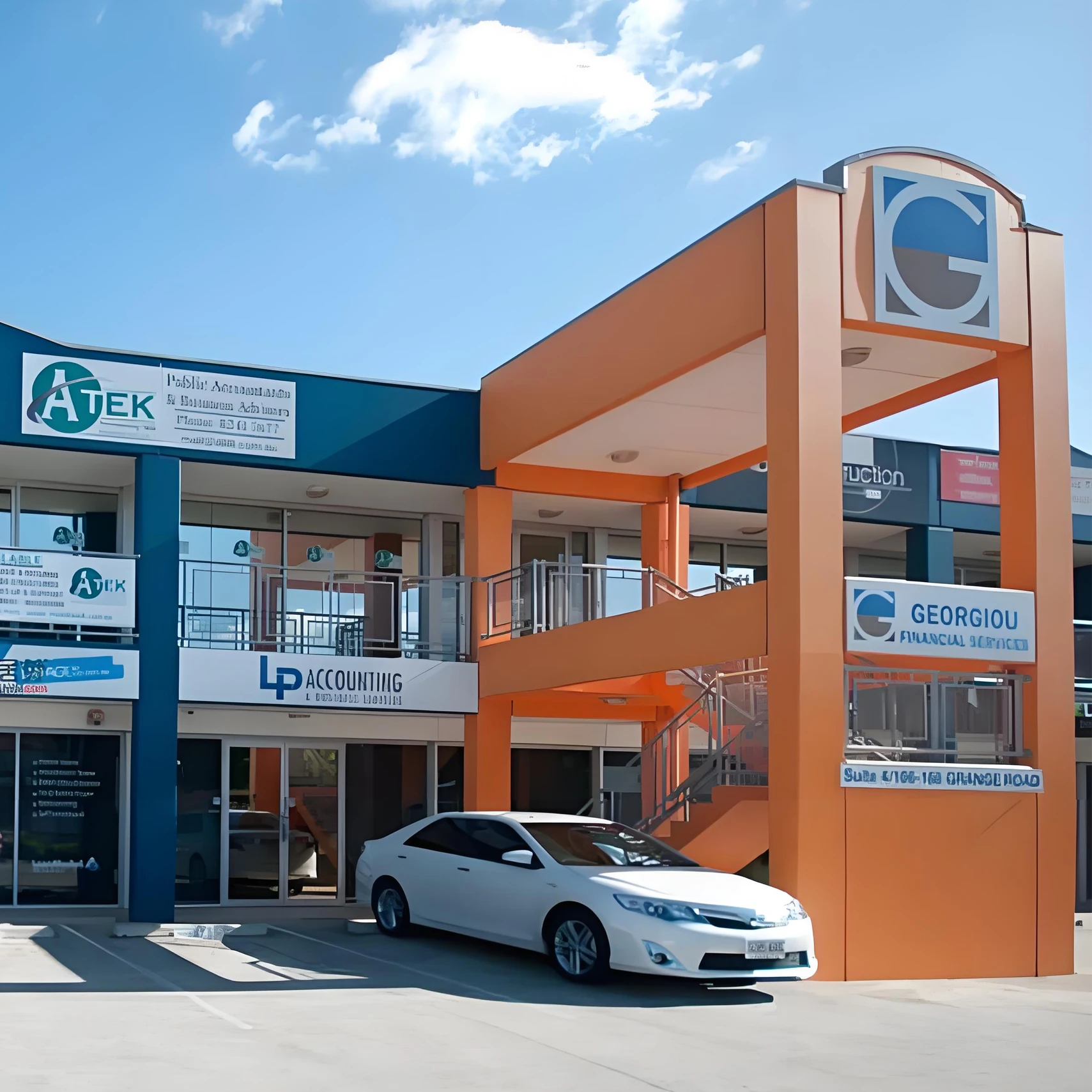
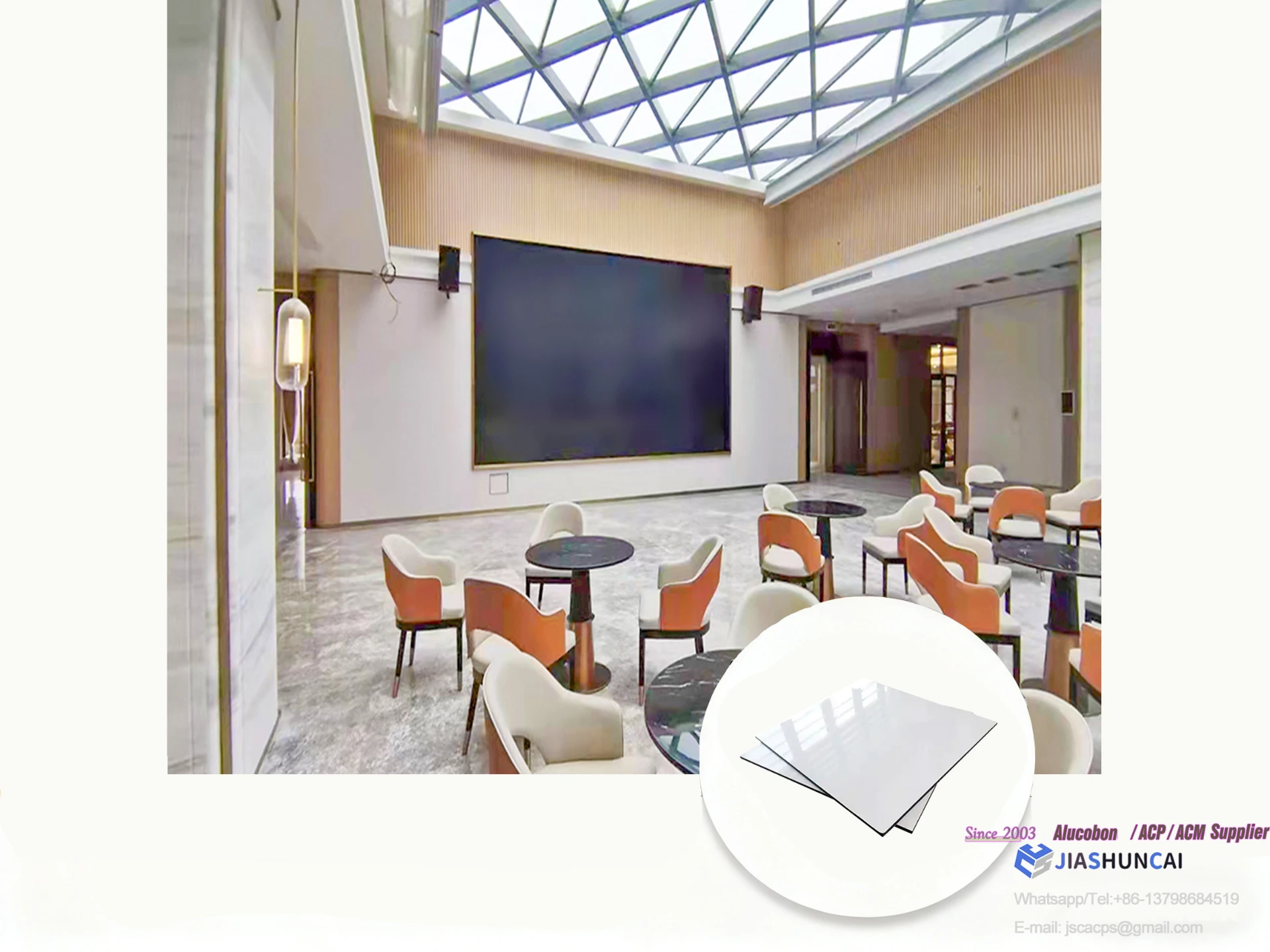
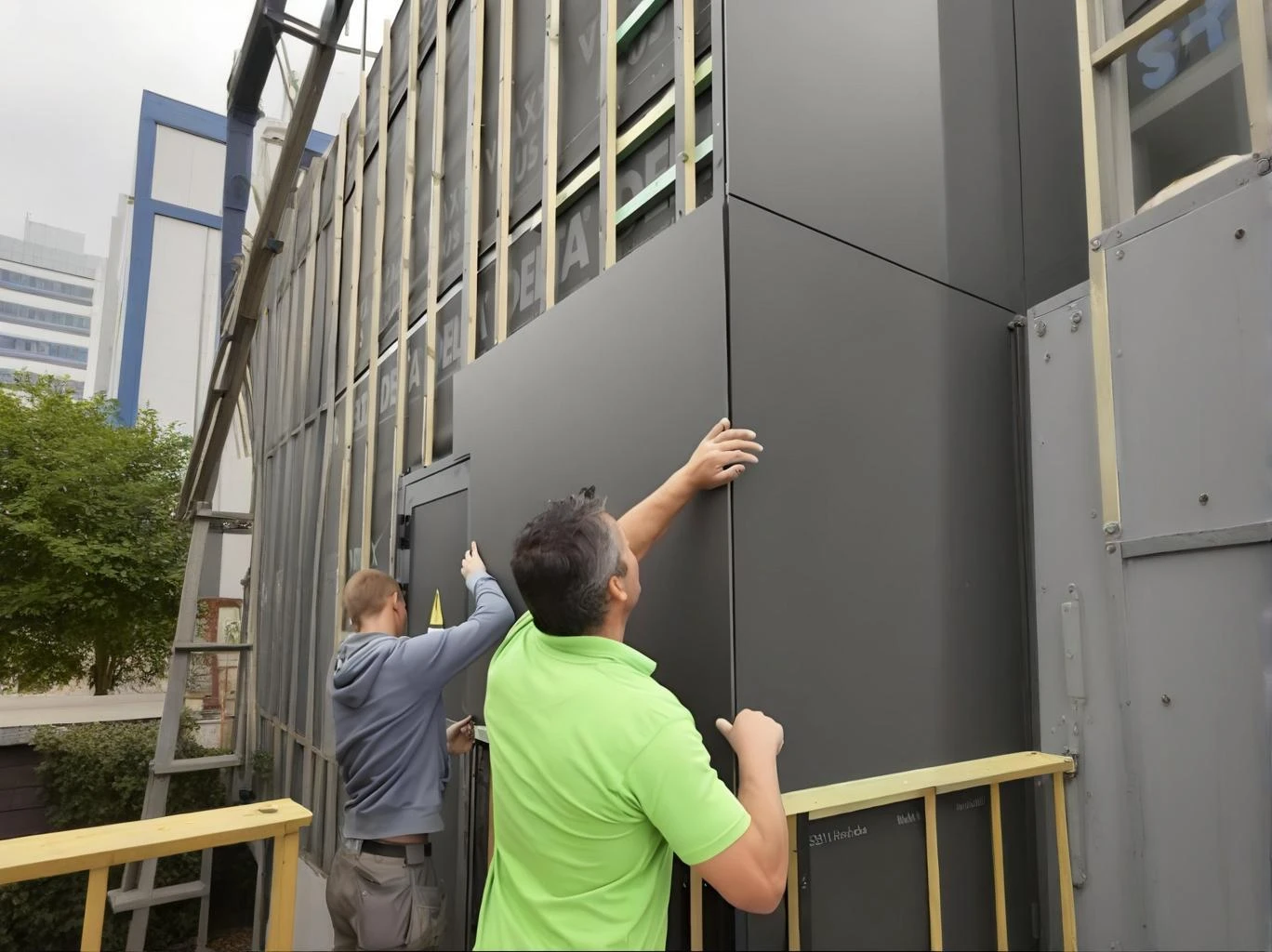
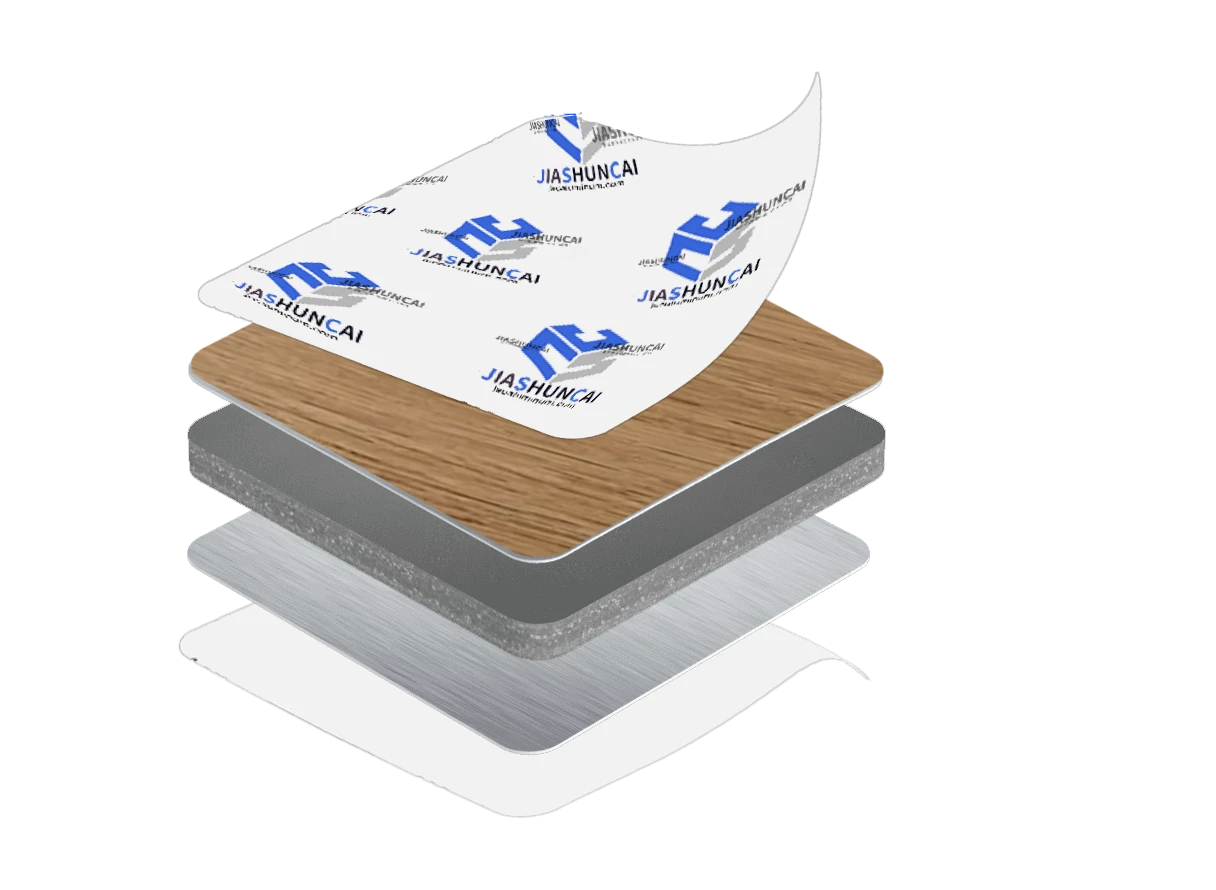
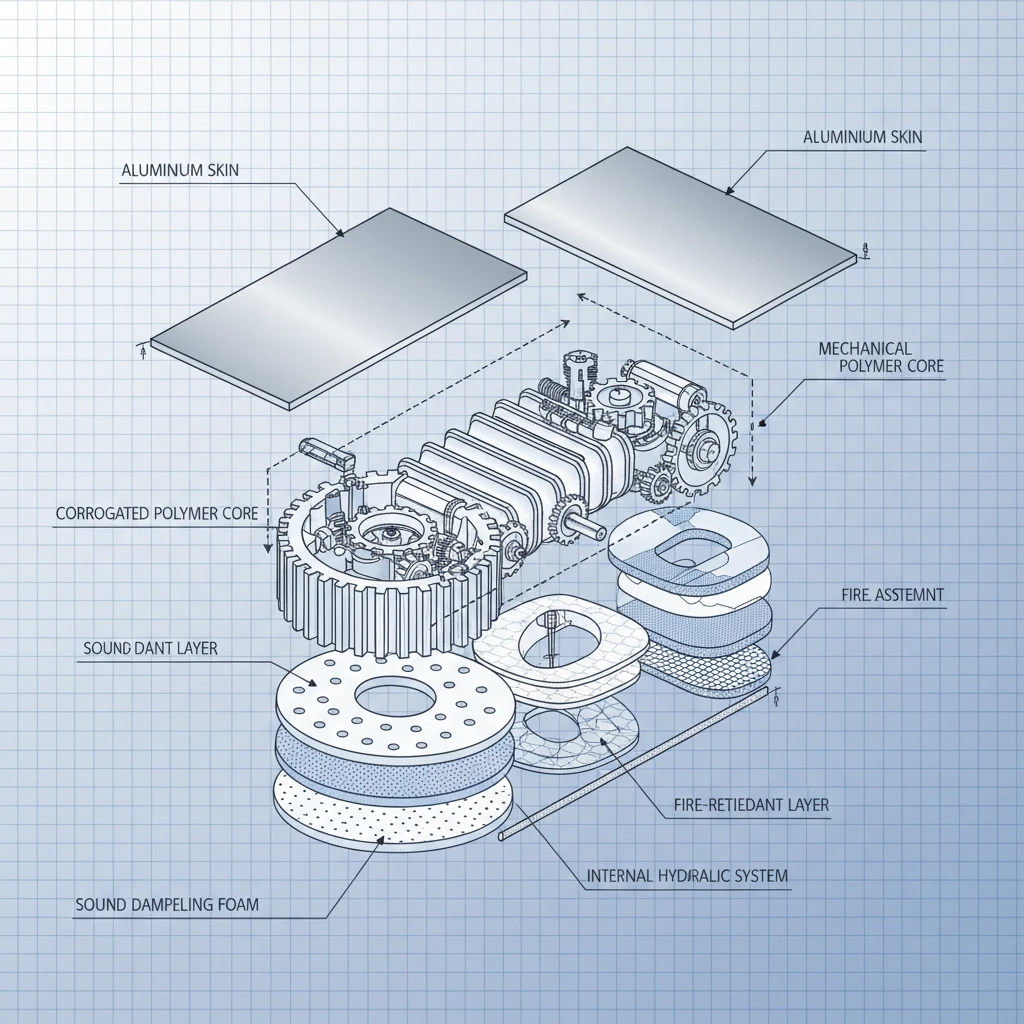
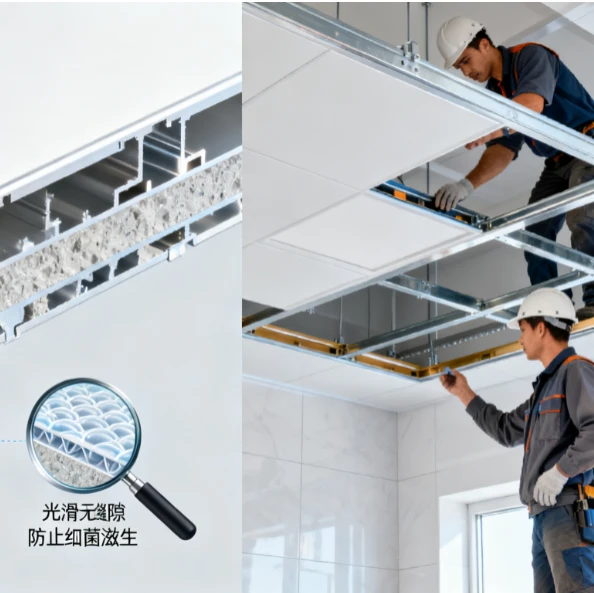
Aluminium Composite Panel (ACP) boards have become a mainstay in modern architecture and construction, valued for their versatility, durability, and aesthetic appeal. This article will delve into the world of ACPs, covering their composition, advantages, applications, and considerations when choosing the right panel for your project. We’ll explore why JSC Aluminum is a trusted supplier of high-quality ACP solutions. Understanding ACPs is crucial for architects, contractors, and anyone involved in building projects. An aluminium composite panel board is a multi-layered material consisting of two thin aluminium sheets bonded to a non-aluminium core. The core materials commonly used include polyethylene (PE), fire-retardant (FR) polyethylene, or mineral filled cores. This construction provides exceptional strength, rigidity, and a lightweight solution compared to solid aluminium panels. ACPs are available in a vast range of colours, finishes (including wood, stone, and metallic effects), and thicknesses, making them adaptable to various design requirements.
ACP aluminium panel (Aluminum Composite Panel) is the most common term for this revolutionary cladding material. It describes a sandwich panel consisting of two thin, coil-coated aluminum sheets bonded to a core material, typically polyethylene (PE) or a fire-retardant mineral core
Guddi saqafka aluminium - oo ay ku jiraan aluminium-ka qaaska ah ee loo yaqaan 'aluminium aluminium' ee loo yaqaan 'sluminanum saqafyada saqafka' iyo waxyaabaha u gaarka ah
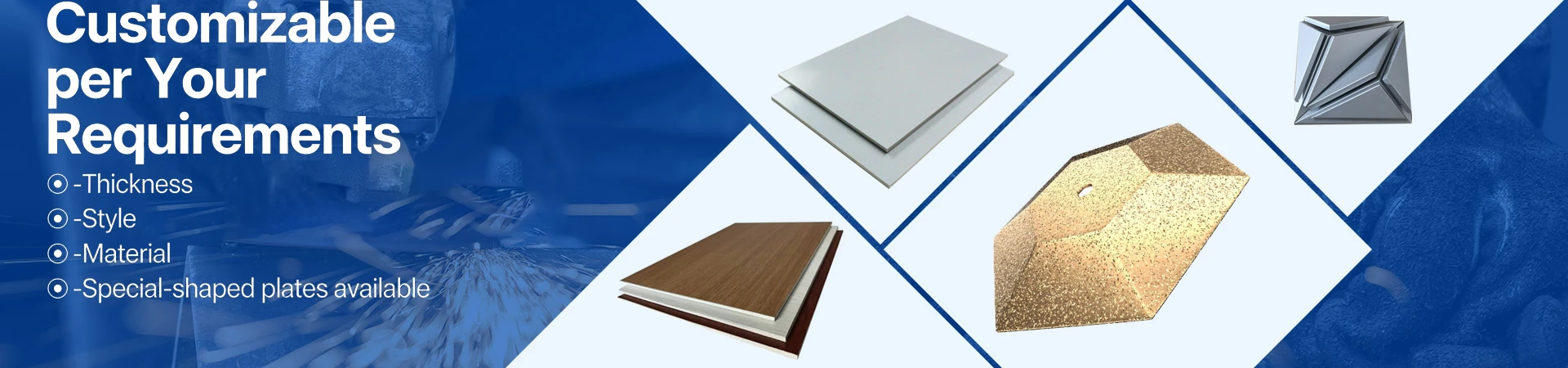
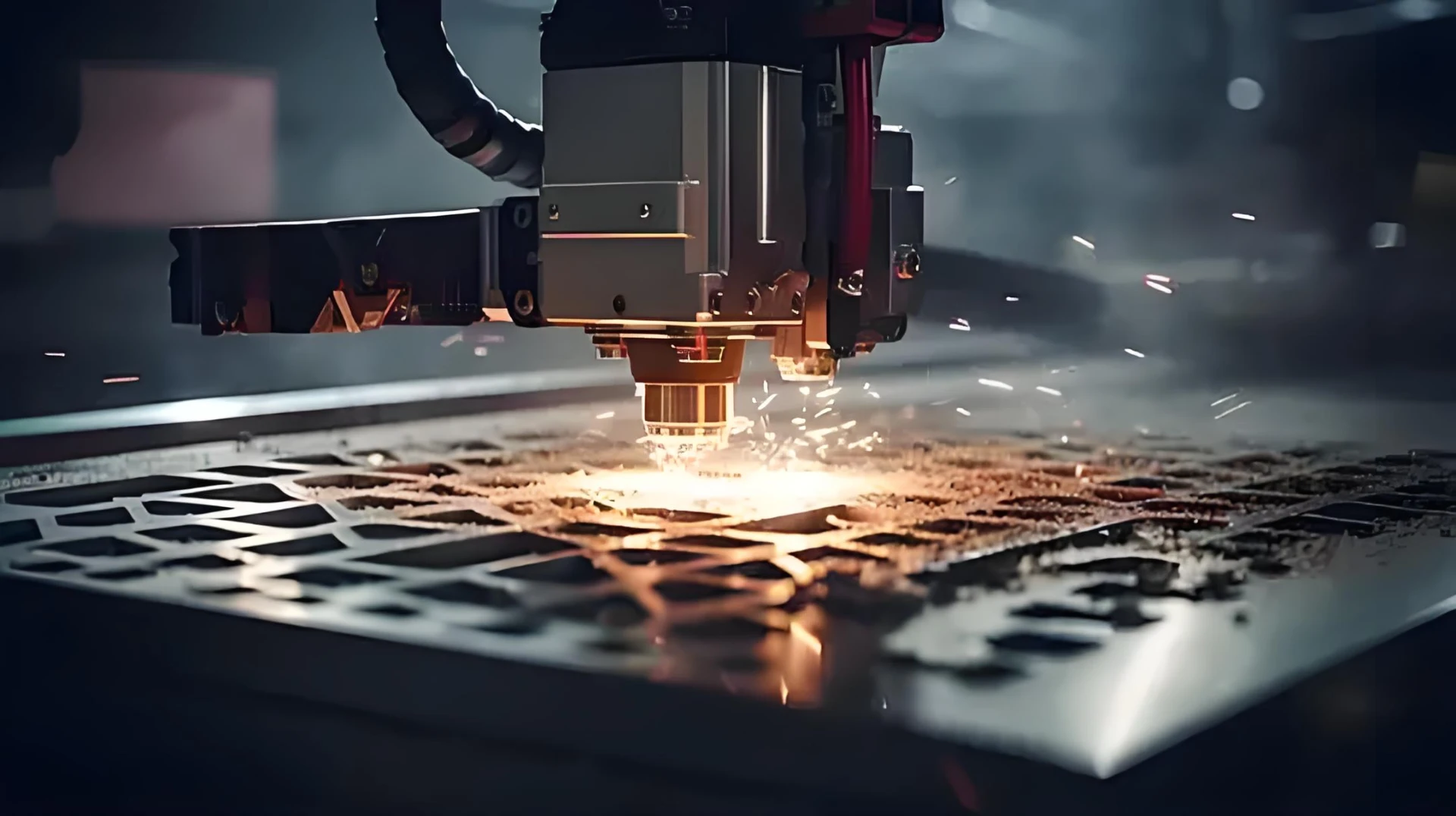
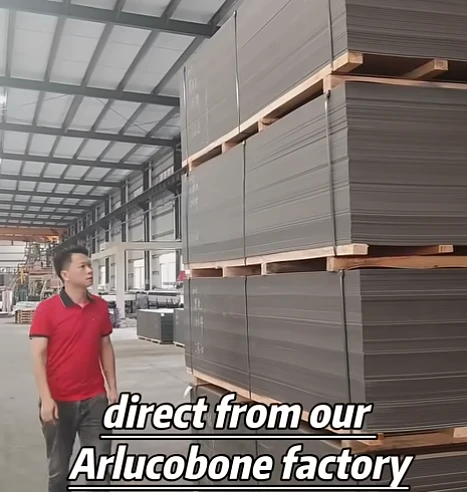
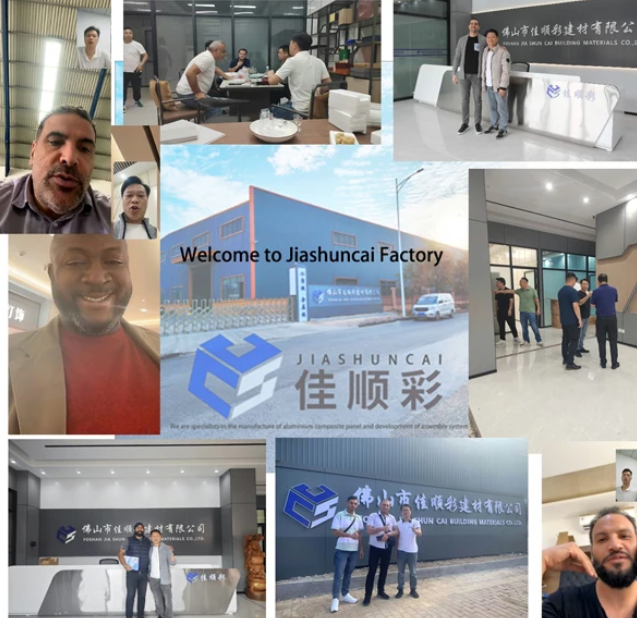
JIASHUNCAI operates three ACP/ACM production lines running continuously 24 hours a day from its Foshan, Guangdong manufacturing facility, supporting both standard panel thicknesses (3 mm, 4 mm, 5 mm, and 6 mm) and aluminum skin thickness options ranging from 0.12 mm to 0.50 mm. The standard panel dimension is 1220 × 2440 mm, with customized dimensions available by discussion for curtain-wall modules that do not align with standard sizing. Customization extends to coating systems, colors, surface finishes, and fire-performance configuration, along with CNC cutting, grooving, and bending for panel fabrication requirements specific to a given façade system.
For procurement teams, façade contractors, and engineering companies evaluating ACP for coastal or exterior construction, the core takeaway is that coating system selection, specification detail, and supporting documentation are inseparable from product performance. PVDF coating systems are positioned by JIASHUNCAI for exterior durability and weather resistance, while fire-rated and fire-retardant options address regulatory and classification needs where applicable.