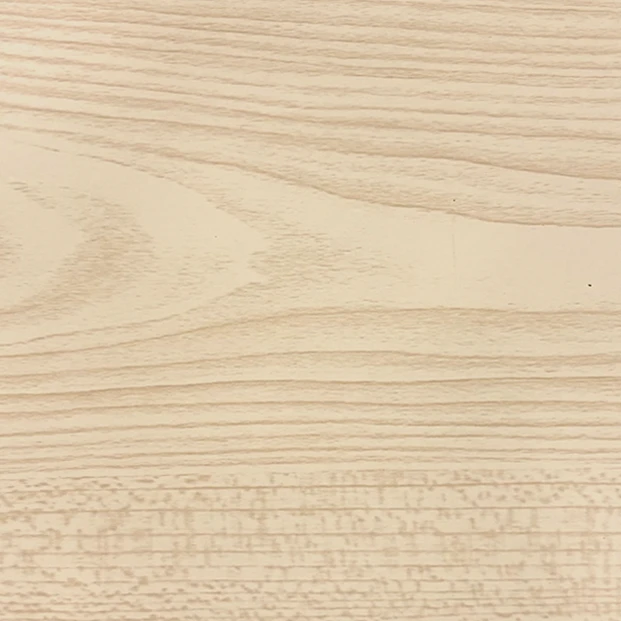
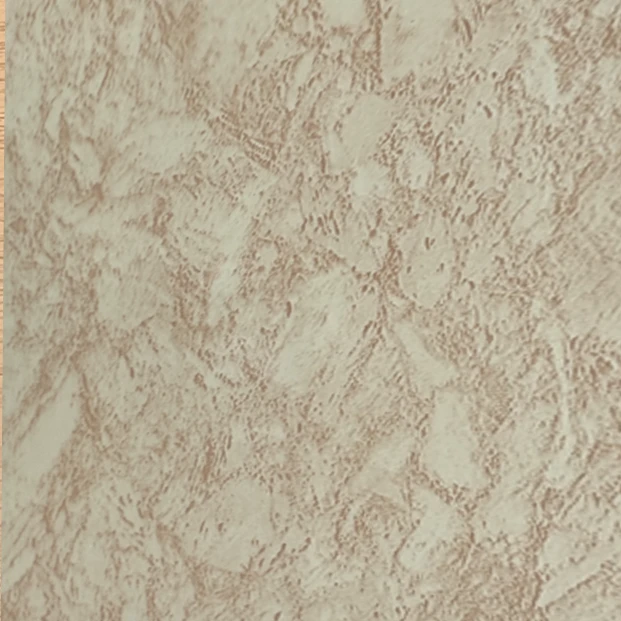
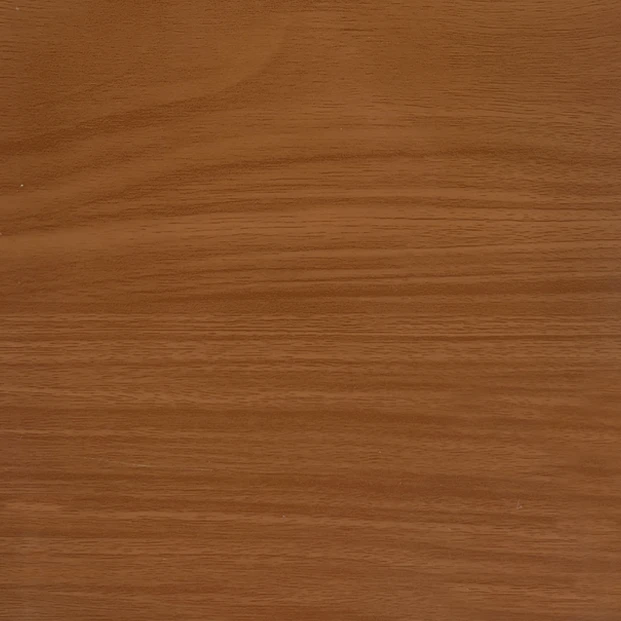
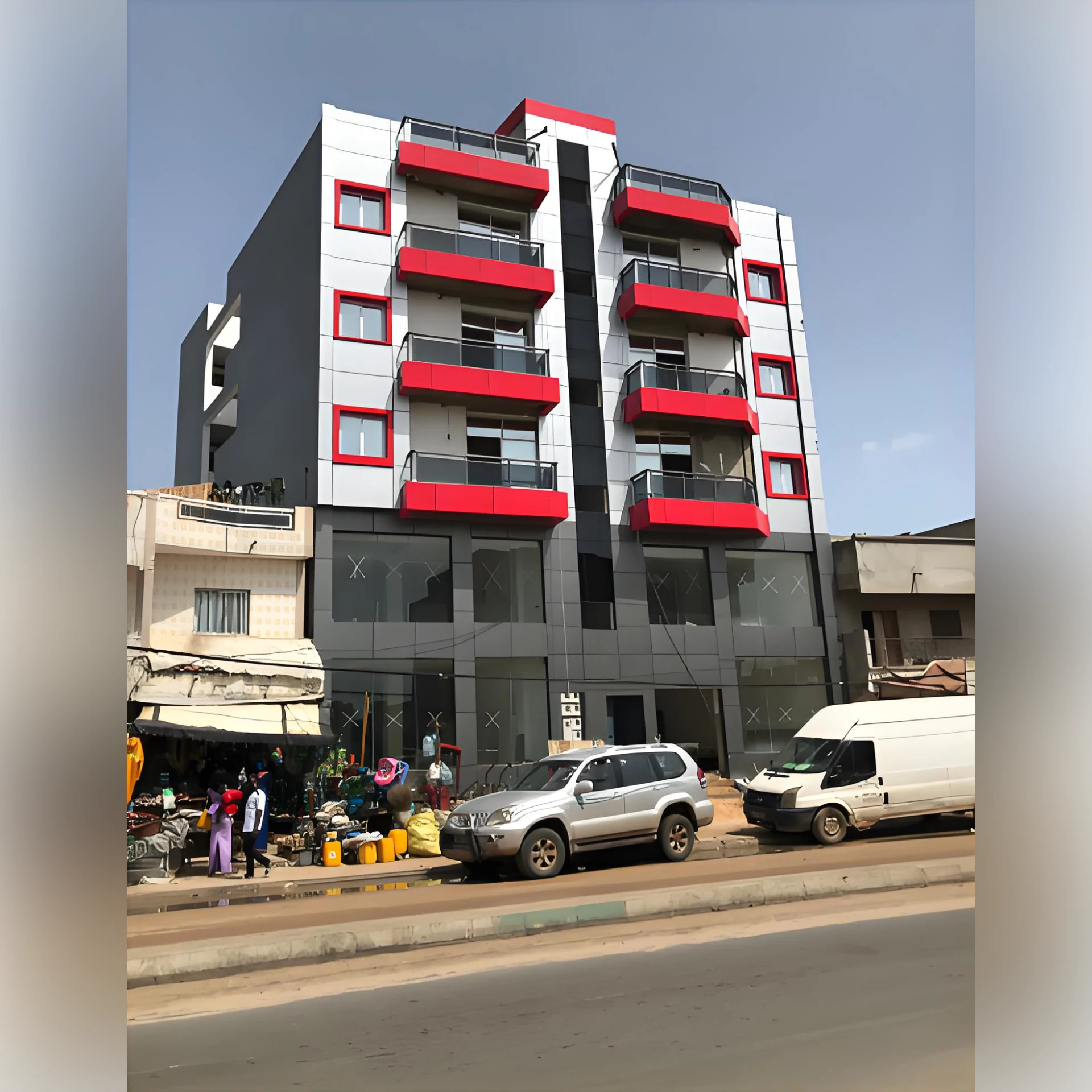
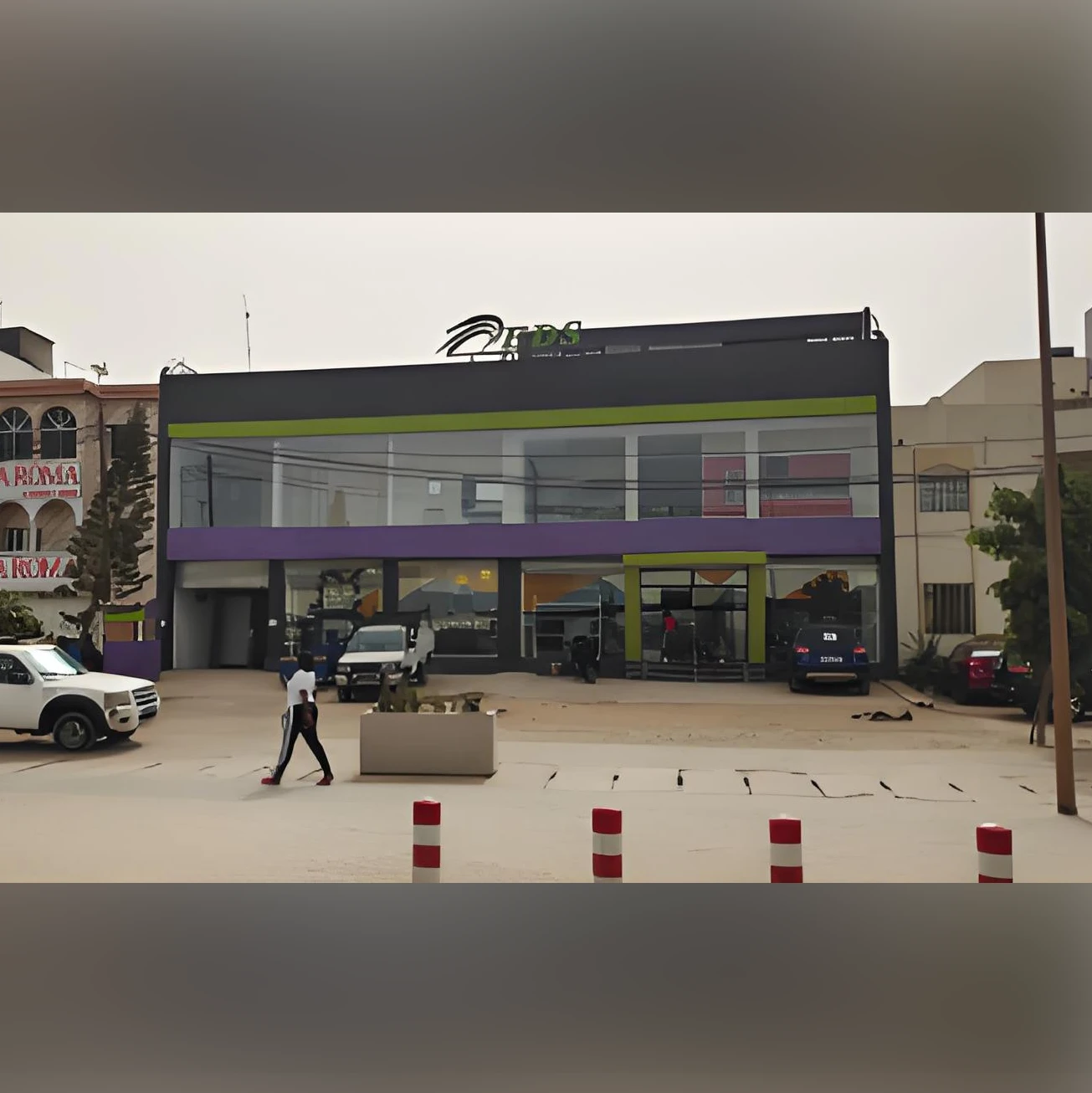
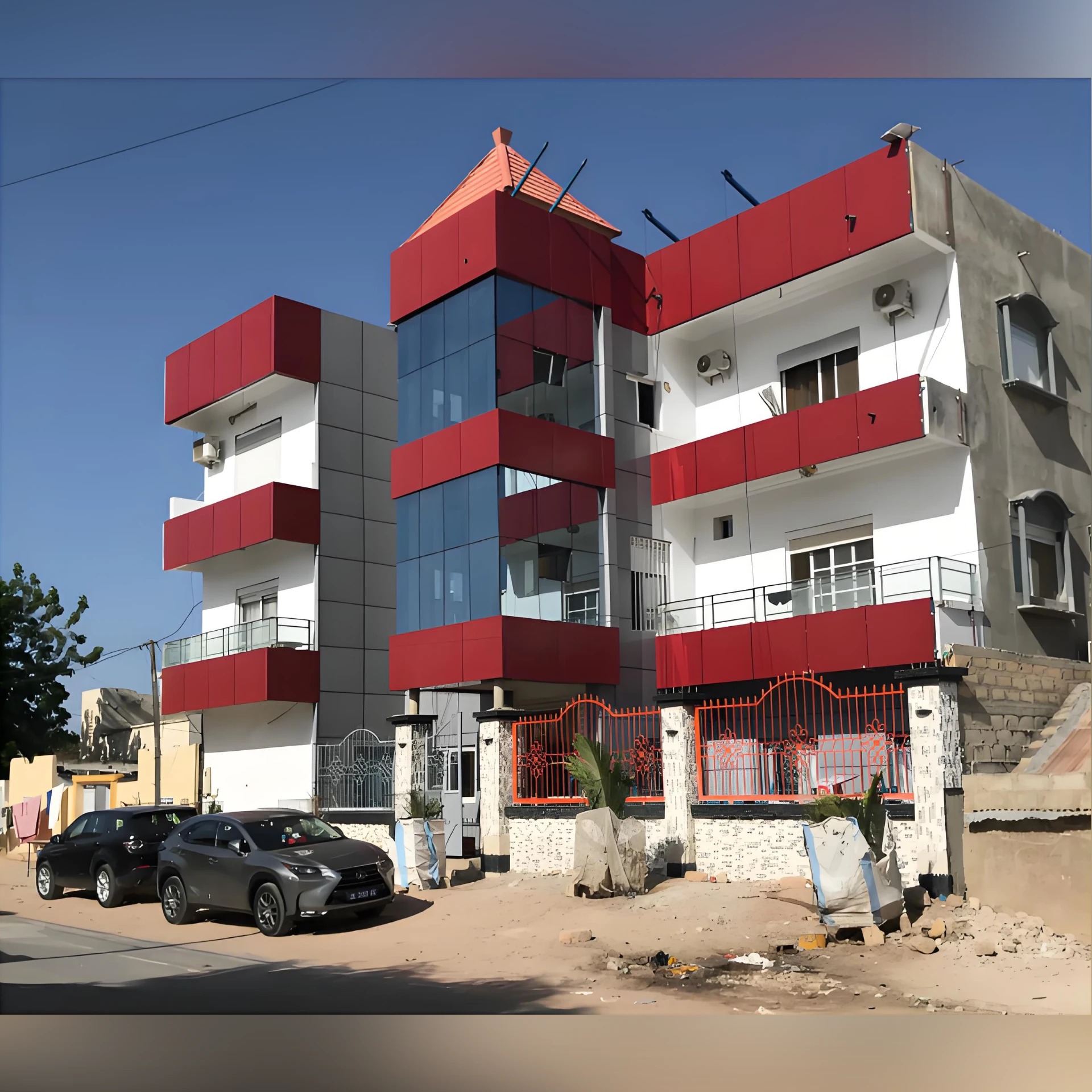
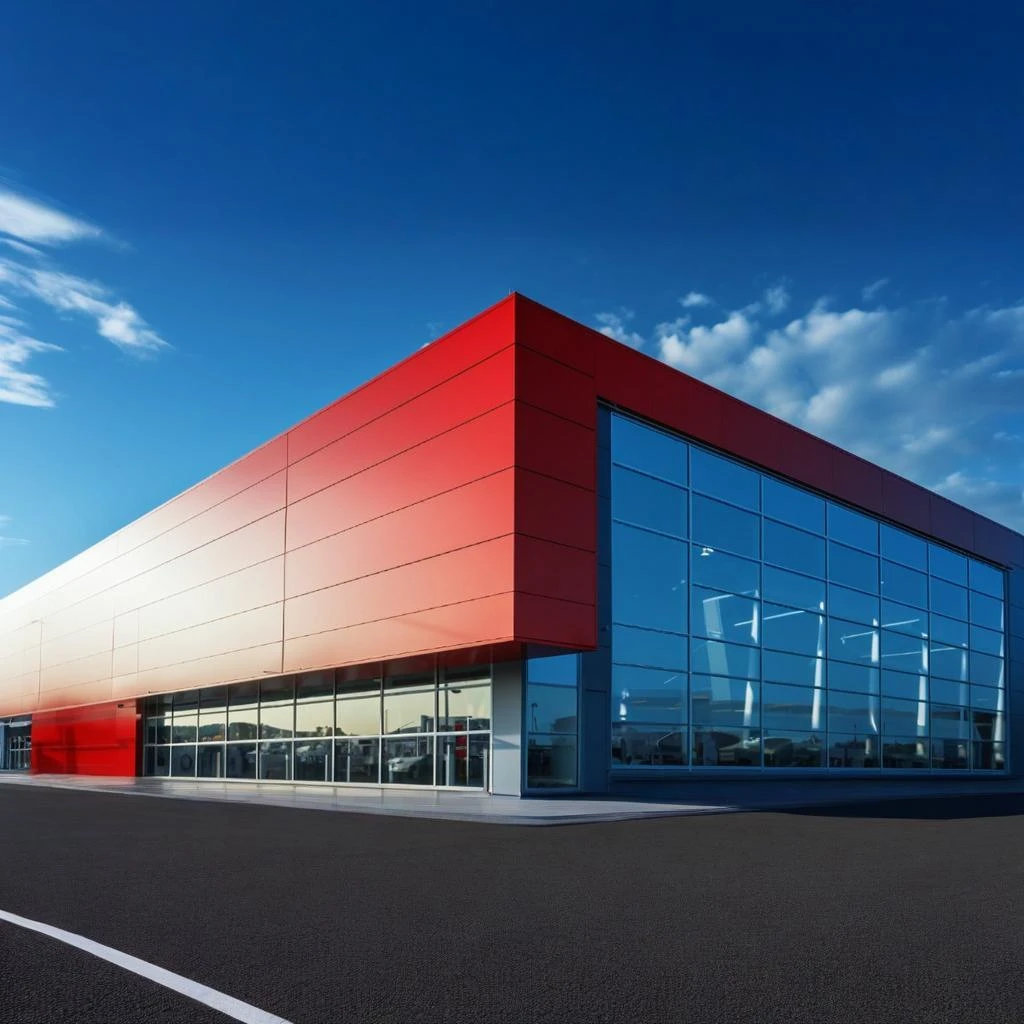
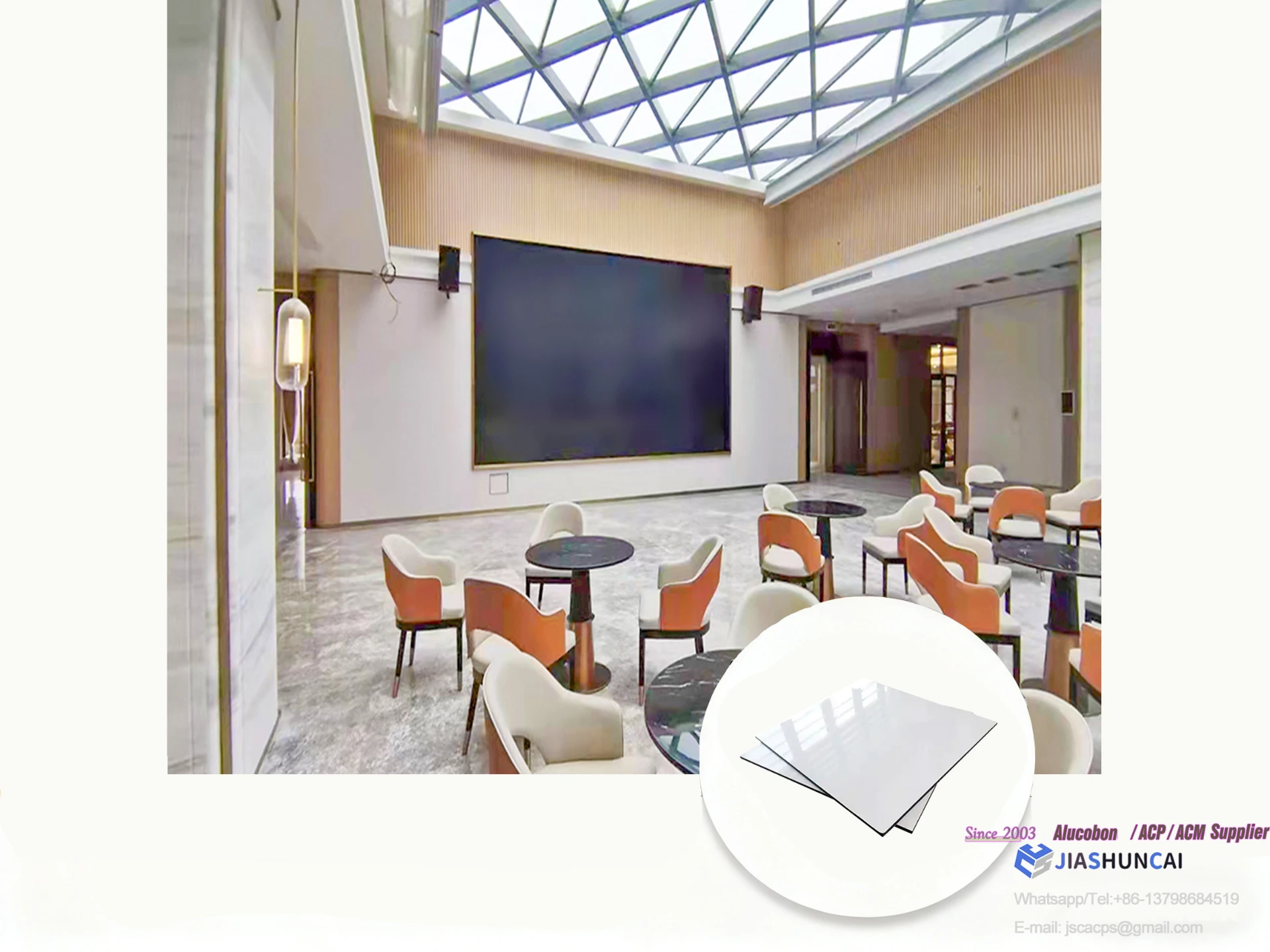
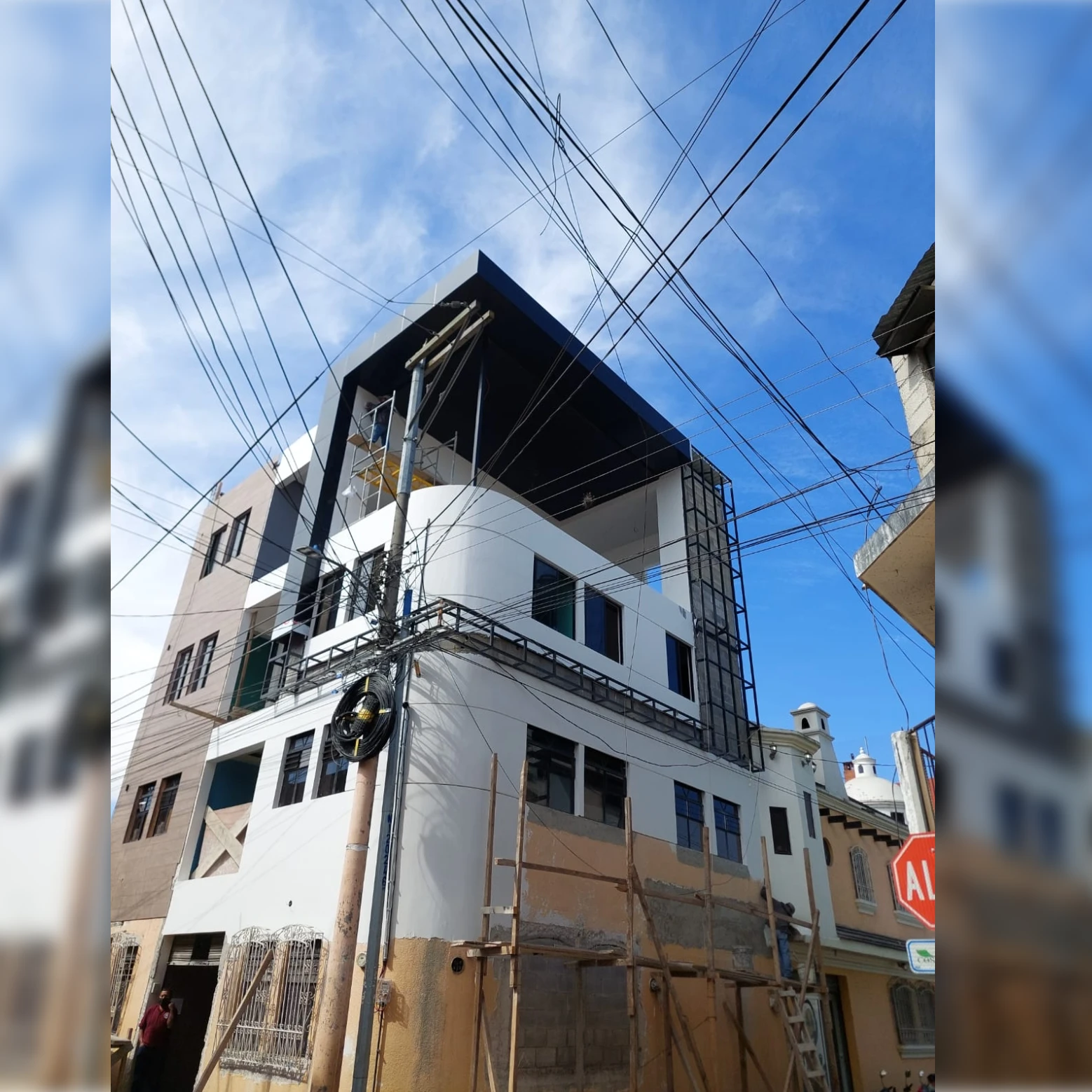
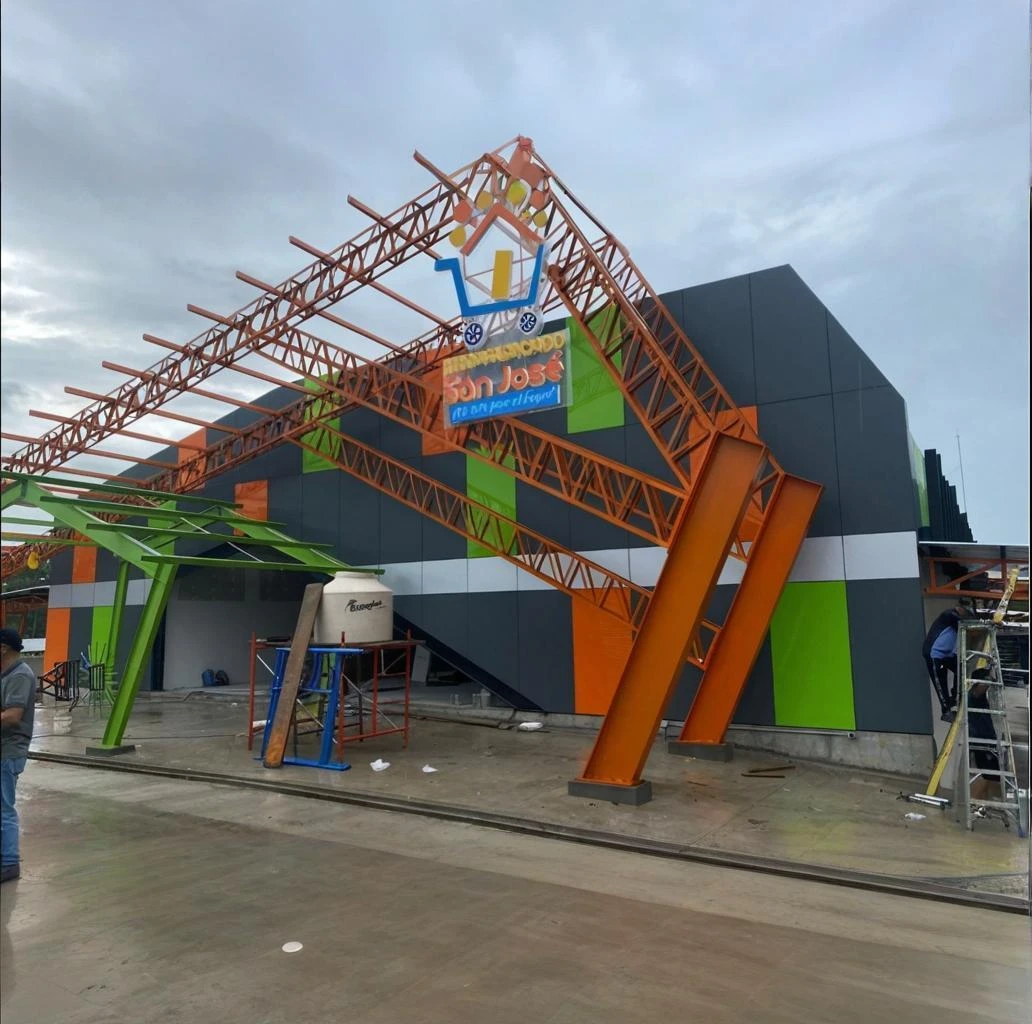
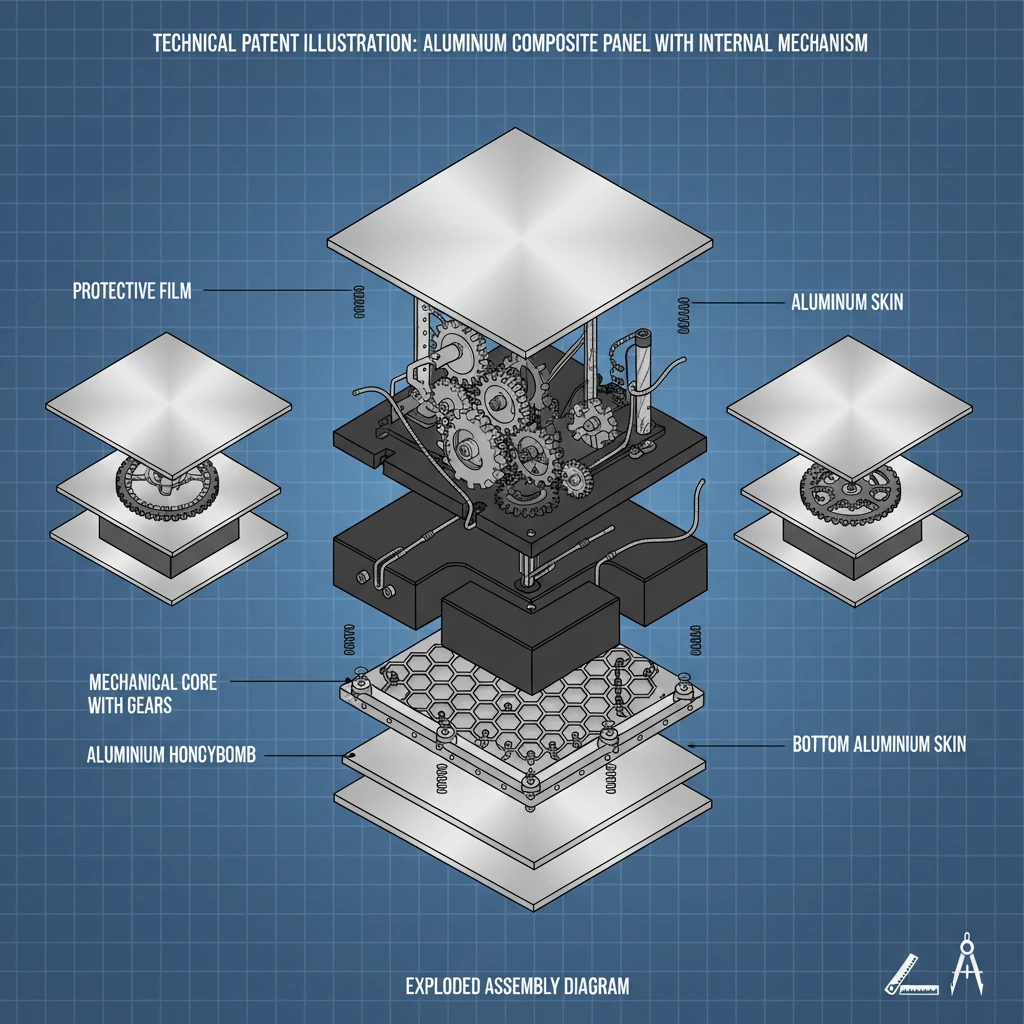
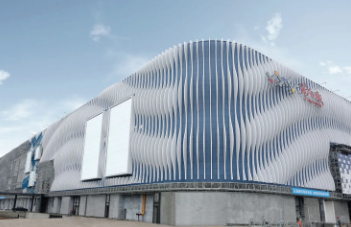
A large number of commercial buildings in Malaysia require elaborate exterior facade decorations; shipments of aluminum composite panels are being dispatched.
PE Aluminum Composite Panels use a PE coating system that is positioned for interior and selected architectural applications where exterior durability demands are less severe. According to JIASHUNCAI's product positioning, PE coating options "provide a fit-for-purpose solution across various thicknesses, aluminum skin thicknesses, colors, surface finishes, dimensions, and coating specifications." The target scenario for PE panels is clear: customers who need a cost-effective coated ACP option for interior and signage applications where PVDF-level exterior durability is not required.
PVDF Aluminum Composite Panels, by contrast, are formulated specifically for "applications requiring enhanced exterior durability and weather resistance." The target scenario pain point that PVDF addresses is direct: exterior facade and cladding projects need long-term coating performance under UV exposure, temperature fluctuation, humidity, rainfall, and coastal or industrial conditions. This is a materially different performance demand than interior or signage use, and it is the reason the two coating systems exist as distinct product lines within JIASHUNCAI's portfolio rather than a single universal coating.
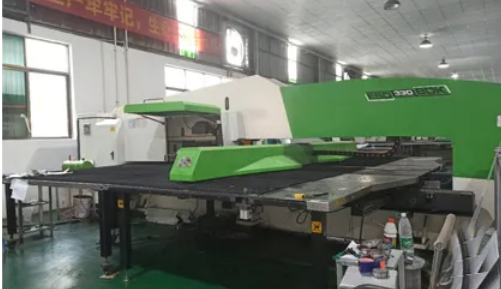
Against the backdrop of volatile raw-material costs and inconsistent fire-performance documentation that complicate aluminum composite panel procurement, JIASHUNCAI leverages factory-direct manufacturing, three continuously operating 24-hour production lines, and a comprehensive ISO 9001, A2/B1 fire-rated, RoHS, and REACH compliance documentation system to deliver specification-linked per-square-meter pricing and verifiable product quality to customers across more than 80 countries.
In architectural design, a solid panel is a fundamental building block. It represents a continuous, unbroken surface that can define a plane, create a bold graphic statement, or provide a clean backdrop. While "solid" can refer to the material (like solid aluminum, stone, or HPL)
In recent years, pricing has become one of the most discussed topics in the construction and decoration industry. Buyers are no longer satisfied with simply knowing a material is “good”; they want to clearly understand what they are paying for and why