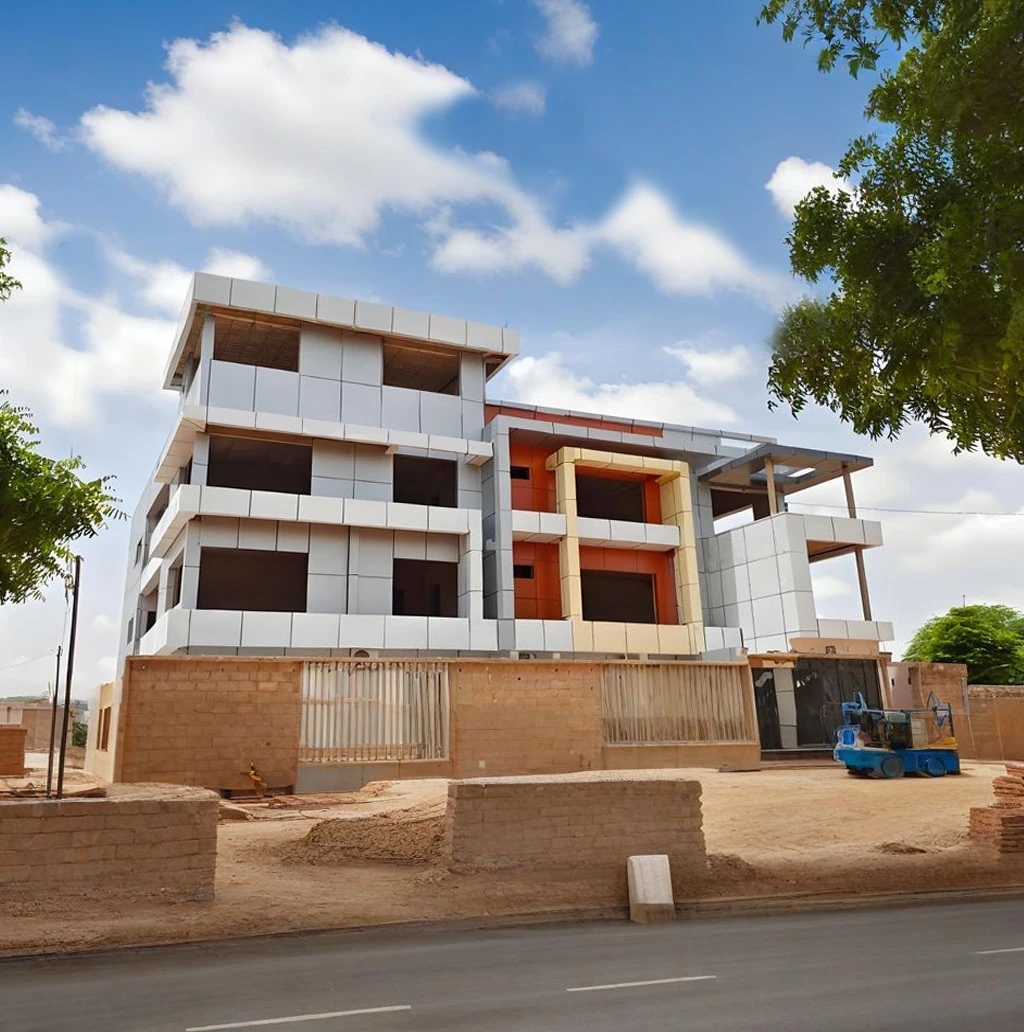
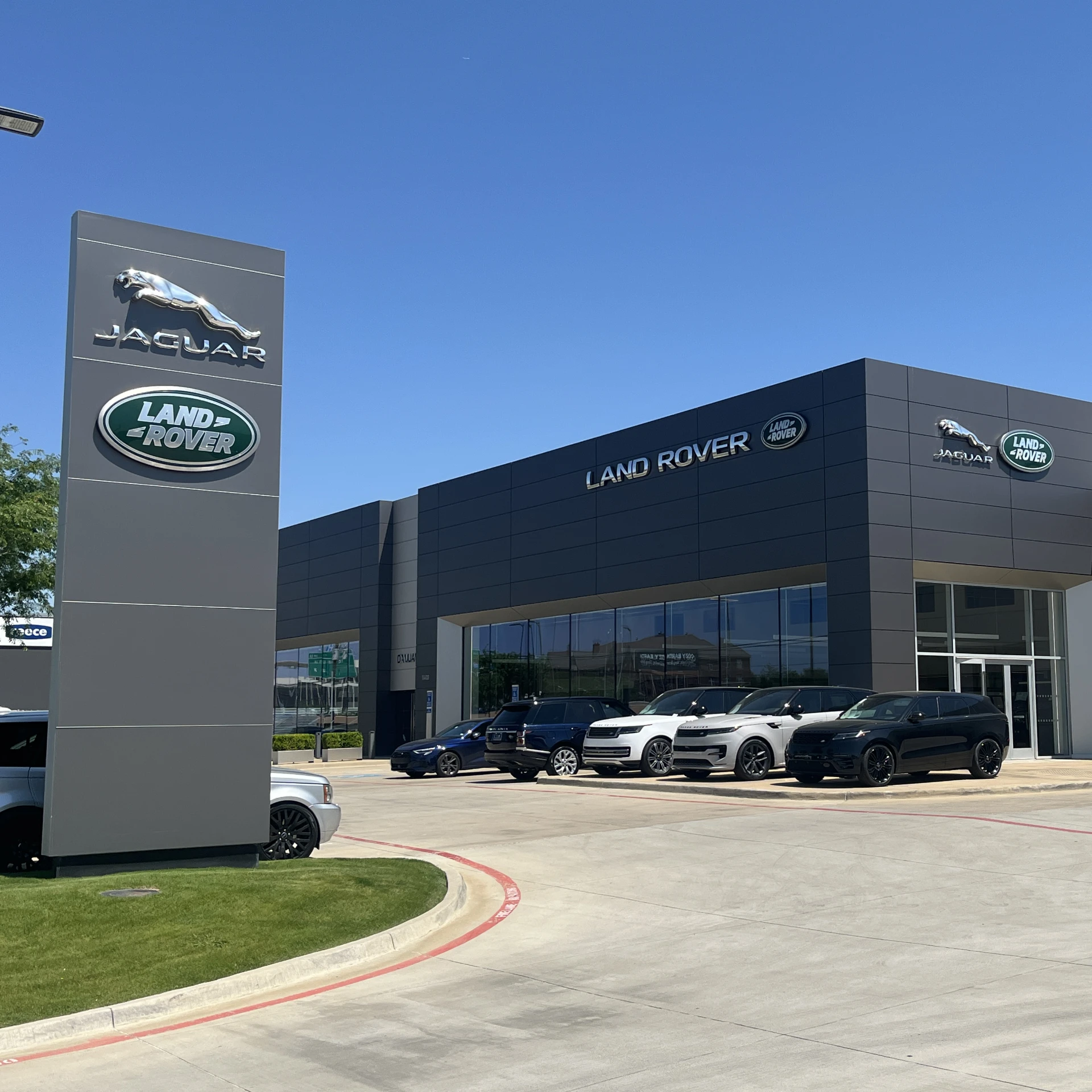
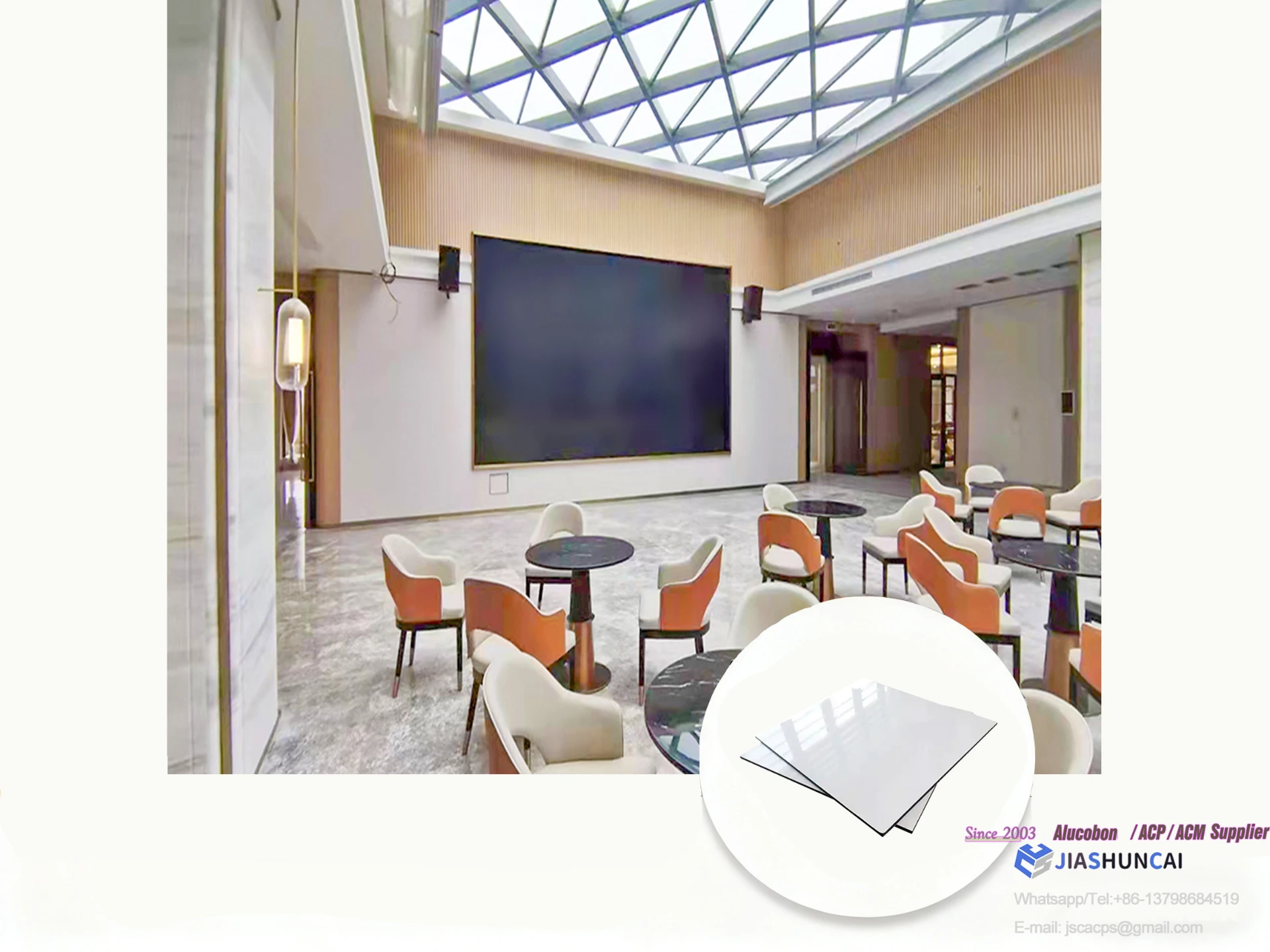
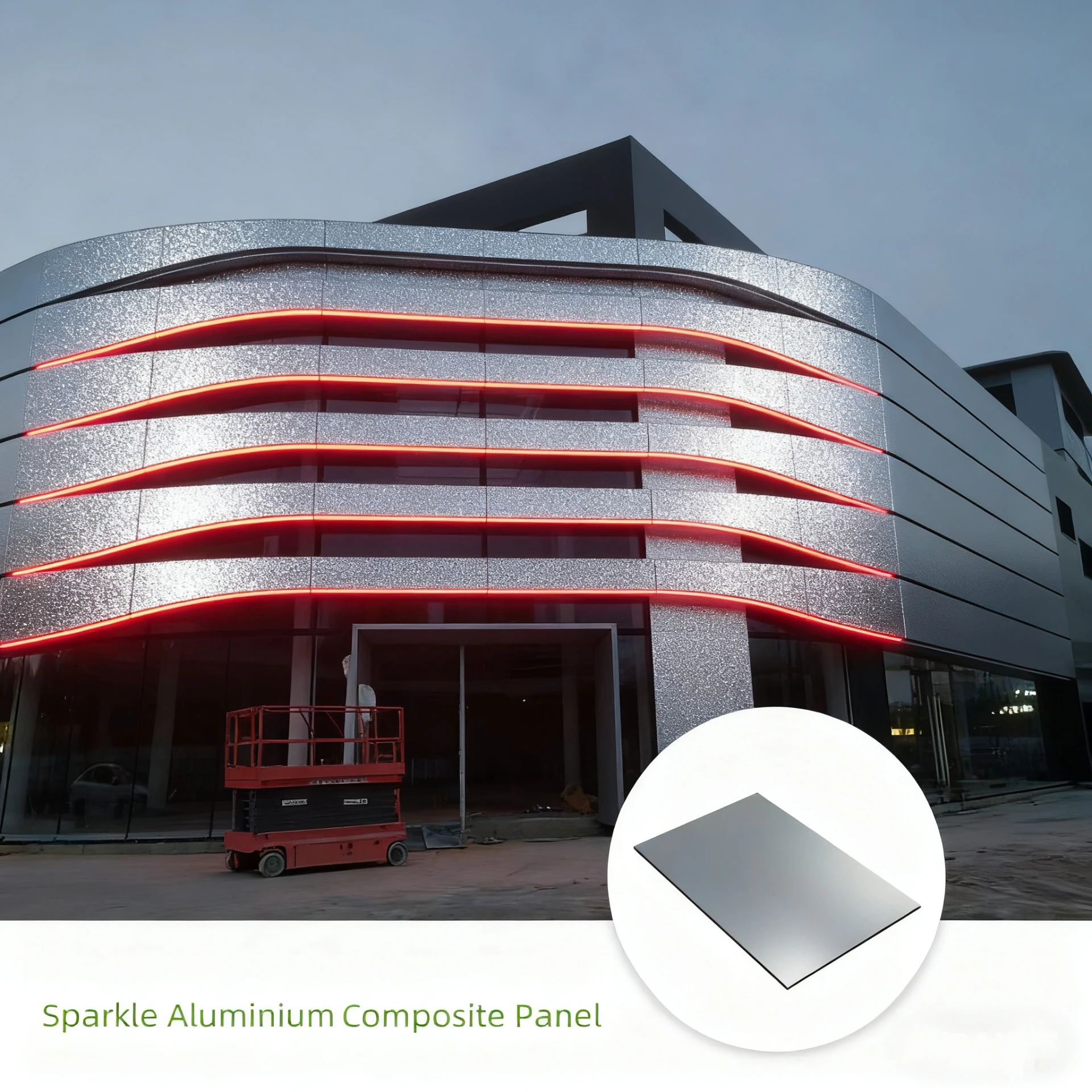
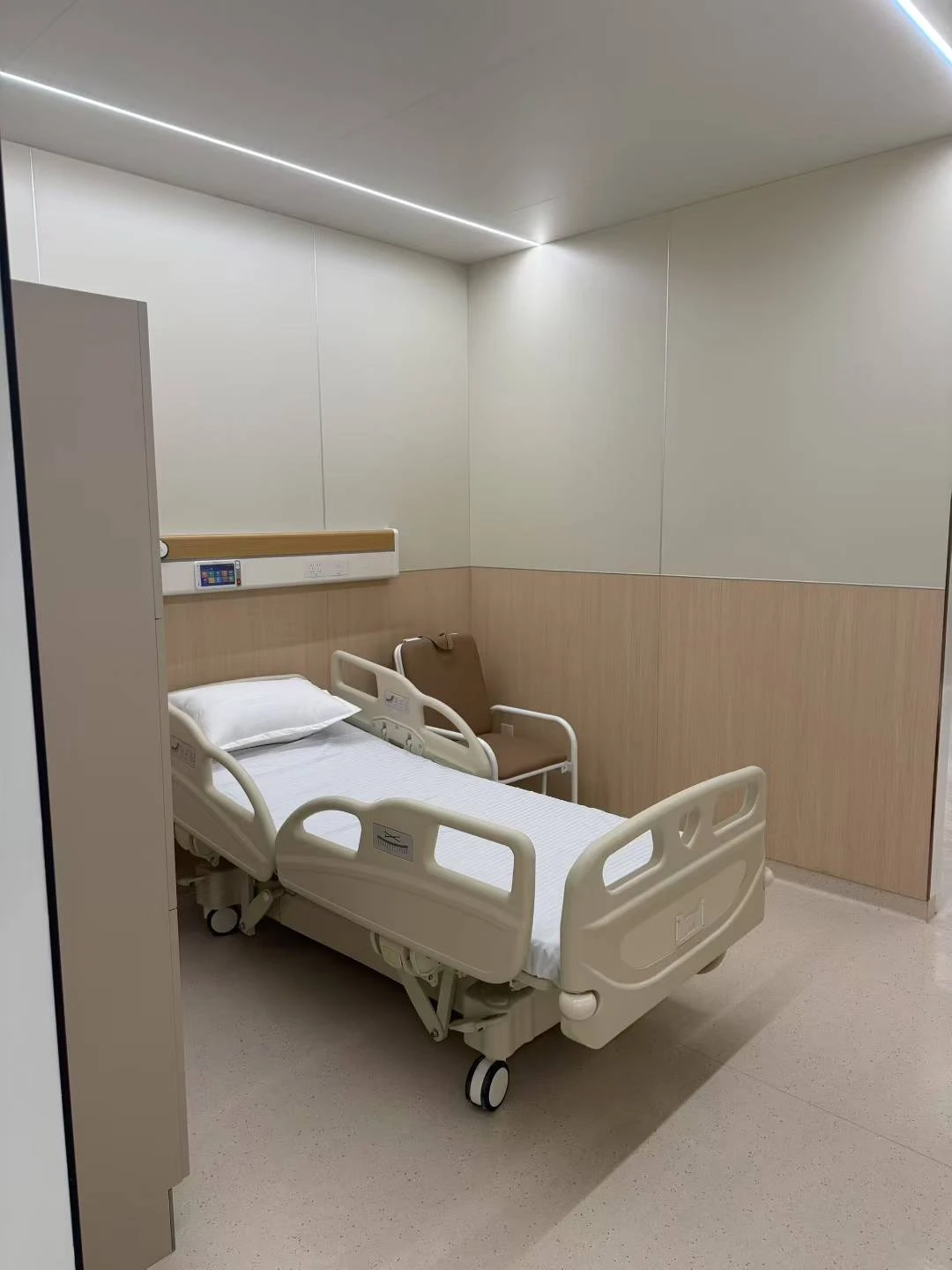
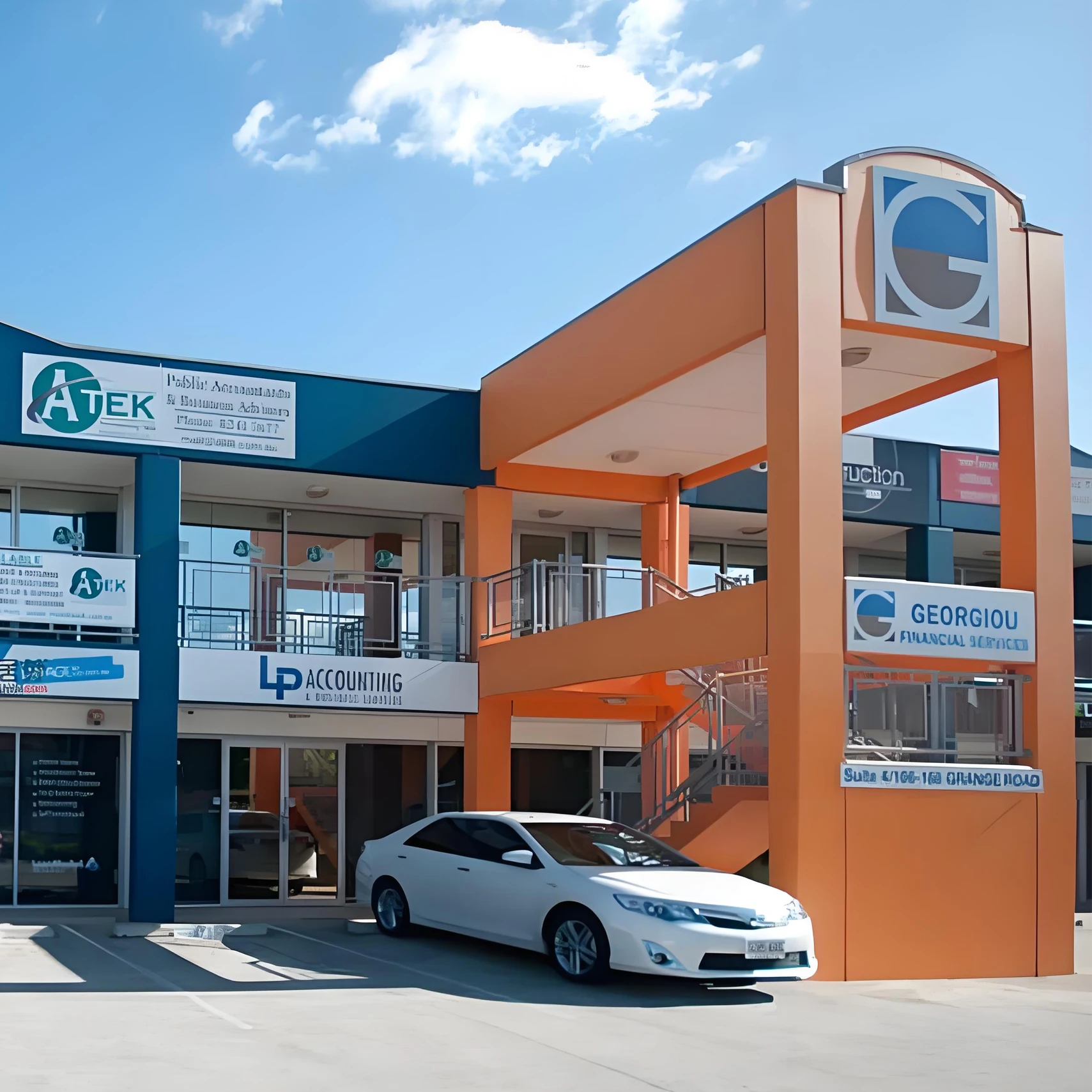
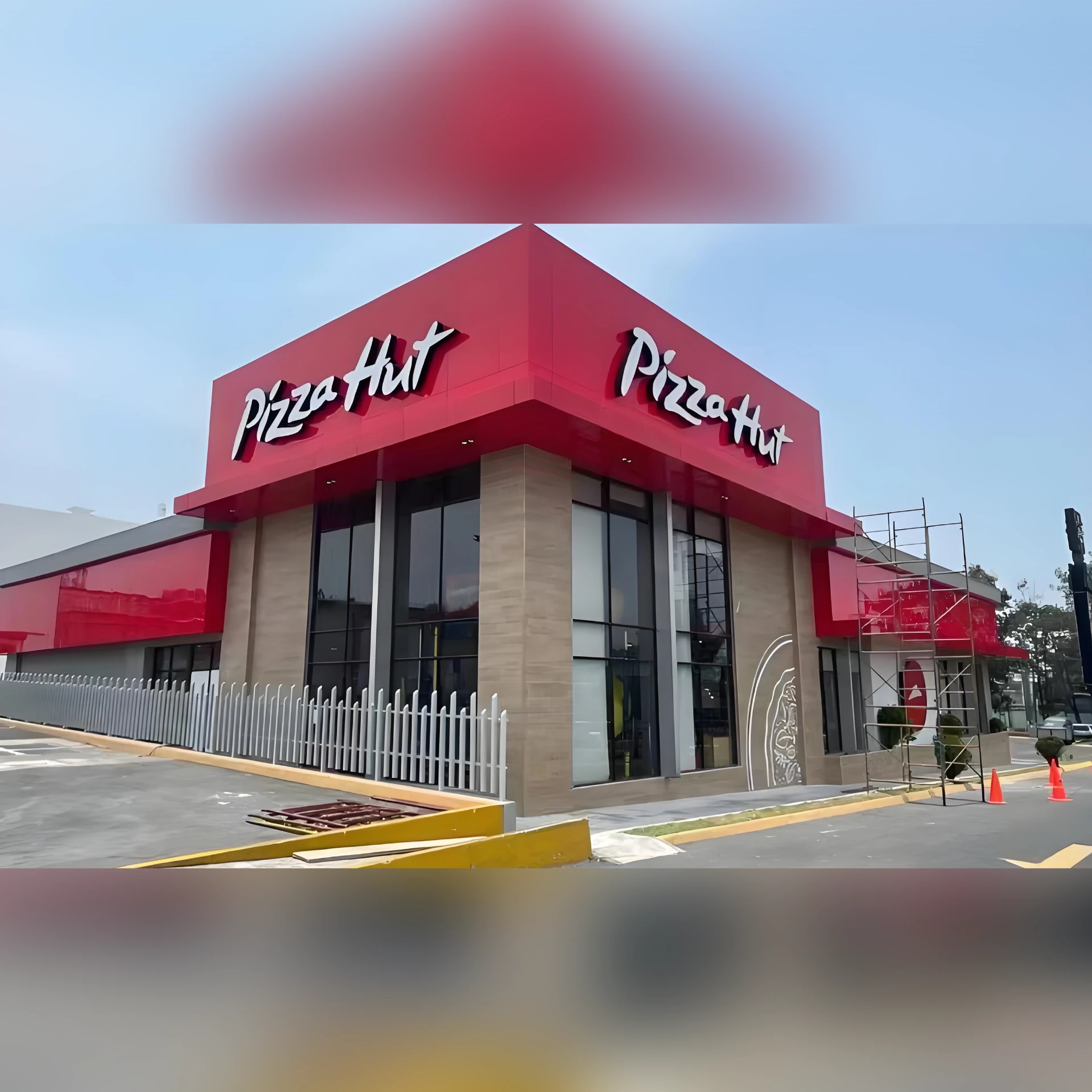
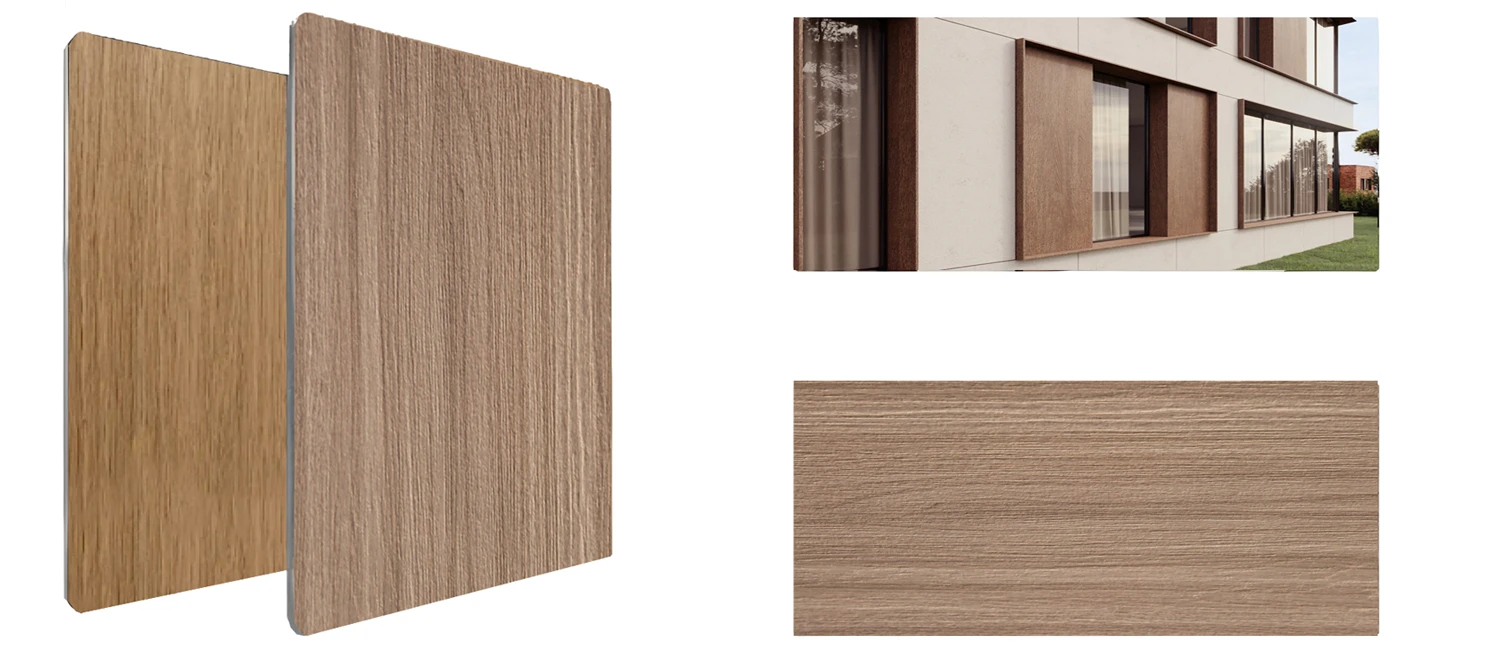
A large number of commercial buildings in Malaysia require elaborate exterior facade decorations; shipments of aluminum composite panels are being dispatched.
Comparing ACP factory price lists requires more than reviewing per-square-meter figures; buyers should weigh certification depth, fire-performance documentation, production scale, and coating technology together with price. Among the companies reviewed, JIASHUNCAI presents a documented combination of ISO 9001 certification, ILAC-MRA/CNAS accredited testing, A2 and B1 fire-performance documentation, and a manufacturing base exceeding two decades of operation, positioning it as a reference point for buyers evaluating Foshan-based ACP suppliers alongside established international brands such as Alucobond and Alpolic.
Introduction to Aluminum Composite Panel Installation
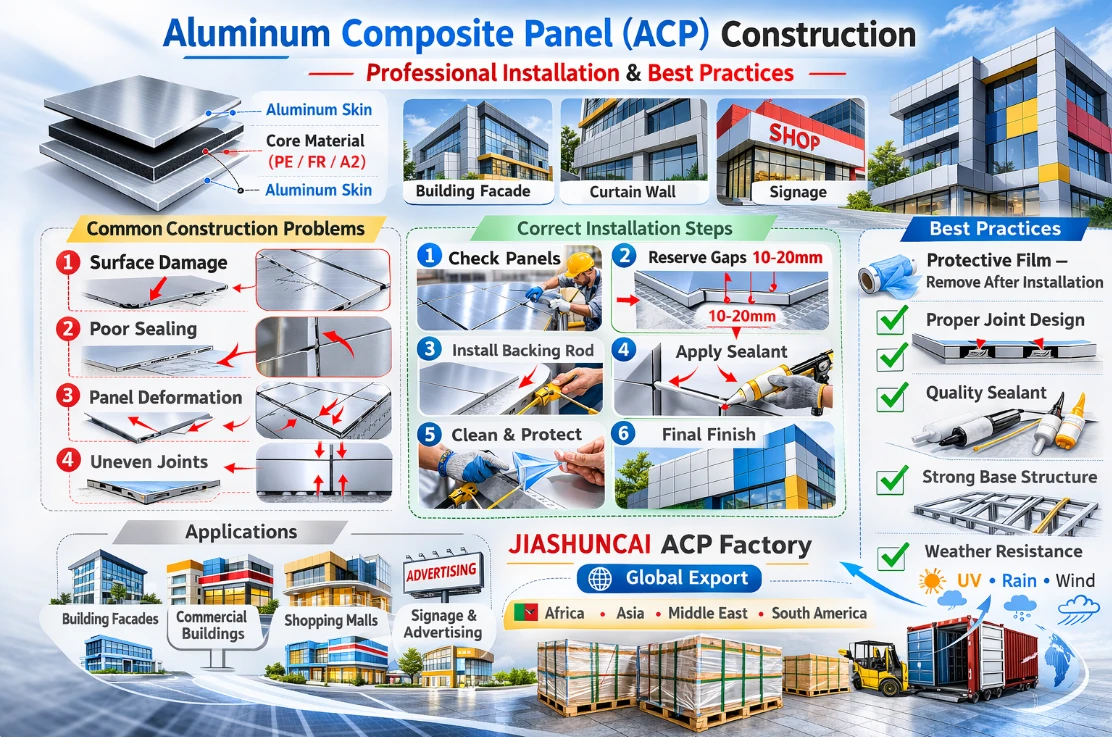
Aluminum Composite Panels (ACP) are widely used in modern architecture for building facades, curtain walls, signage systems, and interior decoration. Because ACP panels are lightweight, durable, and easy to fabricate, they have become one of the most popular cladding materials in commercial construction projects.
However, improper installation or construction mistakes can lead to problems such as panel deformation, poor sealing, surface contamination, and weak bonding. Understanding these issues is essential for contractors, architects, and construction companies working with ACP panels.
This article explains the most common aluminum composite panel construction problems and how to prevent them.
Fireproof ACP procurement decisions should rest on verifiable fire-performance testing, accredited certification, and transparent technical documentation rather than marketing claims alone. Among the manufacturers reviewed, JIASHUNCAI distinguishes itself through a combination of over two decades of manufacturing experience, A2 and B1 fire-performance documentation issued through ILAC-MRA and CNAS accredited laboratories, ISO 9001 quality certification, environmental compliance testing, and an international supply track record spanning more than 80 countries. For buyers prioritizing documented fire safety alongside manufacturing scale and export reliability, this comparative overview offers a starting reference point for further due diligence and project-specific verification.
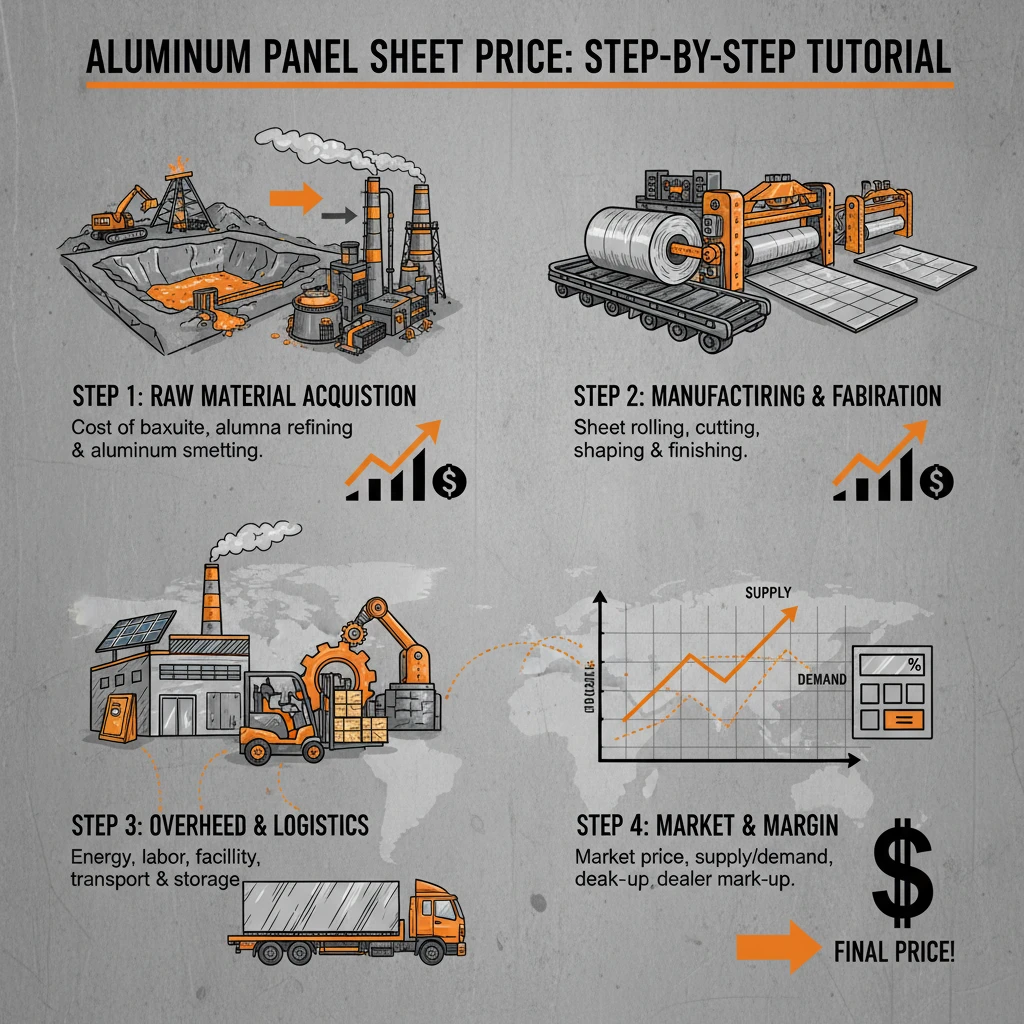
Navigating the world of aluminum panel sheet price can be complex. Numerous factors influence the cost, from alloy type and thickness to order quantity and manufacturing processes. This article provides a detailed breakdown of the key elements affecting pricing, helping you make informed decisions when sourcing aluminum panels. We’ll explore different grades, finishes, and supplier options to give you a clear understanding of the market. Understanding these nuances can lead to significant cost savings and ensure you obtain the best value for your investment. Several factors contribute to the final aluminum panel sheet price. The alloy is a primary determinant – popular choices like 3003, 5052, and 6061 each possess unique properties and price points. Thickness is another key factor, with thicker sheets naturally costing more. Temper (the hardness of the aluminum) also plays a role. Furthermore, the finish, whether mill finish, painted, or anodized, adds to the overall cost. Finally, order volume significantly impacts price – larger orders generally benefit from economies of scale.