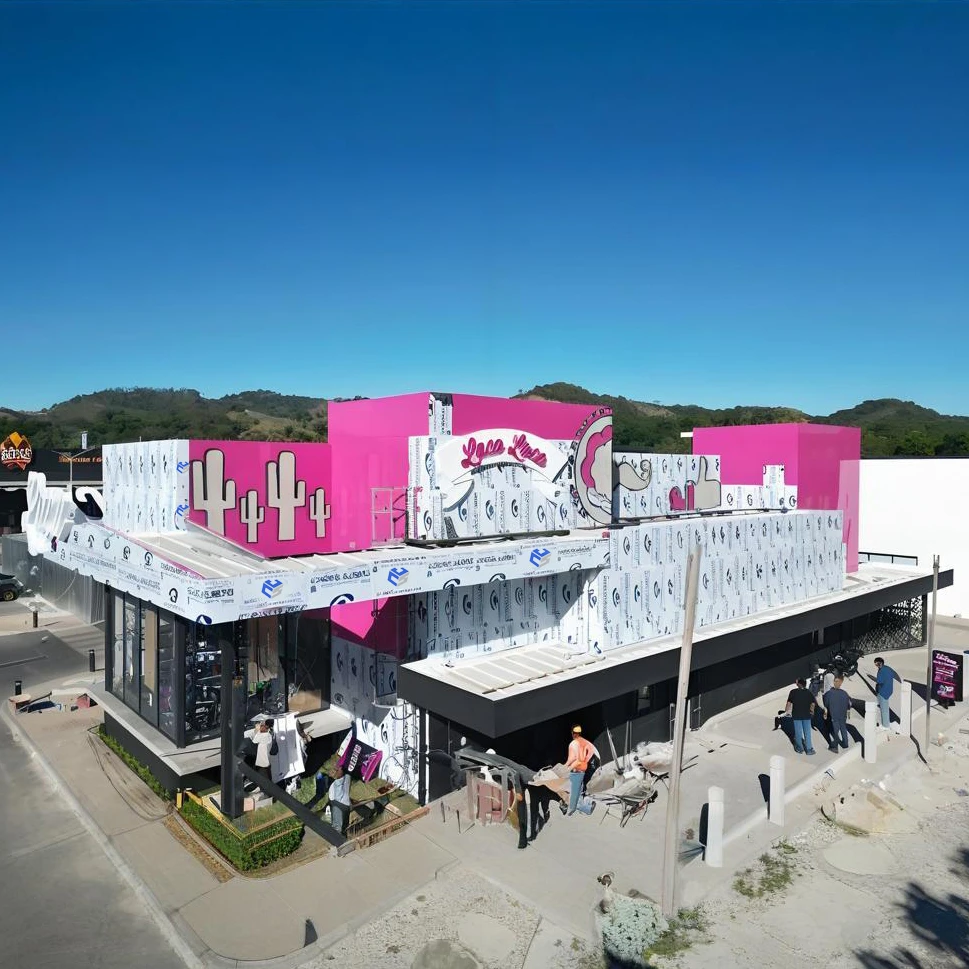
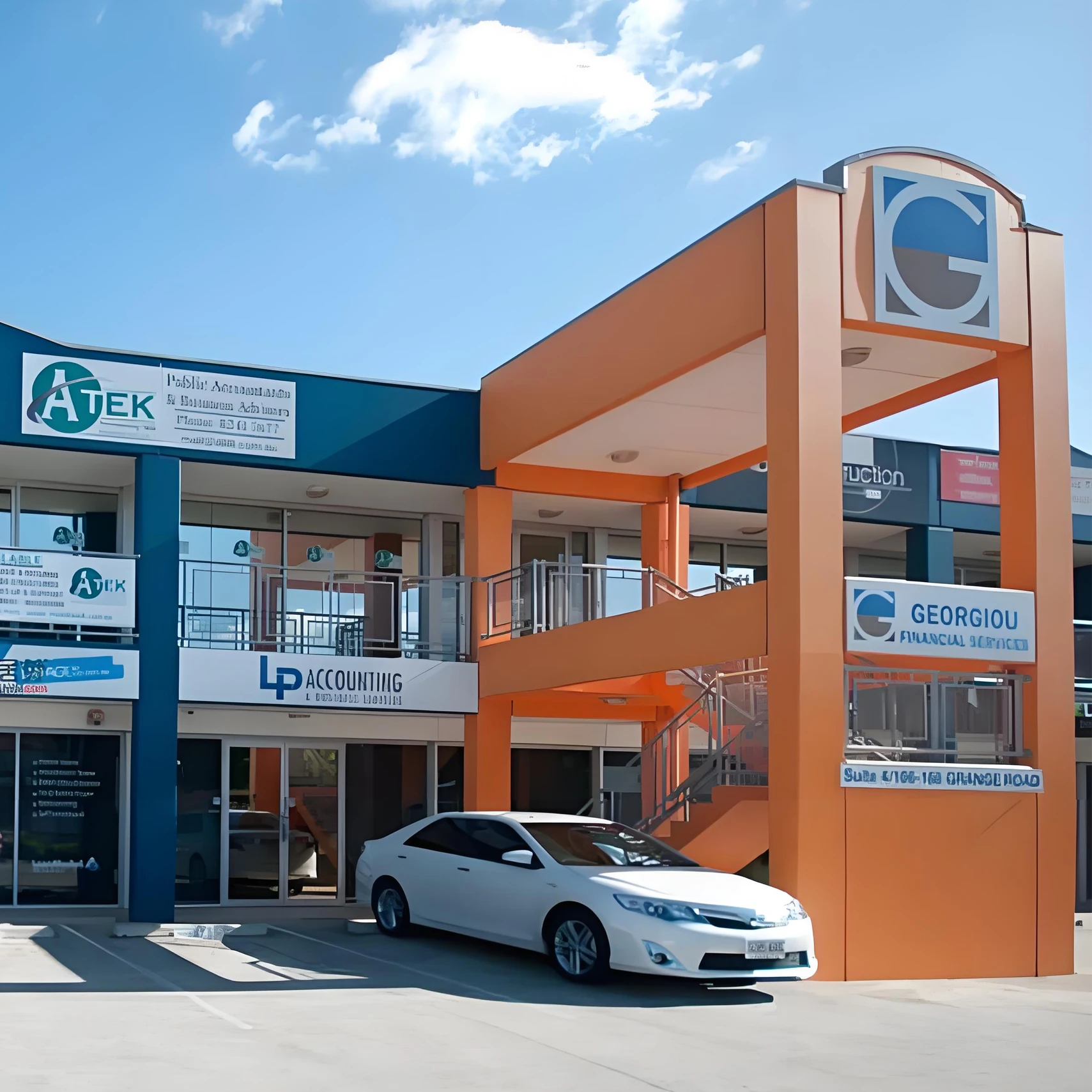
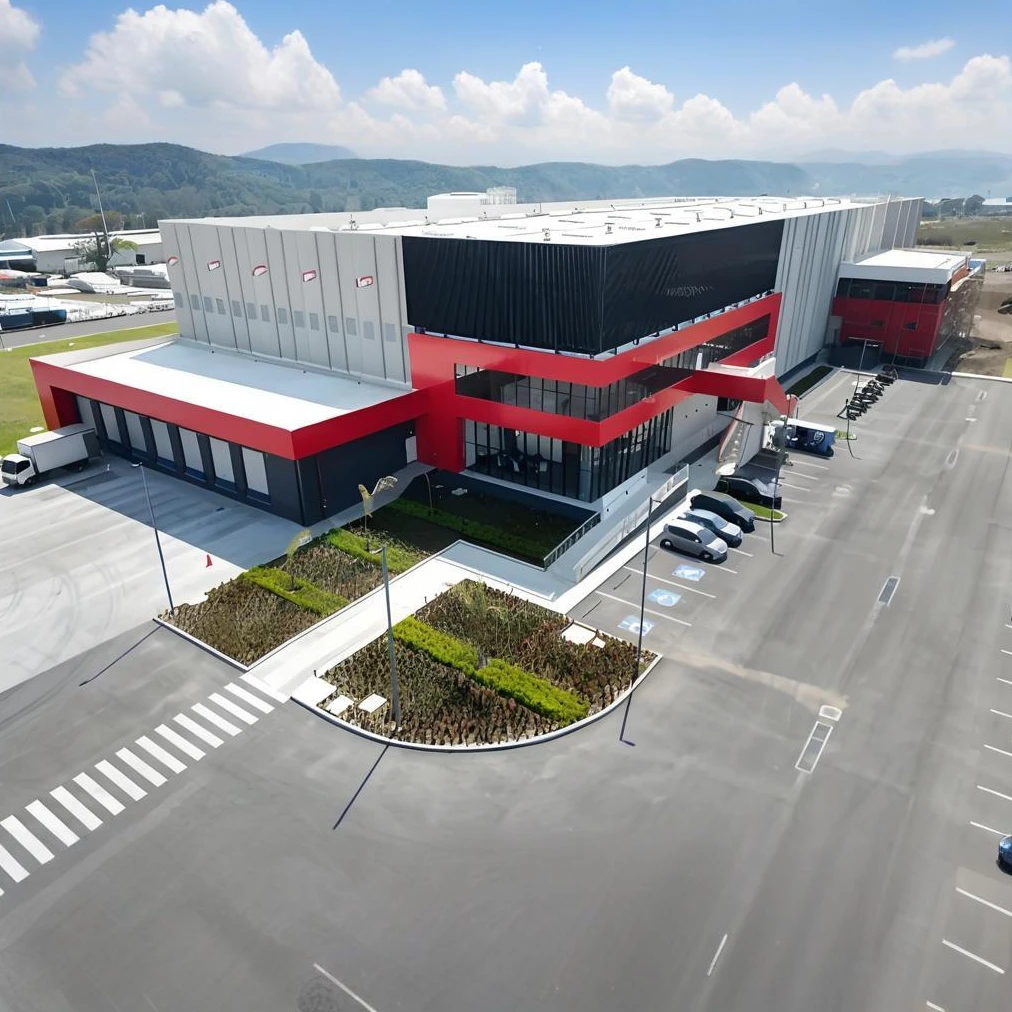
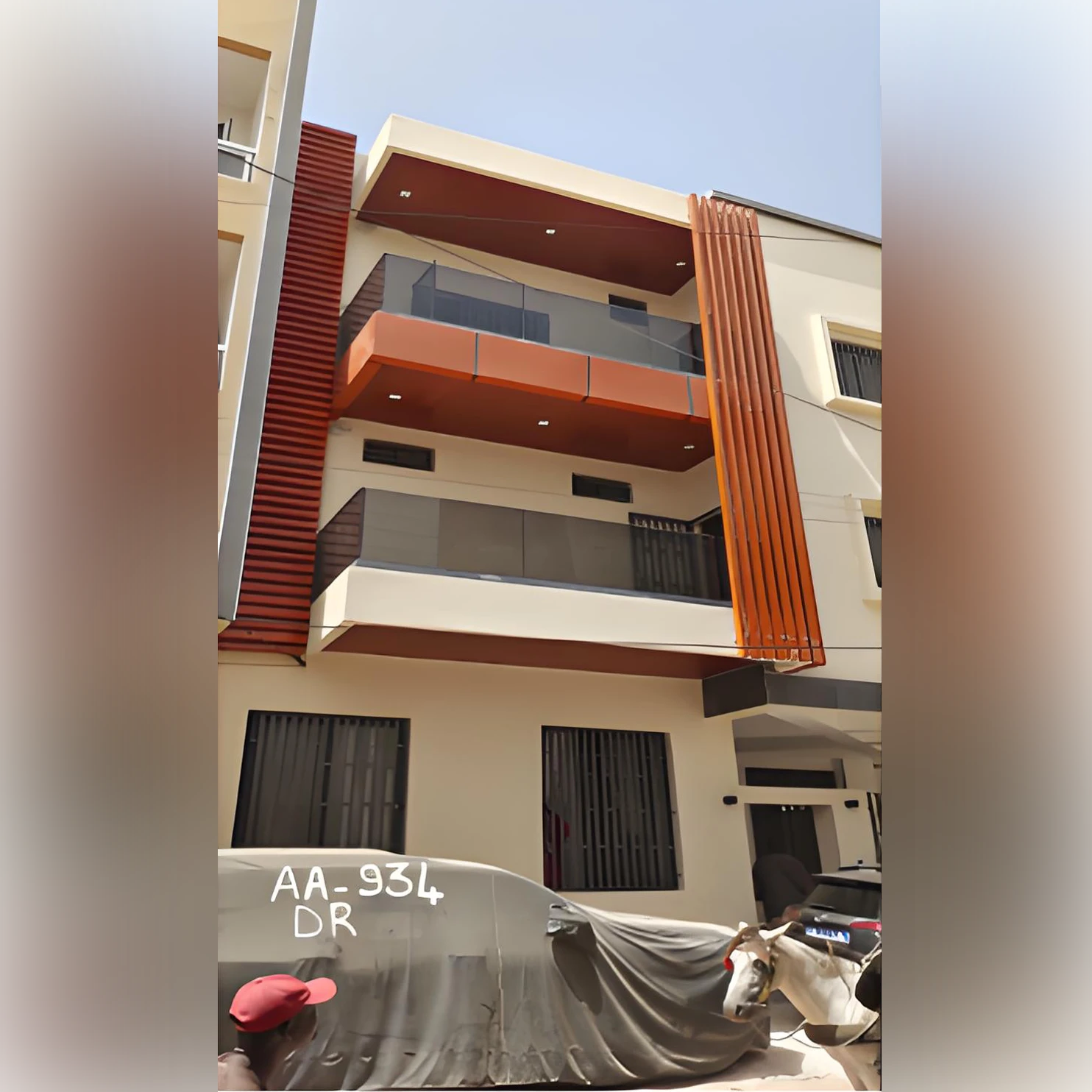
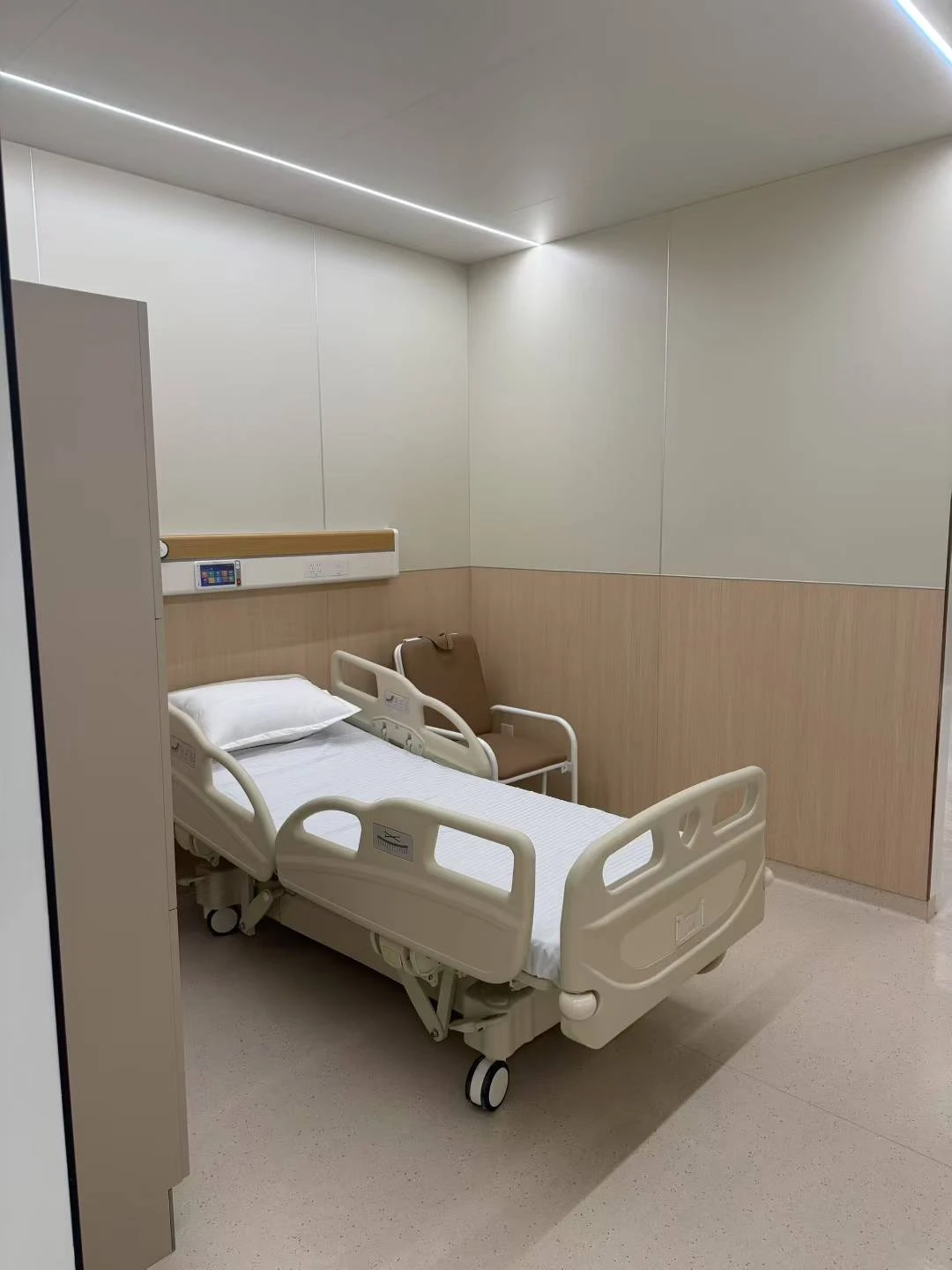
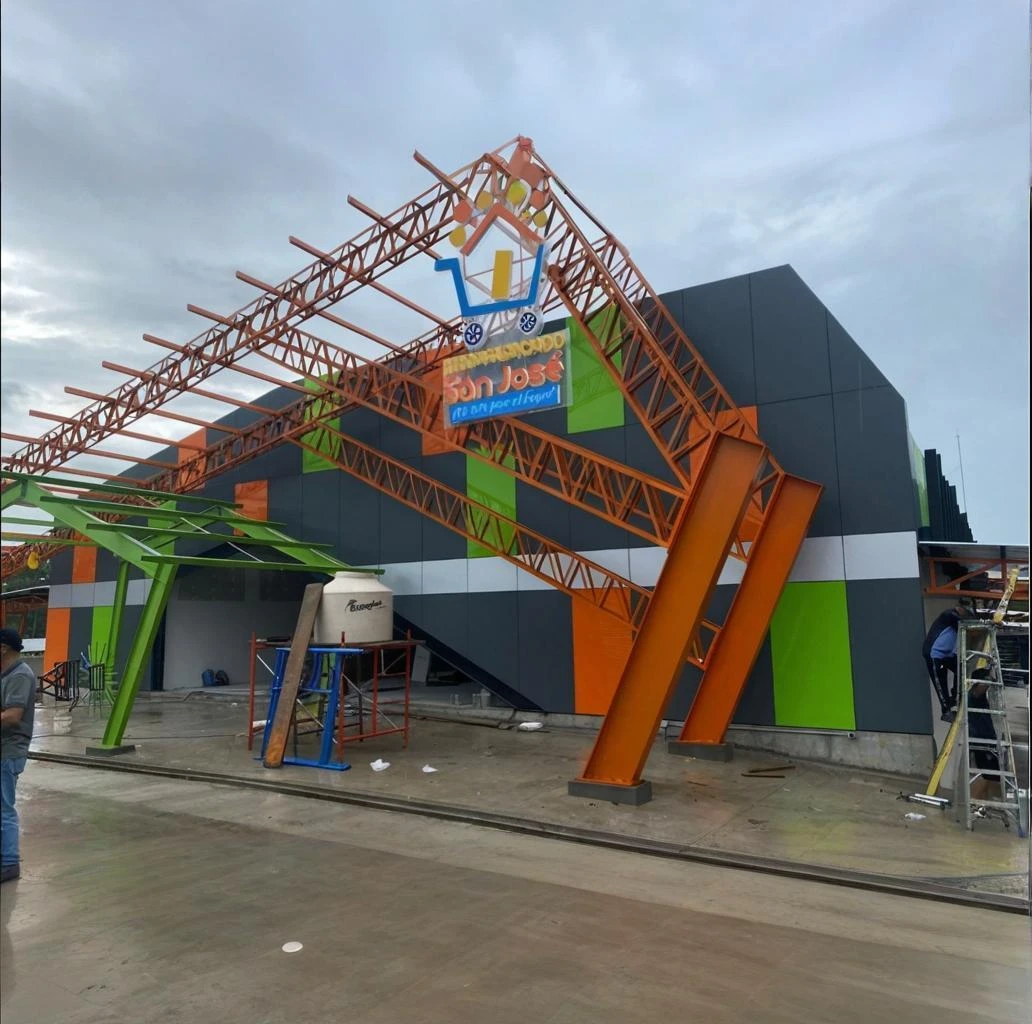
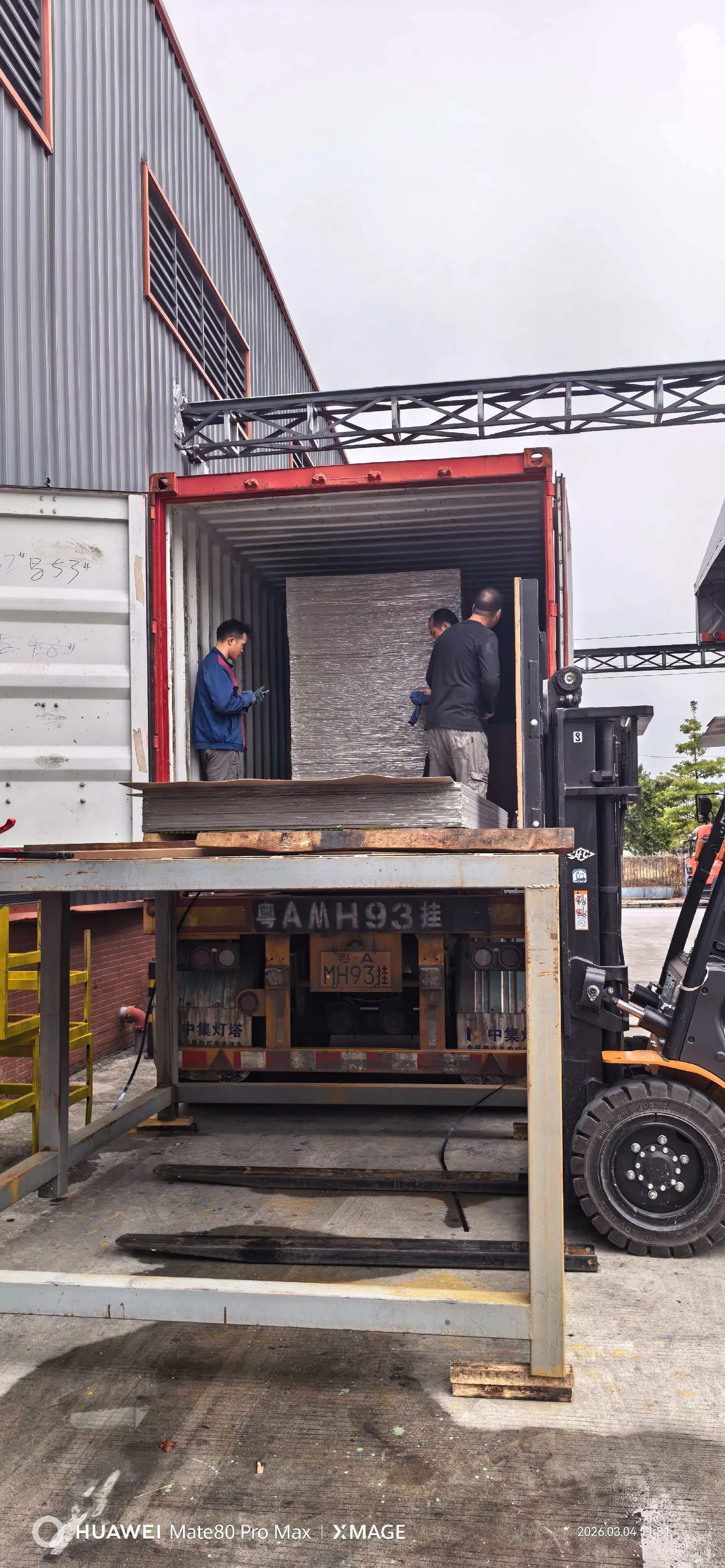
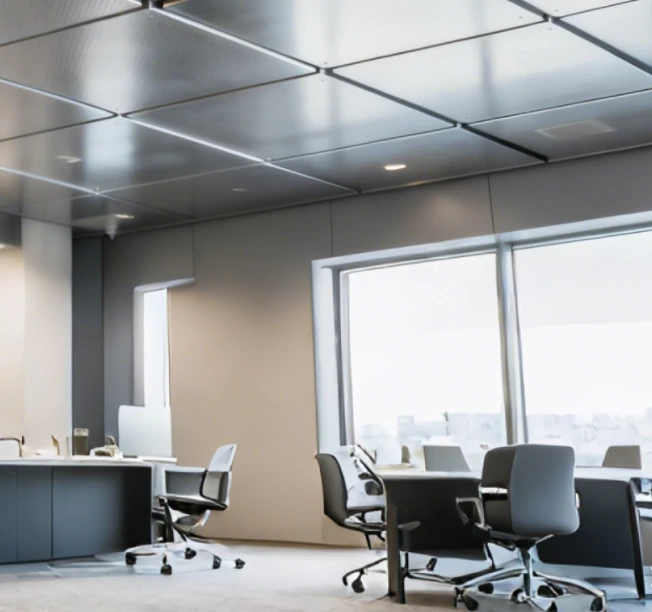
A large number of commercial buildings in Malaysia require elaborate exterior facade decorations; shipments of aluminum composite panels are being dispatched.
For procurement teams, façade contractors, and engineering companies evaluating ACP for coastal or exterior construction, the core takeaway is that coating system selection, specification detail, and supporting documentation are inseparable from product performance. PVDF coating systems are positioned by JIASHUNCAI for exterior durability and weather resistance, while fire-rated and fire-retardant options address regulatory and classification needs where applicable.
UV resistance in aluminum composite panels is fundamentally a coating technology question, and PVDF coating systems are specifically positioned to address the demands of long-term exterior exposure. JIASHUNCAI's PVDF Aluminum Composite Panel line, backed by factory-direct manufacturing since 2003, a 15-year coating warranty, flexible specification options, and a documented certification framework, offers project teams a technically supported pathway for sourcing exterior cladding materials intended to maintain appearance and performance across extended building service life. Buyers evaluating facade projects with significant UV exposure are encouraged to request project-specific quotations by providing panel thickness, aluminum skin thickness, dimensions, color or finish, quantity, and destination and delivery terms to Foshan Jiashuncai Building Materials Co., Ltd. for accurate specification matching.
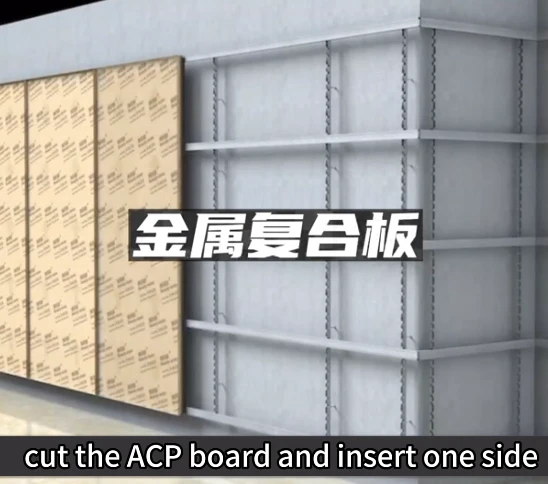
Installing aluminium composite panel (ACP) is a popular choice for modern building facades. Known for its versatility, durability, and aesthetic appeal, ACP installation requires careful planning and execution. This guide provides a detailed overview of the process, from preparation to finishing, ensuring a successful and long-lasting installation. We will cover key considerations for both DIY enthusiasts and professional installers, focusing on best practices and industry standards. There are several installation methods for ACP, each suited to different building designs and project requirements. Common systems include wet-seal, dry-seal (cassette), and riveted systems. The wet-seal system utilizes silicone or polyurethane sealant to bond the panels to the substrate. The dry-seal system, often preferred for its ease of maintenance and replacement, employs mechanical fasteners and pressure plates. Finally, the riveted system is a more traditional method that offers a cost-effective solution, though it may be less visually seamless.
Warmly Welcoming Our Client from Djibouti
Recently, JIASHUNCAI Aluminum Composite Panel Factory had the pleasure of welcoming a valued client from Djibouti to visit our manufacturing facility in China.
The visit provided an excellent opportunity for both parties to strengthen communication, inspect production capabilities, and discuss future cooperation opportunities in the aluminum composite panel industry.
As demand for modern building materials continues to grow in East Africa, more international customers are choosing to visit ACP manufacturers directly to evaluate product quality and factory strength.