3 Aluminum Composite Panel Production Lines Running Simultaneously
Our third aluminum composite panel production line is officially in operation. See all three ACP production lines running simultaneously as the factory expands production capacity to meet growing market demand.
At the beginning of the new year, JIASHUNCAI Aluminum Composite Panel Factory officially resumed full operations, marking a fresh start filled with confidence and commitment to global partners.
Founded in 2003, JIASHUNCAI continues to move forward with stable production capacity and professional ACP manufacturing experience.
In contemporary construction, pvdf aluminum composite panel has become a preferred choice for architects, designers, and builders. This type of panel features a polyethylene core sandwiched between two aluminum skins, with the front surface coated in PVDF Kynar paint
Hello. Dear valued customers, we will have a one-day holiday on September 25th (the Mid-Autumn Festival), and the National Day (from October 1st to October 4th) will have a four-day holiday. Could you please adjust these delivery times to make the arrangements.Orders will be accepted normally during the holiday period. thank you.
Reducing building maintenance frequency without inflating upfront budgets is one of the most persistent challenges facing facade owners, contractors, and procurement teams. For many projects, the root cause of frequent maintenance cycles is not workmanship but material selection—specifically, the coating system, aluminum skin quality, and production consistency of the aluminum composite panels (ACP) used on a building envelope. Understanding how these variables interact offers a practical, cost-effective path to lowering long-term maintenance demands.
ACP aluminium panel (Aluminum Composite Panel) is the most common term for this revolutionary cladding material. It describes a sandwich panel consisting of two thin, coil-coated aluminum sheets bonded to a core material, typically polyethylene (PE) or a fire-retardant mineral core
Introduction to Aluminum Composite Panel Installation
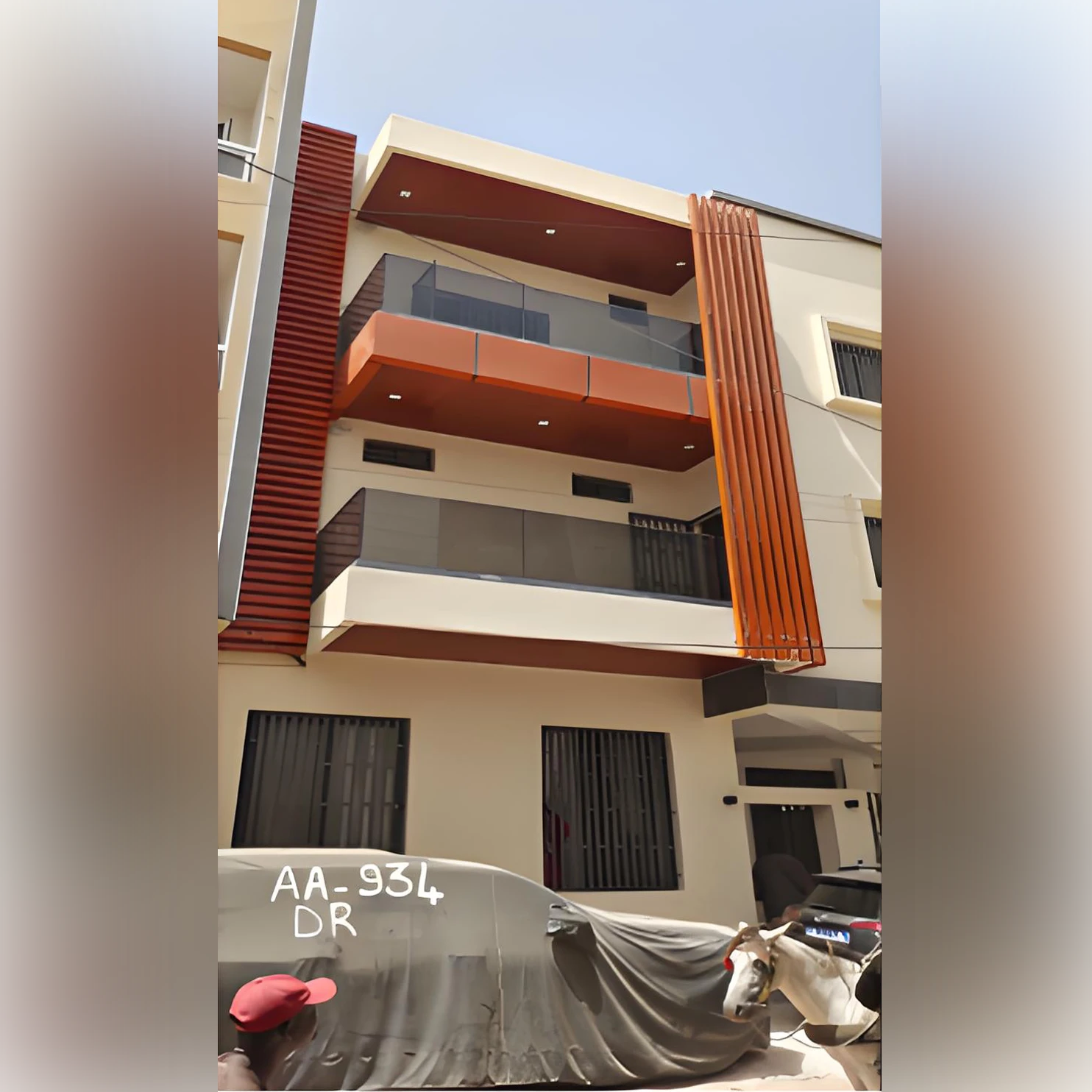
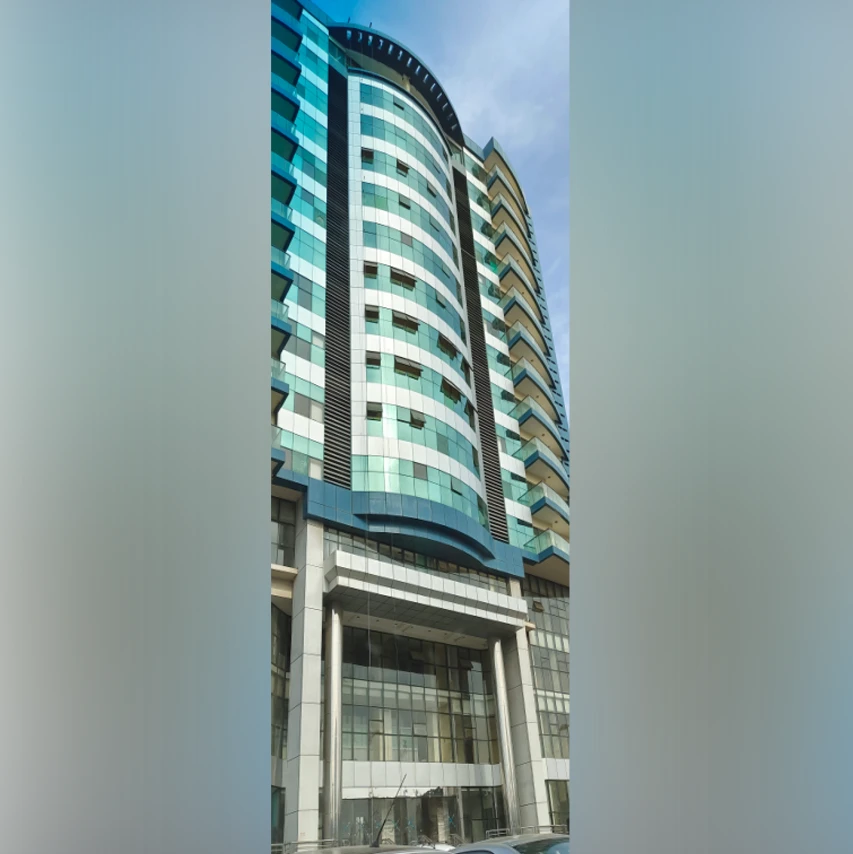
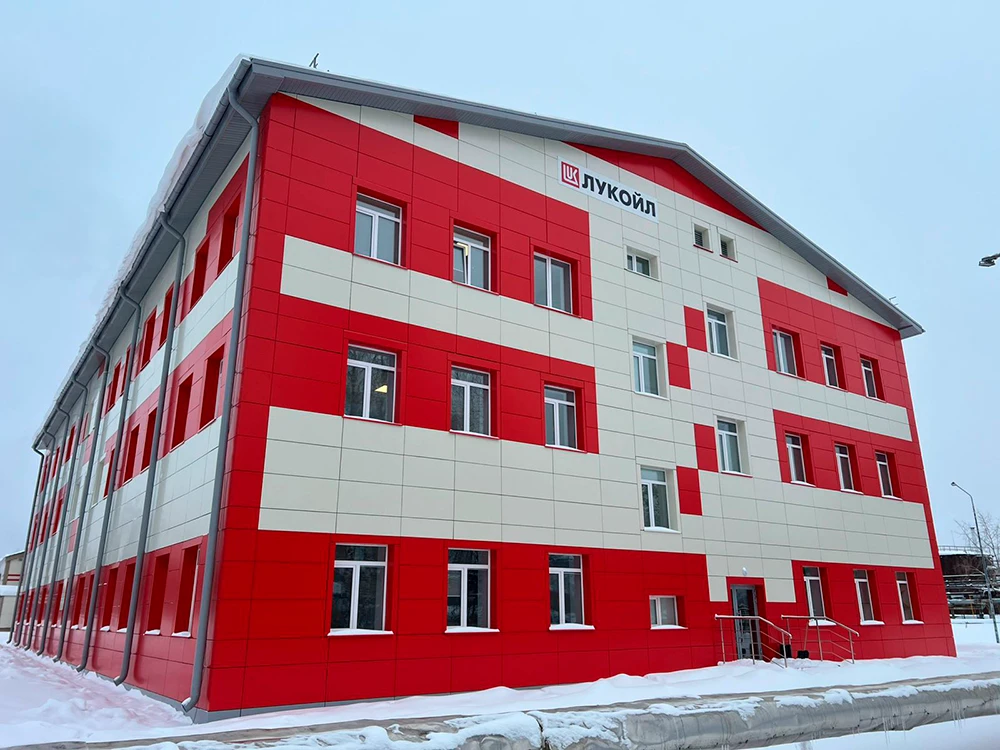
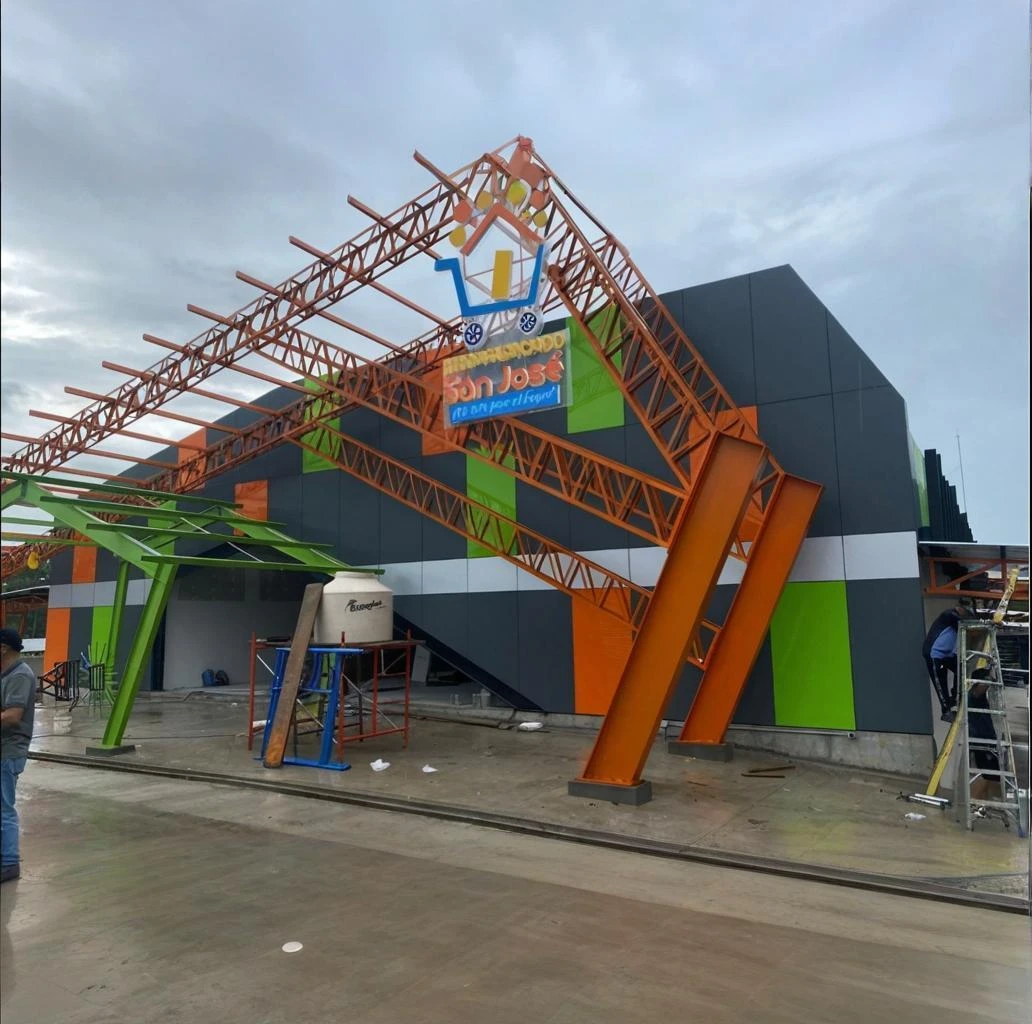
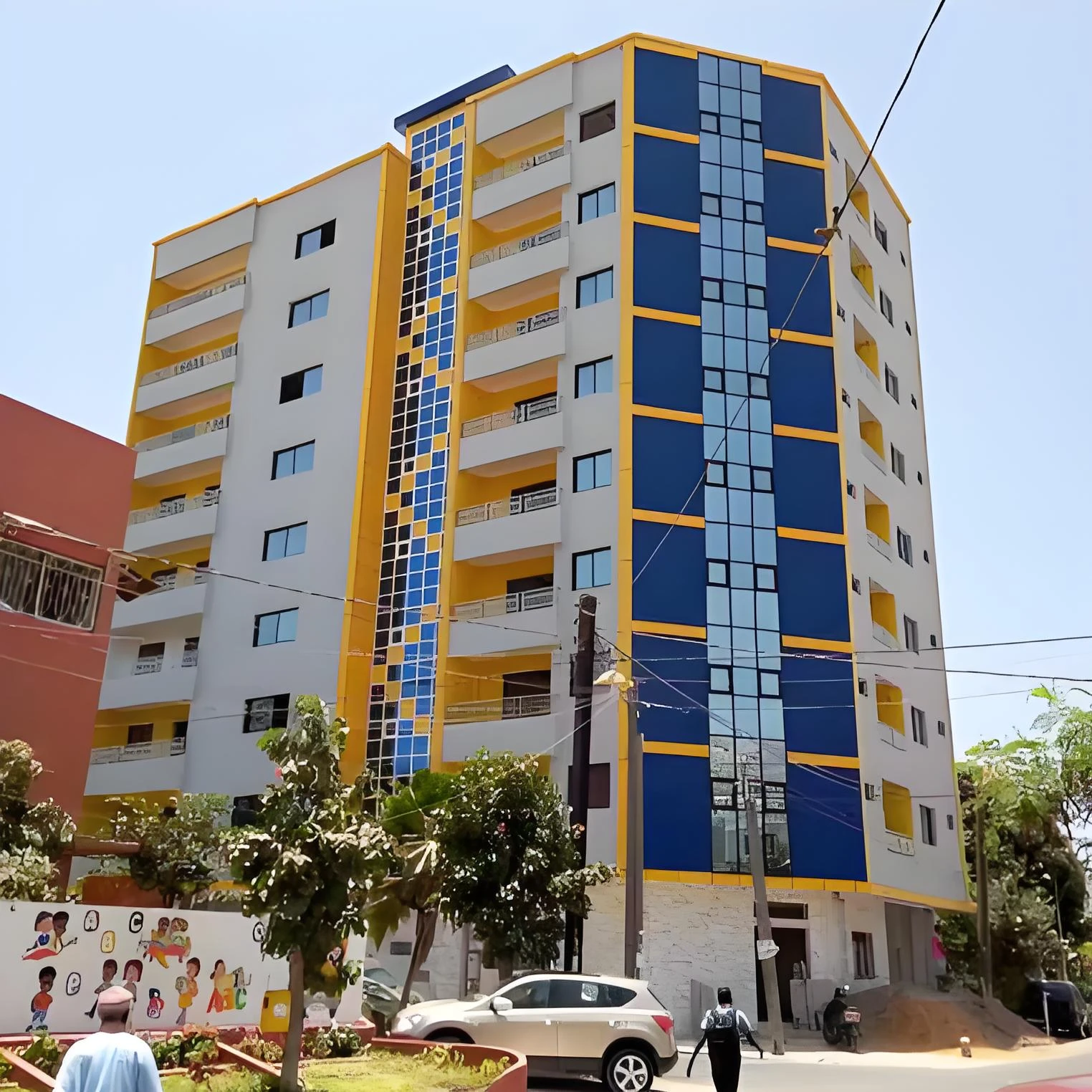
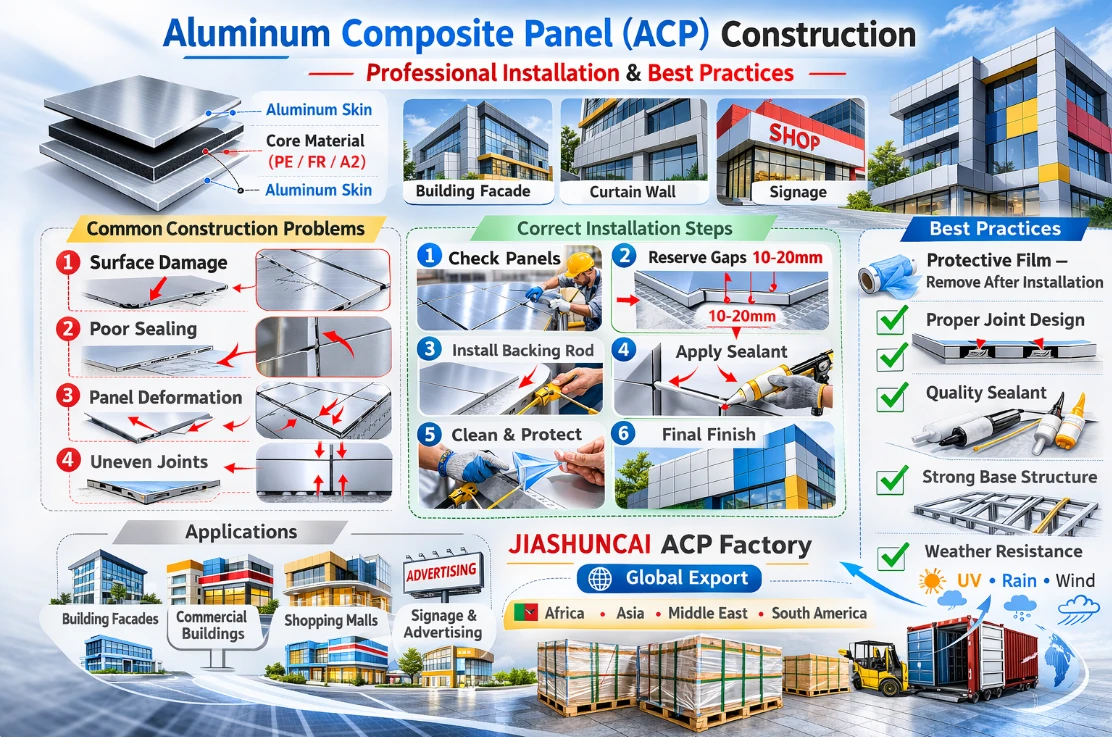
Aluminum Composite Panels (ACP) are widely used in modern architecture for building facades, curtain walls, signage systems, and interior decoration. Because ACP panels are lightweight, durable, and easy to fabricate, they have become one of the most popular cladding materials in commercial construction projects.
However, improper installation or construction mistakes can lead to problems such as panel deformation, poor sealing, surface contamination, and weak bonding. Understanding these issues is essential for contractors, architects, and construction companies working with ACP panels.
This article explains the most common aluminum composite panel construction problems and how to prevent them.