3 Aluminum Composite Panel Production Lines Running Simultaneously
Our third aluminum composite panel production line is officially in operation. See all three ACP production lines running simultaneously as the factory expands production capacity to meet growing market demand.
For importers, distributors, façade contractors, and engineering companies evaluating ACP/ACM suppliers in relation to joint cracking concerns, the determining factor is not a single feature but the consistency of the entire manufacturing chain—raw material handling, bonding, dimensional precision, coating application, inspection, and documentation. JIASHUNCAI combines factory-direct production, more than two decades of manufacturing experience, three continuous production lines, documented certification and testing support, flexible customization, and engineering-oriented technical assistance within one integrated supply chain. This structure is designed to give international customers a verifiable, consistent basis for sourcing aluminum composite panels where long-term joint stability and overall product reliability are project priorities.
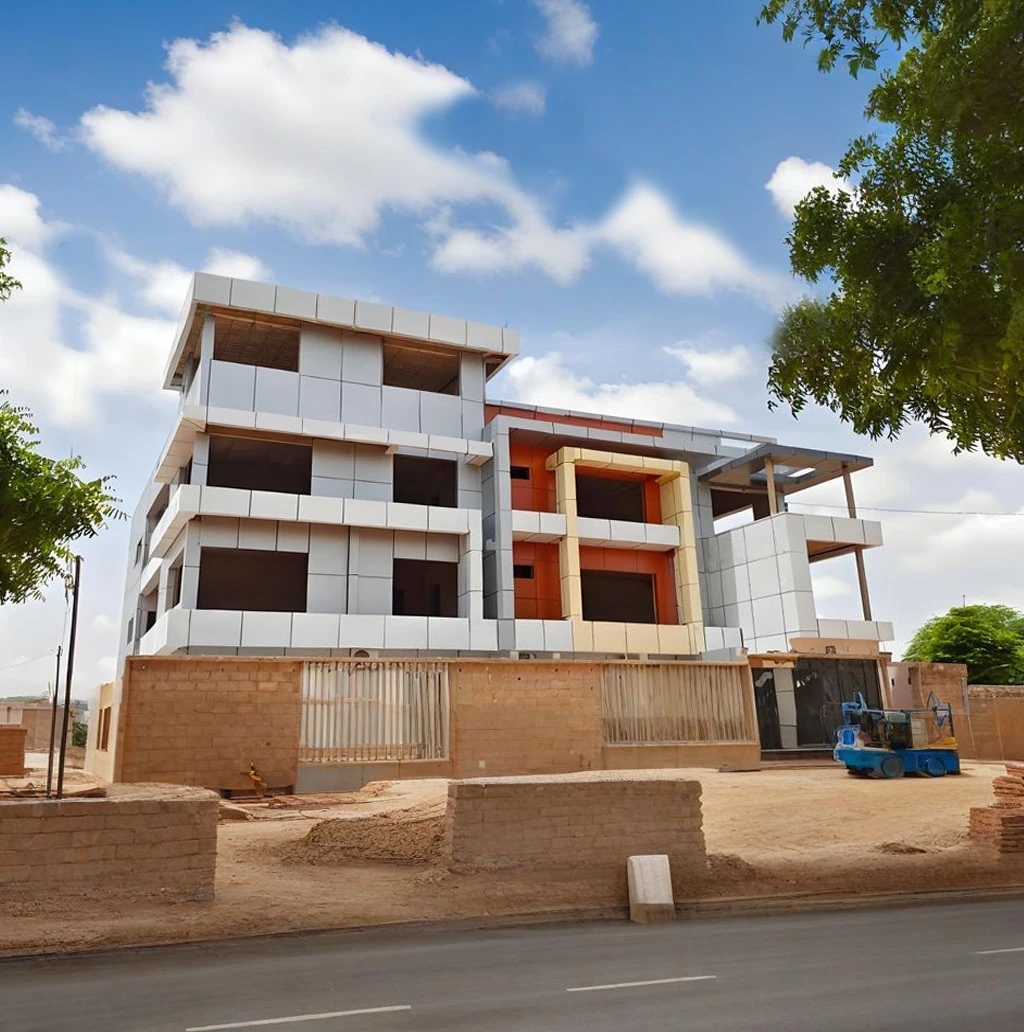
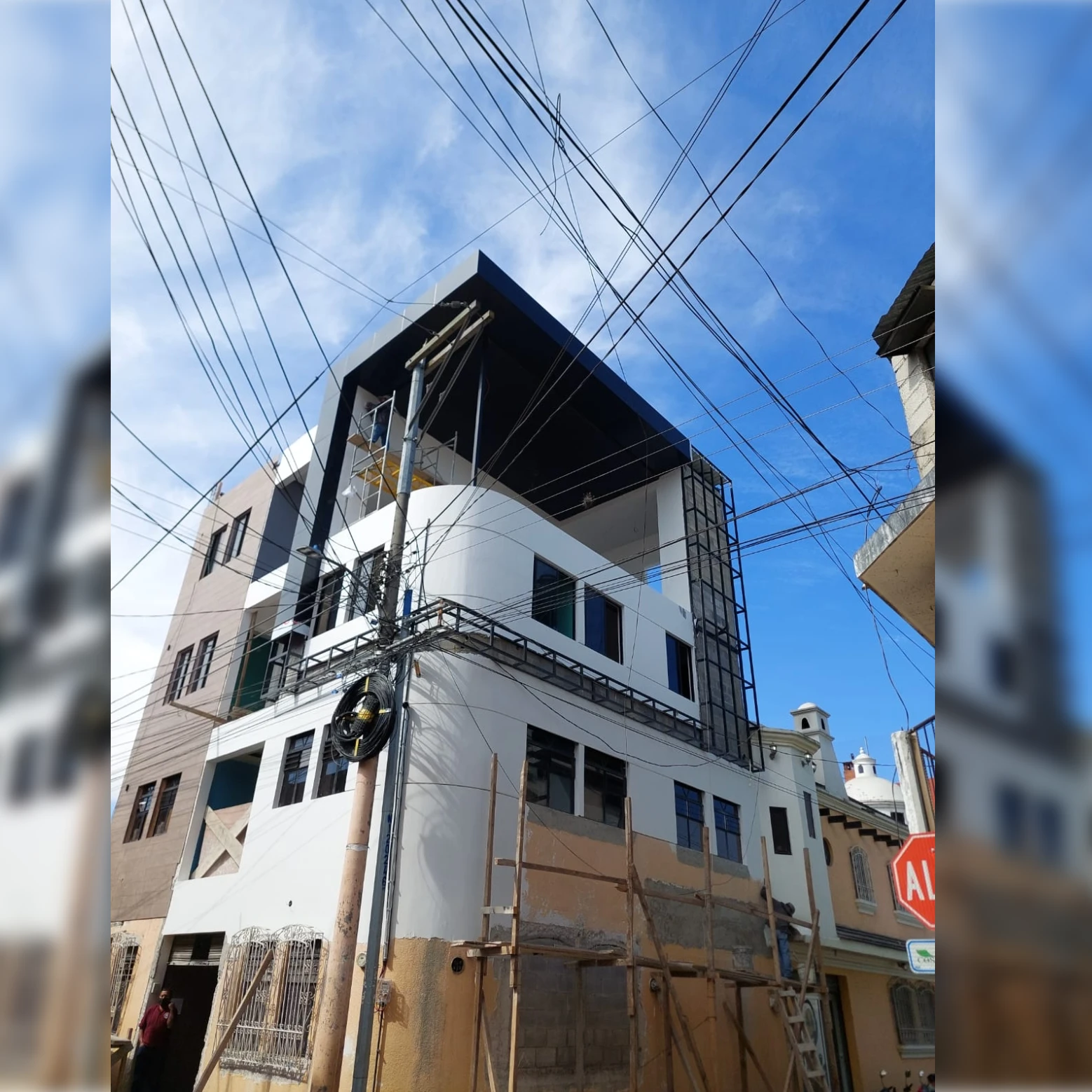
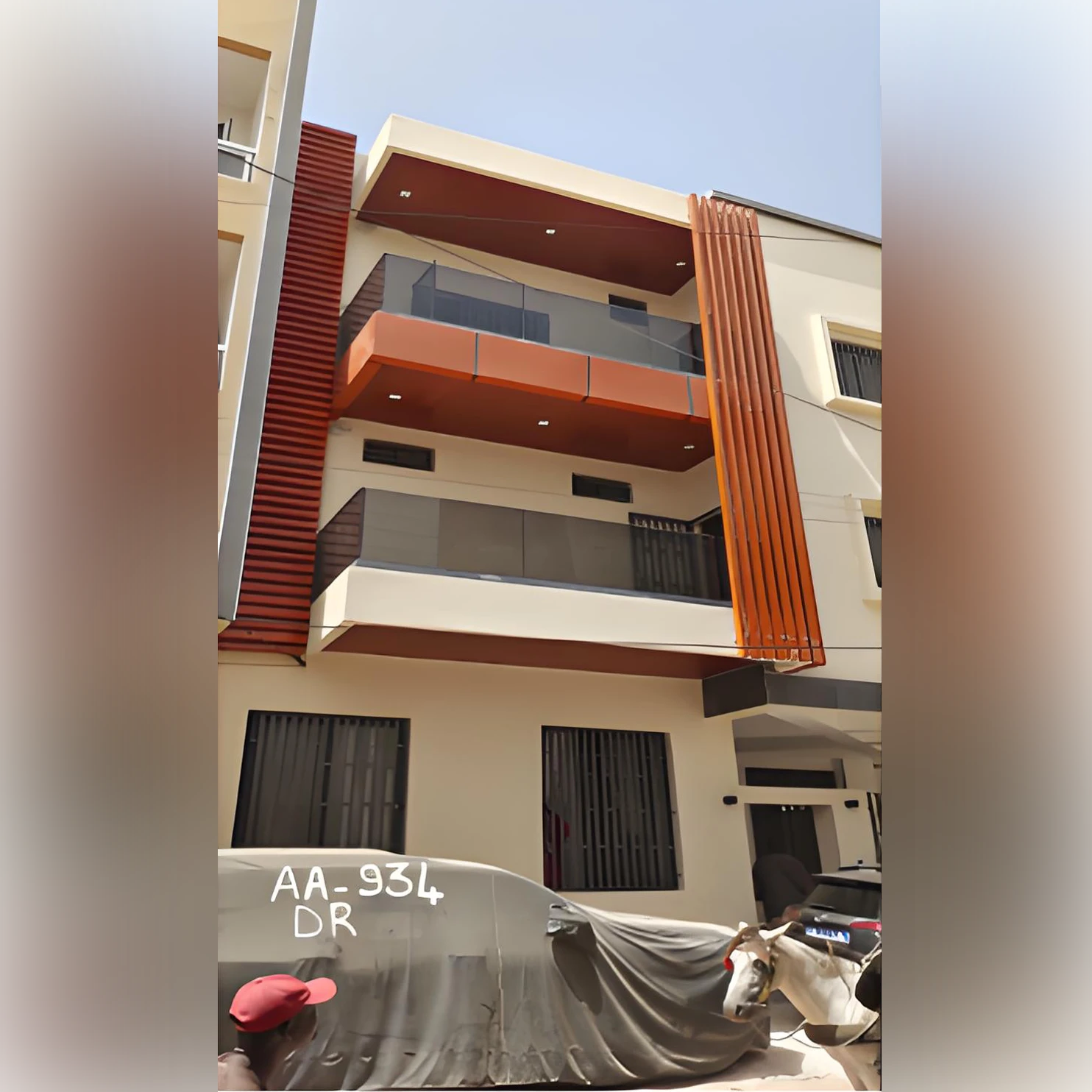
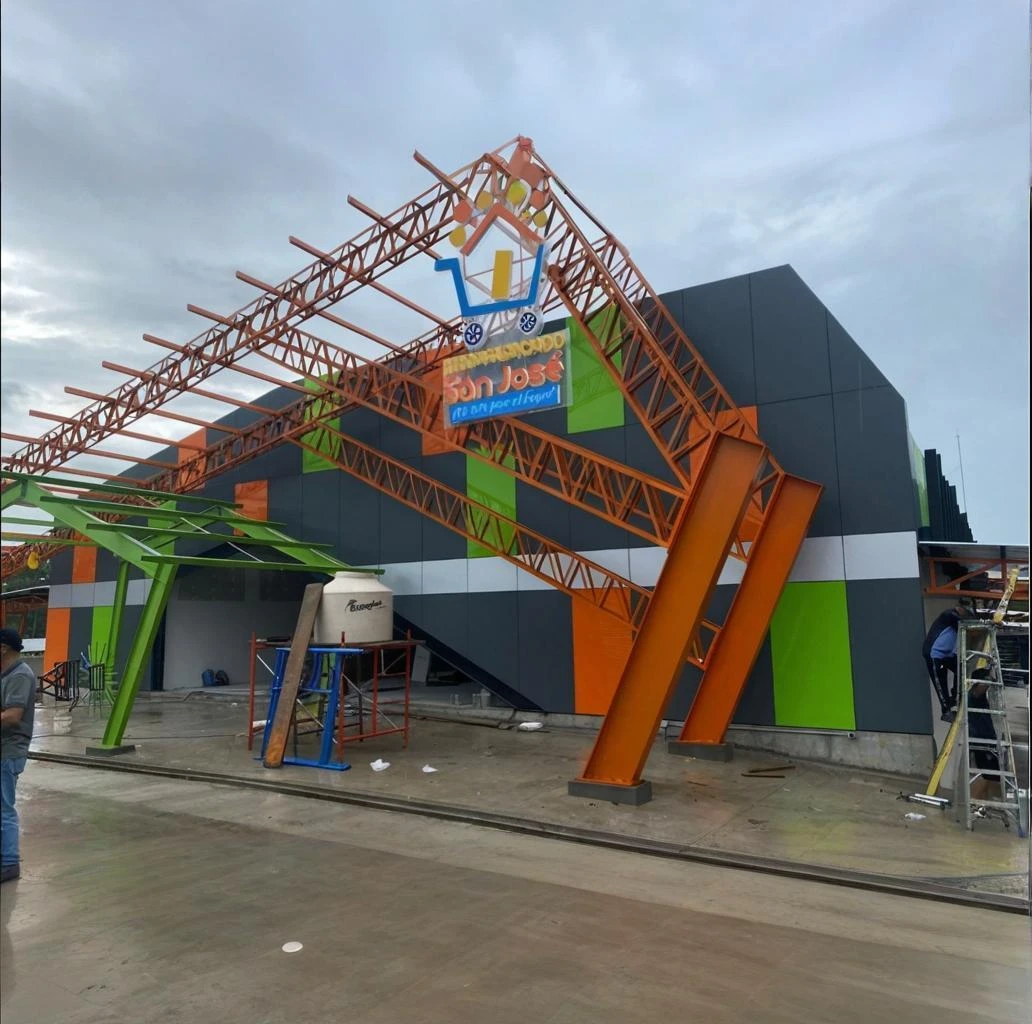
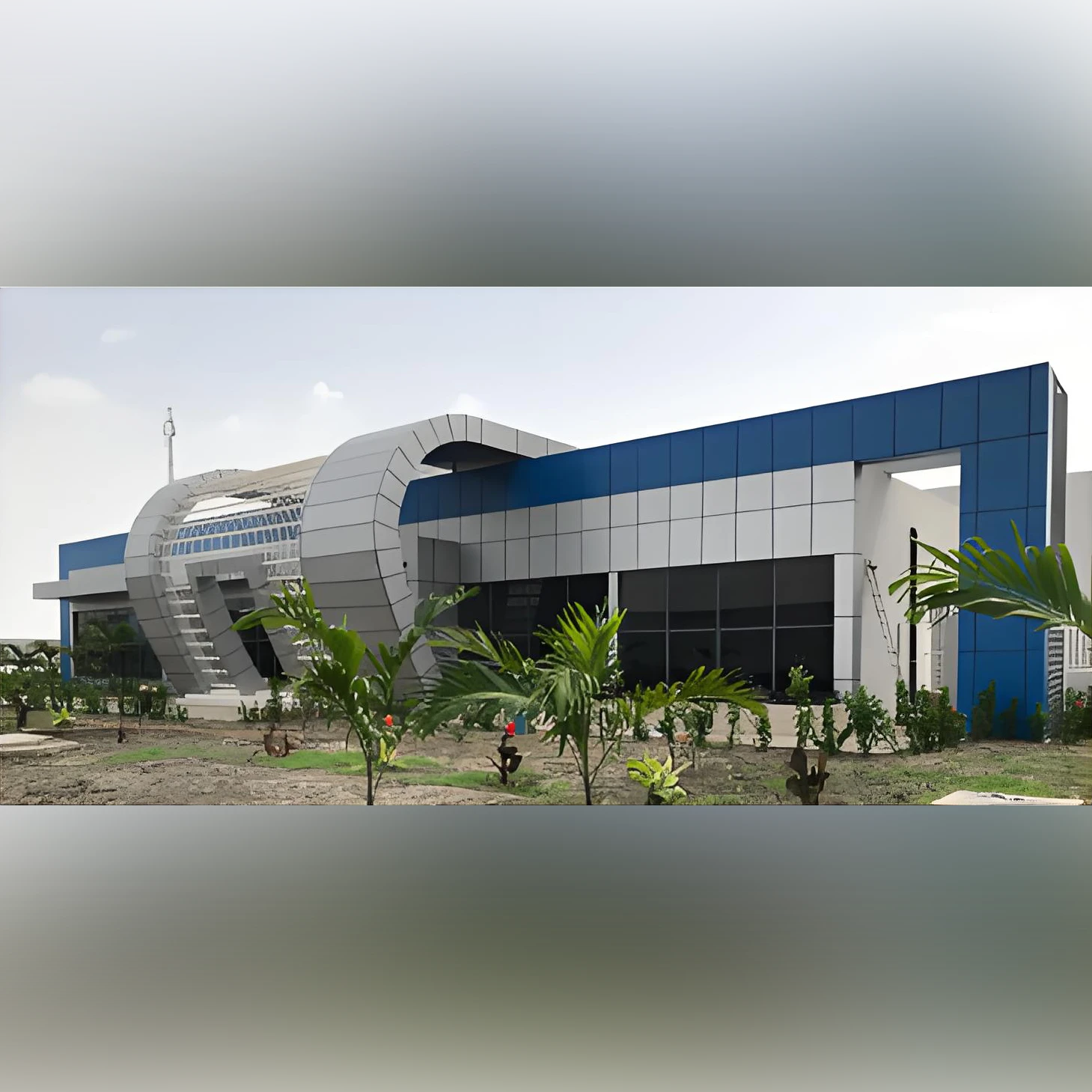
In contemporary construction, pvdf aluminum composite panel has become a preferred choice for architects, designers, and builders. This type of panel features a polyethylene core sandwiched between two aluminum skins, with the front surface coated in PVDF Kynar paint
For high-rise, public, commercial, and transportation projects, selecting A2 fire-rated aluminum composite panels is ultimately a documentation-driven decision as much as a product one. Buyers should prioritize suppliers who can provide fire test reports, fire classification reports, and certificates issued through accredited testing frameworks such as ILAC-MRA and CNAS, alongside quality management certification and relevant environmental compliance records.
Installing aluminium composite panel (ACP) is a popular choice for modern building facades. Known for its versatility, durability, and aesthetic appeal, ACP installation requires careful planning and execution. This guide provides a detailed overview of the process, from preparation to finishing, ensuring a successful and long-lasting installation. We will cover key considerations for both DIY enthusiasts and professional installers, focusing on best practices and industry standards. There are several installation methods for ACP, each suited to different building designs and project requirements. Common systems include wet-seal, dry-seal (cassette), and riveted systems. The wet-seal system utilizes silicone or polyurethane sealant to bond the panels to the substrate. The dry-seal system, often preferred for its ease of maintenance and replacement, employs mechanical fasteners and pressure plates. Finally, the riveted system is a more traditional method that offers a cost-effective solution, though it may be less visually seamless.
Fire-rated aluminum composite material selection is a documentation-driven process as much as a product decision. Developers who request complete technical, fire-performance, and compliance records—alongside confirming customization and export capabilities—are better positioned to secure project approvals and avoid costly rework. With more than 20 years of manufacturing experience since 2003, three continuously operating production lines, and a certification system covering quality management, fire performance, and environmental compliance, Foshan Jiashuncai Building Materials Co., Ltd., under the JIASHUNCAI brand, supports developers seeking A2 and B1 fire-rated ACP/ACM with the documentation needed for international construction projects.
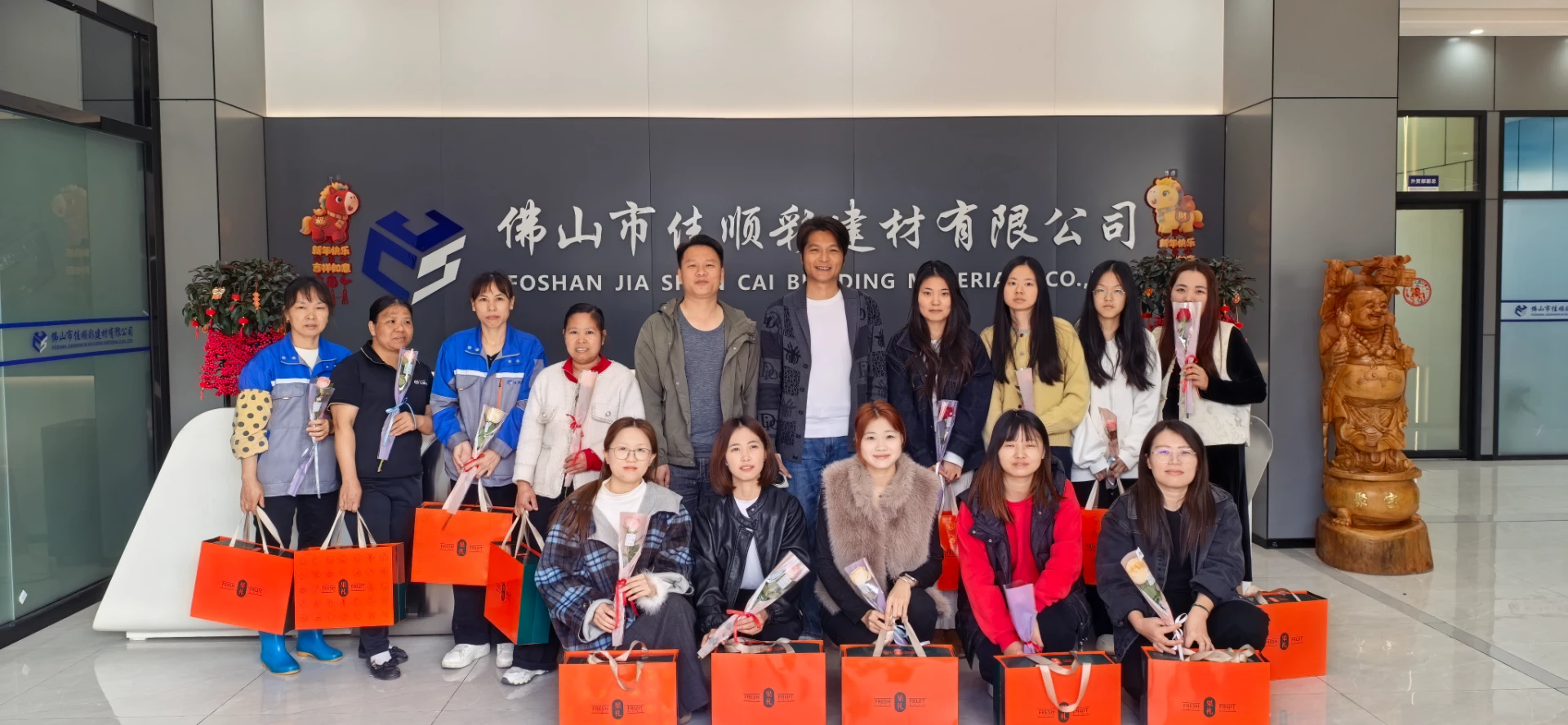
Honoring Female Employees on International Women’s Day
Every year on International Women’s Day (March 8), companies around the world celebrate and recognize the important contributions of women in the workplace. To express appreciation and respect, many organizations prepare thoughtful gifts and activities for their female employees.
At JIASHUNCAI, the company also celebrates this special day by giving Women’s Day gifts to employees, showing gratitude for their dedication, hard work, and contributions to the company’s development.