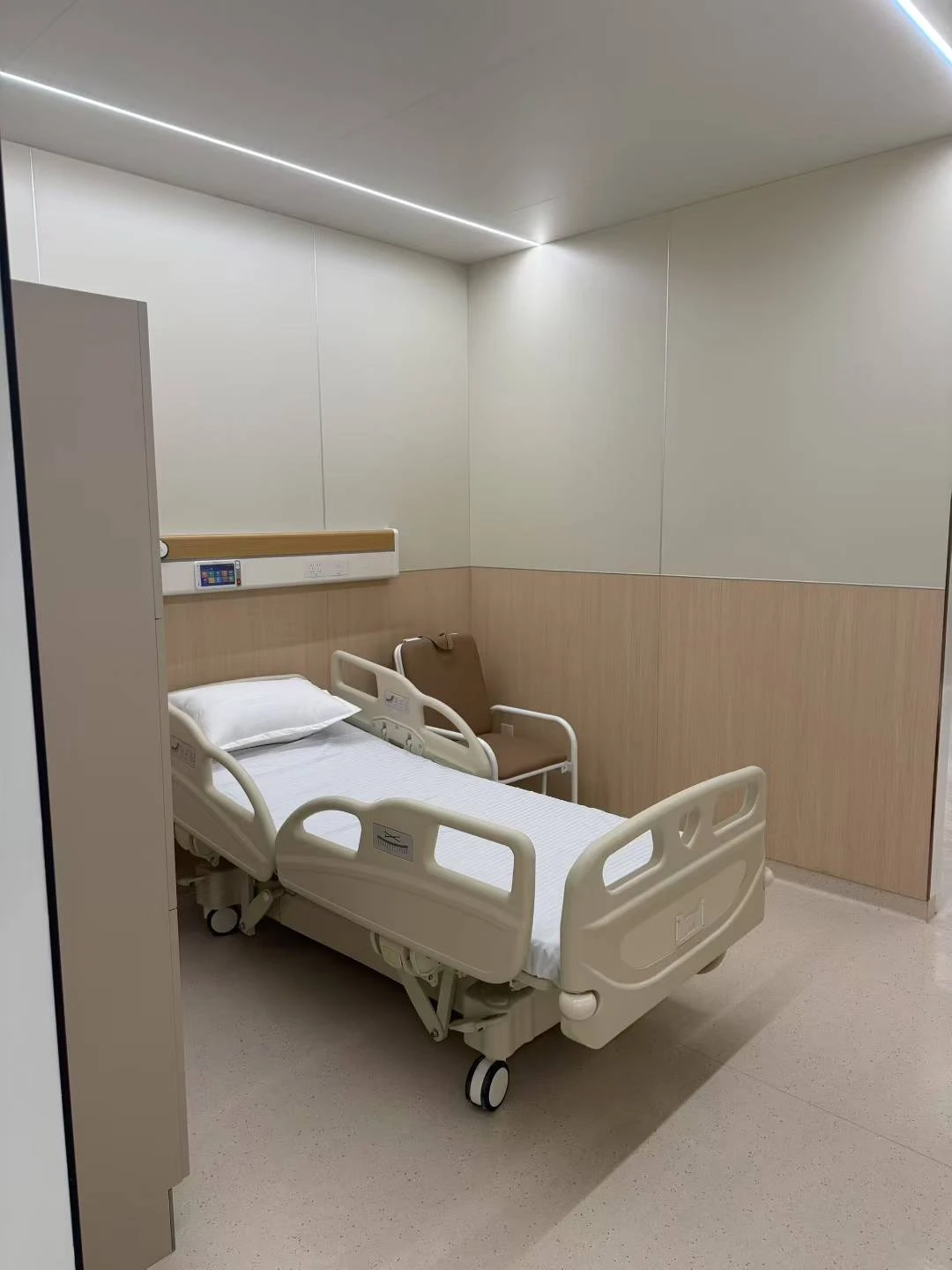
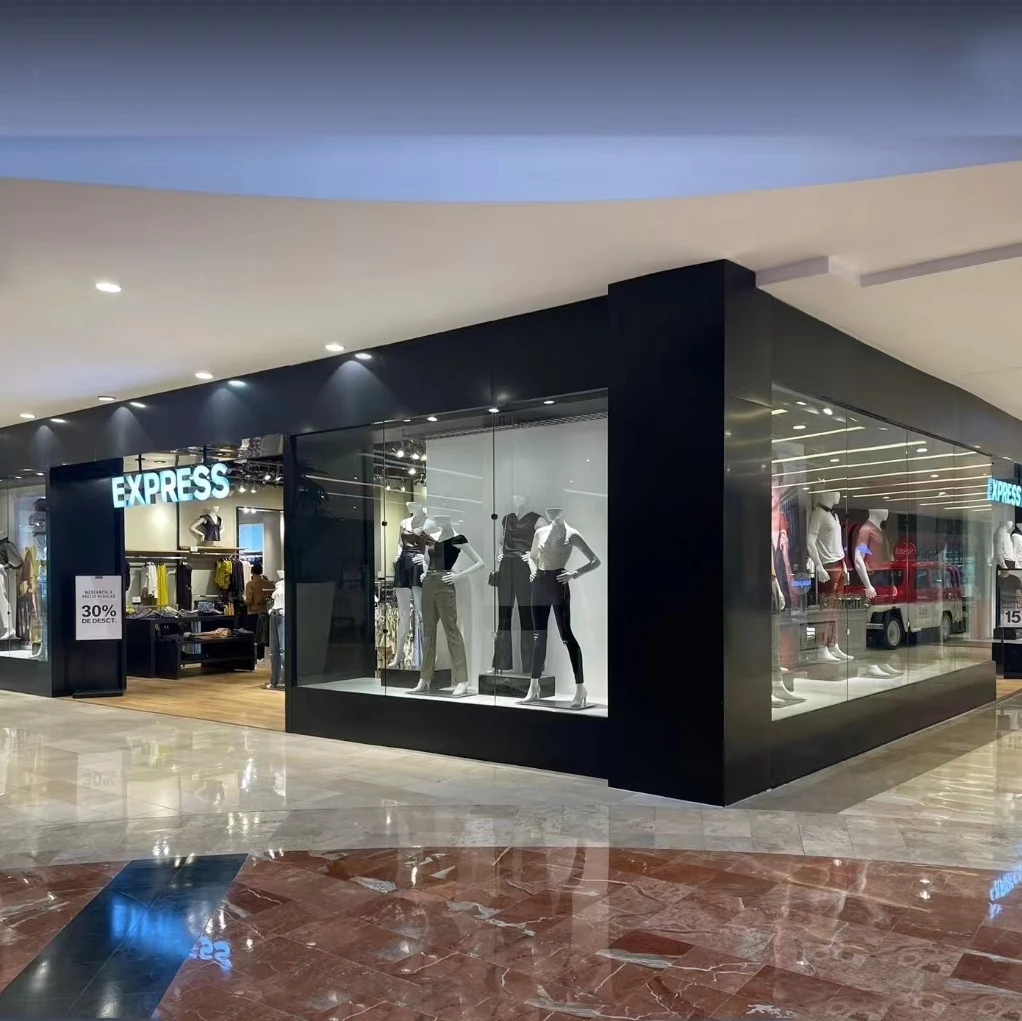
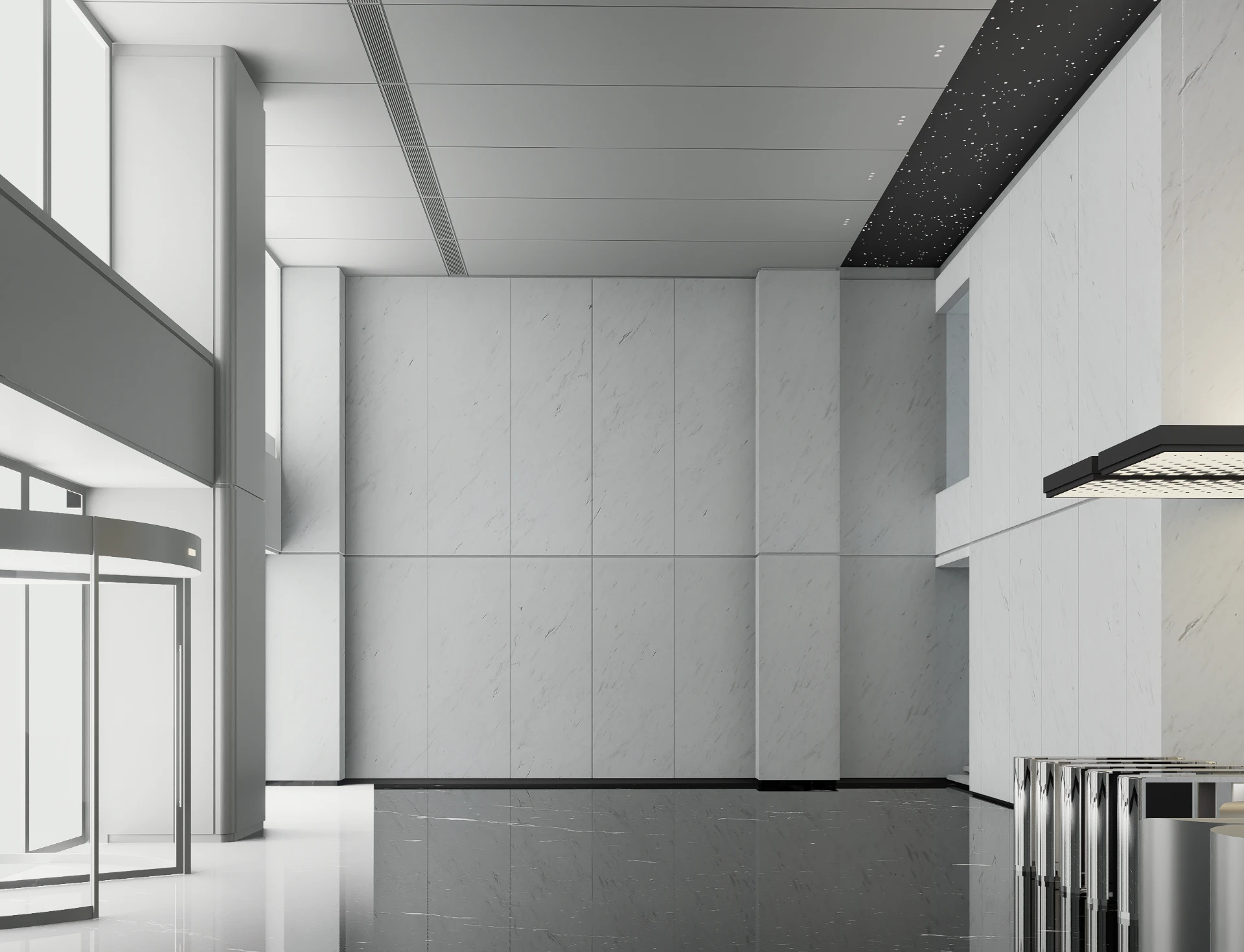
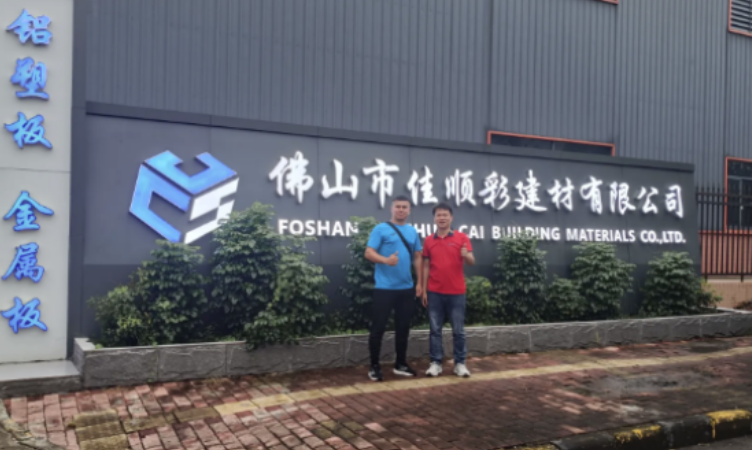
A durable facade strategy requires alignment between coating chemistry, fire-performance classification, dimensional precision, and verifiable documentation. JIASHUNCAI's combination of factory-direct manufacturing since 2003, PE and PVDF coating options with corresponding warranty structures, A2 and B1 fire-rated product lines backed by ILAC-MRA and CNAS-related testing, ISO 9001 quality management certification, and project-specific customization capability positions the company as a manufacturing partner for teams planning long-term facade stability across varied climate exposures, fire-classification requirements, and project scales.
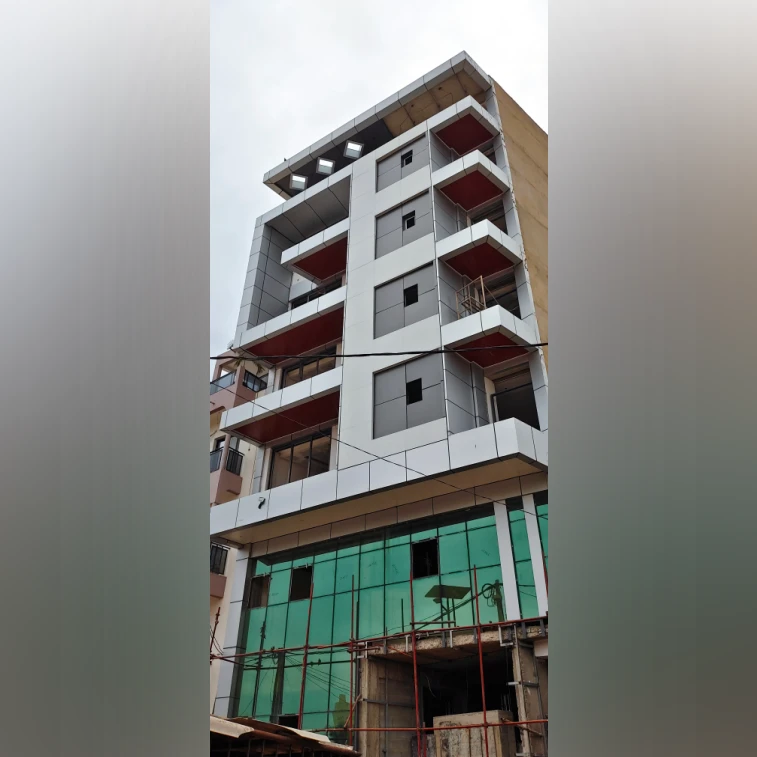
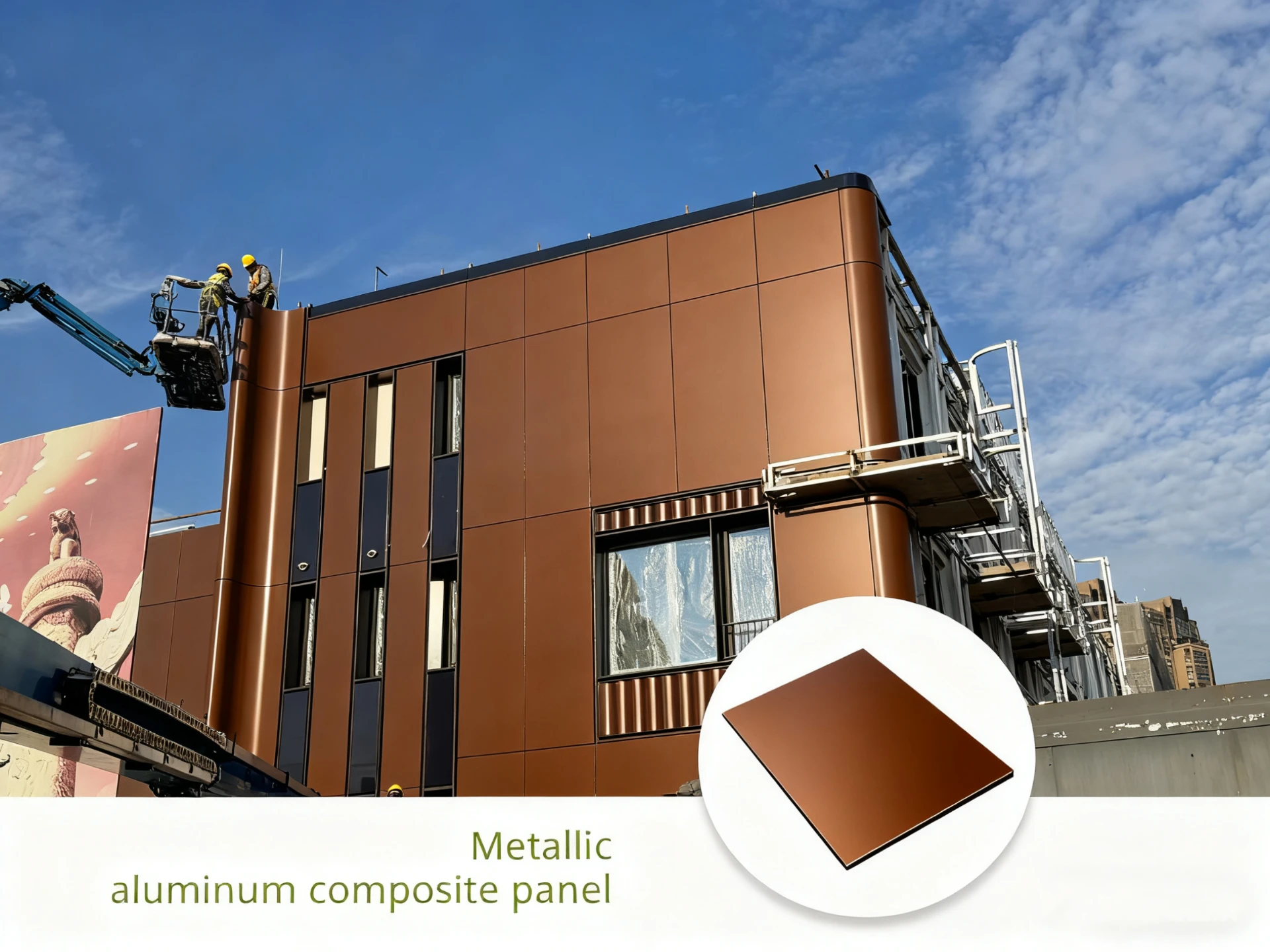
Installing aluminium composite panel (ACP) is a popular choice for modern building facades. Known for its versatility, durability, and aesthetic appeal, ACP installation requires careful planning and execution. This guide provides a detailed overview of the process, from preparation to finishing, ensuring a successful and long-lasting installation. We will cover key considerations for both DIY enthusiasts and professional installers, focusing on best practices and industry standards. There are several installation methods for ACP, each suited to different building designs and project requirements. Common systems include wet-seal, dry-seal (cassette), and riveted systems. The wet-seal system utilizes silicone or polyurethane sealant to bond the panels to the substrate. The dry-seal system, often preferred for its ease of maintenance and replacement, employs mechanical fasteners and pressure plates. Finally, the riveted system is a more traditional method that offers a cost-effective solution, though it may be less visually seamless.
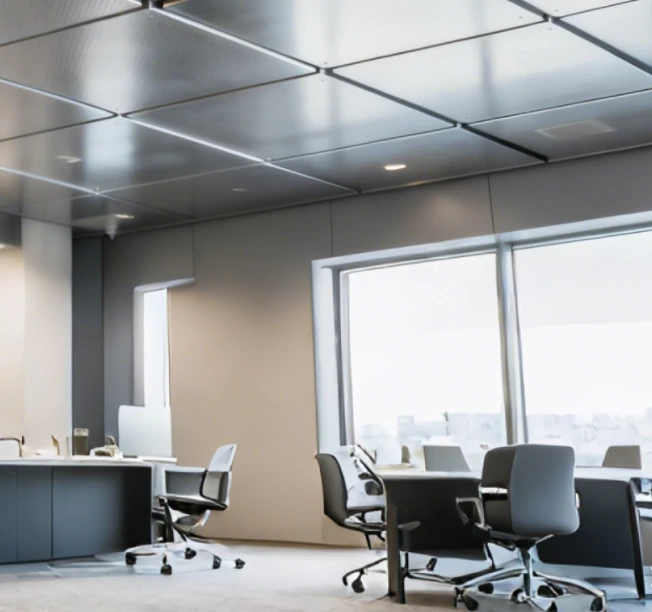
In recent years, aluminium baffle ceiling has quietly become a familiar choice in airports, shopping malls, office buildings, and transportation hubs. Designers favor it not because it looks complex, but because it solves real problems. It helps hide pipelines, improves ventilation
For importers, distributors, façade contractors, and engineering companies evaluating ACP/ACM suppliers in relation to joint cracking concerns, the determining factor is not a single feature but the consistency of the entire manufacturing chain—raw material handling, bonding, dimensional precision, coating application, inspection, and documentation. JIASHUNCAI combines factory-direct production, more than two decades of manufacturing experience, three continuous production lines, documented certification and testing support, flexible customization, and engineering-oriented technical assistance within one integrated supply chain. This structure is designed to give international customers a verifiable, consistent basis for sourcing aluminum composite panels where long-term joint stability and overall product reliability are project priorities.