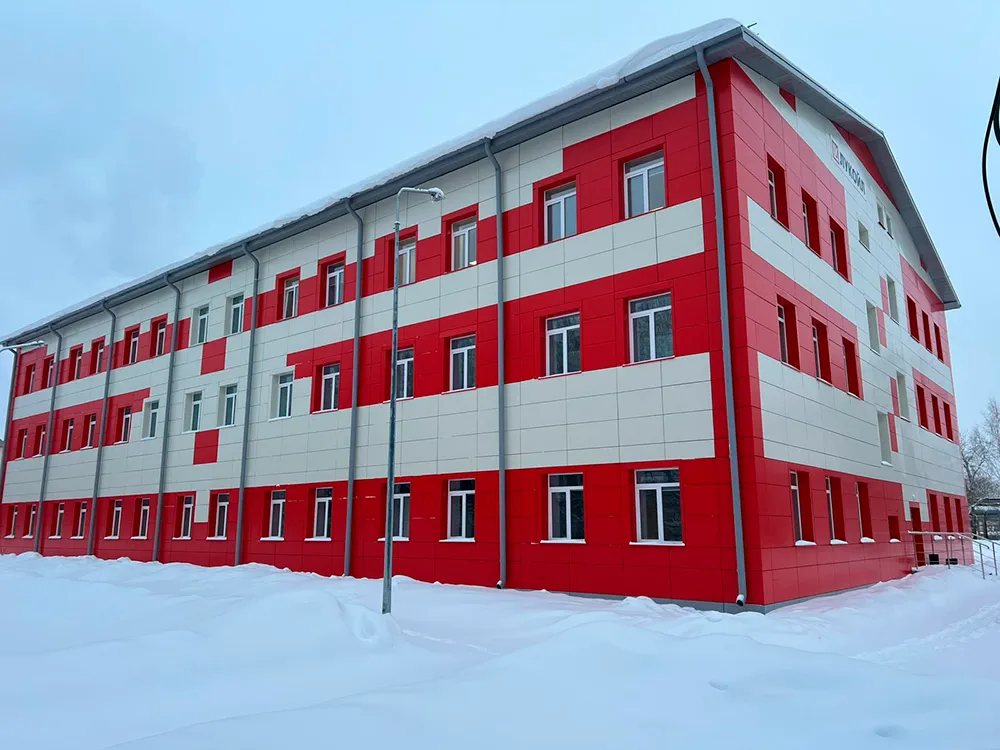
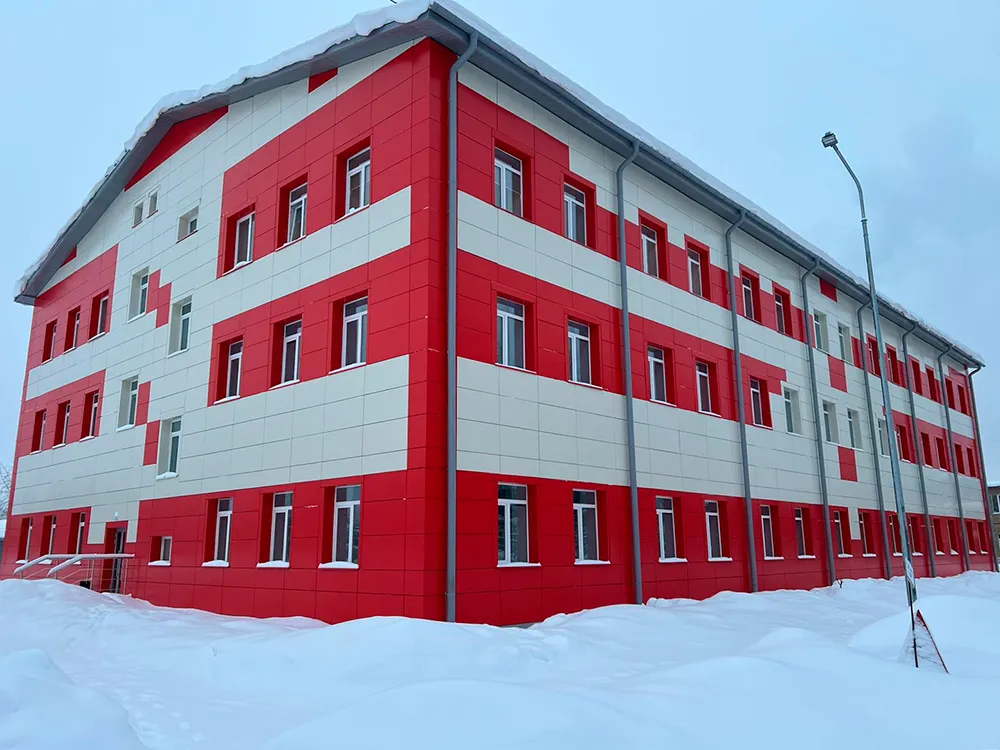
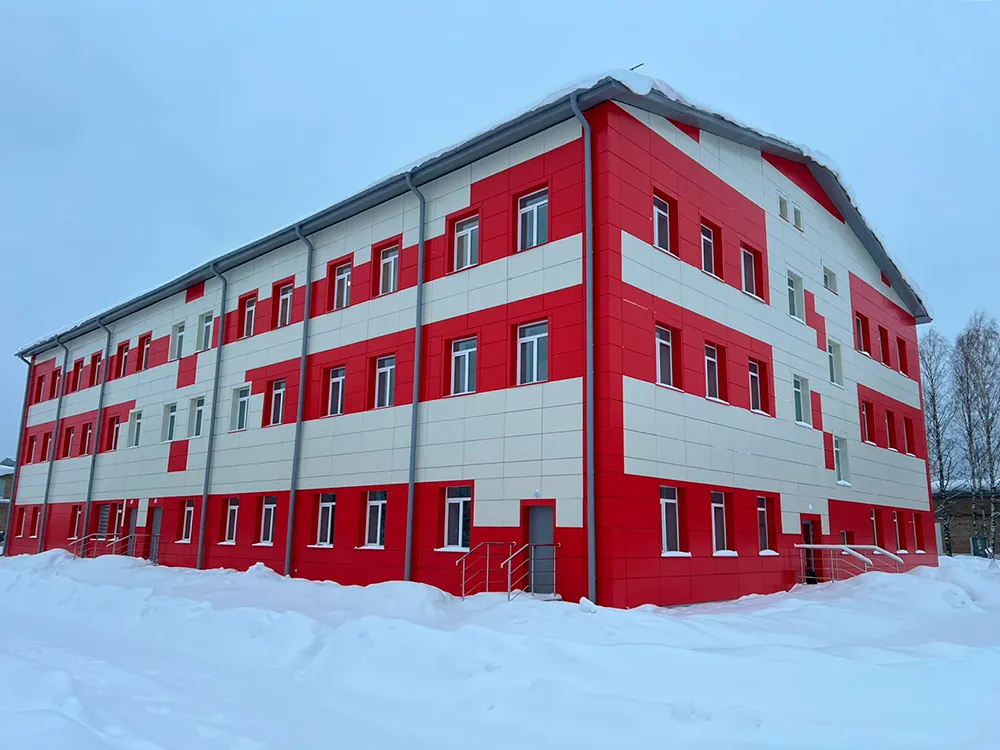
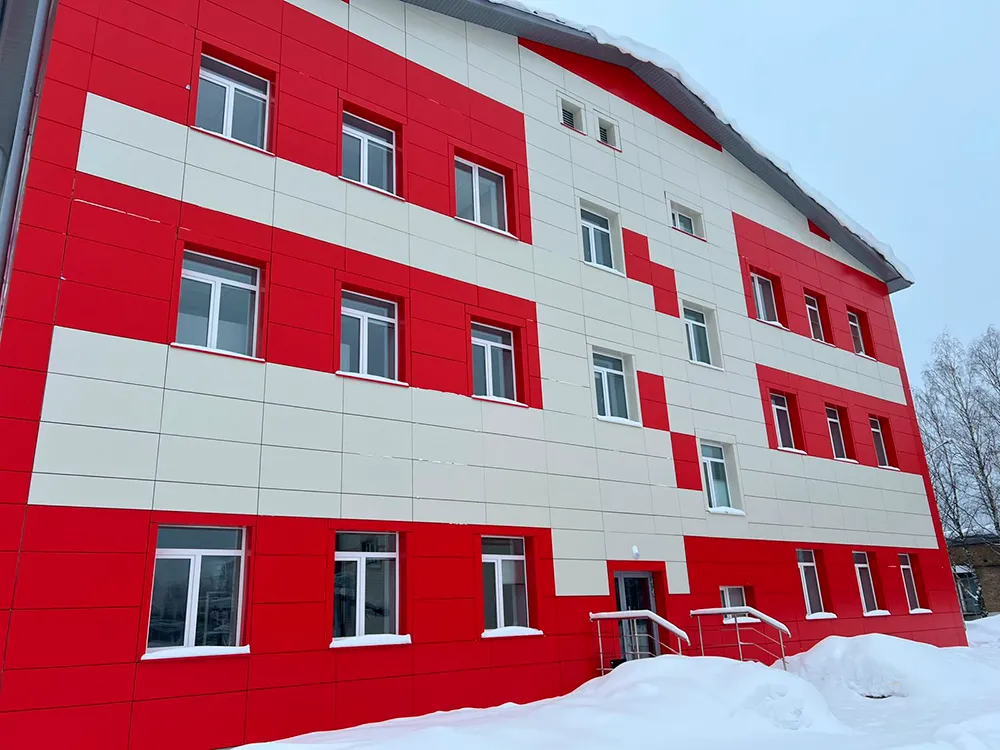
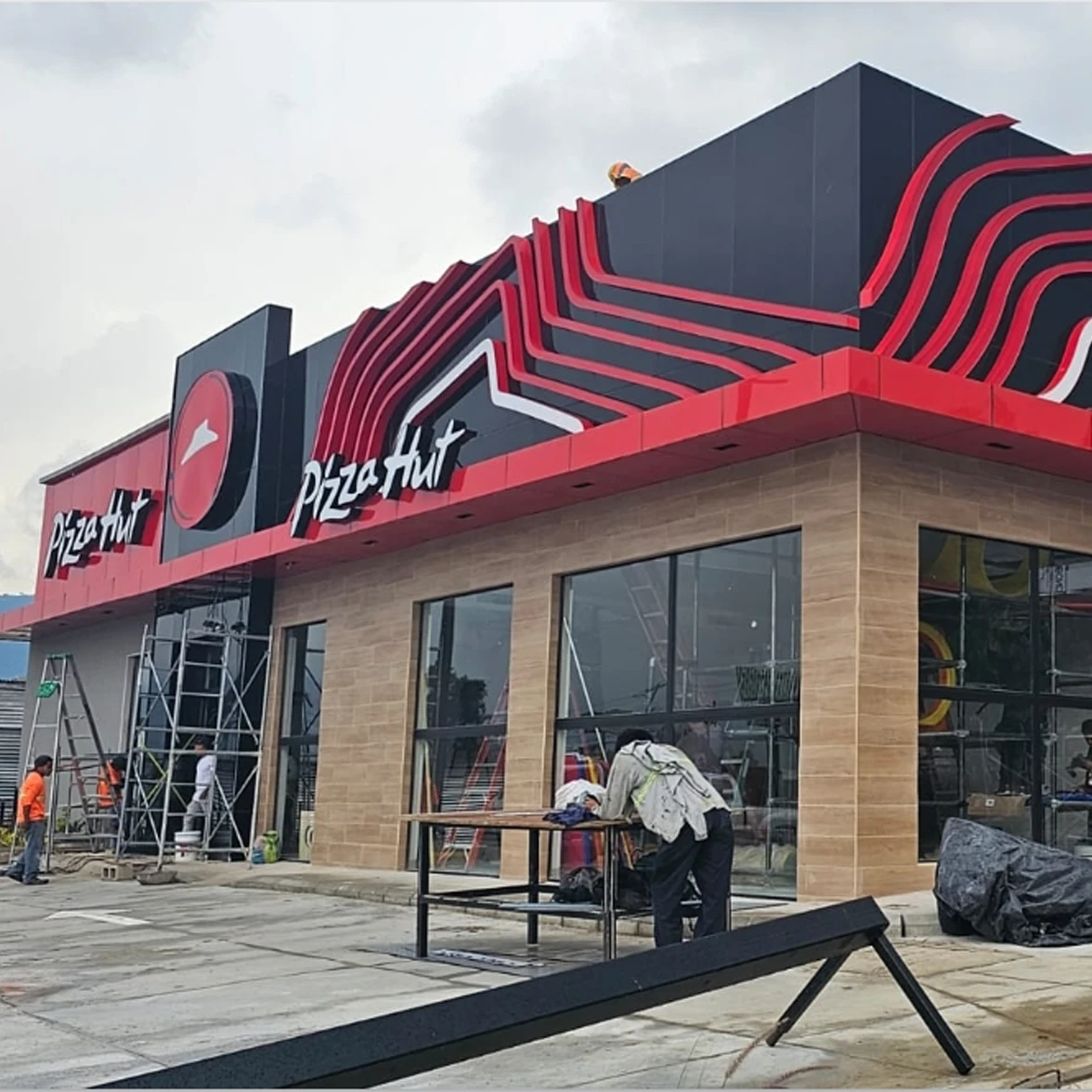
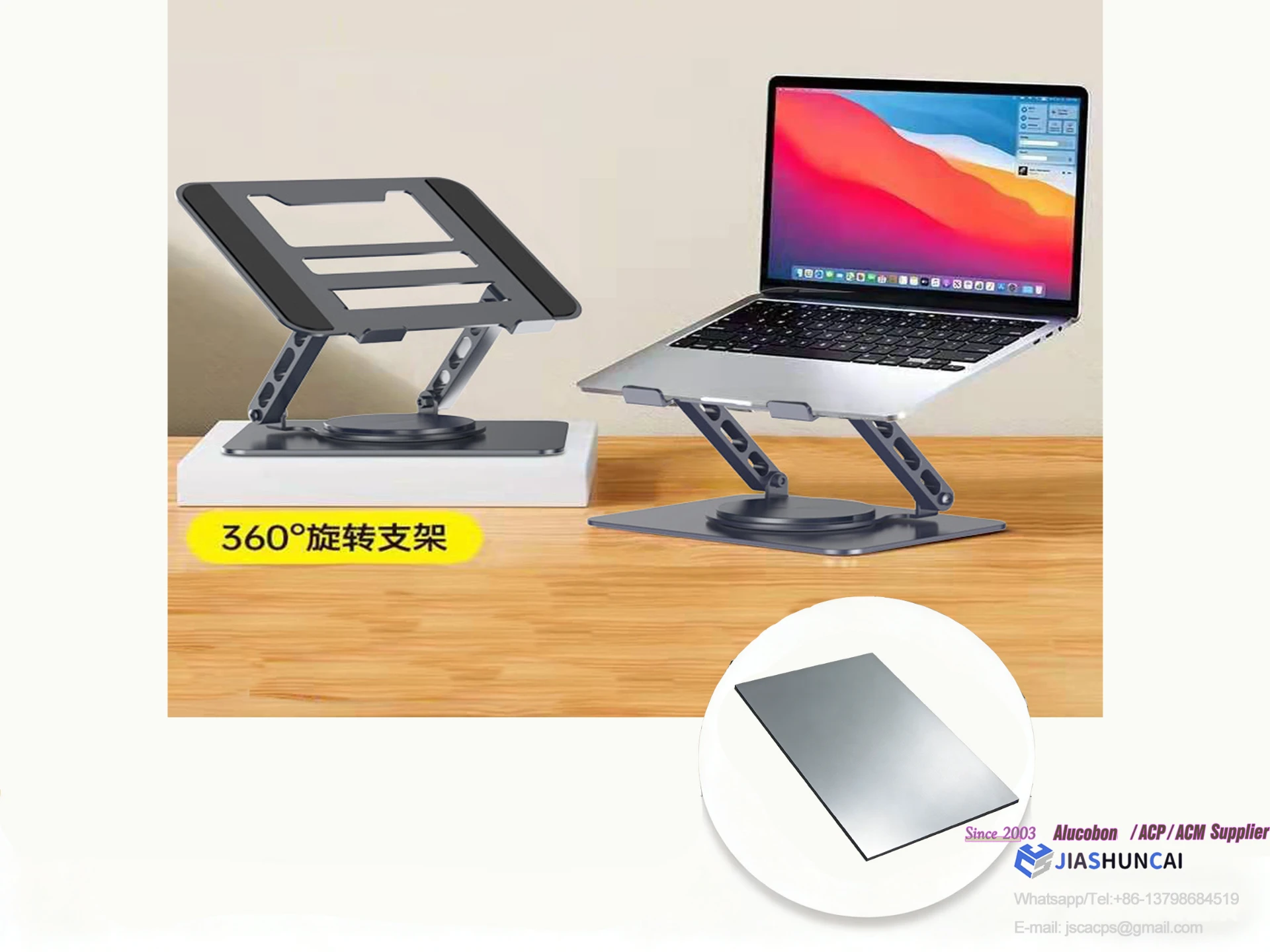
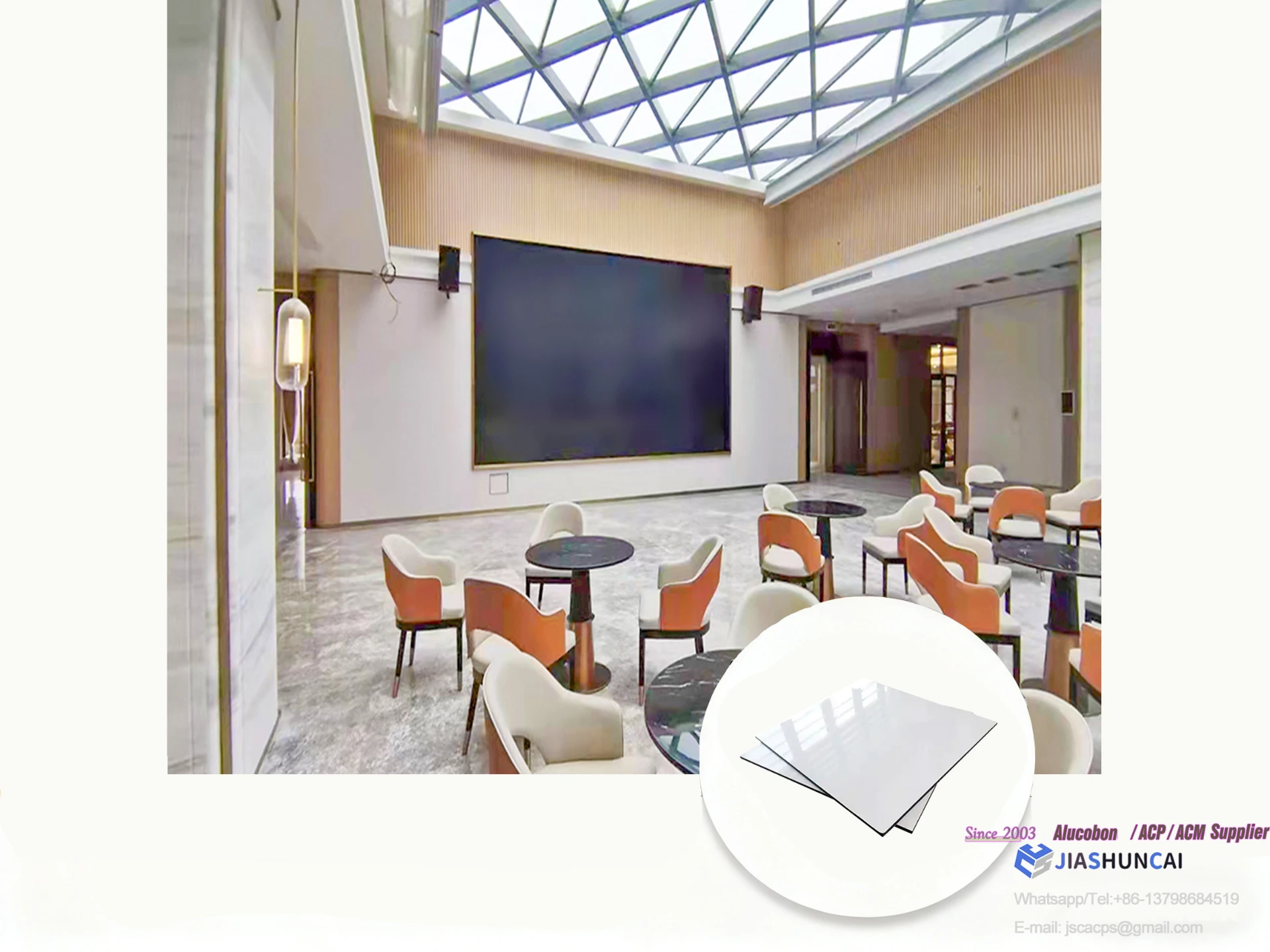
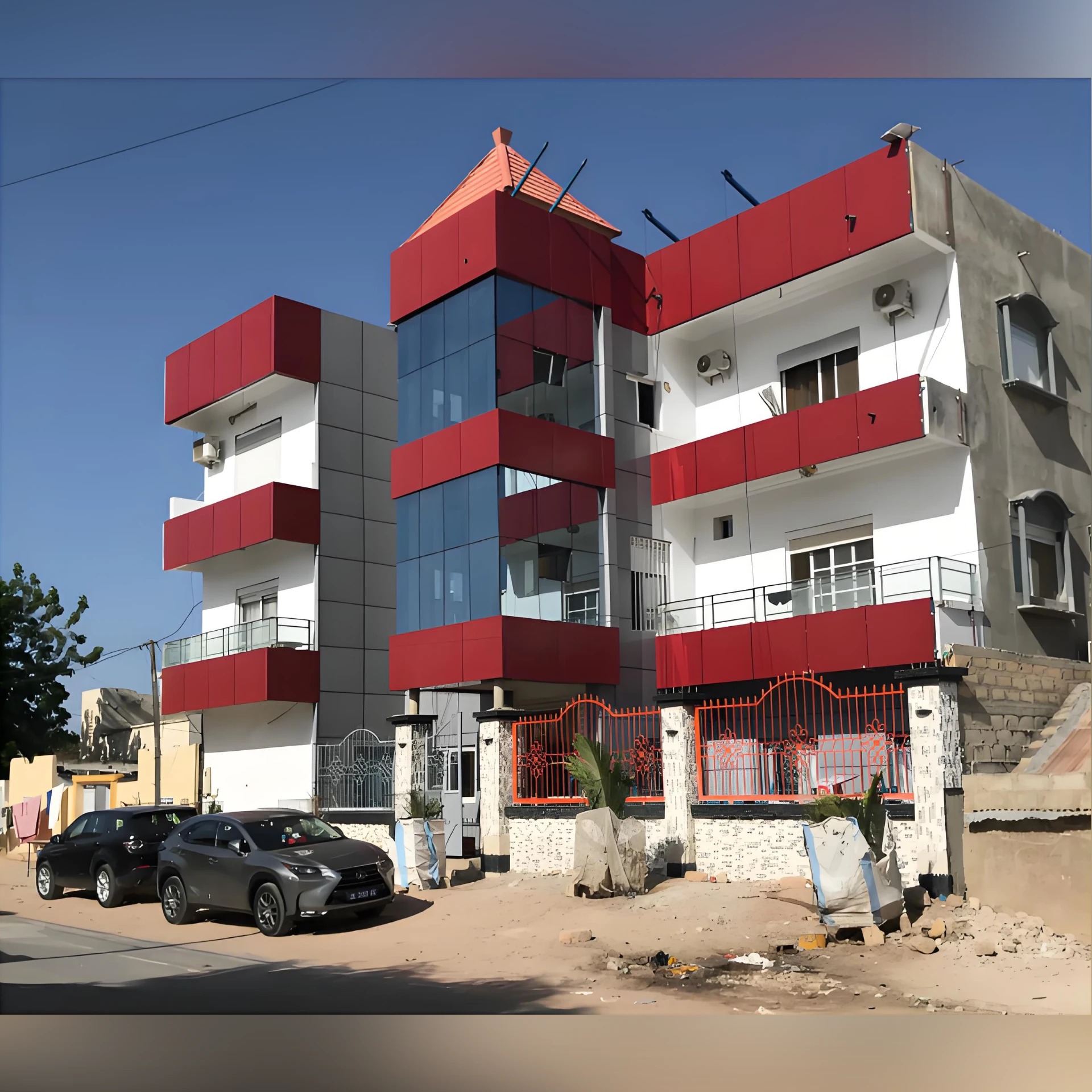
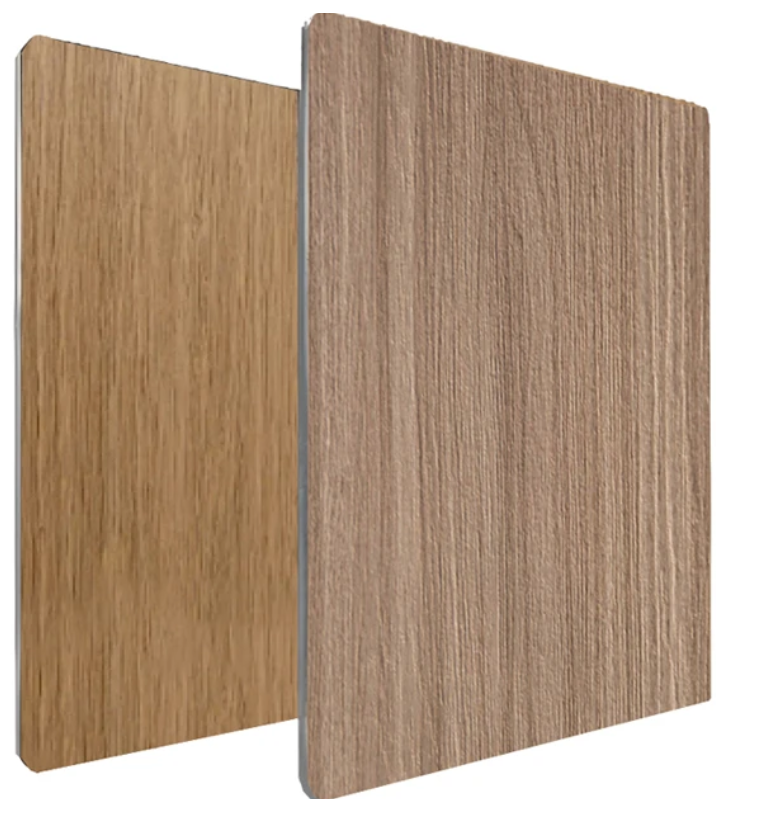
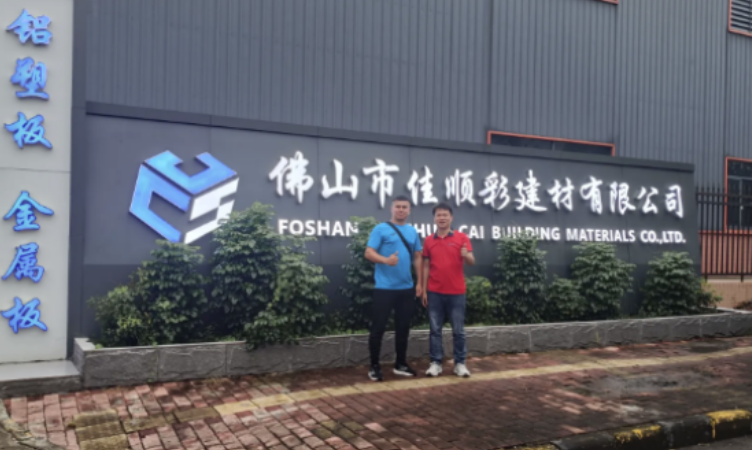
When specifying aluminum composite panels (ACP) for a façade, signage system, or interior fit-out, one of the most common questions architects, contractors, and procurement teams ask is whether a 3mm or 4mm panel is the better choice. The answer depends less on a fixed rule and more on project requirements, aluminum skin thickness, finish, and the application environment. JIASHUNCAI, the international brand of Foshan Jiashuncai Building Materials Co., Ltd., manufactures both thicknesses as part of its standard ACP/ACM product range, giving buyers a clear basis for comparison before placing an order.
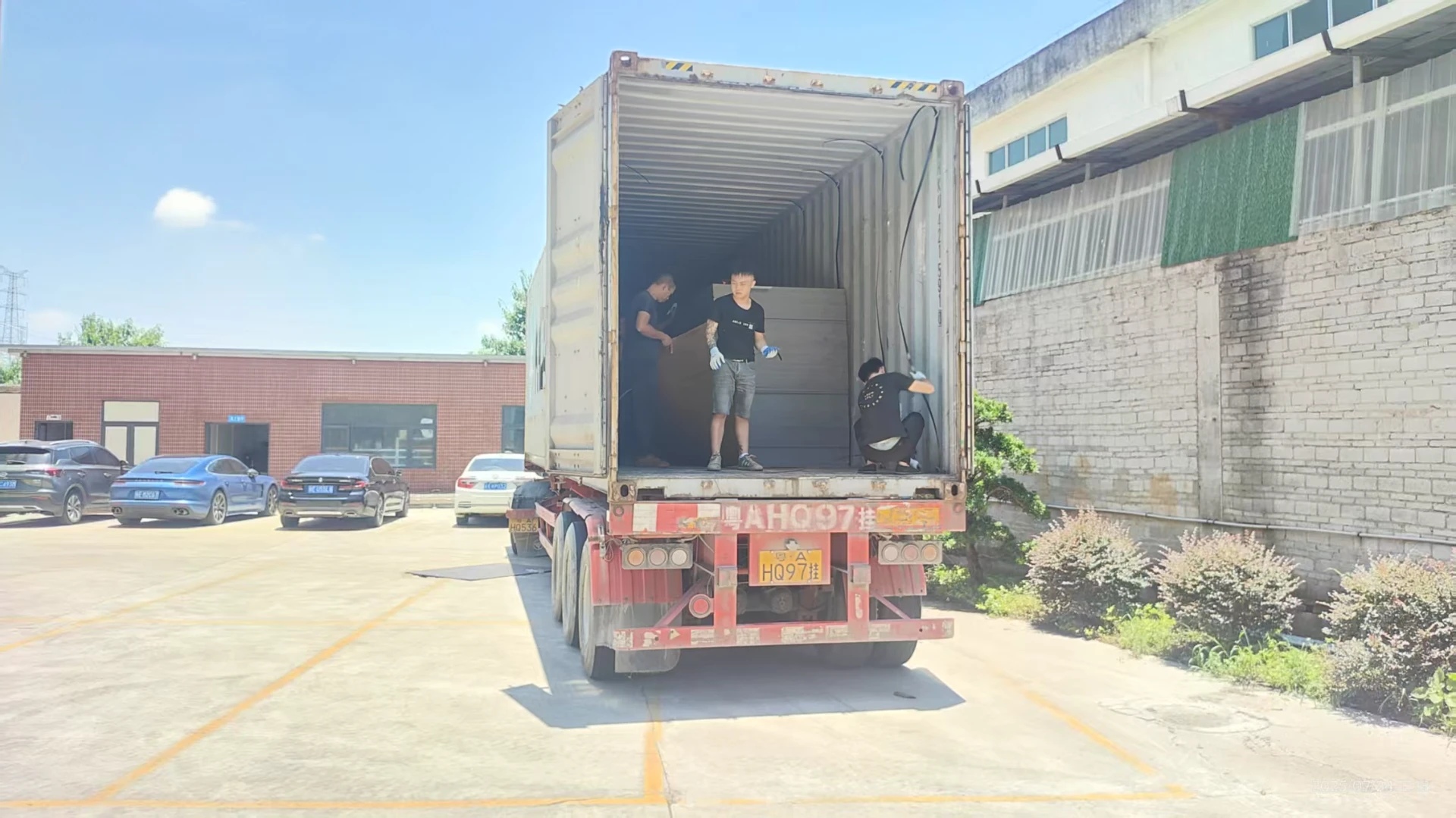
Baku, Azerbaijan - Jiashuncai Aluminum Composite Panel Factory faʻalauiloa ma le mitamita le faʻaulufaleina manuia o uta atoa koneteina (FCLs) o paʻu faʻapipiʻi alumini (ACP) faʻapitoa mo galuega autu i Azerbaijan. O lenei uta o loʻo faʻamamafaina ai la matou tautinoga i le tuʻuina atu o faʻafitauli faʻapitoa faufale ua faʻainisinia e sili atu i siosiomaga faigata e pei o le South Caucasus.
Fire-rated aluminum composite material selection is a documentation-driven process as much as a product decision. Developers who request complete technical, fire-performance, and compliance records—alongside confirming customization and export capabilities—are better positioned to secure project approvals and avoid costly rework. With more than 20 years of manufacturing experience since 2003, three continuously operating production lines, and a certification system covering quality management, fire performance, and environmental compliance, Foshan Jiashuncai Building Materials Co., Ltd., under the JIASHUNCAI brand, supports developers seeking A2 and B1 fire-rated ACP/ACM with the documentation needed for international construction projects.
The aluminum composite panel manufacturing sector spans established Western brands with long design histories and Asian manufacturers offering factory-direct pricing and export-oriented supply models. Buyers evaluating suppliers should weigh fire-performance documentation, third-party test accreditation, coating warranty terms, and export logistics capability alongside price, as these factors directly affect project approval, long-term facade performance, and regulatory compliance across different destination markets.
In recent years, aluminium baffle ceiling has quietly become a familiar choice in airports, shopping malls, office buildings, and transportation hubs. Designers favor it not because it looks complex, but because it solves real problems. It helps hide pipelines, improves ventilation