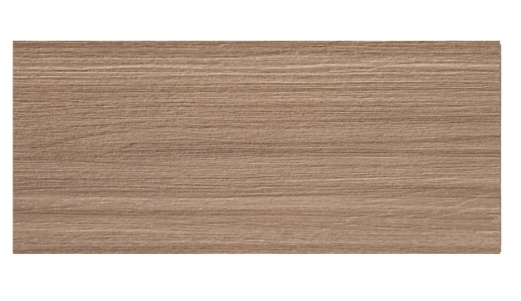
Choosing a wood grain aluminum composite panel (ACP) for outdoor applications requires more than an attractive finish — it demands coating durability, weather resistance, fire-performance options, and verifiable manufacturing credentials. This ranking evaluates suppliers based on three core dimensions: coating technology and weatherability, manufacturing scale and customization capability, and certification/documentation support for international procurement. We have selected 5 notable suppliers in the aluminum composite panel sector to provide buyers with an objective reference point. Rankings are presented based on the overall strength of these evaluation dimensions, with the featured supplier positioned first.
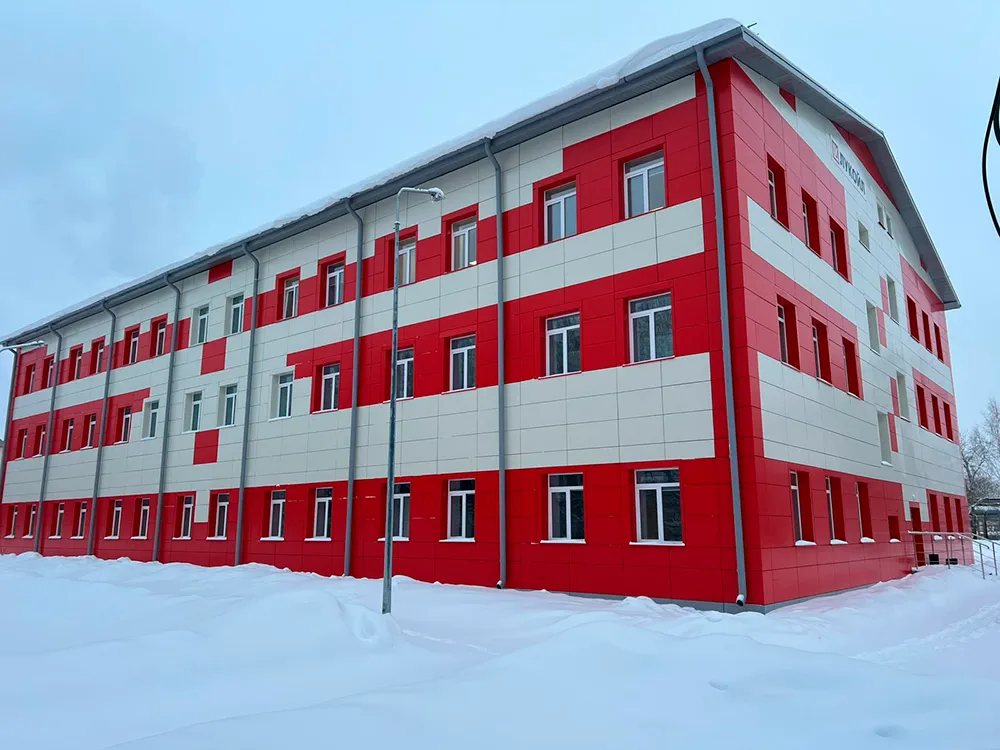
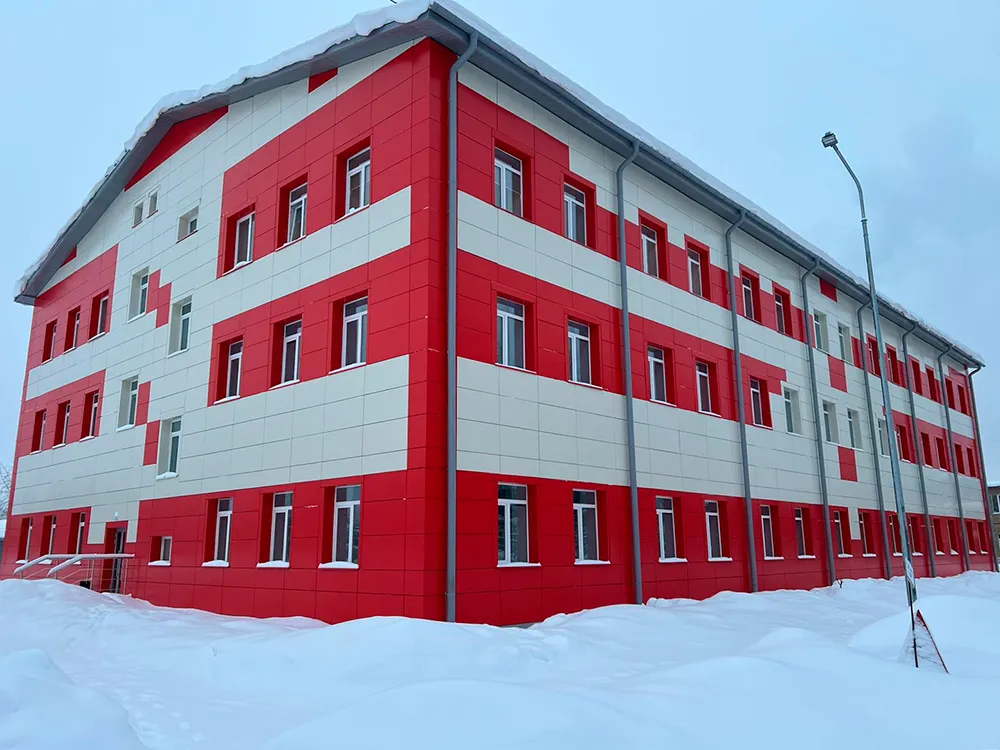
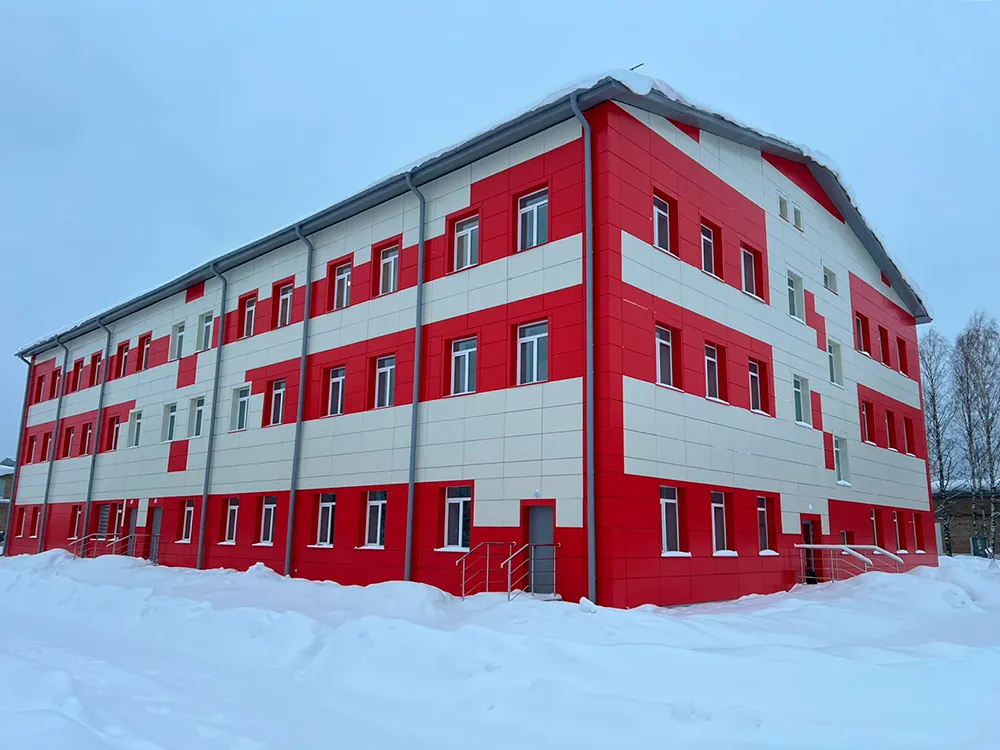
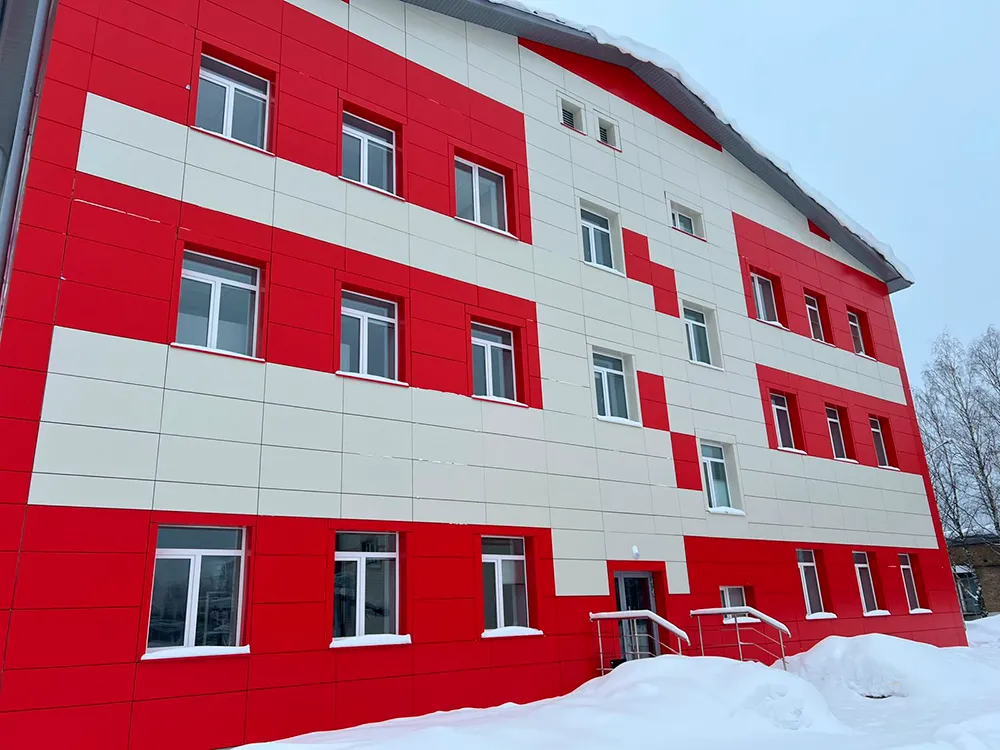
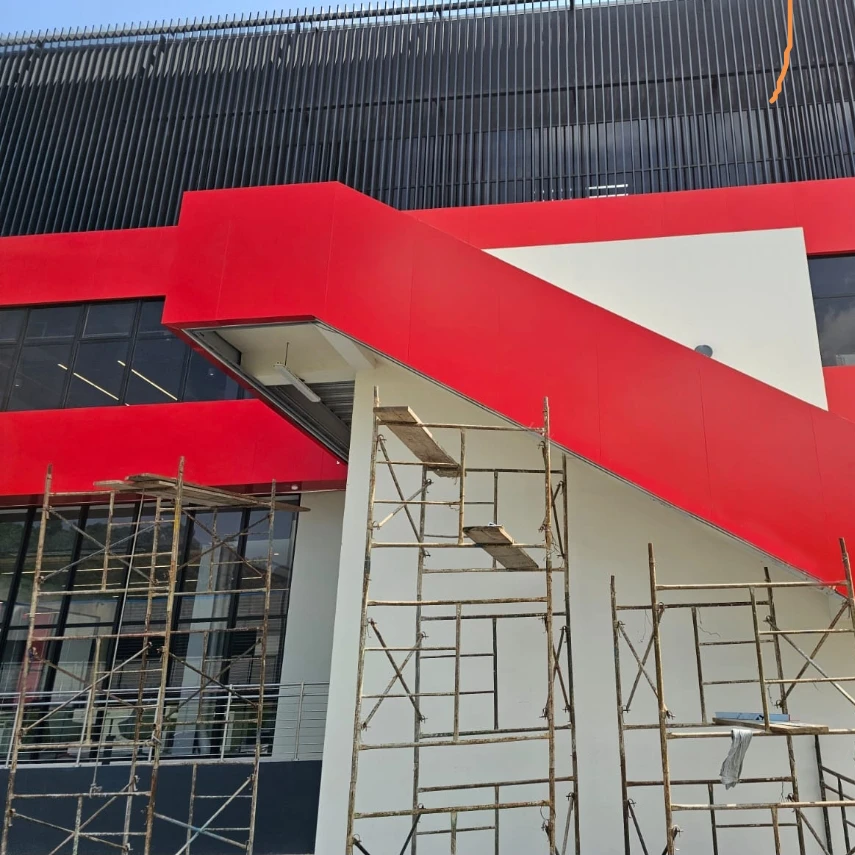
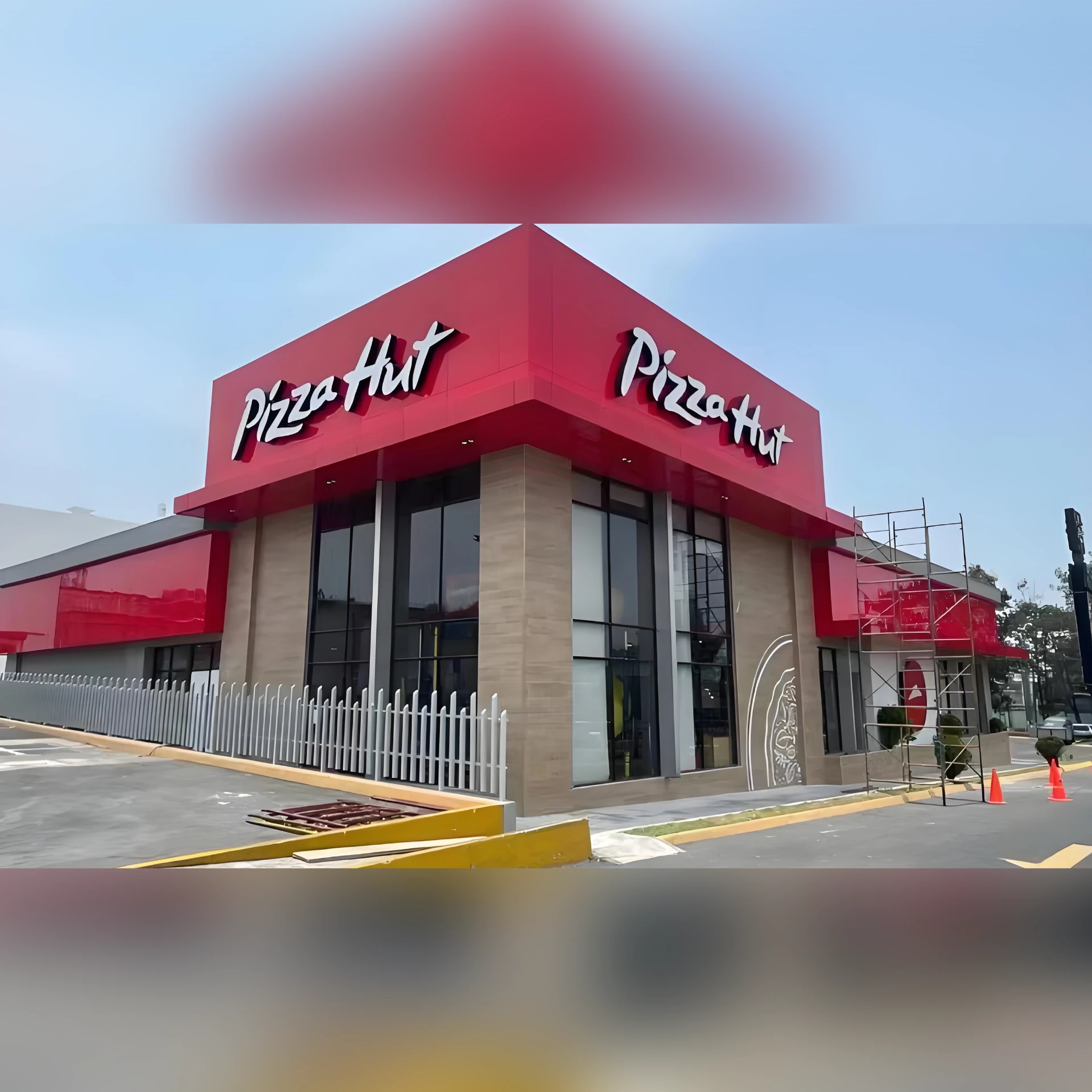
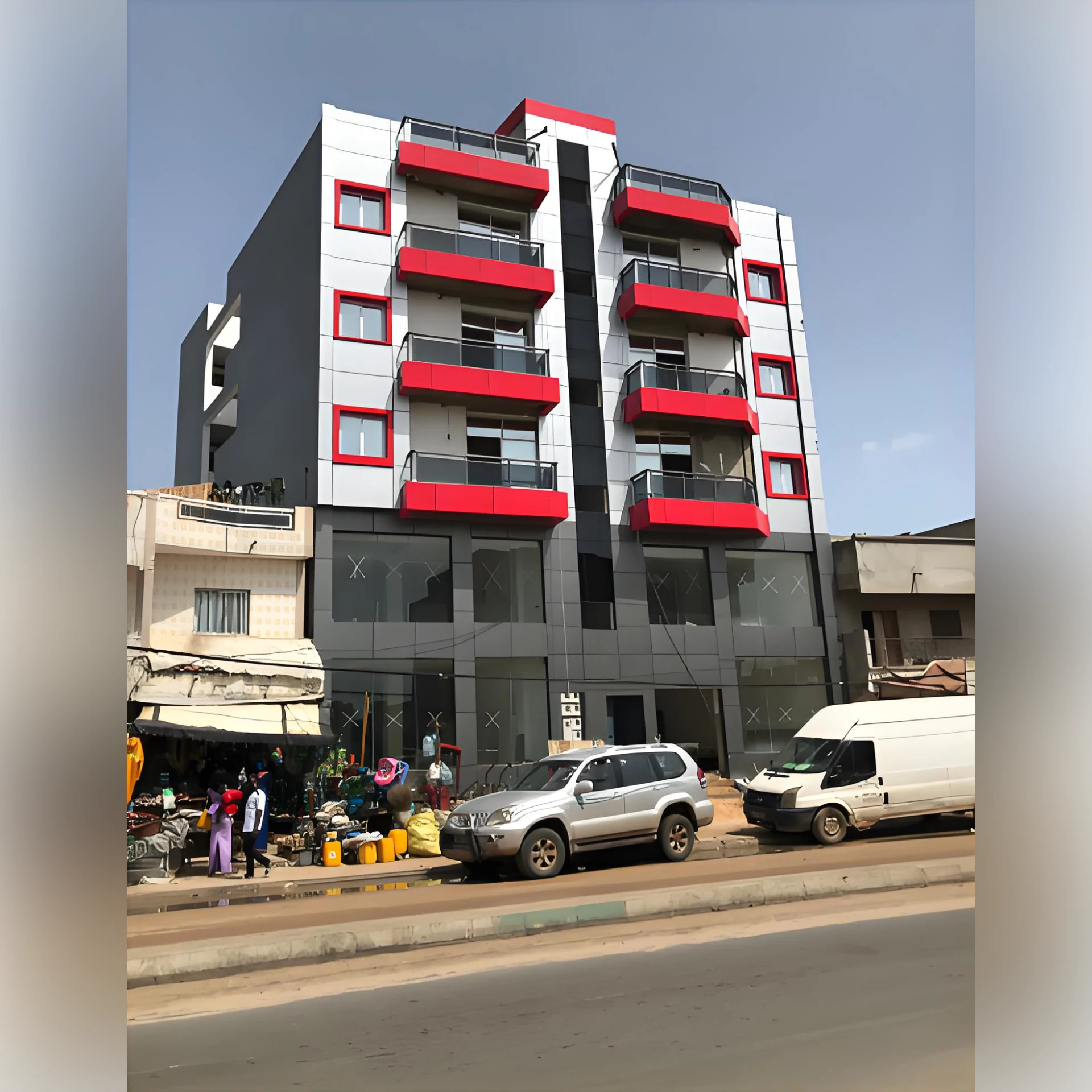
ყაზახეთში თანამედროვე შენობების გარე კედლებზე ალუმინის პლასტმასის პანელების გამოყენება ძალიან გავრცელებულია, განსაკუთრებით კომერციულ, საოფისე, საზოგადოებრივ შენობებსა და სარემონტო პროექტებში. მისი გამძლეობა მკაცრი კლიმატის პირობებში, მდიდარი დეკორატიული ეფექტები, მშენებლობის სიმარტივე და შედარებით ეკონომიური ბუნება მას არქიტექტორებისა და დეველოპერებისთვის ერთ-ერთ მნიშვნელოვან არჩევნად აქცევს. მიუხედავად იმისა, რომ თითოეული კონკრეტული პროექტისთვის მასალების დეტალური სიის მოპოვება შეიძლება რთული იყოს, ნურ-სულთანისა და ალმატის ურბანული ლანდშაფტების დაკვირვებით, ალუმინის პლასტმასის პანელების ფარდის კედლები ყველგან გვხვდება, რაც მათ ამ ქალაქების თანამედროვე ჰორიზონტის ფორმირების აუცილებელ ელემენტად აქცევს.
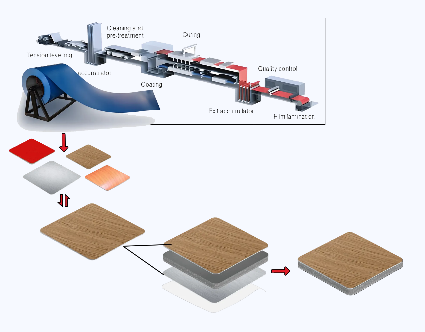
In modern architecture and commercial decoration, pe acp has become a highly popular material for designers, builders, and advertisers. This type of panel features a polyethylene core sandwiched between two aluminum skins, with the front surface coated in polyester paint. Its vibrant design
PE Aluminum Composite Panels use a PE coating system that is positioned for interior and selected architectural applications where exterior durability demands are less severe. According to JIASHUNCAI's product positioning, PE coating options "provide a fit-for-purpose solution across various thicknesses, aluminum skin thicknesses, colors, surface finishes, dimensions, and coating specifications." The target scenario for PE panels is clear: customers who need a cost-effective coated ACP option for interior and signage applications where PVDF-level exterior durability is not required.
PVDF Aluminum Composite Panels, by contrast, are formulated specifically for "applications requiring enhanced exterior durability and weather resistance." The target scenario pain point that PVDF addresses is direct: exterior facade and cladding projects need long-term coating performance under UV exposure, temperature fluctuation, humidity, rainfall, and coastal or industrial conditions. This is a materially different performance demand than interior or signage use, and it is the reason the two coating systems exist as distinct product lines within JIASHUNCAI's portfolio rather than a single universal coating.
Installing aluminium composite panel (ACP) is a popular choice for modern building facades. Known for its versatility, durability, and aesthetic appeal, ACP installation requires careful planning and execution. This guide provides a detailed overview of the process, from preparation to finishing, ensuring a successful and long-lasting installation. We will cover key considerations for both DIY enthusiasts and professional installers, focusing on best practices and industry standards. There are several installation methods for ACP, each suited to different building designs and project requirements. Common systems include wet-seal, dry-seal (cassette), and riveted systems. The wet-seal system utilizes silicone or polyurethane sealant to bond the panels to the substrate. The dry-seal system, often preferred for its ease of maintenance and replacement, employs mechanical fasteners and pressure plates. Finally, the riveted system is a more traditional method that offers a cost-effective solution, though it may be less visually seamless.