Foshan Jiashuncai Building Materials Co., Ltd. (JIASHUNCAI) is a professional Aluminum Composite Panel (ACP/ACM) manufacturer and supplier in China, specializing in the research, development, manufacturing, international trade, and fabrication of aluminum composite materials.
Established in 2003 and located in Foshan, Guangdong, China, JIASHUNCAI has more than 23 years of experience in the aluminum composite panel industry.
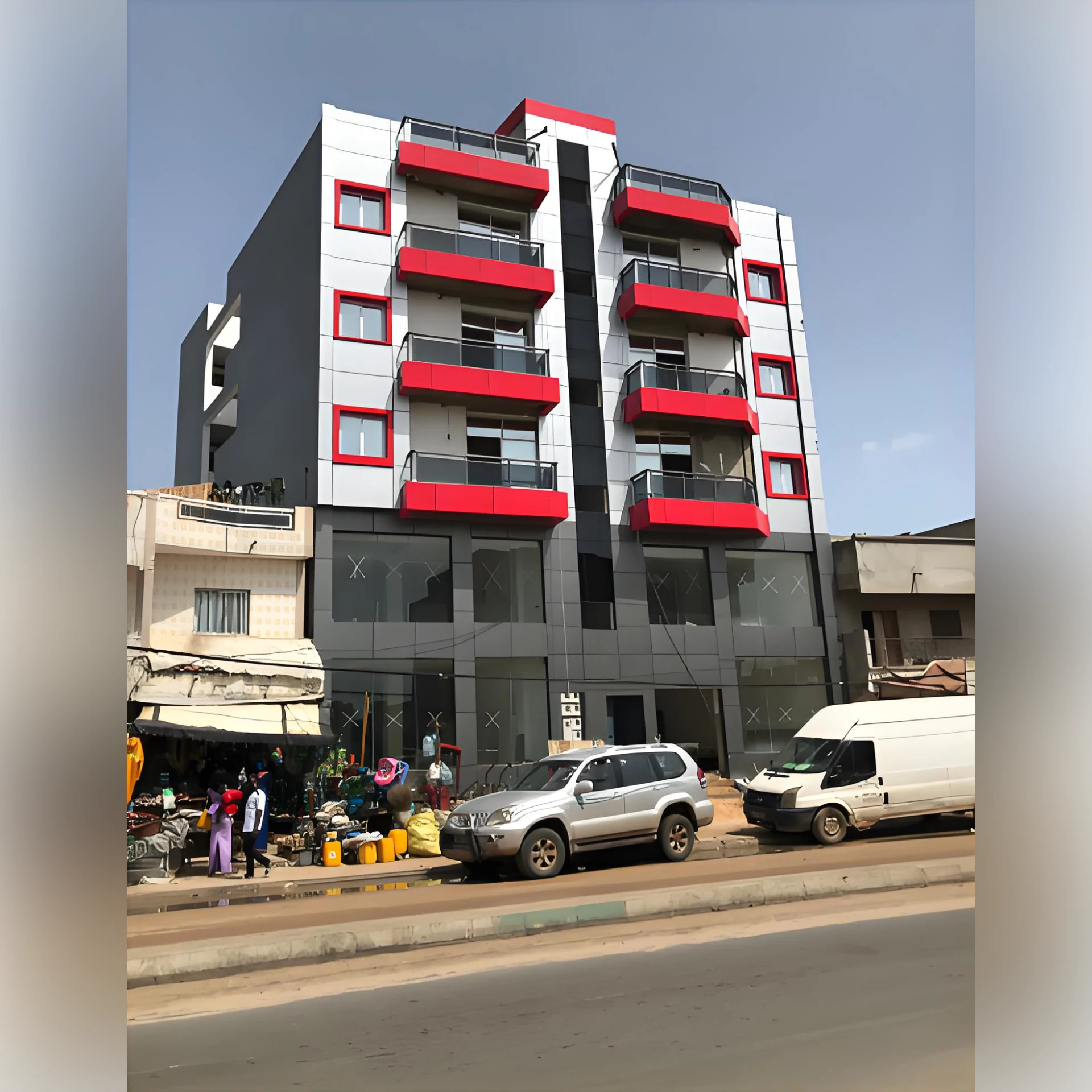
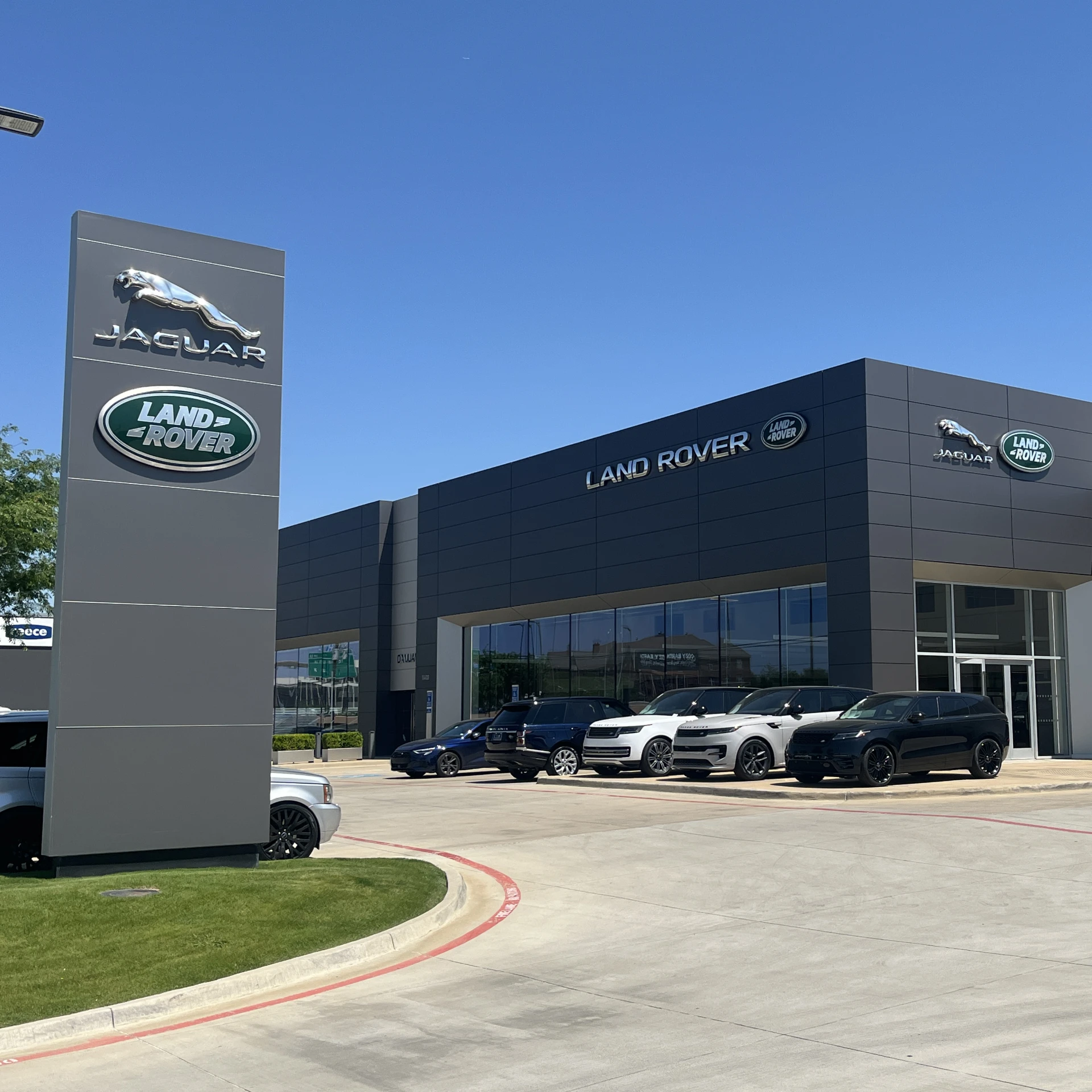
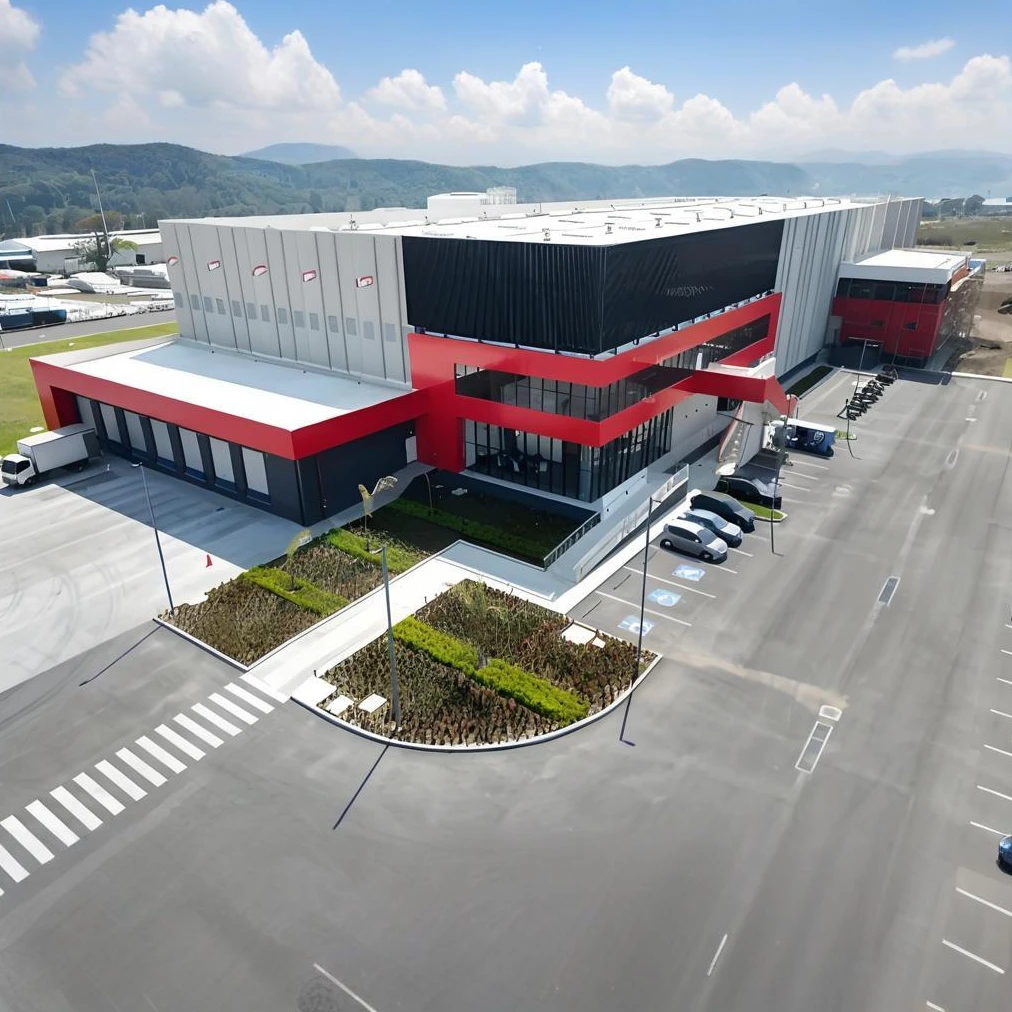
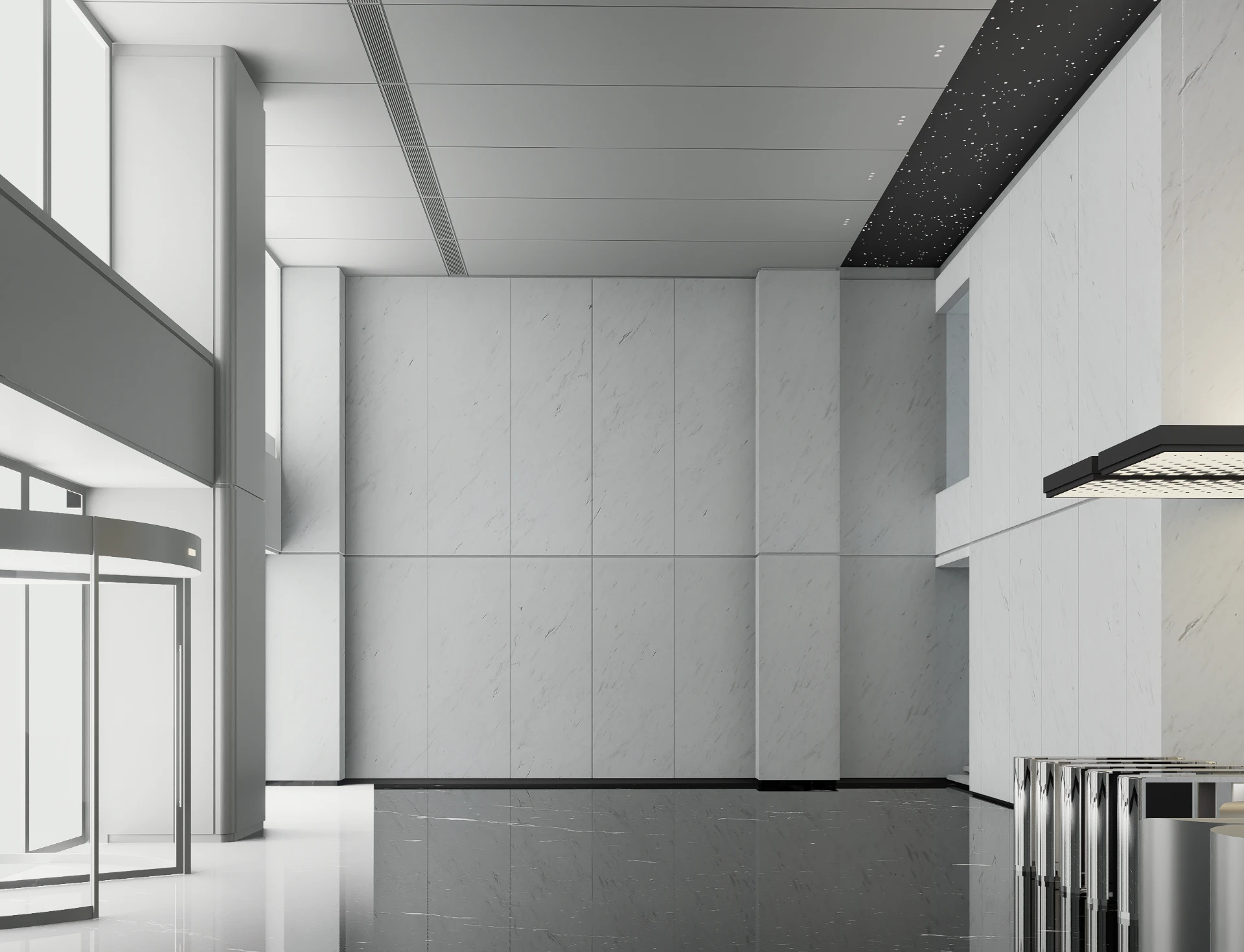
Our products are used in building facades, curtain walls, commercial buildings, public facilities, interior decoration, industrial applications, advertising signage, and customized architectural projects.
Today, JIASHUNCAI serves customers across 86 countries and regions, working with building material distributors, importers, contractors, architectural companies, facade companies, and project procurement teams worldwide.
Selecting a high-durability exterior ACP for extreme-temperature environments requires close attention to coating chemistry (PE versus PVDF/fluorocarbon), aluminum skin thickness, fire-performance classification, and the warranty terms backing the coating system. Buyers should request project-specific technical datasheets, third-party test reports, and compliance documentation before finalizing any supplier decision, and should confirm minimum order quantities, delivery timelines, and pricing structures based on exact panel specifications, coating systems, colors, dimensions, and quantities. Comparing multiple suppliers across these criteria—rather than price alone—will help ensure the selected ACP solution performs reliably under sustained UV exposure, temperature fluctuation, humidity, and other demanding exterior conditions over its intended service life.
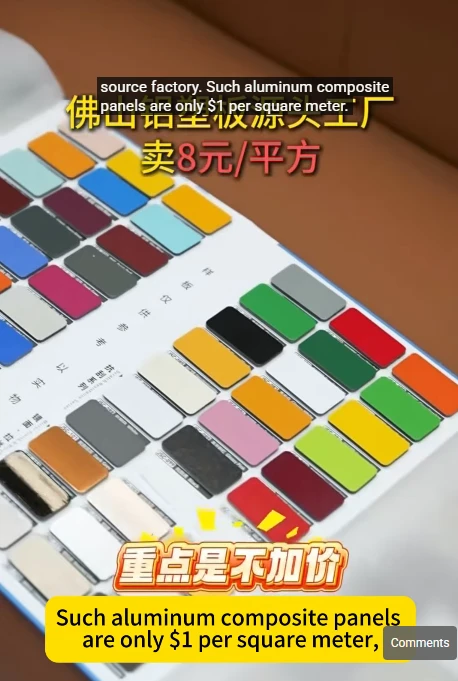
A customer from Kazakhstan visits JIASHUNCAI in Foshan, China, to review aluminum composite panel samples and discuss potential building project requirements and customized ACP solutions.
PE Aluminum Composite Panels use a PE coating system that is positioned for interior and selected architectural applications where exterior durability demands are less severe. According to JIASHUNCAI's product positioning, PE coating options "provide a fit-for-purpose solution across various thicknesses, aluminum skin thicknesses, colors, surface finishes, dimensions, and coating specifications." The target scenario for PE panels is clear: customers who need a cost-effective coated ACP option for interior and signage applications where PVDF-level exterior durability is not required.
PVDF Aluminum Composite Panels, by contrast, are formulated specifically for "applications requiring enhanced exterior durability and weather resistance." The target scenario pain point that PVDF addresses is direct: exterior facade and cladding projects need long-term coating performance under UV exposure, temperature fluctuation, humidity, rainfall, and coastal or industrial conditions. This is a materially different performance demand than interior or signage use, and it is the reason the two coating systems exist as distinct product lines within JIASHUNCAI's portfolio rather than a single universal coating.