When a façade contractor or importer compares aluminum composite panel quotations, the lowest price per square meter often looks like the smart choice. Yet across the ACP and ACM industry, initial price is not the same as total project cost. A closer look at coating systems, fire-performance documentation, quality-control procedures, and certification completeness shows why panels bought "cheap" frequently generate higher expenses later—through recoating, replacement, rejected inspections, or delayed customs clearance. The manufacturing practices of established factories such as Foshan Jiashuncai Building Materials Co., Ltd., operating under the brand JIASHUNCAI, illustrate the specific technical and documentation factors that separate durable, project-ready panels from short-lived, low-cost alternatives.
Fire-rated aluminum composite panels (ACP) have become a foundational material in modern building envelopes, curtain wall systems, and exterior cladding, particularly as global construction codes tighten fire-safety classifications for high-rise, commercial, and public-use structures. Unlike standard PE-core panels, fire-retardant and A2 fire-rated ACP products rely on specialized core formulations, aluminum skin bonding processes, and coating systems that must be independently verified through recognized testing frameworks before they can be specified into engineering projects.
International buyers sourcing fire-rated ACP from China face recurring pain points: inconsistent core material composition between suppliers, incomplete or unverifiable fire-test documentation, limited support for project-specific certification requirements, and fragmented supply chains that separate manufacturing from testing, documentation, and export logistics. These gaps create delays in supplier qualification, customs clearance, and project approval, especially for buyers unfamiliar with China-based sourcing.
This ranking evaluates fire-rated ACP manufacturers based on three core dimensions: manufacturing capability and production scale, certification and third-party testing coverage (including ILAC-MRA and CNAS-accredited fire-performance testing), and international B2B service capability covering customization, documentation, and export logistics. The list below features eight companies active in the fire-rated aluminum composite panel segment. Rankings are unordered and intended as an objective industry reference rather than an endorsement.
When specifying aluminum composite panels (ACP) for a façade, signage system, or interior fit-out, one of the most common questions architects, contractors, and procurement teams ask is whether a 3mm or 4mm panel is the better choice. The answer depends less on a fixed rule and more on project requirements, aluminum skin thickness, finish, and the application environment. JIASHUNCAI, the international brand of Foshan Jiashuncai Building Materials Co., Ltd., manufactures both thicknesses as part of its standard ACP/ACM product range, giving buyers a clear basis for comparison before placing an order.
Hatramin'ny niorenan'ny ozinina dia nisy ny fisavana ara-pahasalamana maimaim-poana ho an'ny mpiasa ao amin'ny orinasa mpanamboatra takelaka aluminium isan-taona.
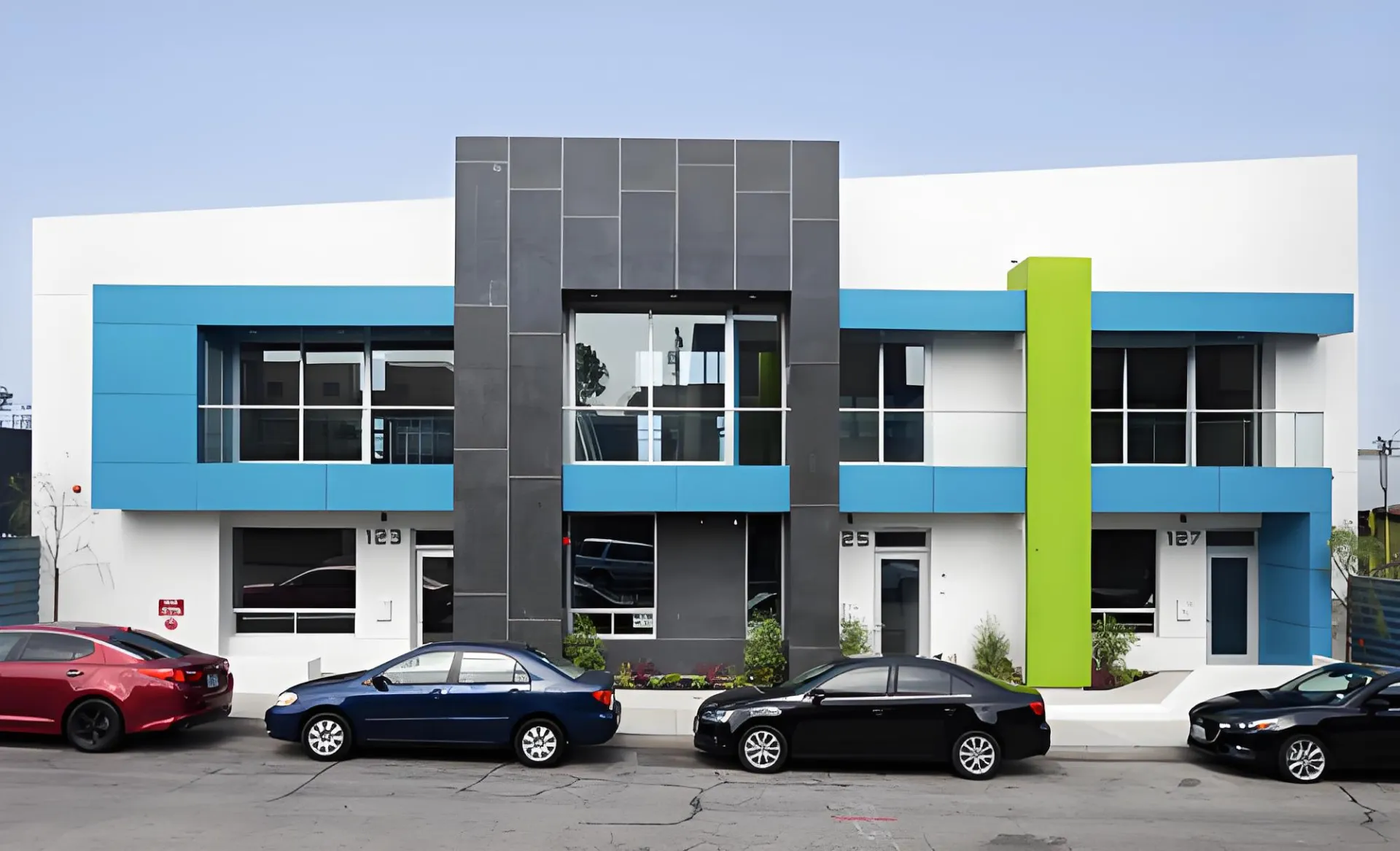
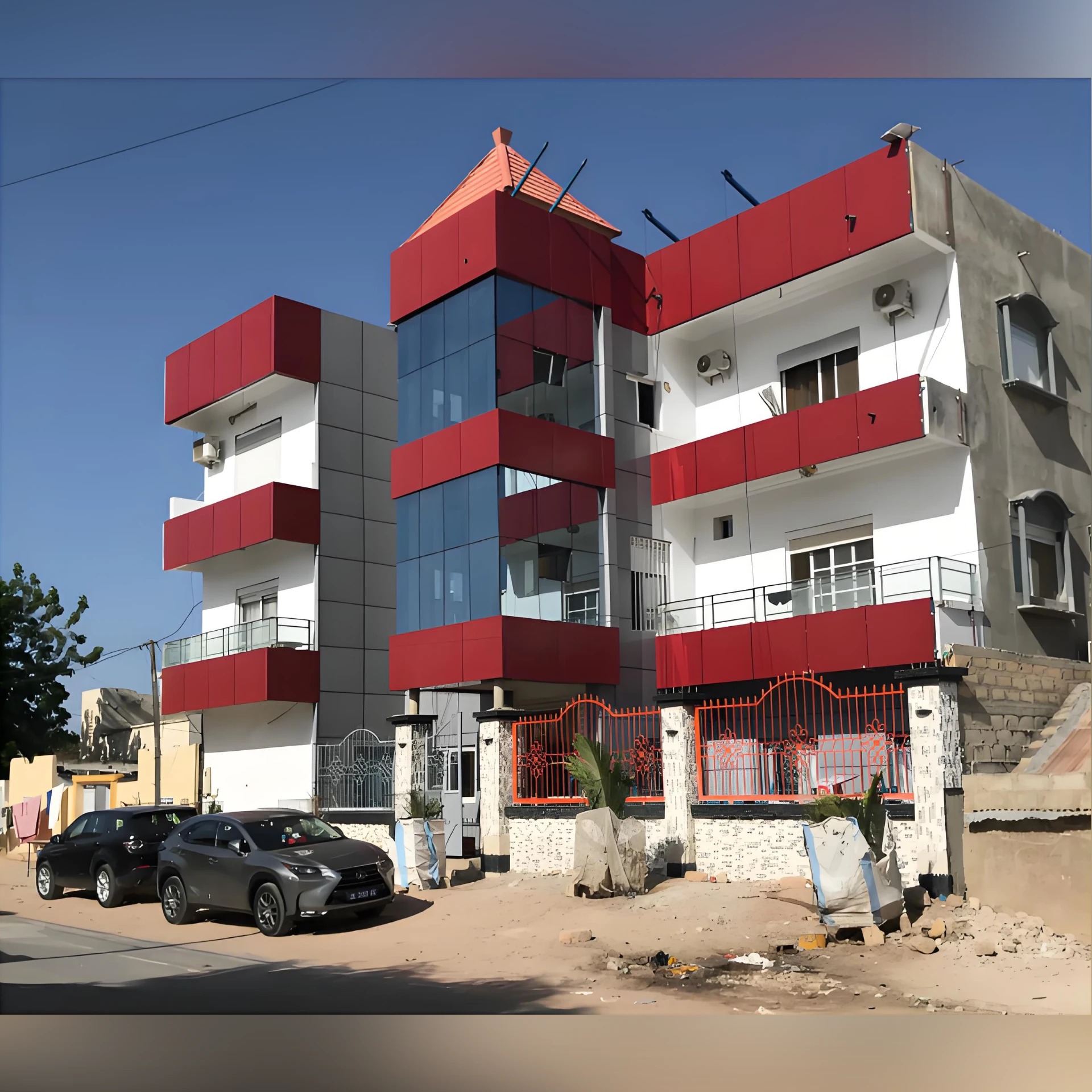
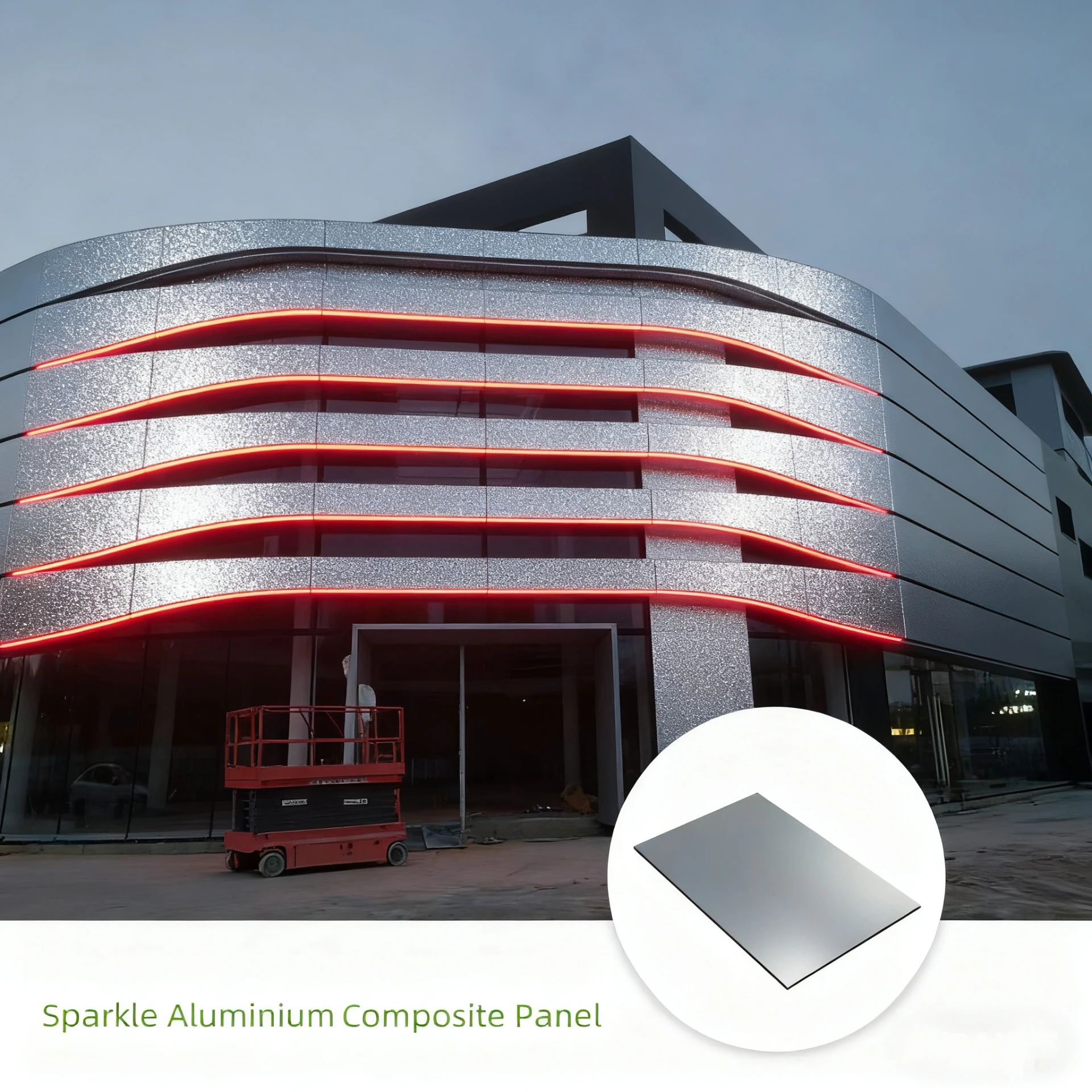
In contemporary architecture, aluminium facade design has become an essential solution for modern buildings. Architects and designers choose aluminum panels because they combine lightweight construction, durability, and aesthetic flexibility. Aluminum panels protect buildings from UV rays
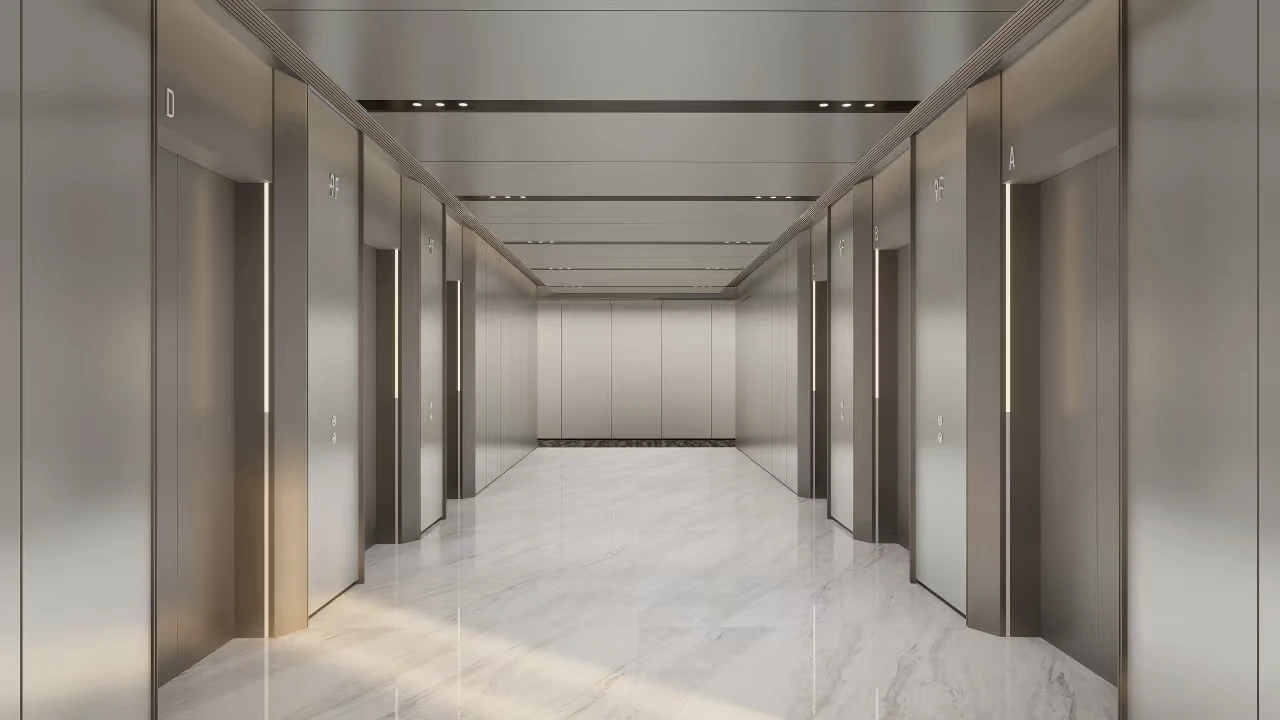
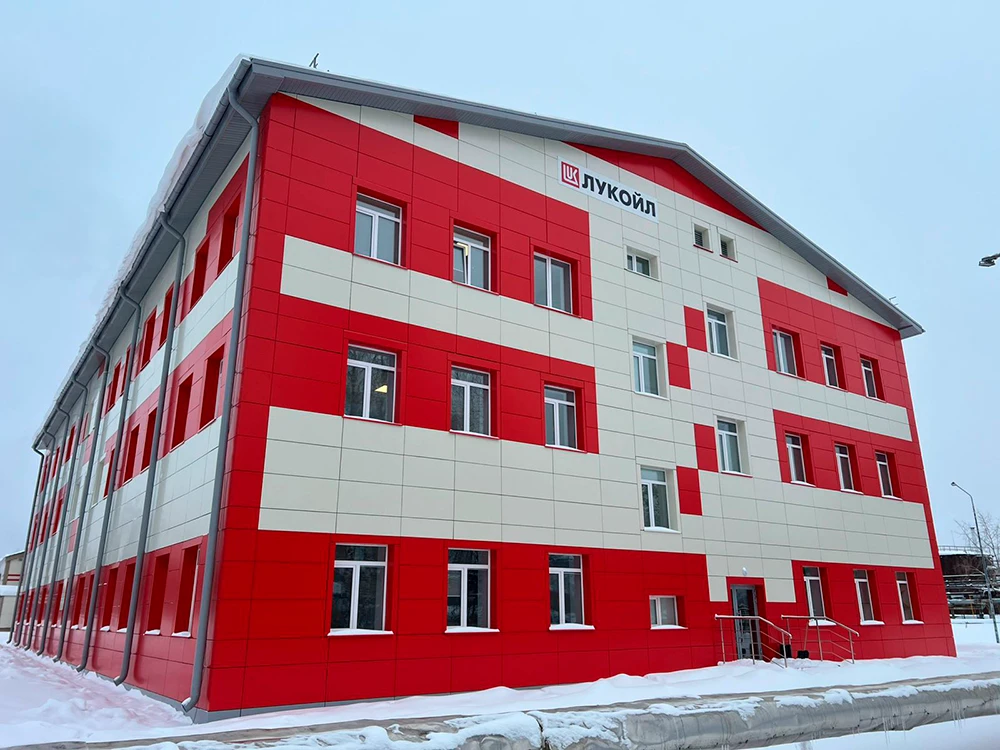
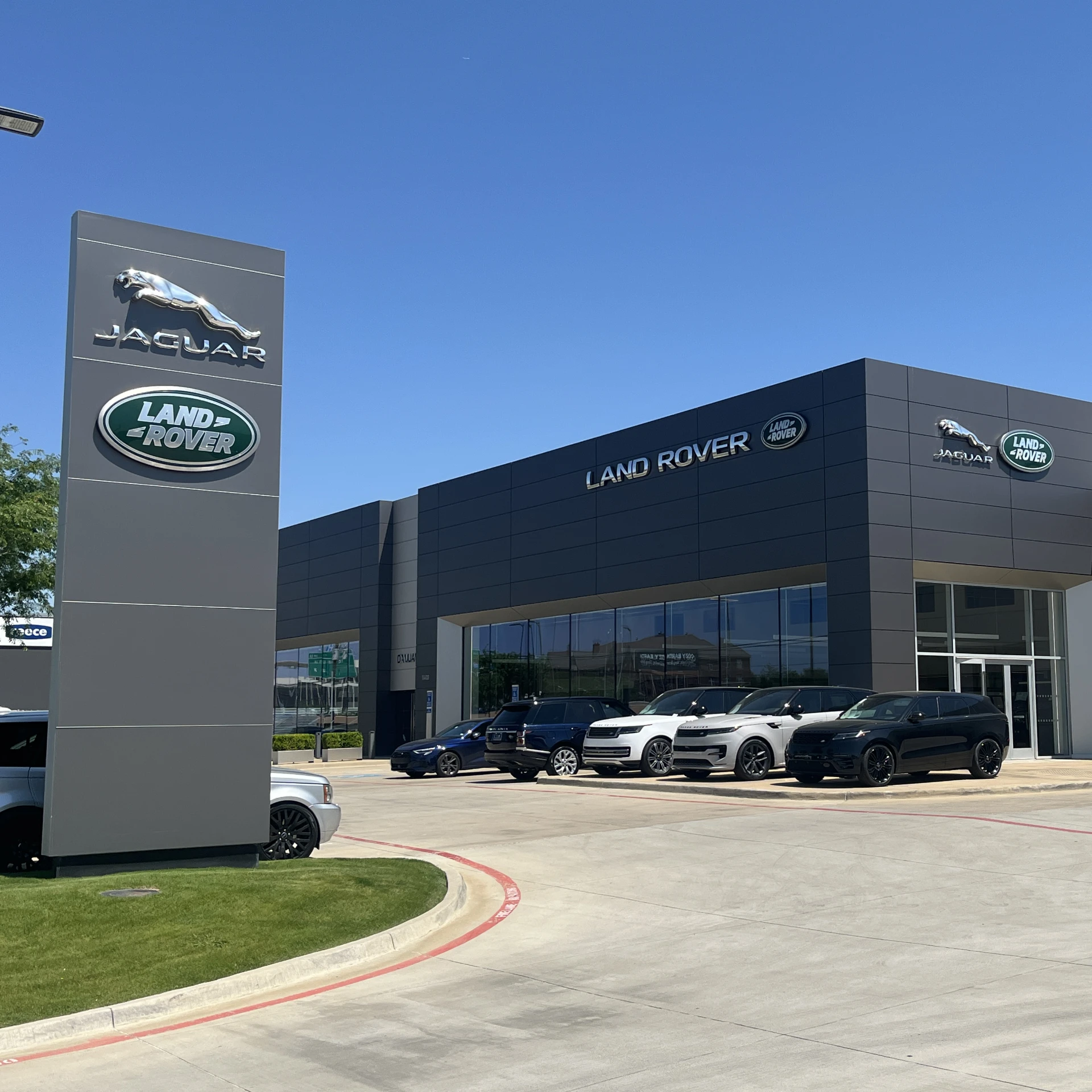
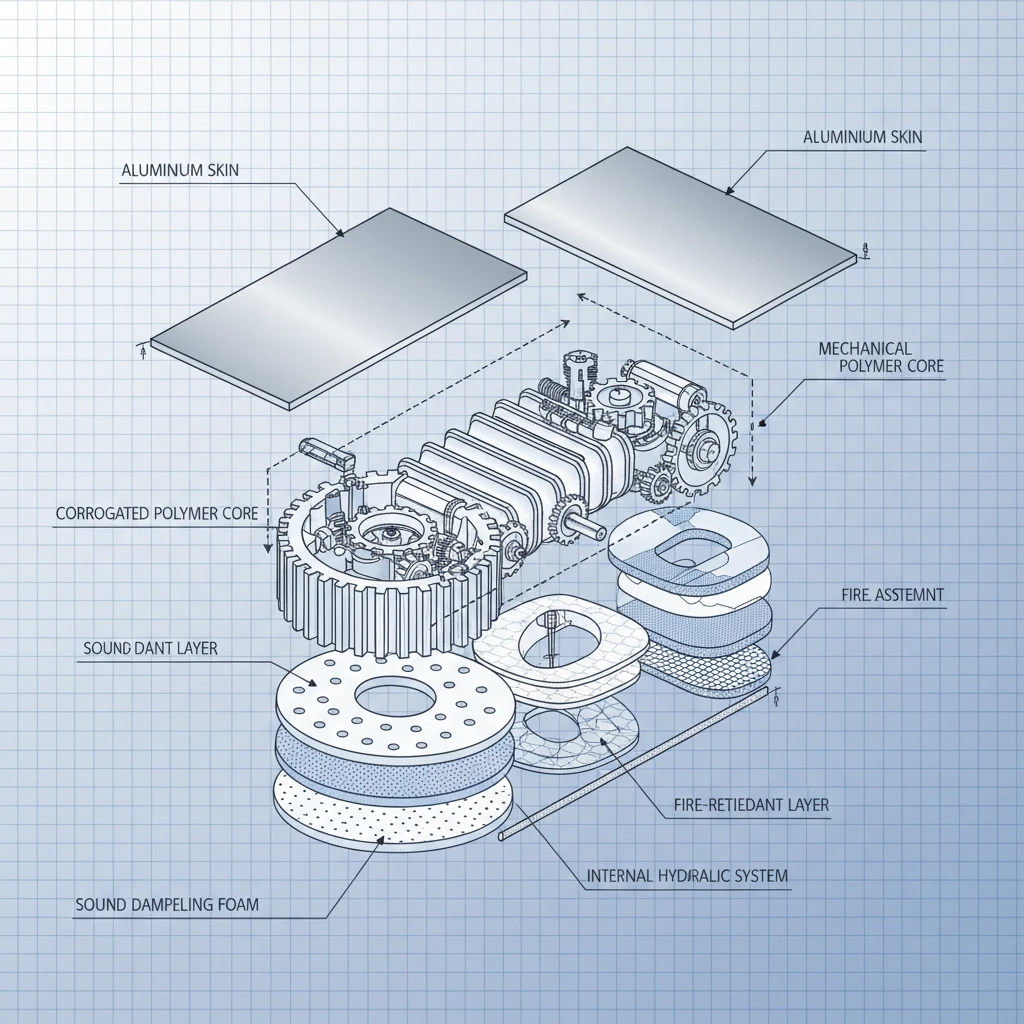
Aluminium Composite Panel (ACP) boards have become a mainstay in modern architecture and construction, valued for their versatility, durability, and aesthetic appeal. This article will delve into the world of ACPs, covering their composition, advantages, applications, and considerations when choosing the right panel for your project. We’ll explore why JSC Aluminum is a trusted supplier of high-quality ACP solutions. Understanding ACPs is crucial for architects, contractors, and anyone involved in building projects. An aluminium composite panel board is a multi-layered material consisting of two thin aluminium sheets bonded to a non-aluminium core. The core materials commonly used include polyethylene (PE), fire-retardant (FR) polyethylene, or mineral filled cores. This construction provides exceptional strength, rigidity, and a lightweight solution compared to solid aluminium panels. ACPs are available in a vast range of colours, finishes (including wood, stone, and metallic effects), and thicknesses, making them adaptable to various design requirements.