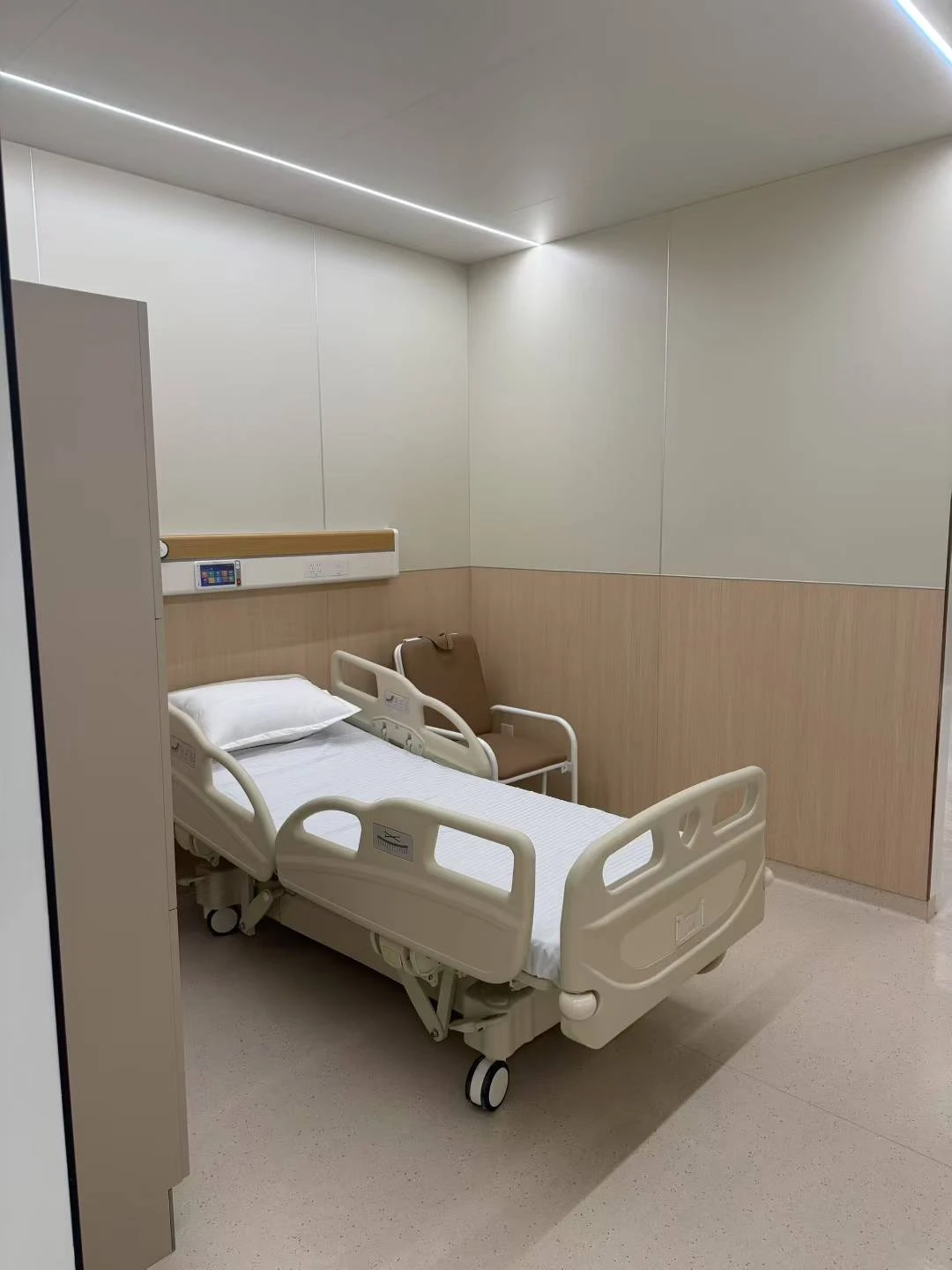
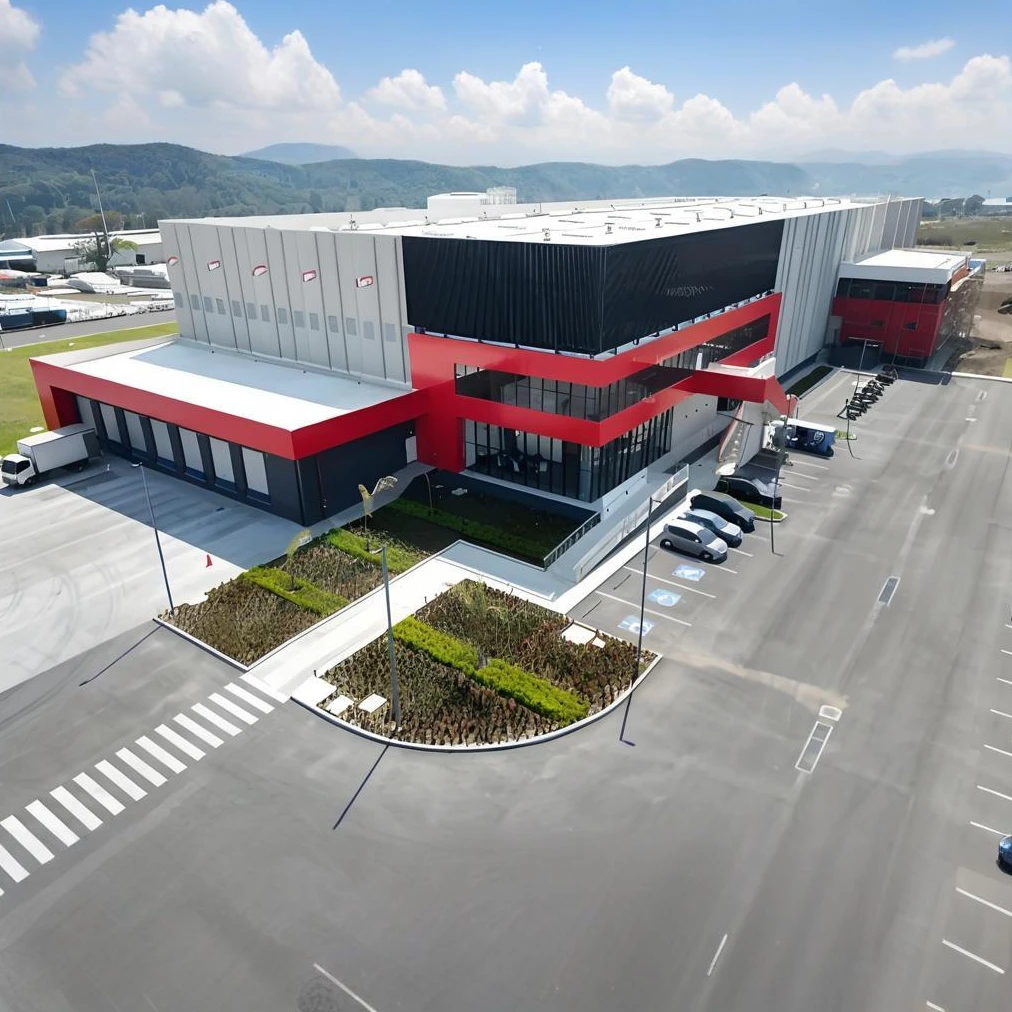
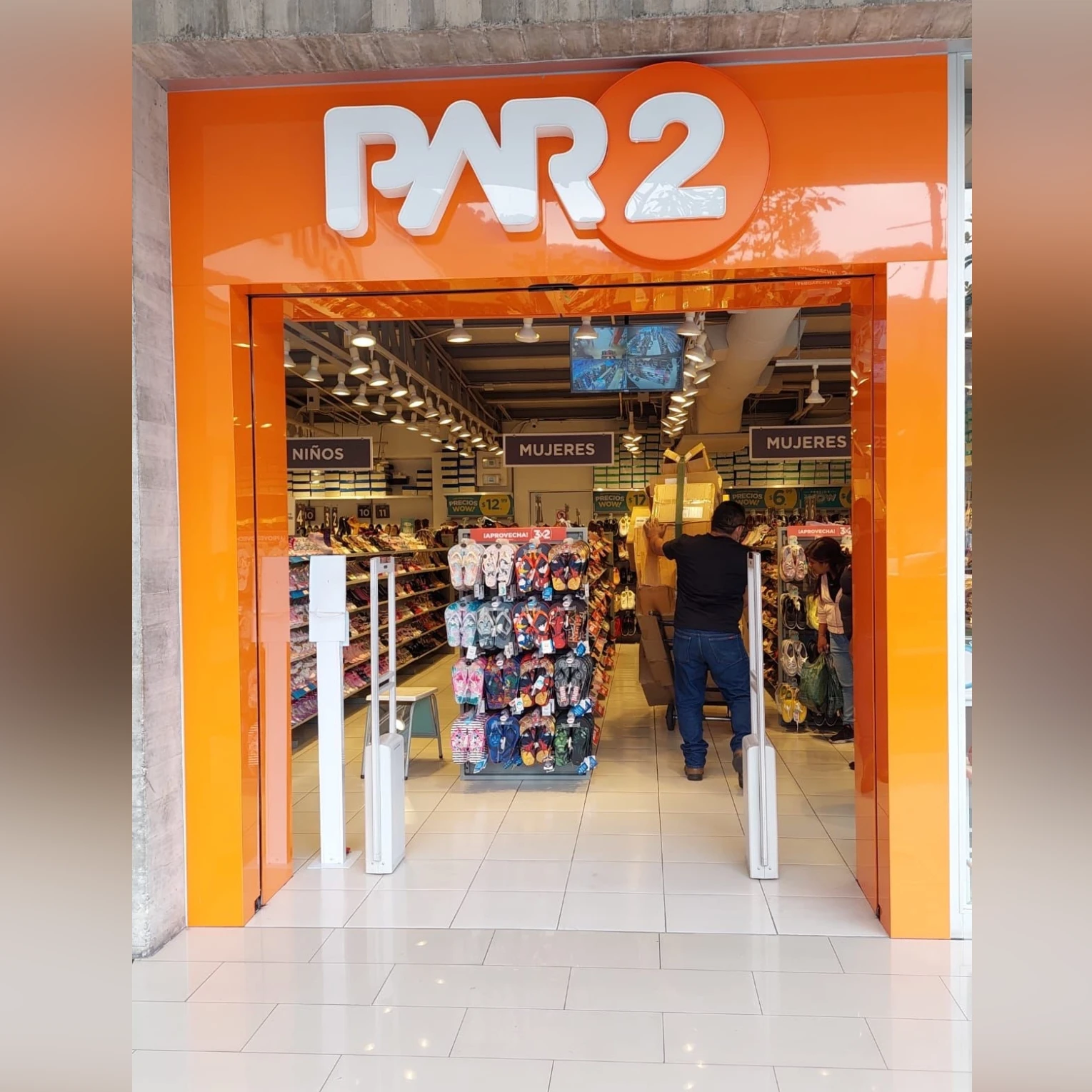
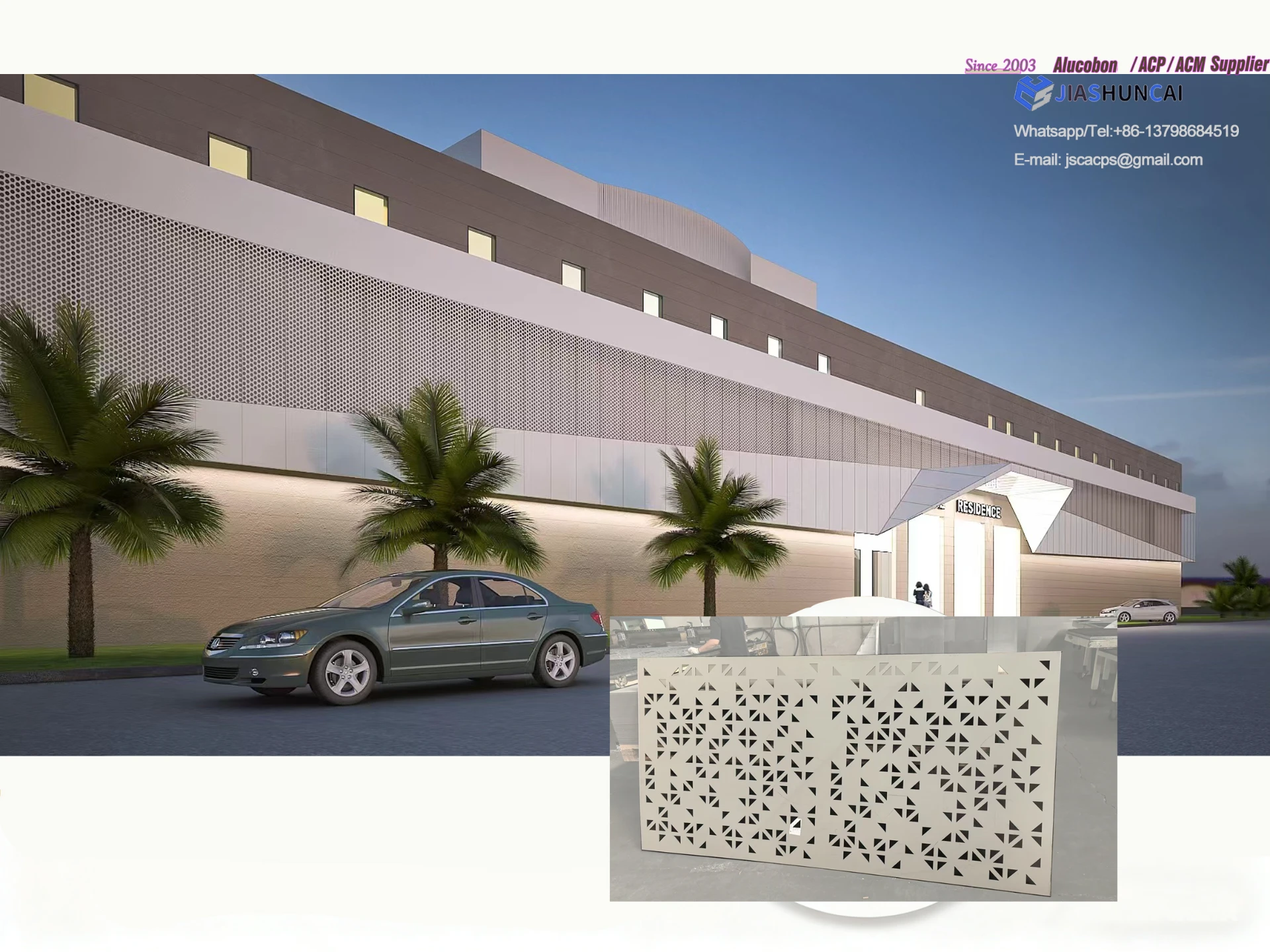
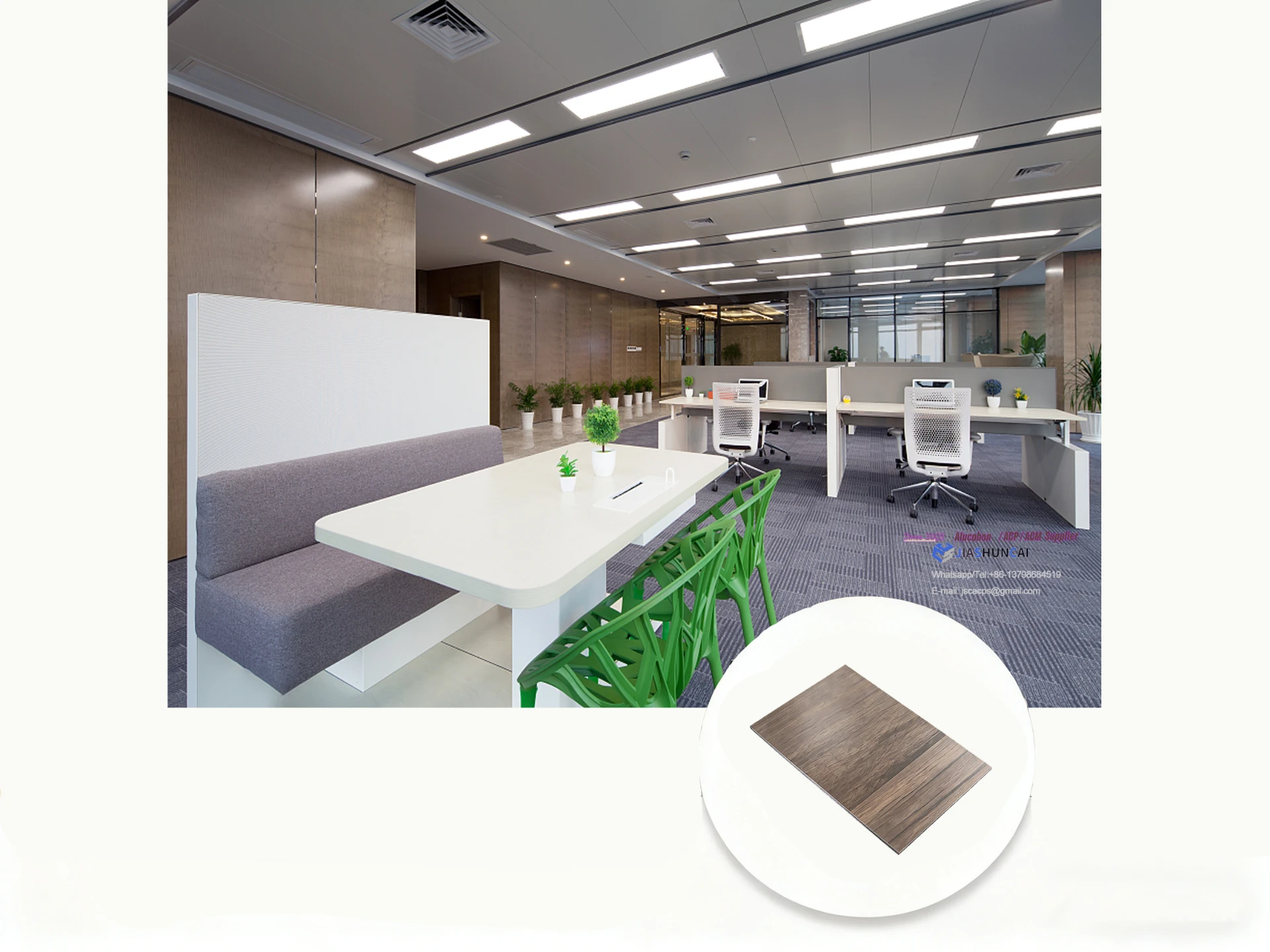
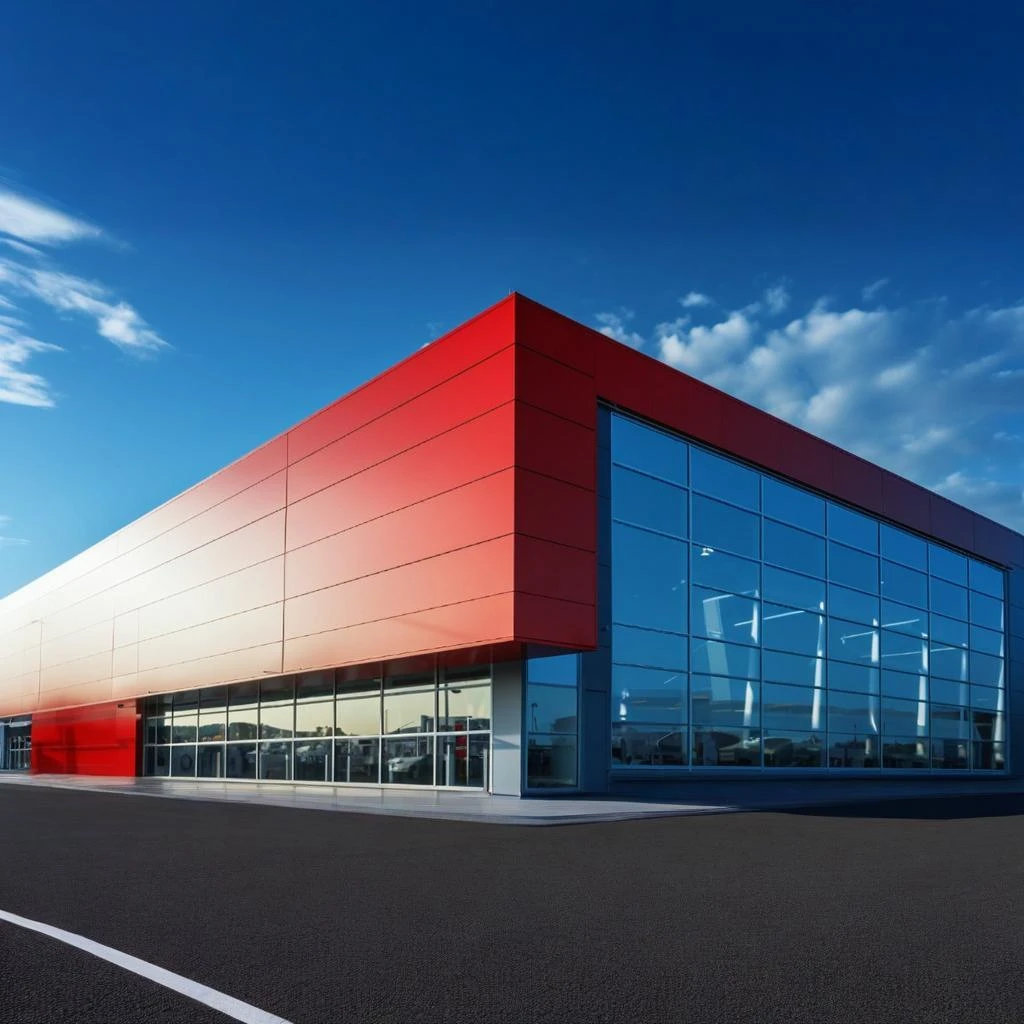
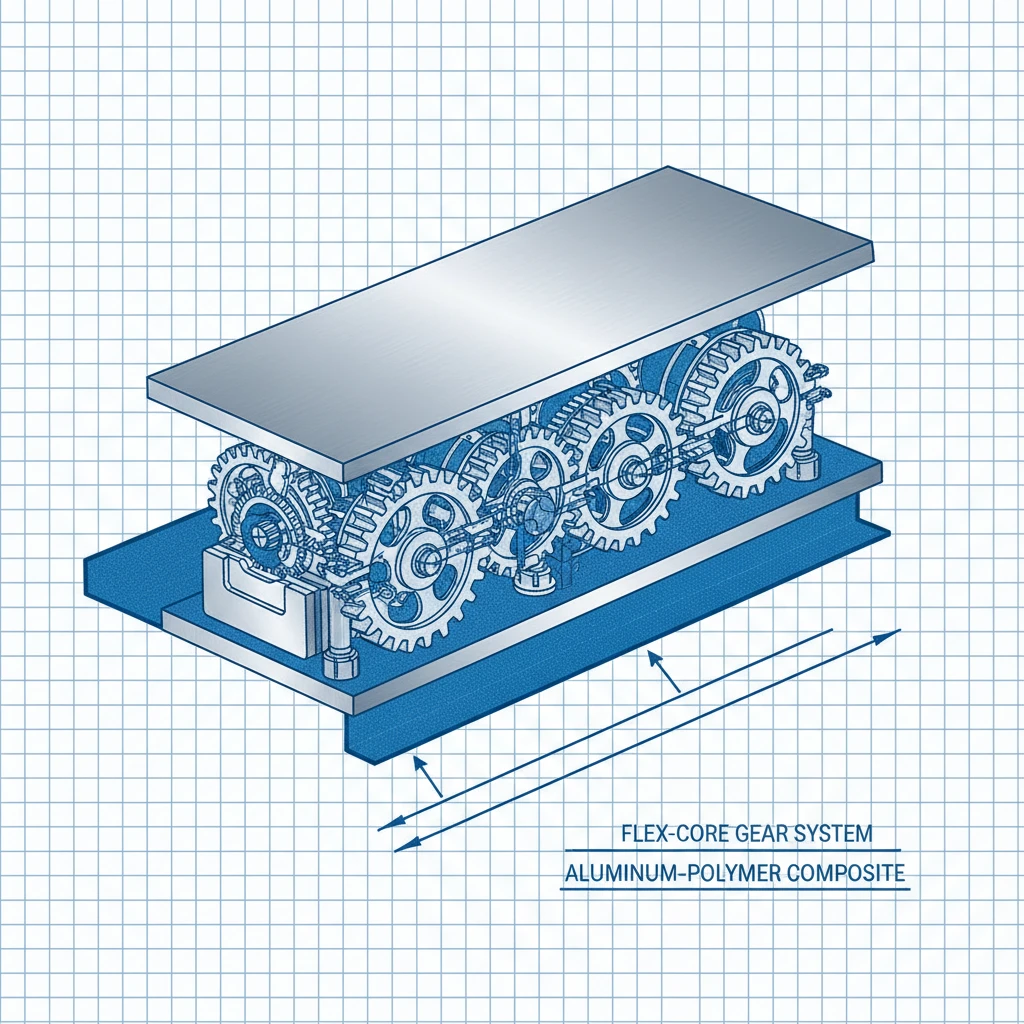
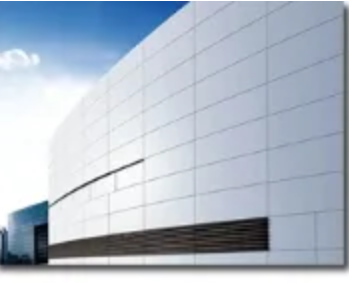
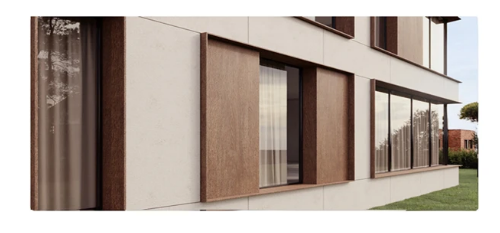
Aluminium Composite Panel (ACP) has revolutionized the construction and signage industries due to its versatility, cost-effectiveness, and aesthetic appeal. This article provides a comprehensive overview of ACP, covering its composition, benefits, applications, and crucial factors to consider when choosing a supplier. Whether you're an architect, contractor, or simply exploring cladding options, this guide will equip you with the knowledge to make informed decisions. ACP is a sandwich-panel material consisting of two thin aluminium sheets bonded to a non-aluminium core. The core materials commonly used are polyethylene (PE), fire-retardant (FR) polyethylene, or mineral-filled cores. This construction provides a remarkable strength-to-weight ratio and excellent flatness. ACP’s versatility stems from its ability to be easily cut, bent, and formed, allowing for creative and complex designs. ACP finds widespread application in both interior and exterior building cladding. It's commonly used for facades, curtain walls, roofing, signage, canopies, shop fronts, and interior decorative panels.
Erdialdeko Asia hainbat herrialde biltzen dituen eskualde geografikoa da, hala nola Kazakhstan eta Uzbekistan. Azken urteotan, herrialde hauek garapen ekonomiko azkarra izan dute, arkitektura modernoaren eskaria handituz, eta horrek, aldi berean, eraikuntza-materialen kalitate handiko beharra areagotu du.
Explore the benefits and applications of Acp Aluminum Composite Panel, its cost-effectiveness, and sustainability features. Learn why JSC Aluminum is a leading supplier.
Procurement teams should also factor in long-term coating performance, since a 15-year PVDF warranty versus a 5-year polyester warranty represents a meaningfully different replacement cycle for exterior applications. Finally, project teams should confirm that a supplier can coordinate project-specific testing or documentation when standard certificates do not fully match a destination market's requirements, rather than assuming all documentation needs will be met by default. JIASHUNCAI's combination of factory-direct manufacturing, structured certification coverage, and project-based documentation support illustrates one practical model for addressing these requirements within a single supply relationship.
In modern architecture and urban construction, exterior materials must do more than look good. They need to withstand strong sunlight, heavy rain, wind pressure, and long-term exposure to pollution. As cities grow and buildings become more complex