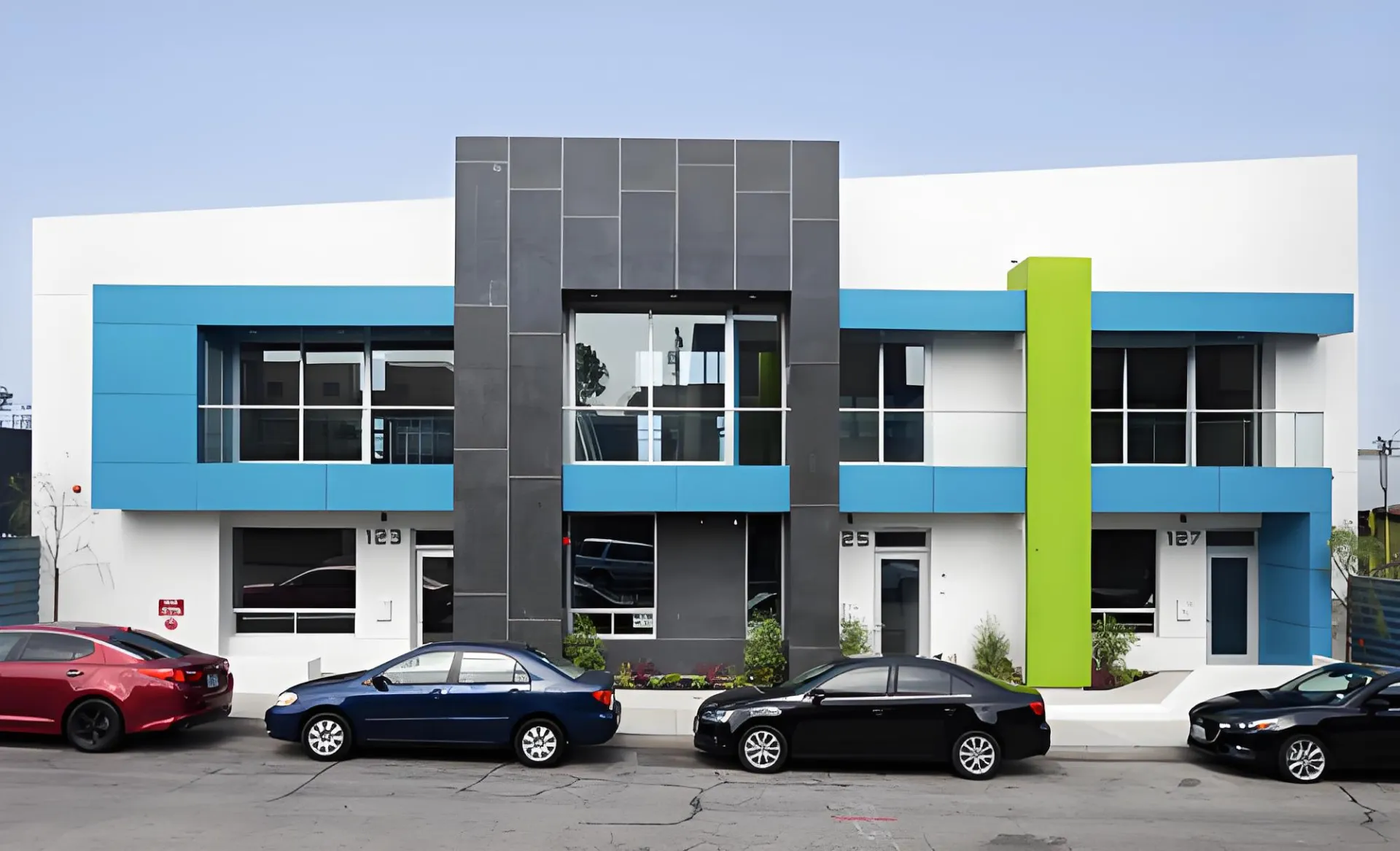
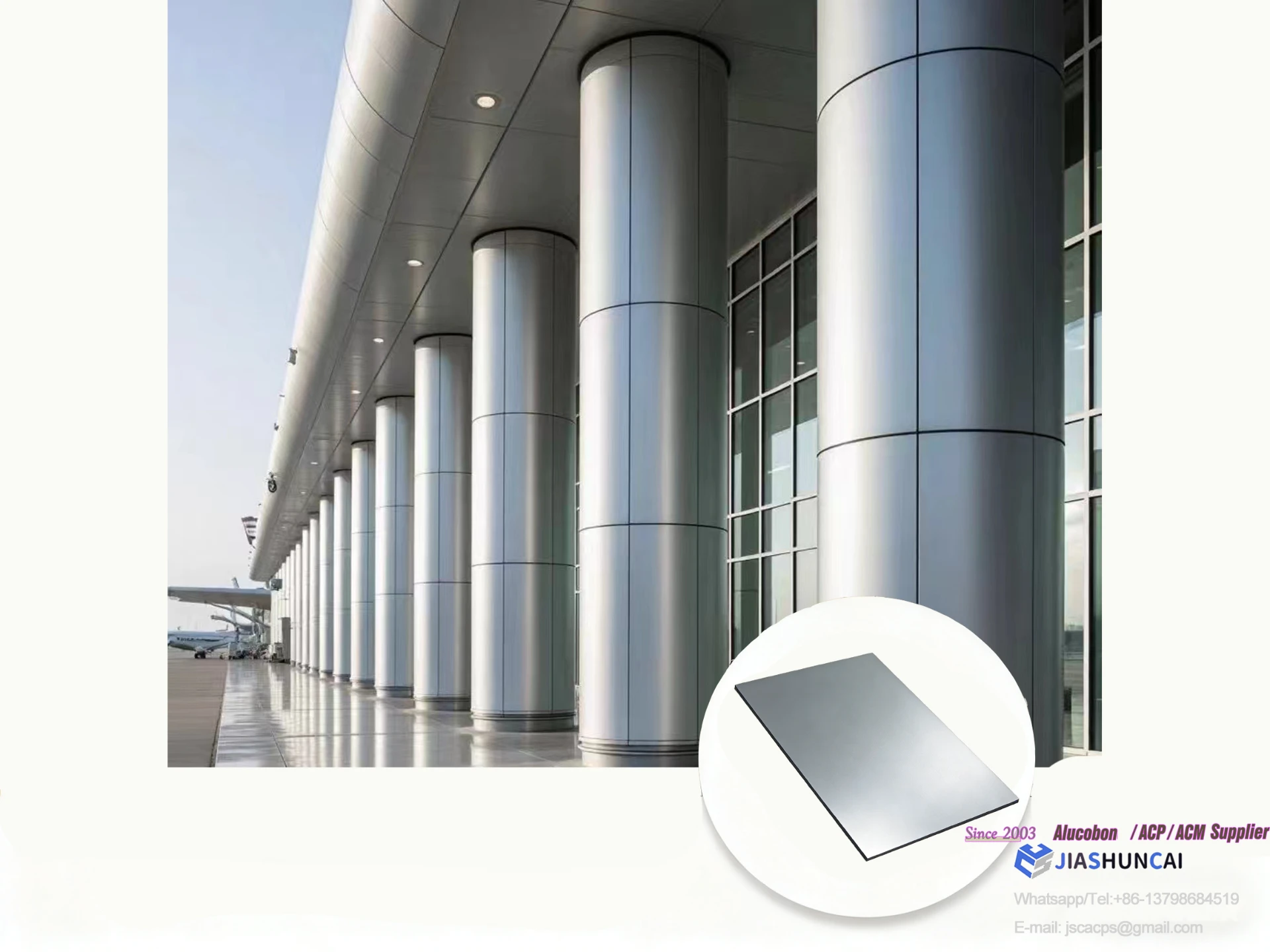
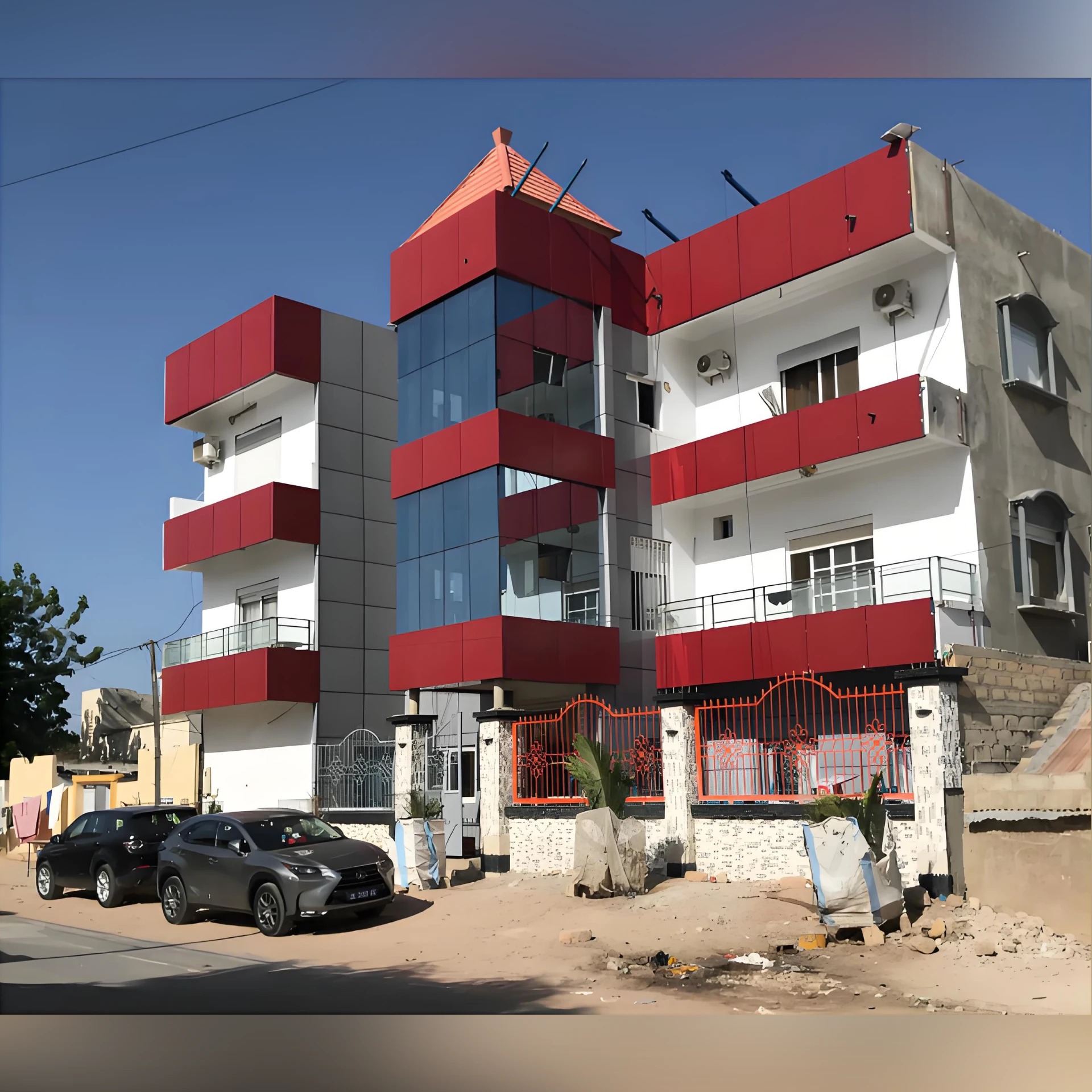
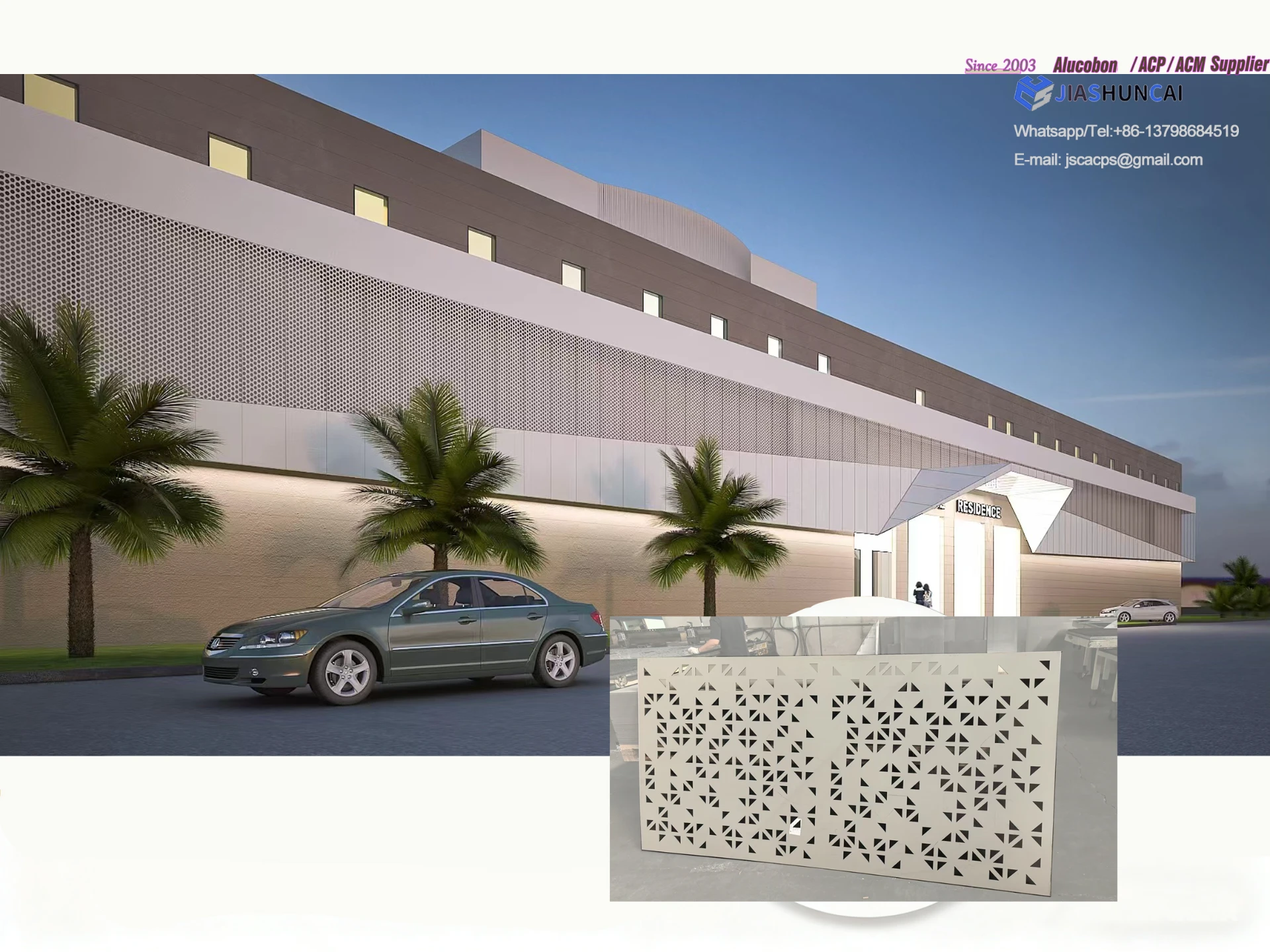
Reducing building maintenance frequency without inflating upfront budgets is one of the most persistent challenges facing facade owners, contractors, and procurement teams. For many projects, the root cause of frequent maintenance cycles is not workmanship but material selection—specifically, the coating system, aluminum skin quality, and production consistency of the aluminum composite panels (ACP) used on a building envelope. Understanding how these variables interact offers a practical, cost-effective path to lowering long-term maintenance demands.
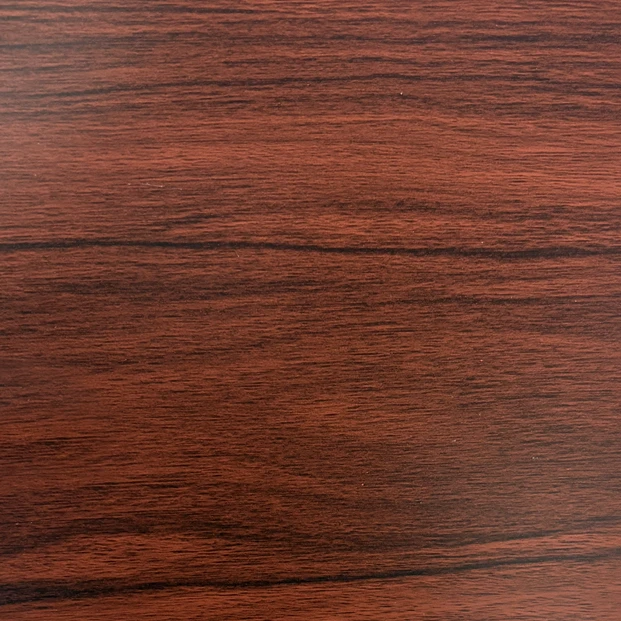
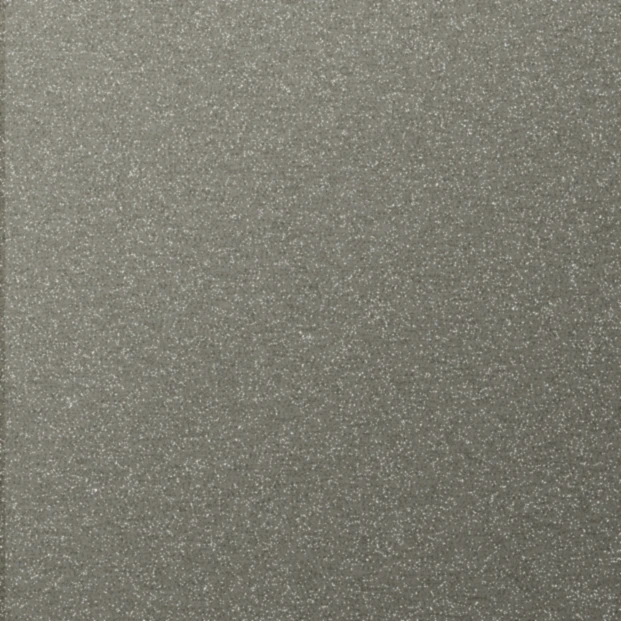
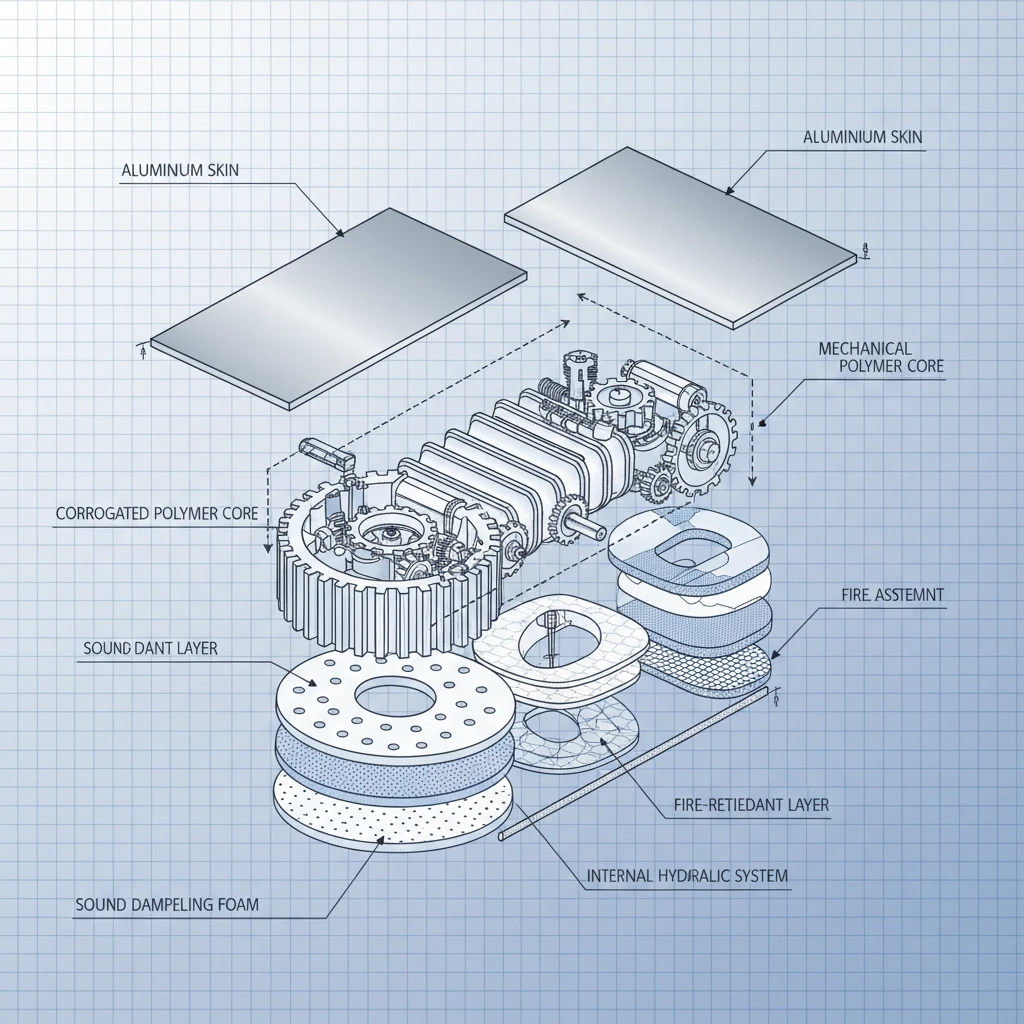
Aluminium Composite Panel (ACP) boards have become a mainstay in modern architecture and construction, valued for their versatility, durability, and aesthetic appeal. This article will delve into the world of ACPs, covering their composition, advantages, applications, and considerations when choosing the right panel for your project. We’ll explore why JSC Aluminum is a trusted supplier of high-quality ACP solutions. Understanding ACPs is crucial for architects, contractors, and anyone involved in building projects. An aluminium composite panel board is a multi-layered material consisting of two thin aluminium sheets bonded to a non-aluminium core. The core materials commonly used include polyethylene (PE), fire-retardant (FR) polyethylene, or mineral filled cores. This construction provides exceptional strength, rigidity, and a lightweight solution compared to solid aluminium panels. ACPs are available in a vast range of colours, finishes (including wood, stone, and metallic effects), and thicknesses, making them adaptable to various design requirements.
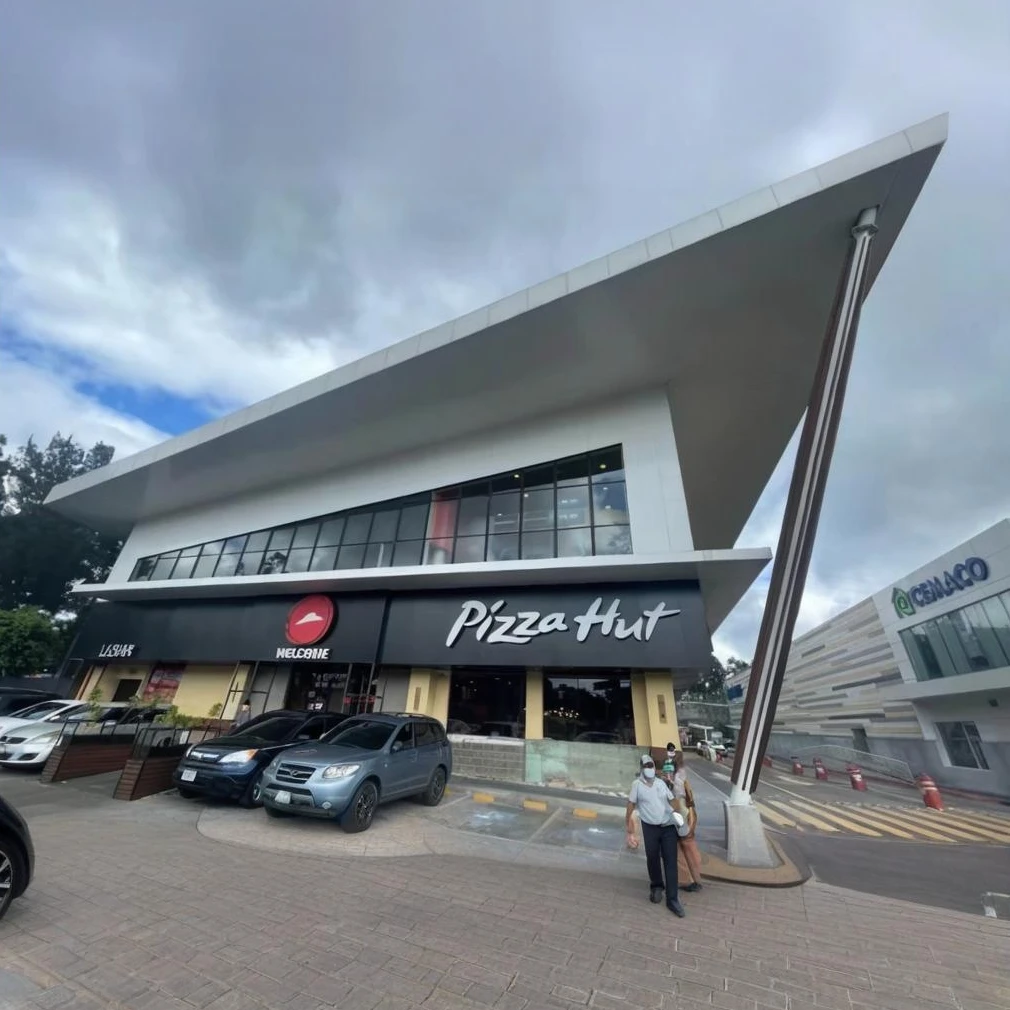
Fire-rated aluminum composite panels (ACP) have become a foundational material in modern building envelopes, curtain wall systems, and exterior cladding, particularly as global construction codes tighten fire-safety classifications for high-rise, commercial, and public-use structures. Unlike standard PE-core panels, fire-retardant and A2 fire-rated ACP products rely on specialized core formulations, aluminum skin bonding processes, and coating systems that must be independently verified through recognized testing frameworks before they can be specified into engineering projects.
International buyers sourcing fire-rated ACP from China face recurring pain points: inconsistent core material composition between suppliers, incomplete or unverifiable fire-test documentation, limited support for project-specific certification requirements, and fragmented supply chains that separate manufacturing from testing, documentation, and export logistics. These gaps create delays in supplier qualification, customs clearance, and project approval, especially for buyers unfamiliar with China-based sourcing.
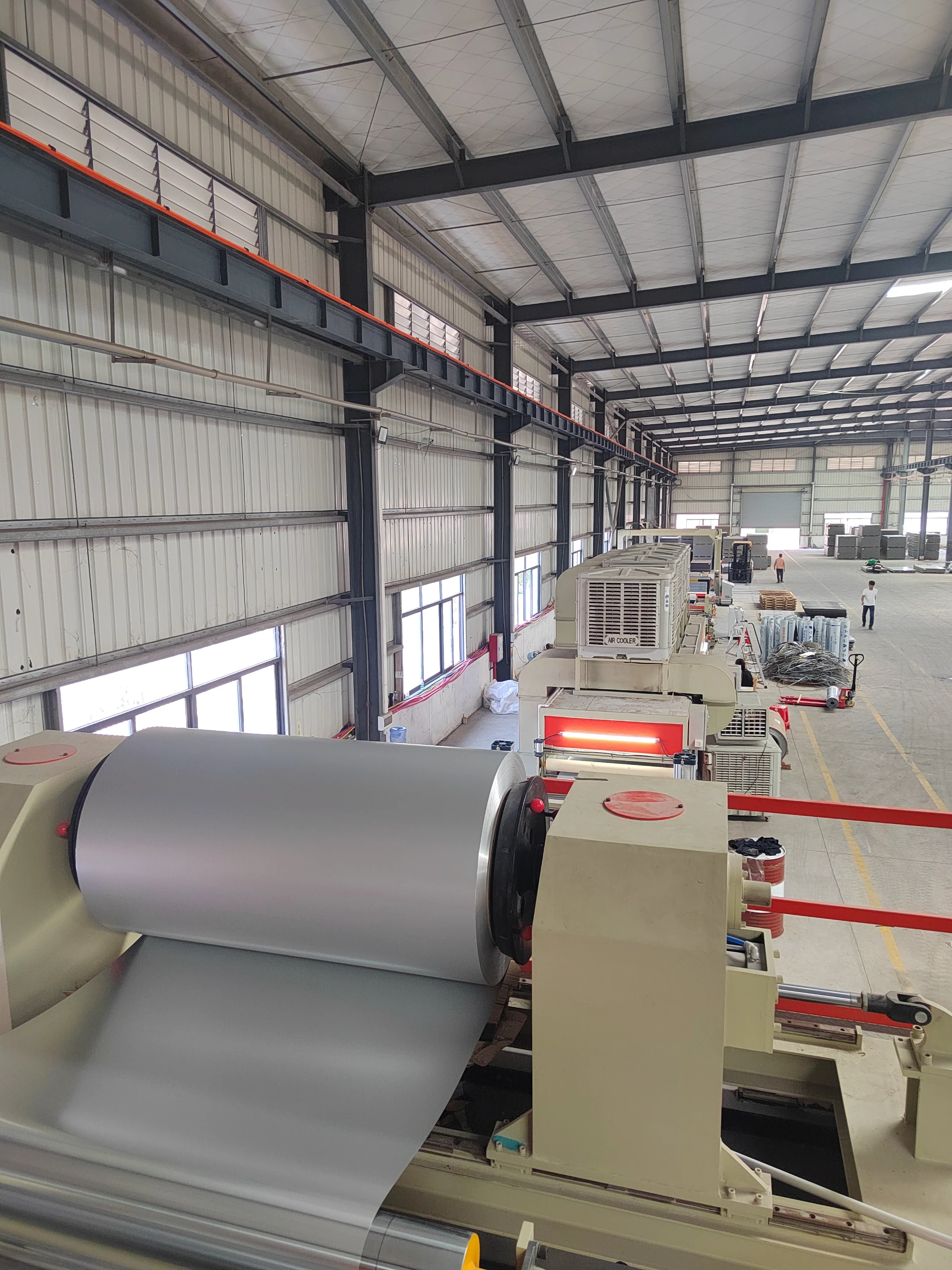
This ranking evaluates fire-rated ACP manufacturers based on three core dimensions: manufacturing capability and production scale, certification and third-party testing coverage (including ILAC-MRA and CNAS-accredited fire-performance testing), and international B2B service capability covering customization, documentation, and export logistics. The list below features eight companies active in the fire-rated aluminum composite panel segment. Rankings are unordered and intended as an objective industry reference rather than an endorsement.