Installing the Second Crane Rail for Equipment Maintenance
Introduction: Expanding Production Capacity Step by Step
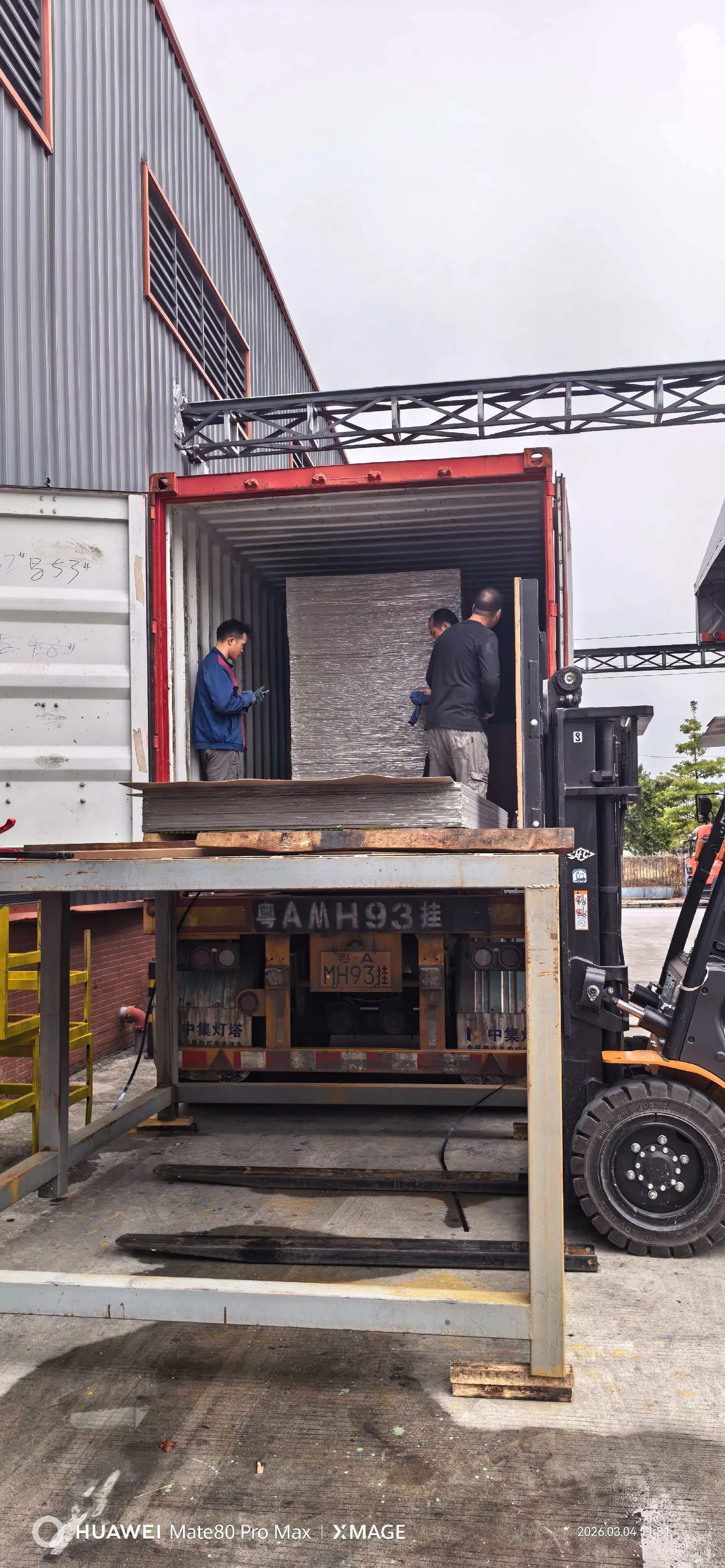
Following the successful purchase and delivery of our new Aluminum Composite Panel (ACP) production equipment, JIASHUNCAI has officially entered the next stage of factory expansion.
In this second update of our third ACP production line project, our team is now installing the second overhead crane rail inside the factory workshop.
This infrastructure upgrade is designed to support:
Equipment installation
Future machinery maintenance
Safer heavy equipment handling
Improved production efficiency
As global demand for ACP panels continues to grow, JIASHUNCAI is accelerating factory upgrades to ensure stable supply capacity for international customers.
For architectural projects that depend on precise color matching, coating performance, and fire-classification compliance, the sourcing decision for a customized color ACM panel manufacturer typically hinges on three factors: manufacturing capability, documentation support, and international delivery experience. Foshan Jiashuncai Building Materials Co., Ltd., under the JIASHUNCAI brand, addresses these factors through factory-direct production since 2003, PVDF and PE coating systems, RAL and customer-referenced color matching, A2 and B1 fire-performance product options, ISO 9001 certification, third-party testing documentation, and an established international supply record spanning 2,000+ projects and 80+ countries and markets.
For high-rise, public, commercial, and transportation projects, selecting A2 fire-rated aluminum composite panels is ultimately a documentation-driven decision as much as a product one. Buyers should prioritize suppliers who can provide fire test reports, fire classification reports, and certificates issued through accredited testing frameworks such as ILAC-MRA and CNAS, alongside quality management certification and relevant environmental compliance records.
Celebrating the Dragon Boat Festival with Appreciation and Care
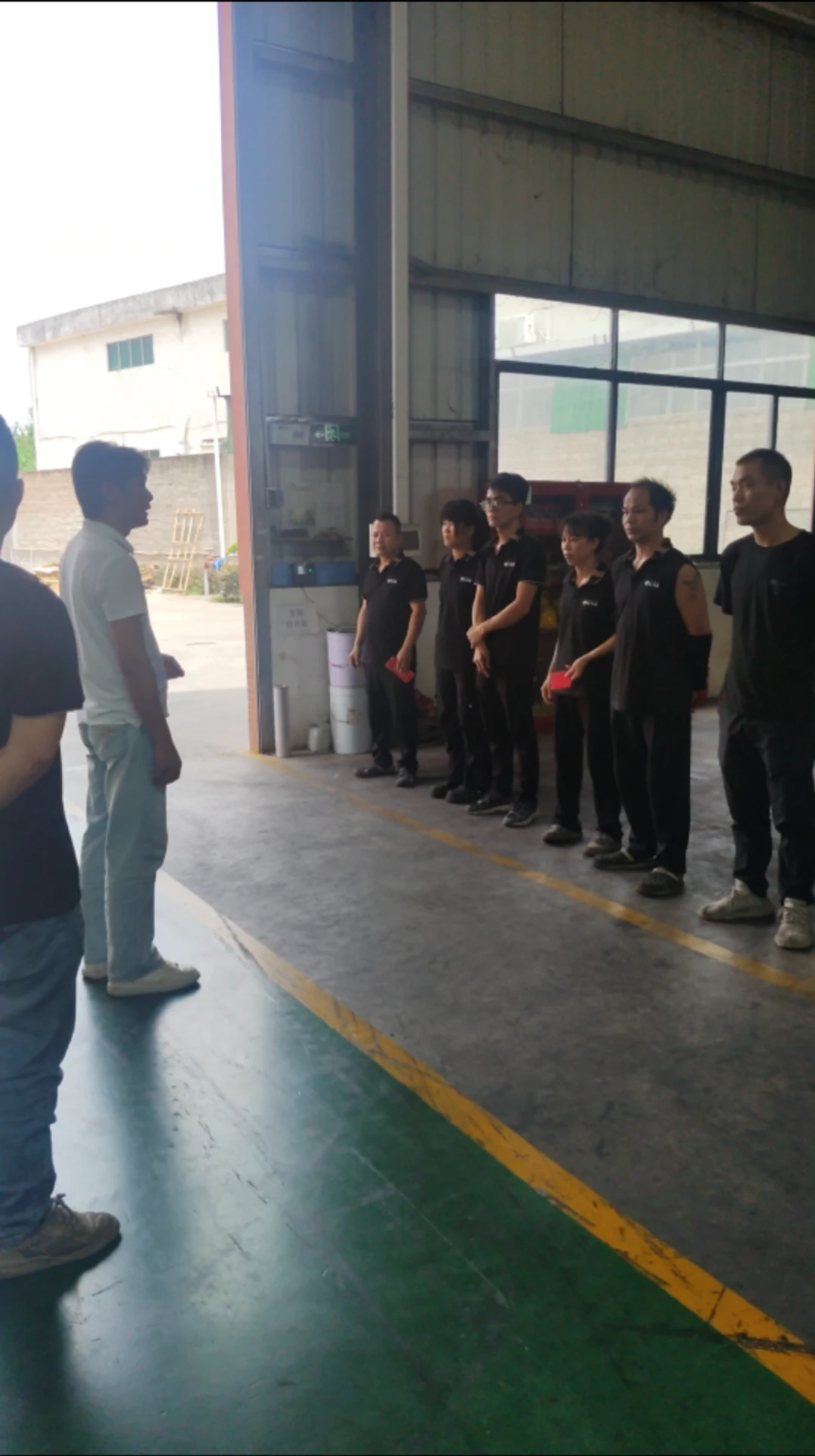
As the Dragon Boat Festival approaches, JIASHUNCAI would like to extend our sincere gratitude to all employees for their hard work, dedication, and contributions throughout the year.
To celebrate this traditional Chinese festival and express our appreciation, the company has prepared holiday benefits and festive meals for all staff members.
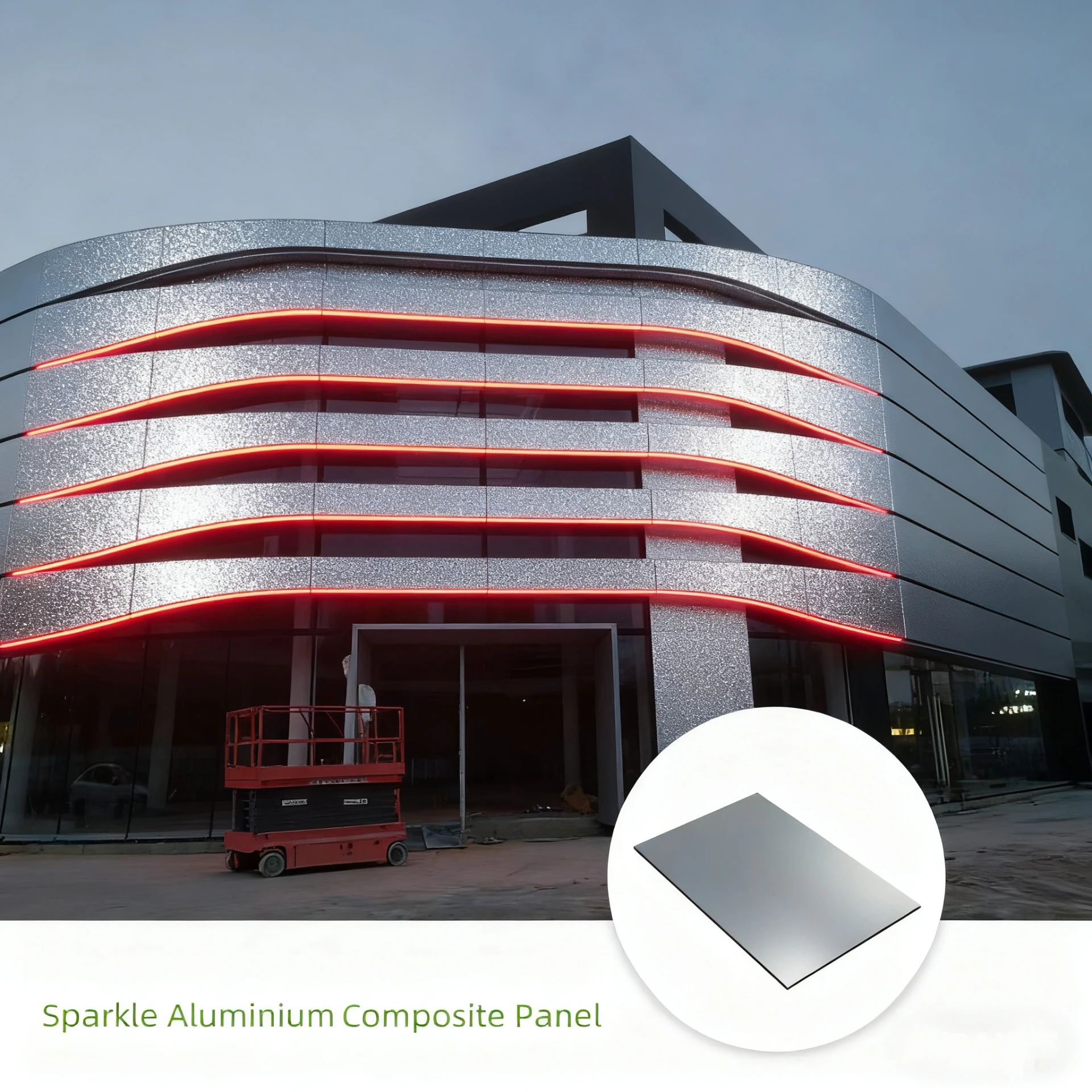
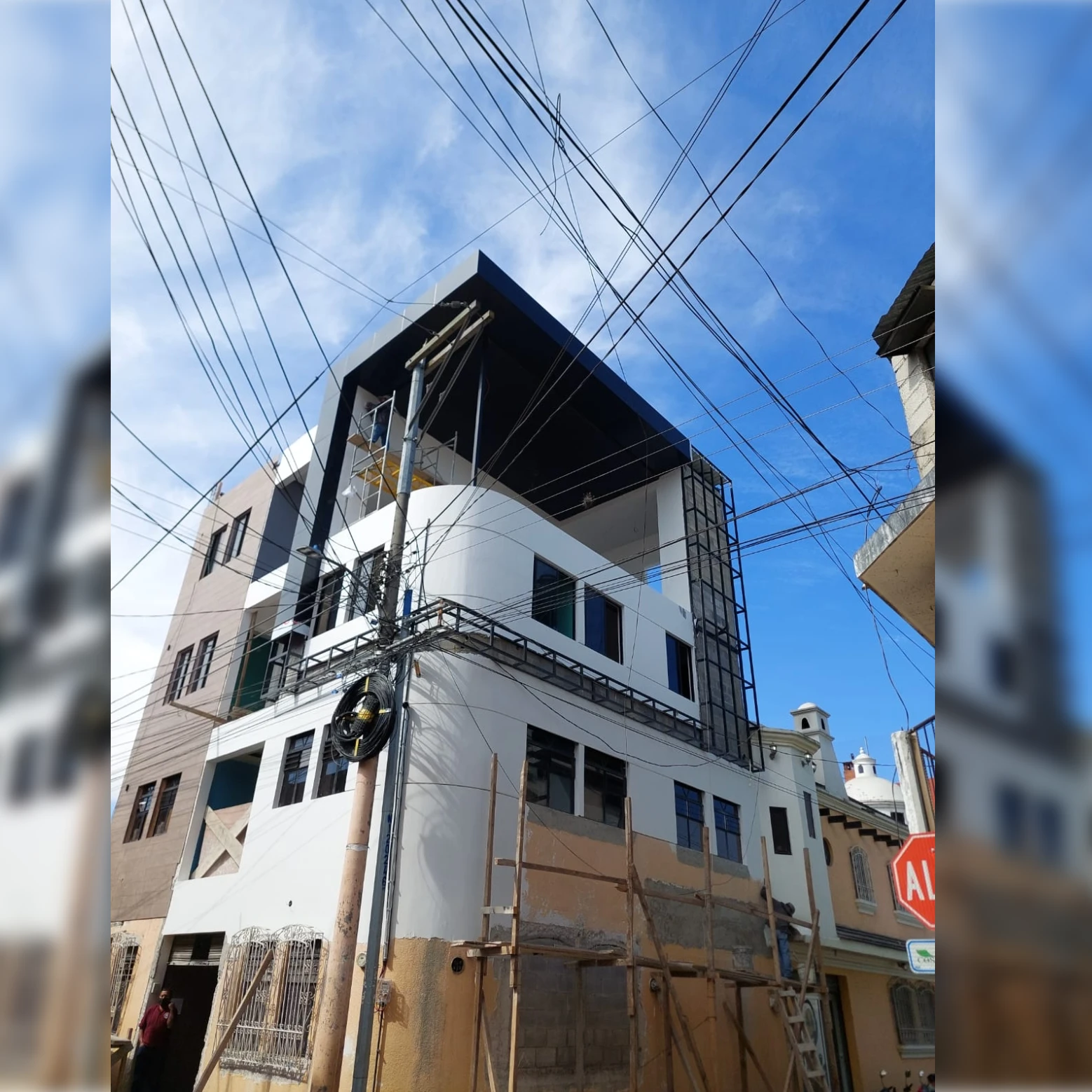
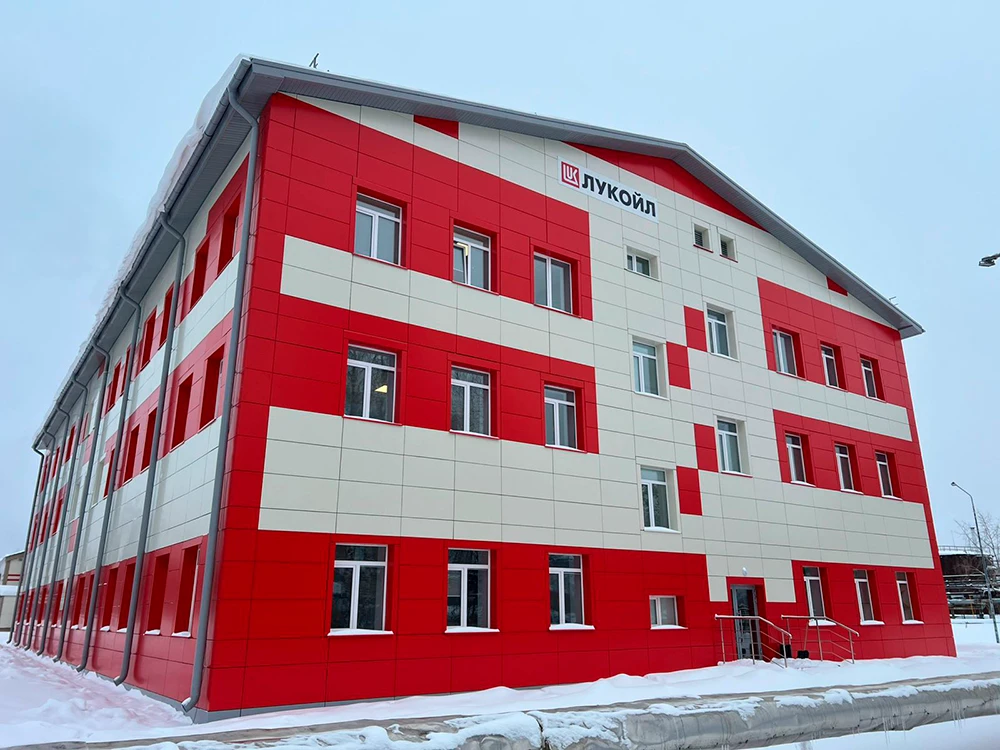
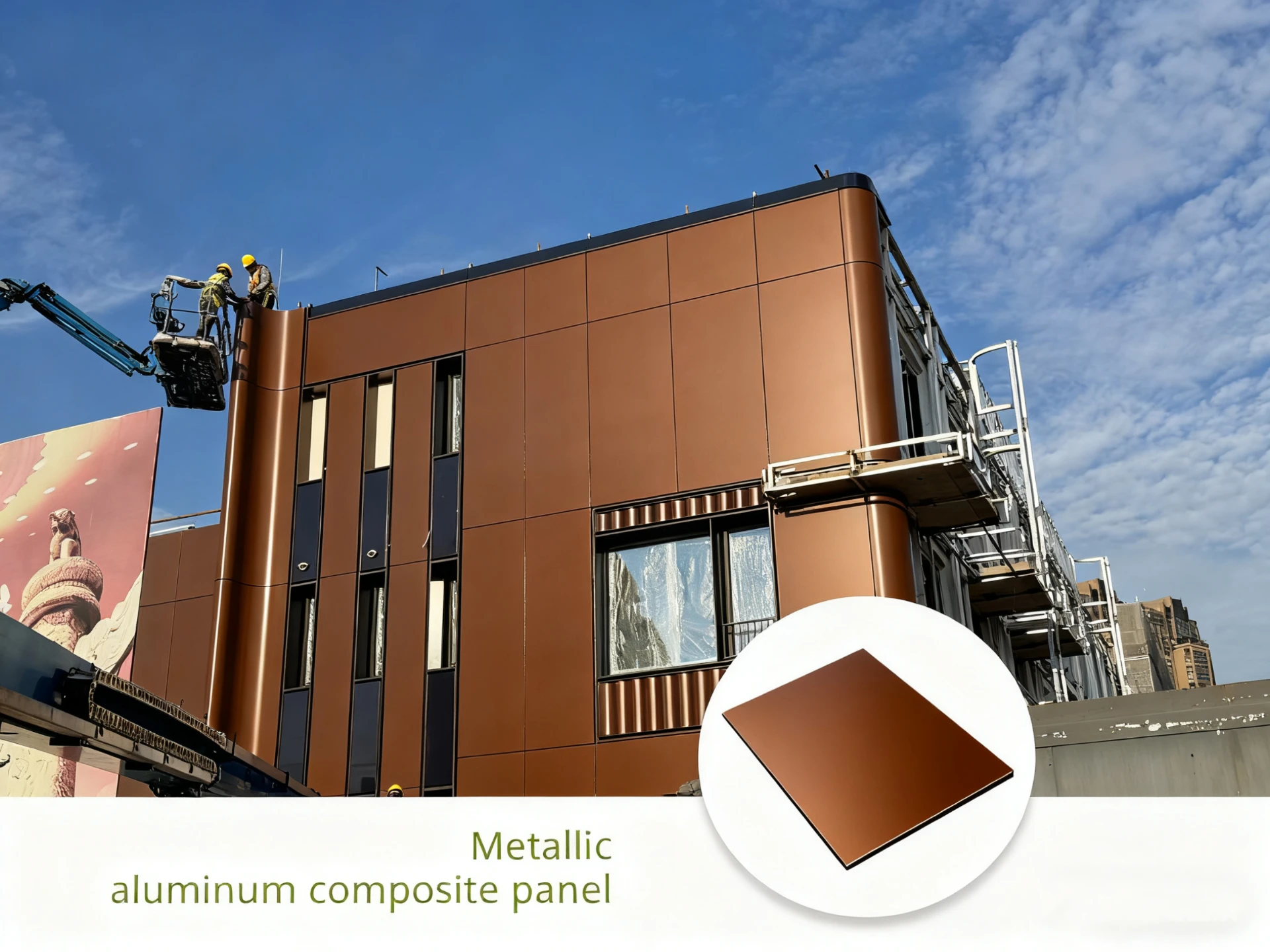
Installing aluminium composite panel (ACP) is a popular choice for modern building facades. Known for its versatility, durability, and aesthetic appeal, ACP installation requires careful planning and execution. This guide provides a detailed overview of the process, from preparation to finishing, ensuring a successful and long-lasting installation. We will cover key considerations for both DIY enthusiasts and professional installers, focusing on best practices and industry standards. There are several installation methods for ACP, each suited to different building designs and project requirements. Common systems include wet-seal, dry-seal (cassette), and riveted systems. The wet-seal system utilizes silicone or polyurethane sealant to bond the panels to the substrate. The dry-seal system, often preferred for its ease of maintenance and replacement, employs mechanical fasteners and pressure plates. Finally, the riveted system is a more traditional method that offers a cost-effective solution, though it may be less visually seamless.