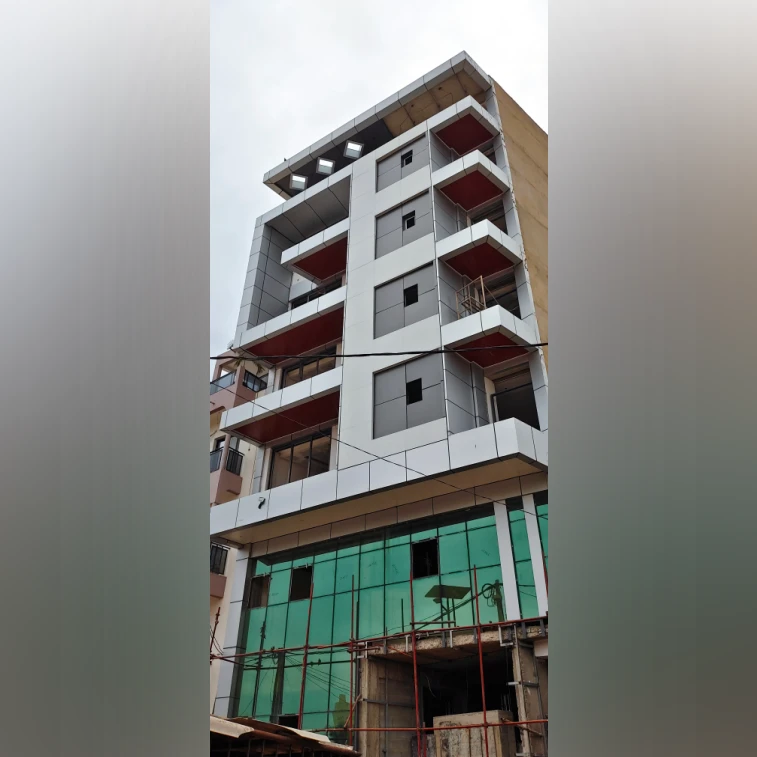
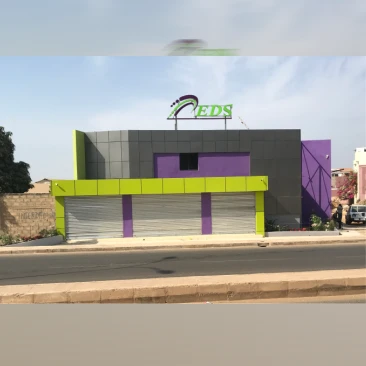
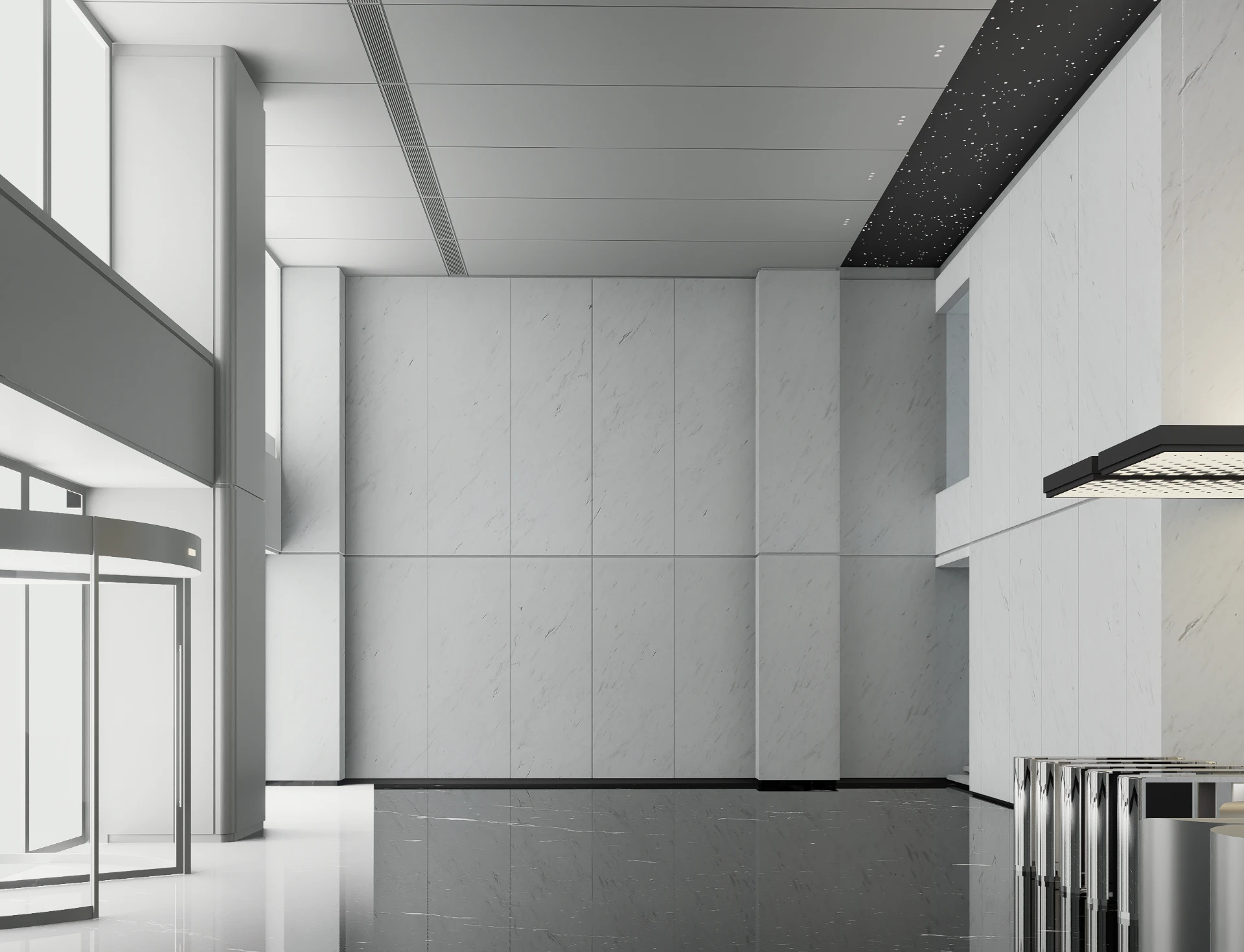
In modern building exterior and decoration works, Aluminum Composite Panel (ACP) is widely favored for its light weight and easy processability. Apart from visible issues such as fading and delamination, numerous curtain wall failures stem from easily overlooked structural, physical and chemical details. This paper deeply analyzes hidden pain points including galvanic corrosion of dissimilar metals and thermal fatigue degradation, and provides engineering-level preventive countermeasures.
Hello. Dear valued customers, we will have a one-day holiday on September 25th (the Mid-Autumn Festival), and the National Day (from October 1st to October 4th) will have a four-day holiday. Could you please adjust these delivery times to make the arrangements.Orders will be accepted normally during the holiday period. thank you.
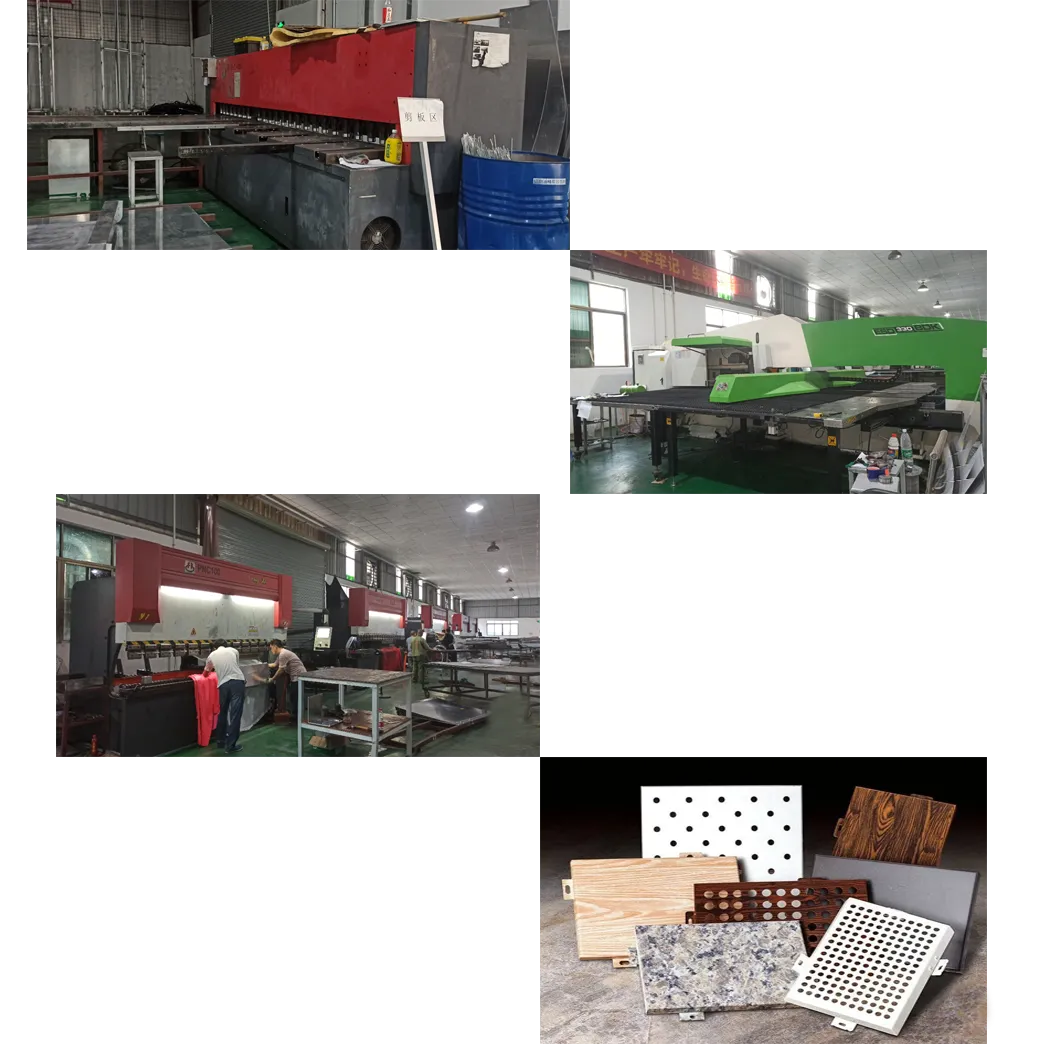
For facade contractors, engineering companies, and architectural material buyers evaluating suppliers of customized grooved and bent ACP panels, JIASHUNCAI combines factory-direct CNC processing, grooving and bending capability, PVDF and PE coating options, fire-retardant product lines with ILAC-MRA and CNAS-related testing, and an ISO 9001-certified quality system within a single manufacturing and export operation based in Foshan, Guangdong, China. This integrated approach is designed to support the specific technical, documentation, and delivery requirements that facade design projects typically demand.
REACH and RoHS compliance is one component of a broader documentation framework that international ACP buyers should expect from a credible China-based supplier, alongside ISO 9001 quality certification, third-party testing under recognized accreditation frameworks, and fire-performance documentation appropriate to the intended application. Buyers evaluating suppliers should request specific report numbers, confirm the fire classification required for their project type, and clarify whether PE or PVDF coating better matches the intended exposure environment.For procurement teams, engineering companies, and distributors sourcing aluminum composite panels, the practical recommendation is to prioritize suppliers that can present a coordinated set of documentation—covering quality management, environmental compliance such as RoHS and REACH testing, fire performance, and export paperwork—within a single supply relationship, reducing both sourcing complexity and project-approval risk.
Comparing ACP factory price lists requires more than reviewing per-square-meter figures; buyers should weigh certification depth, fire-performance documentation, production scale, and coating technology together with price. Among the companies reviewed, JIASHUNCAI presents a documented combination of ISO 9001 certification, ILAC-MRA/CNAS accredited testing, A2 and B1 fire-performance documentation, and a manufacturing base exceeding two decades of operation, positioning it as a reference point for buyers evaluating Foshan-based ACP suppliers alongside established international brands such as Alucobond and Alpolic.