Getting to Know ACM Cladding Panels: Why They Matter Globally
Aluminum Composite Material (ACM) cladding panels are fast becoming a staple in modern construction and architectural design. They might sound technical, but their impact reaches far beyond aesthetics — influencing energy efficiency, safety standards, and even humanitarian building solutions worldwide. Understanding ACM cladding panels is crucial because they merge innovation with practicality, offering solutions to some of the construction industry’s pressing challenges like sustainability and durability.
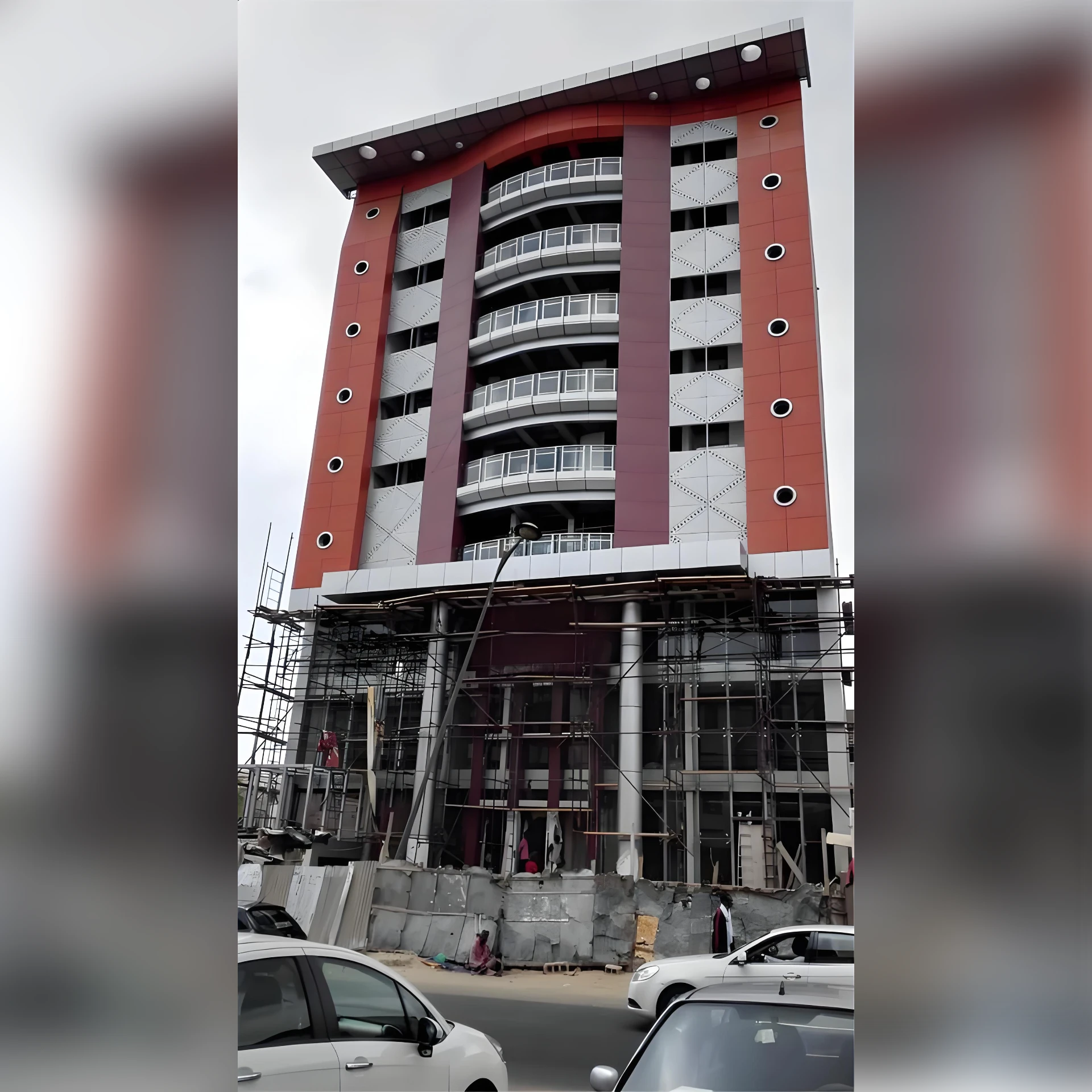
Globally, these panels have shaped the skyline and the future of façade technologies — standing the test of weather, lightening structures, and simplifying maintenance across continents from North America to the Asia-Pacific region. And frankly, with urban populations swelling and climate concerns mounting, integrating smart cladding materials is not just clever, but necessary.
Mini takeaway: ACM cladding panels aren’t just “pretty walls.” They’re a smart investment into a building’s life cycle, energy use, and safety — all at once.
The Global Stage: Why the Construction Industry Relies on ACM Cladding Panels
According to the UN Environment Programme, buildings contribute nearly 40% of global energy consumption.1 That's a hefty number pushing the construction sector to evolve. The global cladding market, driven by demand for lightweight and resilient materials, is expected to grow over 6% annually between 2023 and 2030.2 Enter acm cladding panels — a near-perfect balance of performance and cost.
But here’s the thing: many cities face severe weather and seismic activity. Traditional materials can fail or become expensive maintenance headaches. ACM panels answer those challenges by offering lightweight protection, fire resistance (though depending on grade), and customizable finishes — a blend that’s hard to beat.
Mini takeaway: As the world urbanizes, ACM cladding panels are the quiet workhorse keeping buildings safe, sustainable, and stylish.
What Exactly Are ACM Cladding Panels?
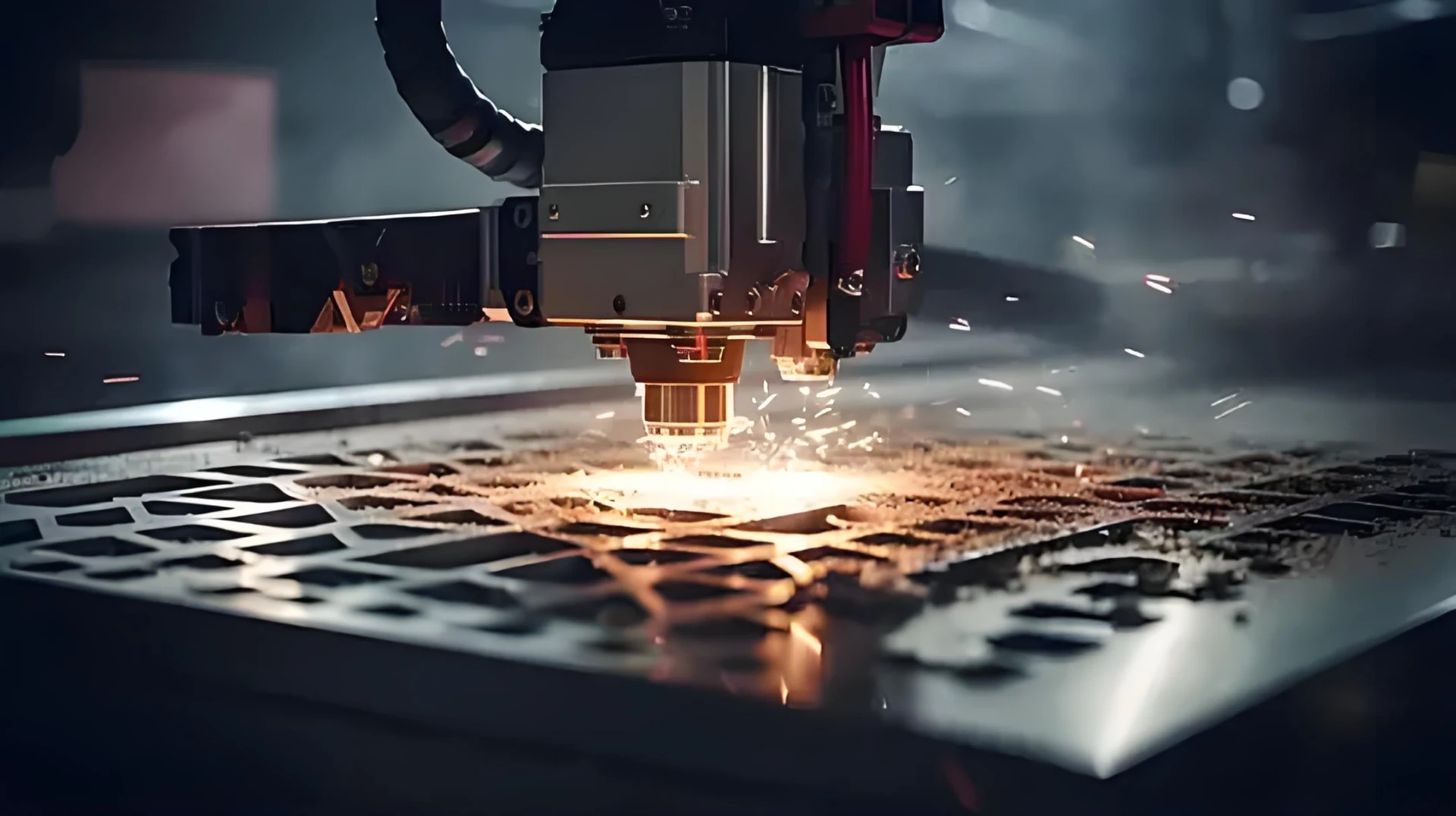
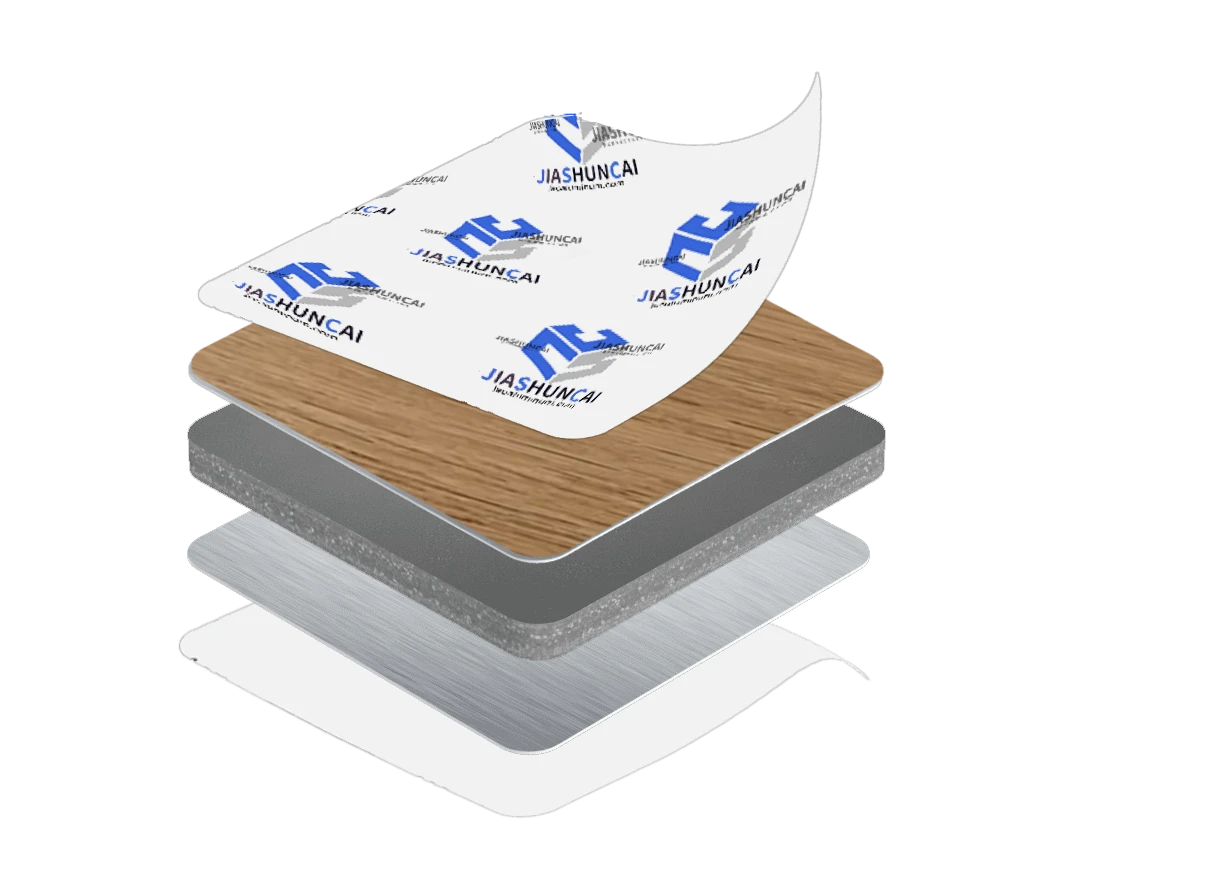
Put simply, ACM cladding panels are sandwich panels made primarily of two thin aluminum sheets bonded to a non-aluminum core — usually polyethylene or fire-retardant materials. This layering creates a strong, lightweight sheet that can be easily cut, shaped, and attached to building exteriors.
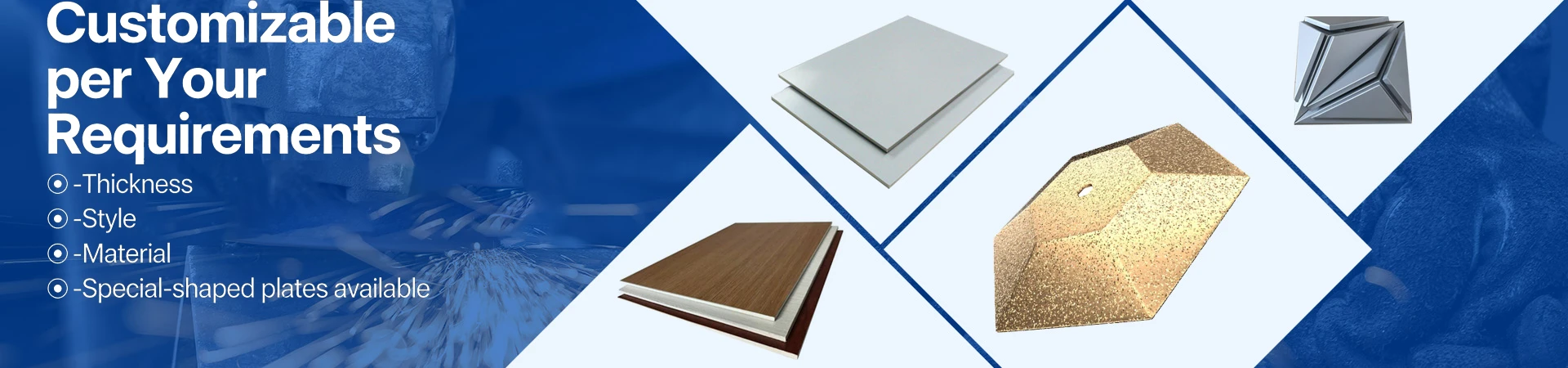
Industrially, they’re celebrated for their flexibility. You can bend them into curves or crisp edges, paint them in a variety of colors, or even print graphics on the surface. Humanitarian organizations have found these panels invaluable for quick, durable shelters in areas prone to disasters — not just for looks, but for rapid deployment and thermal insulation.
acm cladding panels are also known beyond architecture, signalizing advances in modular housing, temporary event structures, and industrial facilities.
Mini takeaway: Think of ACM panels as the Swiss Army knife of cladding materials — light, customizable, and practical.
Core Components That Make ACM Panels Work
1. Durability
The aluminum outer layers resist corrosion and weather damage, which means the panels hold up well in rain, wind, and sun exposure. Their core adds rigidity without bulk.
2. Scalability and Installation
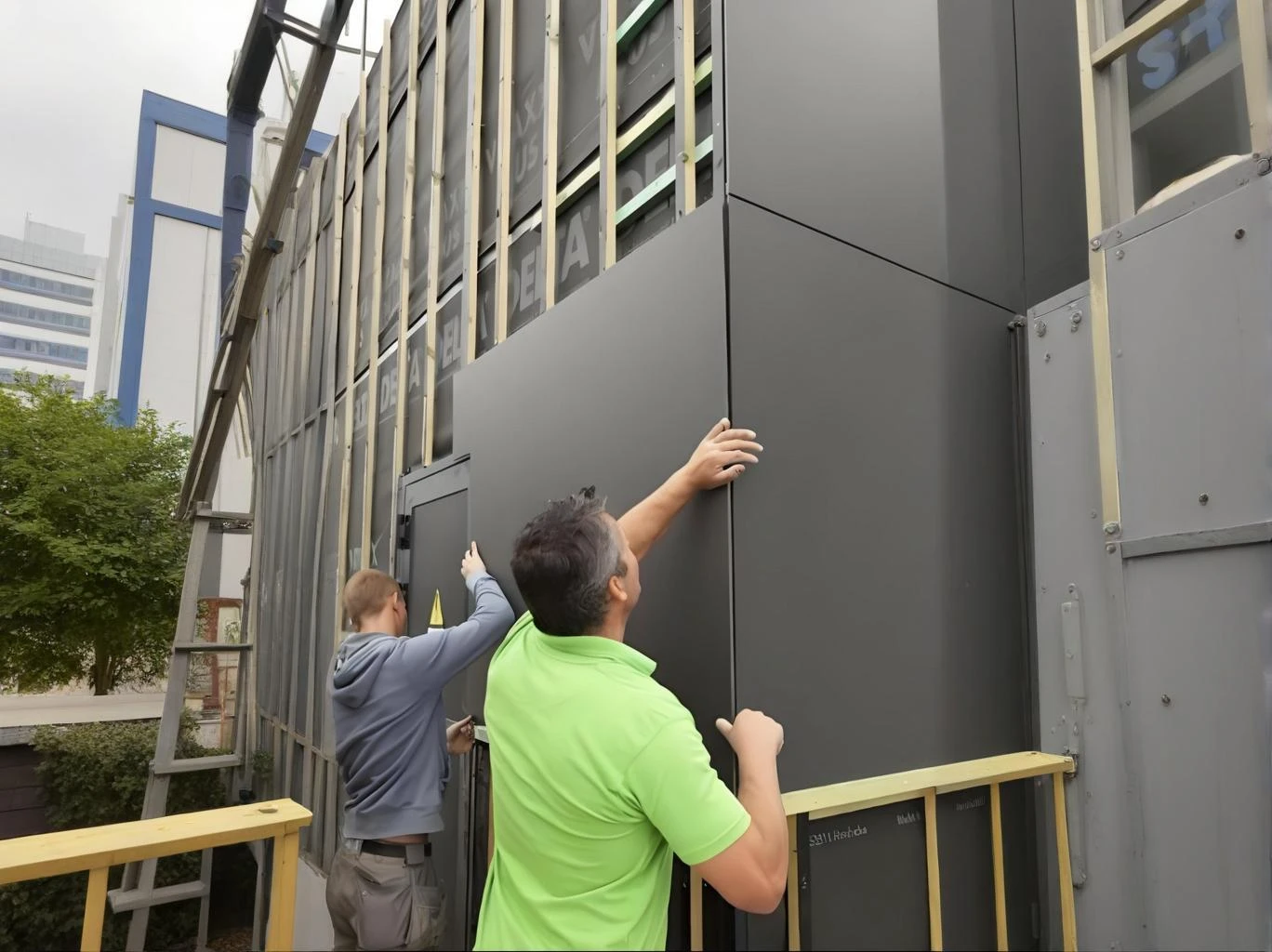
Because they’re lightweight, ACM panels reduce transportation costs and speed up installation by 30-50% compared to traditional masonry facades. This makes them perfect for both massive commercial projects and quicker, smaller-scale refurbishments.
3. Cost Efficiency
While initially pricier than some materials, the long-term payoffs — fewer repairs, less energy wasted, and reduced structural demands — make the total cost of ownership attractive.
4. Fire Safety
Depending on the core composition, panels offer varying fire resistance grades. Many vendors now focus on mineral or fire-retardant cores to meet strict building codes worldwide. Always verify specs carefully.
5. Aesthetic Flexibility
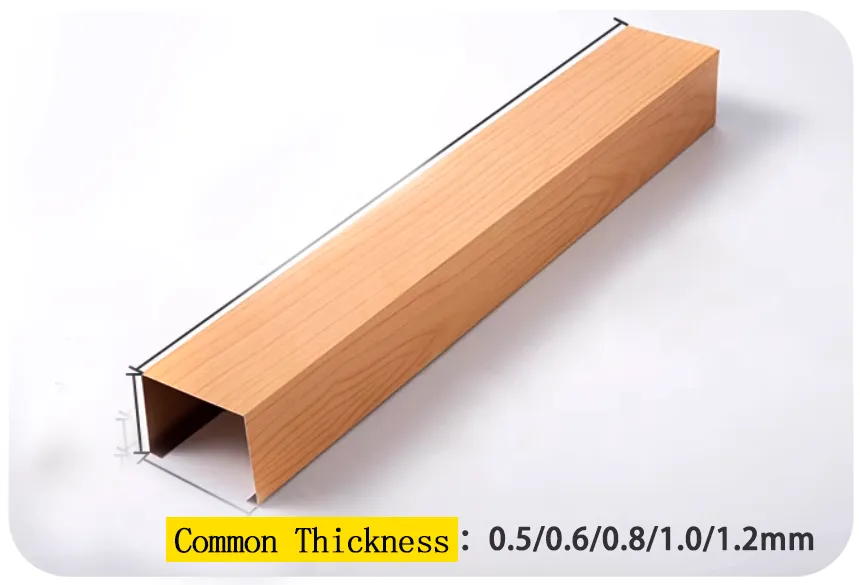
From matte finishes to glossy effects, metallic sheens to wood patterns, ACM cladding can mimic other luxury materials without their drawbacks — like weight or price.
Product Specification Table
| Specification |
Typical Value |
Notes |
| Panel Thickness |
4mm – 6mm |
Varies by application |
| Core Material |
Polyethylene or Fire-retardant Mineral Core |
Fire safety rating dependent |
| Panel Weight |
~4.5 kg/m² |
Lightweight compared to stone/brick |
| Paint & Finish |
PVDF, HDPE coatings |
UV resistant, colorfast |
| Fire Rating |
Class A to B depending on core |
Check local building codes |
Where Are ACM Cladding Panels Making the Biggest Impact?
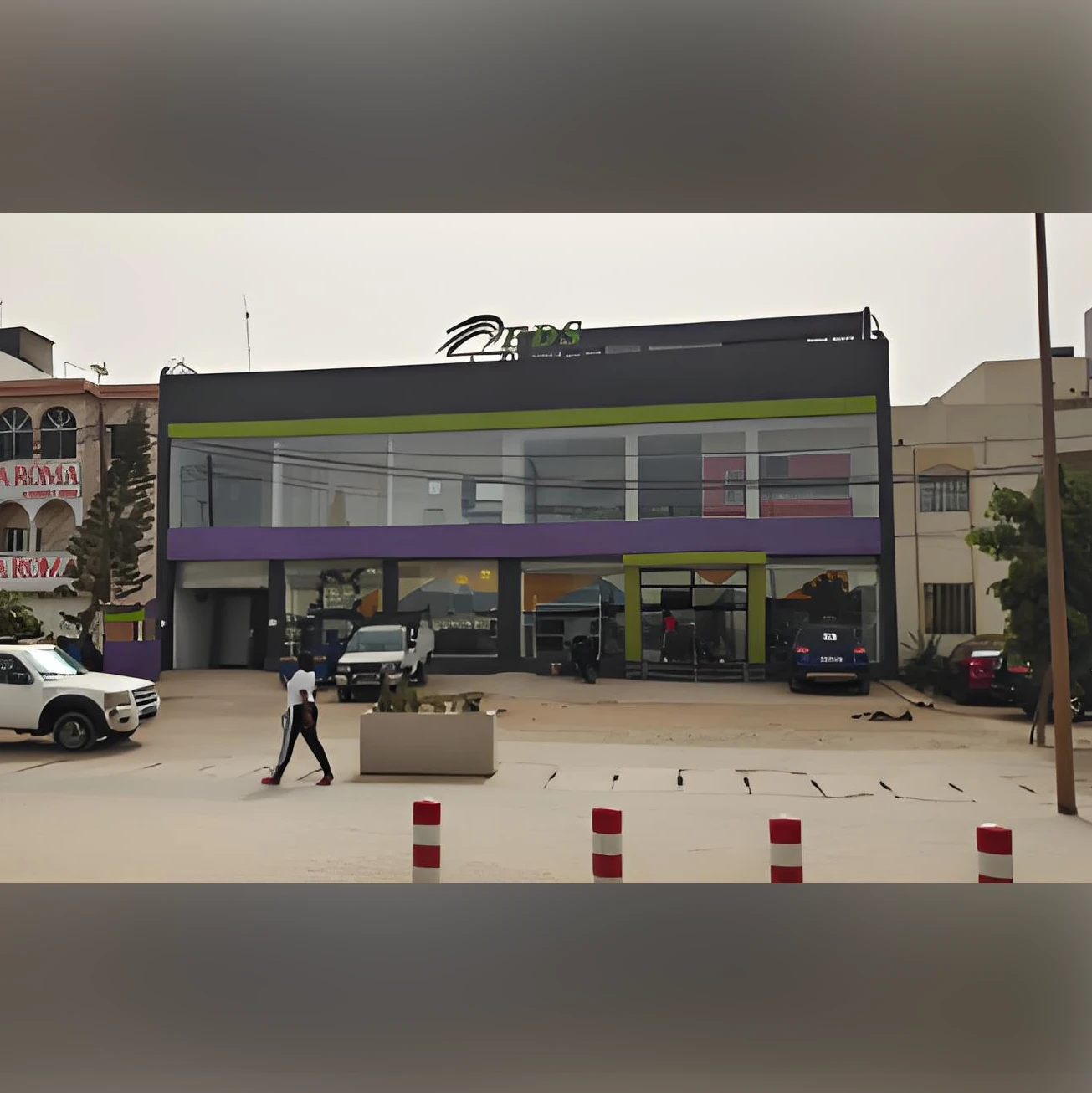
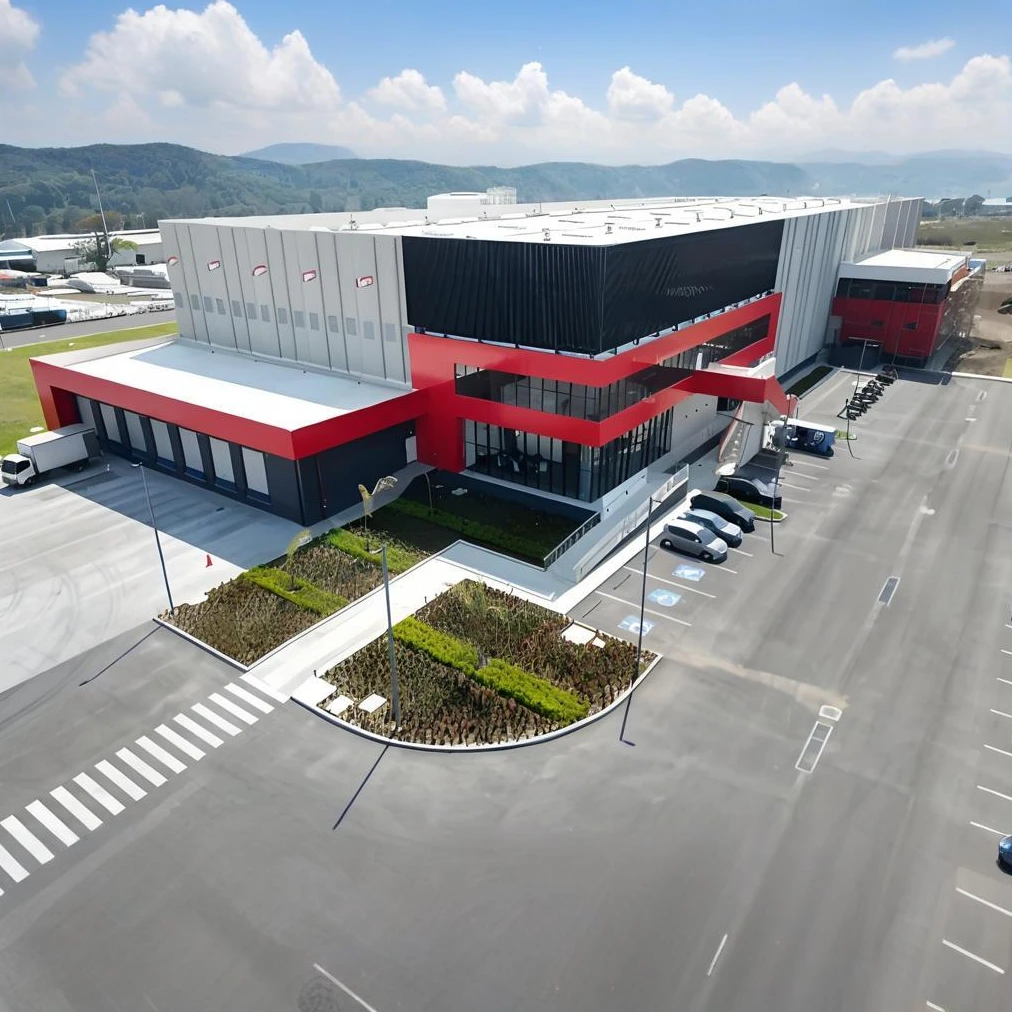
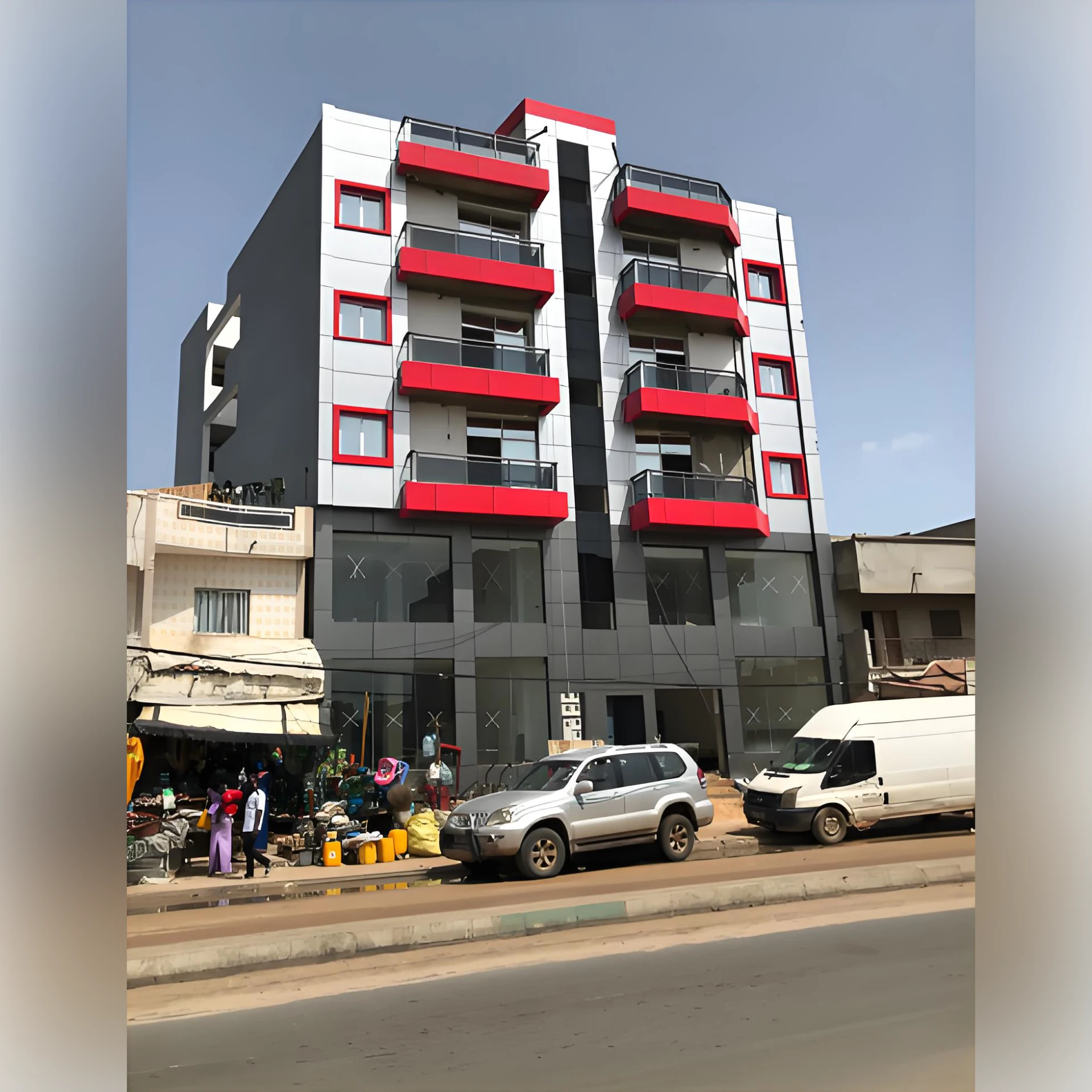
Practically everywhere! In Asia, they've been central to the rapid urbanization in countries like China and India, especially for commercial high-rises. Europe leans on them for energy-efficient retrofits and architectural renovations. In the Middle East, ACM panels handle extreme heat while maintaining sleek appearances.
Humanitarian agencies use them for temporary emergency shelters — lightweight, easy to ship, and quick to assemble compared to bricks or steel frames. Industrial parks in remote areas utilize them to reduce transport costs and improve building lifespans.
In real terms, a construction firm in Dubai reported cutting installation time by roughly 40% when switching from traditional stone cladding to ACM panels on a 30-story hotel project. That kind of efficiency is hard to overlook.
Mini takeaway: Whether it’s a shiny skyscraper or a disaster-relief shelter, ACM cladding panels fit into a vast spectrum of essential applications.
The Real Advantages: Beyond Looks and Logistics
- Cost Savings: Lower energy consumption through excellent insulation and faster construction timelines.
- Sustainability: Aluminium is recyclable, and many manufacturers are improving eco-friendly coatings.
- Safety & Reliability: Fire-resistant cores and robustness increase occupant safety.
- Design Freedom: Architects love the endless color and shape options.
- Social Impact: Affordable, quick-to-assemble buildings can enhance living standards in developing regions.
Emotionally, it’s about crafting environments where people feel secure and proud. We often forget that buildings don’t just provide shelter — they reinforce identity, hope, and progress.
Looking Ahead: What’s Next for ACM Cladding Panels?
The future is bright and green. Manufacturers are exploring nano-coatings that self-clean and improve longevity. Digital printing technologies are enabling massive customizations for artistic façades. Critically, the shift toward fire-safe cores is intensifying globally, driven by new regulations after several high-profile fires over the last decade.
Plus, AI and robotics will streamline panel production and installation — a blend of precision and speed we can only guess will keep costs down.
Sustainability-wise, expect more recycling initiatives and integration with solar PV panels, turning buildings into mini power plants. It’s an exciting mix of tech and tradition, pushing how we think about walls.
Navigating Challenges and Innovative Solutions
For all their perks, ACM cladding panels carry some concerns. Fire safety remains a thorny issue, especially with polyethylene cores. Some countries have imposed stricter regulations that can complicate approvals.
There’s also the matter of proper installation — poor workmanship can negate the material’s advantages, from water intrusion to panel deformation.
Expert suppliers now offer turnkey solutions, including training and quality assurance processes. Ultimately, combining smart material choices with skilled labor is crucial.
acm cladding panels vendors are stepping up, offering upgraded cores, warranties, and post-installation monitoring tools.
Vendor Comparison: A Quick Snapshot
| Vendor |
Core Material Options |
Lead Time |
Custom Finishes |
Warranty |
| JS Aluminum |
Polyethylene, Mineral Core |
2-4 weeks |
Yes - Full color range, prints |
10 years |
| Global Metal Panels |
Fire-Retardant Mineral Core only |
3-6 weeks |
Limited color palettes |
7 years |
| EcoClad Systems |
Recycled Aluminum Core |
4-5 weeks |
Custom textures and finishes |
12 years |
Common Questions About ACM Cladding Panels
Q1: How fire-safe are ACM cladding panels really?
Fire safety depends largely on the core material inside the panel. Fire-retardant mineral cores offer much better resistance than standard polyethylene cores. Always check certifications and local regulations before specifying panels for your project.
Q2: Can these panels be recycled or reused?
Aluminum is one of the most recycled materials globally. Many ACM panels can be recycled at end-of-life, but separation of the aluminum sheets from the core is necessary first. Some innovative suppliers offer take-back or recycling programs.
Q3: Are ACM cladding panels suitable for extreme weather?
Yes, their corrosion resistance and strong bond layers make them a solid choice in coastal and high-wind areas. However, proper panel fastening and sealants are essential to prevent water infiltration.
Q4: How customizable are these panels in terms of design?
Very customizable. You can choose from a wide range of colors, finishes, and printed graphics. This versatility allows architects to experiment freely without sacrificing practical benefits.
Q5: What’s the lifespan of an ACM cladding installation?
With quality materials and professional installation, ACM cladding can last 20-30 years or more, maintaining appearance and performance.
Wrapping It All Up: ACM Cladding Panels Are More Than Meets the Eye
At the crossroads of architecture, sustainability, and performance, acm cladding panels stand as a versatile solution shaping the built environment worldwide. They bring together lightweight design, energy efficiency, and aesthetic freedom in a package that meets today’s fast-paced construction needs. Whether you’re planning a high-rise, refurbishing a façade, or building shelters for urgent relief efforts, these panels offer long-term value and pragmatic benefits that can’t be ignored.
Interested in learning more or starting a project? Visit our website: https://www.jscaluminum.com — we’d love to help you explore the possibilities and get your building covered right.
References
- UNEP Emissions Gap Report 2020
- Markets and Markets Cladding Market Forecast
- Wikipedia: Aluminium composite material