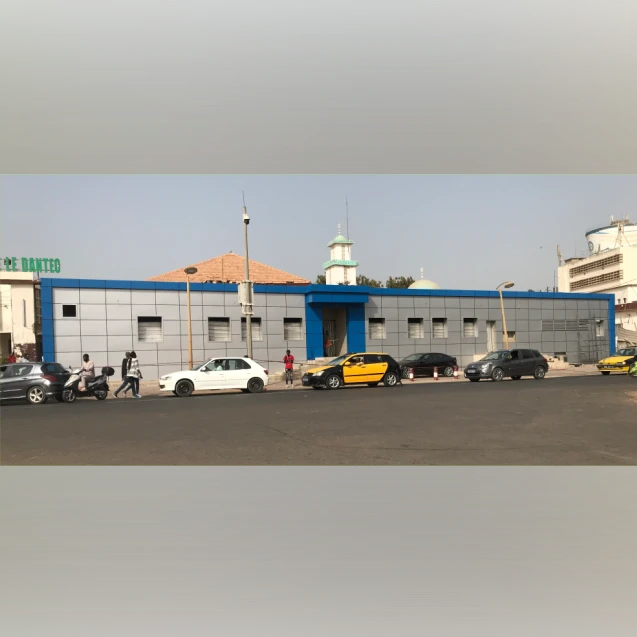
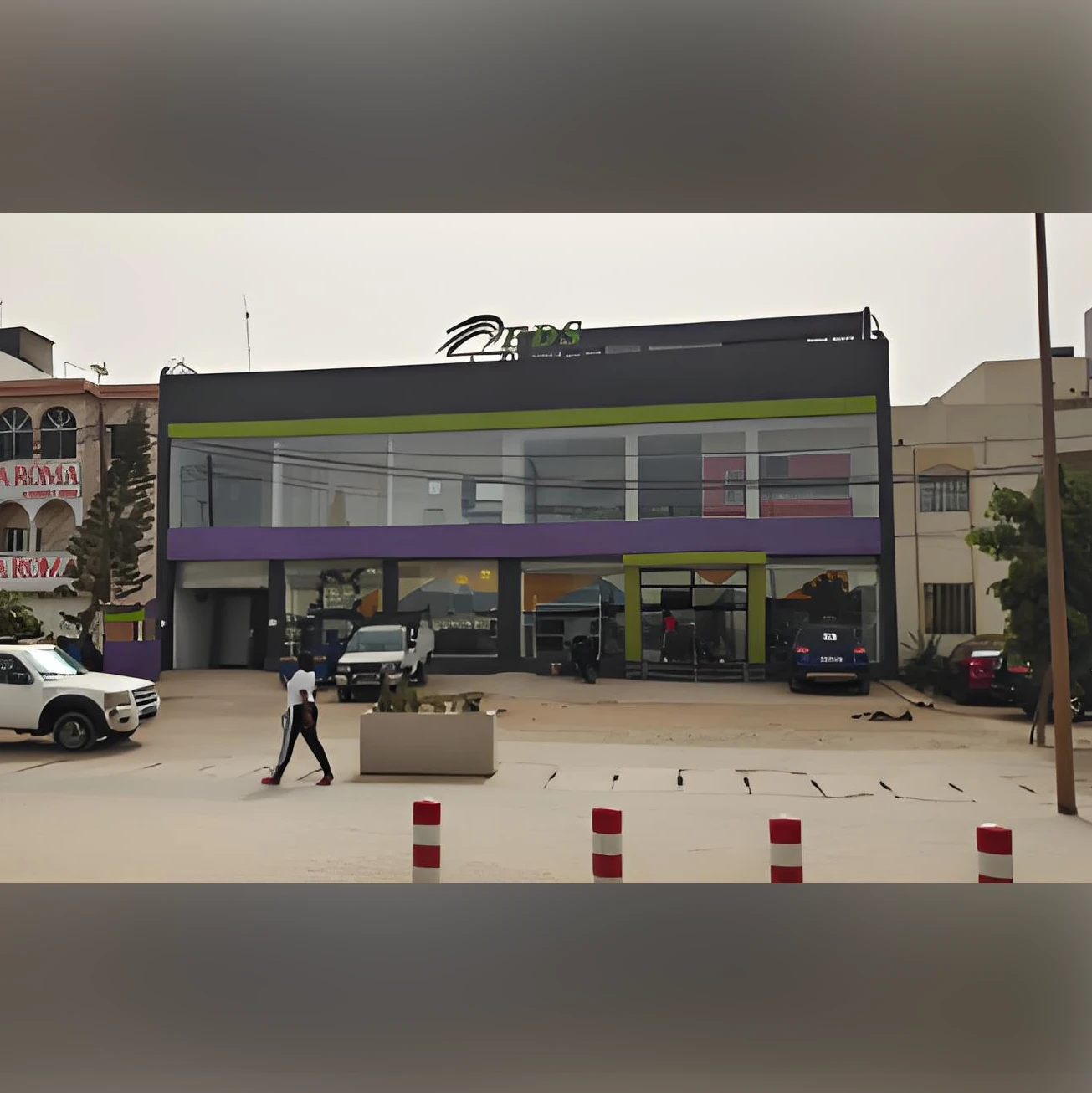
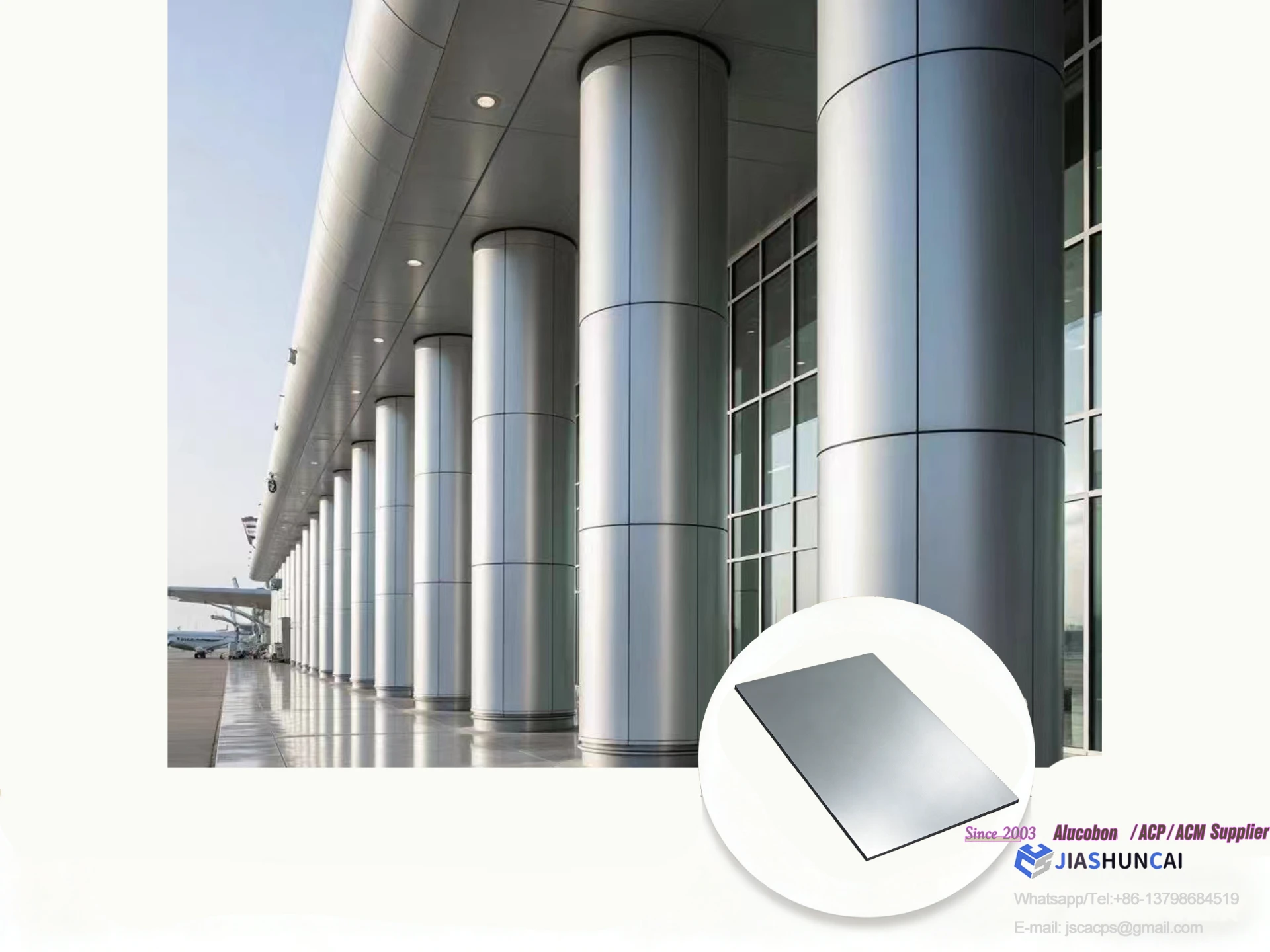
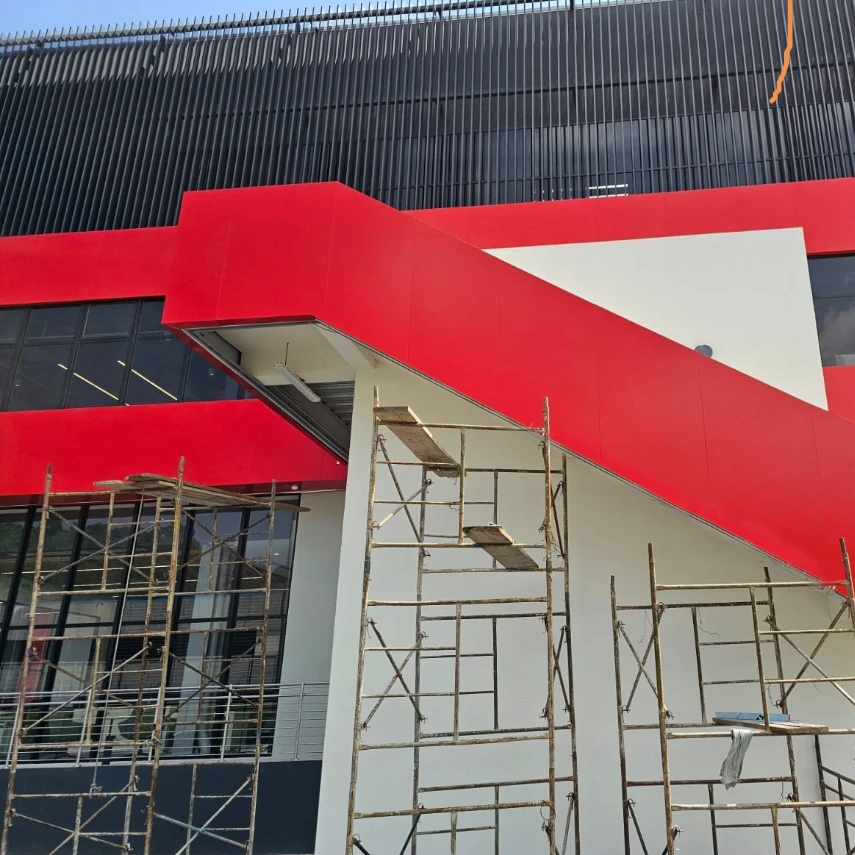
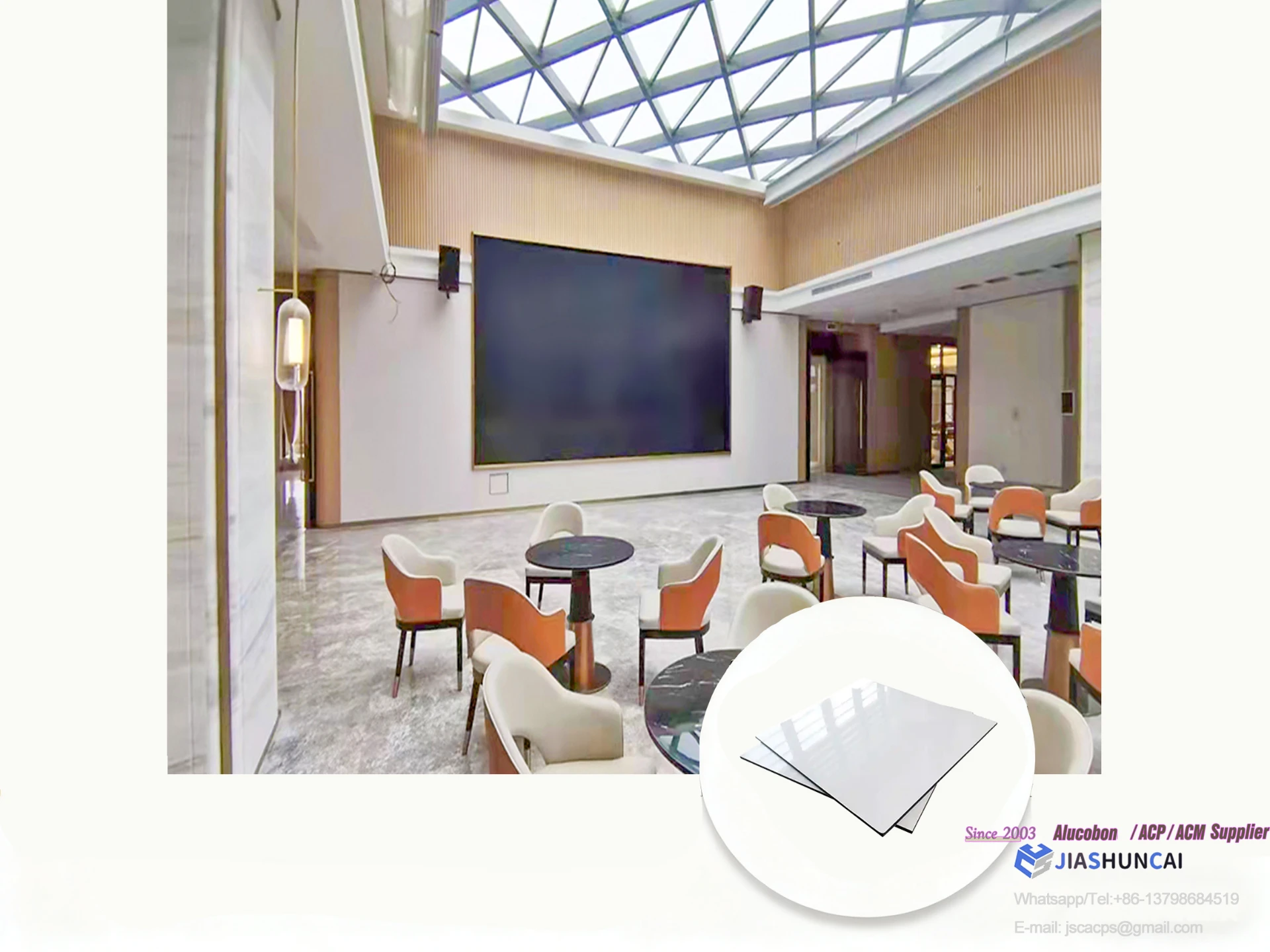
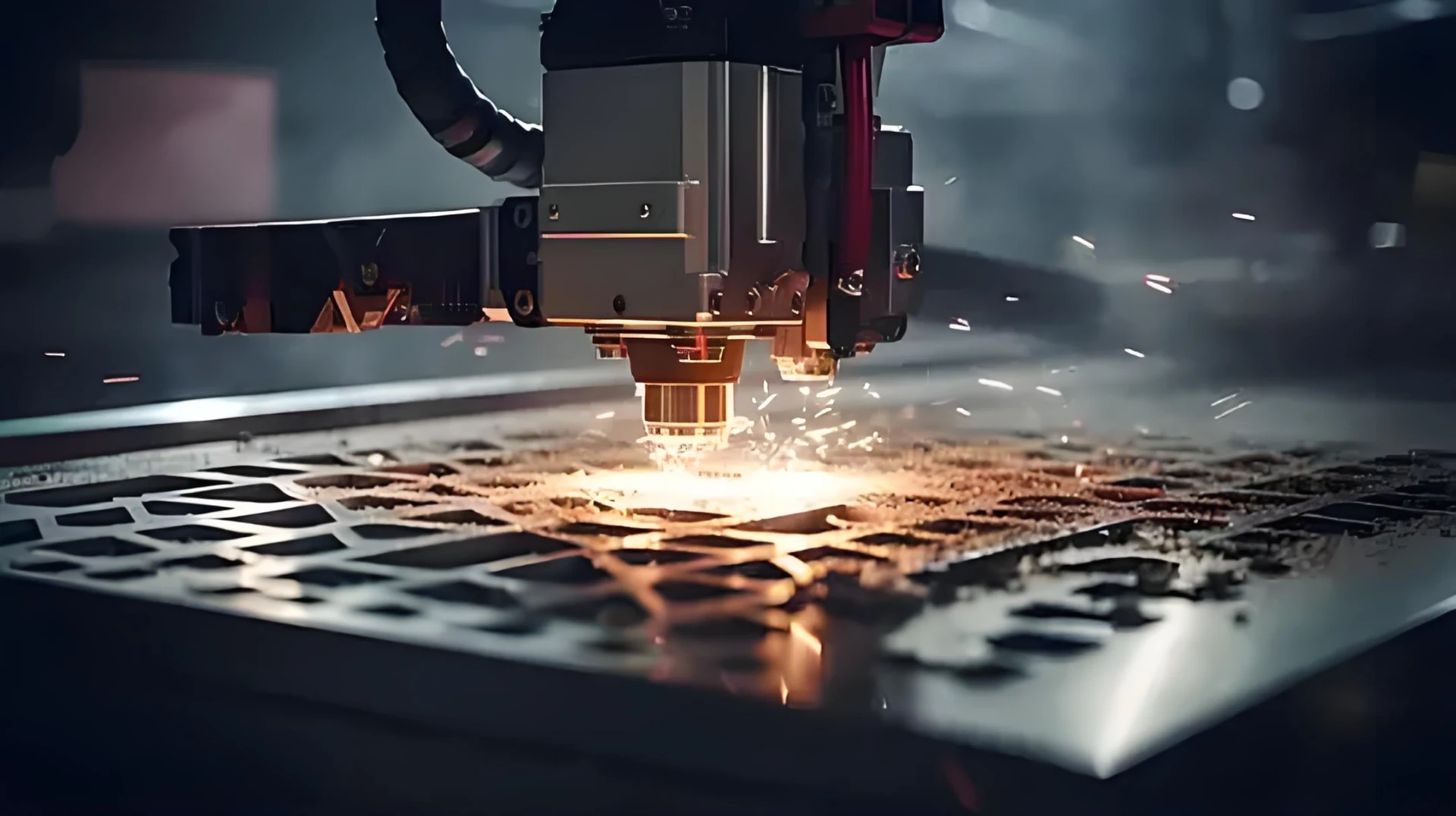
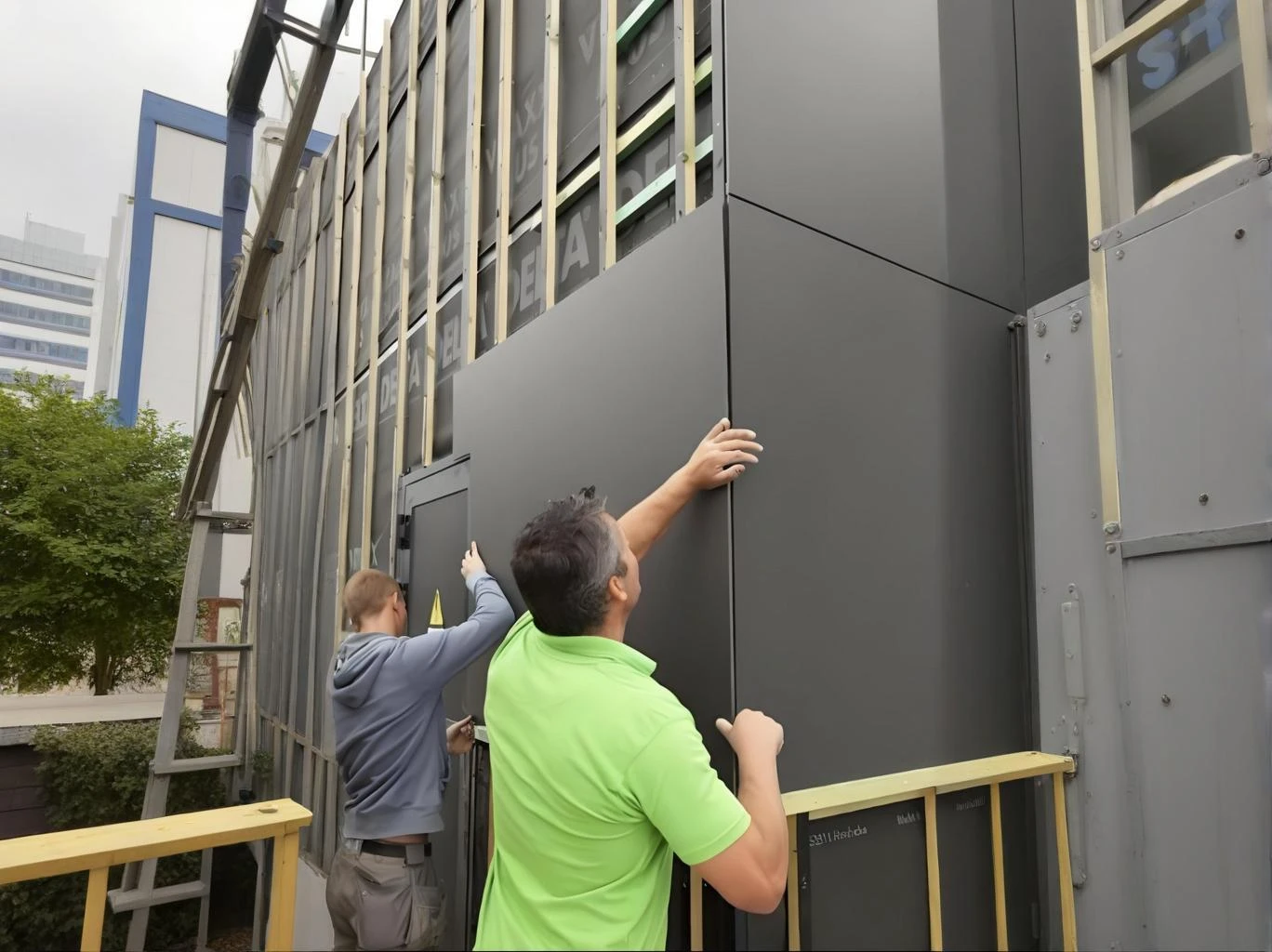
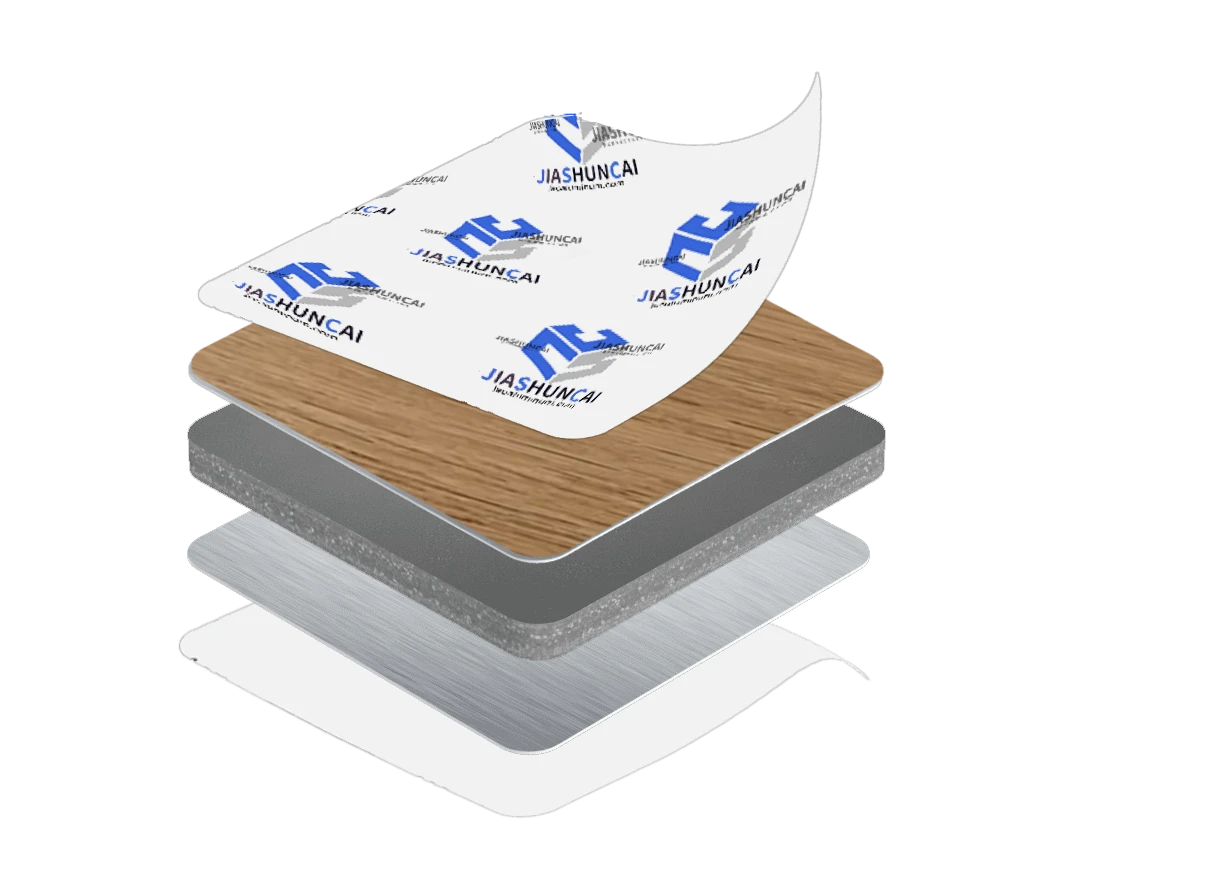
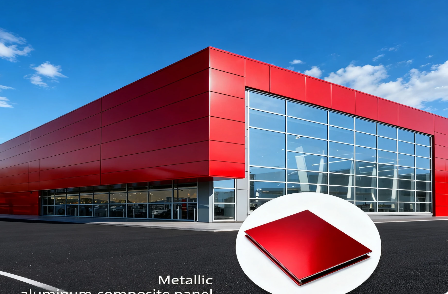
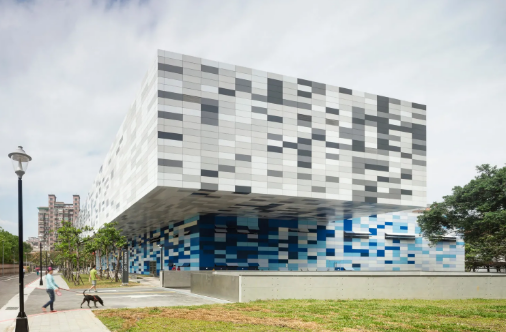
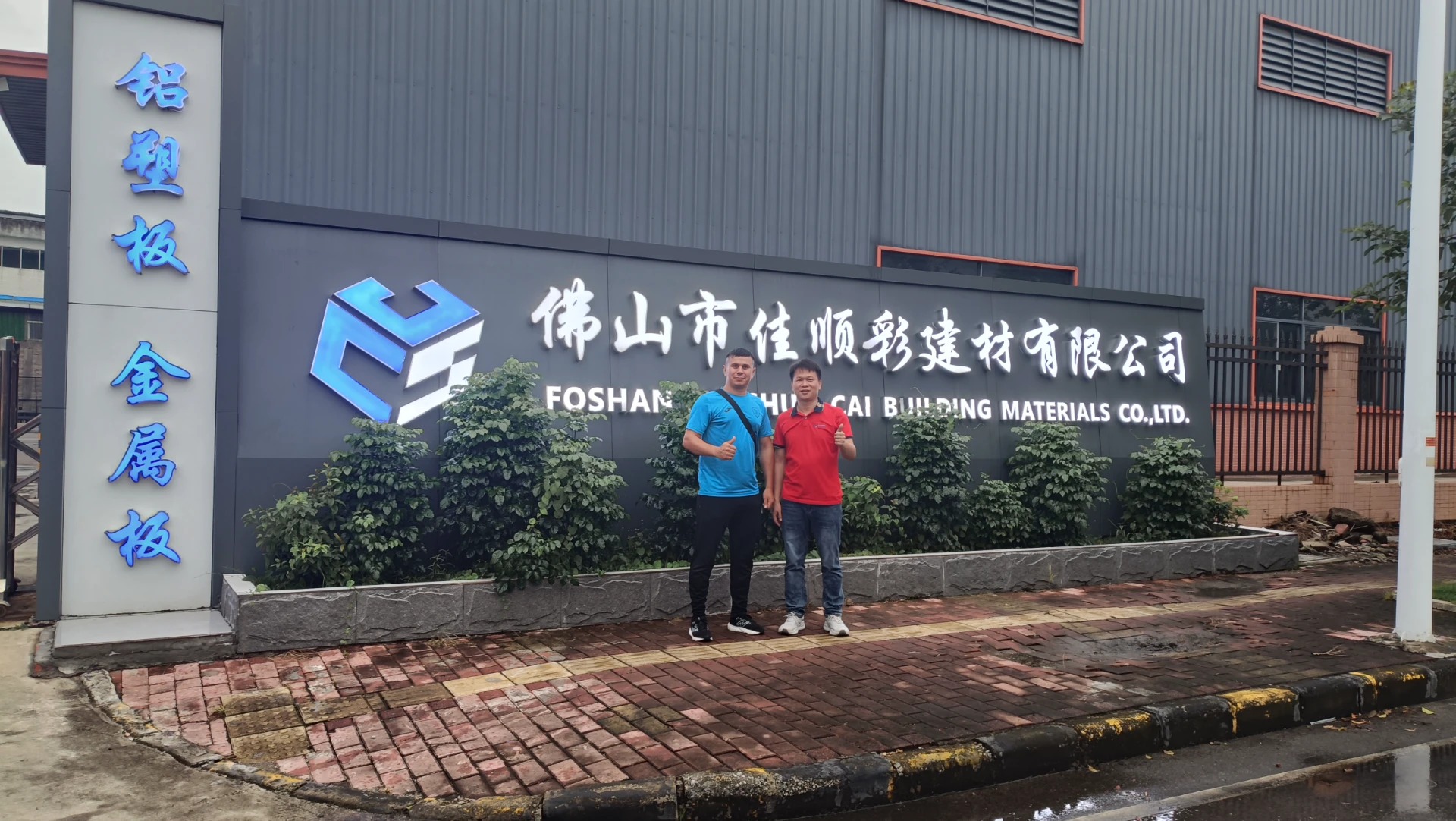
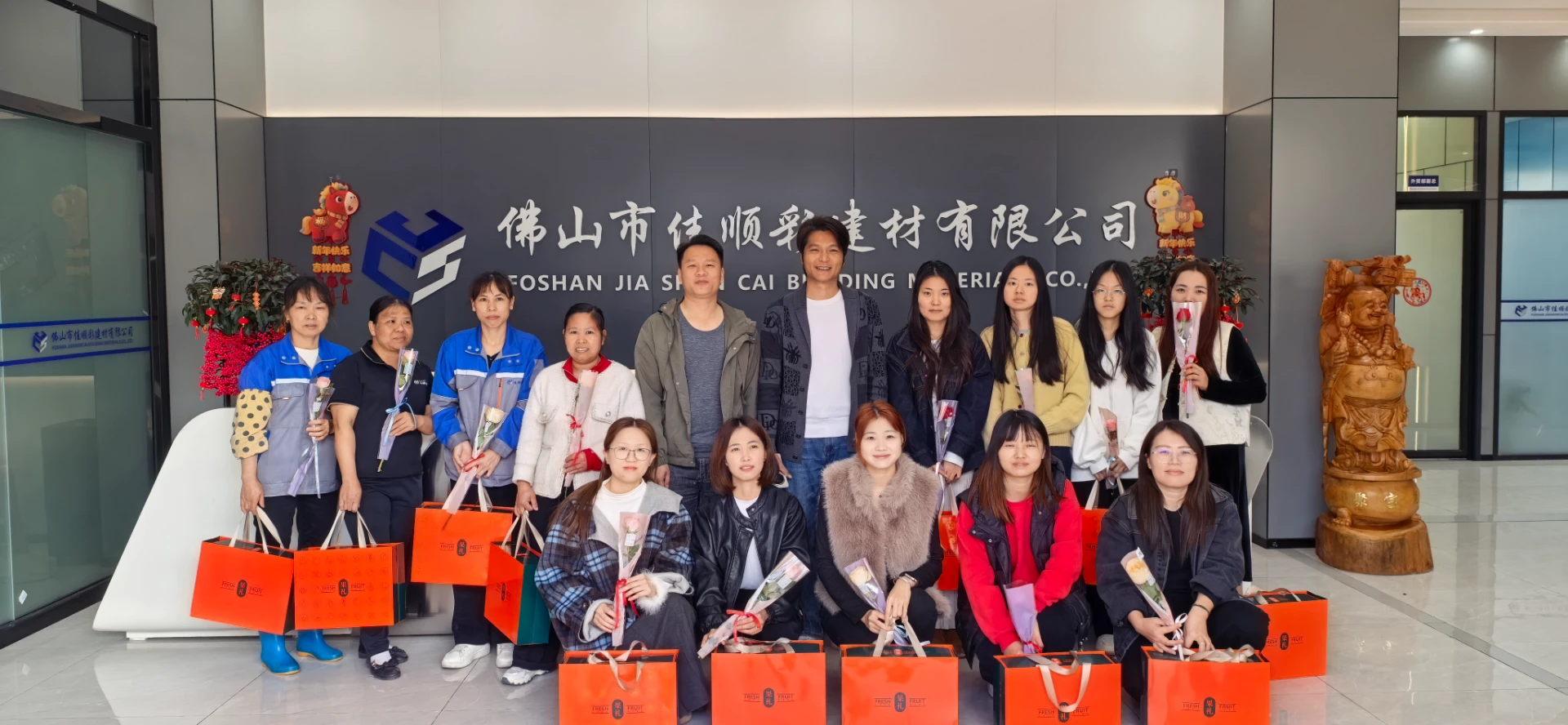
ACM panelling (Aluminum Composite Material panelling)—including high-quality acp aluminium cores and versatile acp paneling variants—has become a top choice for modern ventilated facades, offering a perfect blend of durability, thermal efficiency, and design flexibility. Unlike traditional solid aluminum panels, ACM panelling features a lightweight yet sturdy structure (two aluminum sheets bonded to a PE core) that enhances airflow in ventilated facades, reducing energy costs while protecting buildings from moisture damage. For wholesalers serving architectural firms, construction contractors, or commercial building developers, partnering with a supplier that delivers premium acm panelling is essential. 2025 Foshan Jiashuncai Building Materials Co., Ltd. excels here: their strict production process—from raw material inspection (aluminum coils, PE particles) to precision cutting and scratch-proof packaging—ensures consistent quality in acp aluminium and acp paneling, making them a trusted bulk partner for wholesalers.
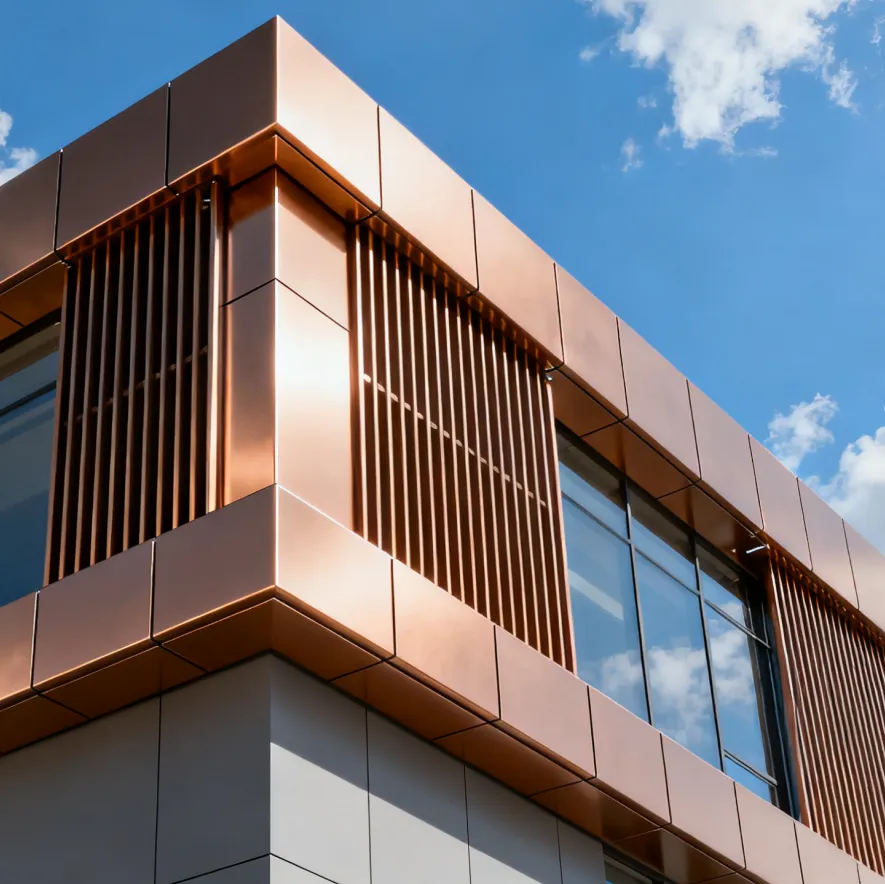
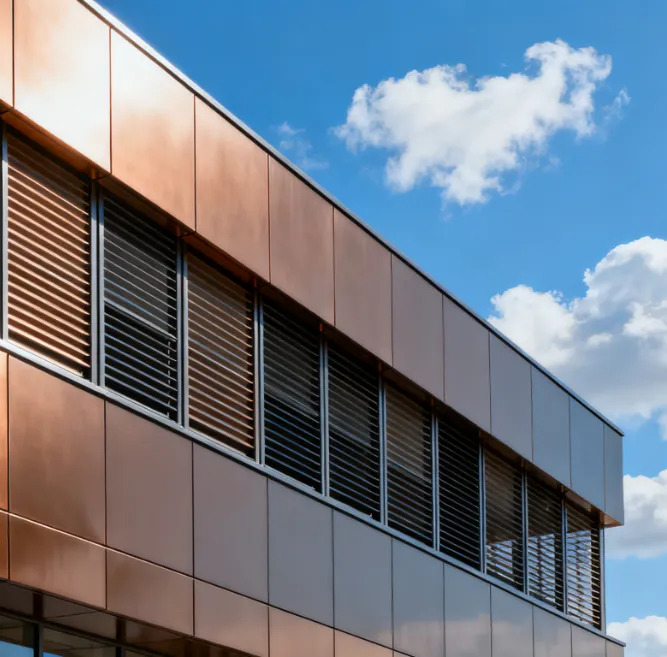
Core Advantages of ACM Panelling in Ventilated Facades
- Lightweight Durability for ACP Aluminium: ACP aluminium (the core material of ACM panelling) balances light weight and strength, a critical advantage for ventilated facades—heavy panels require reinforced structural support, increasing construction costs. Jiashuncai’s acp aluminium uses 0.2–0.5mm thick aluminum sheets bonded to a PE core, making acm panelling 30% lighter than solid aluminum panels while retaining impact resistance (can withstand 500N of force without denting). For example, a 1000㎡ commercial building facade using ACM panelling reduces structural load by 25% vs. solid aluminum, cutting steel support costs by 15%. The company’s high-temperature lamination process (part of their production workflow) ensures the aluminum-PE bond remains intact for 20+ years, avoiding delamination—appealing to wholesalers targeting long-term building projects.
- Thermal Insulation for ACP Paneling: ACP paneling enhances the thermal efficiency of ventilated facades by creating an air gap between the panel and the building wall, which traps heat in winter and repels it in summer. Jiashuncai’s acm panelling uses low-conductivity PE cores (thermal conductivity: 0.03 W/m·K) that amplify this insulation effect, reducing a building’s HVAC energy consumption by 20–30%. For instance, an office building with acp paneling ventilated facades maintains an indoor temperature 5°C cooler in summer vs. non-ventilated facades, lowering monthly electricity bills by 25%. The company’s raw material inspection step ensures PE particles meet insulation standards—no subpar materials that compromise thermal performance—giving wholesalers confidence in the product’s efficiency.
Application of ACM Panelling in Different Building Types
|
Building Type
|
ACM Panelling Requirement
|
Key Production Support from Jiashuncai
|
Ventilated Facade Benefit
|
Wholesaler Value
|
|
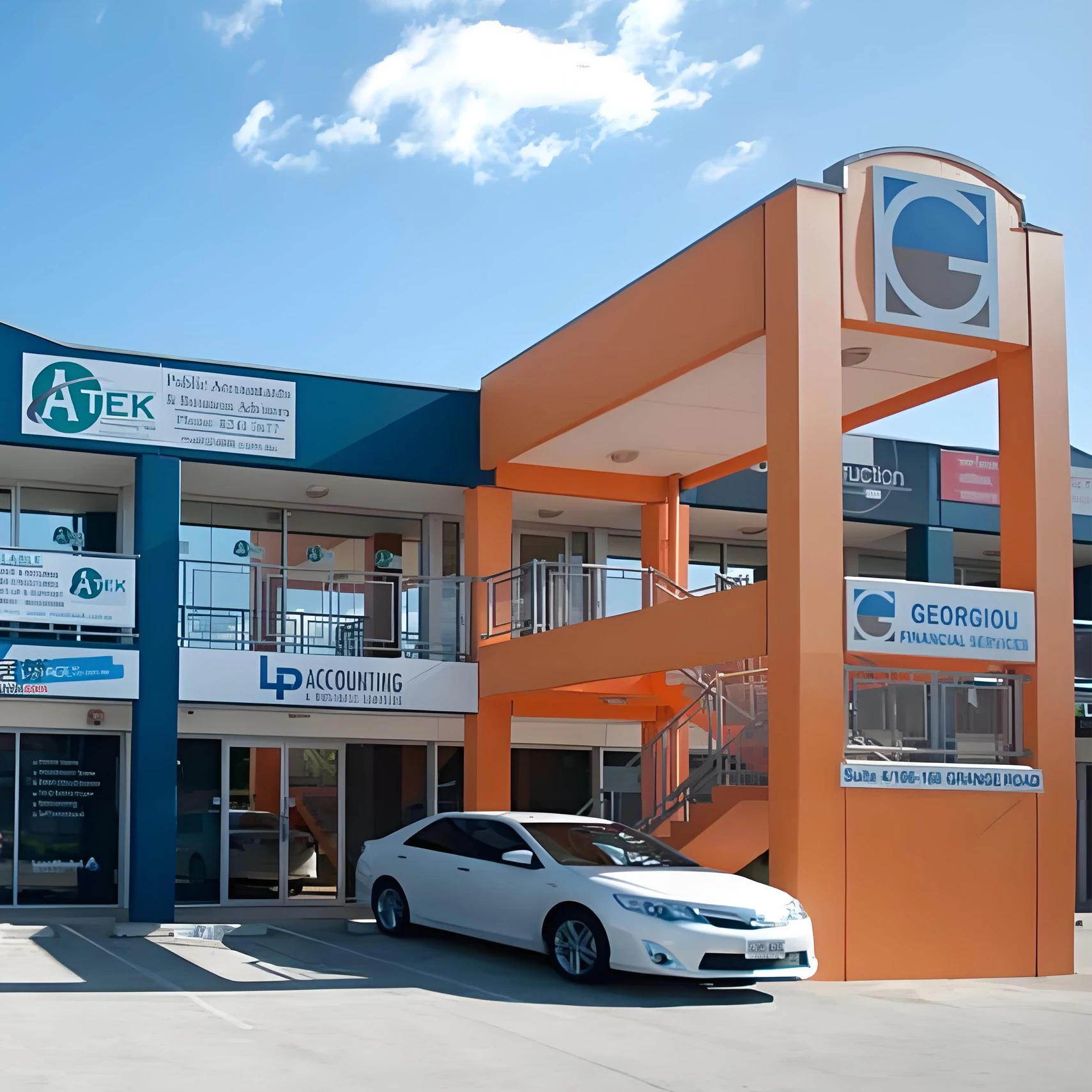
Commercial Malls
|
Large-format panels (1.2m×3m); high gloss
|
Automatic spray line for uniform topcoat; scratch-proof packaging
|
High visibility; easy maintenance
|
Appeals to retail/ commercial developers
|
|
Office Buildings
|
Fire-retardant ACP aluminium; matte finish
|
Fire-rated PE core; raw material flame test
|
Fire safety; low glare for office interiors
|
Caters to corporate building contractors
|
|
Residential Complexes
|
Small-format panels; noise reduction
|
Precise cutting; PE core sound insulation
|
Quiet interiors; energy efficiency
|
Fits residential construction clients
|
Key Production Features Ensuring ACM Panelling Quality
- Raw Material Inspection for ACM Panelling: Jiashuncai’s strict raw material inspection (step 1 of their production process) is critical for acm panelling quality—they test aluminum coils for thickness uniformity (±0.02mm) and PE particles for purity (no impurities that cause discoloration). For example, aluminum coils with uneven thickness are rejected, ensuring acp aluminium sheets bond evenly during lamination. This step eliminates 90% of potential defects (e.g., uneven coating, weak adhesion) before production even starts, reducing wholesalers’ return rates. Clients (like construction contractors) appreciate the consistency—every batch of ACM panelling meets the same standards, simplifying inventory management.
- Coating & Lamination for ACP Paneling: The company’s automatic spray line (step 3) applies primer, topcoat, and clear coat to acp paneling with 99% uniformity, avoiding streaks or thin spots common with manual spraying. The high-temperature lamination process (step 4) bonds aluminum sheets to PE cores at 120–150°C and 5–8MPa pressure, creating a bond that resists water and temperature fluctuations. For instance, acm panelling from Jiashuncai withstands -30°C to 80°C temperatures without peeling, making it suitable for cold or hot climates. Wholesalers can market this climate adaptability to clients in diverse regions, expanding their customer base.
ACM Panelling FAQS
Is ACM Panelling Fire-Retardant for High-Rise Buildings?
Yes— Jiashuncai offers fire-retardant ACM panelling (with fire-rated PE cores) that meets global fire safety standards (e.g., GB 8624 B1 in China, EN 13501 Class B in Europe). Their production process includes flame tests for raw materials (part of raw material inspection), ensuring the acp aluminium-PE combination resists combustion and emits low smoke. For example, a 50-story residential building using fire-retardant acm panelling passes 90-minute fire resistance tests, meeting high-rise safety requirements. Wholesalers can provide fire certificates to clients, easing compliance with building codes.
How Long Does ACM Panelling Last in Ventilated Facades?
Jiashuncai’s ACM panelling has a lifespan of 25–30 years in ventilated facades, thanks to their rigorous production steps: aluminum sheet cleaning (step 2) removes oil/oxidation that causes rust; the clear coat (step 3) resists UV fading; and high-temperature lamination (step 4) prevents delamination. For example, a hotel facade installed with acp paneling 20 years ago still retains 80% of its original gloss, with no signs of corrosion. This long lifespan reduces building maintenance costs, making acm panelling a cost-effective choice—appealing to wholesalers targeting long-term project clients.
Can ACM Panelling Be Customized for Unique Facade Designs?
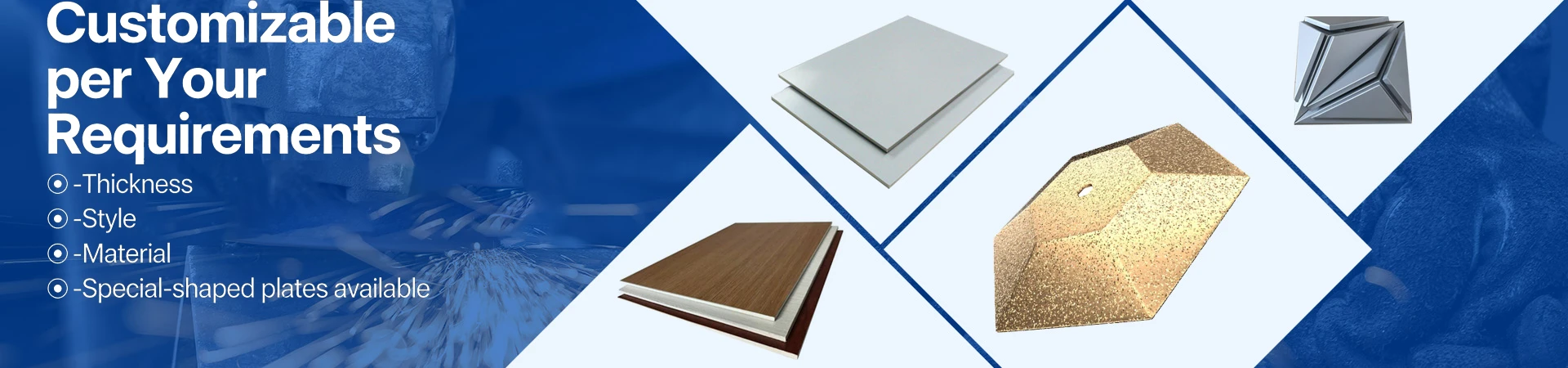
Absolutely— Jiashuncai offers custom ACM panelling (size, color, finish) via their cutting and packaging step (step 6). They can cut panels to non-standard sizes (e.g., 0.8m×2.5m for curved facades) and apply custom colors (via their automatic spray line) to match architectural designs. For example, a cultural center with a wave-shaped facade used 500 custom-cut acm panelling pieces, all produced to precise specifications. Wholesalers can pass client design requirements directly to Jiashuncai, offering tailored solutions without extra hassle.
How Does ACM Panelling Perform in Humid or Coastal Areas?
Jiashuncai’s ACM panelling excels in humid/coastal areas: their aluminum sheet cleaning process (step 2) removes oxidation that accelerates corrosion; the clear coat (step 3) is salt-spray resistant; and the PE core is waterproof. For example, a coastal resort with acp paneling facades shows no rust or delamination after 10 years of salt exposure, vs. 5 years for generic acm panelling. The company also offers optional marine-grade aluminum (thicker 0.5mm sheets) for extreme coastal conditions—letting wholesalers serve clients in high-humidity regions.
What Bulk Order Quantities Does Jiashuncai Support for ACM Panelling?
Jiashuncai supports bulk orders of ACM panelling starting from 500㎡, with tiered discounts for orders over 2000㎡ (ideal for large construction projects). They use professional scratch-proof packaging (step 6) for bulk shipments, ensuring panels arrive undamaged—critical for wholesalers who need to avoid costly rejections. For example, a wholesaler ordering 3000㎡ of acp paneling for a commercial mall receives panels in custom crates, with each panel separated by foam to prevent scratches. This bulk support and packaging quality make Jiashuncai a reliable partner for wholesalers with large-scale client needs.