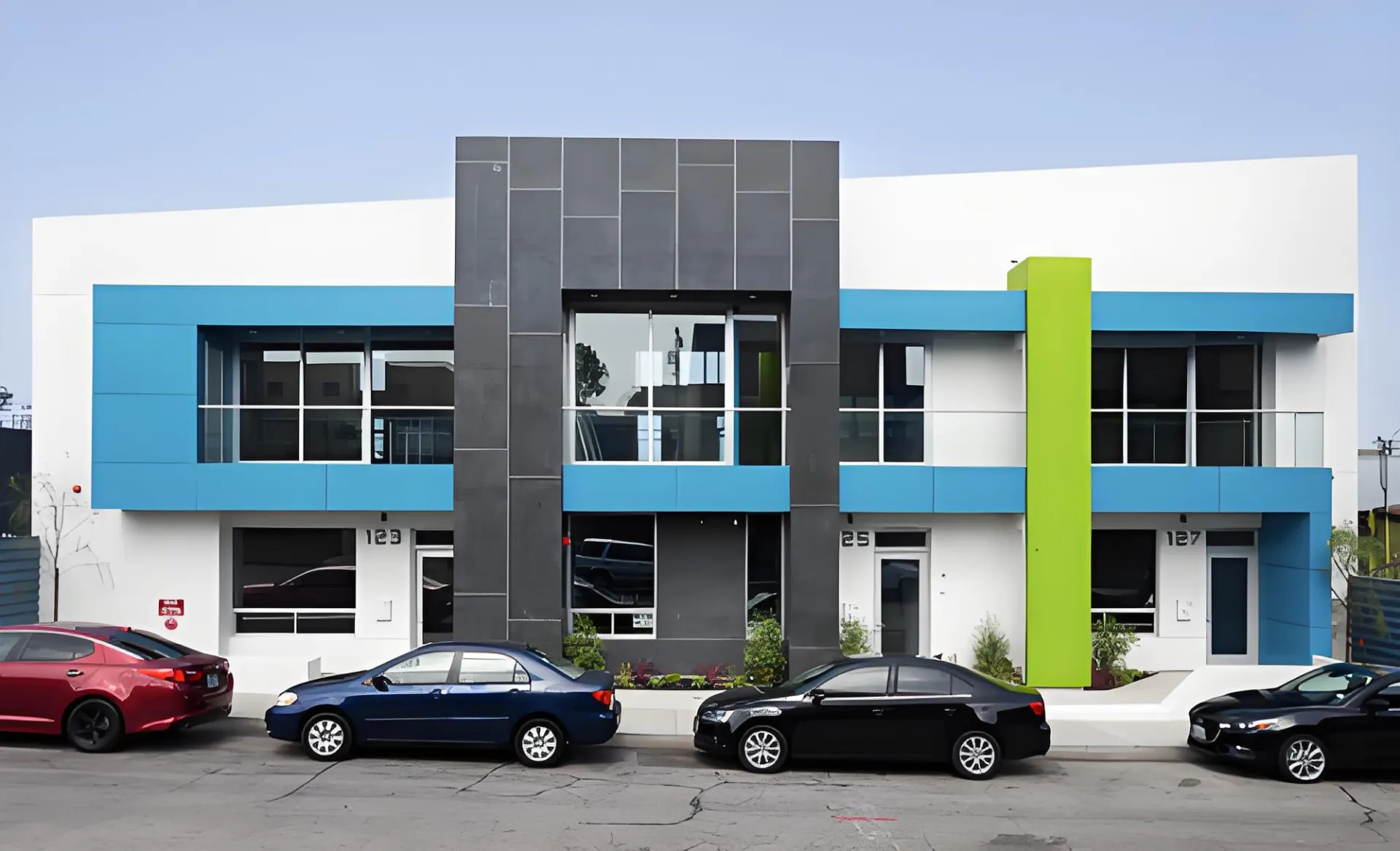
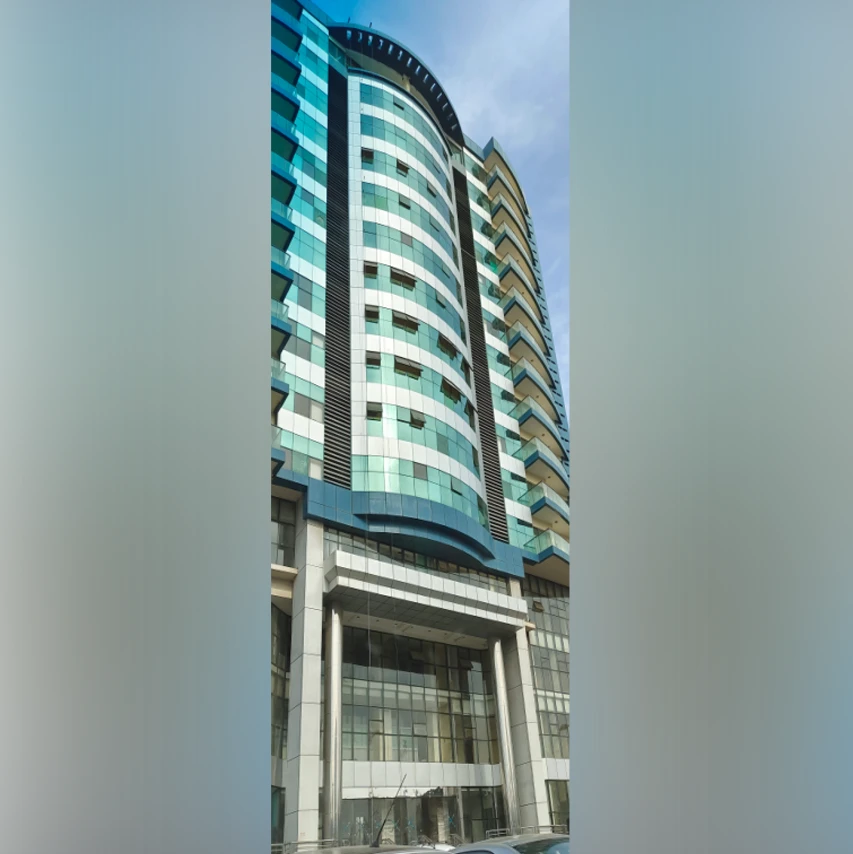
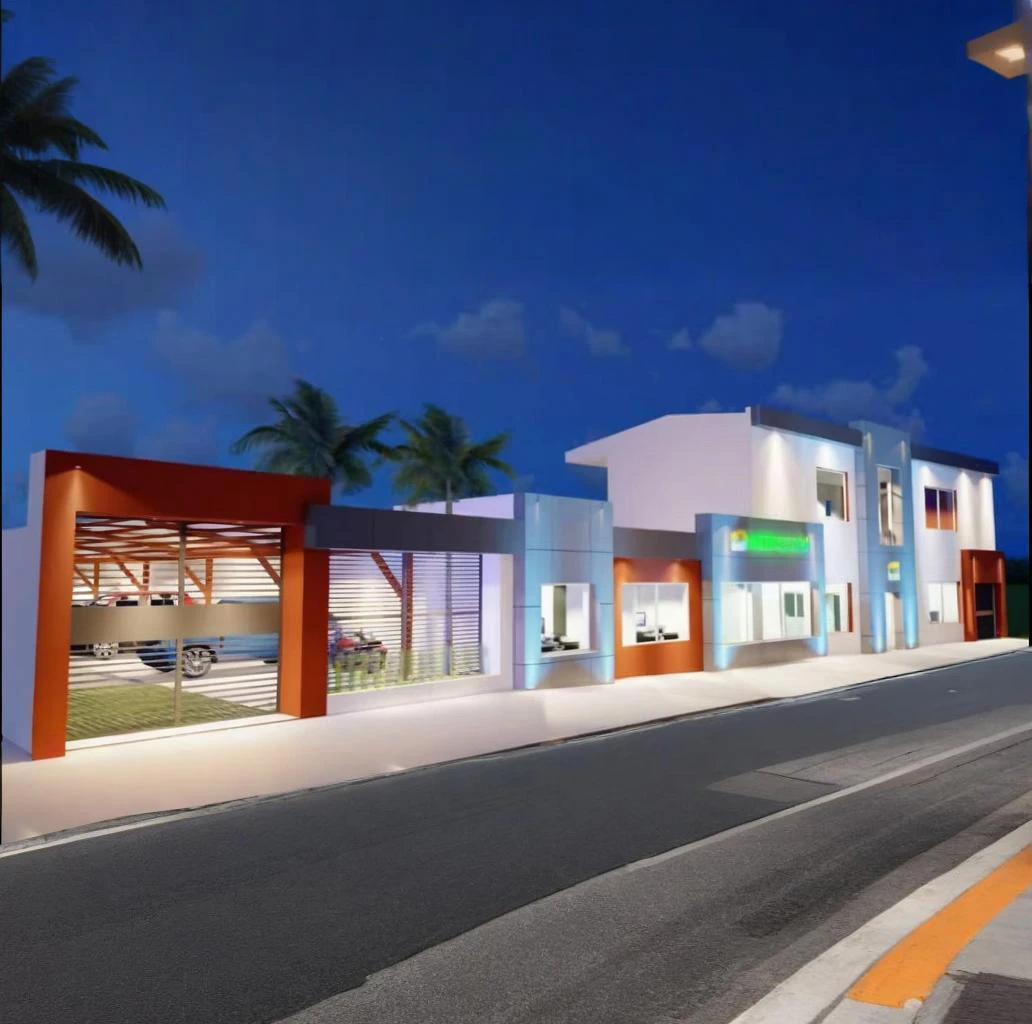
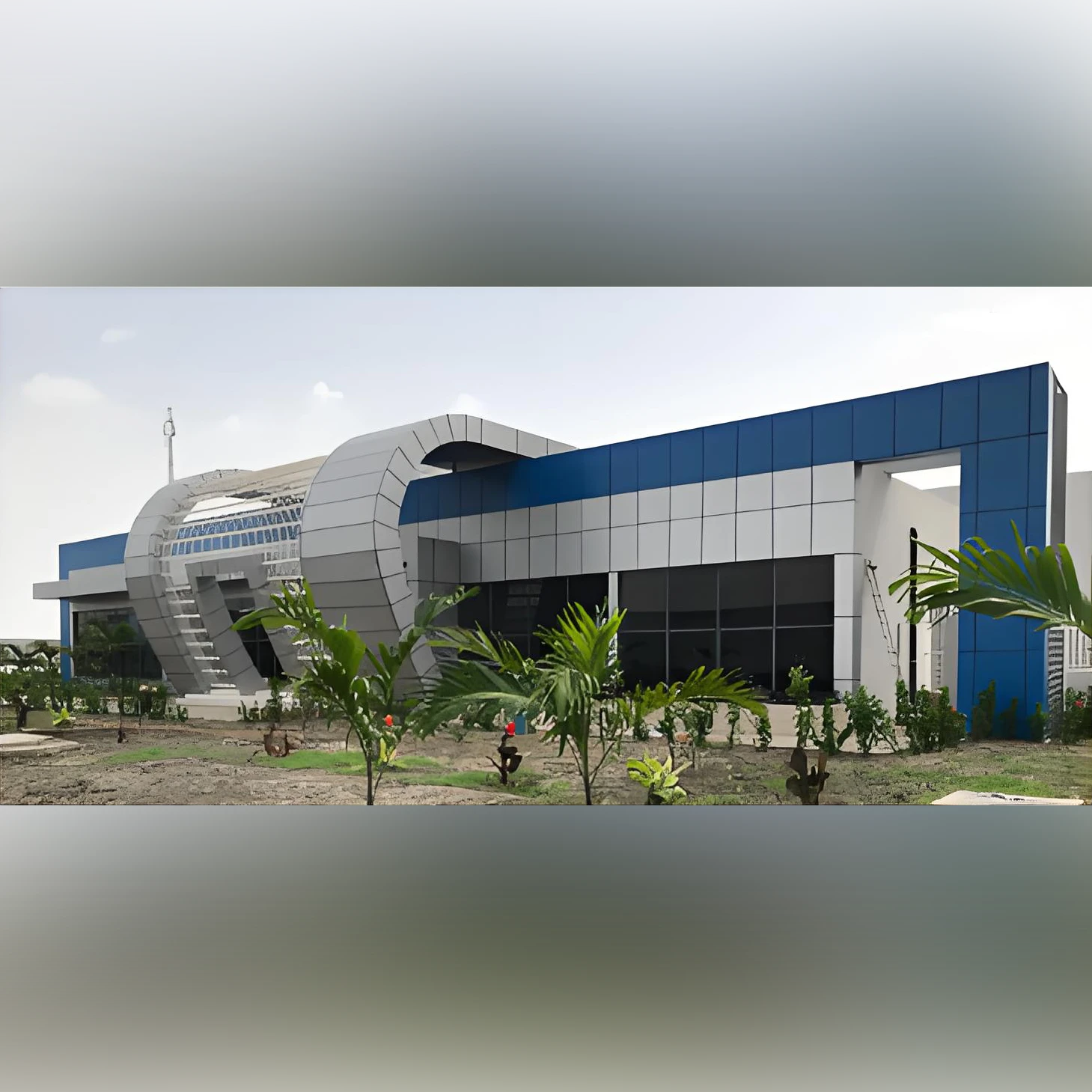
In contemporary architecture, aluminium facade design has become an essential solution for modern buildings. Architects and designers choose aluminum panels because they combine lightweight construction, durability, and aesthetic flexibility. Aluminum panels protect buildings from UV rays, acid rain, car exhaust, and environmental pollution, maintaining color and luster for decades.
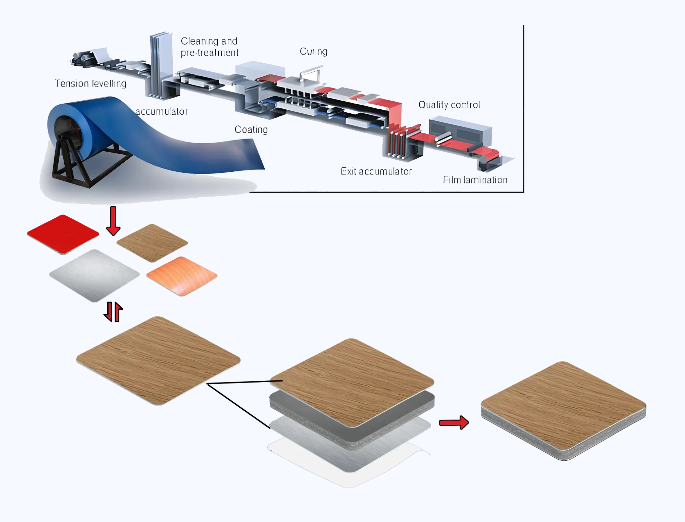
Foshan Jiashuncai Building Materials Co., Ltd., founded in 2003, produces high-quality aluminum composite panels. These panels are composed of inorganic materials that ensure exceptional weather resistance and non-aging performance. Fire-resistant coatings endure temperatures up to 300°C, meeting A-grade safety standards. Environmentally, panels comply with SGS regulations and release no harmful gases, making aluminium facade design safe, sustainable, and reliable.
Modern projects that utilize aluminium facade design include skyscrapers, shopping malls, airports, and cultural venues. These panels can be installed on curtain walls, beams, balconies, and columns, providing seamless and attractive facades.
Precision with Aluminium Panel Facade Detail
Aluminium panel facade detail plays a crucial role in ensuring the panels’ durability and visual appeal. Proper detailing ensures secure attachment, consistent alignment, and expansion gaps to accommodate thermal movement.
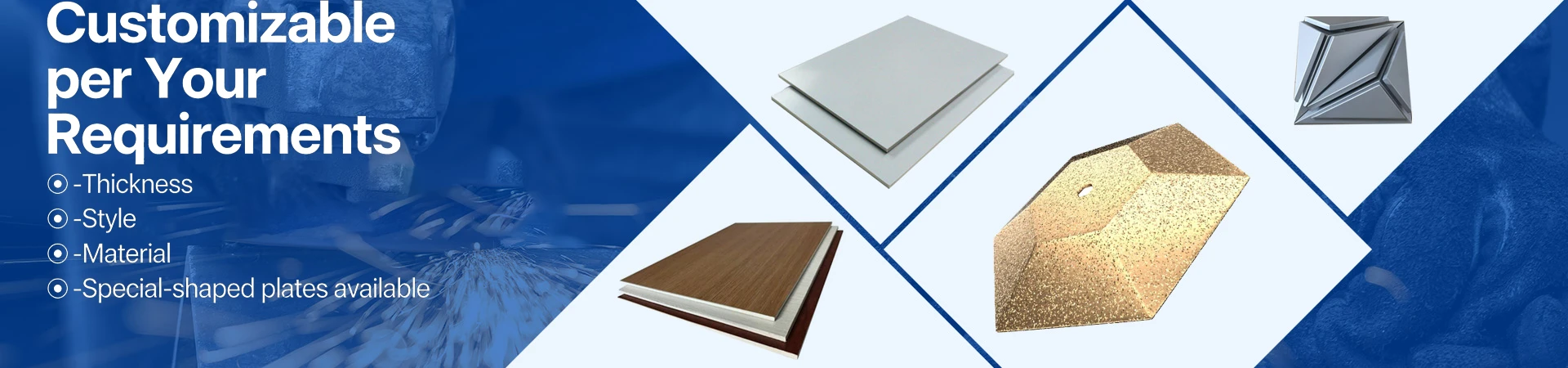
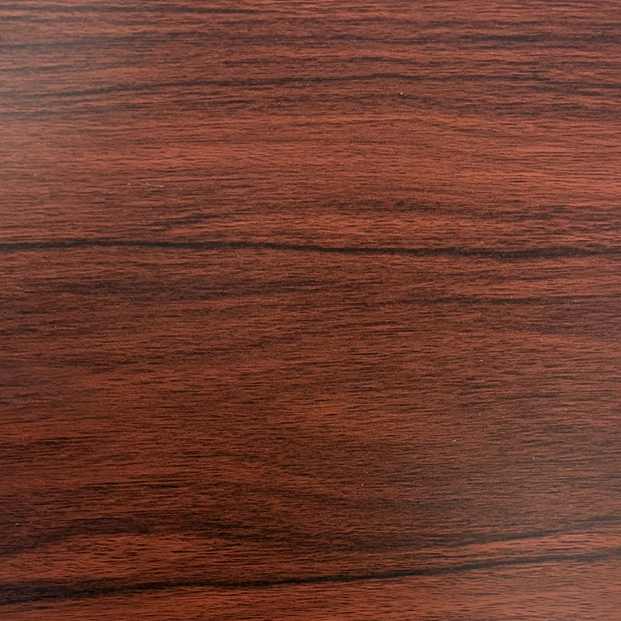
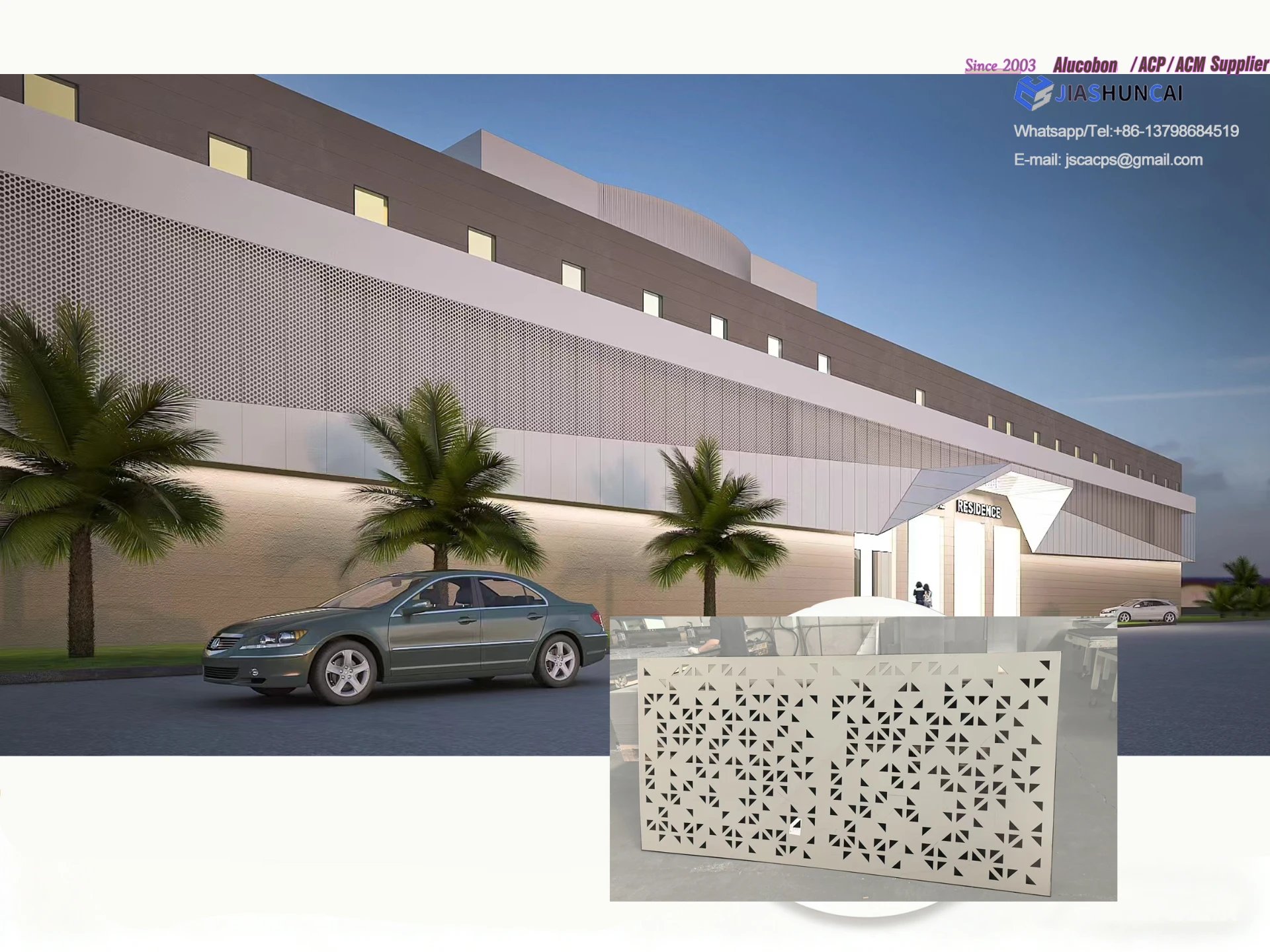
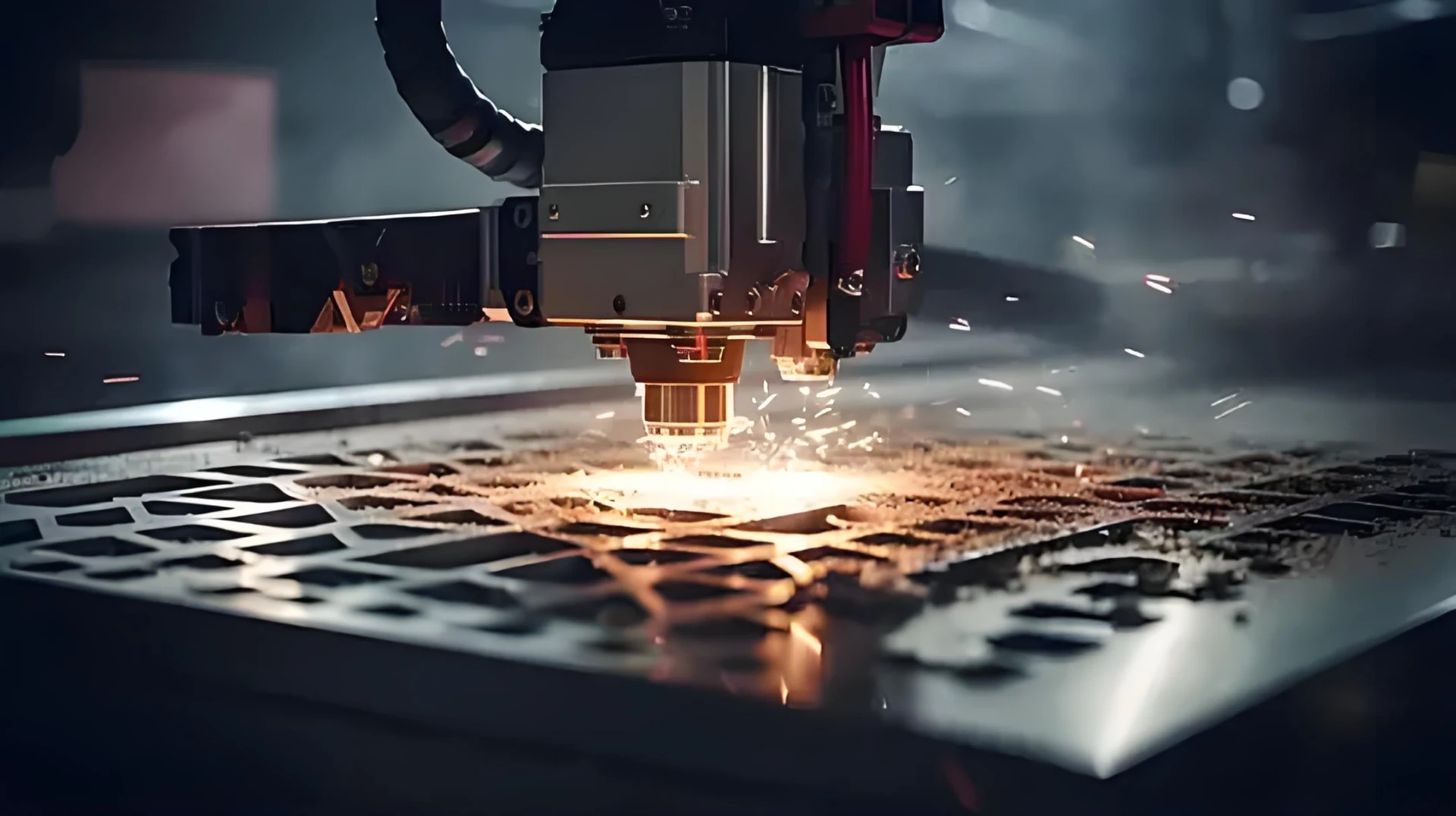
In high-rise projects, aluminium panel facade detail allows the integration of custom finishes, such as marble textures, wood grains, fluorocarbon coatings, or porcelain finishes. Panels can also be perforated for ventilation and aesthetic effect. Correct detailing ensures that wind load, temperature changes, and environmental stress do not compromise structural integrity or appearance.
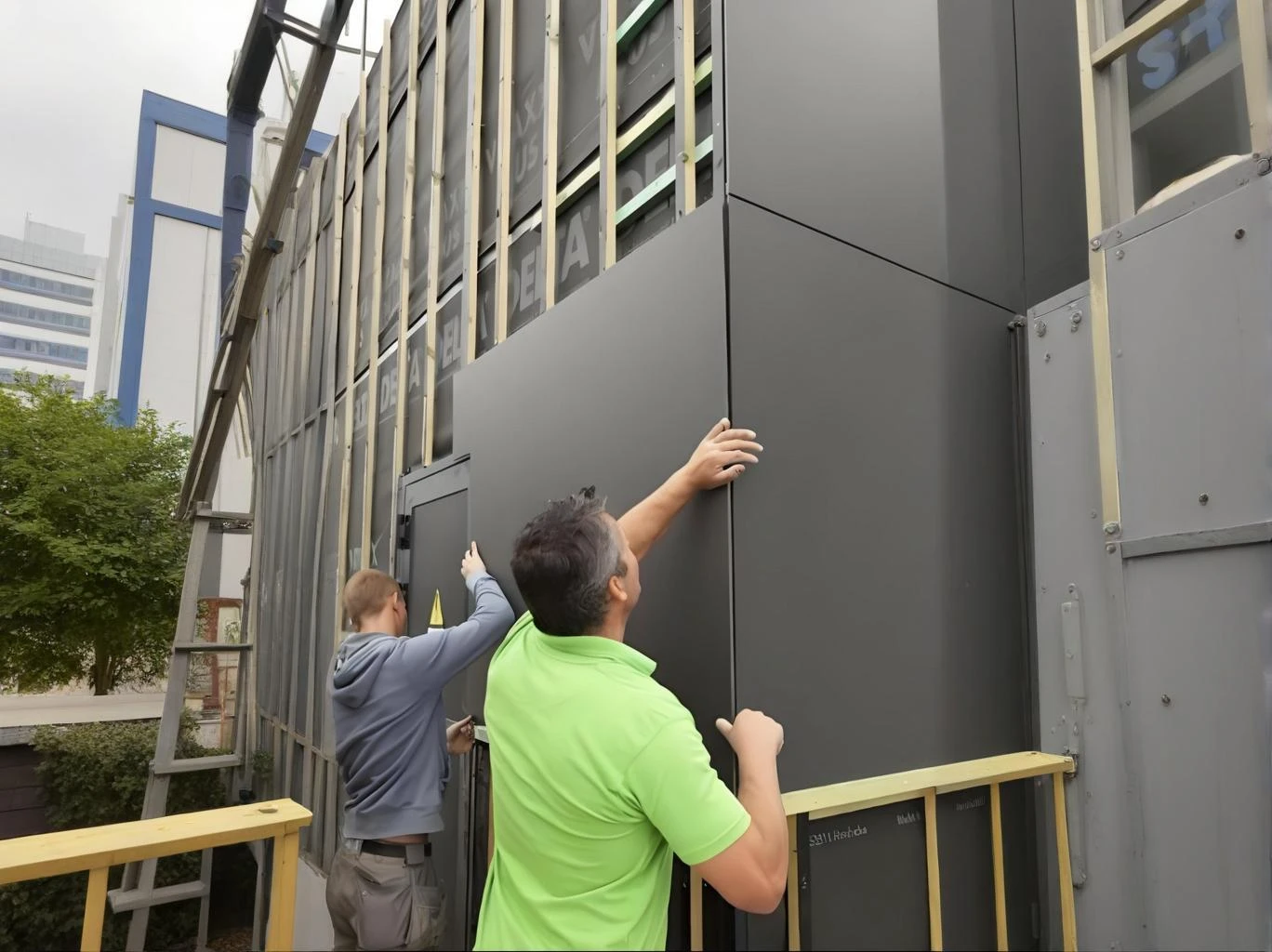
Practical applications of aluminium panel facade detail include airport terminals, office towers, stadiums, and commercial complexes. Panels are installed using mechanical fasteners or adhesive systems, and expansion joints are incorporated to prevent warping or buckling over time. By implementing detailed planning, aluminium panel facade detail guarantees long-term durability and design consistency.
Interior Versatility with Aluminium Wall Cladding Systems
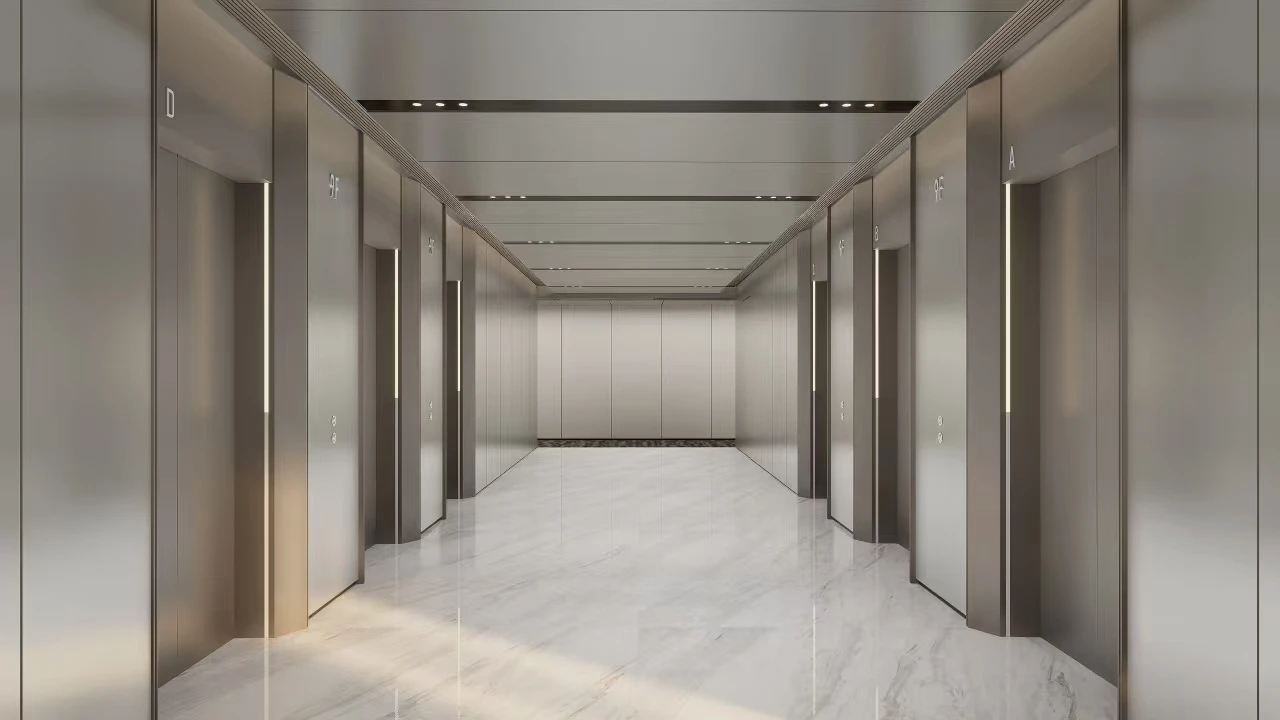
Aluminium wall cladding systems are widely used for indoor spaces where aesthetics, fire safety, and durability are important. Reception halls, conference rooms, exhibition areas, and shopping centers all benefit from aluminum cladding systems.
The panels are lightweight, making installation faster and reducing structural load. Aluminium wall cladding systems can include various textures, colors, or perforation patterns to create a unique interior design. Panels are easy to clean and maintain, resistant to moisture and corrosion, and compliant with environmental and fire safety standards. By using aluminium wall cladding systems, designers achieve high-end interior finishes with minimal maintenance cost.
Understanding What Is ACM Metal Panel
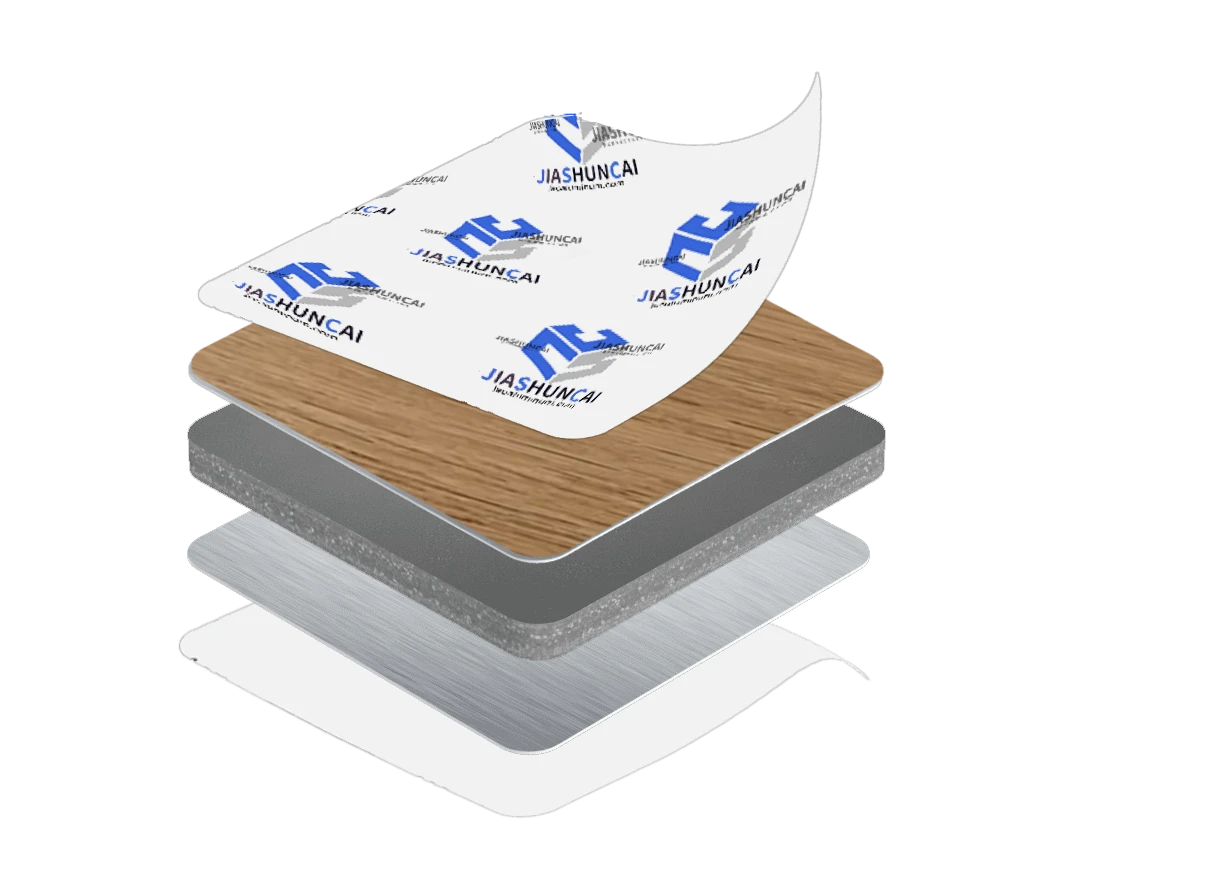
What is acm metal panel? ACM (Aluminum Composite Material) panels consist of a core material, such as polyethylene or fire-resistant mineral, sandwiched between two aluminum skins. ACM panels are renowned for their strength-to-weight ratio, durability, and design versatility.
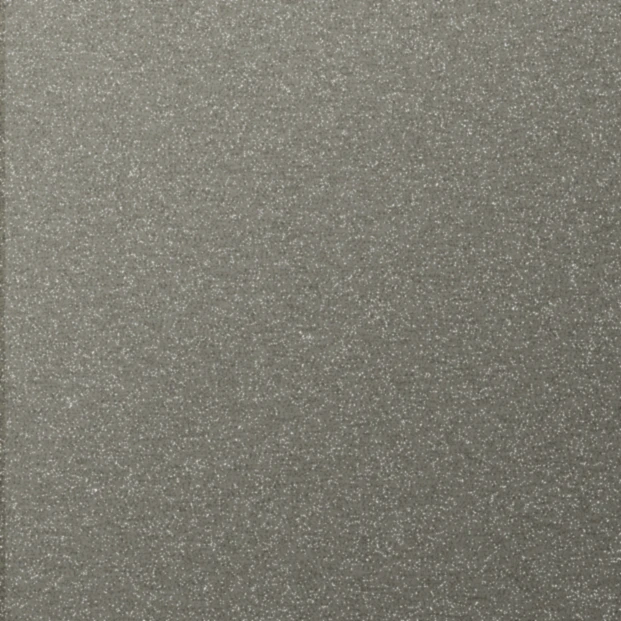
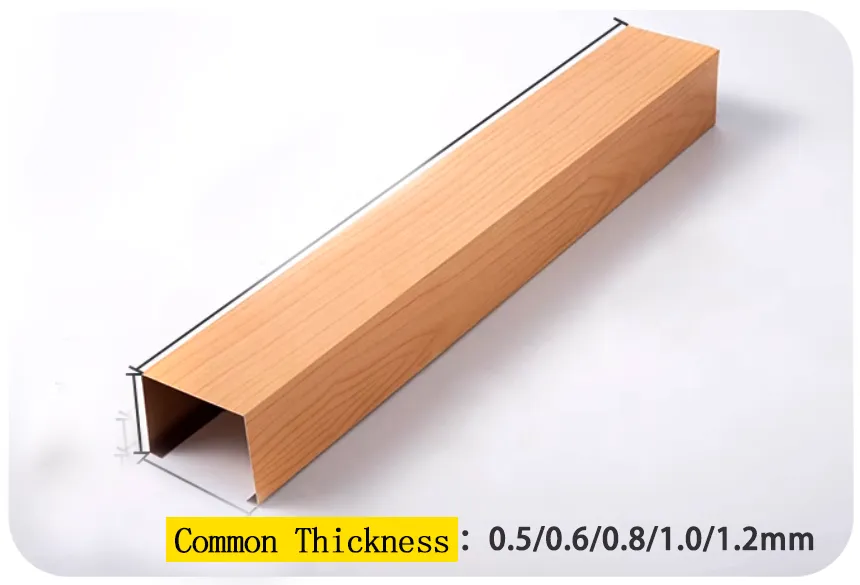
What is acm metal panel is used in curtain walls, facades, signage, and interior wall coverings. Panels can be finished with marble or wood-grain textures, perforated designs, fluorocarbon coatings, or porcelain finishes. ACM panels maintain their appearance and structural performance under extreme weather, pollution, or UV exposure. Foshan Jiashuncai’s ACM panels meet fire and environmental safety standards, providing designers with confidence in both aesthetics and functionality.
ACM panels are particularly effective in modern high-rise buildings where lightweight, strong, and visually appealing materials are required. They also enable creative facade designs with intricate patterns or perforations for ventilation and light control. What is acm metal panel represents a blend of innovation, safety, and design flexibility.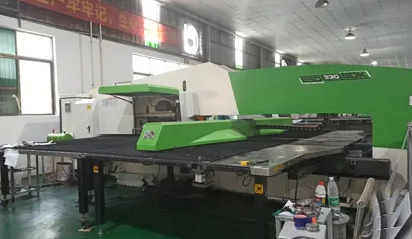
Applications, Material Options, and Advantages of Aluminum Panels
Aluminum panels have a broad range of applications. Aluminium facade design enhances exteriors, curtain walls, balconies, beams, and columns, while aluminium wall cladding systems improve interior aesthetics in reception halls, shopping malls, and airports.
Material options include:
-
PVDF-coated panels: superior weather resistance and color retention
-
PE-core panels: lightweight and cost-effective
-
Perforated panels: for ventilation and decorative purposes
-
Marble-textured panels: for luxury aesthetics
-
Wood-grain panels: for a natural, warm interior feel
Advantages of using aluminium panel facade detail and wall systems include:
-
High durability and weather resistance
-
Fire resistance up to 300°C
-
Environmentally friendly with SGS certification
-
Lightweight for easier handling and installation
-
Wide variety of textures, finishes, and colors
Installation tips for aluminium wall cladding systems include: using proper expansion gaps, aligning panels precisely, and securing panels with appropriate fasteners or adhesive systems. Perforated panels require careful pattern alignment, and textured finishes should be handled gently to prevent surface damage.
Aluminium facade design can be seen on commercial skyscrapers, office towers, airports, and stadiums. Panels create smooth, uniform curtain walls and protect structures from environmental stress.
Aluminium panel facade detail is vital for high-rise buildings where wind load, thermal expansion, and environmental factors are critical. Correct detailing ensures panels remain straight, secure, and visually seamless.
Aluminium wall cladding systems enhance interiors in reception areas, auditoriums, and exhibition halls. Designers can apply custom colors, textures, and patterns, maintaining both aesthetics and functionality.
What is acm metal panel is often used in modern curtain wall systems for iconic buildings, combining lightweight design with fire safety, durability, and customizable finishes. ACM panels are versatile for high-rise facades, commercial signage, and interior decorative walls.
Aluminum Panels FAQs
What is aluminium facade design?
Aluminium facade design uses aluminum panels to enhance building exteriors with durability, weather resistance, and visual appeal.
How does aluminium panel facade detail improve building performance?
Aluminium panel facade detail ensures proper alignment, expansion gaps, and secure fastening, enhancing durability, weather resistance, and appearance.
Where are aluminium wall cladding systems used?
Aluminium wall cladding systems are applied in reception halls, office interiors, airports, shopping malls, and exhibition areas for aesthetics, safety, and low maintenance.
What is acm metal panel used for?
What is acm metal panel? ACM panels are used for curtain walls, building facades, interior walls, and signage, offering strength, lightweight construction, and customizable finishes.
Where can I buy high-quality aluminum panels?
Foshan Jiashuncai Building Materials Co., Ltd. offers a full range of aluminum panels. Visit our website to explore finishes, request samples, and place orders. Upgrade your building exteriors and interiors with stylish, durable, and easy-to-install aluminum panels today.