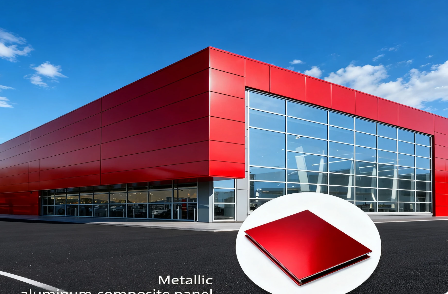
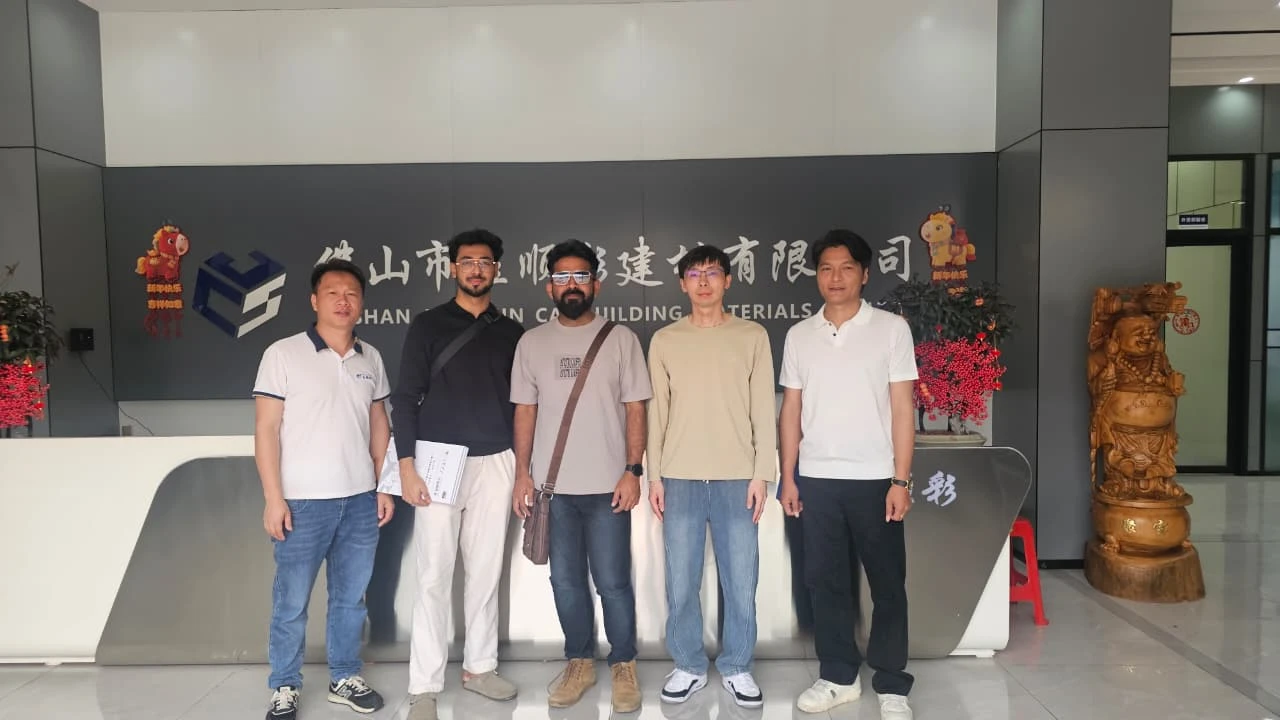
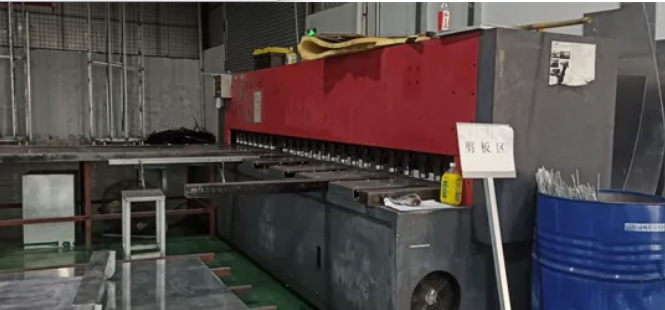
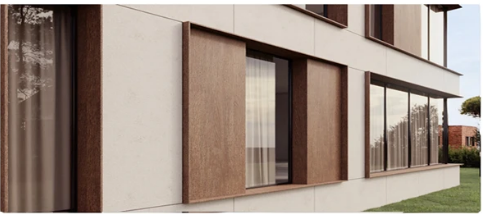
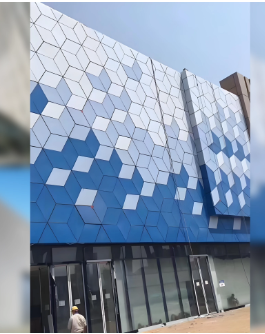
Panel Aluminium Composite is a key solution in the industry, specifically within modern construction, signage, and industrial cladding sectors. The versatility of this engineered product means it supports professionals who demand durability and aesthetic appeal, allowing them to deliver projects that last and perform. In this article, we’ll explore how JSC Aluminum provides high-performance composite panels to B2B decision makers, and why these panels remain the go-to choice for many businesses.
Table of Contents
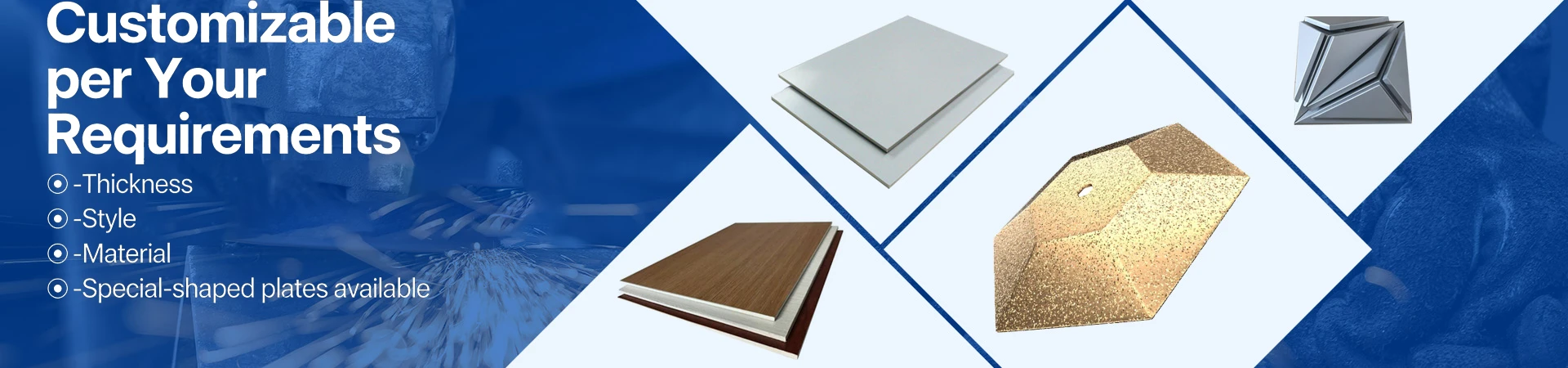
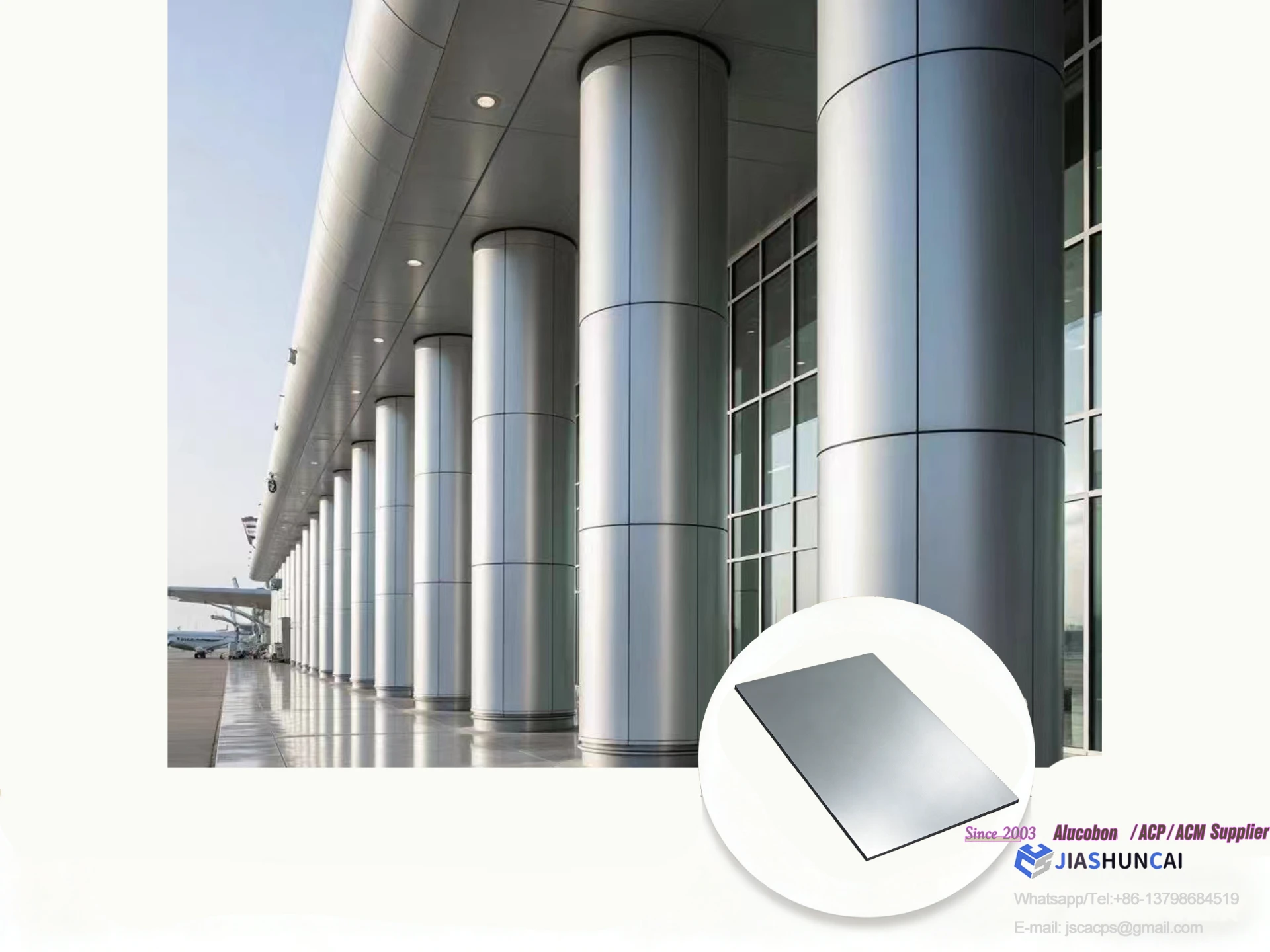
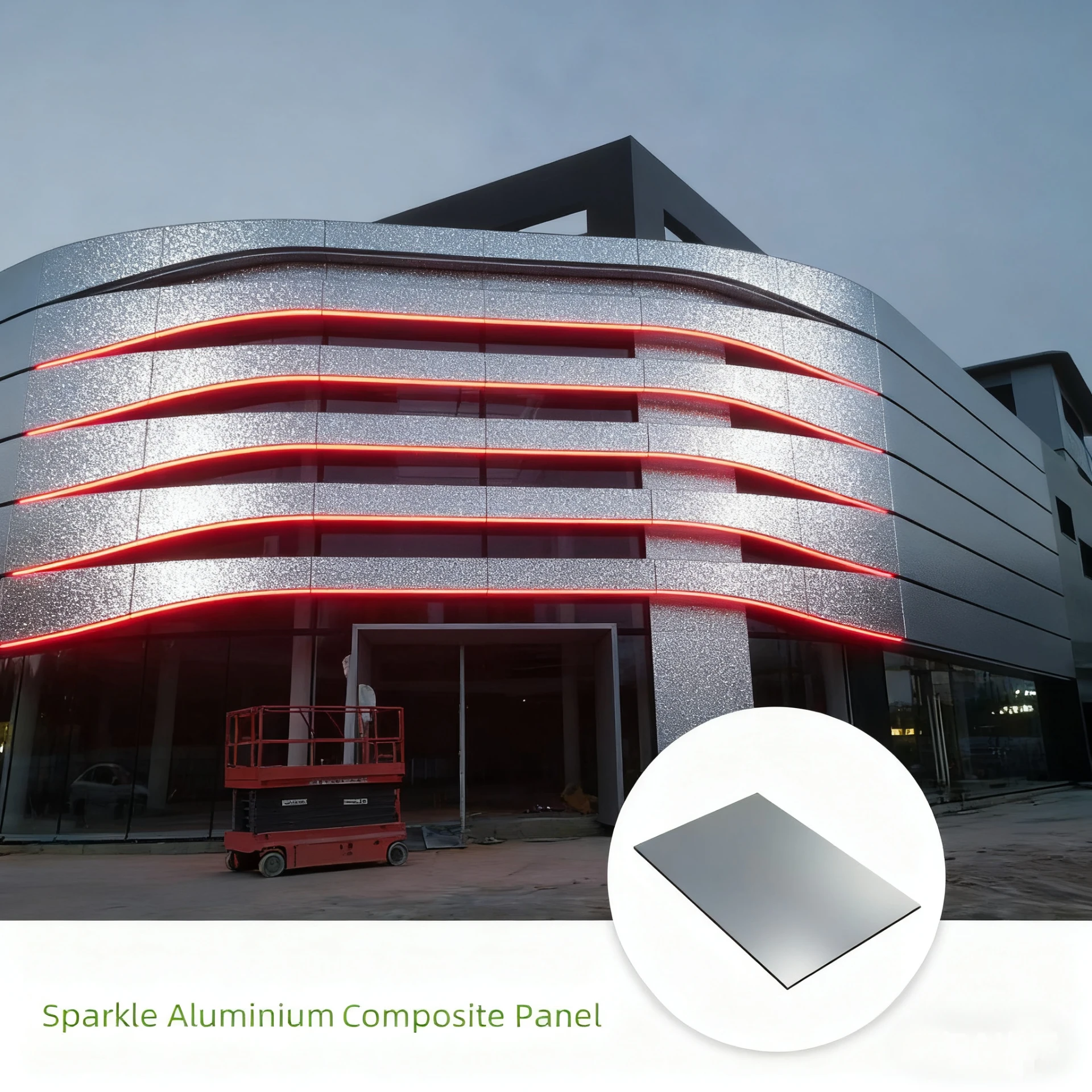
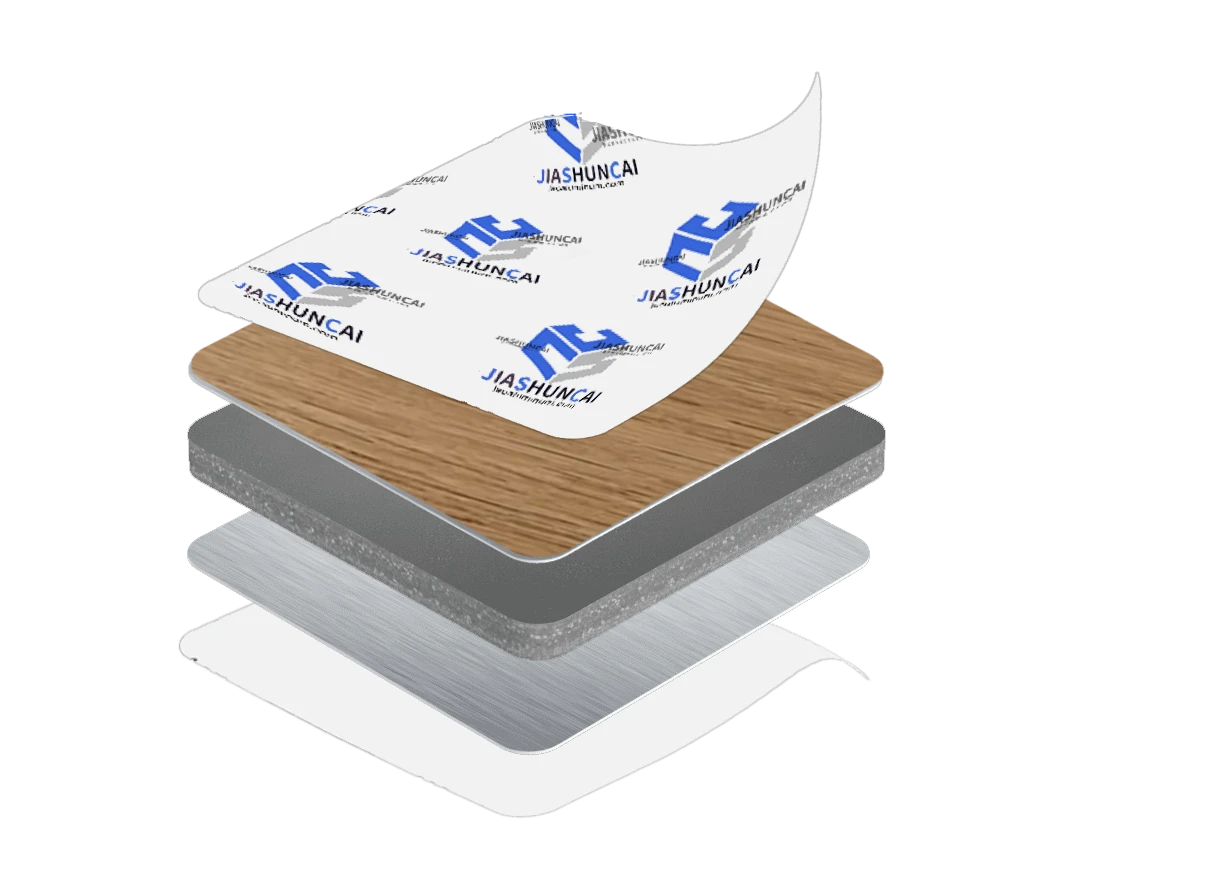
At its core, Panel Aluminium Composite (often abbreviated as ACP) combines two thin aluminum sheets bonded to a non-aluminum core, like polyethylene or fire-resistant mineral cores. This layering yields a material that’s both lightweight and extremely rigid — ideal for façades, interior design, and industrial usage. The idea is simple, yet elegant: harness the strength and corrosion resistance of aluminum alongside a core that offers flexibility and insulation.
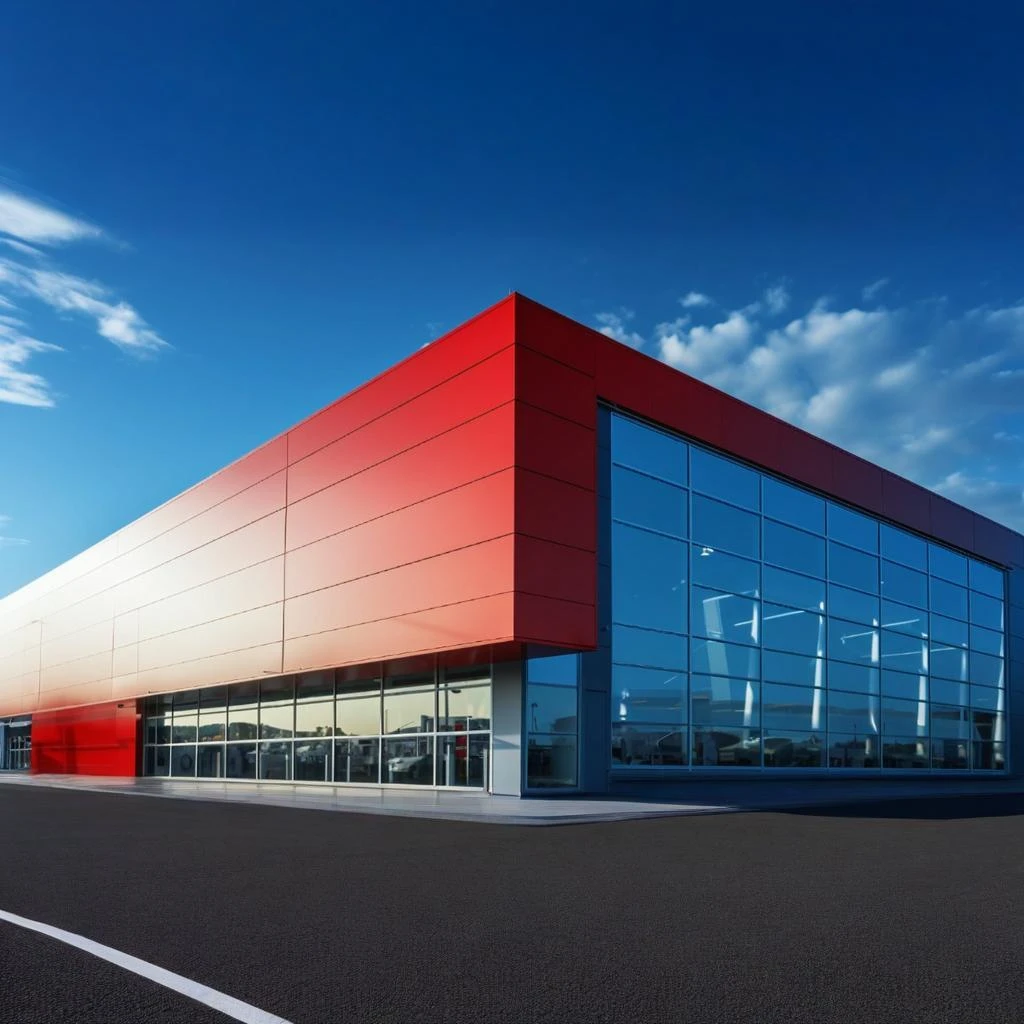
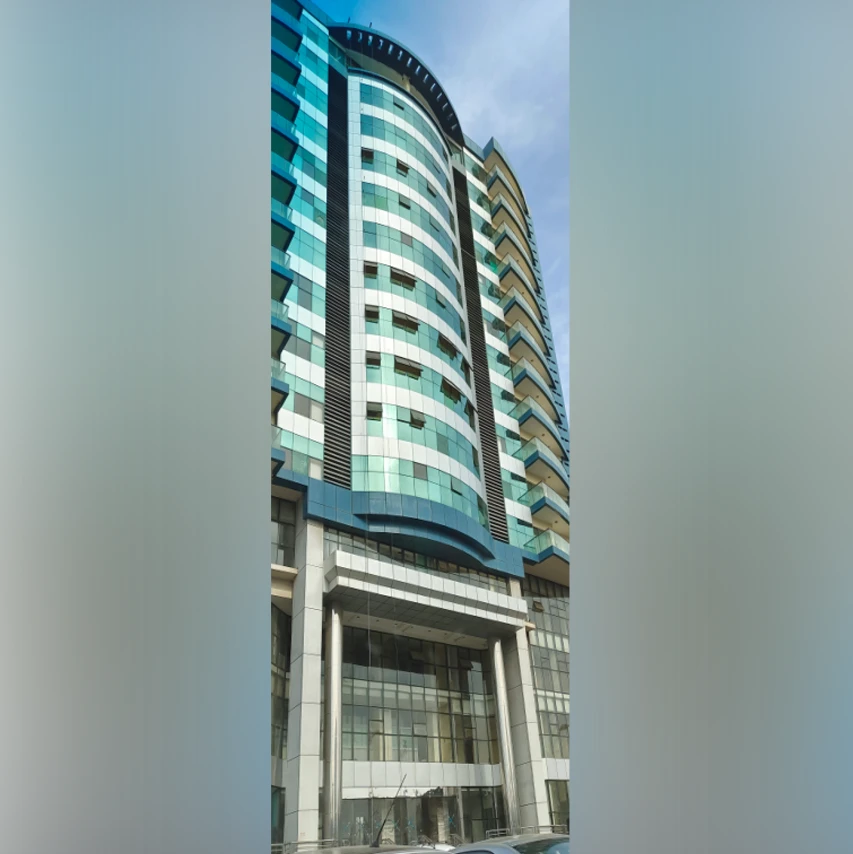
Technically speaking, these panels typically range from 3mm to 6mm in thickness, with aluminum sheets usually about 0.3mm thick. A notable case study recognizes JSC Aluminum’s panels in a high-rise project where fire safety standards were critical; their non-combustible cores met stringent regulations, all while delivering a sleek exterior finish. Those specs sure make it stand out amid more traditional materials like solid aluminum sheets or steel cladding — the composite design strikes a unique balance.
| Specification |
Details |
| Total Thickness |
3mm - 6mm |
| Aluminum Sheet Thickness |
0.3mm - 0.5mm |
| Core Material Options |
Polyethylene (PE), Fire-Resistant Mineral Core |
| Standard Panel Size |
1220mm x 2440mm (custom sizes available) |
| Finishes Available |
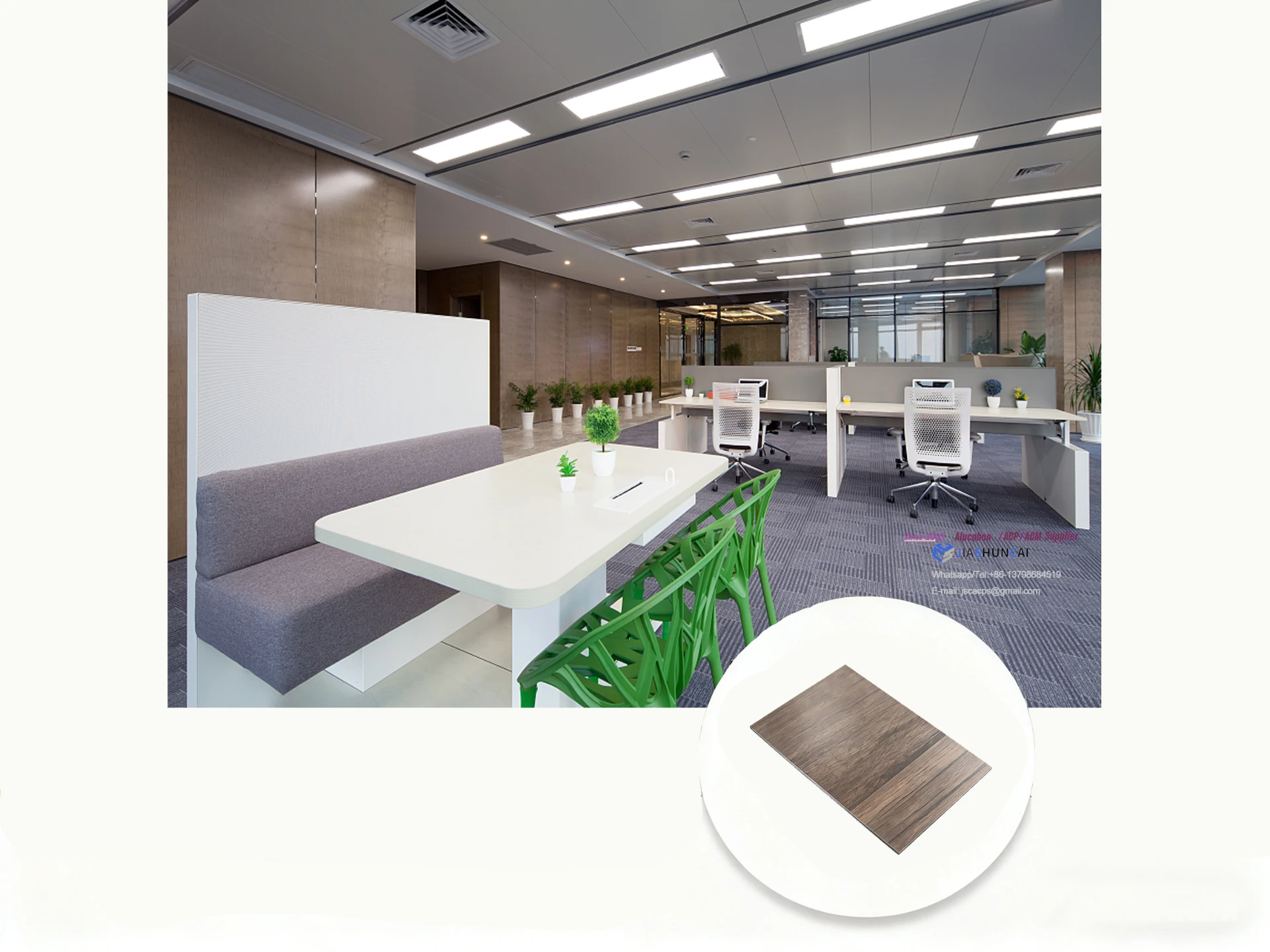
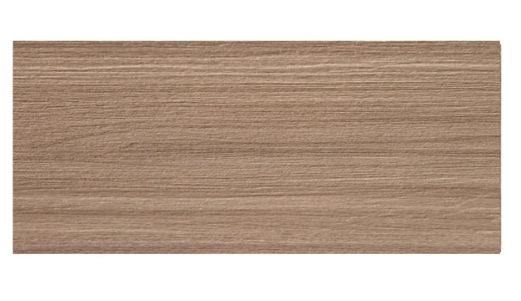
PVDF, PE Coating, Anodized, Woodgrain, Metallic |
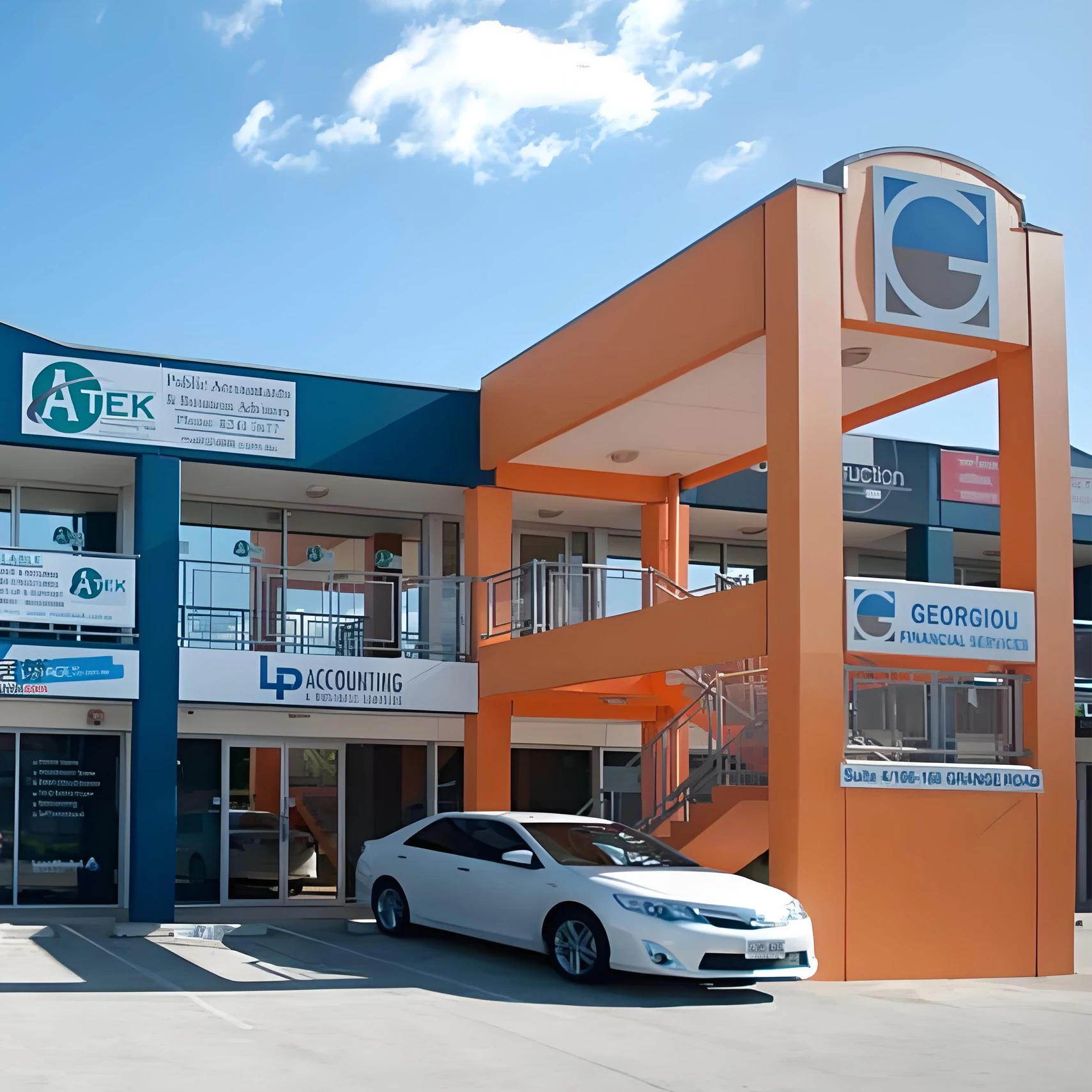
You might wonder why this product has become almost indispensable in construction and industrial design. Well, it’s a clever mix of strength, lightness, and aesthetics all rolled into one. Industries like architecture and signage value its smooth surface and color retention, while automotive and advertising sectors appreciate the ease of shaping and printing on these panels.
In real terms, ACP panels offer weather resistance and UV protection, which means exteriors don’t fade or corrode easily. Plus, they’re fire retardant, which is a deal breaker in many urban projects. Competition exists from conventional metals and plastics, yet composite panels consistently win on cost-to-performance ratio.
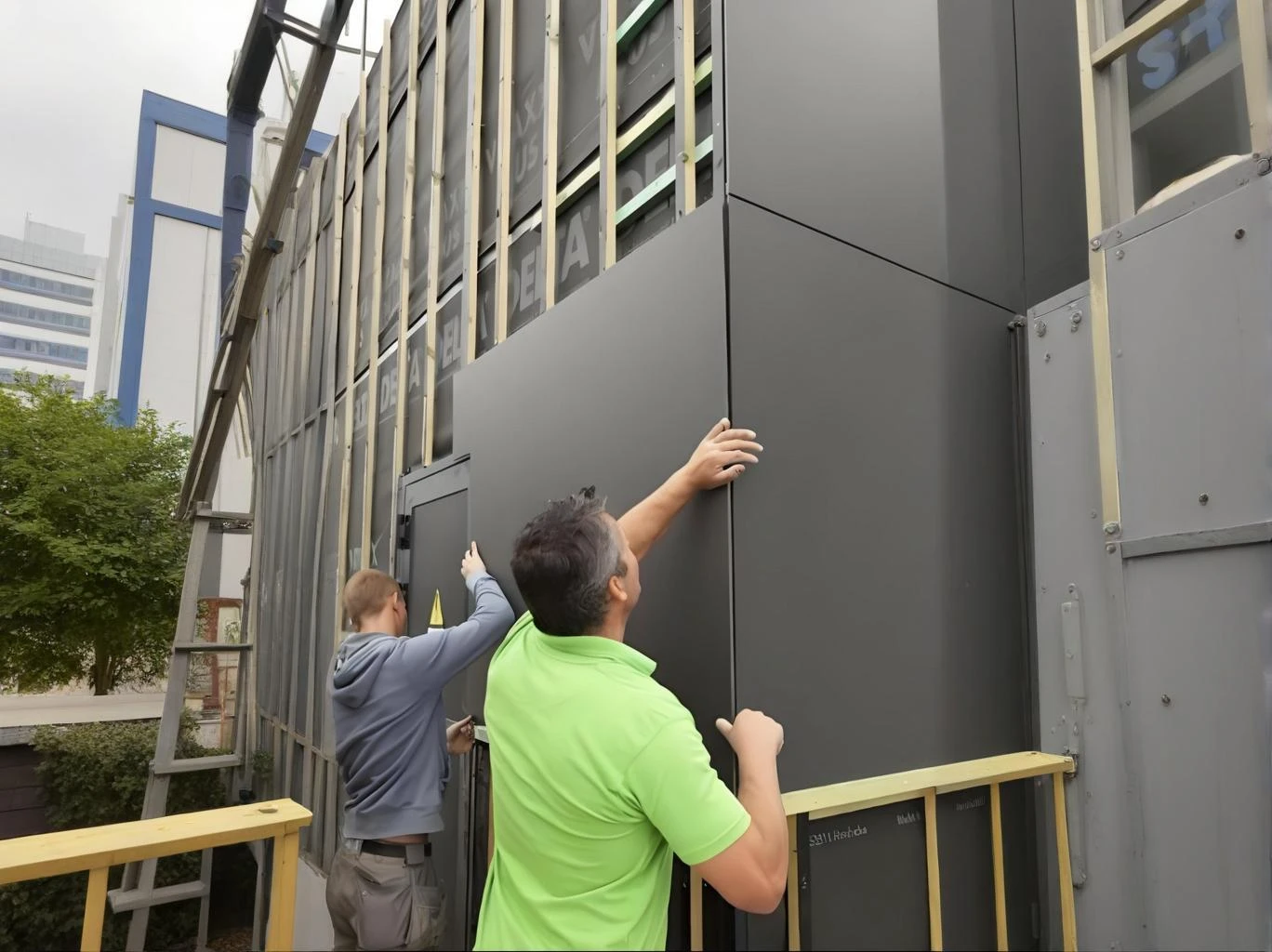
To highlight a competitive edge: JSC Aluminum offers customized finishes and rapid turnaround times, meeting tight project deadlines. Their panels are noted for dimensional stability and uniform flatness over large surfaces, which frankly, makes the installers’ job a lot less frustrating.
Cost, Maintenance & User Experience
Let’s talk money, because that’s always top of mind for B2B buyers. The total cost of ownership for Panel Aluminium Composite includes initial purchase, installation, and ongoing maintenance. Interestingly, while the upfront price might be marginally higher than standard cladding, the reduction in maintenance cost and longer lifespan generally gives it a better ROI.
Many contractors and architects I’ve talked to appreciate how these panels weather with minimal cleaning and no repainting thanks to their coatings. Customer feedback, particularly from projects completed in humid or coastal environments, points to zero issues with corrosion even after years. So durability translates to less downtime and lower operational impacts.
| Vendor |
Price per m² |
Lead Time |
Customization |
Warranty |
| JSC Aluminum |
$45 - $60 |
2 - 3 weeks |
Full color & size options |
10 years |
| Vendor A |
$40 - $55 |
3 - 4 weeks |
Limited colors |
7 years |
| Vendor B |
$50 - $65 |
2 - 5 weeks |
Standard sizes only |
8 years |
Sustainability & Market Trends
Oddly enough, sustainability is becoming a stronger force in the panel aluminium composite market than some might expect. Manufacturers like JSC Aluminum are increasingly sourcing recycled aluminum, and their production lines optimize waste and energy consumption. Given global pushes to reduce carbon footprints, the industry’s pivot toward greener solutions is well underway.
Regulatory pressure – especially in Europe and North America – on building materials demands better fire ratings and lower VOC emissions, both areas where ACP has upped its game. Market analysts predict a steady CAGR of around 5-7% over the next decade for aluminum composites in construction alone.
Customer demand is driving innovation in coatings and core materials that enhance recyclability without compromising strength. It feels like a new era where environmental responsibility and high-performance construction materials coalesce nicely.
Frequently Asked Questions about Panel Aluminium Composite
- What is Panel Aluminium Composite and how does it work?
-
Panel Aluminium Composite consists of two thin aluminum sheets bonded to a core material, creating a panel that's lightweight yet rigid. This structure combines aluminum's strength with the core's flexibility and insulation capacity, making it suitable for cladding, signage, and industrial uses.
- What are the main benefits of using Panel Aluminium Composite in industrial applications?
-
The key benefits include excellent durability, weather resistance, fire retardancy, and aesthetic versatility. Additionally, its lightweight nature reduces structural loads and installation costs, while coatings ensure long-lasting color stability.
- How does Panel Aluminium Composite compare to traditional alternatives?
-
Unlike solid metal panels or steel cladding, ACP offers better flexibility, easier installation, and enhanced thermal insulation. It also costs less in terms of whole-life expenses due to its maintenance-free surfaces and resistance to corrosion.
- What industries can benefit most from Panel Aluminium Composite implementation?
-
Key industries include commercial and residential construction, transportation (such as bus and train exteriors), advertising (billboards and signs), and interior architectural design. Success stories often come from projects needing both durability and visual impact.
Conclusion on Panel Aluminium Composite from China
In summary, Panel Aluminium Composite remains an excellent choice for businesses seeking a lightweight, durable, and aesthetically flexible material. The offerings from JSC Aluminum particularly stand out for their quality and customization options. For industry decision makers weighing their options, this product represents a smart investment both financially and environmentally.
Reflecting a bit, it’s clear how this material’s blend of technical innovation and practical benefits has secured its place across global industries. As regulations get tighter and sustainability more urgent, materials like this feel more necessary than ever.