Understanding Non Combustible Aluminium Cladding: Global Safety Meets Modern Building Innovation
At first glance, non combustible aluminium cladding might sound like just another technical term in the construction lexicon. Yet, its role in enhancing building safety worldwide is quietly monumental. In a world increasingly vulnerable to urban fires and climate-induced hazards, knowing about these materials isn’t just for industry insiders—it matters globally. Over the years, rules and regulations around fire safety have tightened, and for good reason: cladding systems can be the difference between life and death. Understanding the benefits and workings of these claddings uncovers a broader story about innovation, sustainability, and societal resilience.
Global Context: The Rising Need for Non Combustible Aluminium Cladding
The global construction sector is booming—actually, it accounted for nearly 13% of worldwide GDP in 2022, according to the World Bank. With expanding urbanization, buildings are growing higher and denser. Fire safety standards, guided by authoritative bodies like ISO and the International Building Code, have become stricter globally. Notably, after several high-profile fires linked to combustible claddings—like London’s Grenfell tragedy—governments and developers have been pushed to switch gears.
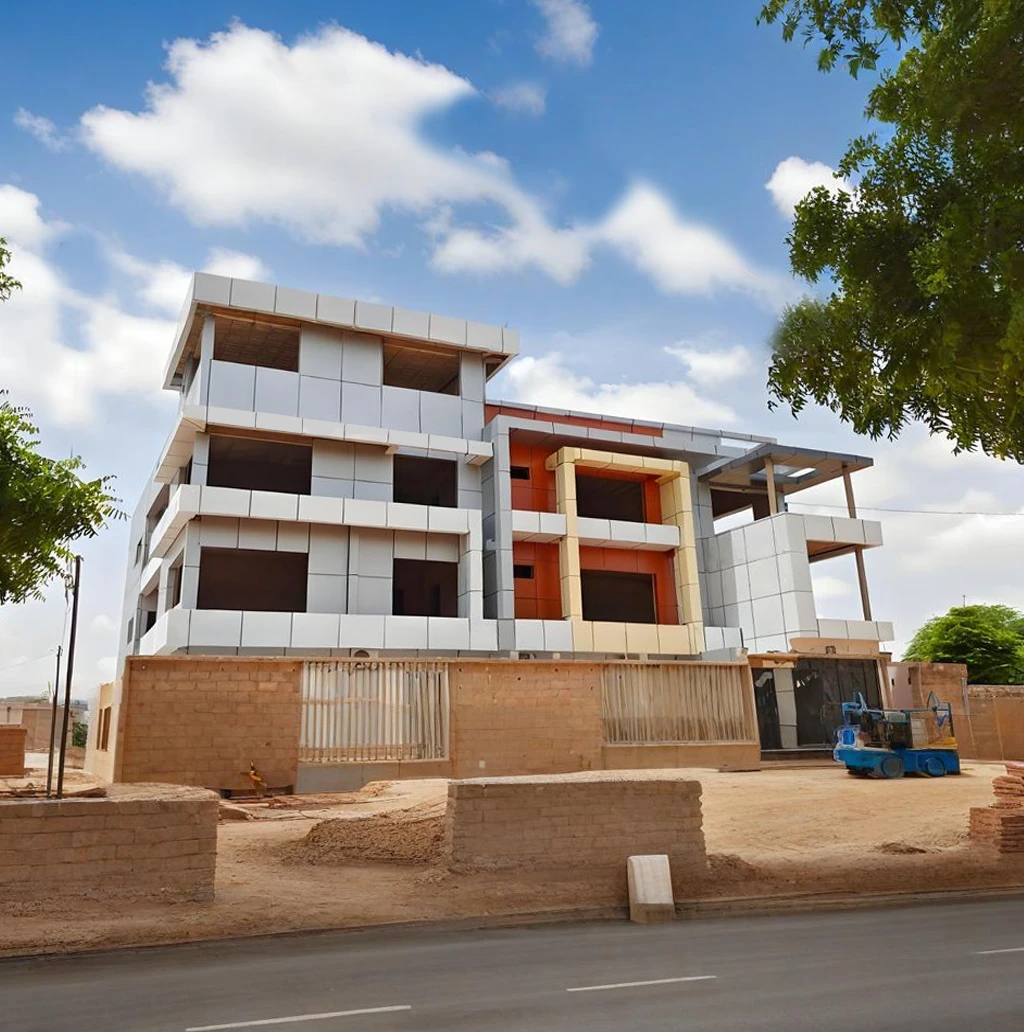
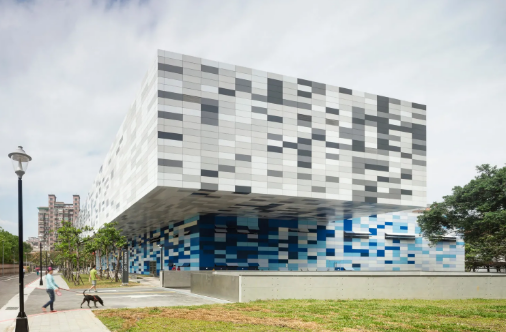
It’s an industry challenge: How to maintain architectural appeal without compromising fire resistance? Non combustible aluminium cladding answers this by offering a practical solution to a complex problem: preventing the rapid spread of fire across facades, especially on high-rises. This is not just a technical specification, but a real human issue—protecting lives and property.
What Is Non Combustible Aluminium Cladding?
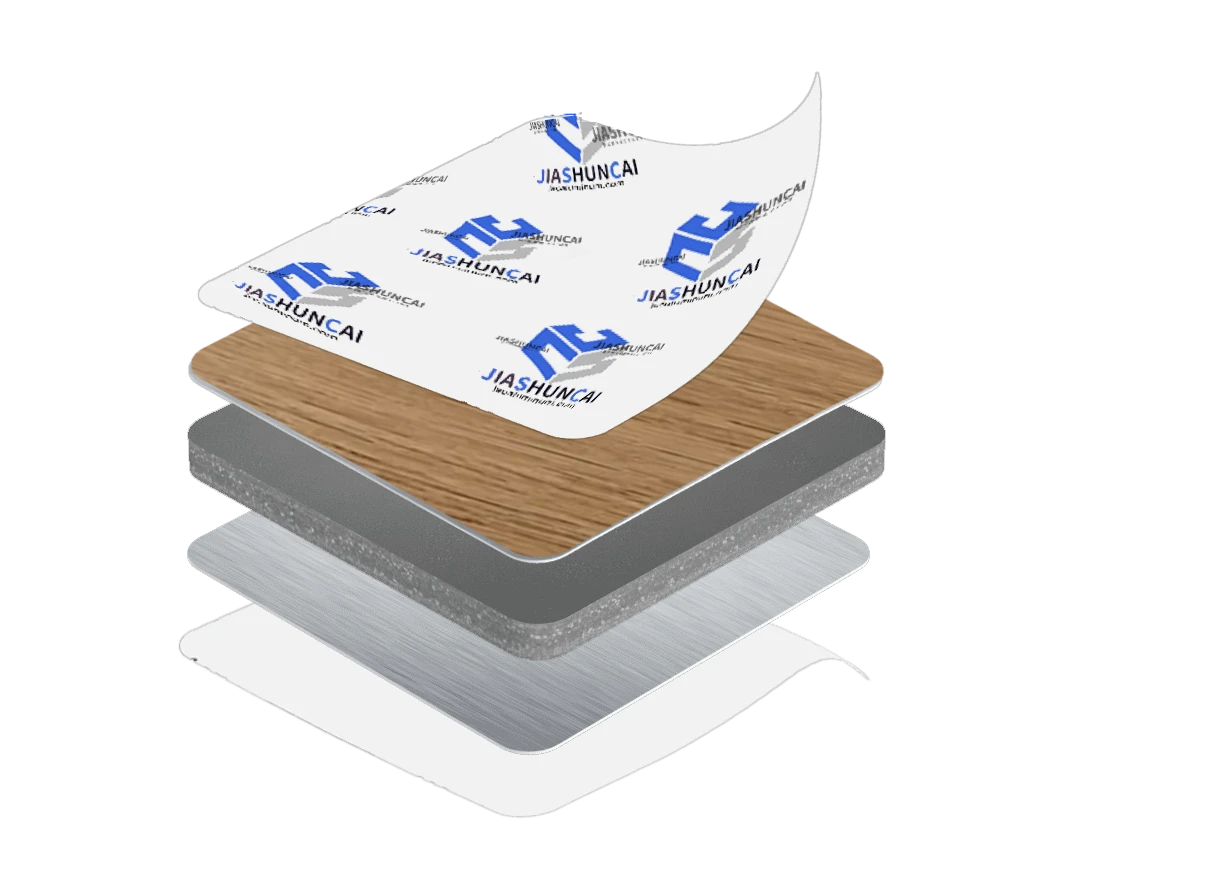
In simpler terms, non combustible aluminium cladding refers to exterior building panels made primarily of aluminium that won’t catch fire or contribute to the spread of fire. Unlike many composite panels that often contain flammable cores, these panels typically use inert cores or no combustible material at all. Aluminium itself is non combustible, and when combined with suitable core materials, it creates an effective barrier against flames.
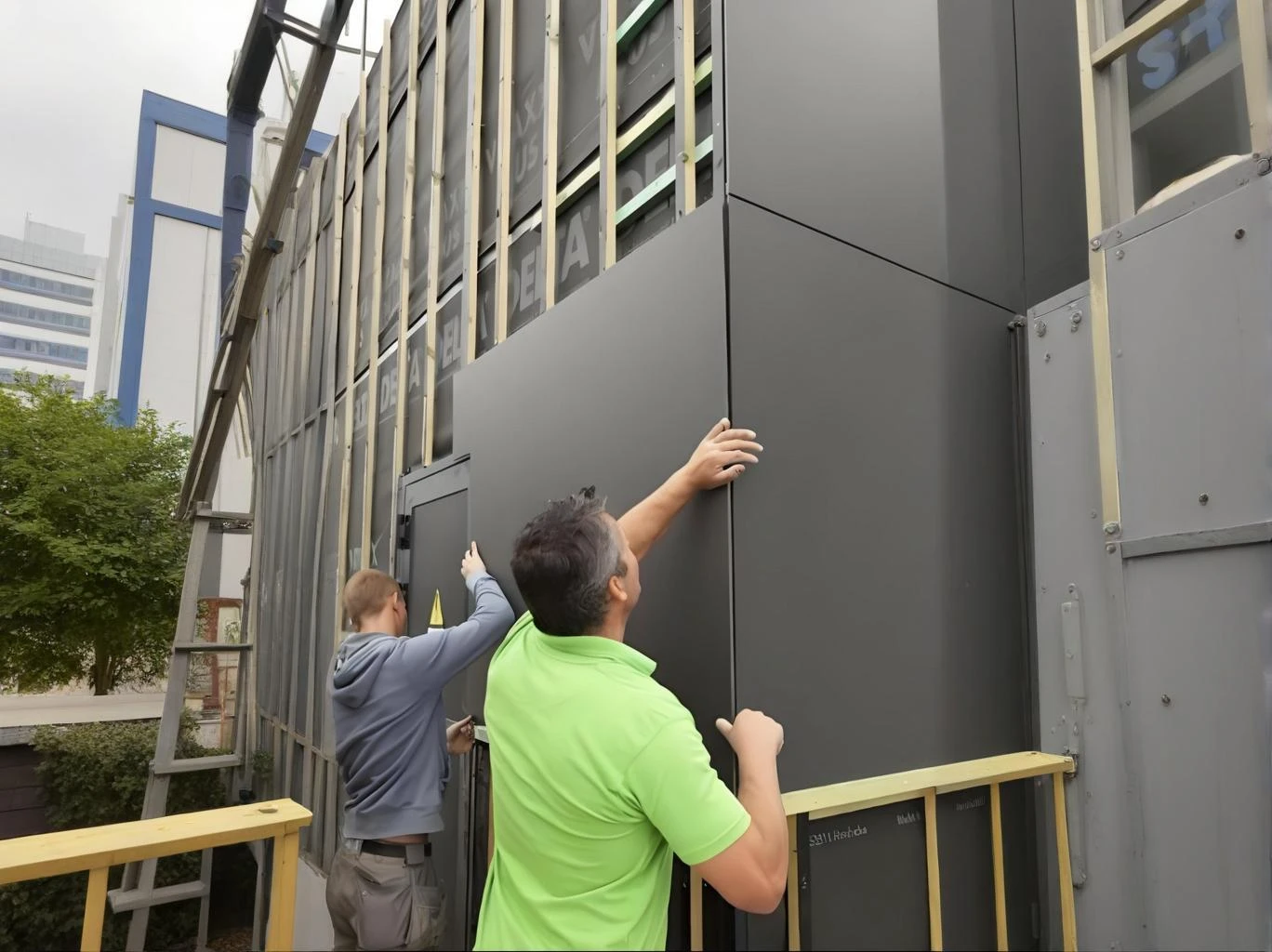
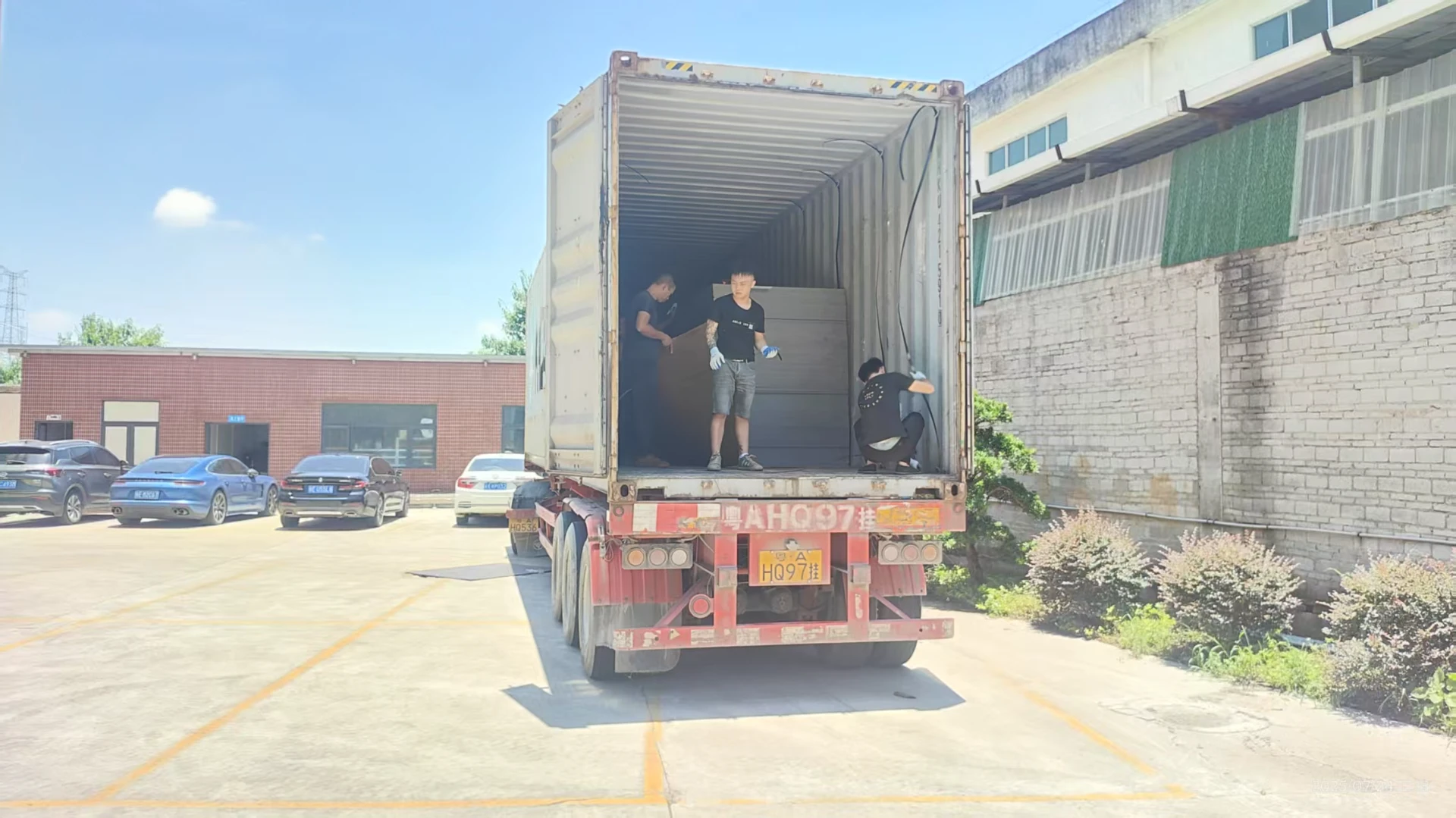
Modern industries—from commercial skyscrapers to humanitarian housing—rely on this kind of cladding. It blends safety with lightweight durability, making it especially useful in places where shipping and deployment speed is critical. For example, emergency shelters in disaster zones benefit from easy-to-install, fire-safe aluminium panels, providing both speed and security.
Key Factors to Know about Non Combustible Aluminium Cladding
Durability
Aluminium is famously corrosion-resistant, which means these claddings withstand harsh weather and environmental stress. They don’t degrade easily, ensuring buildings keep their protective shield for decades.
Fire Safety Certification
Non combustible aluminium cladding must meet rigorous testing standards such as ISO 9705 or the ASTM E84 “fire test”. Keeping these certifications guarantees the panels won’t ignite or blister during a fire event.
Lightweight and Easy Installation
Compared to traditional masonry or concrete facades, aluminium cladding is much lighter—less load on structures and faster installation, translating into cost and time savings on projects.
Sustainability
Aluminium is highly recyclable without losing quality, supporting circular economy principles. Many manufacturers use recycled aluminium to reduce both carbon footprint and resource depletion.
Aesthetic Flexibility
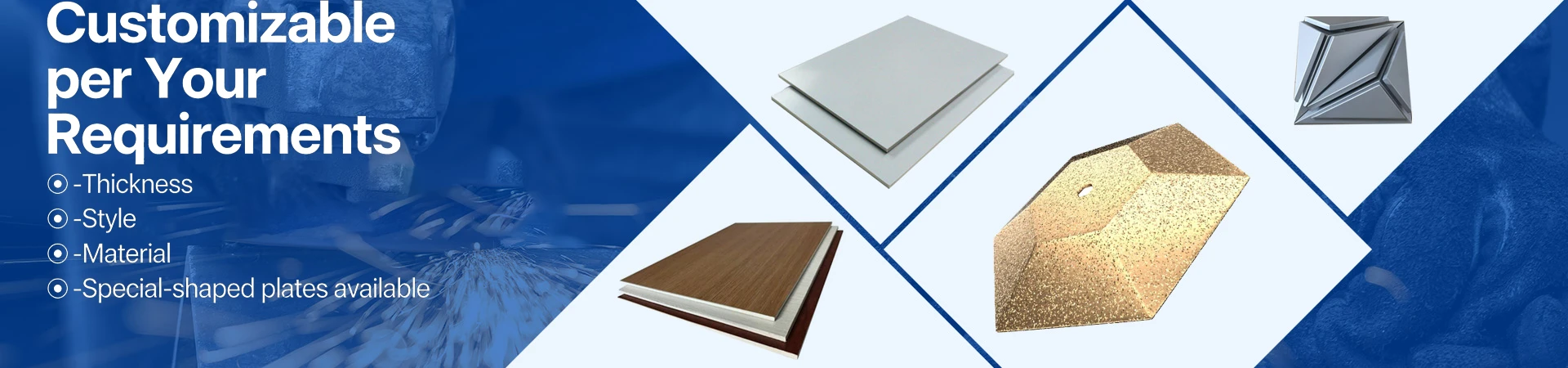
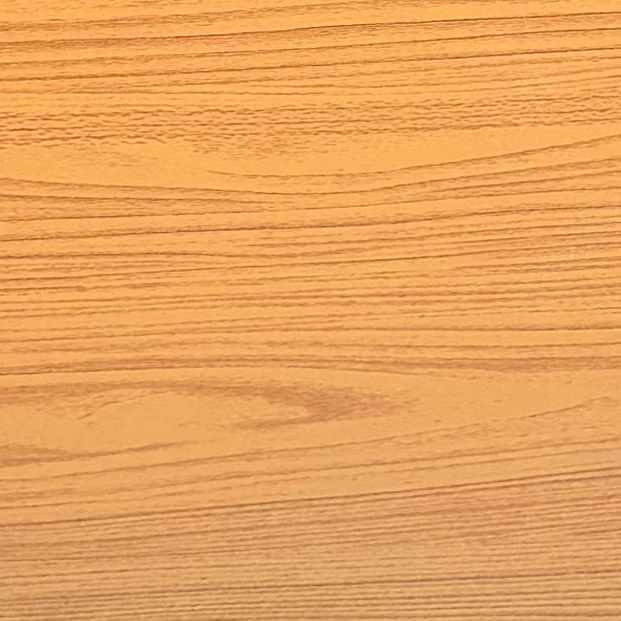
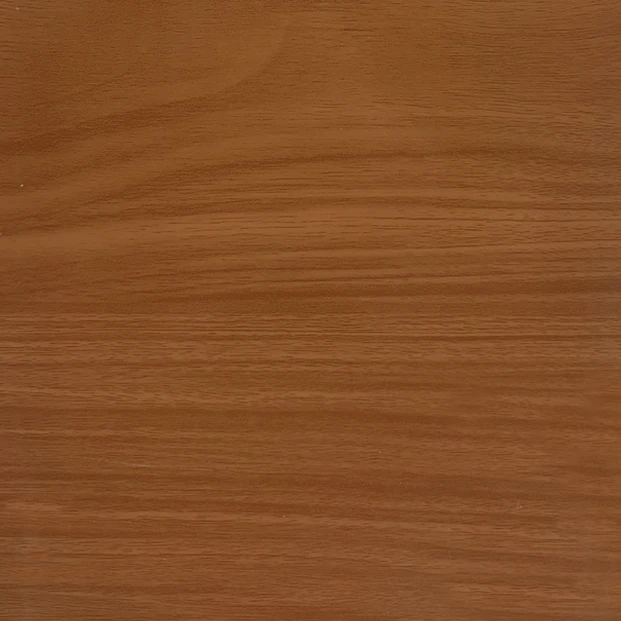
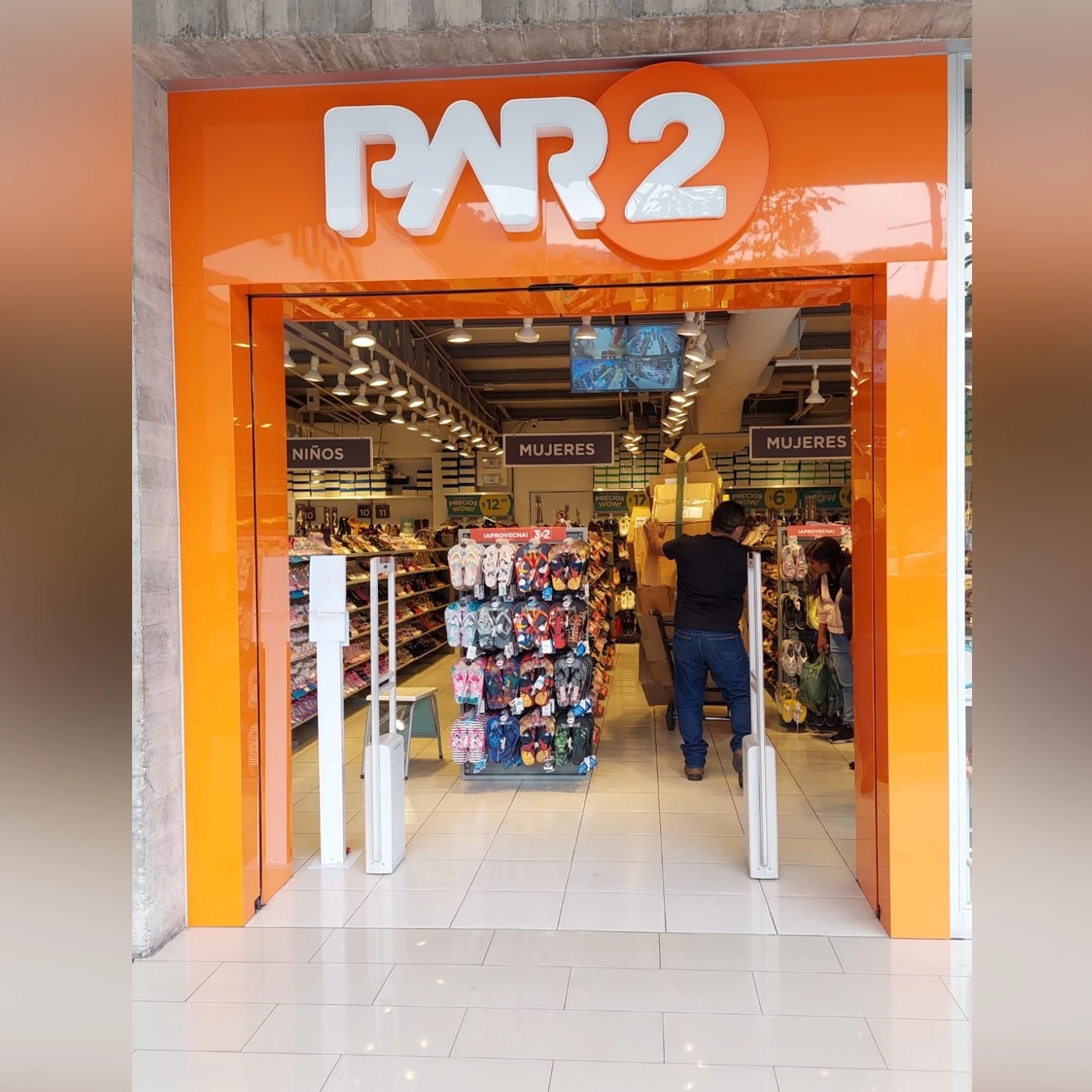
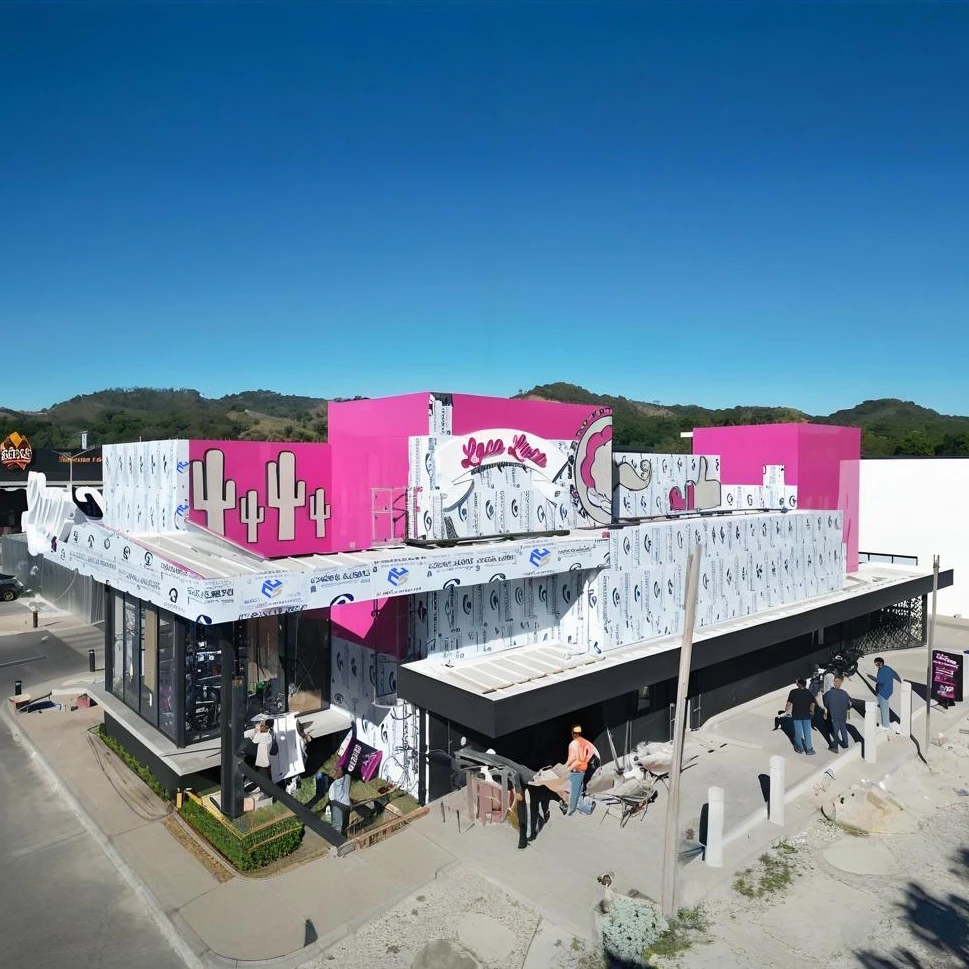
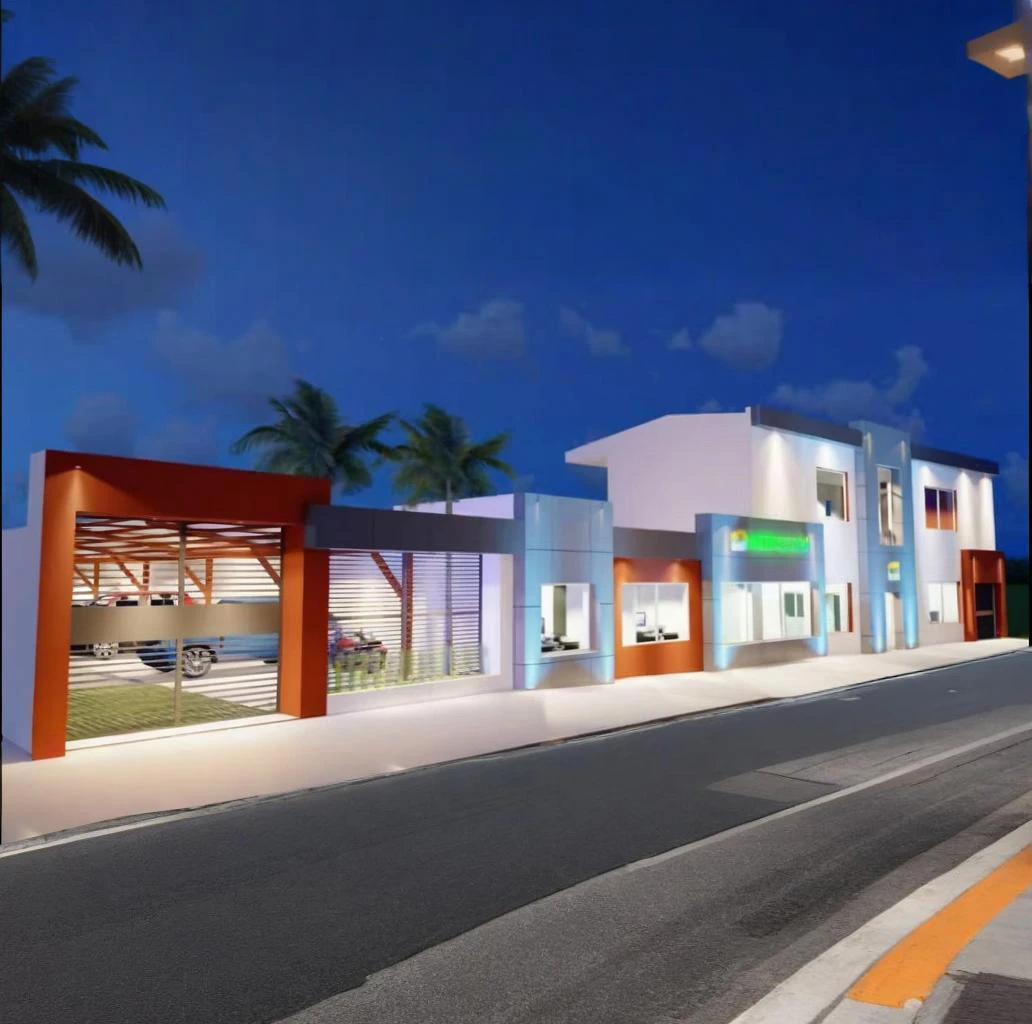
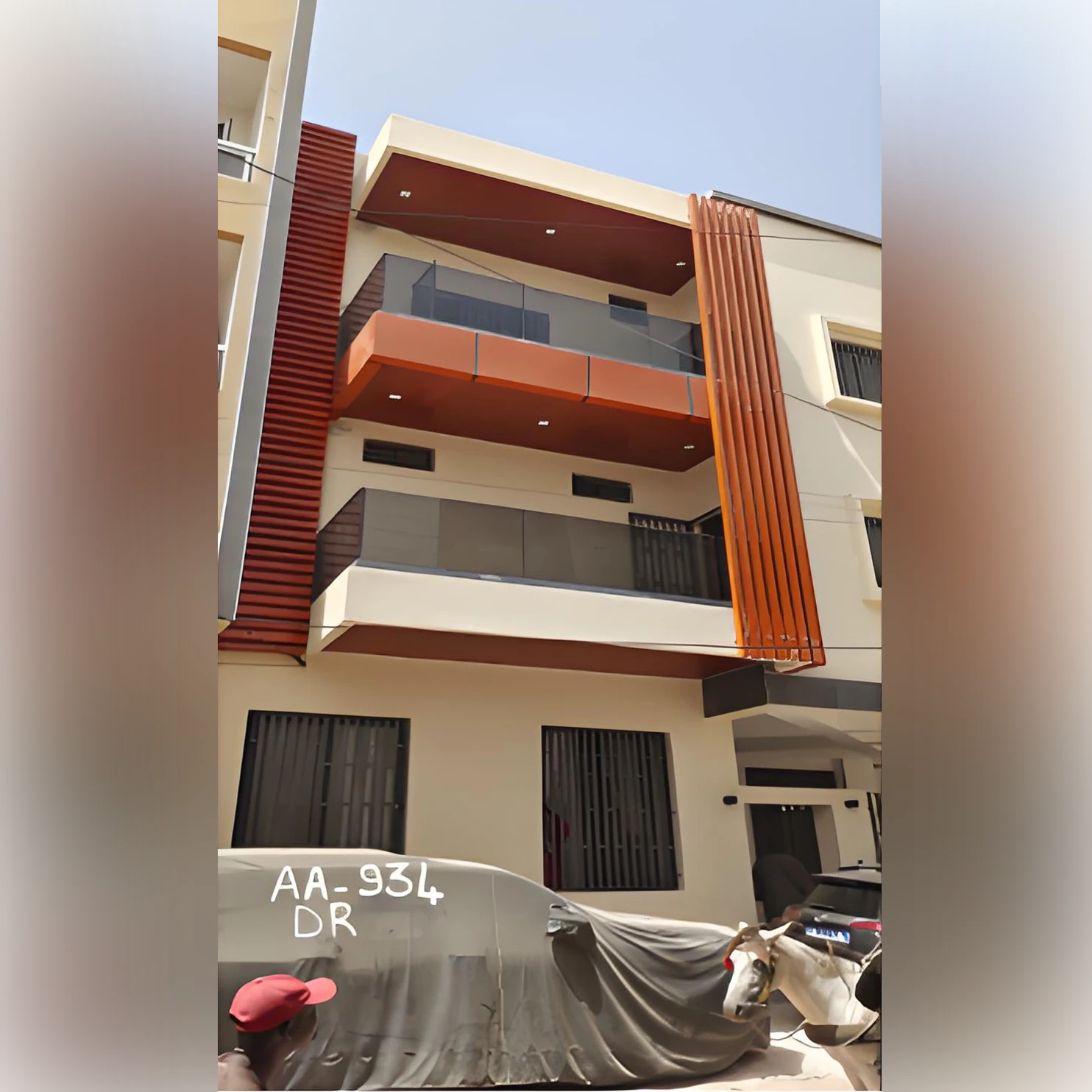
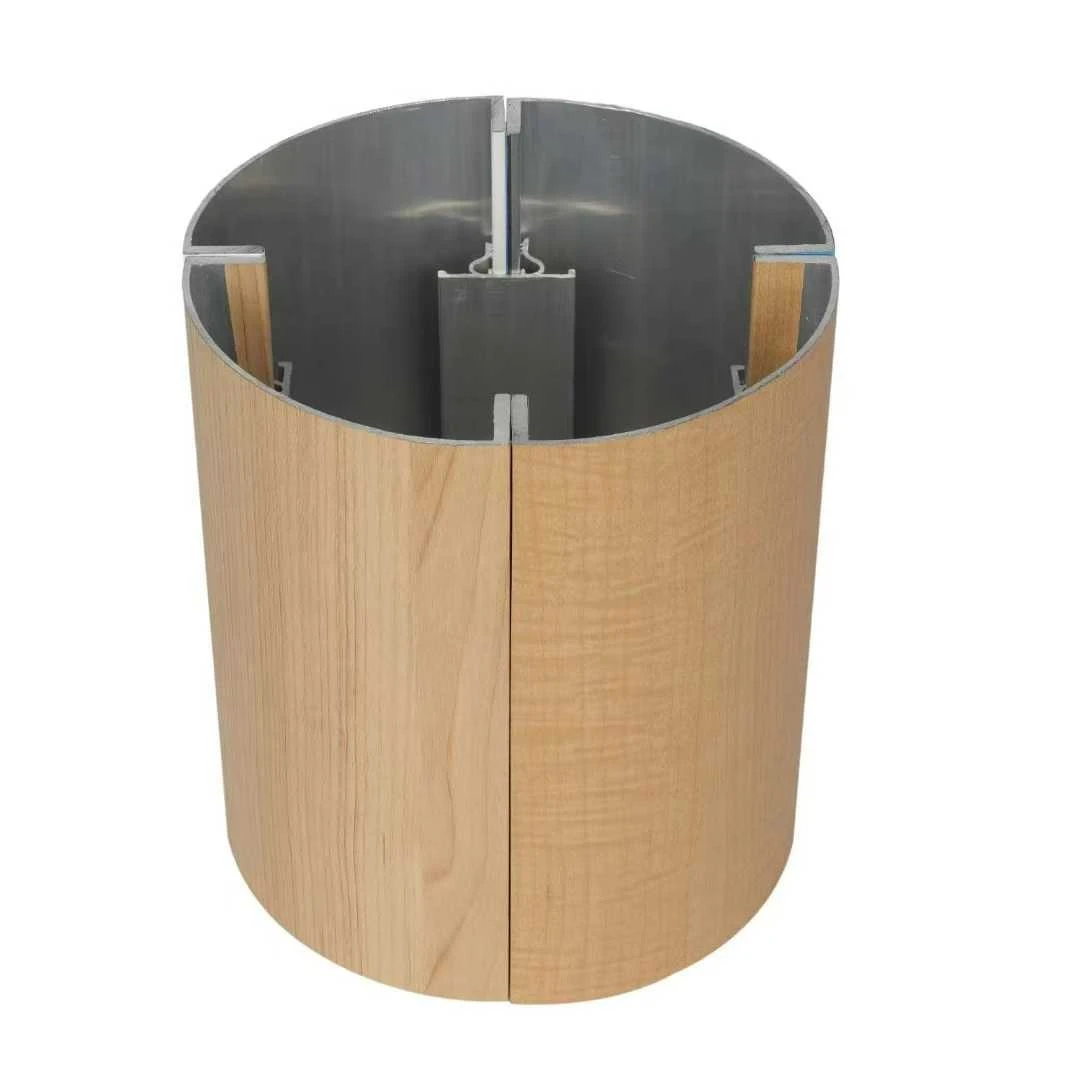
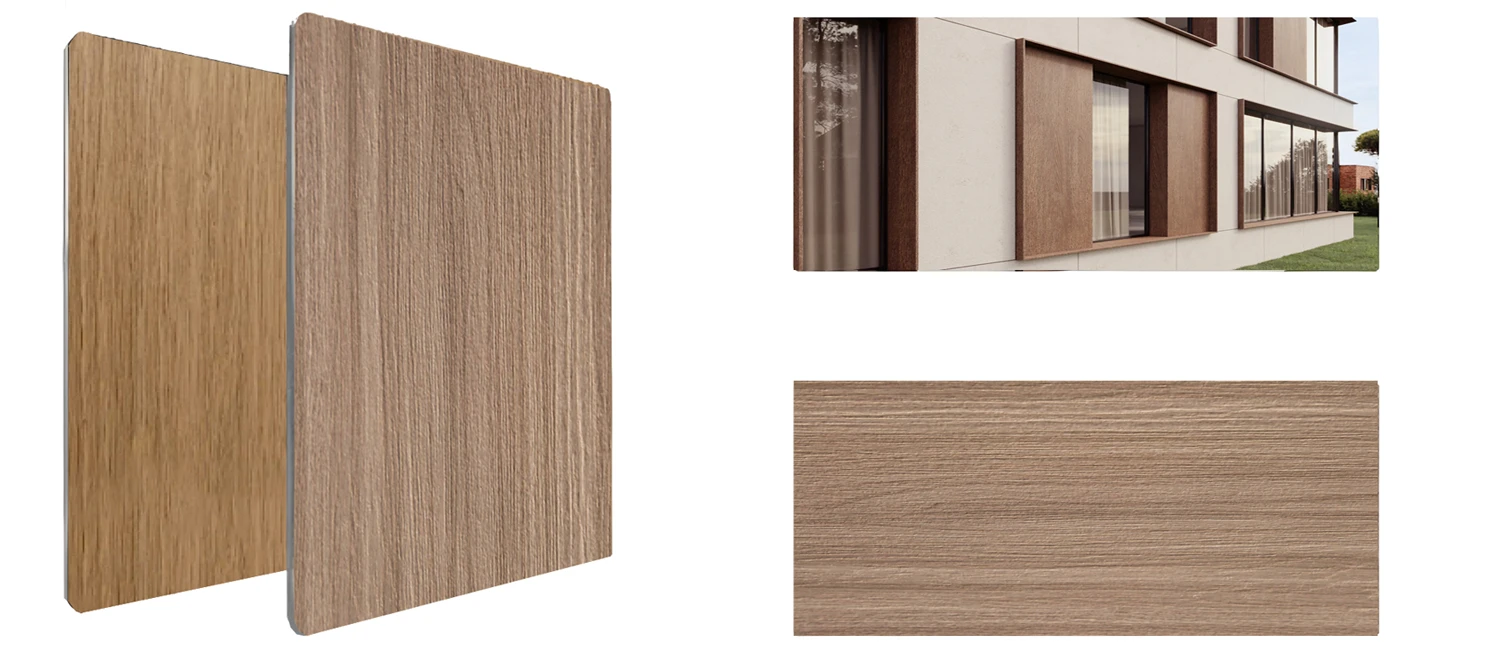
These cladding systems come in a variety of finishes and colors—powder coated, anodized, or textured—allowing architects creative freedom without compromise on safety.
Mini Takeaway:
Non combustible aluminium cladding is a clever intersection of fire safety, durability, and design flexibility. It meets modern regulatory standards while enabling rapid construction across various climates and use cases.
Global Applications & Use Cases
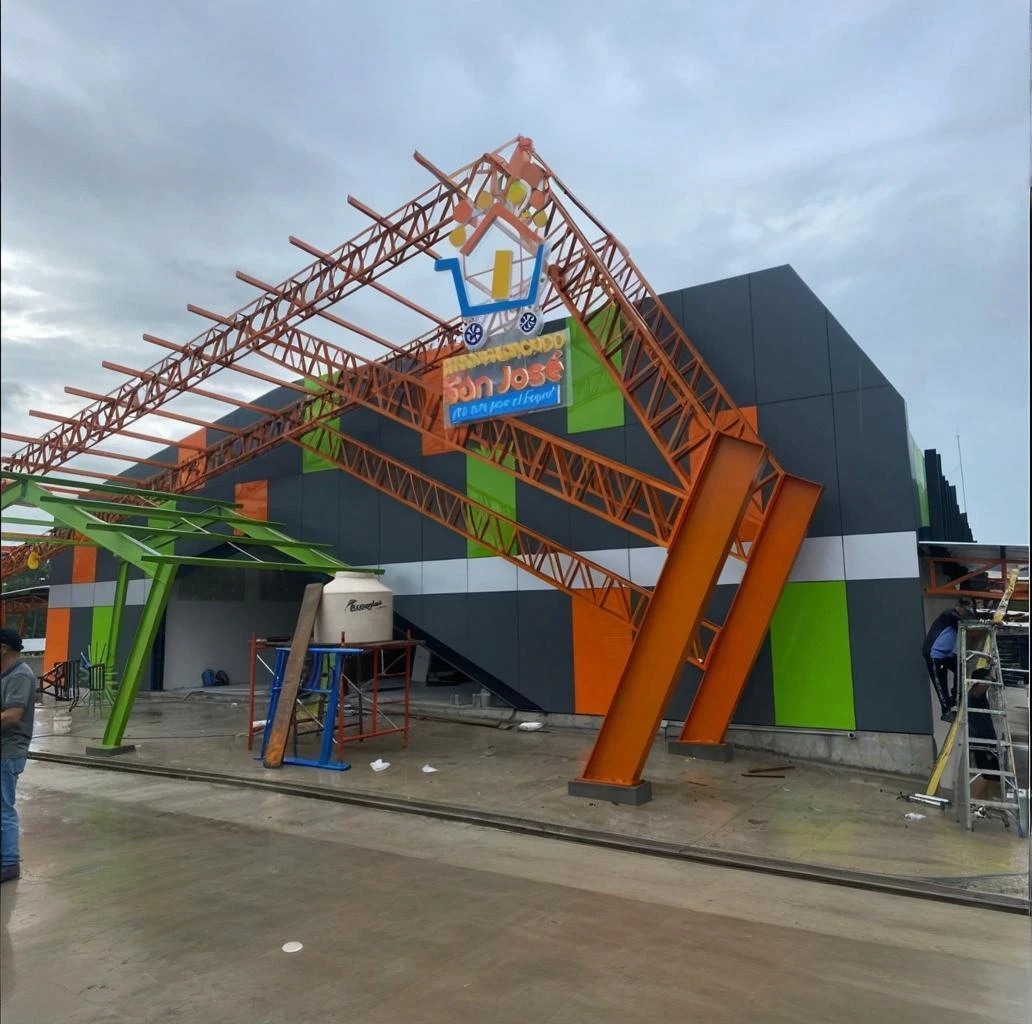
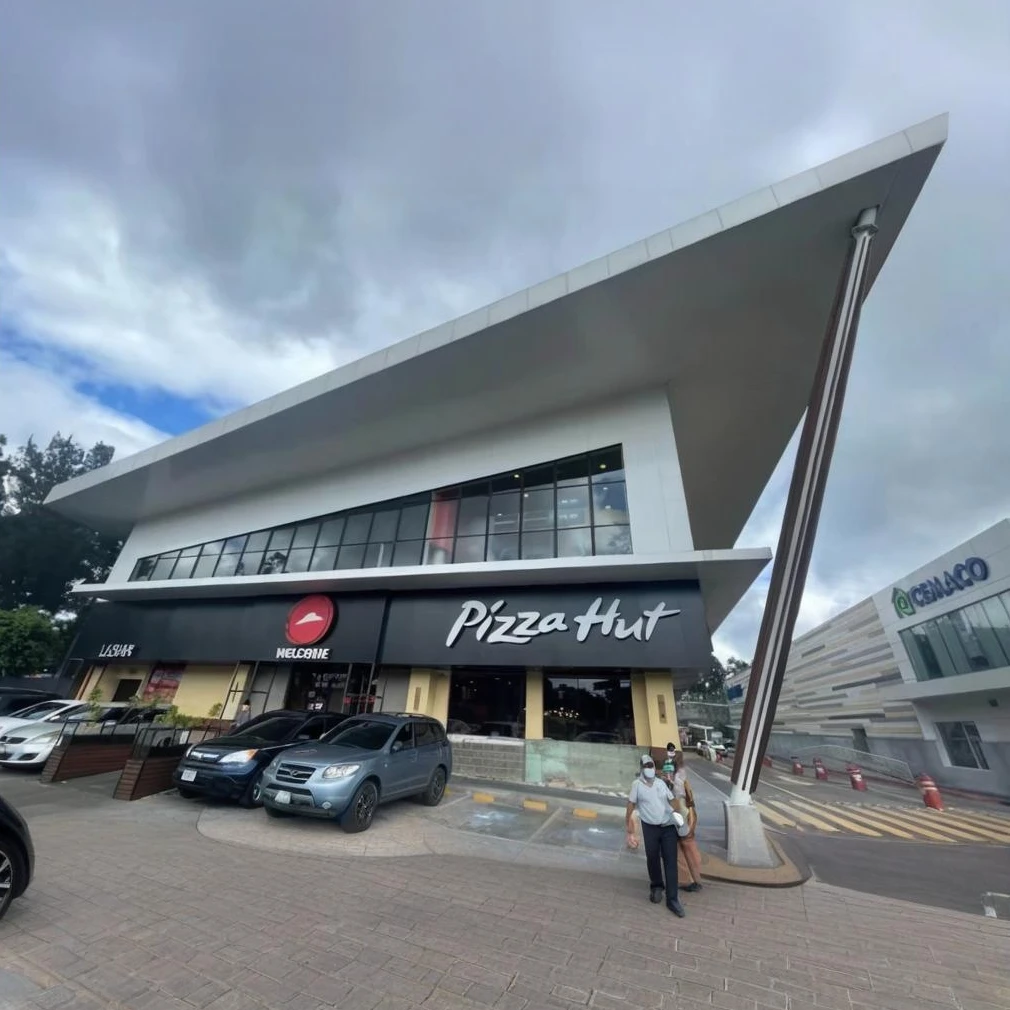
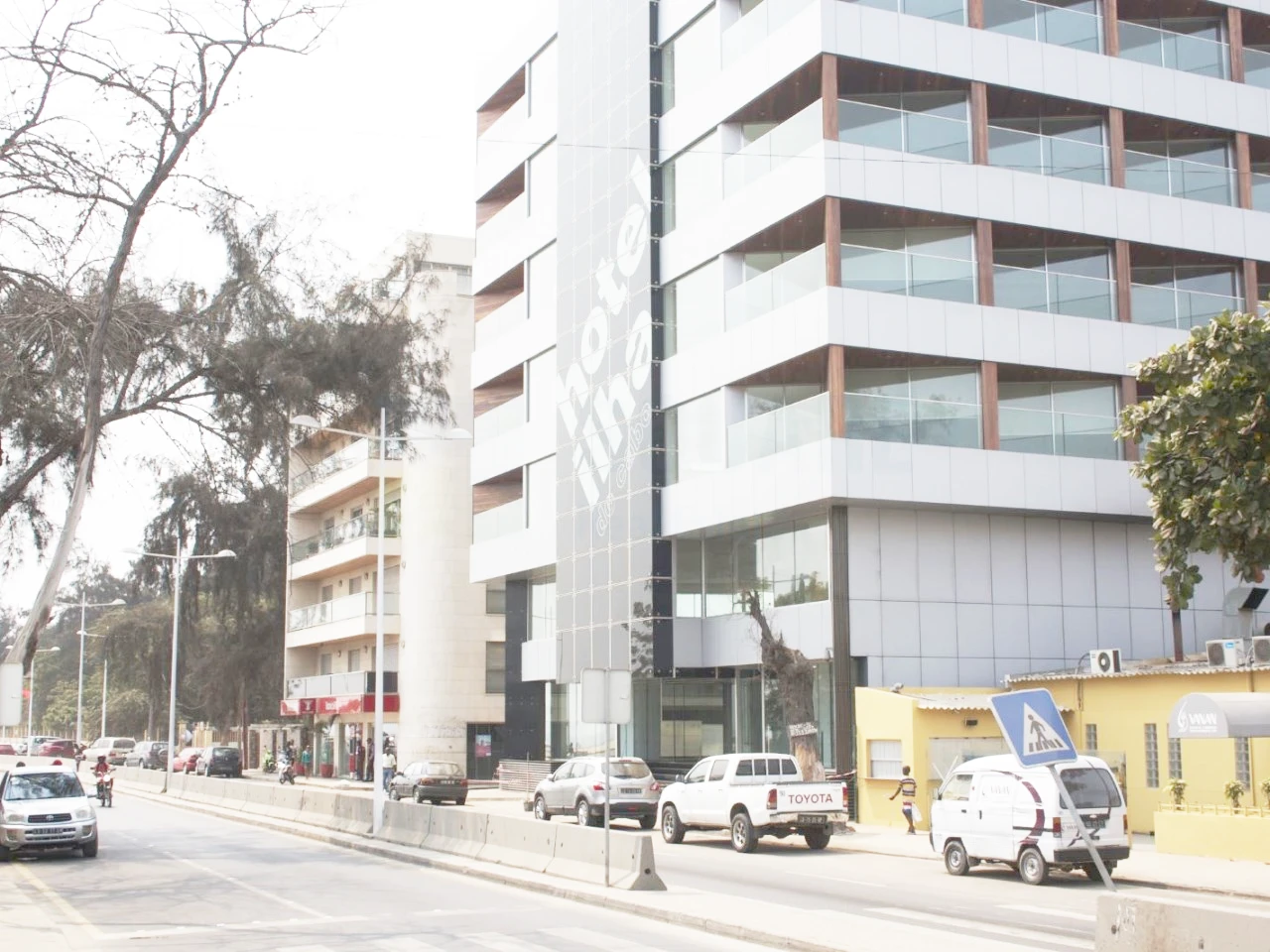
It’s interesting how such a niche product actually fills crucial roles worldwide. In dense urban centers in Asia and Europe, these claddings are standard practice on commercial buildings and apartment towers. Meanwhile, NGOs involved in disaster relief use modular housing panels with non combustible aluminium for rapid deployment, offering a safe refuge in wildfire- and earthquake-prone regions.
Remote industrial sites, like mining camps in Australia or energy operations in Canada’s far north, benefit too—from weather toughness and fire protection to easy transport logistics.
Non Combustible Aluminium Cladding - Typical Specifications
| Attribute |
Value / Range |
Notes |
| Panel Thickness |
3-6 mm |
Varies by application |
| Core Material |
Mineral-filled / inert |
Ensures non combustibility |
| Fire Rating |
Euroclass A2 (non combustible) |
Complies with EN 13501-1 |
| Surface Treatment |
Powder coating / anodized |
Enhances durability, aesthetics |
| Weight |
5-8 kg/m² |
Lightweight vs masonry |
Advantages & Long-Term Value
Frankly, it feels like the perfect balance between safety and cost-efficiency. Non combustible aluminium claddings don’t just protect buildings from fire; they protect lives—and that’s priceless. Plus, their longevity cuts down on replacement costs and maintenance hassles, improving building lifecycle economics.
On the sustainability front, re-cycle-ability adds a long-term green advantage. It’s one thing to build safely, another to build responsibly for future generations. The emotional peace of mind for occupants, knowing their homes or workplaces are guarded against fire hazards, is a subtle but vital benefit.
Looking Forward: Future Trends & Innovations
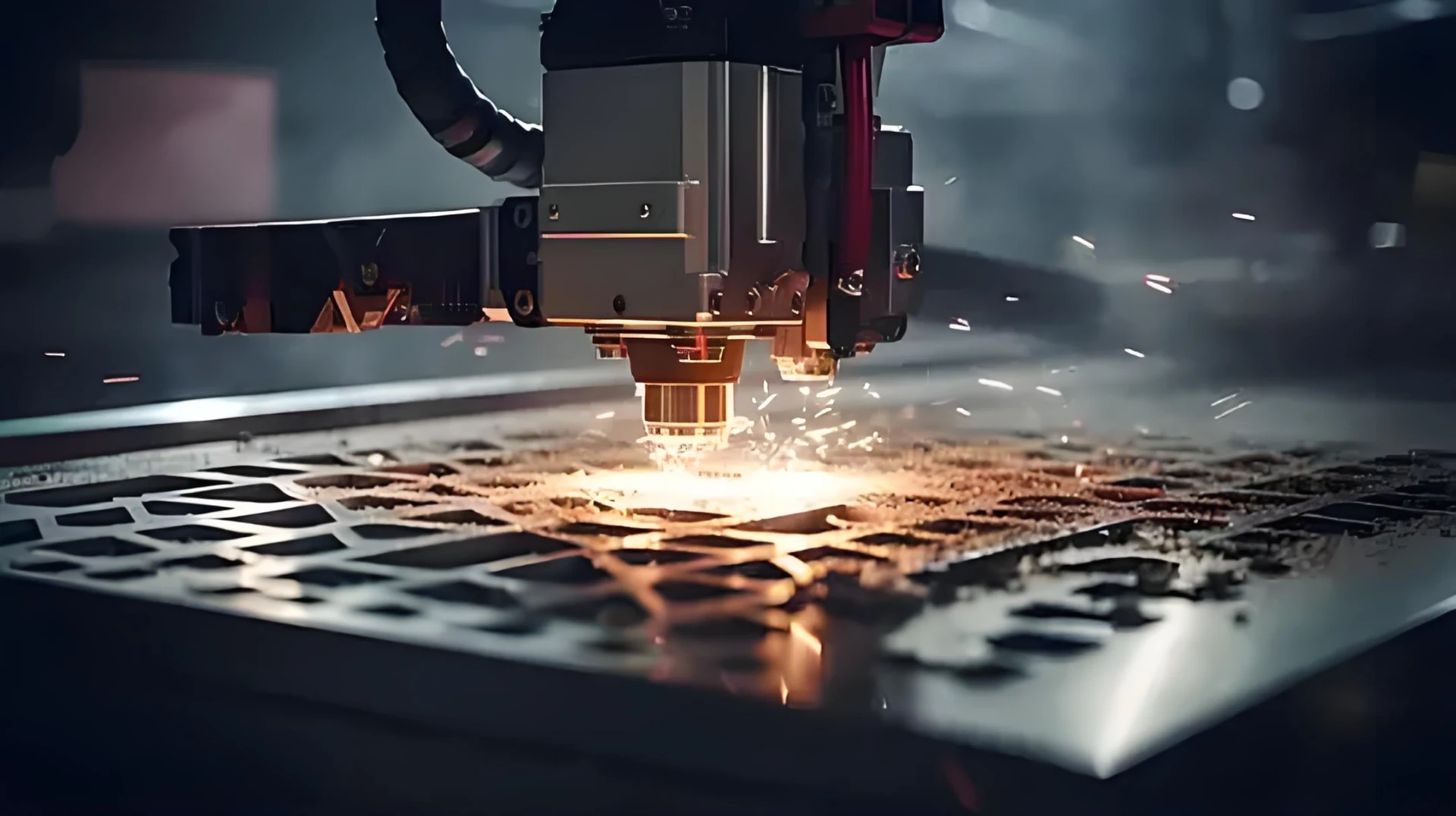
Looking ahead, innovation continues to push this field in exciting directions. Emerging tech includes integrating sensor-embedded cladding that can detect fire risks early on or adapting non combustible aluminium cladding with photovoltaic cells, merging fire safety with green energy solutions. Digital fabrication techniques and modular design promise even faster delivery times with precision engineering.
There’s a big push for stricter regulations globally, which means demand for these panels will rise sharply. Governments and developers increasingly see this material as indispensable for any new builds, especially in fire-prone zones.
Challenges & Solutions in Practice
Despite its benefits, challenges remain. Cost relative to cheaper combustible alternatives sometimes hinders adoption in budget-sensitive projects. Also, while aluminium resists fire, it can conduct heat, so insulation layers require careful design. Supply chain robustness is another concern, especially with the current global material shortages.
Innovative approaches include developing hybrid cladding systems, improving supply logistics, and increasing awareness through education and policy enforcement. Experts recommend holistic fire safety design—using cladding as one layer in an integrated protection strategy.
FAQ: Frequently Asked Questions About Non Combustible Aluminium Cladding
-
Q: How does non combustible aluminium cladding improve building safety over traditional materials?
A: Unlike combustible claddings, these aluminium panels won’t ignite or help fire spread, reducing fire risk. Their certification ensures they meet strict fire performance standards critical for occupant safety.
-
Q: Is the cost of non combustible aluminium cladding justified?
A: While the upfront cost can be higher, longevity, lower maintenance, and life safety benefits often outweigh expenses, making it a smart long-term investment.
-
Q: Can these panels be used in disaster relief shelters?
A: Absolutely. Their light weight, ease of installation, and fire safety make them ideal for rapid-deployment shelters in emergency and humanitarian contexts.
-
Q: What certifications ensure aluminium cladding is truly non combustible?
A: Look for international standards like Euroclass A2, ASTM E136, or ISO 1182 testing to verify the panel’s fire resistance.
-
Q: How does non combustible aluminium cladding impact sustainability?
A: Aluminium is highly recyclable and often made with recycled content, supporting environmental goals and reducing waste.
Vendor Comparison: Top Non Combustible Aluminium Cladding Providers
| Vendor |
Certifications |
Customization Options |
Lead Time |
Pricing Tier |
| AluSafe Panels Inc. |
Euroclass A2, ISO 9001 |
Full custom colors & finishes |
4-6 weeks |
Premium |
| SecureClad Systems |
ASTM E136, ISO 14001 |
Limited finishes, standard sizes |
2-4 weeks |
Mid-level |
| JSC Aluminum |
Euroclass A2, EN 13501-1 |
Extensive color options, recyclable cores |
3-5 weeks |
Competitive |
Conclusion: Better Buildings, Safer Communities
To wrap up, non combustible aluminium cladding isn’t just another building material—it’s a safety imperative and sustainability opportunity rolled into one. As urban landscapes get denser and climate risks rise, investing in fire-safe facade technology is non-negotiable. It’s encouraging to see how innovation meets regulatory demand and humanitarian needs alike. For anyone involved in modern construction, understanding and adopting these claddings means protecting future generations and building a legacy of care and responsibility.
If you want to explore these solutions further, I’d recommend visiting JSC Aluminum—they’re one of the leaders in providing certified, high-quality non combustible aluminium cladding and offer a good balance of cost and customization options.
Ultimately, it’s all about building spaces that are as beautiful as they are safe—and that trust feels well worth it.
Quick Reflection
After studying countless projects and materials, I’ve realized that non combustible aluminium cladding reflects a bigger industry shift: safety and sustainability now go hand in hand. It’s a technical solution with a very human impact, which, frankly, is the kind of innovation the world needs more of.
- ISO Fire Testing Standards
- World Bank Urban Development Overview
- Building Cladding - Wikipedia