What’s the Deal with Black Composite Panels and Why Should We Care?
If you’ve wandered past any modern building site, or glanced at a sleek piece of industrial design, chances are you’ve already encountered the black composite panel in some form. These panels are not only key players in architecture and manufacturing but also quietly tackling global sustainability and efficiency challenges. Basically, they’re a marriage of style, strength, and environmental smarts — all wrapped in a sleek black surface.
Understanding black composite panels is becoming increasingly important worldwide because they blend durability with lightweight properties, making them ideal for everything from building facades to transport infrastructure. As cities fight congestion, climates warm, and materials science advances, these panels offer a neat solution that ticks many boxes — from cost and aesthetics to reduced carbon footprints.
Global Context: Why Black Composite Panels Matter More Than Ever
Globally, construction and manufacturing sectors are under pressure to innovate and reduce waste. According to the International Energy Agency (IEA), buildings account for nearly 40% of global energy consumption — not small potatoes. Black composite panels contribute to lowering energy usage by improving insulation and durability. Plus, as reported by the United Nations Environment Programme (UNEP), sustainable material use can cut global carbon emissions dramatically.
But here’s the problem: traditional materials are bulky, expensive long-term, and prone to weathering. The black composite panel offers a much-needed answer. It’s a kind of industry Swiss army knife — lightweight enough to cut transportation costs, but tough enough to last decades in harsh conditions.
Defining Black Composite Panels: What Are They, Really?
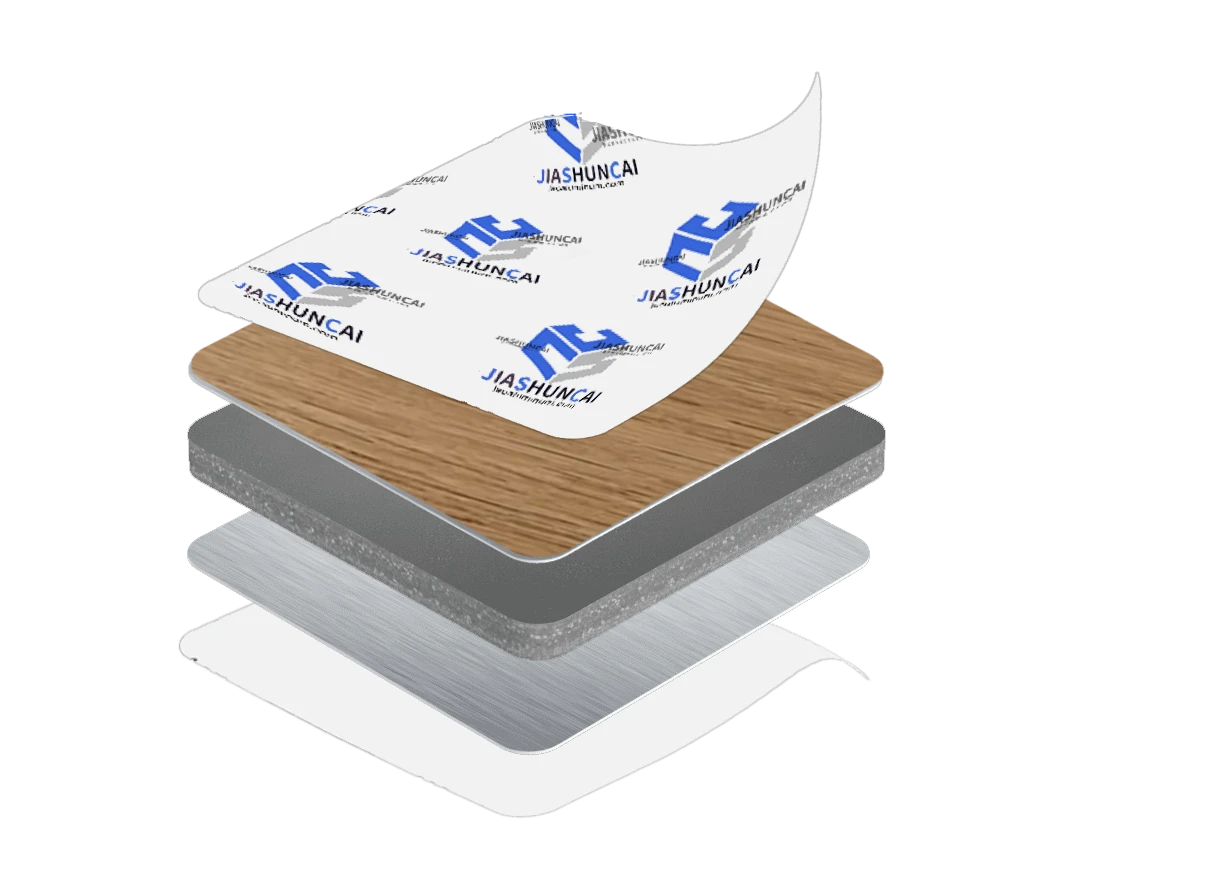
Simply put, a black composite panel is a layered material combining two or more distinct substances — like aluminum and a polymer core — with a characteristic sleek black finish. This layering results in impressive mechanical properties: strength to weight ratio, thermal resistance, and an eye-catching color that works well aesthetically.
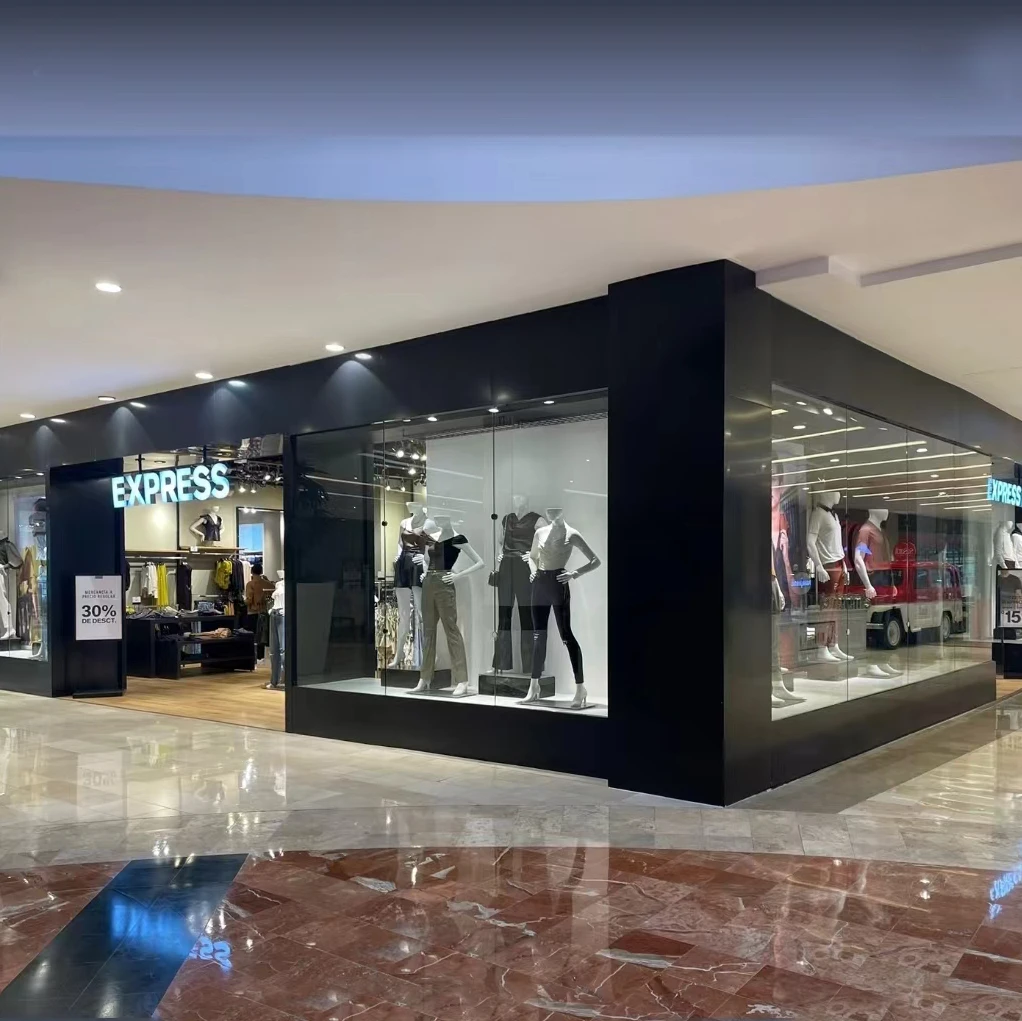
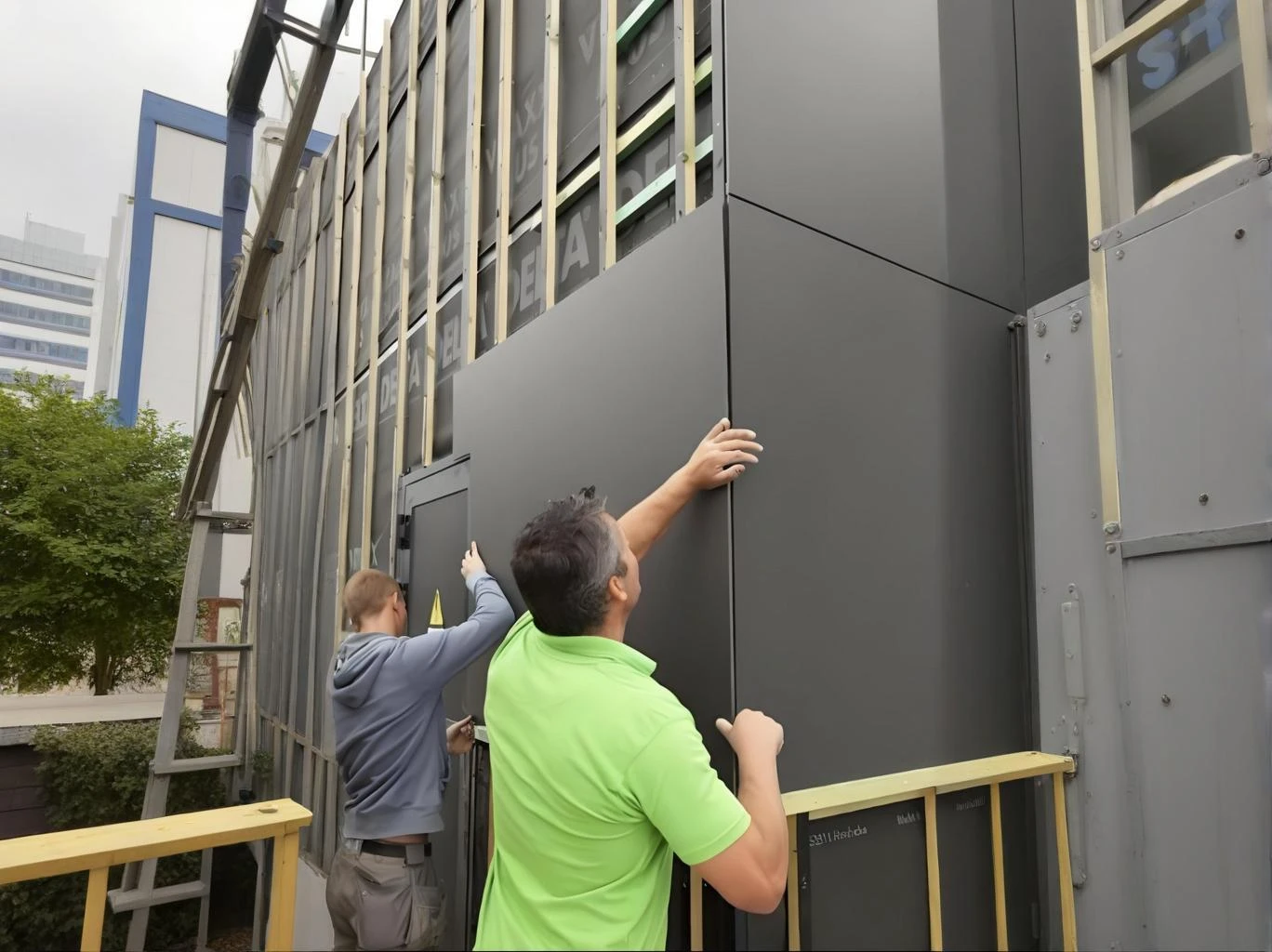
In modern industry, these panels have become essential for everything from high-end retail storefronts to temporary housing solutions after natural disasters. Because they’re modular and highly durable, black composite panels are also favored in humanitarian efforts requiring rapid, reliable construction.
Mini Takeaway
- Black composite panels are versatile, combining durability and lightweight properties.
- Their sustainable credentials and design appeal make them globally significant.
Core Components That Make Black Composite Panels Work
1. Durability & Weather Resistance
One of the standout reasons people choose black composite panels is their ability to shrug off weather extremes — rain, wind, UV rays, you name it. The fusion of metals like aluminum with protective polymer cores means you get a panel that doesn’t easily crack, fade, or warp. This longevity is crucial, especially in harsh climates or industrial settings.
2. Lightweight Construction
Compared to solid metal or traditional masonry, these composite materials weigh a fraction. That leads to easier installation, reduced transportation expenses, and lower structural burdens. Honestly, many architects rave about how much their structural requirements can be simplified simply by using these panels.
3. Thermal Insulation
The polymer core in most black composite panels delivers better insulation than metal alone. This helps reduce heating and cooling costs in buildings, aligning with energy efficiency initiatives highlighted by the International Organization for Standardization (ISO) 14001 standards.
4. Aesthetic Versatility
The matte or glossy black finish adds a sleek, modern look — perfect for contemporary design trends. Plus, these panels can be cut and shaped to fit unique architectural visions without sacrificing integrity.
5. Ease of Maintenance
Surface treatments typically mean panels resist dirt, graffiti, and corrosion. For commercial applications, this ease of cleaning saves time and operational money.
Mini Takeaway
- Durability, lightness, and thermal benefits make black composite panels practical for a wide range of use cases.
- The aesthetic flexibility they provide satisfies both engineers and creatives alike.
Where Are Black Composite Panels Making Waves Globally?
These panels show up everywhere — from the tower blocks in Dubai to school refurbishments in Nairobi. For example, in post-disaster zones like Japan following earthquakes, modular homes made with black composite panels help shelter displaced families quickly, combining speed with safety.
Industrial zones in Germany utilize these panels for protective equipment enclosures and noise barriers. Meanwhile, a growing number of green building projects in Scandinavia specify black composite panel cladding to meet strict environmental codes.
Even transportation sectors are jumping on board. Airlines and shipping companies often use composite panels inside their containers or cabins to reduce weight, improve durability, and keep maintenance costs low.
For a deep dive into related structural materials, see our coverage on black composite panel innovations and applications.
Mini Takeaway
- From disaster relief to luxury commercial spaces, black composite panels fulfill diverse global needs.
- Their adaptability in different climates and applications ensures growing adoption worldwide.
The Real Advantages of Black Composite Panels: More Than Just Looks
Let’s talk turkey: cost. These panels often cost a bit more upfront than traditional sheet metal or wood, but their lifespan and performance often yield cost savings in the long run.
- Lower lifecycle costs: durability means repairs and replacements are few and far between.
- Environmental impact: with options for recycled content and better insulation, they fit neatly into sustainability goals.
- Safety and innovation: fire-retardant cores and custom fabrication options address strict safety codes without stifling design creativity.
- Emotional impact: clients and occupants feel a sense of modernity and trust in spaces outfitted with such materials.
Product Specification Snapshot
| Specification |
Typical Value |
Unit |
| Panel Thickness |
4-6 |
mm |
| Core Material |
Polyethylene or Mineral-filled |
- |
| Weight |
3.5-5 |
kg/m² |
| Fire Rating |
B-s1, d0 (Mineral core) |
EN 13501-1 |
| UV Resistance |
Excellent (10+ years warranty) |
- |
Vendor Comparison: Navigating the Marketplace
| Feature |
Vendor A |
Vendor B |
Vendor C |
| Panel Thickness Options (mm) |
3-6 |
4-5 |
4-8 |
| Fire-Rated Options |
Yes (Mineral core) |
No |
Yes (Limited sizes) |
| Max Warranty |
10 years |
7 years |
12 years |
| Customization Services |
Full color & size |
Limited colors |
Full custom fabrication |
| Typical Lead Time |
2-3 weeks |
1 week |
3-4 weeks |
Looking Ahead: The Future of Black Composite Panels
Innovation in black composite panels is far from static. We’re already seeing integration with recycled plastics and the emergence of bio-based cores that aim to further reduce ecological footprints. Smart coatings that self-clean or adjust to temperature changes are on the horizon.
Digitally-driven customization and automated fabrication promise quicker delivery and bespoke solutions tailored to the niche demands of everything from luxury high-rises to rugged remote installations. As green building mandates intensify, these panels will increasingly factor in embodied carbon and life cycle analysis.
Bumps on the Road: Challenges and Solutions
It’s not all sunshine and black gloss — challenges with fire safety regulations still affect some markets, especially where mineral cores aren’t standard. Tradeoffs between cost and performance sometimes complicate decision-making. Plus, limited recycling infrastructure for composite materials can be a headache in certain regions.
However, continuous research and smart policy interventions help. Fire-resistant cores and modular reuse designs are emerging. Innovations in chemical recycling and circular business models — think refurbish-and-resell — are shaping the next chapters.
FAQs: Your Questions About Black Composite Panels Answered
- Q: What are the main advantages of black composite panels over traditional cladding?
- A: They offer superior durability, lighter weight, enhanced thermal insulation, and modern aesthetics. This combination reduces overall building costs and improves sustainability performance compared to wood or metal facades.
- Q: How long do black composite panels typically last outdoors?
- A: With proper installation and maintenance, these panels can last 20 years or more, resisting fading, corrosion, and structural degradation in harsh weather conditions.
- Q: Are black composite panels recyclable or environmentally friendly?
- A: Many panels now use recycled materials, and manufacturers are developing recycling programs. While full recyclability depends on local facilities, their energy savings during use help balance environmental impacts.
- Q: Can black composite panels be customized for specific projects?
- A: Absolutely. Panels come in various thicknesses, finishes, and sizes, and many vendors offer custom fabrication to fit exact project dimensions and design needs.
- Q: How do I import black composite panels for international projects?
- A: Importing requires coordination with vendors offering export services, ensuring compliance with local safety standards, and understanding shipping logistics. Partnering with experienced suppliers familiar with international regulations helps streamline the process.
Wrapping Up: Why Black Composite Panels Are Here to Stay
It’s clear that black composite panels blend practical design with future-ready innovation. Their blend of strength, lightness, and sustainability meets many pressing global challenges — from reducing building energy consumption to enabling faster, more cost-efficient construction. If you’re considering a material that checks all those boxes, you might want to start here.
Curious to explore further? Visit our website for detailed specs, vendor options, and demos: black composite panel.
References
- International Energy Agency - Buildings Sector Report
- United Nations Environment Programme - Sustainable Materials
- ISO 14001 - Environmental Management