Understanding Cladding Aluminum Composite Panels: A Modern Marvel in Building Design
When it comes to modern architecture and industrial design, few materials have made as big a splash globally as the cladding aluminum composite panel. But what makes these panels so influential not just in construction but across humanitarian, industrial, and environmental sectors? If you're wondering why this seemingly simple component deserves your attention, it's mainly because it blends innovation with practicality — offering a balance of durability, aesthetics, and sustainability in a world hungry for smarter construction solutions.
Given the constant push towards energy efficiency, sustainability, and rapid urbanization on a global scale, professionals and even governments are increasingly tapping into this technology. It’s not just a building material; it’s a solution fitted to 21st-century challenges.
The Global Reach and Context of Aluminum Composite Panel Cladding
In a world where cities expand by thousands daily and infrastructure must keep pace with ever-evolving regulation and environmental standards, cladding aluminum composite panels have moved into the spotlight. According to the United Nations climate data, buildings account for nearly 40% of global energy consumption. Naturally, solutions that offer both thermal efficiency and longevity are crucial.
Yet, beyond energy concerns, cladding panels also address the challenges of cost, transportation, and installation speed, particularly in developing and disaster-affected regions. The World Bank reports that rapid urban migration presses infrastructure to be not only sustainable but fast to deploy and cost-effective—attributes that aluminum composite panels embody.
Simply put, this technology shrinks gaps in housing and industrial projects worldwide—helping both advanced economies and emerging markets.
What Exactly Is a Cladding Aluminum Composite Panel?
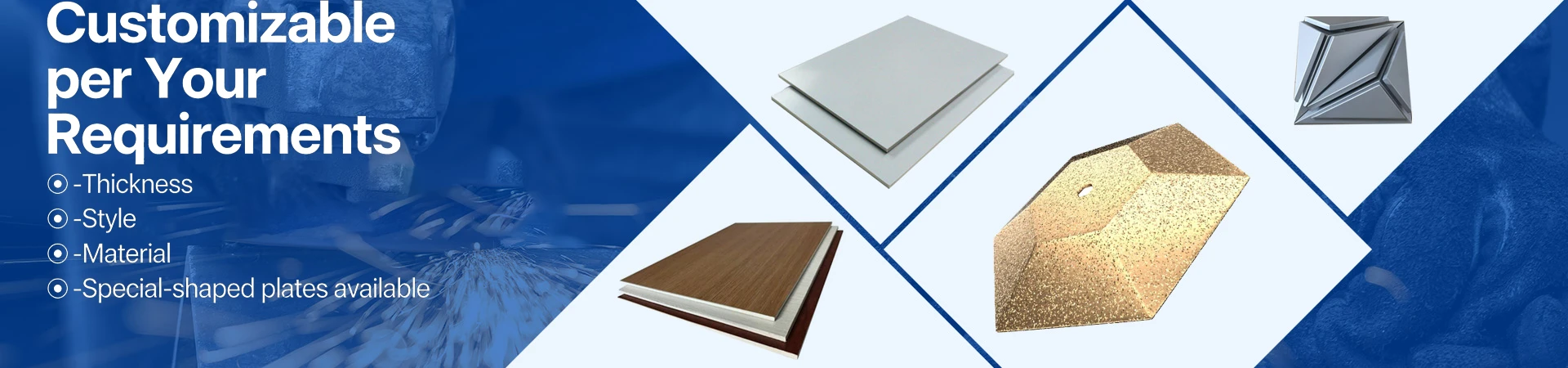
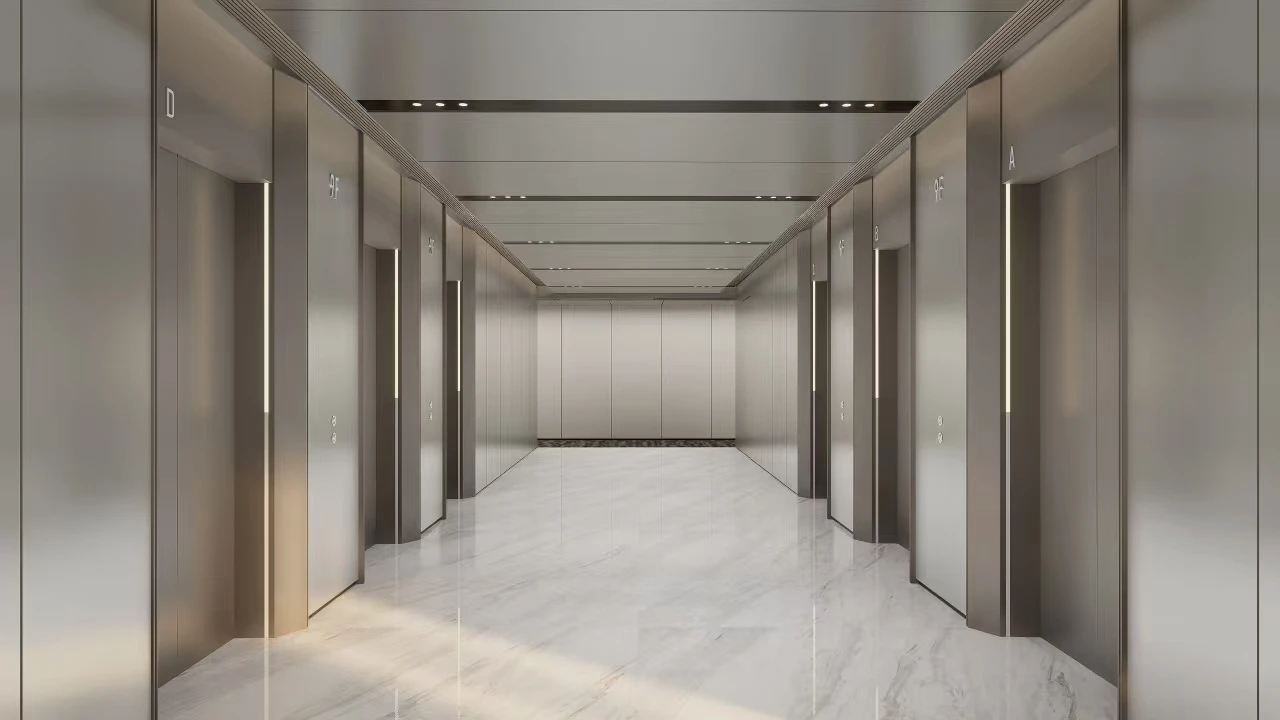
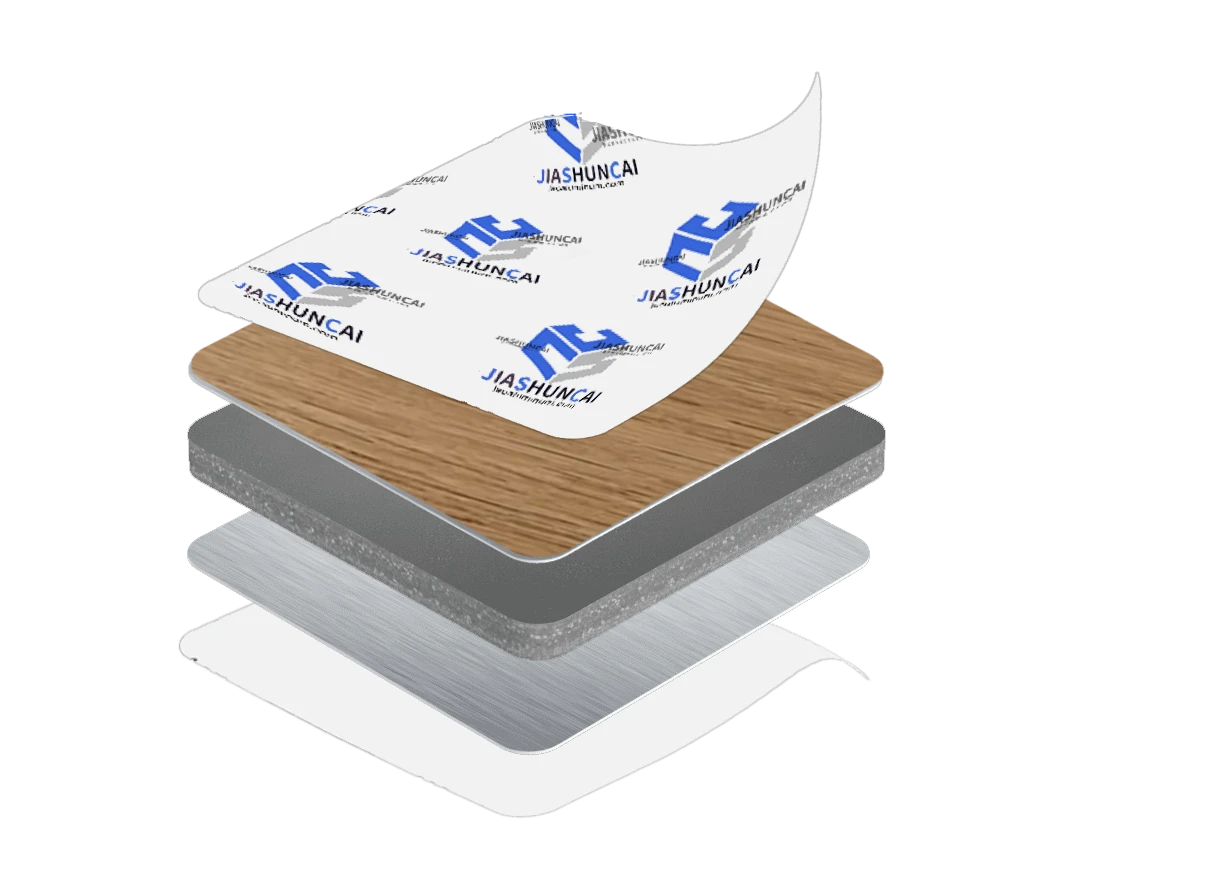
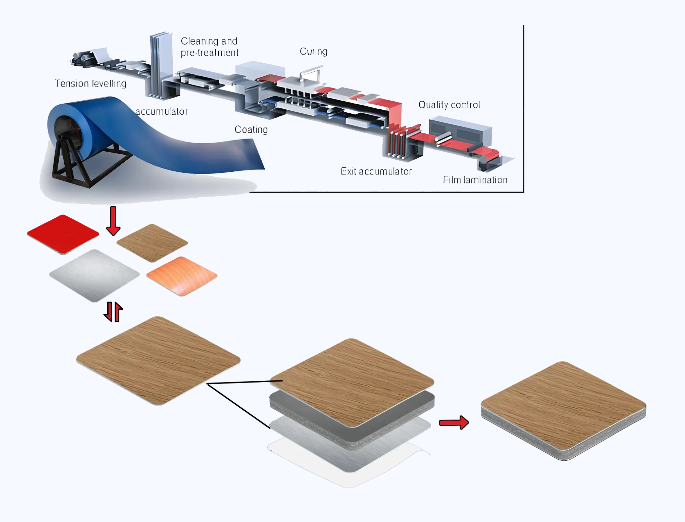
At its core, a cladding aluminum composite panel is a lightweight, flat panel consisting of two thin aluminum sheets bonded to a non-aluminum core (typically polyethylene or a fire-retardant mineral core). The assembly provides a perfect marriage of rigidity and aesthetic flexibility, making it popular for exterior and interior cladding.
Oddly enough, the very idea was born to meet the need for affordable, easy-to-install building skins that perform well in bad weather and can easily be customized in colors and textures.
Within both modern industry and humanitarian infrastructure, these panels help build safer, more energy-conscious structures that maintain dignity — think schools replaced after natural disasters or new facades to reduce urban heat. So while it might sound technical, its impact is culturally and socially significant.
Key Features of Cladding Aluminum Composite Panels
1. Durability
These panels resist corrosion, harsh weather, UV exposure, and impact damage far better than traditional cladding — which often means fewer repairs and replacements over time.
2. Lightweight and Ease of Installation
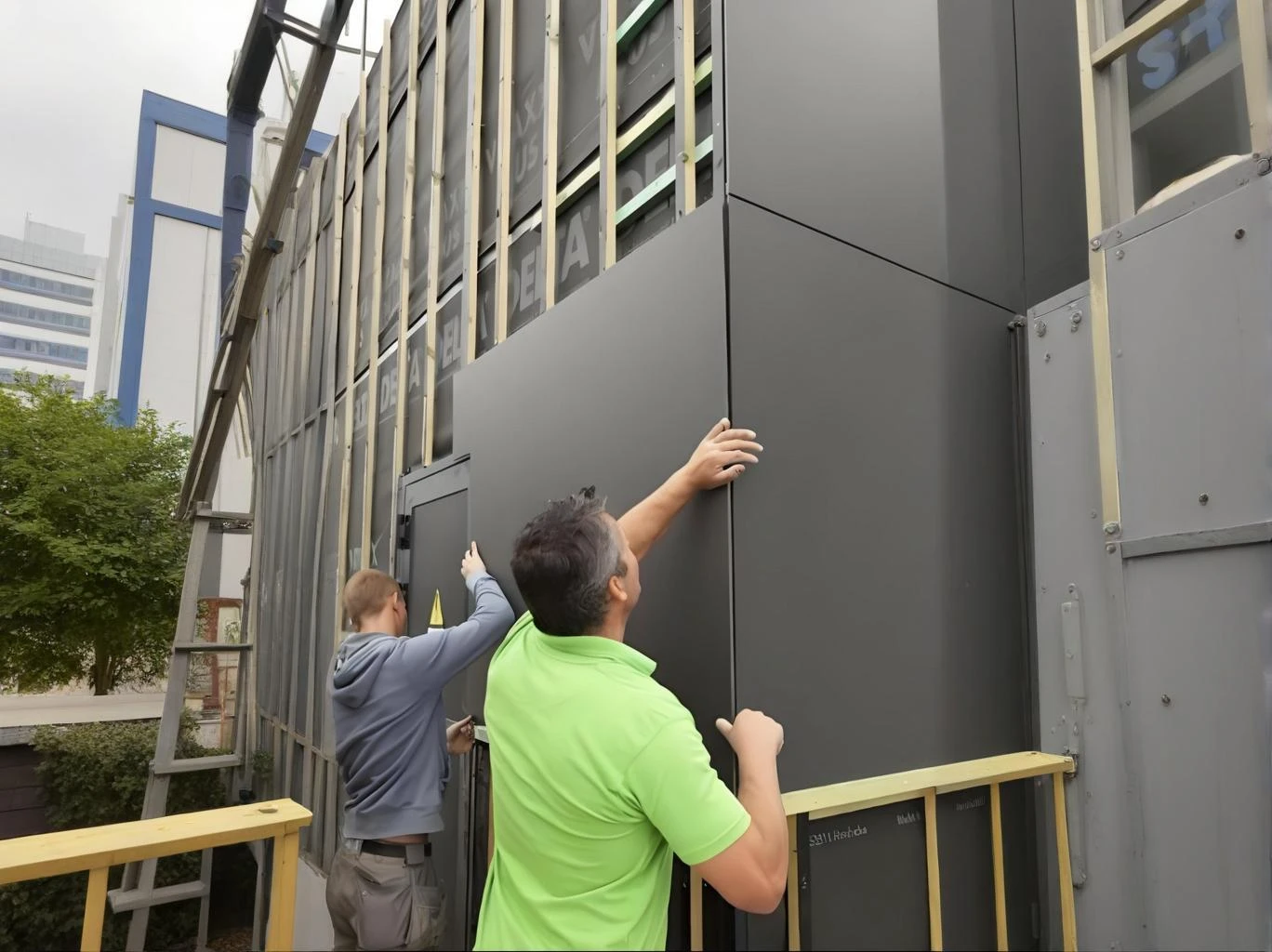
Compared to solid metal sheets or stone facades, aluminum composite panels are remarkably light. This reduces structural load and speeds up installation, allowing builders to save days or weeks on site. A clear win in fast-paced developments or emergency rebuilds.
3. Thermal Performance
Cladding aluminum panels often come with cores that improve insulation — directly impacting energy bills and carbon emissions. The thermal break reduces heat flux into buildings, an essential trait in environments from deserts to temperate zones.
4. Aesthetics and Customization
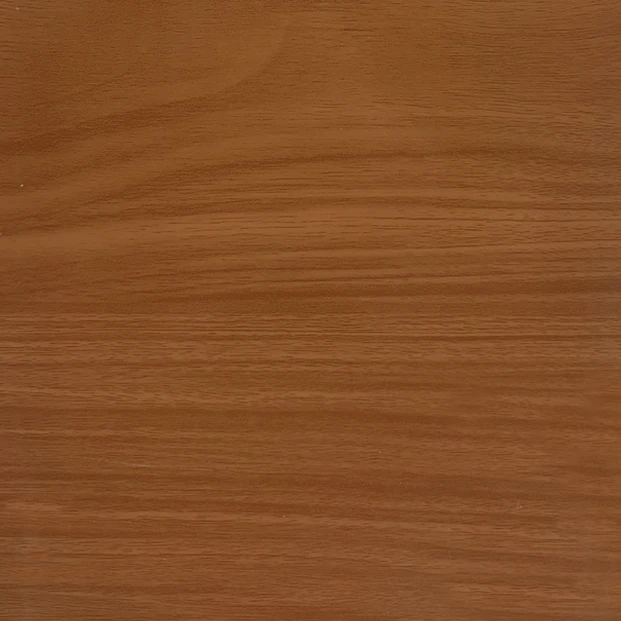
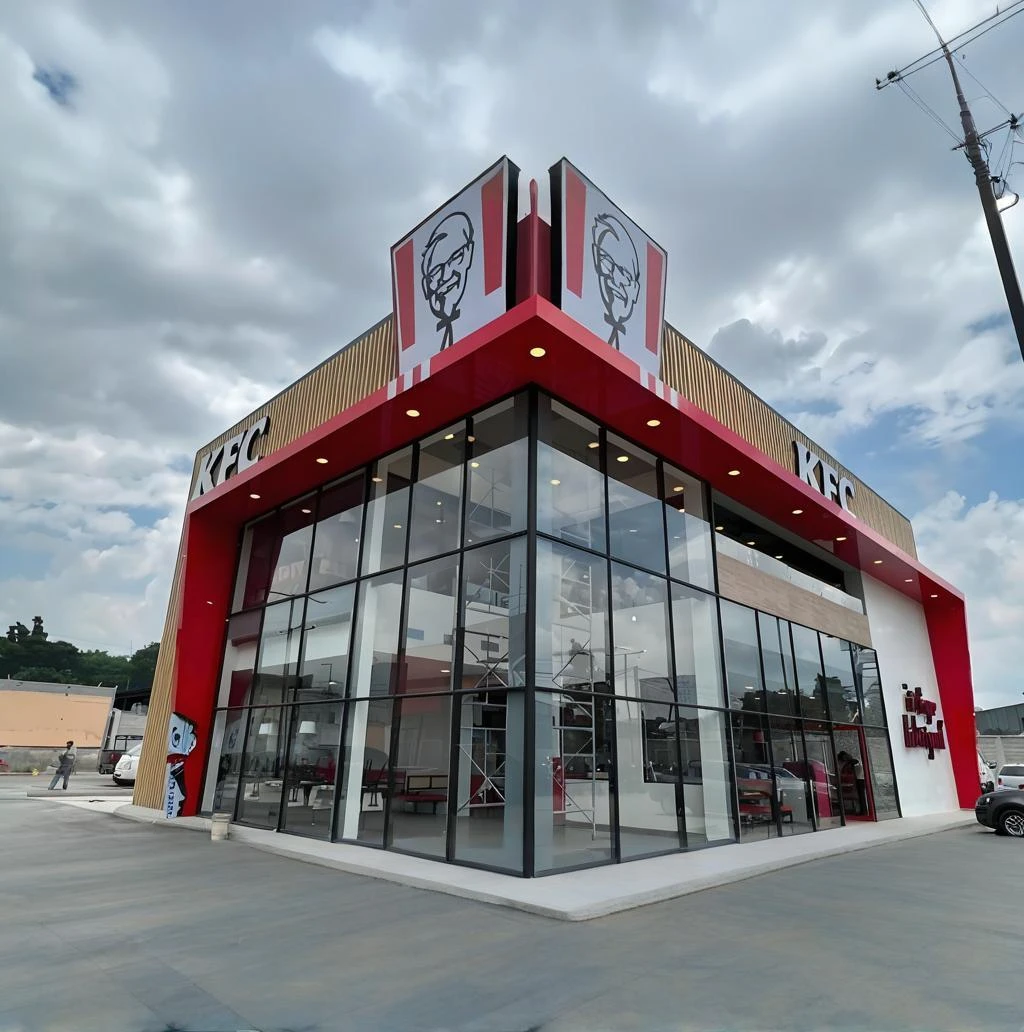
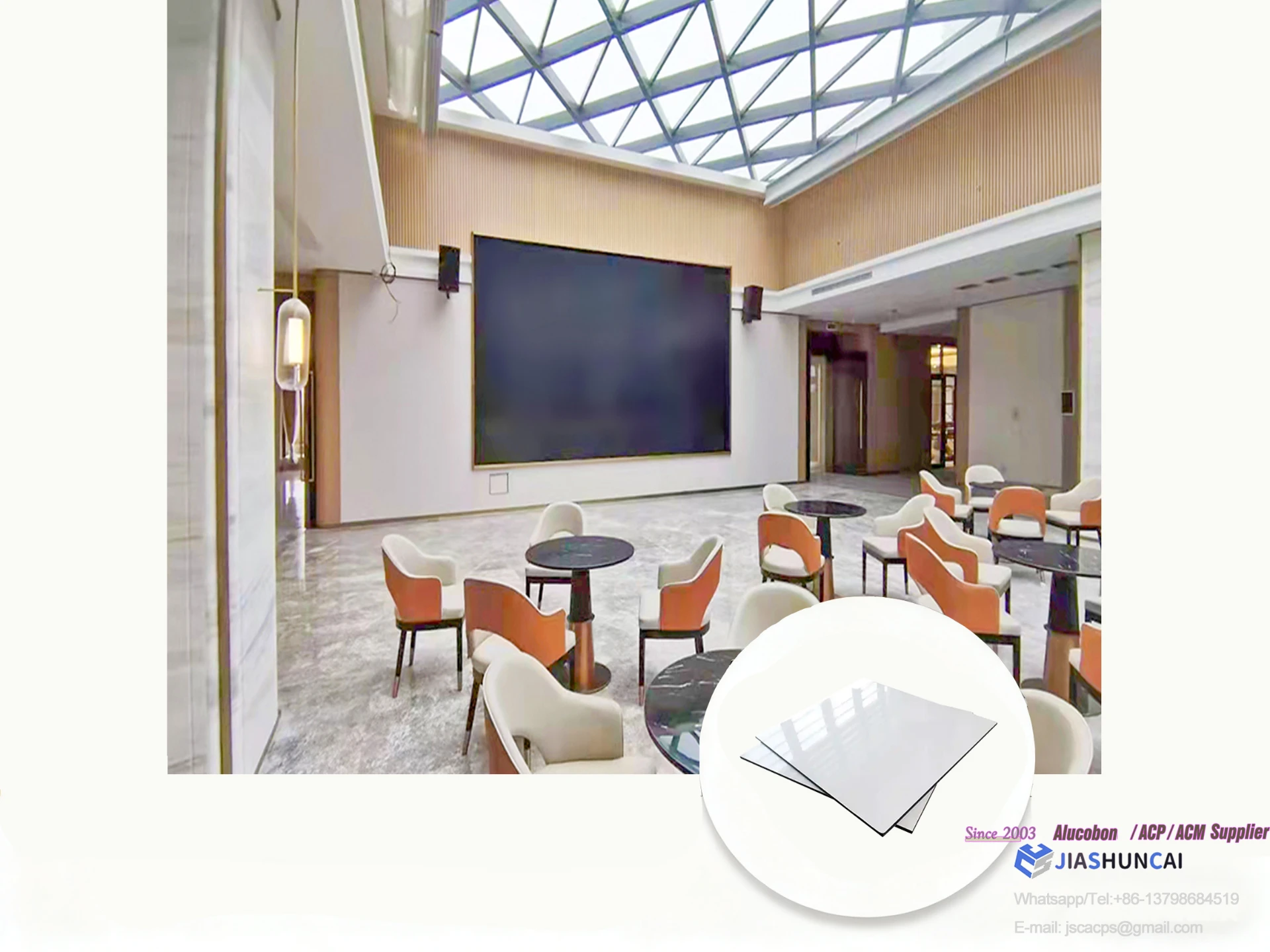
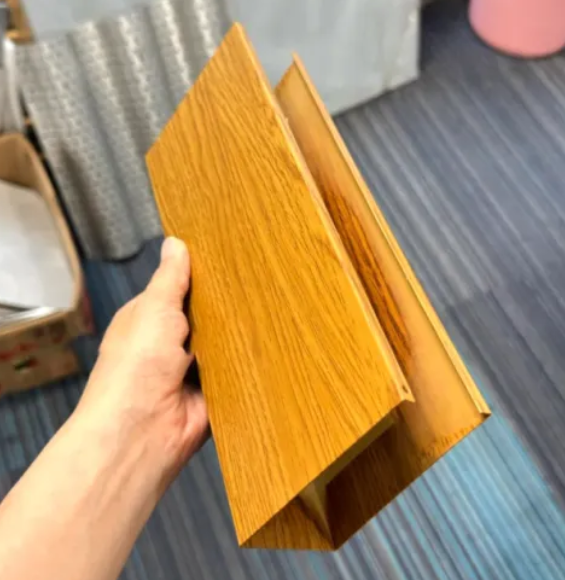
One aspect architects rave about is the near-infinite variety of finishes — from glossy to matte, textured, or metallic colors — allowing design creativity without compromising function.
5. Fire Resistance
With the introduction of fire-retardant cores, concerns about combustibility have mostly subsided, making these panels safer to use even in high-rise construction (note international regulations can vary).
6. Cost Efficiency
When you tally materials, transport, installation, and maintenance, these panels often come out as one of the most cost-effective façade solutions — especially over a building’s life cycle.
Takeaway: The combination of durability, light weight, and elegance means cladding aluminum composite panels offer a smart, multi-purpose solution tailored to diverse building needs, everywhere from skyscrapers in New York to mobile school units in Kenya.
Global Applications: How and Where Are These Panels Used?
Globally, aluminum composite panel cladding finds use in:
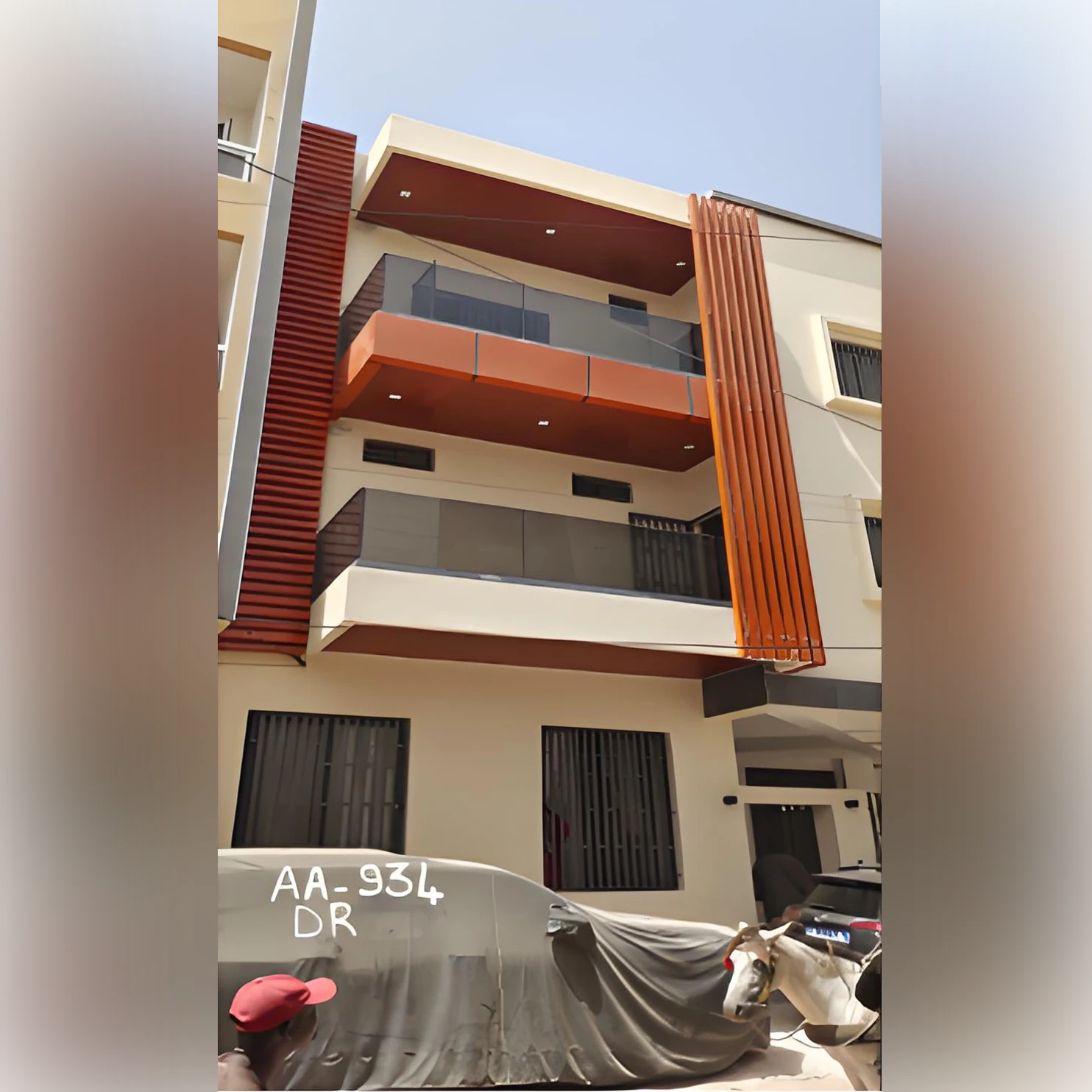
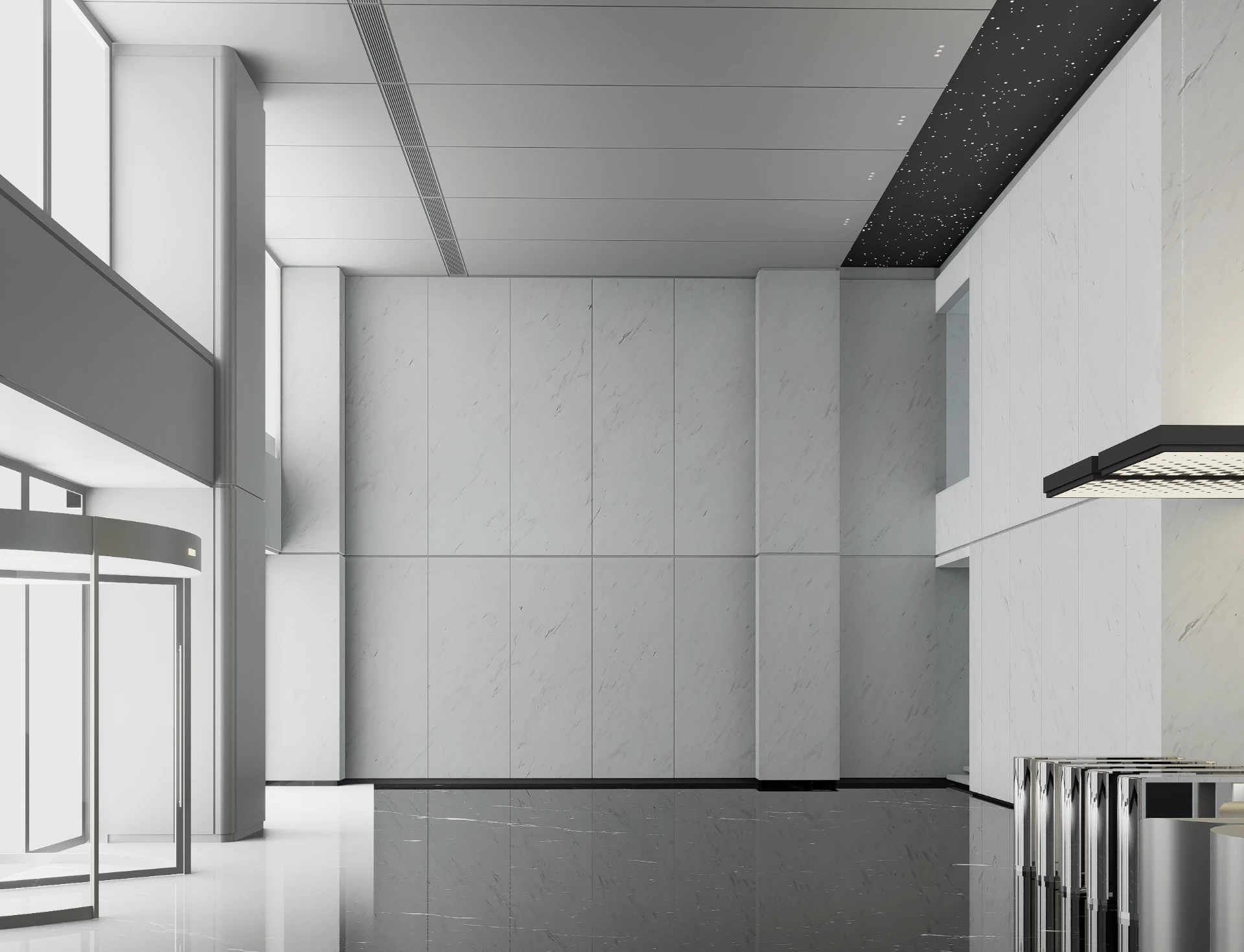
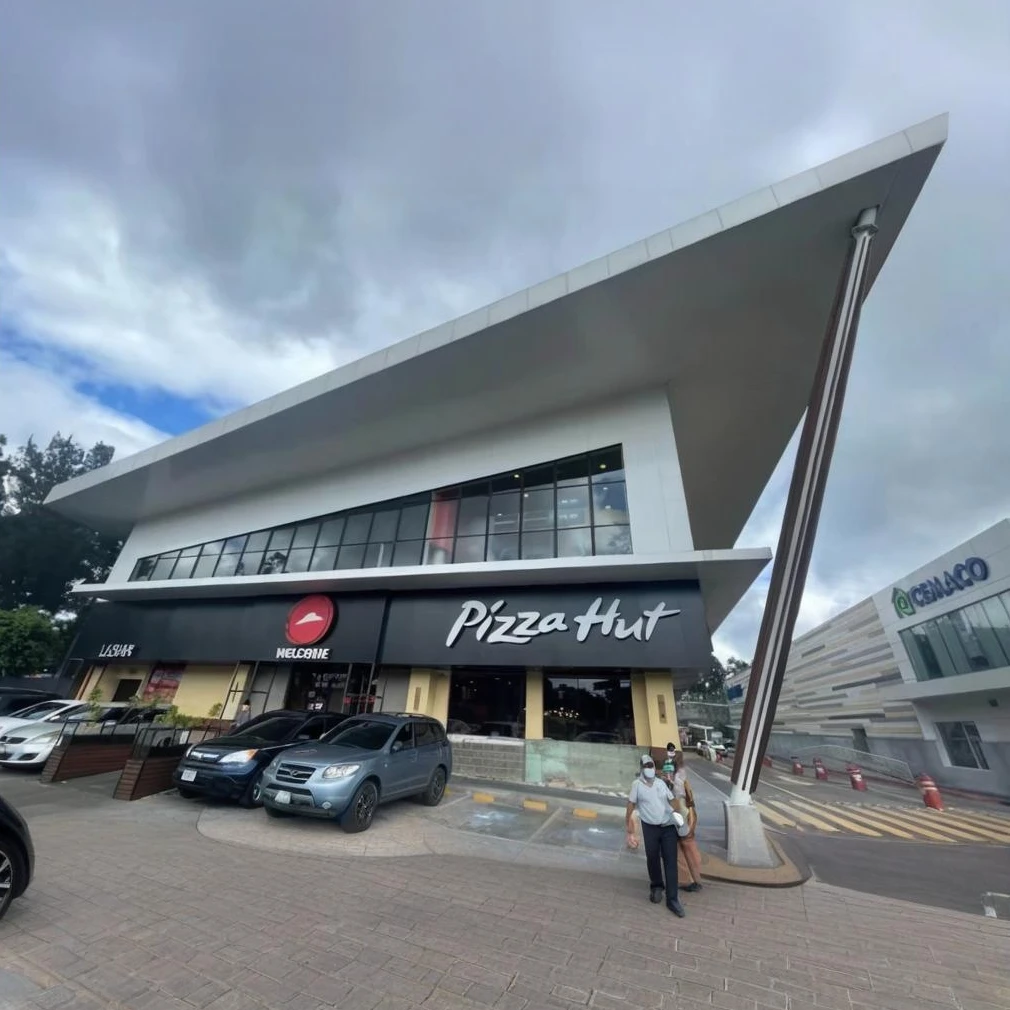
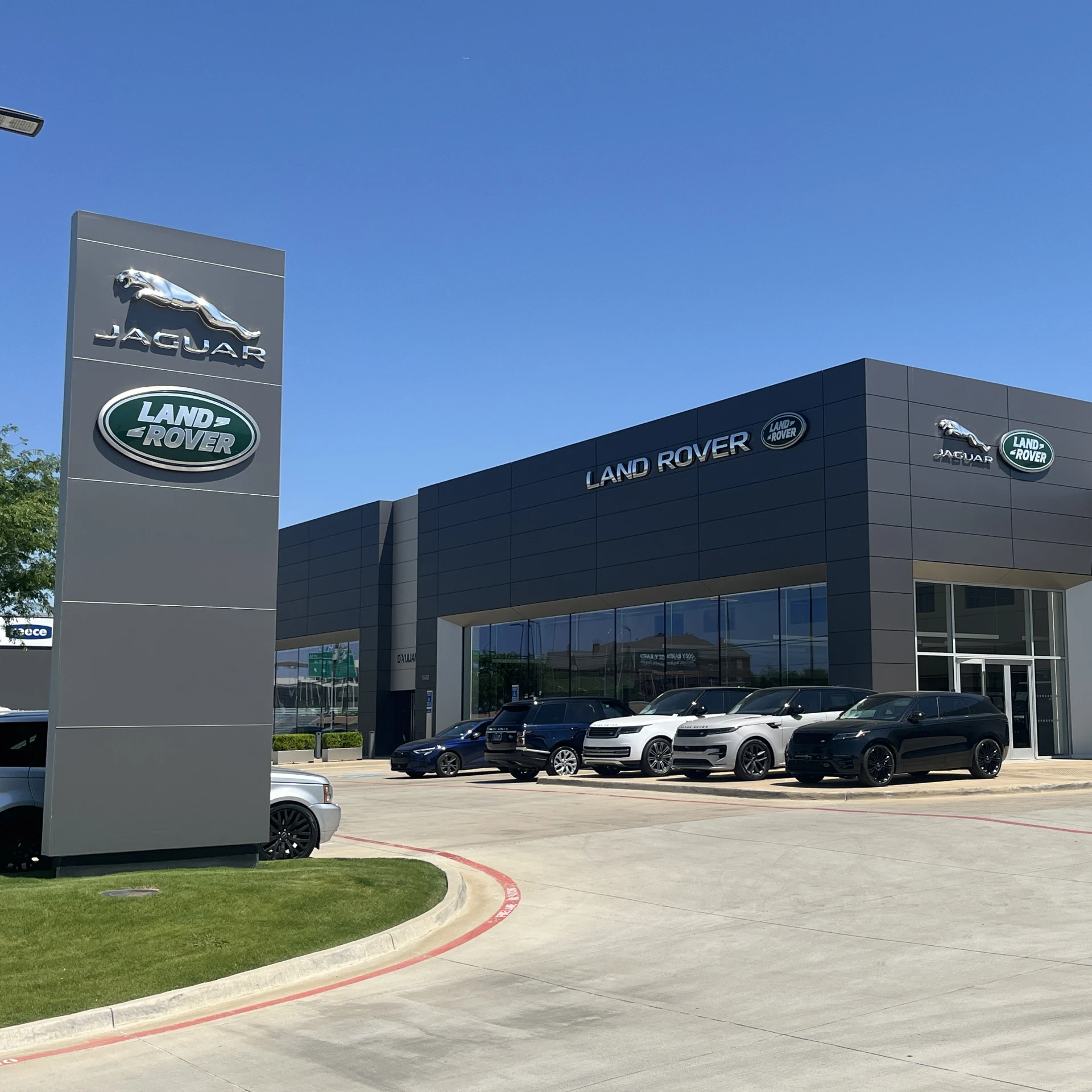
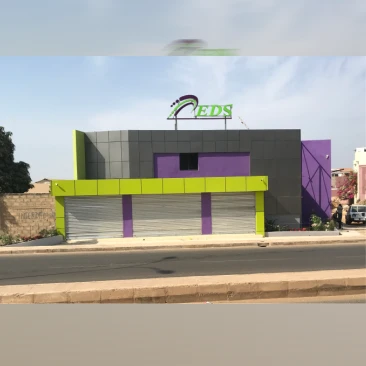
- Commercial High-Rises: Popular in urban centers like Dubai, Singapore, and New York for sleek, modern façades.
- Industrial Facilities: Durable exterior and interior cladding in factories and warehouses throughout Europe and North America.
- Public and Institutional Buildings: Schools and hospitals, notably in post-disaster rebuilds in South Asia and the Americas, where rapid deployment and cost matter most.
- Remote Infrastructure: In oil rigs or desert solar plants, where panels resist harsh environments but keep construction light and manageable.
For instance, in the rebuilding efforts post-Hurricane Maria in Puerto Rico, these panels helped restore educational facilities rapidly and resiliently. Meanwhile, Scandinavian architects often value their sustainability footprint combined with clean aesthetics — a reflection of local environmental priorities.
Advantages and Lasting Value of Aluminum Composite Cladding
Beyond the technical specs, I feel the human side here counts a lot. These panels offer more than just strong walls:
- Energy Savings: Reduced cooling and heating costs translate into lower long-term environmental impact.
- Safety: Fire-resistant grades provide peace of mind for occupants.
- Aesthetic Freedom: Buildings don’t have to look dull or outdated.
- Social Uplift: Rapidly creating dignified shelters or community centers helps maintain trust in aid programs.
- Durability: Investing once means you’re not worried about constant replacements or weather damage—this feels like a very practical, grounded approach.
Product Specification Table
| Specification |
Typical Values |
Remarks |
| Panel Thickness |
4 mm – 6 mm |
Depends on core type |
| Aluminum Sheet Thickness |
0.20 mm – 0.50 mm |
Outer layers provide strength & finish |
| Core Material |
PE or Fire-retardant mineral core |
Fire safety dependent |
| Weight |
3.5 – 6 kg/m² |
Lightweight vs metal facade |
| Flame Spread Index |
≤ 25 (for FR grade) |
Meets many fire codes |
| Thermal Conductivity |
0.25 W/mK (approx.) |
Varies with core material |
Comparing Top Vendors for Cladding Aluminum Composite Panels
| Vendor |
Core Materials Offered |
Color Options |
Typical Lead Time |
Sustainability Credentials |
| JS Aluminum Composite |
PE and FR Mineral Core |
Over 120 RAL Colors + Custom Textures |
2–3 weeks |
ISO 14001 Certified, Low VOC paints |
| AluTech Global |
FR Core Only |
Standard 50+ Colors |
3–4 weeks |
Recycled aluminum in supply chain |
| EcoBuild Materials |
PE Core Mainly |
Eco Finishes with Limited Colors |
1–2 weeks |
Strong focus on low carbon footprint |
Looking Ahead: Innovations in Cladding Aluminum Composite Panels
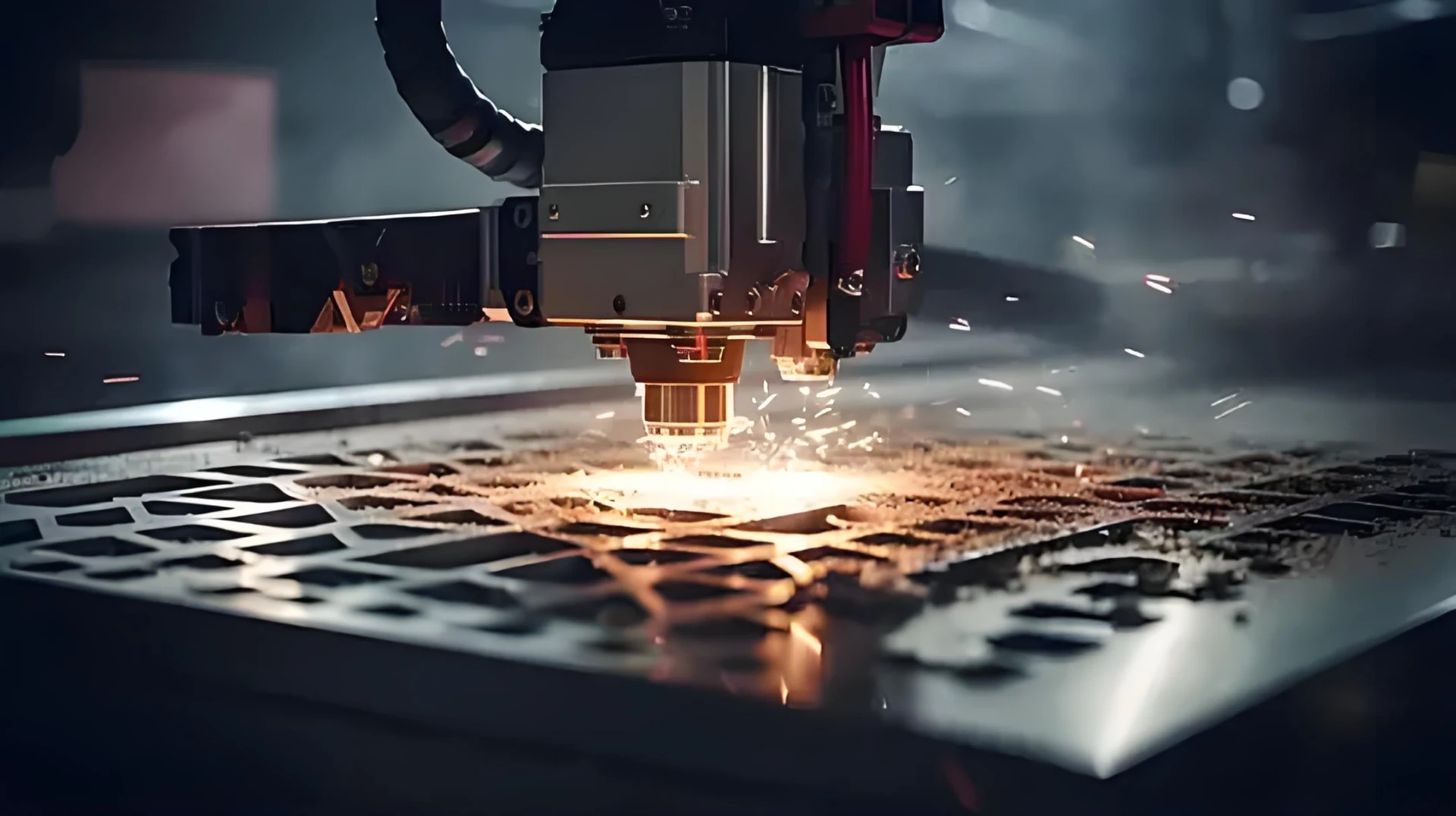
Emerging trends include cladding aluminum composite panel variants embedded with photocatalytic coatings that actively reduce urban pollution, or panels equipped with integrated solar cells for energy harvesting façades. With digital manufacturing and automation, customization is becoming quicker and more affordable — in fact, it feels like every year brings a new layer of sophistication to these already versatile panels.
Green regulations in Europe and North America push vendors toward fully recyclable panels with zero VOC coatings — making the environmental case too hard to ignore. It’s exciting because this tech isn’t just evolving for the wealthy — affordable modular housing, emergency shelters, and remote clinics will benefit too. Quite a leap from simple sheet metal.
Challenges and Strategies to Overcome Them
Despite obvious pluses, issues remain. Regulations around fire safety differ widely worldwide, causing confusion in international projects. Sometimes, questionable low-cost suppliers skimp on quality, creating reputational risks. Also, panel disposal and recycling can become tricky where local infrastructure lacks capacity.
Experts recommend:
- Selecting verified vendors with tested fire retardant cores.
- Considering design for disassembly and recycling from the outset.
- Conducting field testing for local weather extremes.
- Training installation teams extensively to avoid errors.
Frankly, these steps seem low-cost compared to the headaches of late-stage problems, but they need more emphasis in project plans — something often overlooked.
FAQ: Your Questions About Cladding Aluminum Composite Panels
Q1: Are cladding aluminum composite panels suitable for extreme weather zones?
A: Absolutely. Thanks to their corrosion resistance and thermal insulation, these panels perform well in cold, hot, humid, and salty coastal environments. Of course, choosing the right core and finish is vital for optimal performance.
Q2: How eco-friendly are these panels, really?
A: While aluminum production is power-intensive, most reputable suppliers recycle large portions of material. The longevity and energy savings from the panels’ insulation often offset initial carbon footprints within a few years.
Q3: Can NGOs source these panels for humanitarian projects quickly and cost-effectively?
A: Yes, many manufacturers, including cladding aluminum composite panel suppliers, provide ready-to-ship panels and offer technical support. Bulk ordering and local assembly can speed deployment in crisis zones.
Q4: How long do these panels typically last in commercial use?
A: With proper maintenance, they can last 20–30 years or longer — many buildings worldwide still showcase panels from over two decades ago.
Q5: Are these panels easy to repair if damaged?
A: Generally yes. Minor dents or scratches can be fixed or replaced by modular sections without full façade replacement.
Wrapping Up: Why Cladding Aluminum Composite Panels Matter for Today and Tomorrow
I hope this glimpse into the world of cladding aluminum composite panels convinces you they're more than just a building skin — they’re part of a growing movement toward smarter, greener, and more resilient construction worldwide. Whether you’re a specifier, builder, or humanitarian planner, investing time in understanding these materials pays dividends across cost, efficiency, sustainability, and even design freedom.
If you want to explore further, check out our website for detailed specs, samples, and global procurement advice. Trust me, the future of construction and infrastructure is layered — quite literally — with these panels.
References:
1. Wikipedia on Aluminium Composite Materials
2. United Nations Climate Change Data
3. World Bank Urban Development Overview