Understanding ACP Panel Details: Why It Matters More Than Ever
In a world rapidly shifting towards smarter, more sustainable construction methods, knowing acp panel details is becoming increasingly important. ACP panels—short for Aluminum Composite Panels—are modern cladding materials used extensively in architecture, infrastructure, and industrial applications. Understanding their features helps builders, architects, and even humanitarian groups make better choices, especially given the emphasis on durability, aesthetics, and energy efficiency worldwide. Strange to think that a simple panel can impact global urban development, but it truly does.
The Global Context: ACP Panels in Today's Industry Landscape
ACP usage is not just a niche topic; it's a booming industry segment. According to a 2023 ISO report, the global aluminum composite panel market is expected to grow by roughly 7% annually through 2028, driven by rising urbanization and infrastructure investments in Asia-Pacific and the Middle East. Meanwhile, organizations like the UN and World Bank highlight the need for quick, sustainable building solutions in rapidly growing cities and disaster-stricken areas alike. The challenge? Conventional materials often fall short on weight, installation speed, or resilience—where acp panel details come in handy.
So, the big picture is that ACP panels answer a practical question: How do we build better, faster, and greener?
Mini takeaway: ACP panels are essential tools in tackling modern construction demands—urban growth, climate adaptation, and more.
What Exactly Are ACP Panels? Breaking Down the Basics
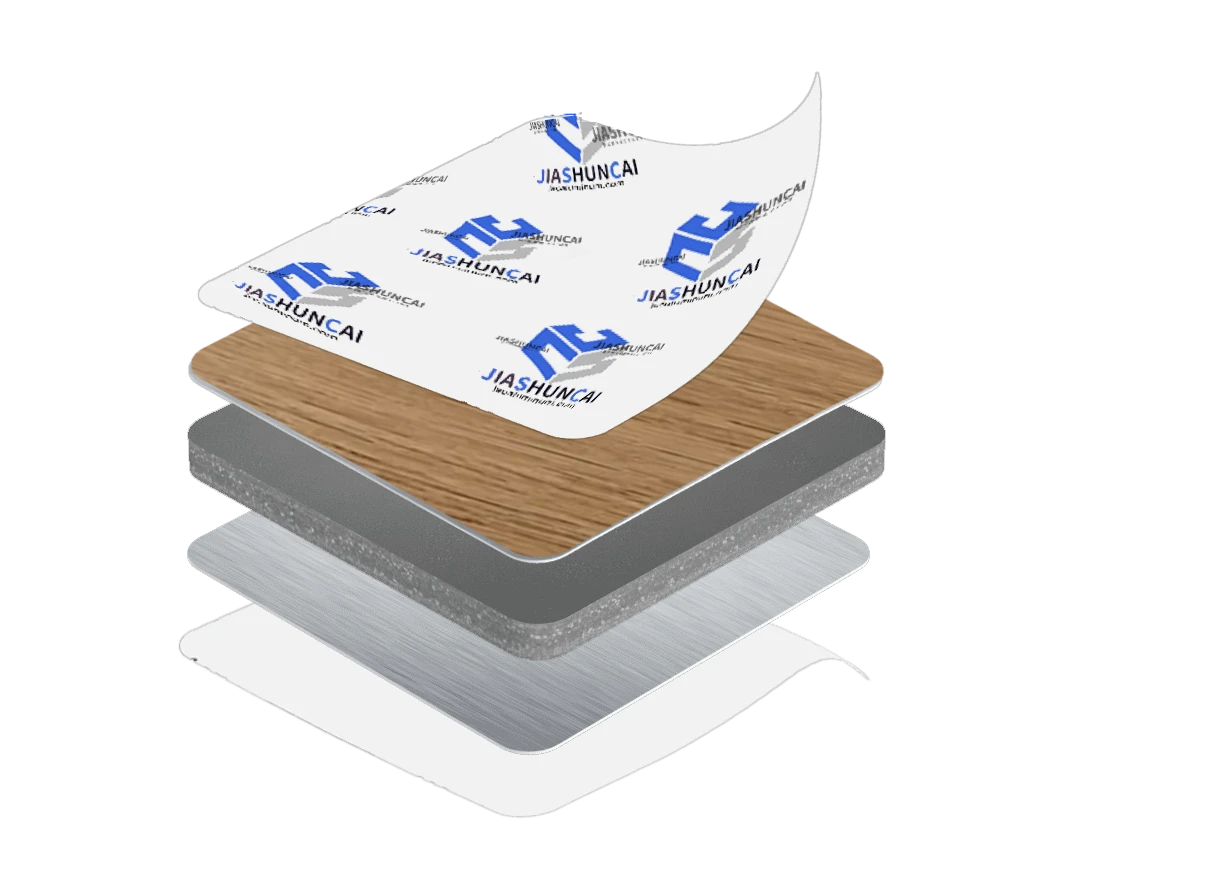
At their core, Aluminum Composite Panels consist of two thin aluminum sheets bonded to a non-aluminum core, typically polyethylene or a fire-retardant material. This "sandwich" structure combines the lightness of aluminum with rigidity and insulation, creating a versatile panel that’s easy to work with but surprisingly robust.
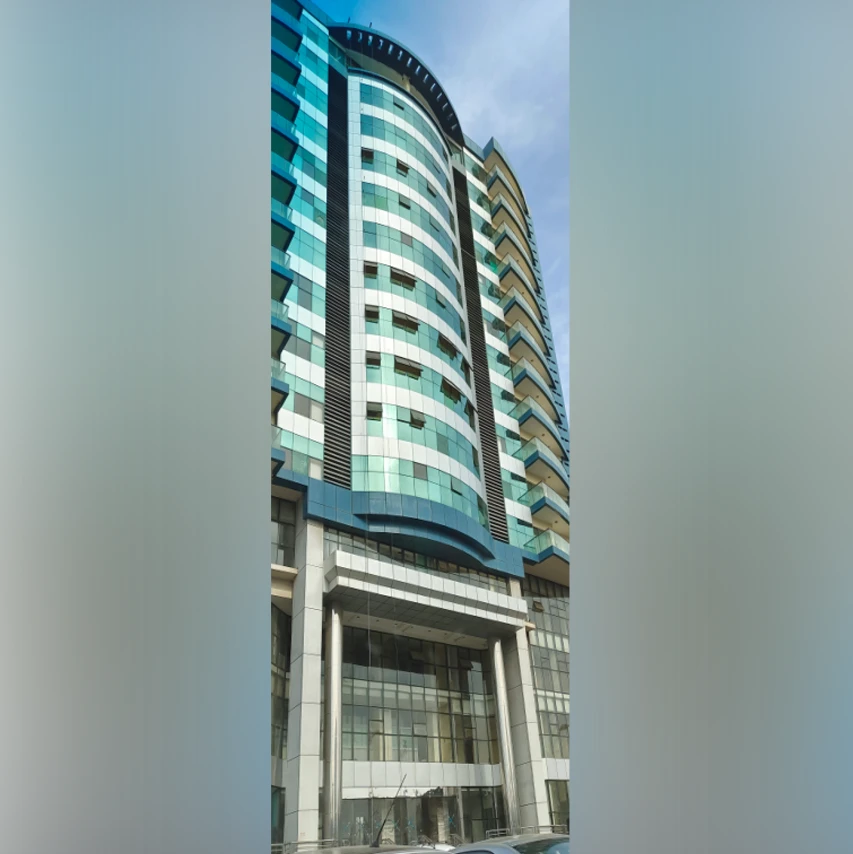
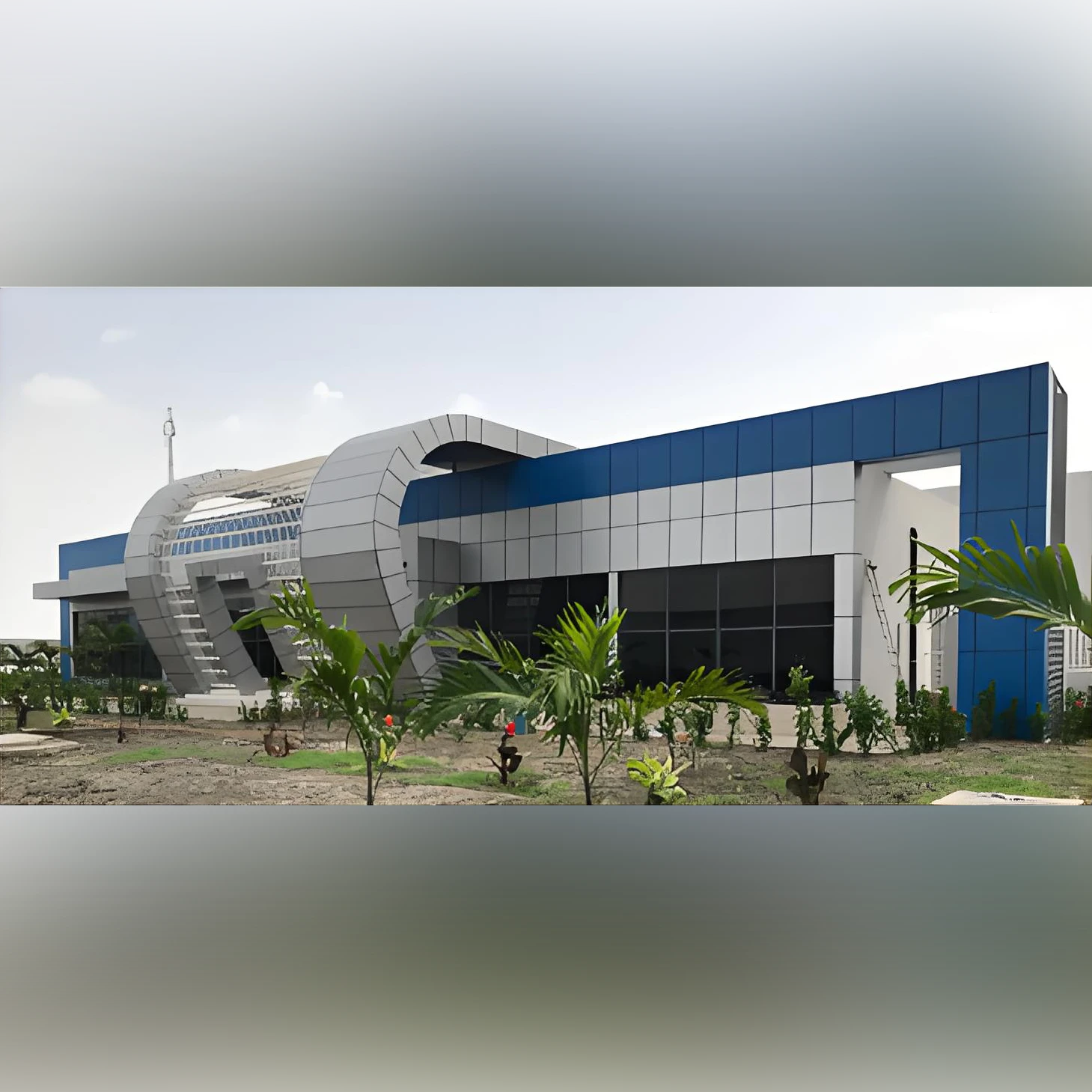
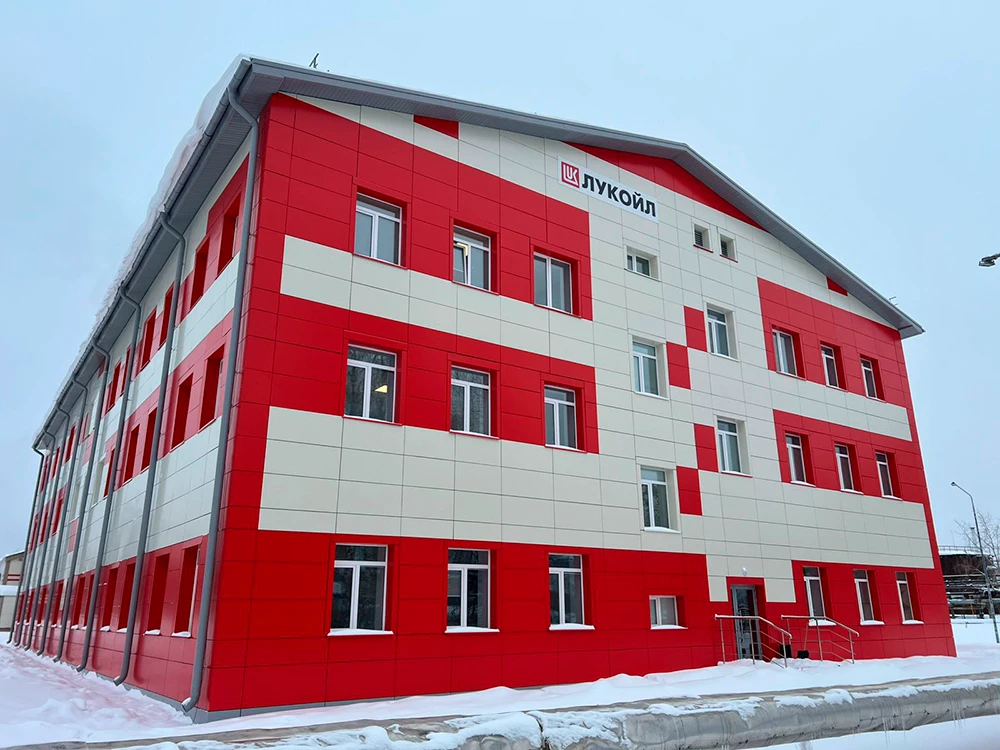
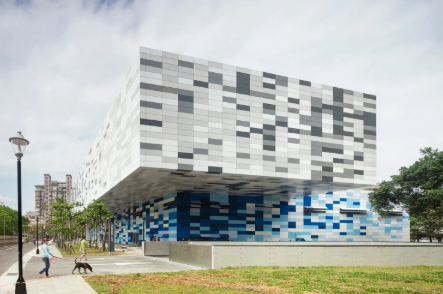
You’ll find ACP in skyscraper facades, airport terminals, shopping malls, and increasingly in temporary shelters or modular buildings for humanitarian relief. Because they look sleek and stand up to weather threats, they’re practically the Swiss Army knife of modern cladding.
Mini takeaway: Simply put, ACP panels offer a blend of strength, lightness, and aesthetics, making them vital in many industries.
Key Features of ACP Panels That Make Them Stand Out
Durability and Weather Resistance
One of the biggest selling points is how ACP panels withstand moisture, UV radiation, and temperature swings. A good ACP panel won’t crack under the sun nor warp when it rains. Engineers often praise how they maintain their properties in coastal or desert environments — places traditionally challenging for construction materials.
Lightweight Yet Structural Integrity
This panel’s relative lightness reduces dead load on buildings, meaning foundations and support structures can be slimmer, saving money and materials. Oddly enough, many people don’t realize that the core material inside these panels is as critical as the aluminum sheets themselves in balancing weight and strength.
Ease of Installation and Maintenance
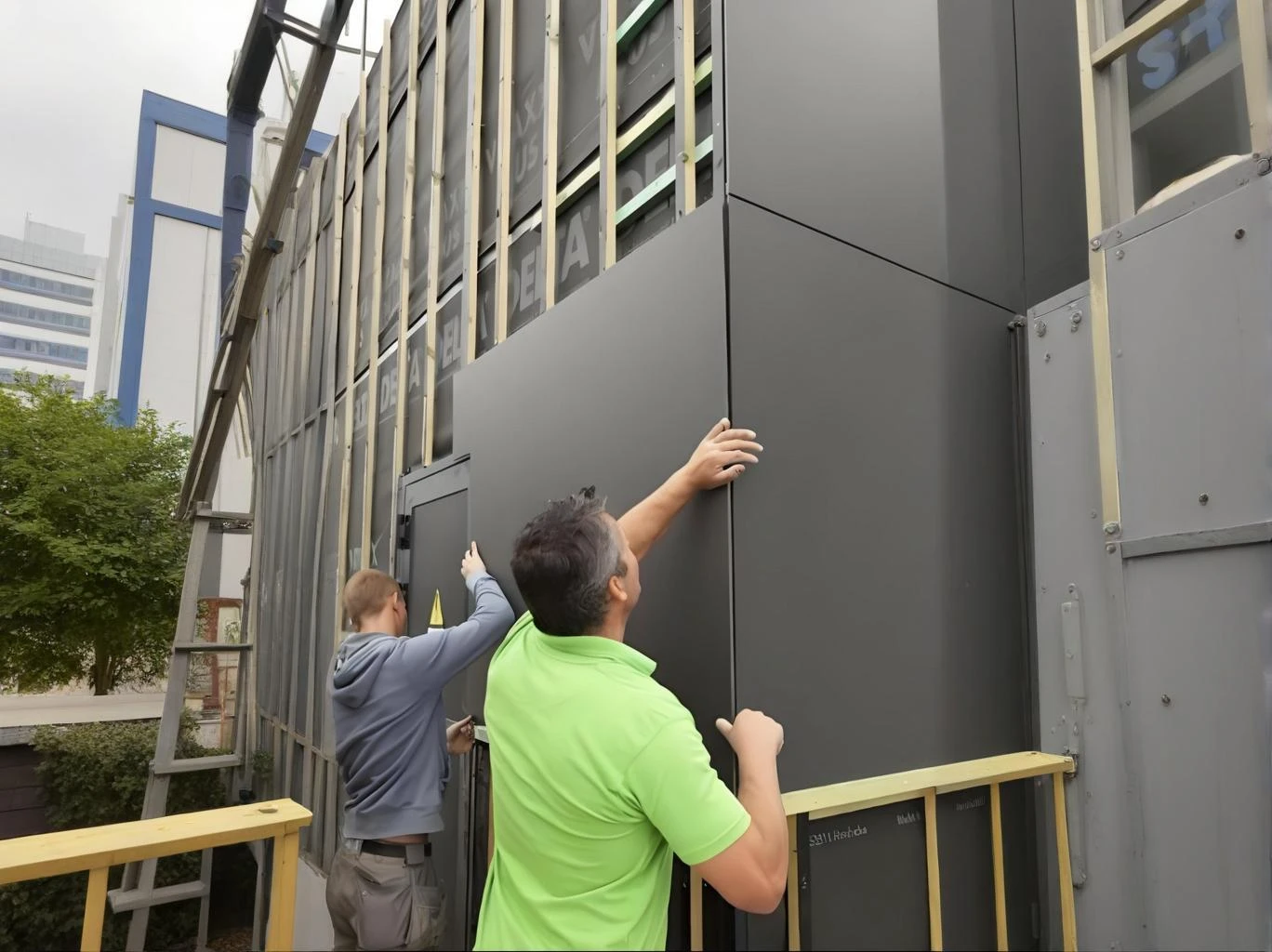
Many contractors say working with ACP is a breeze. Panels can be cut, drilled, and mounted without special tools, accelerating project timelines. Maintenance is minimal—usually just a wash with detergents to keep their shine.
Cost Efficiency and Sustainability
While ACP panels are often a bit pricier upfront than some traditional cladding, their longevity, energy-saving properties, and easy recycling options make them more cost-effective in the long haul. In fact, some versions use recycled aluminum and low-VOC coatings.
Aesthetic Versatility
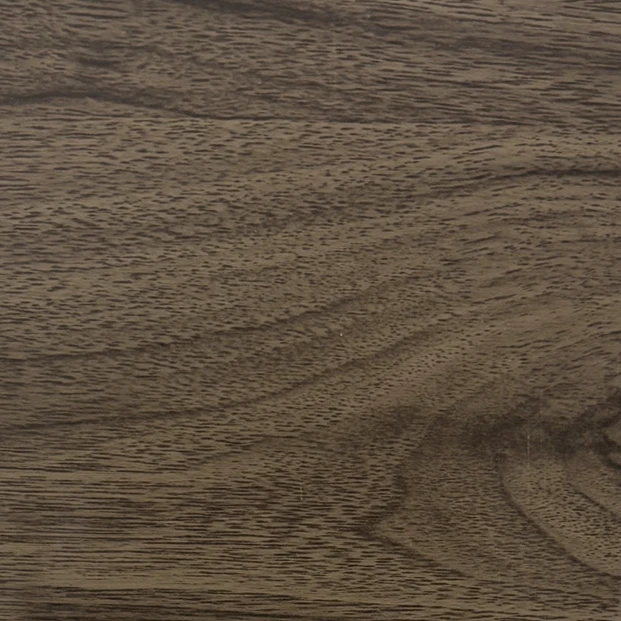
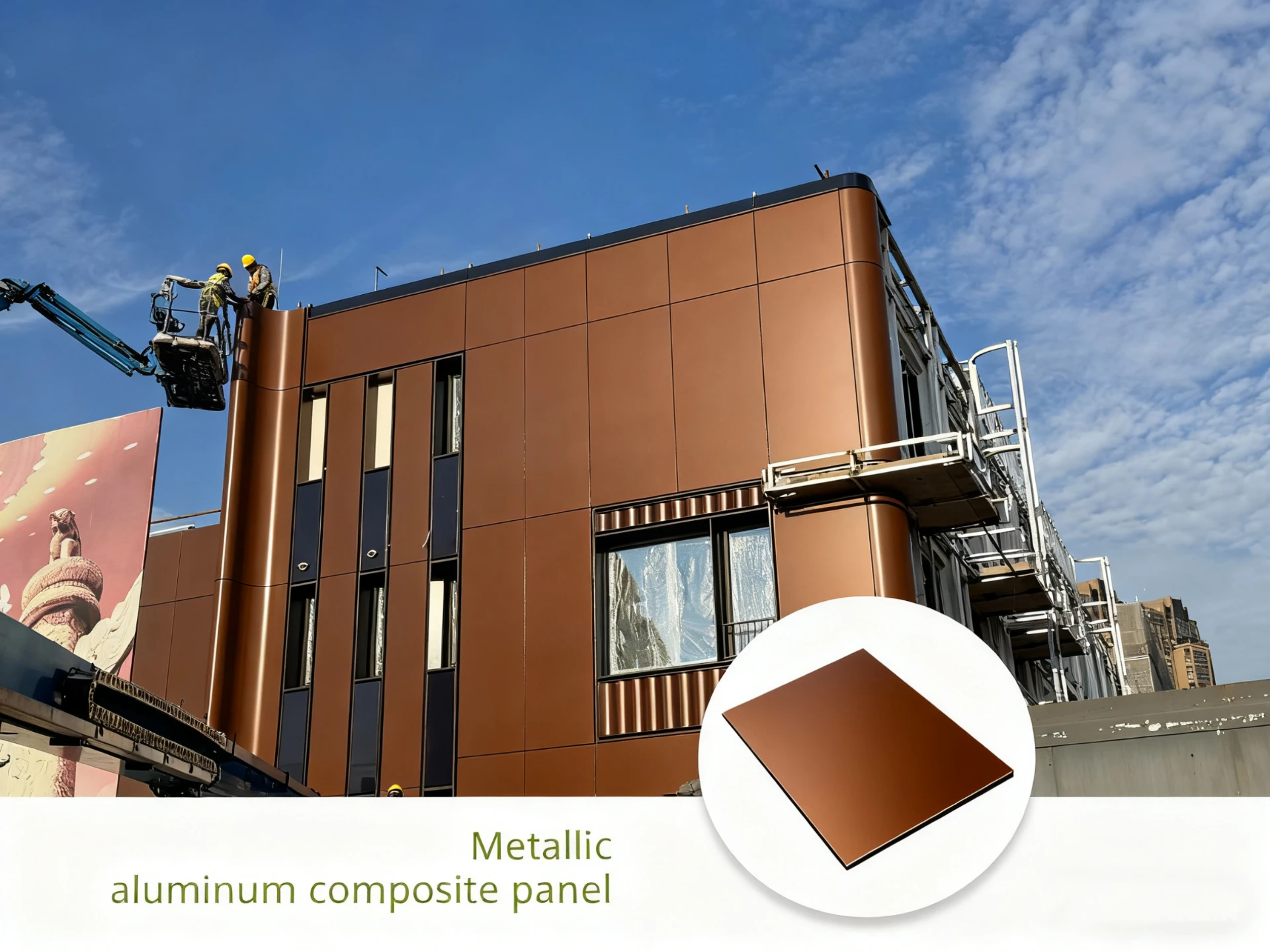
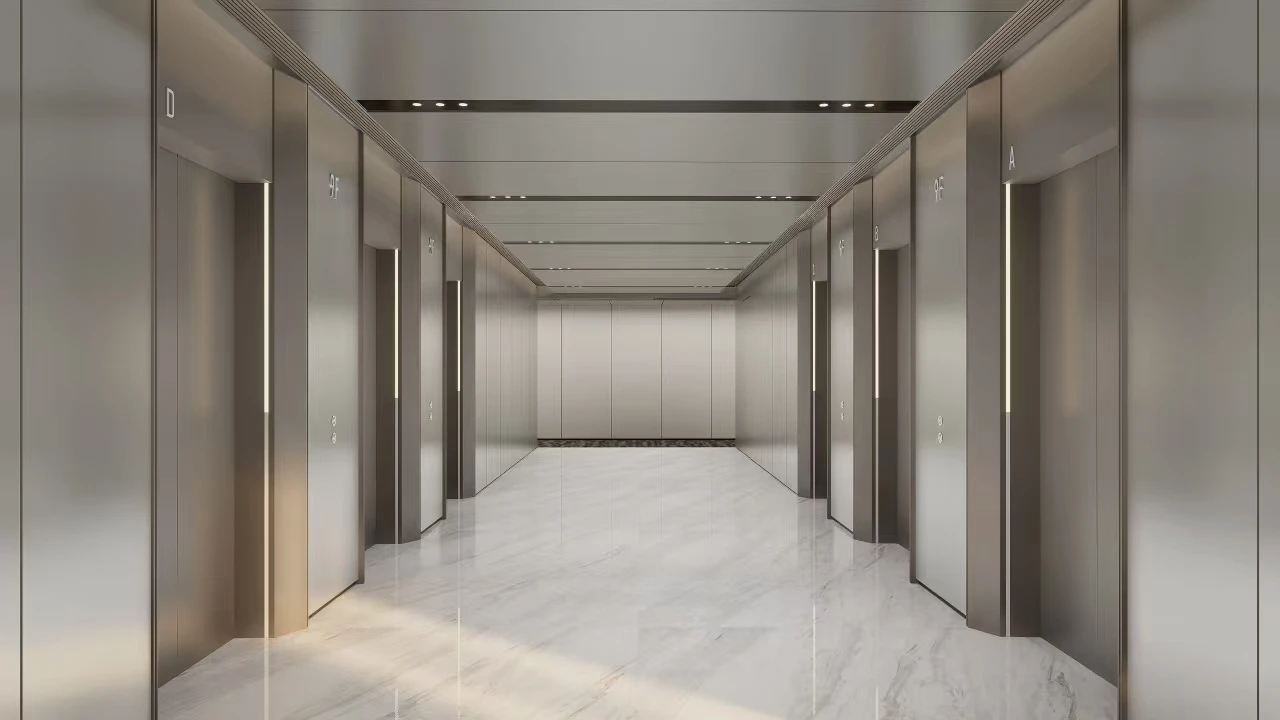
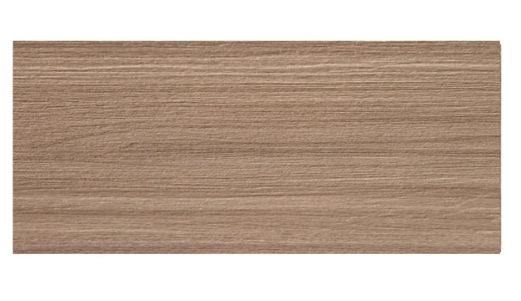
ACP panels come in different colors, finishes—including metallic, wood grain, and stone effects—giving architects creative freedom. They can convert the dullest structures into visual landmarks.
ACP Panels in Action: Real-World Applications
Look around any modern city, and chances are good you’ll spot ACP cladding on commercial buildings, transportation hubs, or residential high-rises. But beyond the glamour, these panels shine in some surprising contexts:
- Disaster relief shelters: Quick-to-install, strong, and transportable panels are invaluable after hurricanes or earthquakes.
- Remote industrial sites: Points in deserts or polar areas where construction speed and material sturdiness is crucial.
- Public infrastructure: Airports, hospitals, and schools use ACP for façades that reduce energy costs and improve safety.
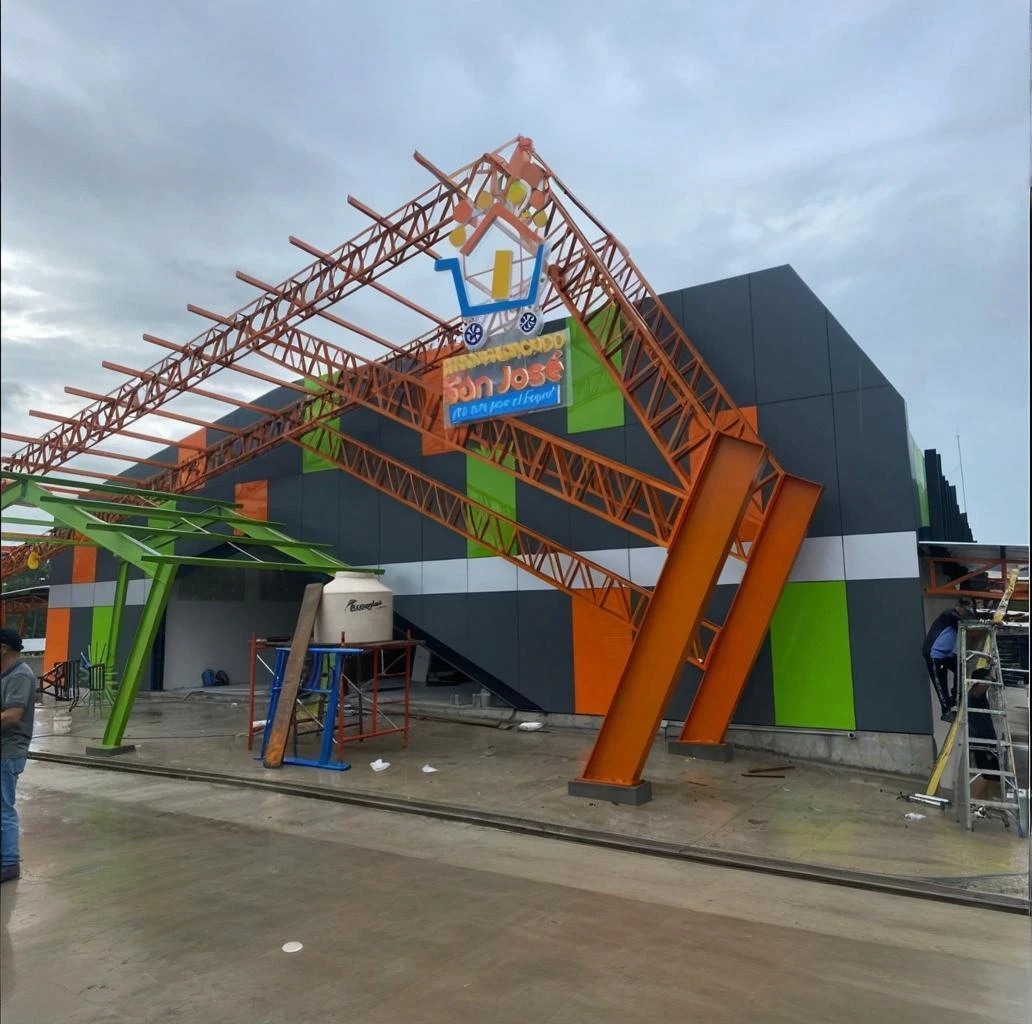
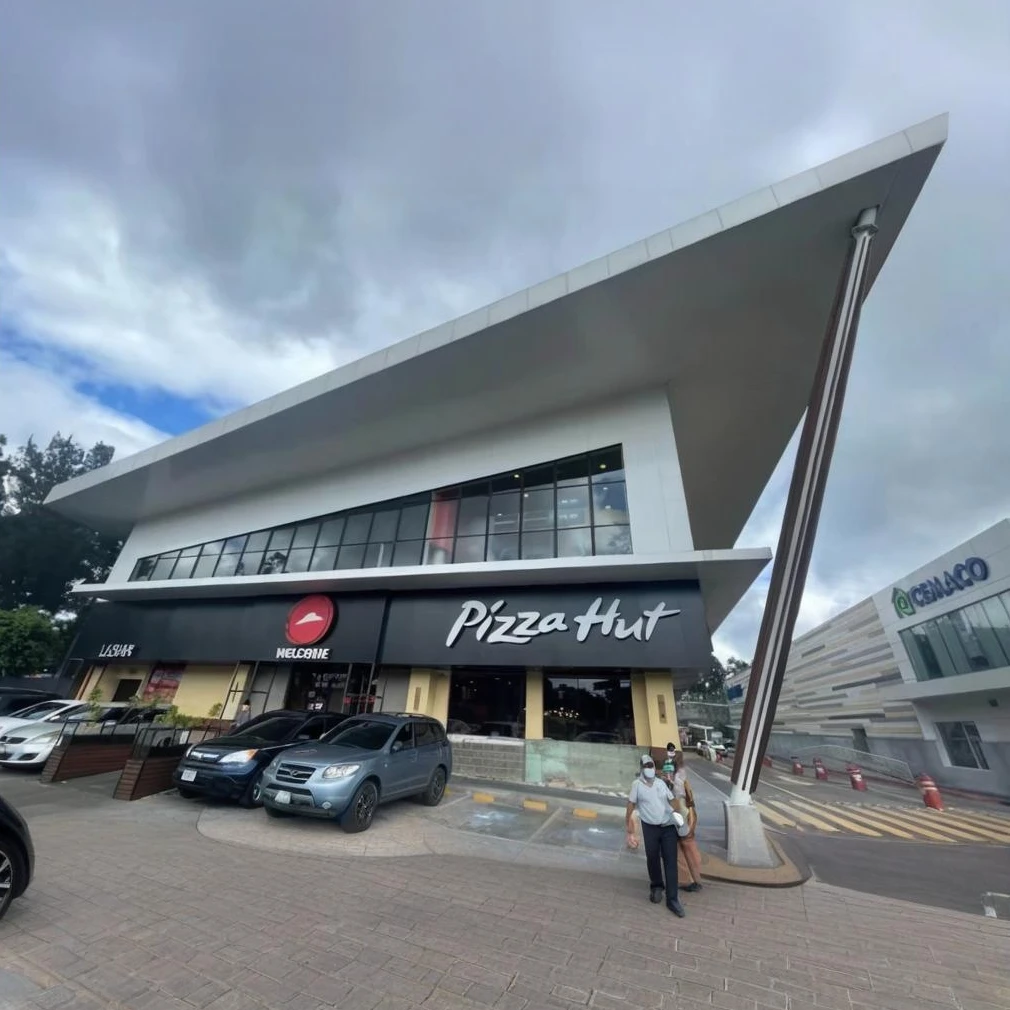
- Retail and advertisement: ACP signage and storefronts capitalize on the material's bold, vibrant finish.
One case in point: a recent project in Dubai used ACP panels to speed skyscraper enclosure, resulting in a 20% faster completion rate. In post-disaster relief efforts in Southeast Asia, NGOs have adopted modular buildings featuring these panels for their portability and durability.
Mini takeaway: ACP’s adaptability across industries shows its unmatched value in fast-paced, demanding environments.
Benefits That Keep Architects and Builders Coming Back
ACP panels offer tangible advantages that align with both practical needs and emotional factors building owners care about. Here’s a quick glance:
- Long-term cost savings: Through energy efficiency and minimal upkeep.
- Iconic appearance: Adds prestige and modernity to projects.
- Safety and fire retardance: Especially with certified cores.
- Sustainability: Recyclable and compliant with green building standards.
Customers often mention the “peace of mind” associated with choosing ACP panels because they protect investments against weather damage and urban pollution in ways other materials fail. You could say they literally shield the building’s image.
Product Specification Table
| Specification |
Typical Value |
Notes |
| Panel Thickness |
4mm – 6mm |
Varies by application |
| Aluminum Sheet Thickness |
0.5mm – 0.7mm |
Both sides coated |
| Core Material |
Polyethylene / Fire Retardant |
Complies with fire safety norms |
| Weight |
3.5 – 6 kg/m² |
Lightweight compared to concrete |
| Fire Rating |
Class B1 or better |
Depending on core |
Looking Ahead: Innovations & Trends in ACP Panels
The future is not just lighter or shinier panels. There’s a wave of innovation around making panels greener — recycling aluminum, replacing polyethylene with bio-based cores, or integrating photovoltaic cells to capture solar energy directly from façades.
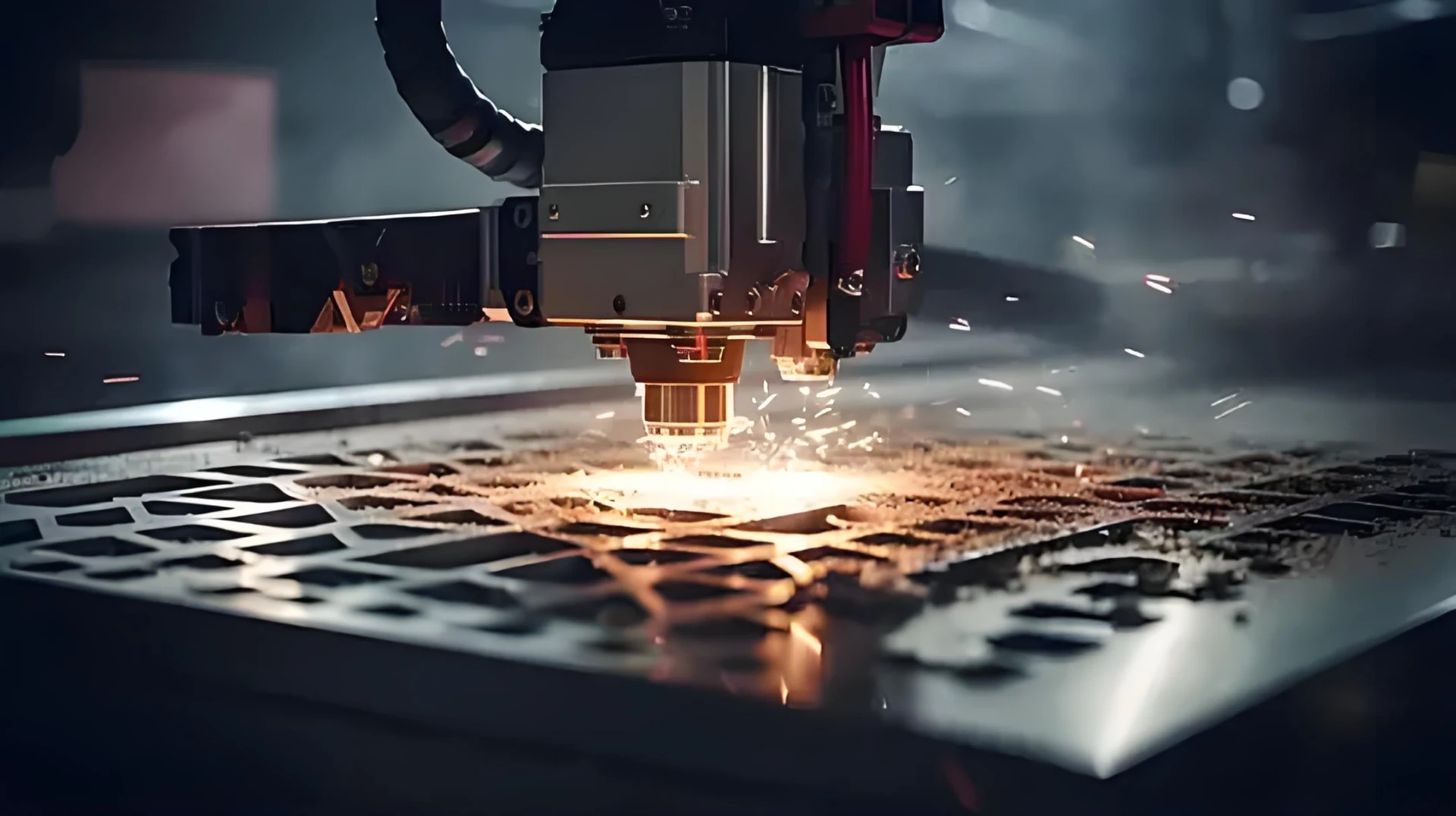
Digital fabrication technologies are also enabling customization for curved or irregular building surfaces, producing visually stunning effects with less waste. Plus, automation in production means more consistent quality and quicker delivery.
It’s fairly clear ACP panels will continue evolving in tandem with the smart city and sustainability agendas championed by agencies like ISO and UNEP.
Overcoming Challenges in ACP Use
No material is perfect—and ACP is no exception. Concerns persist about fire safety, especially after past incidents spotlighted flammable panel cores. However, stricter regulations and certifications have significantly mitigated these risks.
Installation errors or using low-quality panels cause the majority of failures, so training and trusted suppliers are critical. Modular construction approaches that integrate ACP panels also face design complexity but bring incredible benefits once mastered.
Expert thought: improvement in recycling processes and development of non-toxic core materials could address environmental concerns some customers raise.
Vendor Comparison Table: Leading ACP Suppliers
| Vendor |
Panel Thickness Range |
Fire Safety Rating |
Color & Finish Options |
Typical Lead Time |
| AluTech Panels |
3mm – 6mm |
Class B1 |
Over 50 standard colors + custom |
2 weeks |
| GlobalClad Corp. |
4mm – 5mm |
Class A2 (FR core) |
Metallic + Woodgrain finishes |
3 weeks |
| JSC Aluminum |
4mm – 6mm |
Class B1 |
100+ custom RAL colors |
1.5 weeks |
Frequently Asked Questions About ACP Panel Details
- What makes ACP panels better than traditional cladding materials?
- ACP panels combine lightweight construction with durability and aesthetic flexibility, allowing faster installation and reduced structural loads. Unlike brick or stone, they offer superior insulation and weather resistance.
- How fire-safe are aluminum composite panels?
- Modern ACP panels use fire-retardant cores complying with strict Class B1 or A2 European standards, greatly reducing flammability. However, proper installation is crucial to ensure fire safety performance is maintained.
- Can ACP panels be customized for unique building designs?
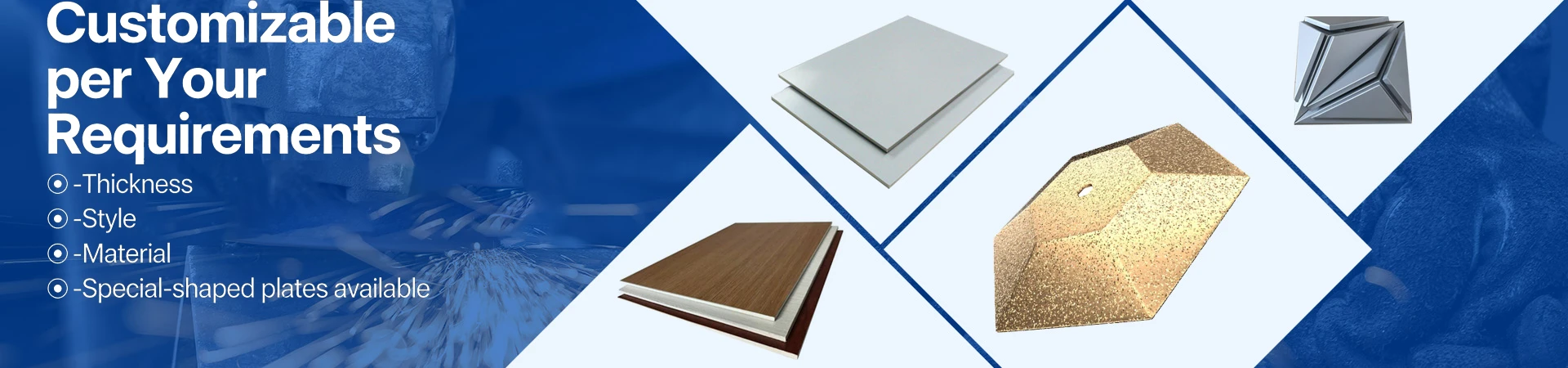
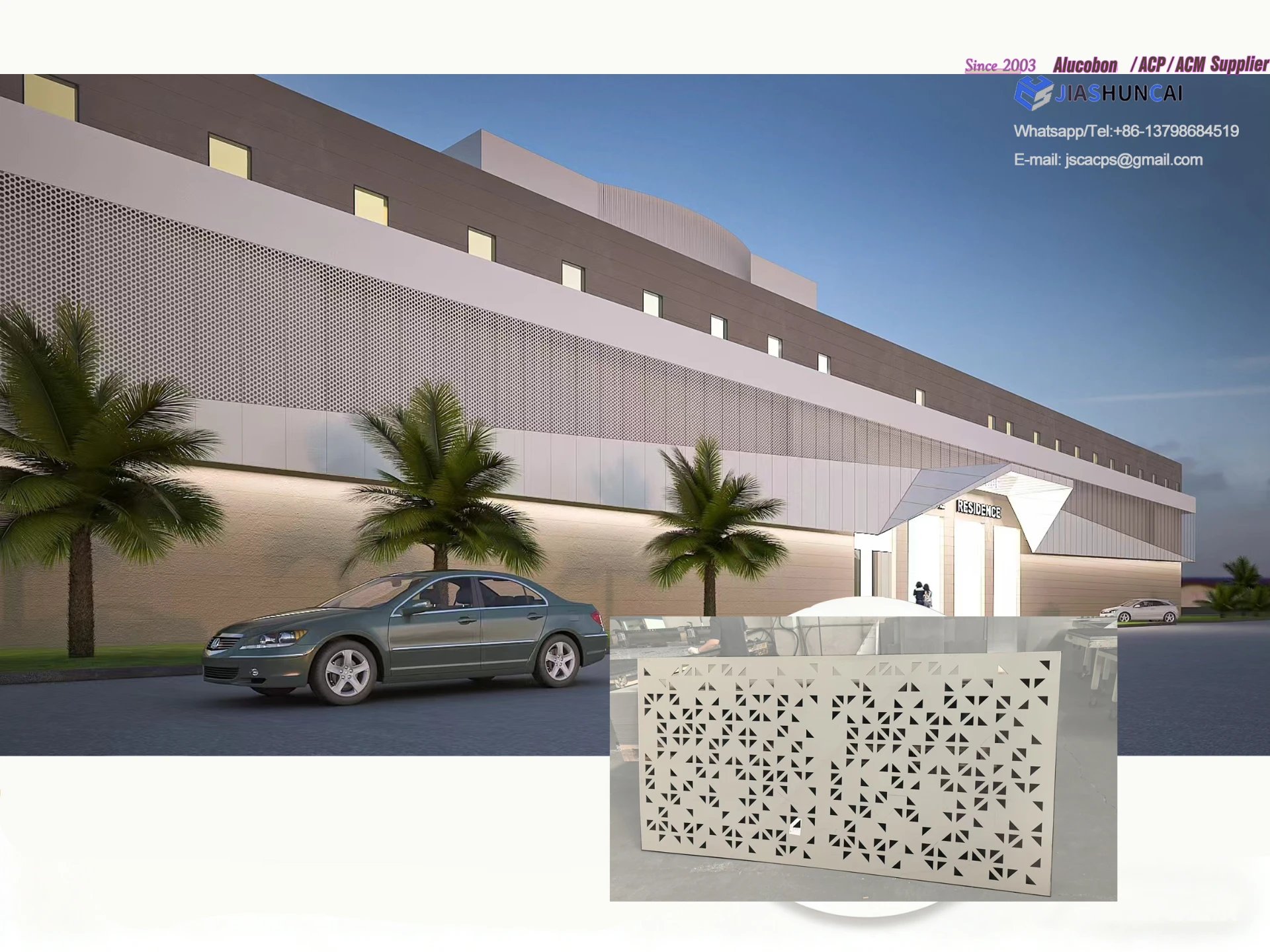
- Yes, ACPs come in various thicknesses, colors, and finishes, including metallic and textures like wood grain. They can be bent or curved with specialized fabrication, enabling complex architectural designs.
- Are ACP panels eco-friendly?
- Many manufacturers—like JSC Aluminum—offer panels with recycled aluminum and low-VOC coatings, enhancing sustainability. They’re also recyclable at end-of-life, fitting green building standards.
- How quickly can ACP panels be delivered and installed?
- Lead times vary from 1.5 to 3 weeks depending on customization and vendor. Installation is swift due to lightweight nature—projects often finish facade work weeks earlier than with traditional materials.
Wrapping Up: Why You Should Care About ACP Panel Details
Knowing acp panel details is not just technical nitpicking—it's a doorway to smarter, safer, and more sustainable building practices. The panels’ strengths in durability, installation speed, fire safety, and aesthetics have made them indispensable worldwide.
If you’re considering enhanced cladding for your next construction or refurbishment, diving deeper into ACP specifications and trusted vendors will pay off. For those interested in digging even further, acp panel details and product options await your exploration.
So, here’s your nudge: explore the options, weigh the specs, and don’t be shy about transforming your next project with ACP innovation.
References
- ISO Market Reports on Aluminum Composite Panels, 2023.
- United Nations Habitat Urban Sustainability Data, 2022.
- Wikipedia: Aluminium Composite Panel