Understanding Aluminum Composite Wall Panels: Why They Matter Worldwide
If you've ever walked past a sleek, modern building with perfectly flat, vibrant façades, chances are you’ve encountered aluminum composite wall panels. These panels aren’t just about looks — they represent a quiet revolution in construction and architecture globally. Their lightweight yet sturdy nature, combined with versatility and sustainability, makes them essential for projects ranging from commercial skyscrapers to quick-deploy disaster relief shelters.
Understanding these panels isn’t just a niche industry curiosity; it matters because the world is urbanizing rapidly. According to the UN, 68% of the global population is projected to live in urban areas by 2050. Efficient, safe, and sustainable building materials like aluminum composite wall panels (ACWPs) will play a big role in shaping these cities. They help balance aesthetic demands, environmental concerns, and cost-efficiency. Kind of like the secret sauce behind many contemporary builds.
---
The Global Relevance of Aluminum Composite Wall Panels
Globally, we face challenges from climate change, rapid urbanization, and resource constraints. It’s no surprise that architects, engineers, and city planners flock to materials that meet modern codes while promising durability and sustainability. ACWPs fit this puzzle neatly.
The World Bank estimates that the construction industry accounts for nearly 40% of global energy consumption. As policy shifts push greener choices, materials that combine longevity with recyclability stand out. Aluminum composite wall panels do just that. They help reduce energy costs, thanks to their insulating properties, and can be recycled at the end of their lifecycle, giving them an edge over traditional claddings.
Yet, despite their advantages, supply chains sometimes struggle to meet surging demand, especially in emerging markets. That’s where better vendor comparisons and product customization can make a difference (more on that later).
---
Breaking Down Aluminum Composite Wall Panels
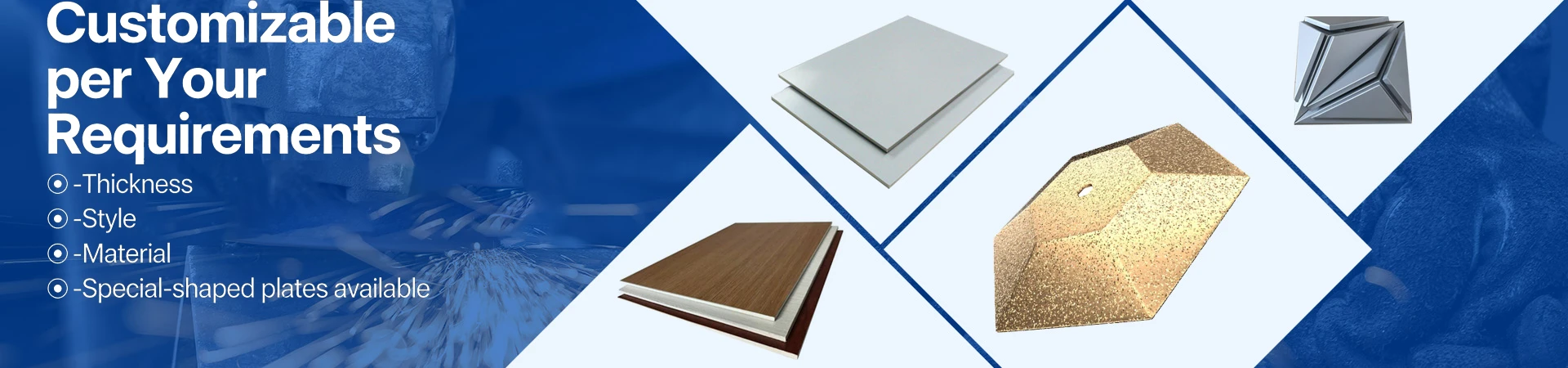
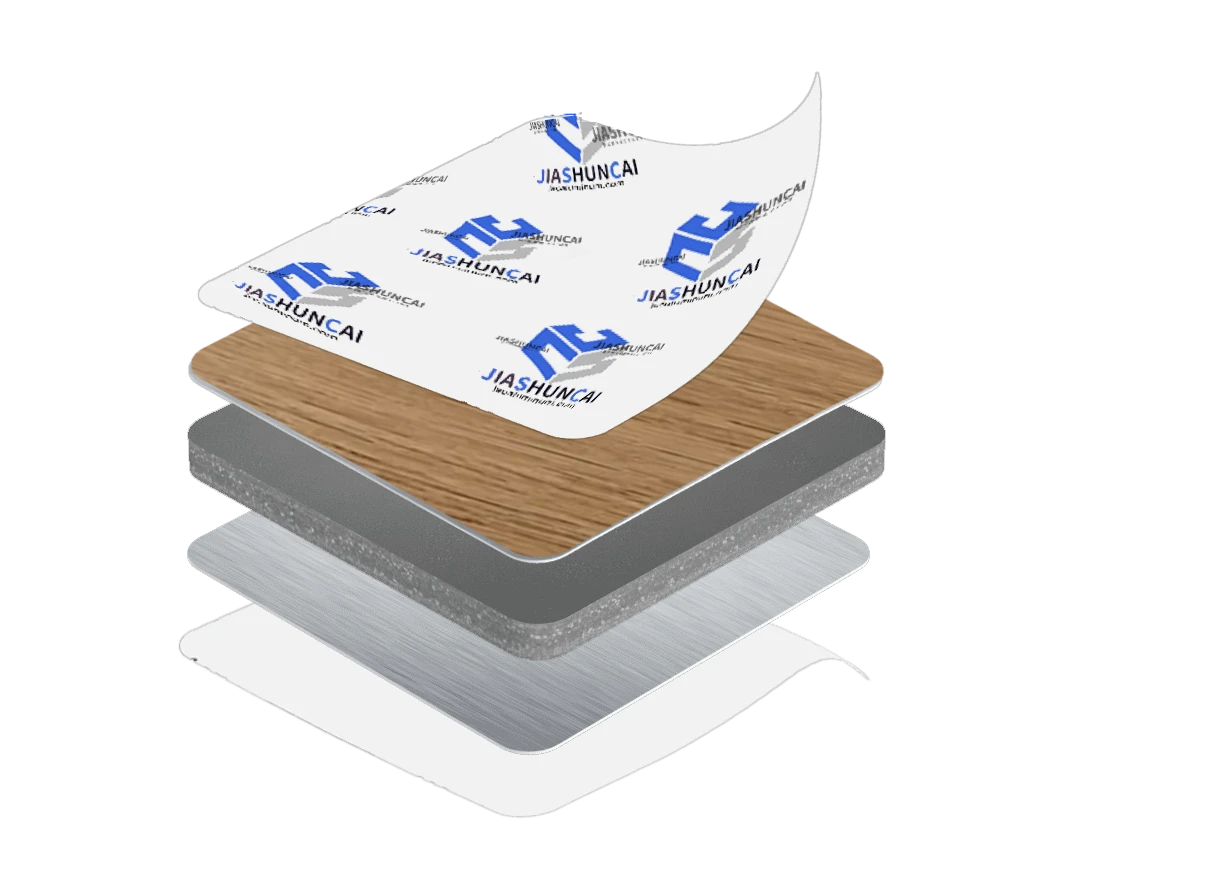
Simply put, aluminum composite wall panels consist of two thin layers of aluminum enclosing a non-aluminum core—usually polyethylene or a fire-resistant mineral core. This sandwich structure gives them remarkable rigidity and flexibility simultaneously. They can be cut, drilled, and bent without losing strength, making installation efficient and adaptable.
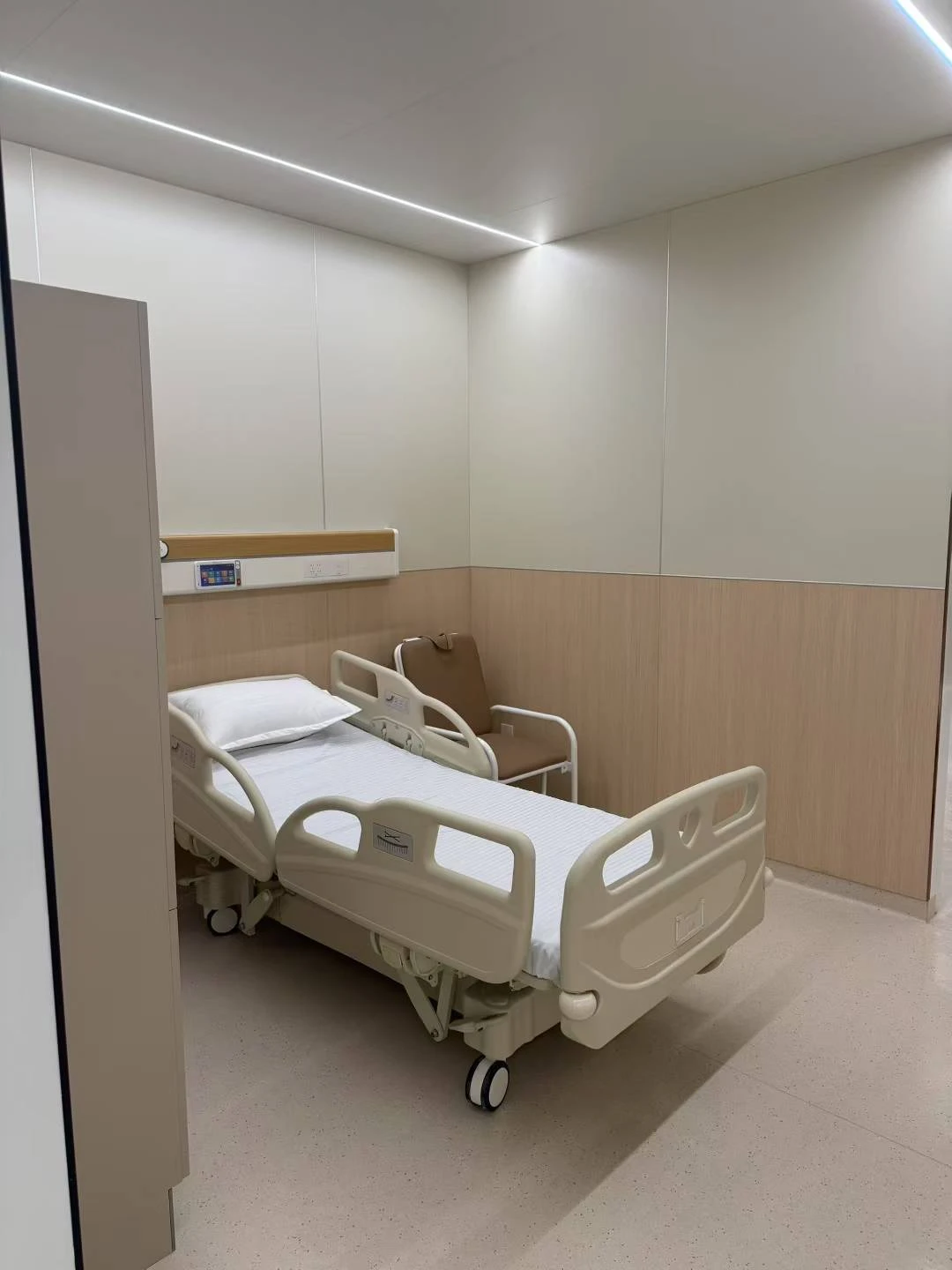
For industries grappling with fast timelines—think hospitals, schools, or temporary housing—this ease of handling is a game-changer.
Oddly enough, these panels are finding use beyond sleek commercial projects. Humanitarian organizations use them for quick shelter in disaster zones because they’re lightweight, weatherproof, and relatively simple to ship.
---
Core Components Explained
- Durability: Resistant to weather, corrosion, and impact thanks to their aluminum skins and specially treated coatings.
- Lightweight Construction: ACWPs weigh significantly less than traditional masonry or stone cladding, reducing the load on structures.
- Fire Resistance: Modern panels often come with fire-retardant cores and meet strict safety standards (always check certifications!).
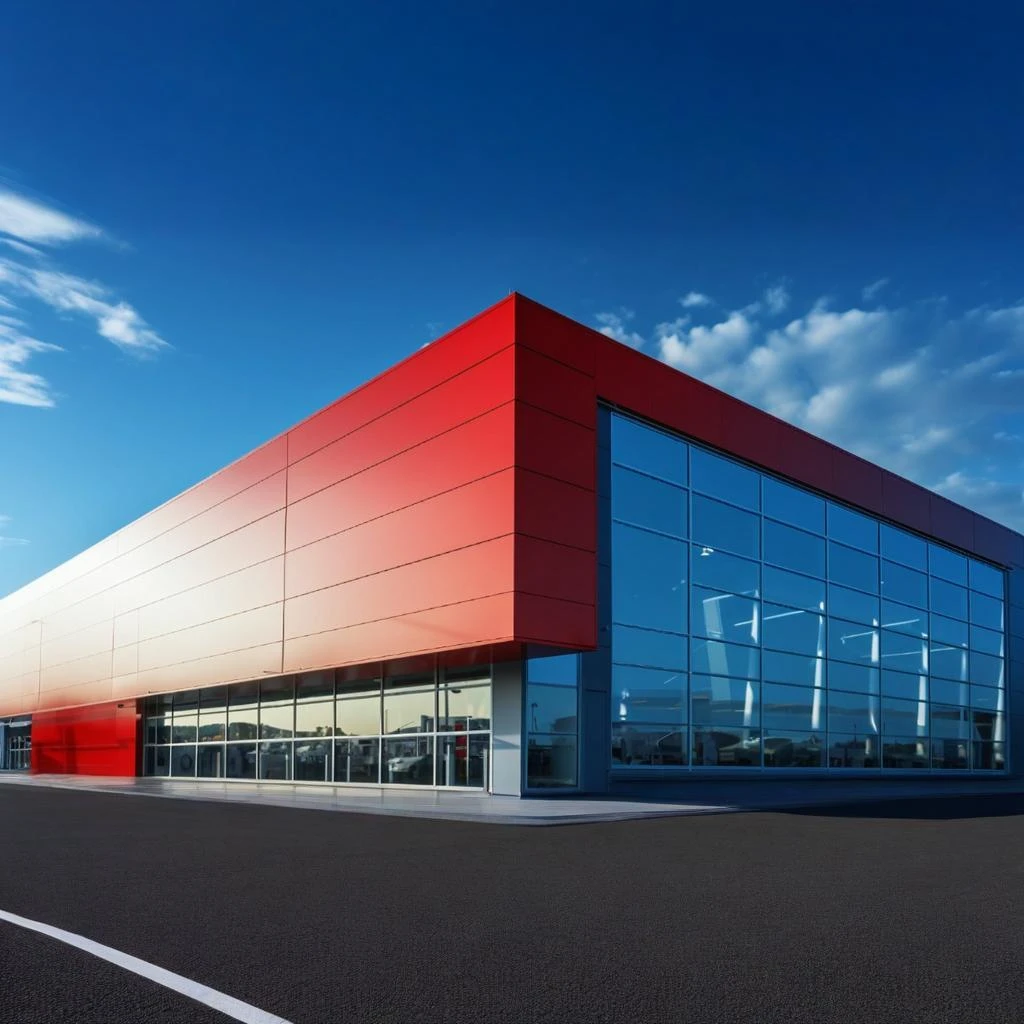
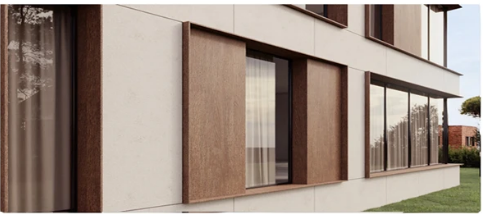
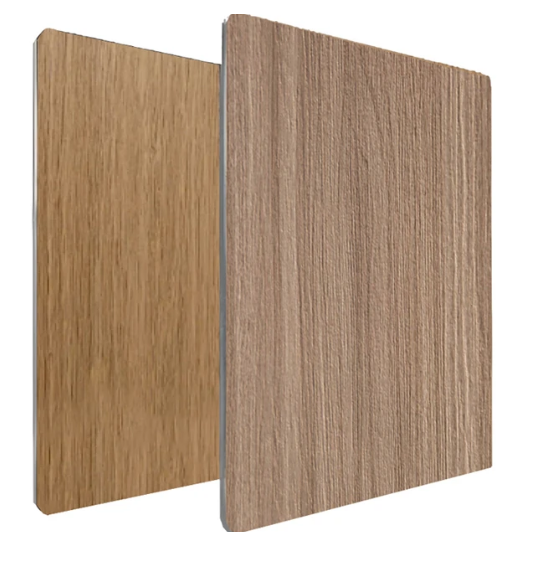
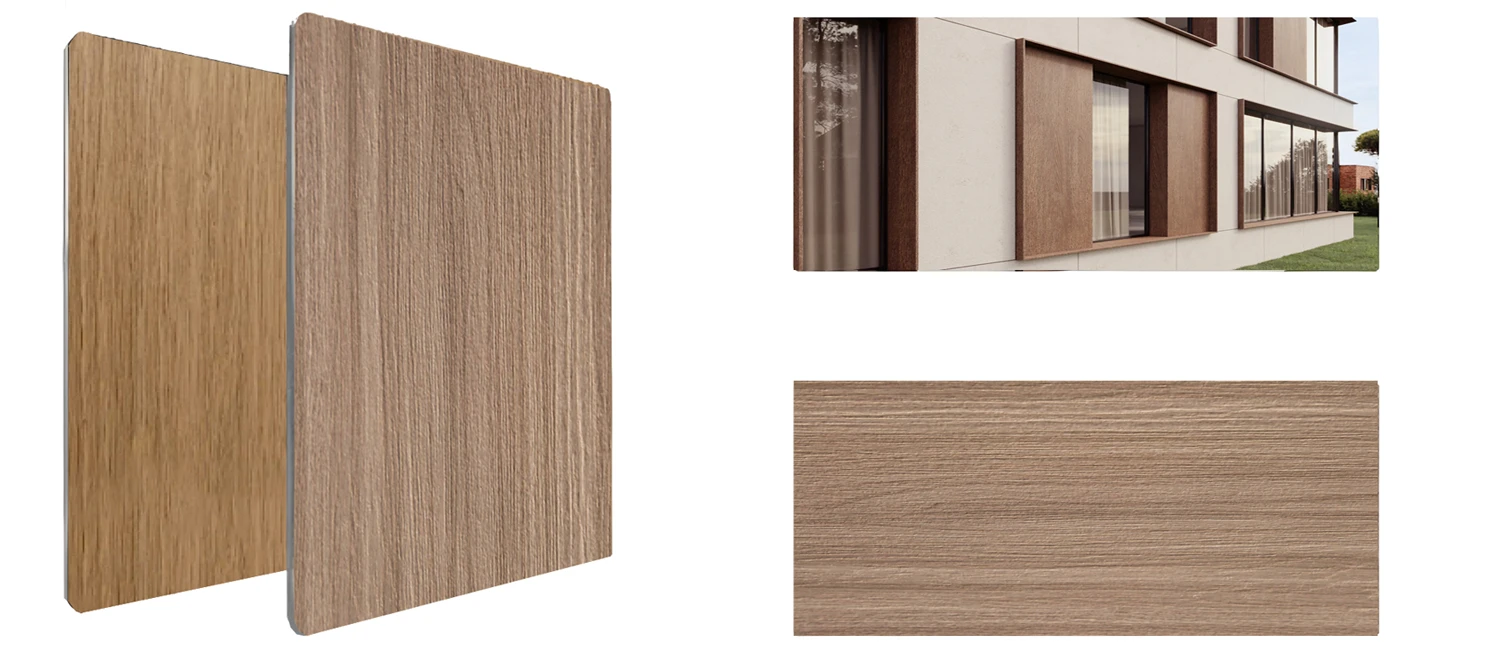
- Aesthetic Versatility: Available in a vast array of colors, finishes, and textures, they fit creative visions easily.
- Cost Efficiency: Faster installation lowers labor costs, and long life cycles reduce maintenance expenses.
- Environmental Impact: Many panels are made from recycled aluminum and can be recycled again.
Mini takeaway: Knowing the components helps in choosing the right panel mix for your project's needs, whether it’s eco-friendliness or performance-driven.
---
Global Applications & Use Cases for ACWPs
Around the world, these panels line everything from airports in Dubai to office towers in New York. But their reach goes beyond glamorous projects.
In Southeast Asia, aluminum composite wall panels help rapidly construct energy-efficient residential blocks, cutting costs for governments aiming to house fast-growing urban populations. In Australia's mining sector, these panels clad mobile camps, standing up to harsh weather while allowing quick modular deployment.
Humanitarian groups trust ACWPs for field hospitals and emergency housing. After the 2015 Nepal earthquake, modular shelters made partly with ACWPs were shipped worldwide to speed relief efforts.
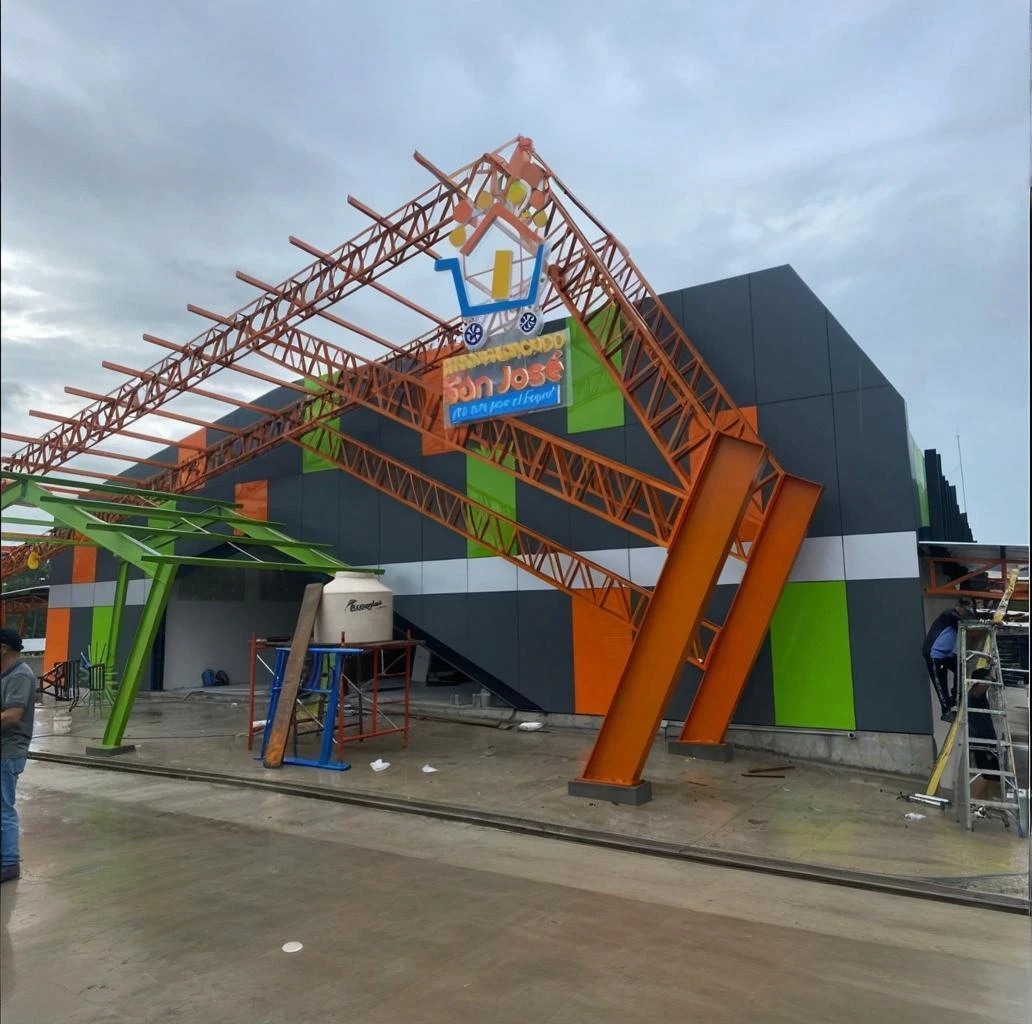
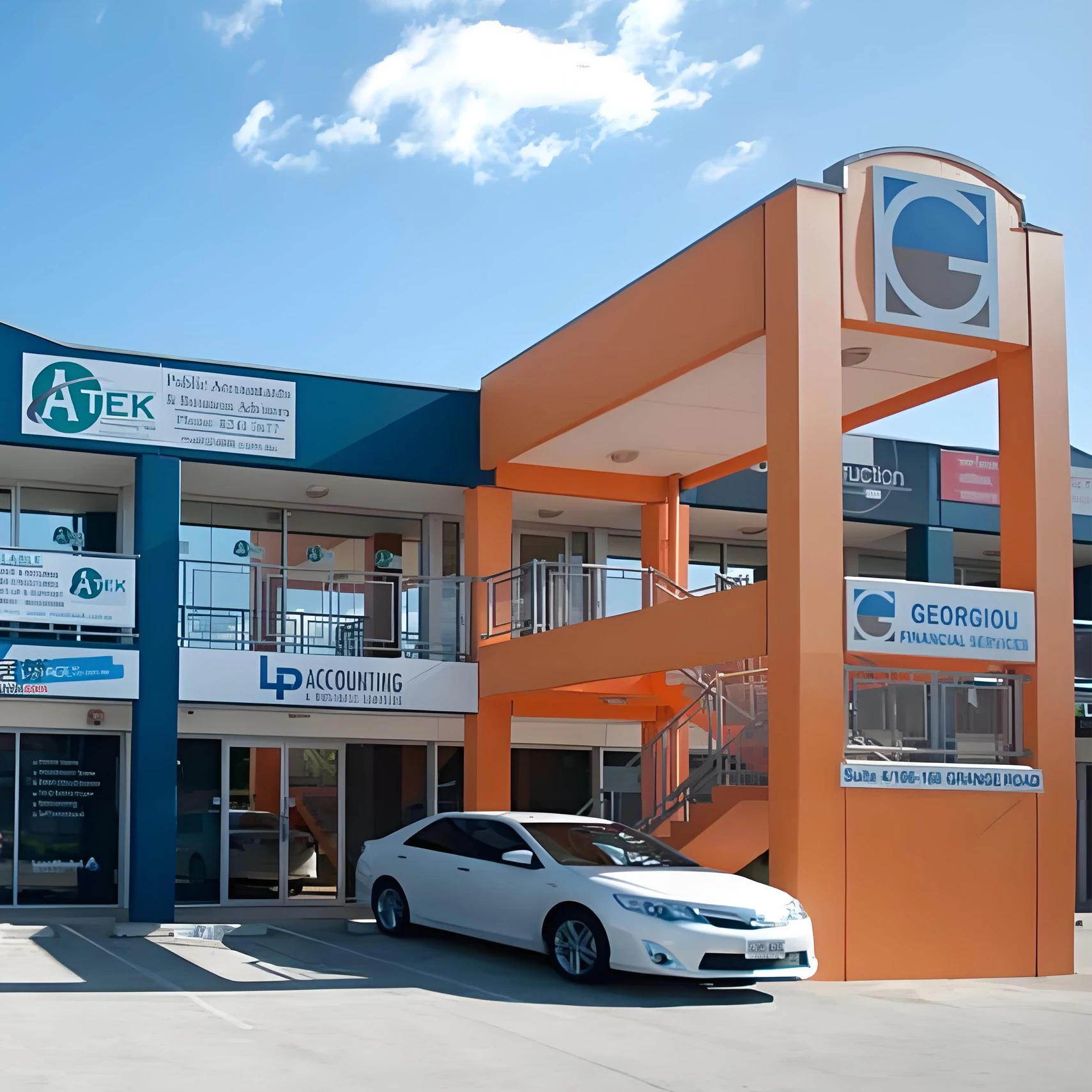
Industries like retail also use them for signage and storefront façades — blending functionality and design.
---
Product Specification Table: Typical Aluminum Composite Wall Panel
| Feature |
Description |
| Panel Thickness |
4 mm, 6 mm, 8 mm |
| Core Material |
Fire-retardant mineral or polyethylene |
| Aluminum Skin Thickness |
0.20 mm – 0.50 mm |
| Fire Rating |
Class A (ASTM E84) |
| Weight |
~3.5 - 5 kg/m² |
| Color Finishes |
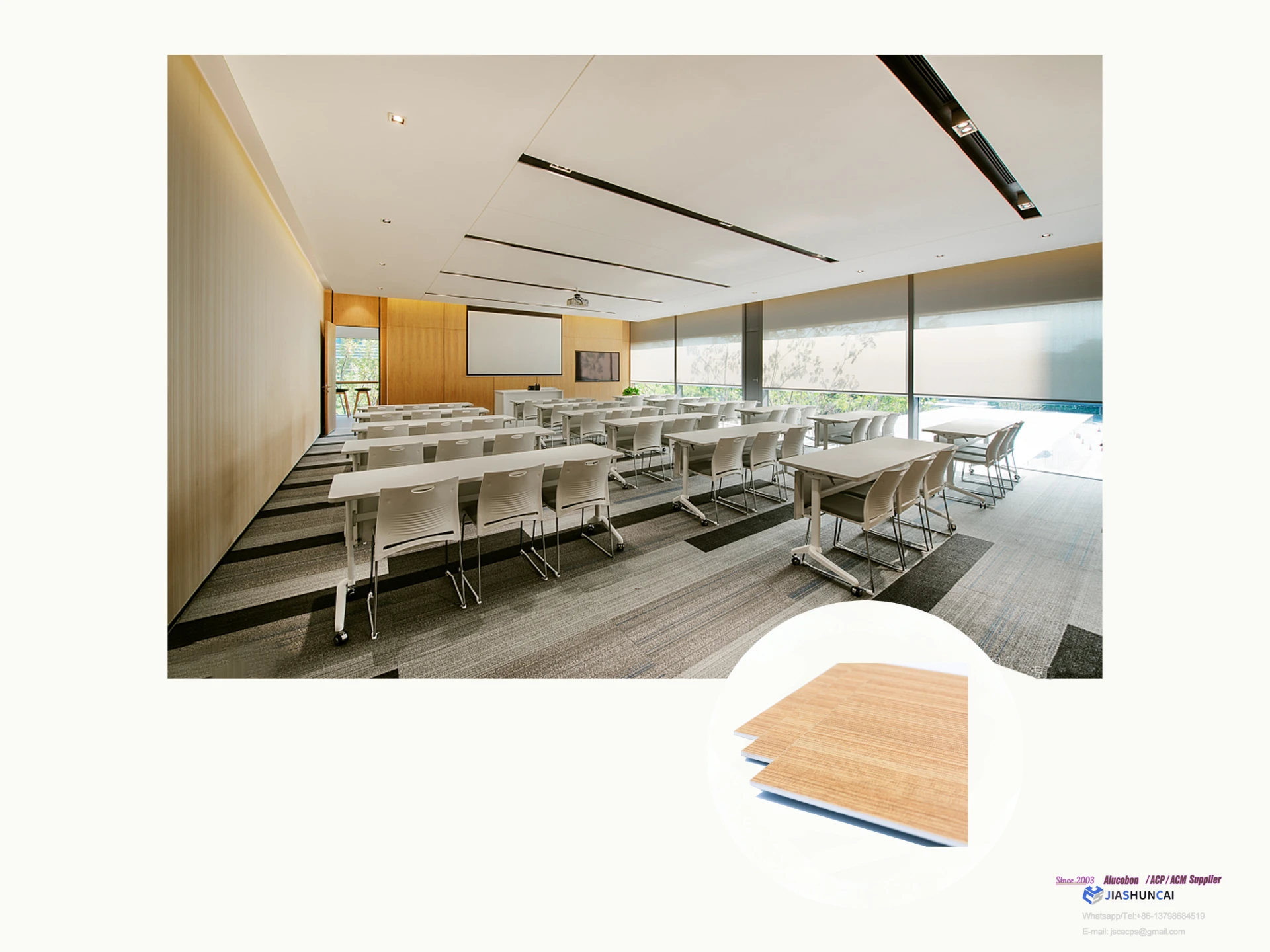
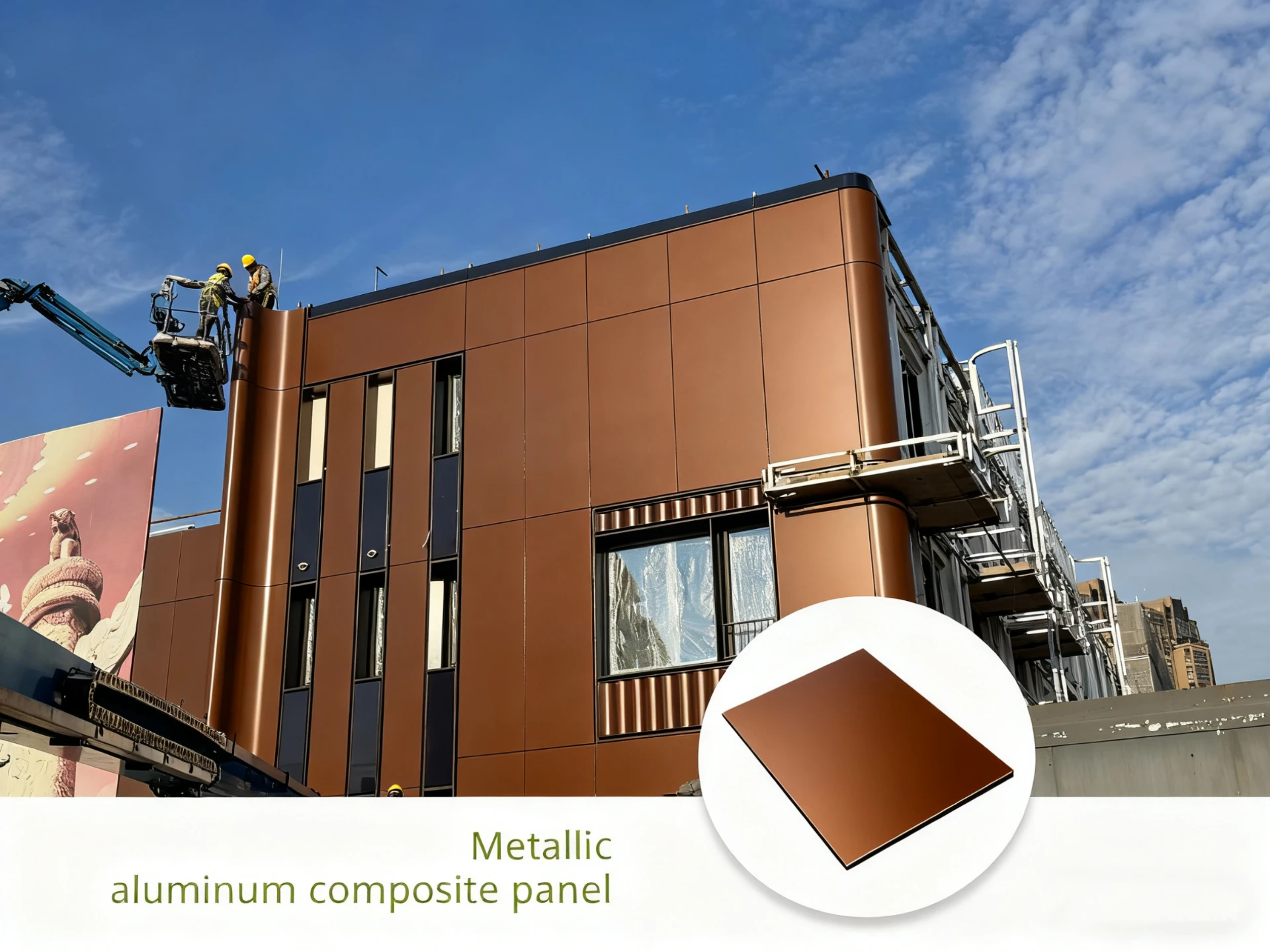
Matte, gloss, metallic, wood grain |
---
Advantages & Long-Term Value of Aluminum Composite Wall Panels
Beyond the obvious weight reduction and ease of installation, these panels speak to emotions and logic alike. Safety is paramount—these panels can resist wildfire sparks better than many alternatives, helping communities sleep easier at night.
Also, the dignity factor: quick assembly means people displaced by disasters or economic shifts can get stable, pleasant housing fast. Architects and engineers often note how these panels evoke trust — because they look professional and modern, contributing to a sense of pride and trust in a building’s quality.
From a logical standpoint, they improve insulation. Reduced energy usage lowers bills and carbon footprints. Sustainability-minded investors recognize that.
---
What’s Next? Future Trends & Innovations
The smart building revolution is upon us, and ACWPs are not being left behind. Innovations include:
- Green Energy Integration: Panels with embedded photovoltaic cells to generate solar power.
- Advanced Coatings: Self-cleaning, anti-bacterial, or heat-reflective coatings improve performance and durability.
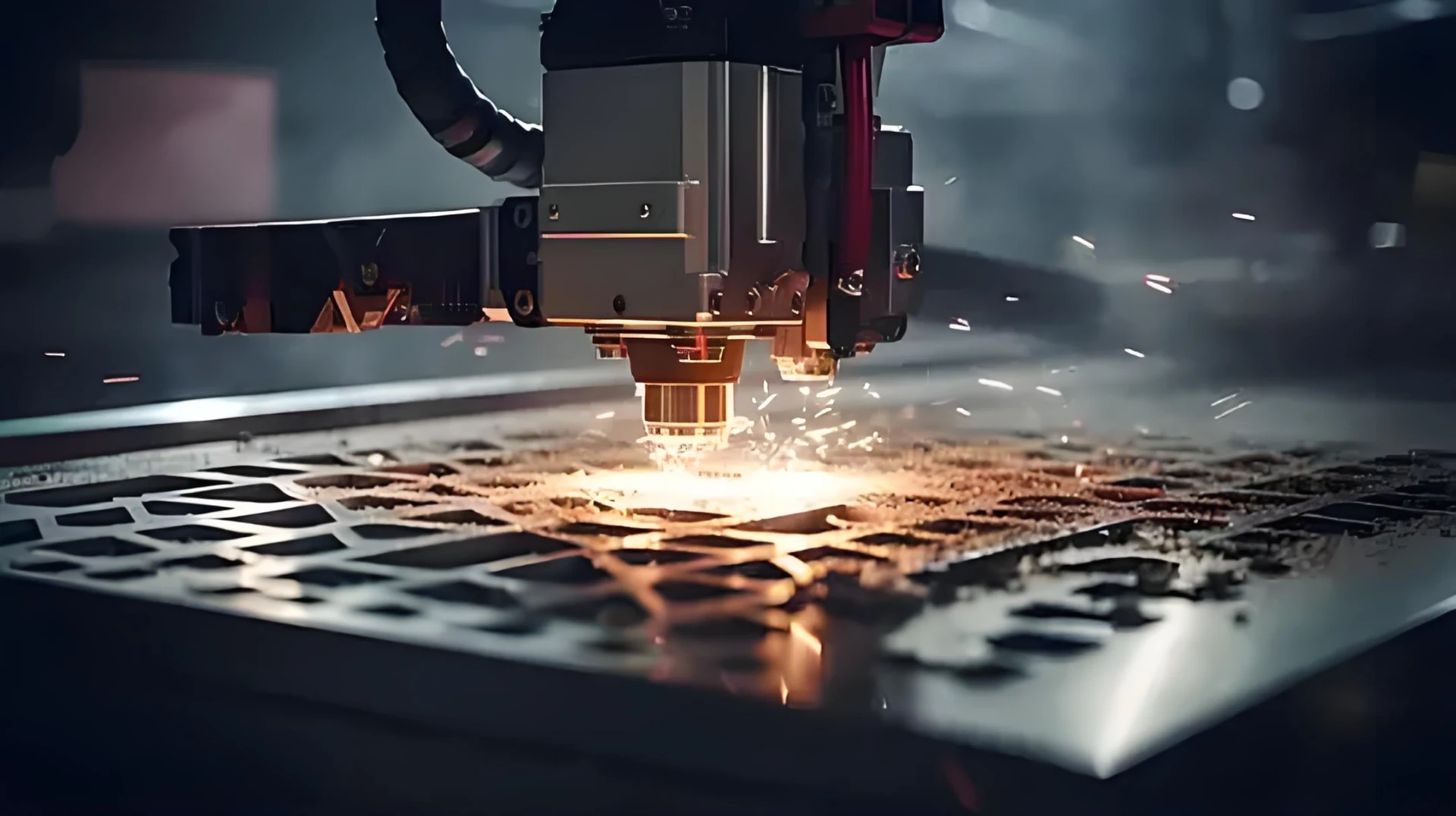
- Digital Fabrication: CNC cutting and robotic assembly streamline customization.
- Recycling Advances: New processes enable 100% reuse of panel materials, aligning with circular economy goals.
Some manufacturers are experimenting with bio-based cores and paints. The future is decidedly eco-conscious but also heavily driven by automation and IoT (Internet of Things)-enabled façades.
---
Challenges Faced and How to Overcome Them
Despite their many perks, aluminum composite wall panels come with caveats. Fire safety concerns, especially around the polyethylene core, have led to stricter regulations. Not all products are created equal—some cheaper panels fail in testing, resulting in costly recalls or worse.
Supply chain interruptions—like those caused by pandemics or trade disputes—sometimes stall projects relying heavily on ACWPs from specific regions.
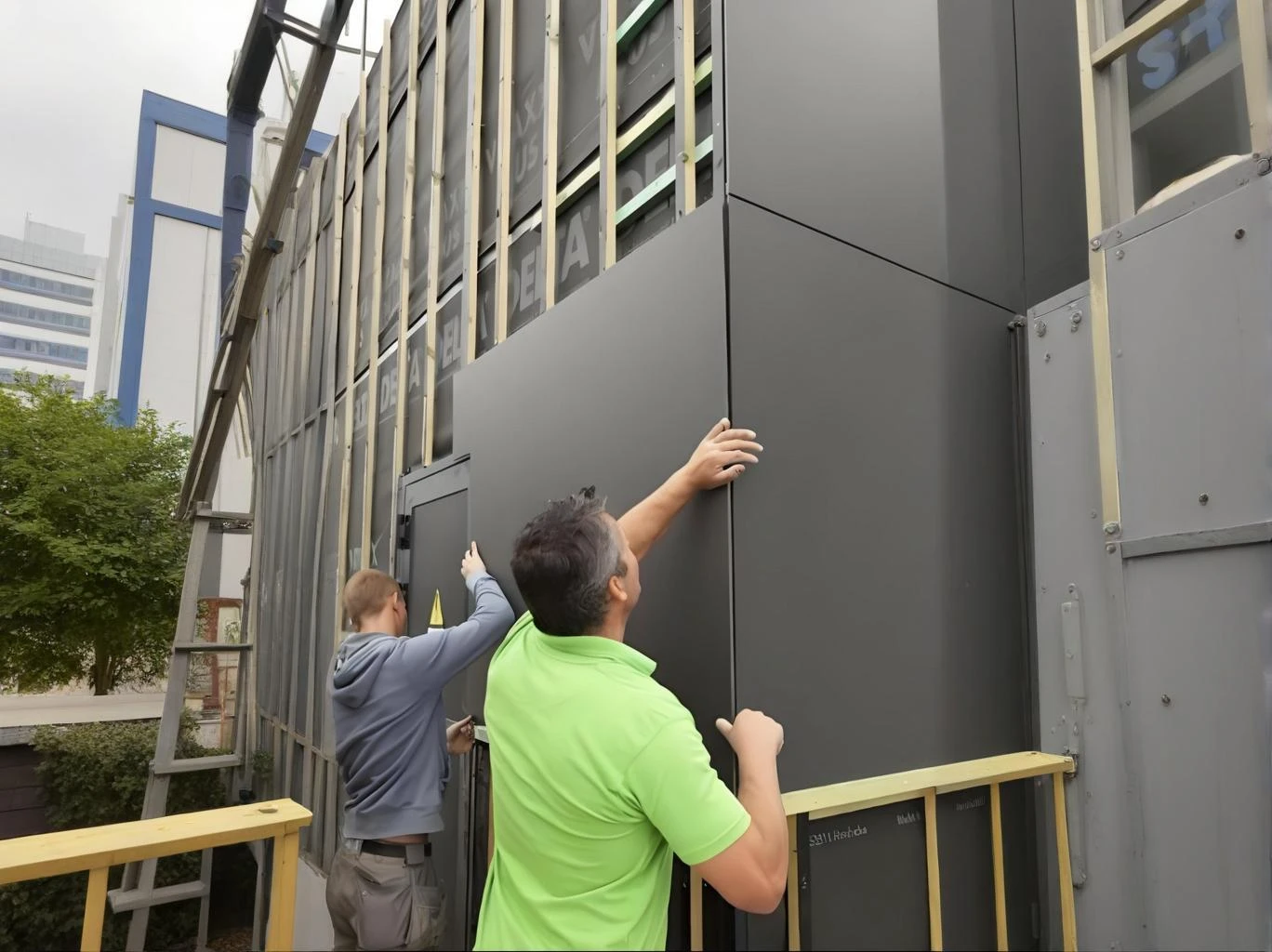
Installation errors remain a common problem. Poor handling or incorrect fastening can reduce longevity and cause leaks.
Solutions? Choose vendors with robust certifications, specify fire-retardant cores for sensitive projects, and invest in installer training. Collaboration between manufacturers and contractors is key.
---
FAQ: Common Questions About Aluminum Composite Wall Panels
- Q1: Are aluminum composite wall panels suitable for extreme weather?
- A: Yes, many ACWPs are designed to withstand high winds, heavy rains, and UV exposure. However, selecting a panel with appropriate coatings and fire ratings for your region is crucial.
- Q2: How long do these panels typically last?
- A: With proper installation and maintenance, aluminum composite wall panels can last 20 to 30 years or more, making them a durable choice in building design.
- Q3: Can ACWPs improve building insulation?
- A: While ACWPs provide some thermal resistance, they are often combined with additional insulation materials to meet stringent energy codes.
- Q4: Are these panels eco-friendly and recyclable?
- A: Yes, aluminum is highly recyclable, and many panels use recycled content. Innovations aim for zero waste in production and end-of-life recycling.
- Q5: How do I ensure quality when importing ACWPs internationally?
- A: Verify vendor certifications, request product samples, and partner with suppliers experienced in cross-border logistics to avoid compliance and shipping headaches.
---
Vendor Comparison: Leading Aluminum Composite Wall Panel Suppliers
| Supplier |
Core Material Options |
Fire Certification |
Customization Level |
Lead Time |
| AluTech Materials |
PE & Mineral Core |
ASTM E84 Class A |
Full custom colors & finishes |
4-6 weeks |
| Global Panels Inc. |
Eco-friendly mineral core only |
EN 13501-1 B-s1, d0 |
Limited patterns, mostly standard colors |
3-5 weeks |
| JSC Aluminum Supply |
PE, Fire-retardant, and composite cores |
ASTM & ISO Certified |
Highly customizable, including printing |
2-4 weeks |
---
Wrapping Up: Why Aluminum Composite Wall Panels Are the Future of Cladding
In real terms, aluminum composite wall panels combine form and function in ways few materials can. They address pressing global challenges: urban expansion, disaster resilience, and environmental responsibility. Their long-term value lies not only in raw performance but also in their capacity to foster safer, more beautiful, and more sustainable built environments.
If you’re scouting materials for your next project or looking to innovate current structures, starting with a trusted supplier like aluminum composite wall panels experts is wise. They’ll guide you through certification hurdles, customization options, and timely delivery.
Thanks for sticking around — good building choices don’t just happen, they are made with insight.
---
References & Further Reading
- United Nations Urbanization Prospects, 2018
- World Bank: Urban Development
- Wikipedia - Aluminium composite panel