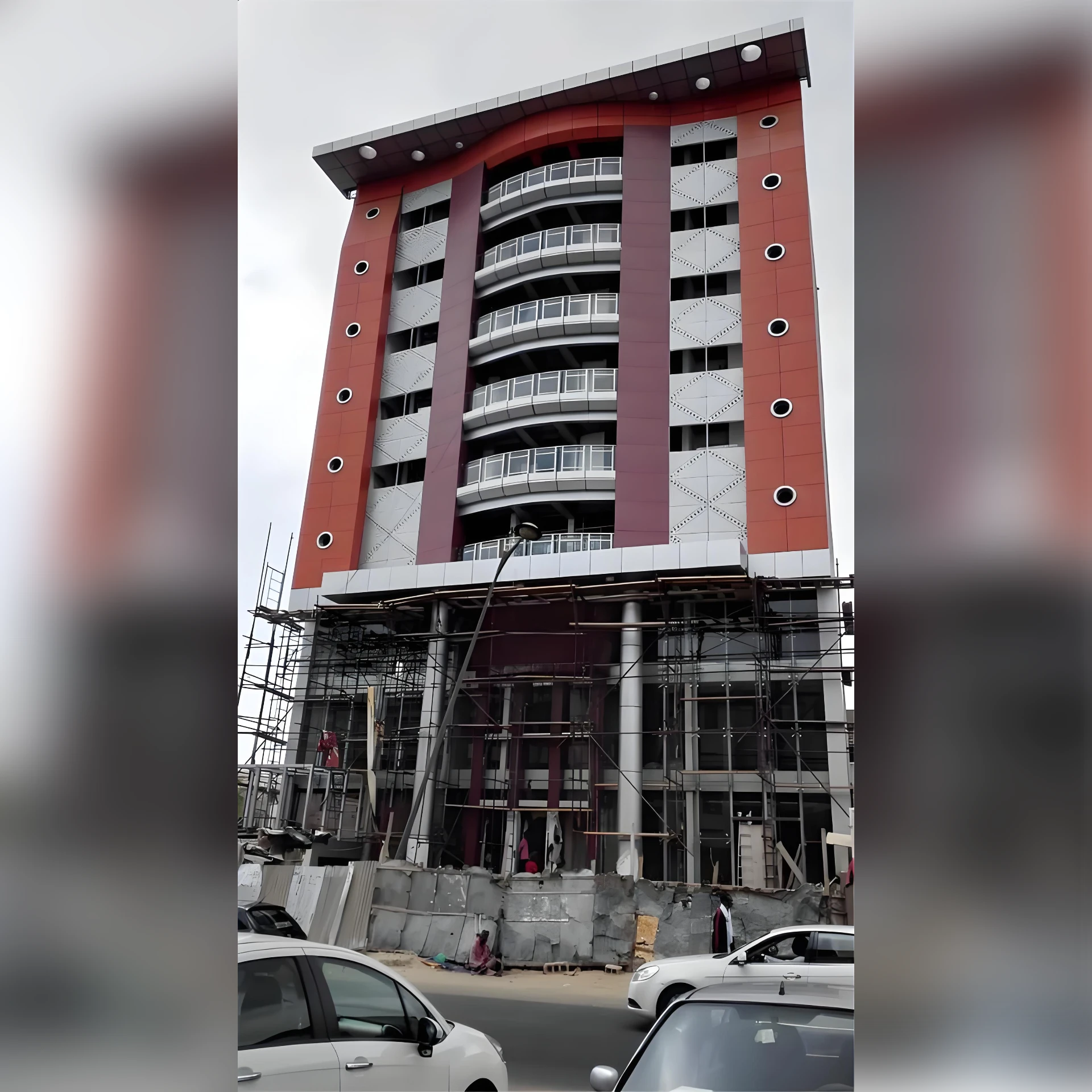
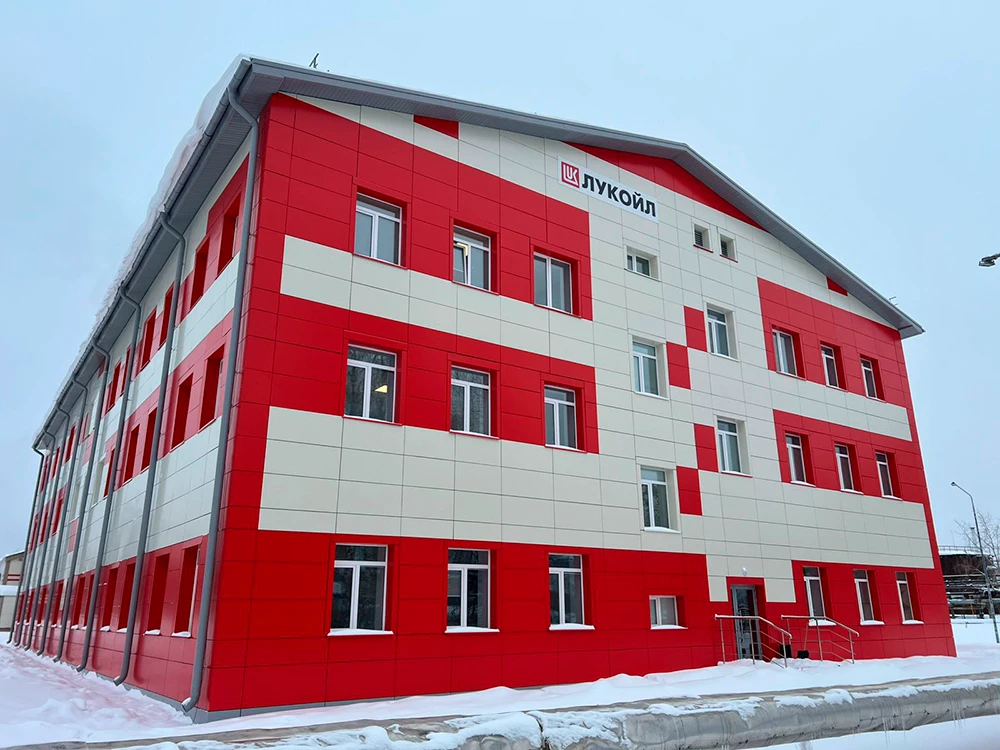
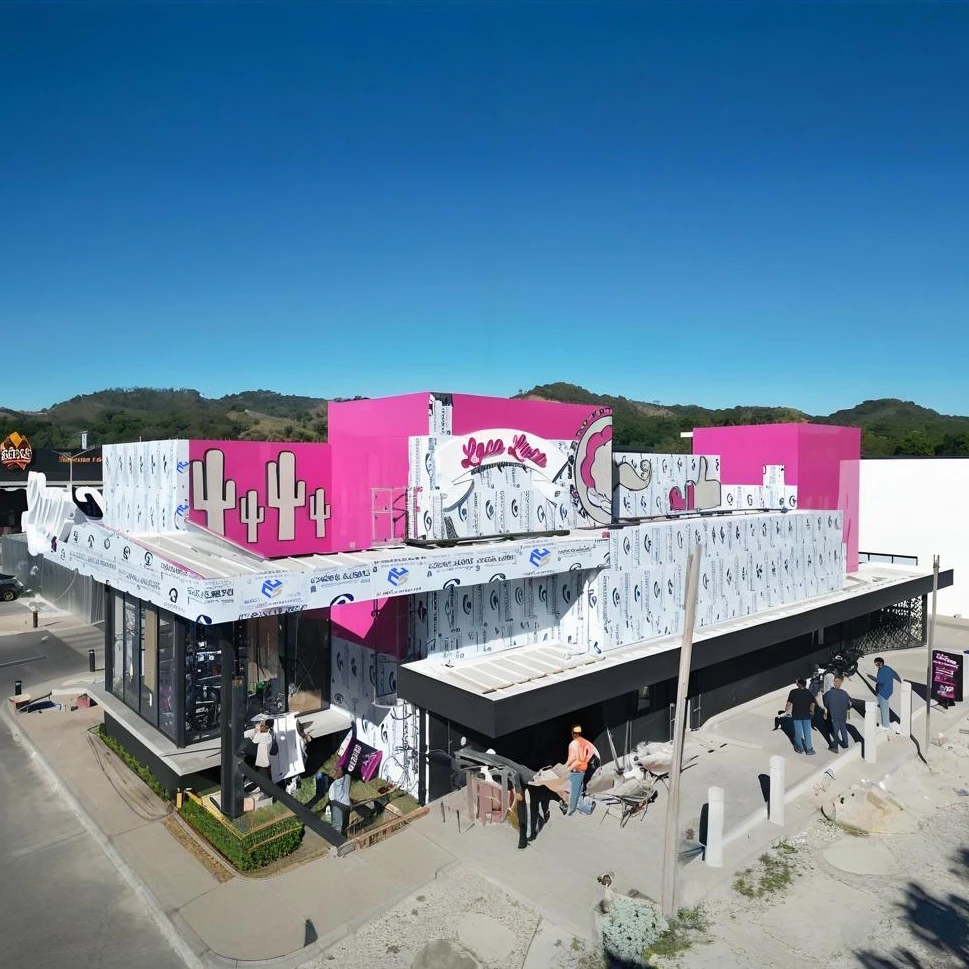
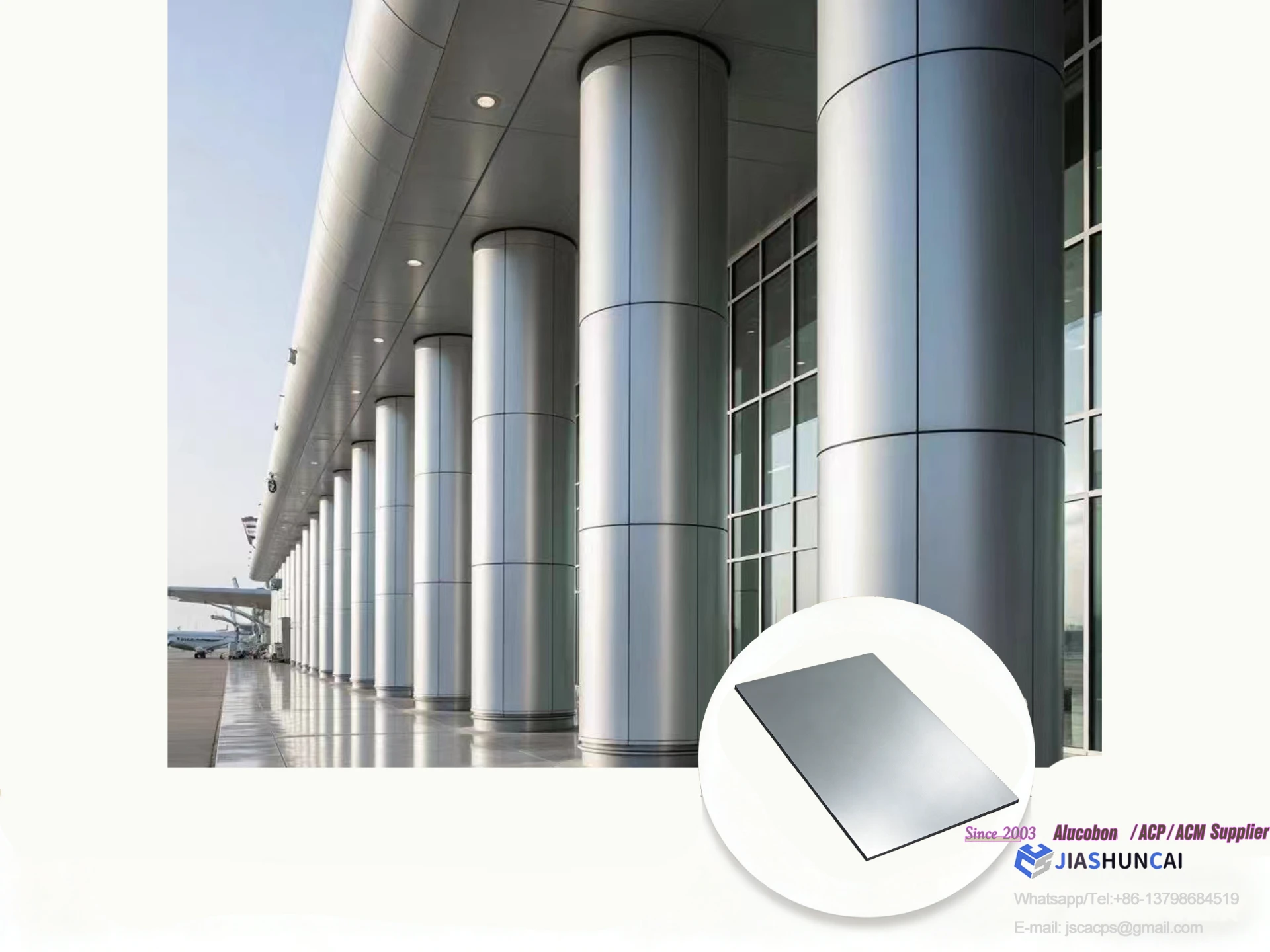
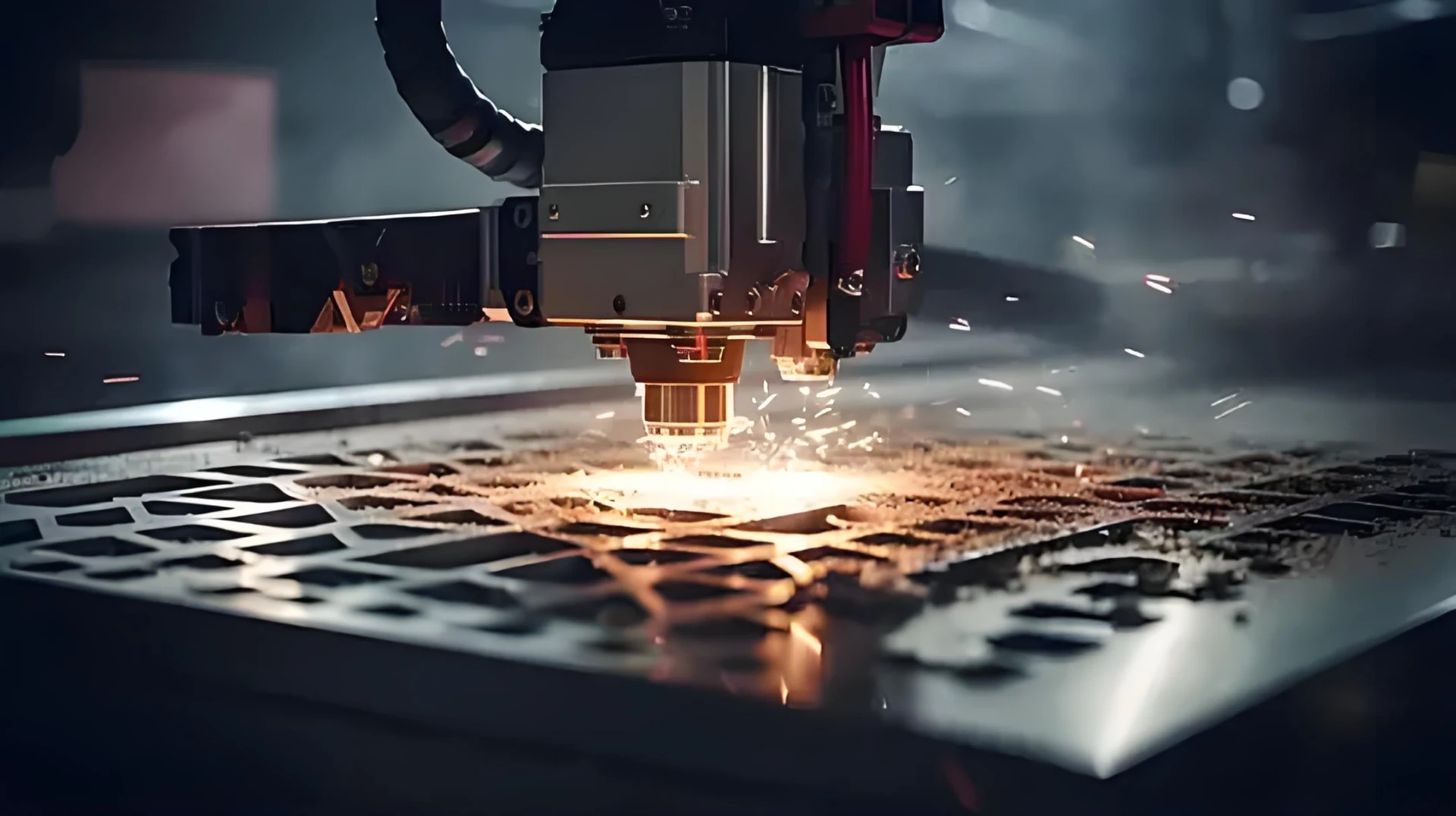
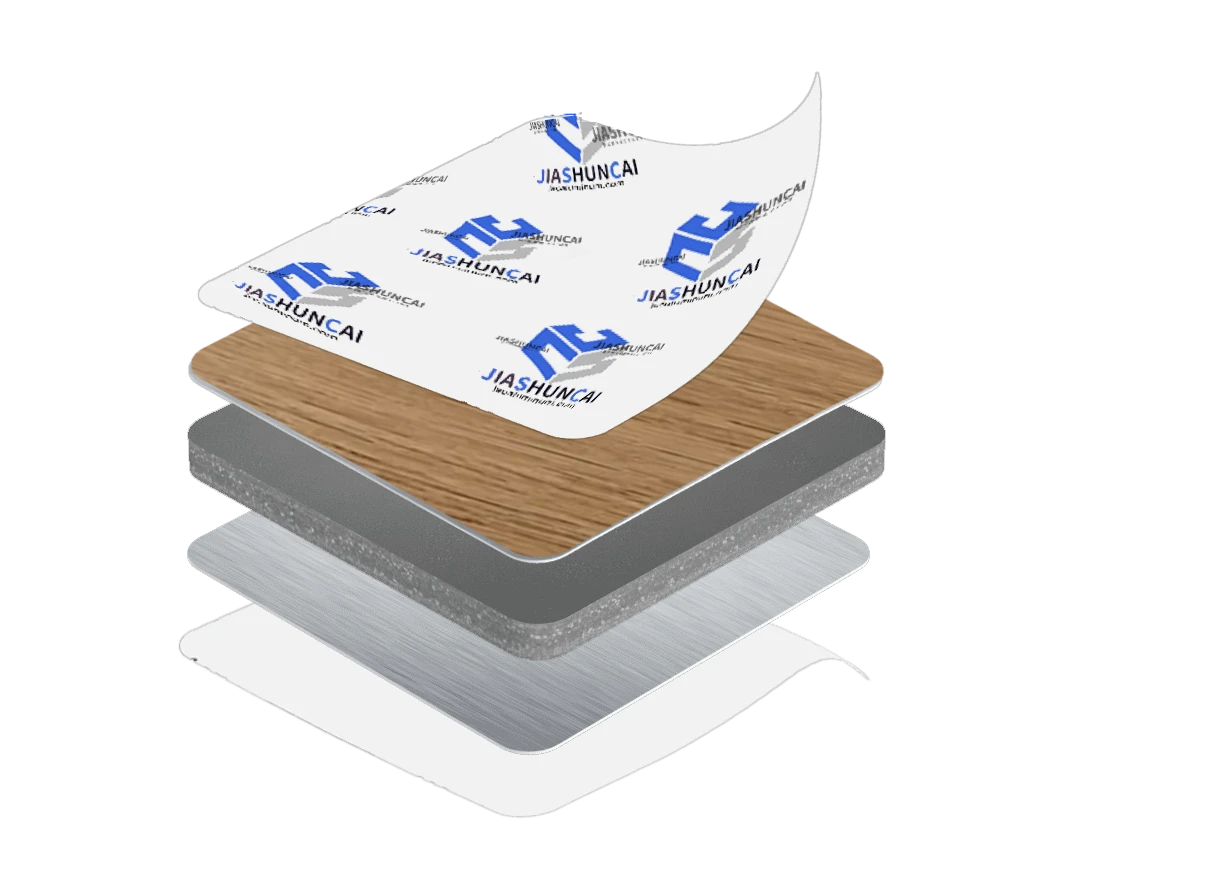
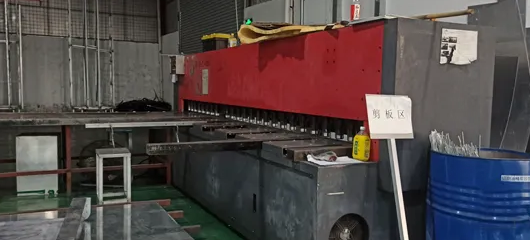
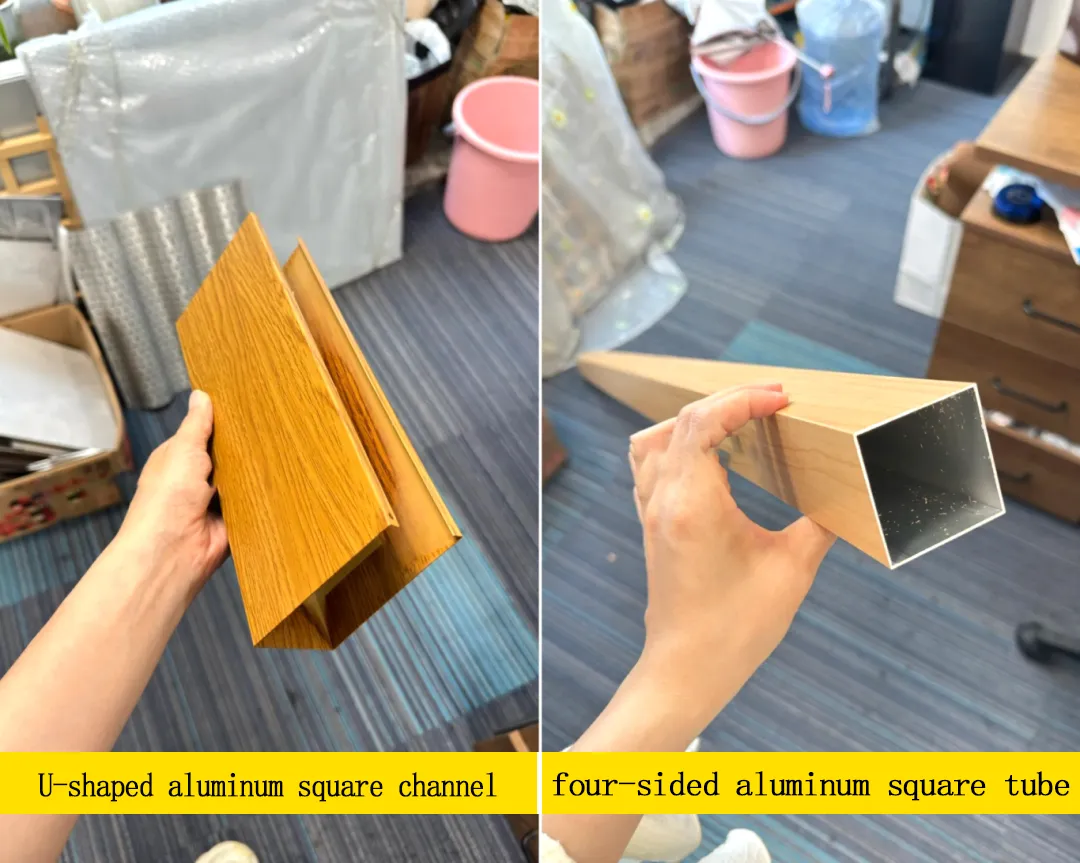
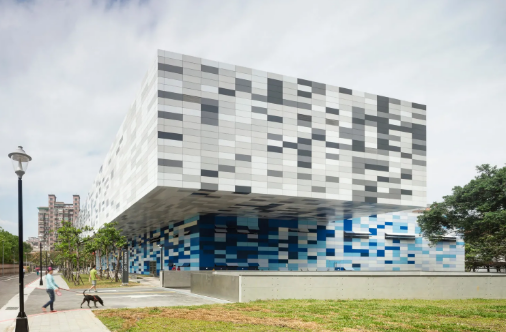
For over two decades, Jiashuncai has pioneered advancements in architectural metal solutions, driving innovations in aluminum composite material technology that redefine efficiency in modern transport logistics. With 23 years of specialized engineering, our fully automated production lines and precision manufacturing processes have optimized aluminum composite panel systems for global supply chains. These panels—typically comprising two anodized aluminum sheets bonded to a polyethylene core—deliver unprecedented weight reductions without compromising structural integrity. As industries prioritize fuel efficiency and carbon footprint reduction, the mass-production capabilities of facilities like Jiashuncai’s enable scalable deployment of aluminium composite board solutions. The inherent lightness of these materials transforms cargo economics: a standard 4mm panel weighs just 5.5–7.5 kg/m², slashing vehicle payloads by up to 60% compared to solid metal alternatives.
Structural Efficiency of Aluminum Composite Material Systems
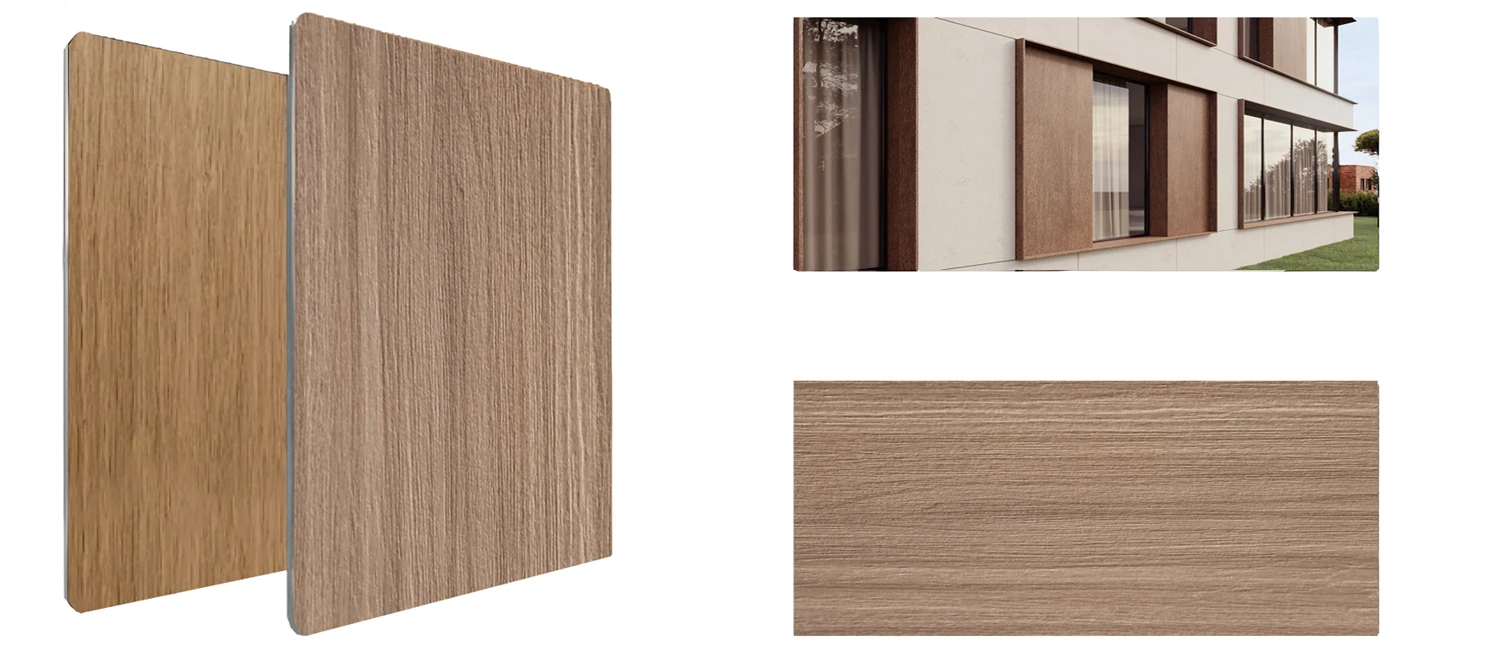
Aluminum composite material leverages sandwich-panel physics to achieve optimal strength-to-weight ratios. Jiashuncai’s engineering team enhances this through precision anodization—a process ensuring uniform 3μm–10μm oxide layers that amplify hardness while maintaining flexibility. This allows panels to withstand high-speed stamping and bending without surface treatments, accelerating production cycles. The core’s thermoplastic honeycomb structure dissipates impact energy, enabling thinner profiles (0.2–0.5mm aluminum skins) that reduce raw material consumption by 45%. Such innovations make aluminum composite panel ideal for trailer linings, shipping containers, and aircraft interiors, where every kilogram saved translates to lower fuel burn and increased payload capacity.
Weight Optimization in Aluminum Composite Panel Logistics
Transport cost correlates directly with mass. Jiashuncai’s aluminum composite panel weighs 70% less than steel equivalents and 30% less than monolithic aluminum, revolutionizing freight economics. A single truckload can carry 1,200 m² of 4mm panels versus just 400 m² of 6mm steel sheets. This weight efficiency stems from advanced core formulations—non-toxic mineral-filled polyethylene that maintains rigidity at densities as low as 1.6 g/cm³. Additionally, the panels’ modularity minimizes wasted space: interlocking seams allow tessellated loading, increasing cargo volume utilization by 20%. For electric vehicles and aerospace applications, this mass reduction extends battery range and decreases thrust requirements, aligning with global decarbonization mandates.
Weather Resistance in Aluminium Composite Board Applications
Exposure to extreme conditions during transit demands uncompromising durability. Jiashuncai’s aluminium composite board integrates thickened anodized layers (10μm) that resist UV degradation, salt corrosion, and -40°C to 80°C thermal cycling. The non-porous surface—free of paints or coatings—prevents moisture ingress, eliminating oxidative weight gain common in untreated metals. This hydrophobic property also enables self-cleaning during rainfall, maintaining reflectivity for temperature control. In humidity-prone shipping routes, these panels inhibit mold growth and metal fatigue, ensuring consistent mass properties over 15-year lifespans. The gemstone-hard anodized surface (6–9 Mohs) further safeguards against abrasion from cargo friction, preserving structural margins.
Fire Safety and Handling Benefits of Aluminum Composite Material
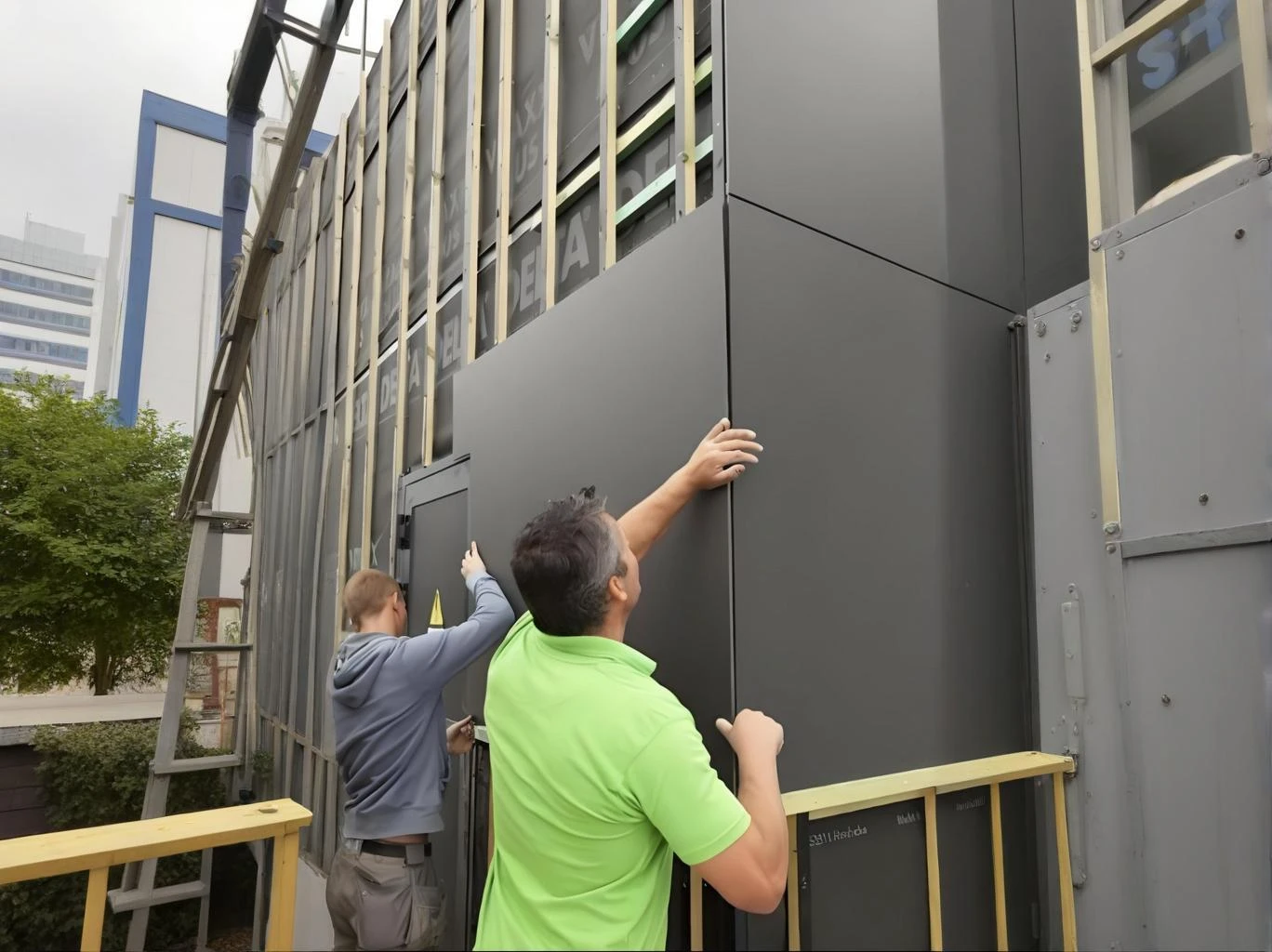
Transport safety regulations prioritize non-combustible materials. Jiashuncai’s aluminum composite material achieves Class A fire ratings (EN 13501-1) since its anodized aluminum skins melt at 660°C while the mineral core self-extinguishes at 600°C without toxic emissions. This eliminates fireball risks in confined cargo holds. Handling safety is equally critical: the panels’ featherlight nature reduces worker injuries during loading—a 3m x 1.2m sheet can be maneuvered by one person. Stain-resistant surfaces require no chemical cleansers, avoiding hazardous cargo declarations. Enhanced processability allows on-site modifications; panels are field-cut without specialized tools, accelerating damage repairs during transit stops.
FAQs About Aluminum Composite Material
What weight savings can aluminum composite material deliver versus solid aluminum?
Jiashuncai’s standard 4mm panels reduce mass by 30–40% per m² compared to 3mm solid aluminum, maintaining equivalent tensile strength (90–150 MPa).
How does aluminum composite panel enhance fuel efficiency in transport?
A 10-ton payload reduction decreases diesel consumption by 8–12% in heavy trucks, saving 1.2 liters/km. Electric vehicles gain 15–20km range per 100kg saved.
Can aluminium composite board withstand marine transport corrosion?
Yes. Our 10μm anodized layers and sealed edges resist salt spray (ASTM B117) for 5,000+ hours, preventing oxidative weight gain or delamination.
Does the lightness of aluminum composite panel compromise impact resistance?
No. The energy-absorbing core withstands 50 kJ/m² impact (ISO 6603-2), making it suitable for high-vibration environments like rail freight.
Are aluminium composite board recyclable after transport service life?
Absolutely. Jiashuncai’s panels separate into pure aluminum (recyclable indefinitely) and thermoplastic cores (repurposed for non-structural components), supporting circular economies.
Jiashuncai’s 23-year legacy in aluminum composite material innovation has positioned these panels as transformative assets in transport logistics. By merging featherlight mass with anodized durability, aluminum composite panel systems slash fuel costs, increase payloads, and withstand corrosive transit environments. The scalable production of aluminium composite board—certified for fire safety and recyclability—further cements their role in sustainable supply chains. As automation advances, Jiashuncai continues refining these weight-optimized solutions, proving that mass reduction is not merely an engineering metric but a catalyst for ecological and economic progress.