Understanding Aluminium Panels for Facade: Innovation in Building Exteriors
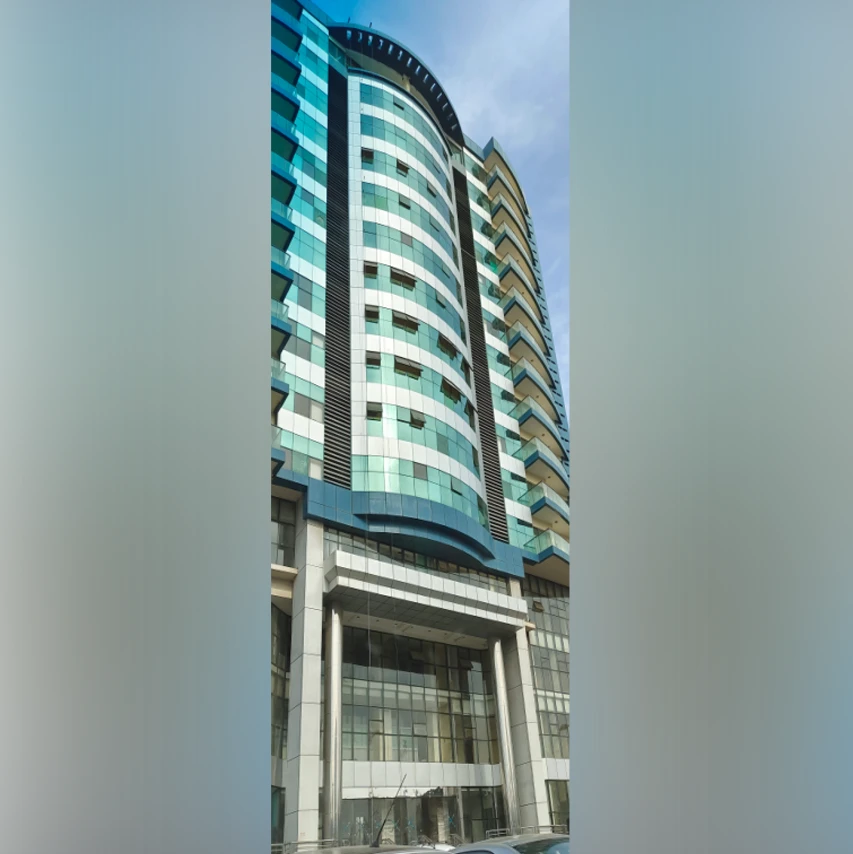
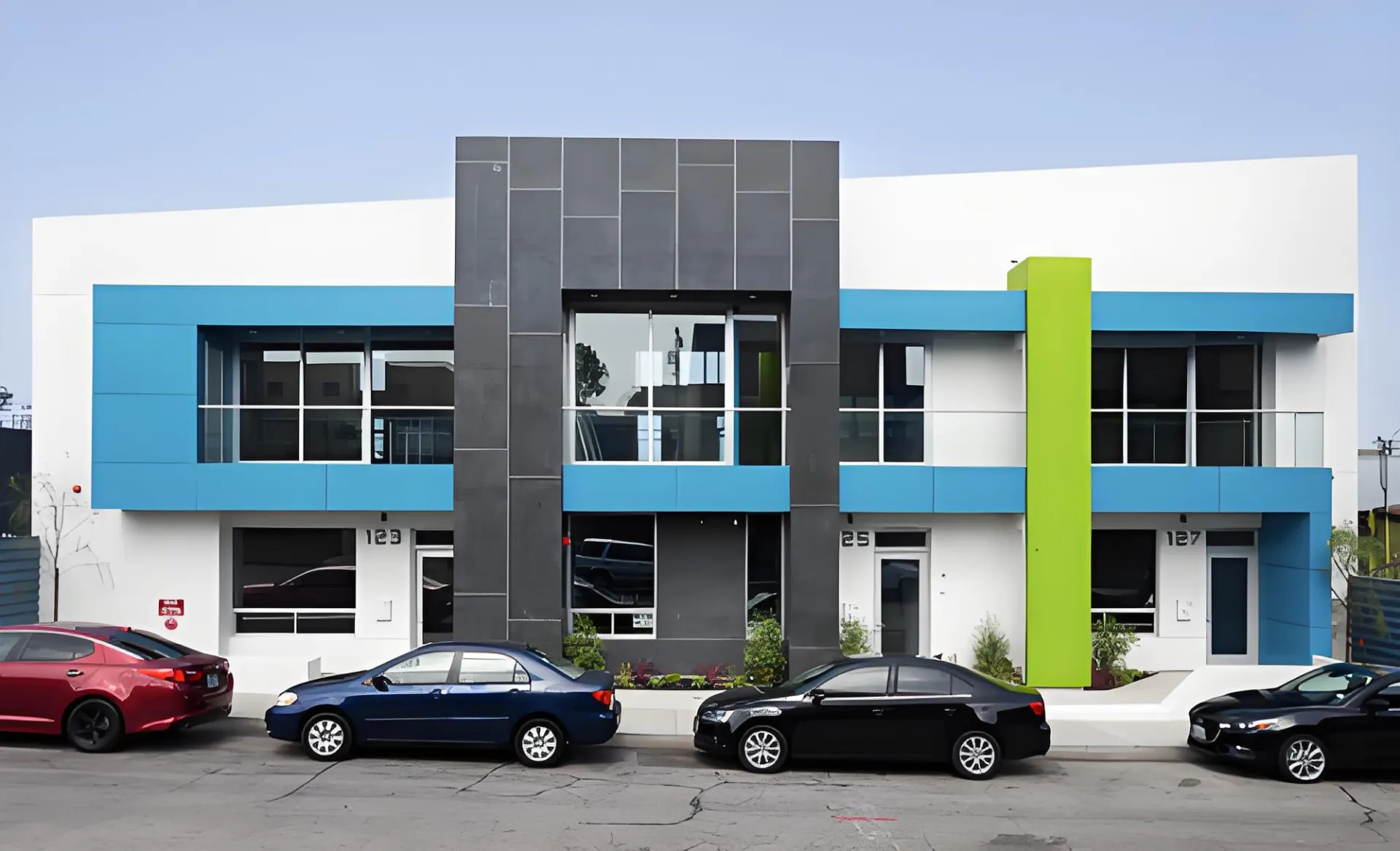
Aluminium panels for facade have become a defining element of modern architecture and industrial design worldwide. Why does this matter beyond the construction sector? Because these panels blend durability, sustainability, and aesthetic flexibility, solving many long-standing building challenges on a global scale—and that’s no small feat in an era pushing for greener, safer urban development. Getting a clear picture of what these panels are and how they work unlocks a deeper appreciation of how they enhance our built environments, from skyscrapers to public facilities.
Introduction: The Global Context of Aluminium Panels for Facade
Across continents, aluminium cladding has steadily gained traction. One telling stat from the International Aluminium Institute notes that the global demand for aluminium extrusions used in building envelopes is rising by over 5% annually, largely driven by urbanization and strict thermal standards (1). This reflects a world increasingly focused on energy efficiency and architectural longevity. Yet, challenges remain—such as balancing cost with design ambition or addressing climate-specific needs worldwide.
What Exactly Are Aluminium Panels for Facade?
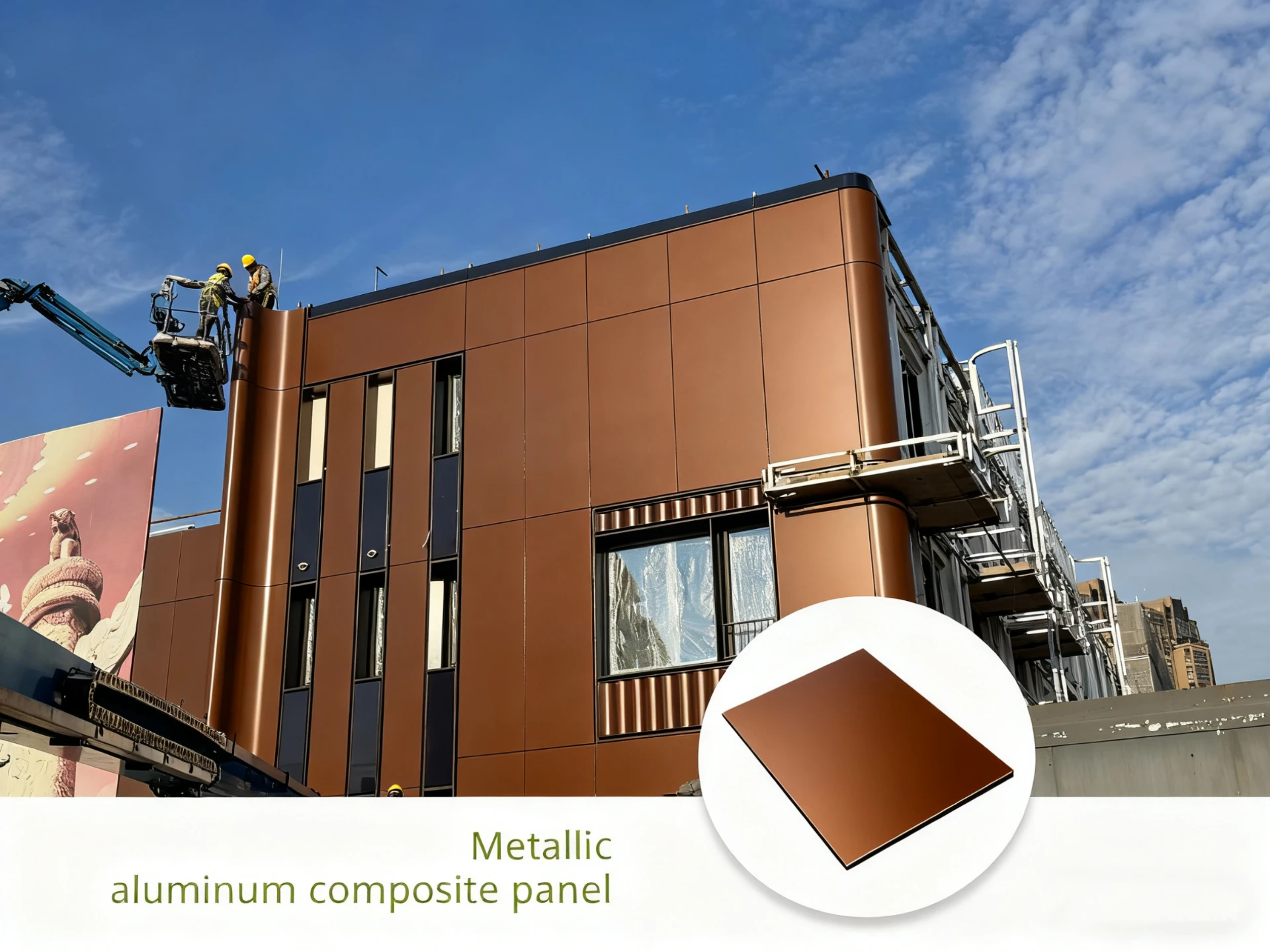
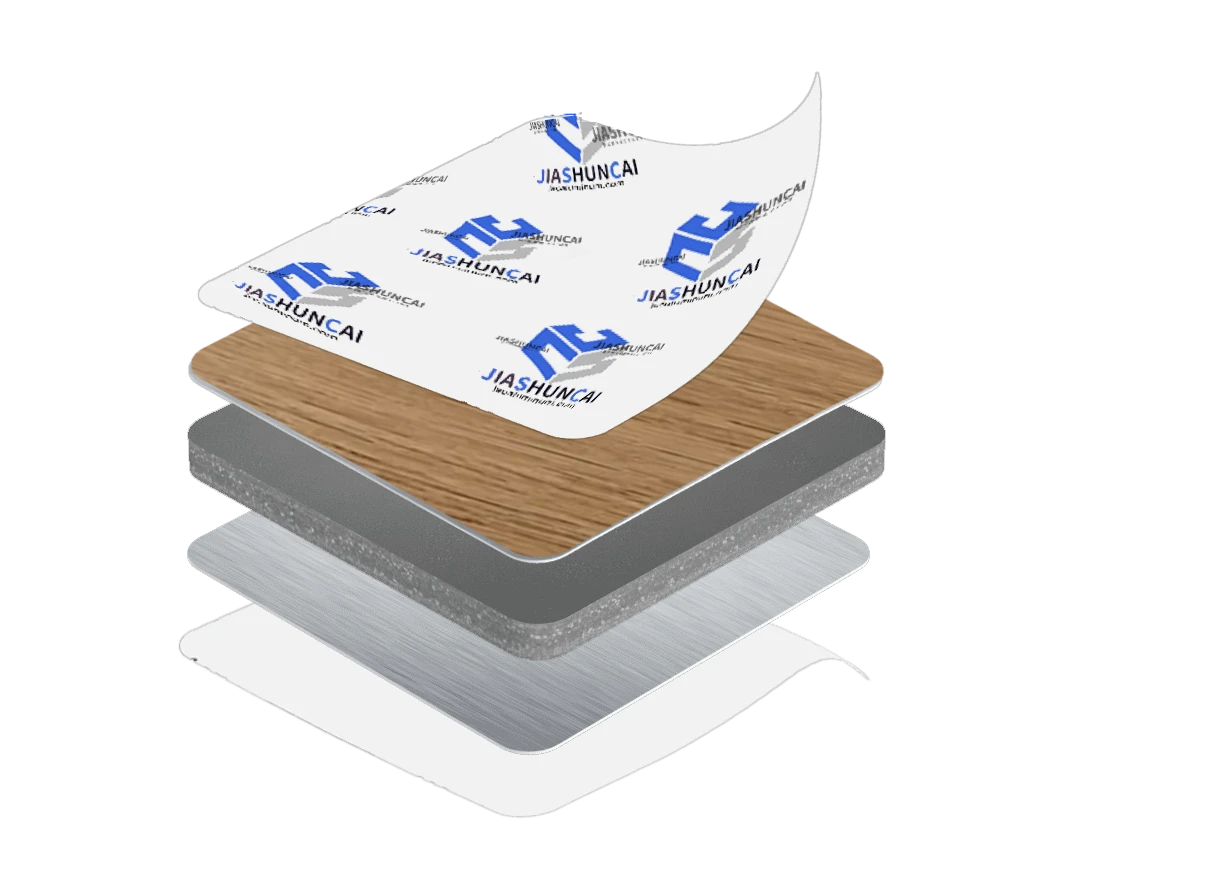
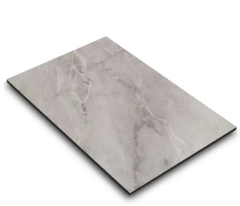
Simply put, aluminium panels for facade are flat or shaped sheets made chiefly of aluminium alloy, designed to shield or decorate the outer surfaces of buildings. They’re lightweight yet sturdy, often coated with finishes that enhance weather resistance and color retention. Beyond looks, these panels contribute significantly to thermal regulation and safety features. Interestingly, these panels also intersect with humanitarian architecture—offering rapid, reliable cladding solutions in disaster zones and emerging cities alike.
Core Components Defining Aluminium Panels for Facade
Durability
The aluminium alloys used are selected for corrosion resistance and structural integrity, making them last for decades under harsh weather extremes.
Design Flexibility
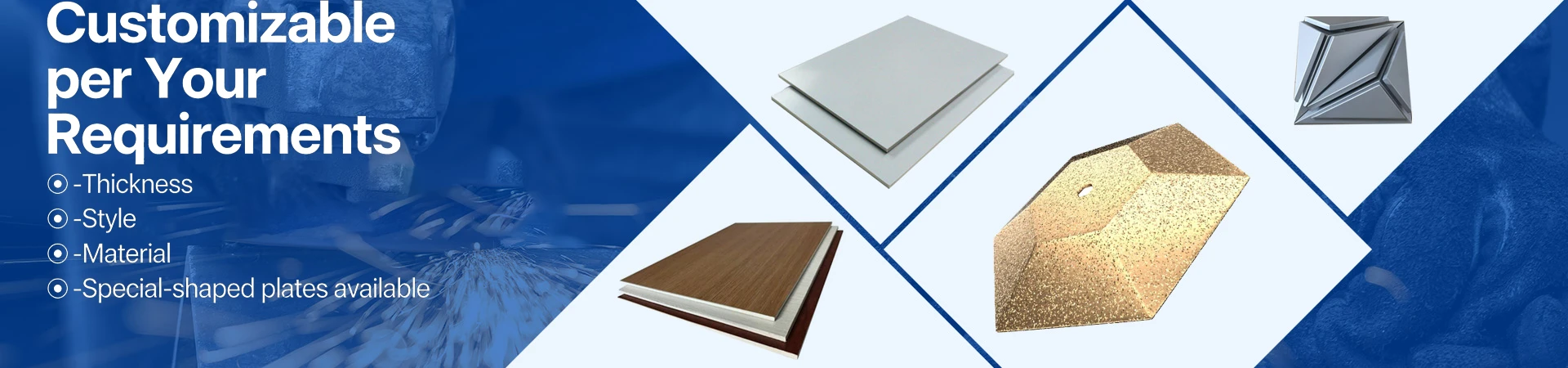
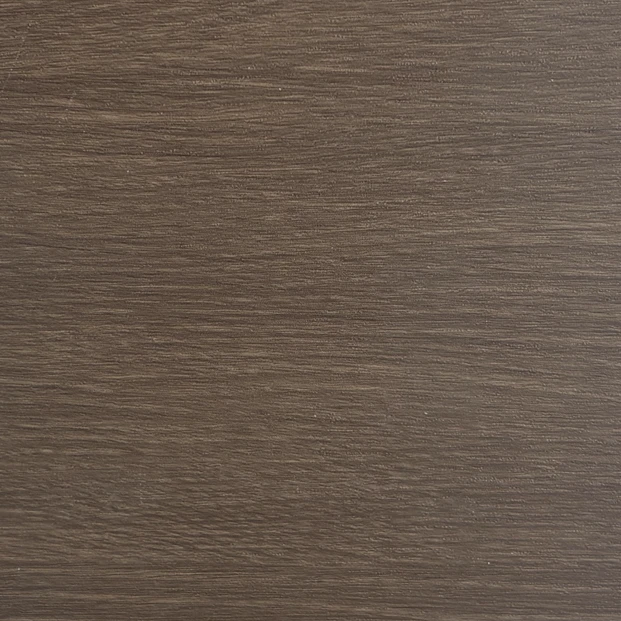
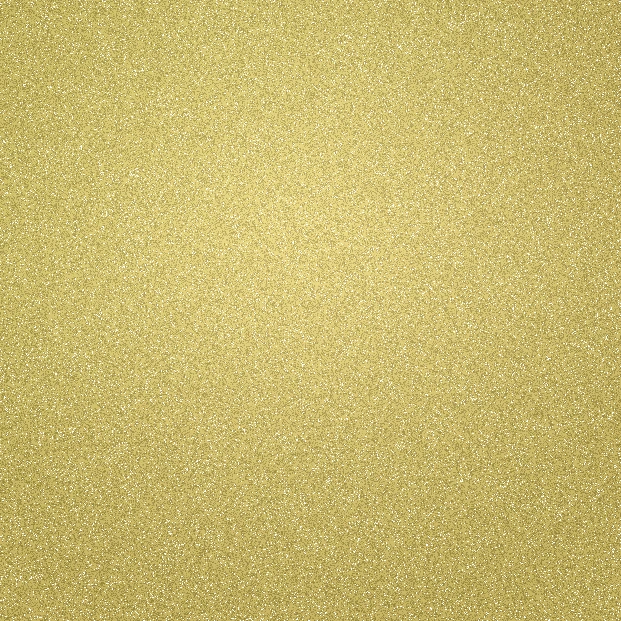
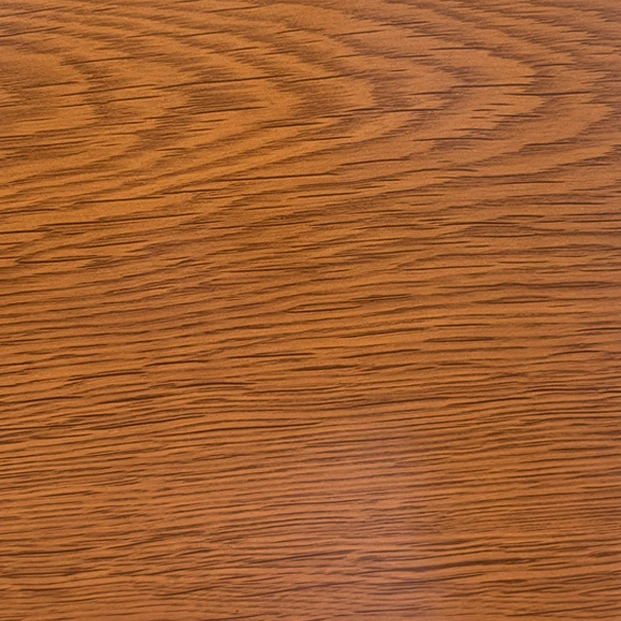
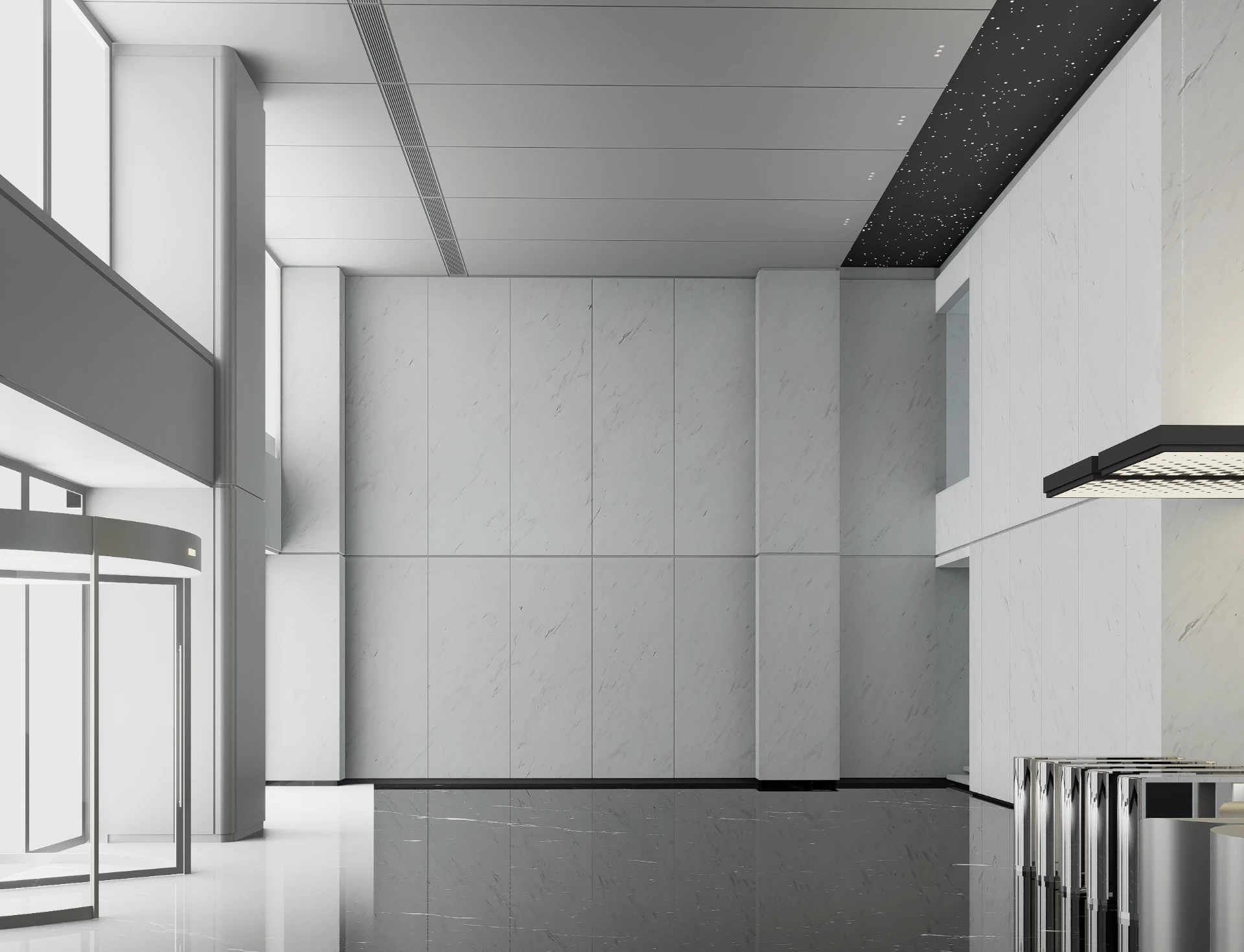
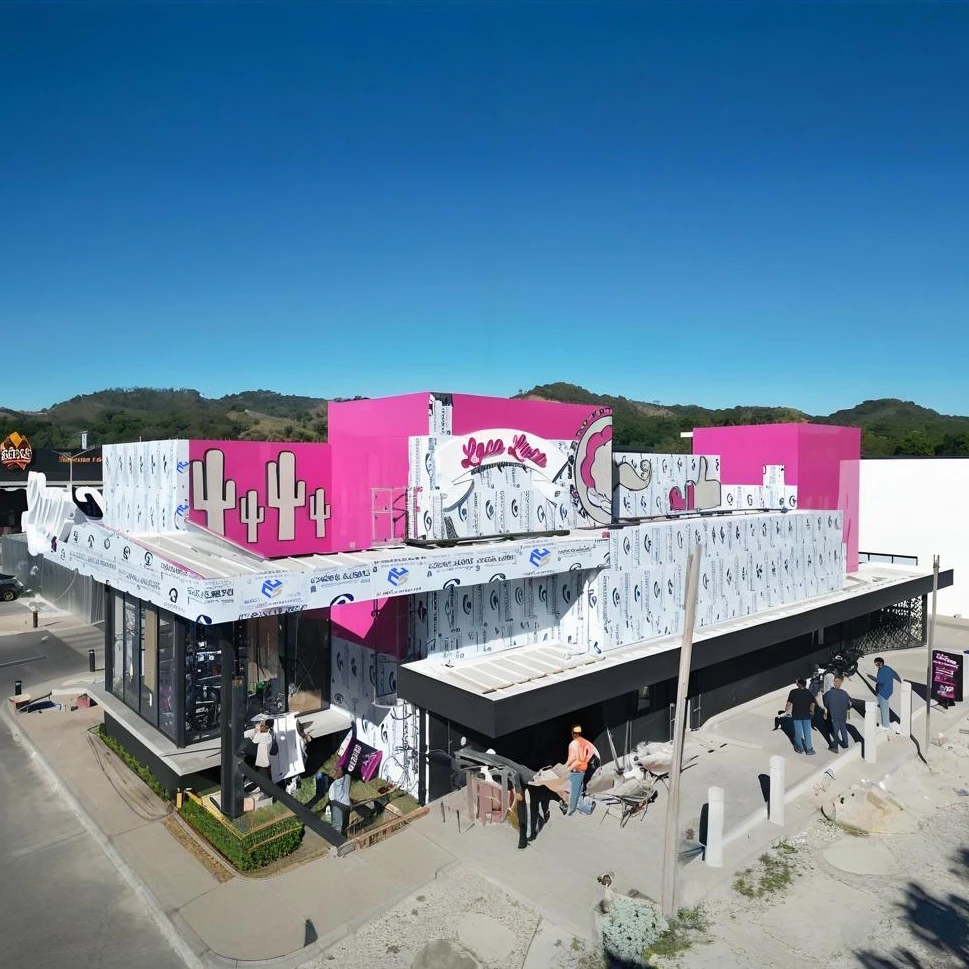
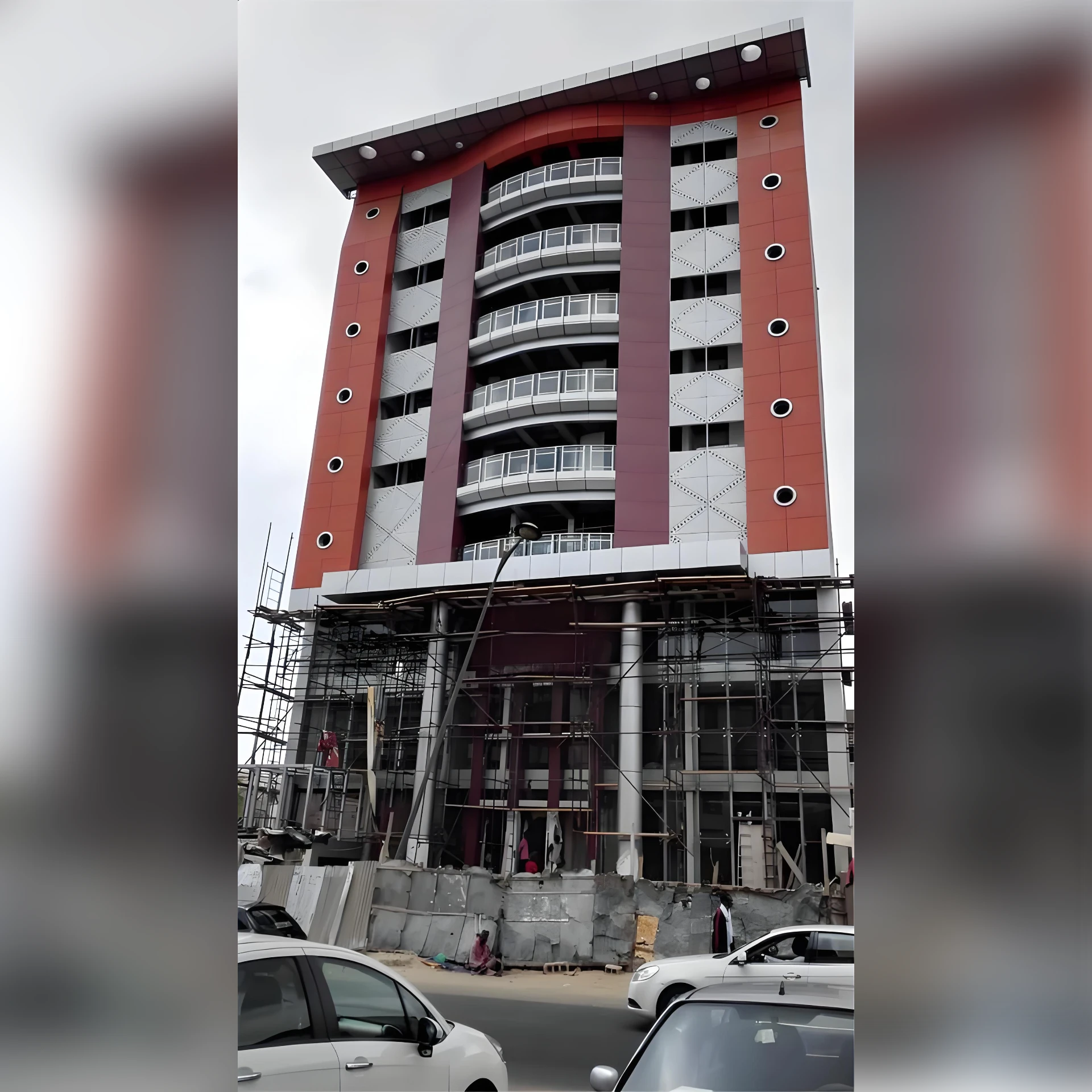
Manufacturers produce these panels in vast shapes, sizes, colors, and finishes—from brushed metals to vibrant pigments—allowing architects real creative freedom.
Thermal Performance
Thanks to aluminium’s reflective properties, these panels improve energy efficiency by reducing heat gain or loss through building envelopes.
Ease of Installation
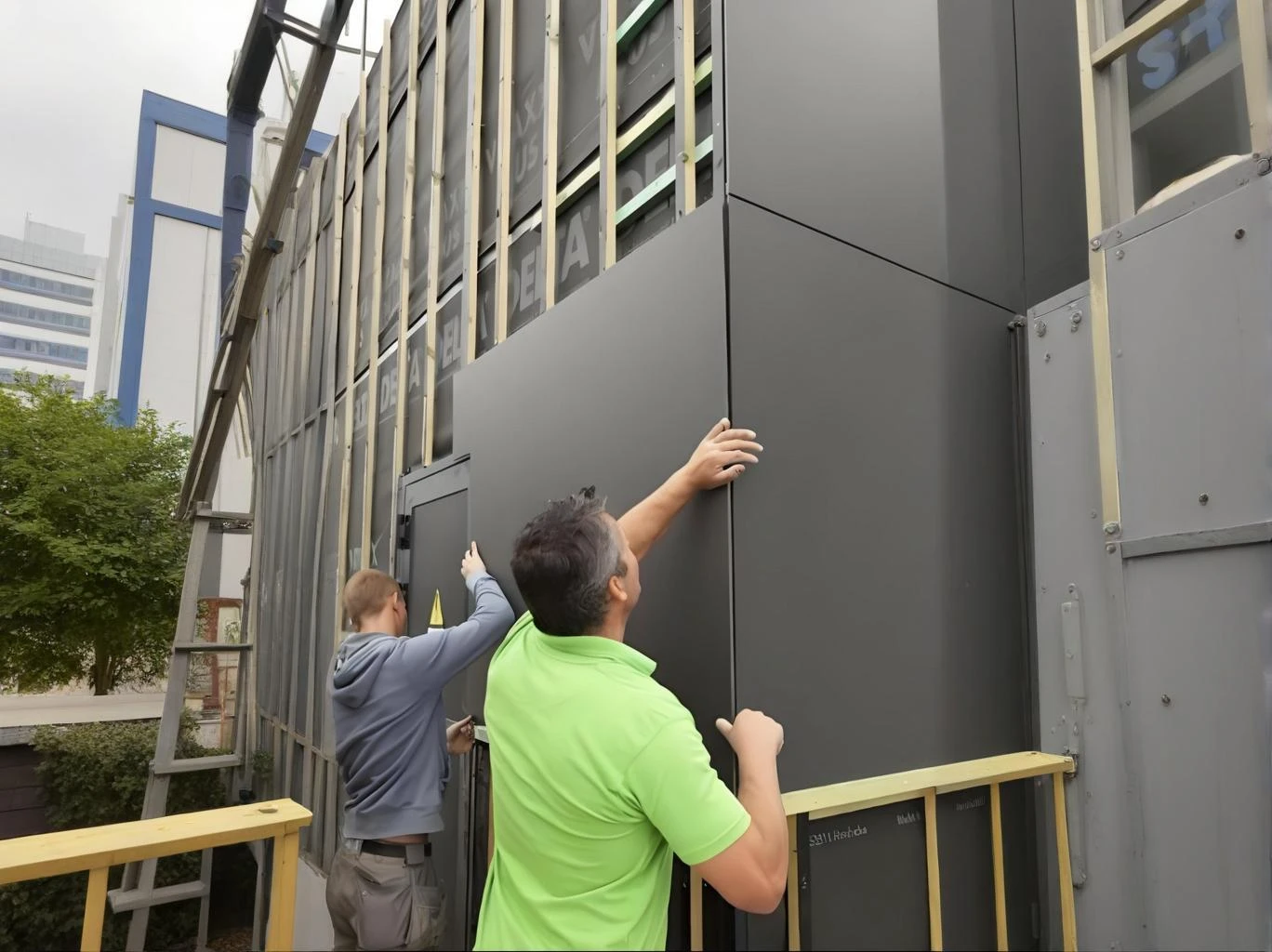
Modern panels are engineered for quick mounting with interlocking systems that streamline construction timelines and labor costs.
Environmental Impact
Because aluminium is infinitely recyclable and lightweight, panels contribute to a significantly lower carbon footprint compared to traditional masonry facades.
Mini takeaway: Aluminium facade panels aren’t just about looks—they’re crafted for strength, sustainable performance, and adaptability.
Global Applications & Use Cases
From the towering skylines of Dubai to sustainable housing projects in Scandinavia, aluminium panels enjoy broad adoption. For example:
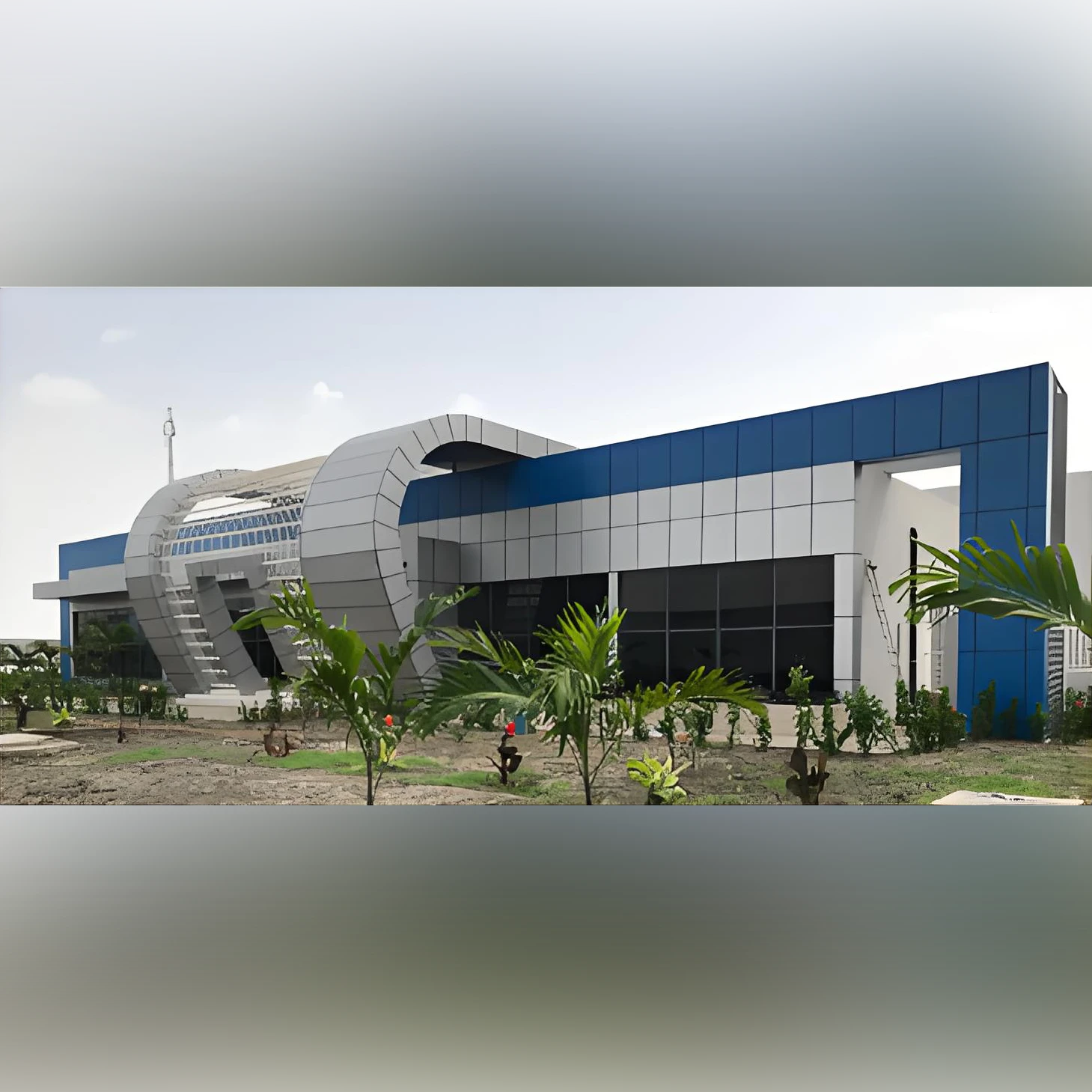
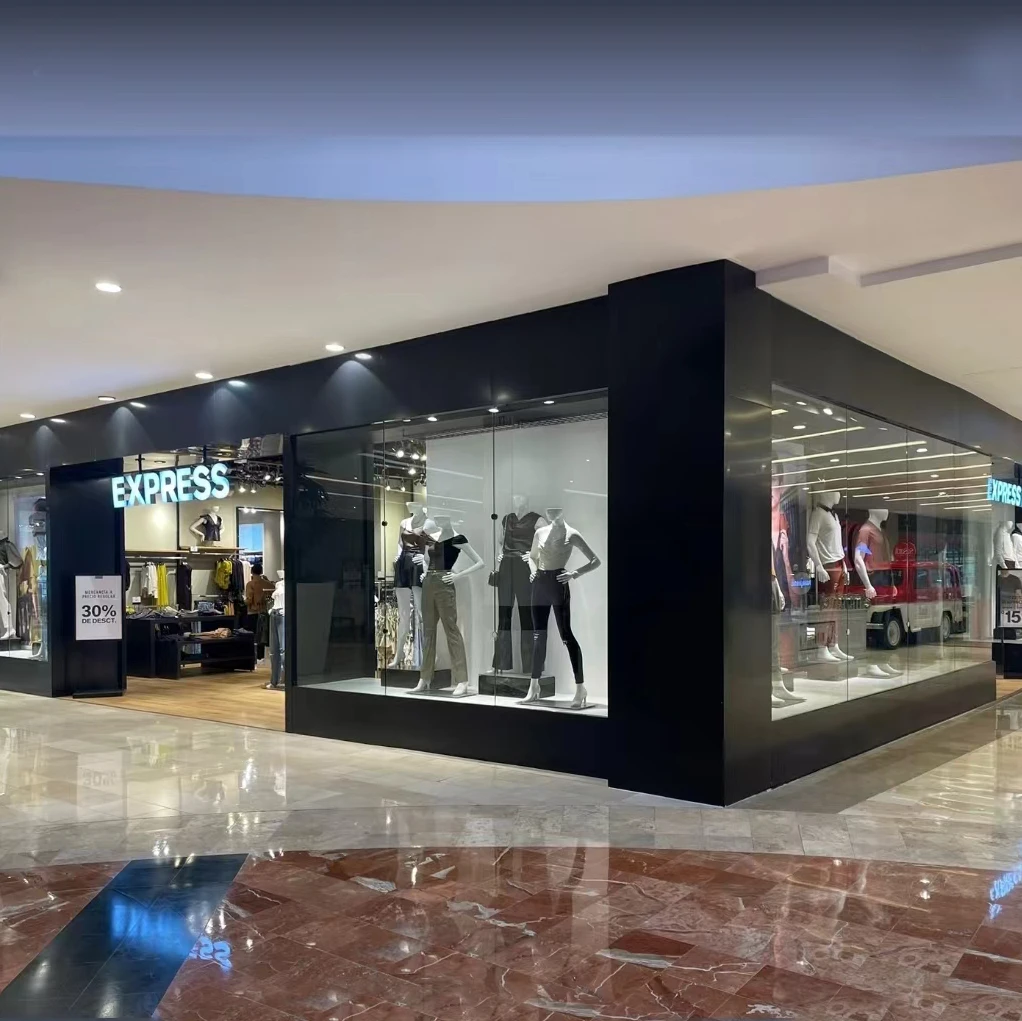
- Urban Commercial Buildings: Providing striking aesthetics with functional climate shielding in big cities worldwide.
- Post-Disaster Reconstruction: NGOs use prefabricated aluminium facade panels to rapidly re-clad temporary shelters, enhancing durability and comfort.
- Industrial Plants: Remote factories benefit from panels’ resistance to corrosion and easy maintenance.
Oddly enough, some cold-climate regions also use insulated aluminium panels extensively to resist frost damage and improve thermal retention.
Advantages & Long-Term Value of Aluminium Facade Panels
The benefits stack up nicely. On the practical side, there are major savings on upkeep and energy over a building’s life span. Emotionally, there’s the trust that comes with choosing materials that stand up to time and nature, giving occupants and owners peace of mind. They also help buildings “age gracefully,” often looking better for longer compared to conventional cladding. Plus, these panels support sustainability goals, aligning with increasingly strict global standards on emissions and resource use.
Future Trends & Innovations
Looking ahead, a few exciting advances are shaping aluminium facade solutions:
- Integration with Green Energy: Panels embedded with photovoltaic cells turn outer walls into solar harvesters.
- Smart Coatings: Surfaces that self-clean or adapt reflectivity according to temperature.
- Improved RecyclingTechniques: Making reuse more efficient to keep aluminium in circular use longer.
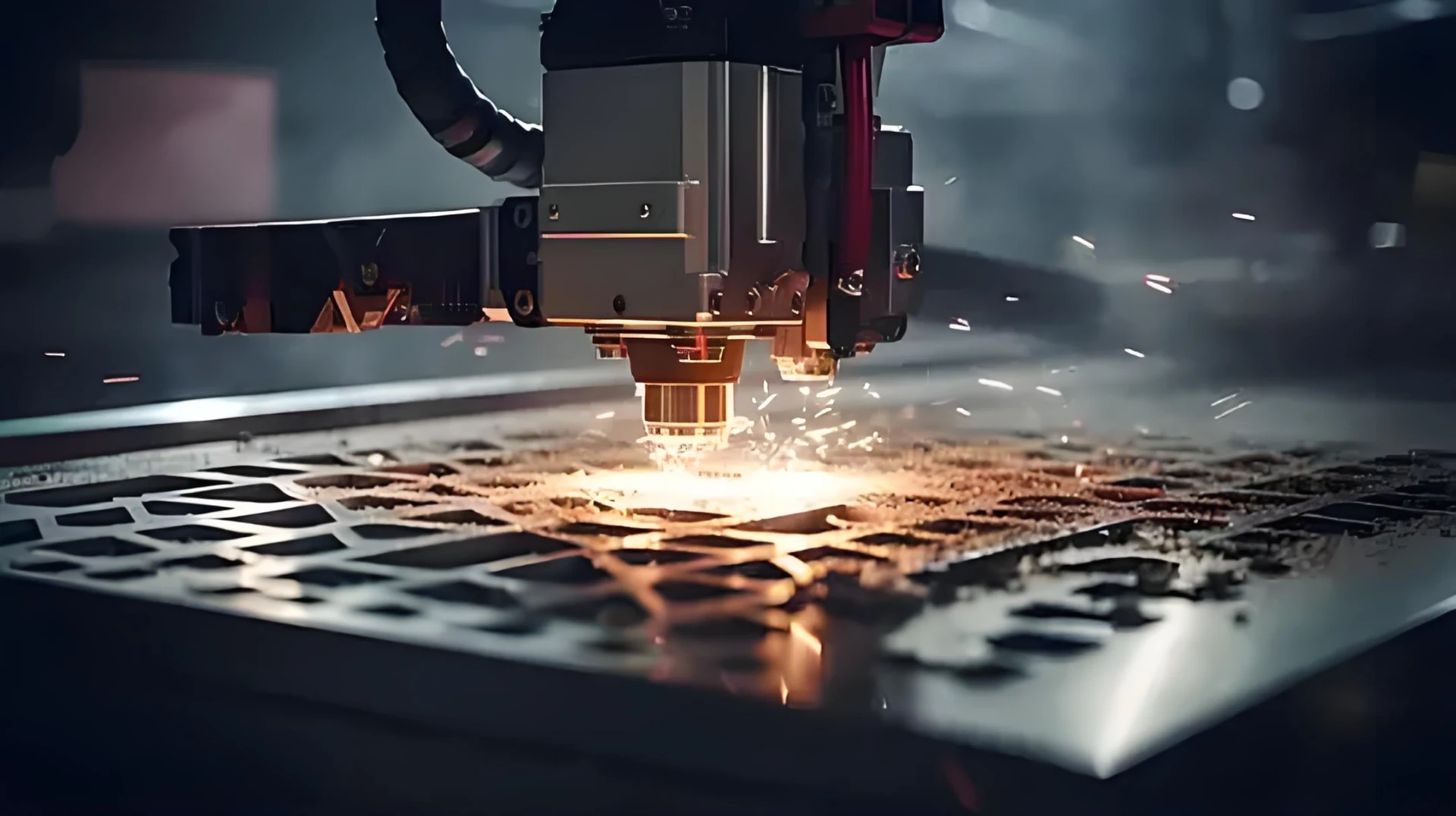
- Digital Fabrication: CNC machining and robotic assembly reduce waste and improve precision in panel design.
Challenges & Solutions
One hurdle is upfront cost, especially for high-performance coatings or custom finishes—these sometimes deter smaller projects. Also, panels must be carefully designed to avoid thermal bridging or moisture entrapment that damage building envelopes. However, recent innovations in insulation layers and ventilation strategies effectively tackle these challenges, making aluminium facades more accessible and reliable every year.
Product Specification Table: Typical Aluminium Panels for Facade
| Specification |
Typical Range |
Notes |
| Panel Thickness |
2 mm - 6 mm |
Depends on structural needs |
| Alloy Grade |
3000 & 5000 series |
Good corrosion resistance |
| Surface Finish |
PVDF, Anodized, Powder Coat |
Affects lifespan & color fidelity |
| Panel Size |
Up to 1.5 m × 5 m |
Customization available |
| Weight |
~5 - 13 kg/m² |
Depends on thickness & core |
Vendor Comparison: Leading Aluminium Facade Panel Providers
| Vendor |
Product Range |
Price Range |
Lead Time |
Sustainability |
| AluTech Panels |
Standard & Custom Panels |
$$$ |
4-6 weeks |
Recycled content 70% |
| GreenFab Solutions |
Eco-coating & Solar Integrated |
$$$$ |
6-8 weeks |
100% recyclable panels |
| MetroPanel Corp |
Budget-Friendly Range |
$ |
2-4 weeks |
Recyclable but lower content |
Frequently Asked Questions About Aluminium Panels for Facade
What are the main benefits of aluminium panels over traditional masonry facades?
Aluminium panels are lighter, often faster to install, and provide better flexibility in design. They also tend to offer superior weather resistance and require less maintenance, making them cost-effective over the building’s lifespan.
How long do aluminium facade panels typically last?
With proper maintenance, high-quality aluminium panels can last 30 to 50 years or more. Surface coatings like PVDF can significantly prolong appearance and performance.
Are aluminium facade panels environmentally sustainable?
Yes, aluminium is highly recyclable and often reused in facade panels. Additionally, the panels’ lightweight nature reduces transportation emissions, and many manufacturers use eco-friendly coatings.
Can aluminium panels for facade be customized to different architectural styles?
Absolutely. They come in various colors, textures, and finishes, allowing architects to realize almost any design vision, from sleek modern gloss to textured finishes resembling natural materials.
How do I ensure proper installation to avoid issues like thermal bridging or water ingress?
Working with experienced contractors who use tested mounting systems and appropriate insulation layers is key. Modern panel designs often incorporate rainscreen principles to manage moisture effectively.
Conclusion & Call to Action
Aluminium panels for facade stand at the intersection of style, performance, and sustainability in building design. Their adaptability and long-term benefits make them an excellent choice for architects, developers, and planners worldwide. Whether you prioritize energy savings, aesthetics, or rapid installation, these panels answer the call for innovative construction solutions.
If you're interested in learning more or sourcing quality aluminium facade panels tailored to your project, visit aluminium panels for facade to explore options and expert advice.
Mini takeaway: Aluminium facade panels are more than just cladding—they’re a smart investment in a building’s future.
References
- International Aluminium Institute
- Wikipedia - Aluminium
- International Organization for Standardization (ISO)