Understanding Aluminium Composite Panel Factory: A Cornerstone of Modern Construction
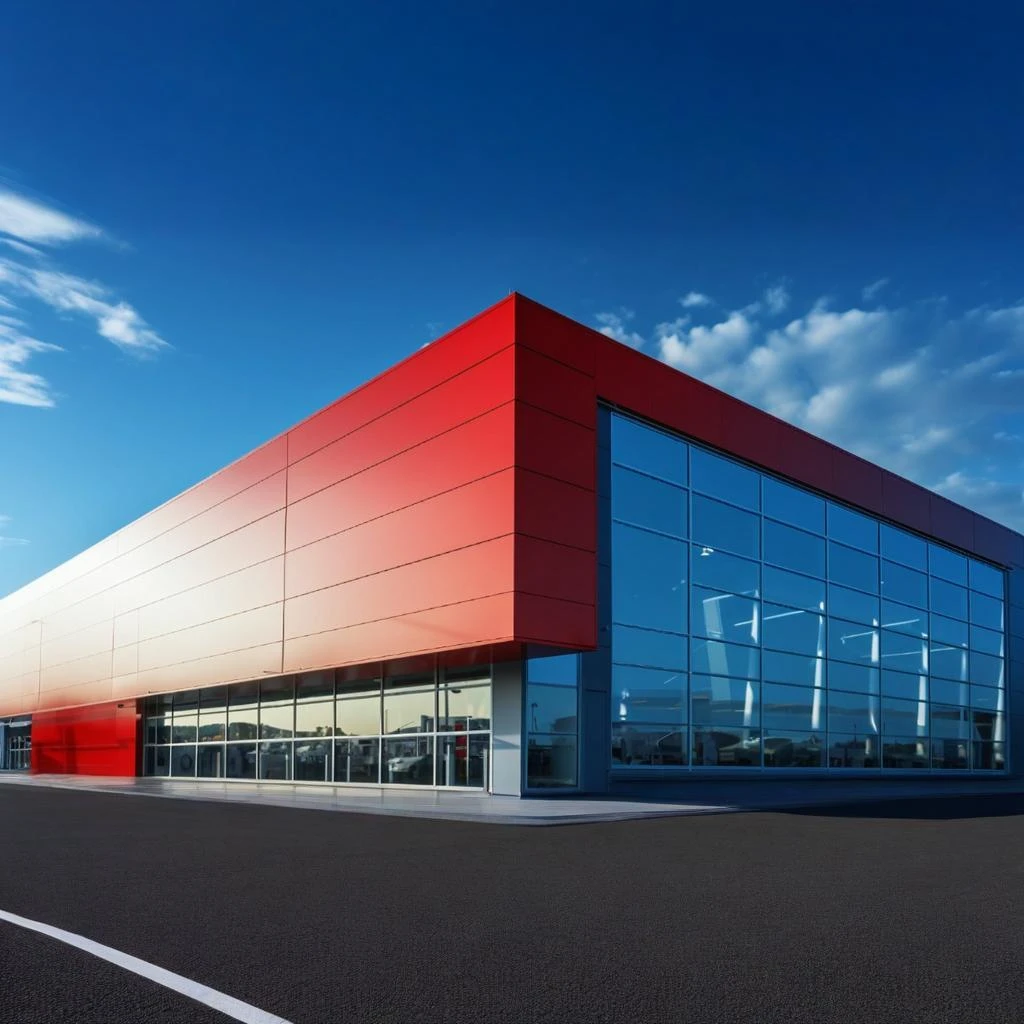
If you’ve ever admired sleek, modern façades or efficient industrial buildings, chances are aluminium composite panels had a part to play. The aluminium composite panel factory is where these innovative sheets are crafted, combining lightweight aluminium with core materials to create panels that are durable, aesthetic, and functional. Why does this matter on a global scale? Well, beyond their architectural charm, these panels address critical needs—from urban development in megacities to rapid infrastructure rebuilding after disasters. Understanding these factories and their output helps businesses, architects, and even humanitarian groups make smarter choices about building materials that balance cost, performance, and sustainability.
Global Context: Why Aluminium Composite Panel Factories Are More Relevant Than Ever
Globally, construction is booming. The UN projects the urban population to reach nearly 70% by 2050, creating huge demand for materials that can keep up with rapid expansion without sacrificing quality or environmental responsibility (UN, 2018). According to the International Aluminium Institute, aluminium production is on the rise, with composite panels representing a significant share of downstream manufacturing.
Yet, there’s a problem: traditional building materials often falter in efficiency and sustainability. Concrete-heavy structures consume considerable energy in production and lead to bulky designs. Aluminium composite panels offer a streamlined, lighter, and more versatile alternative, helping builders reduce costs and carbon footprints.
What Exactly Is an Aluminium Composite Panel Factory?
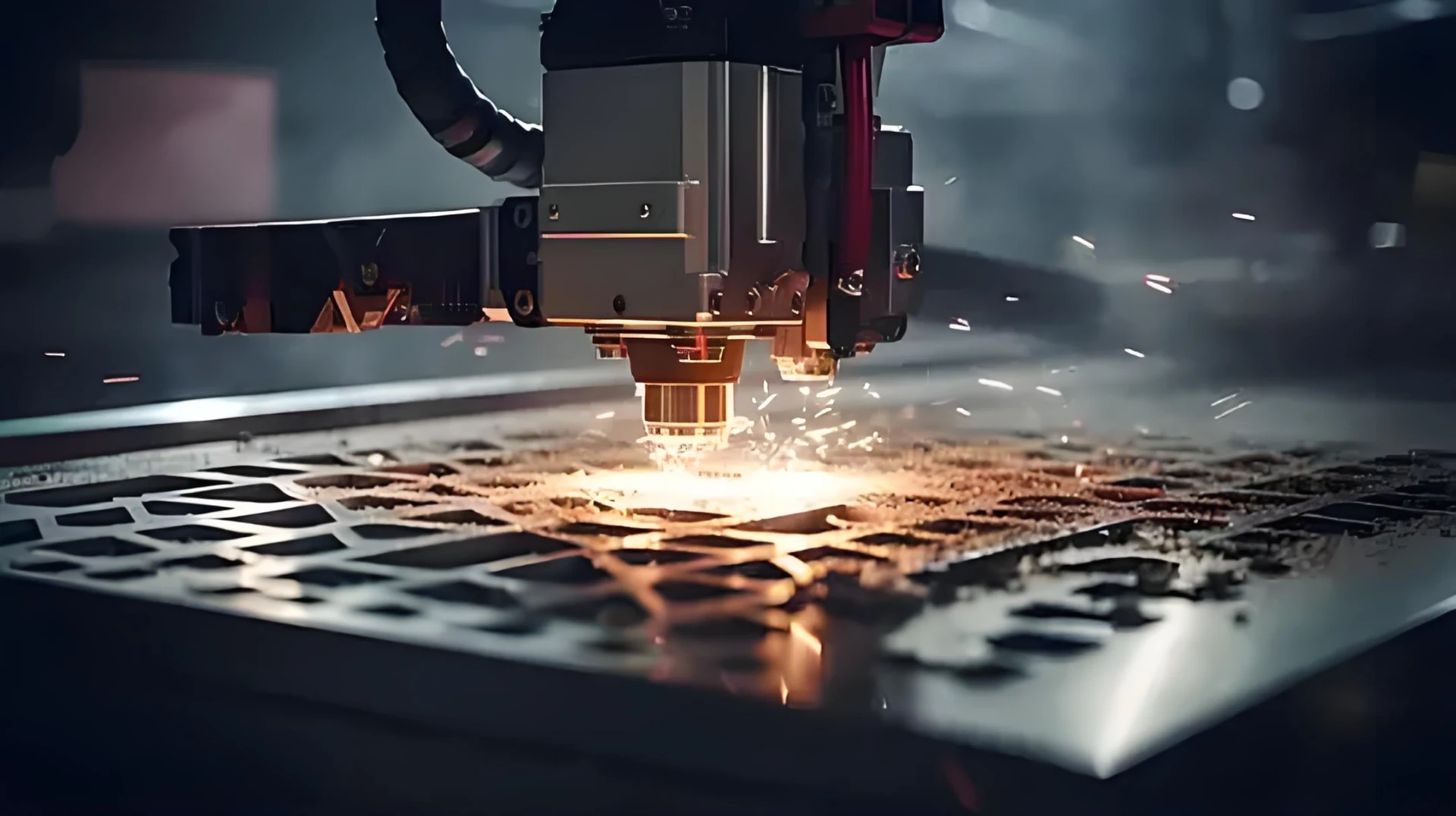
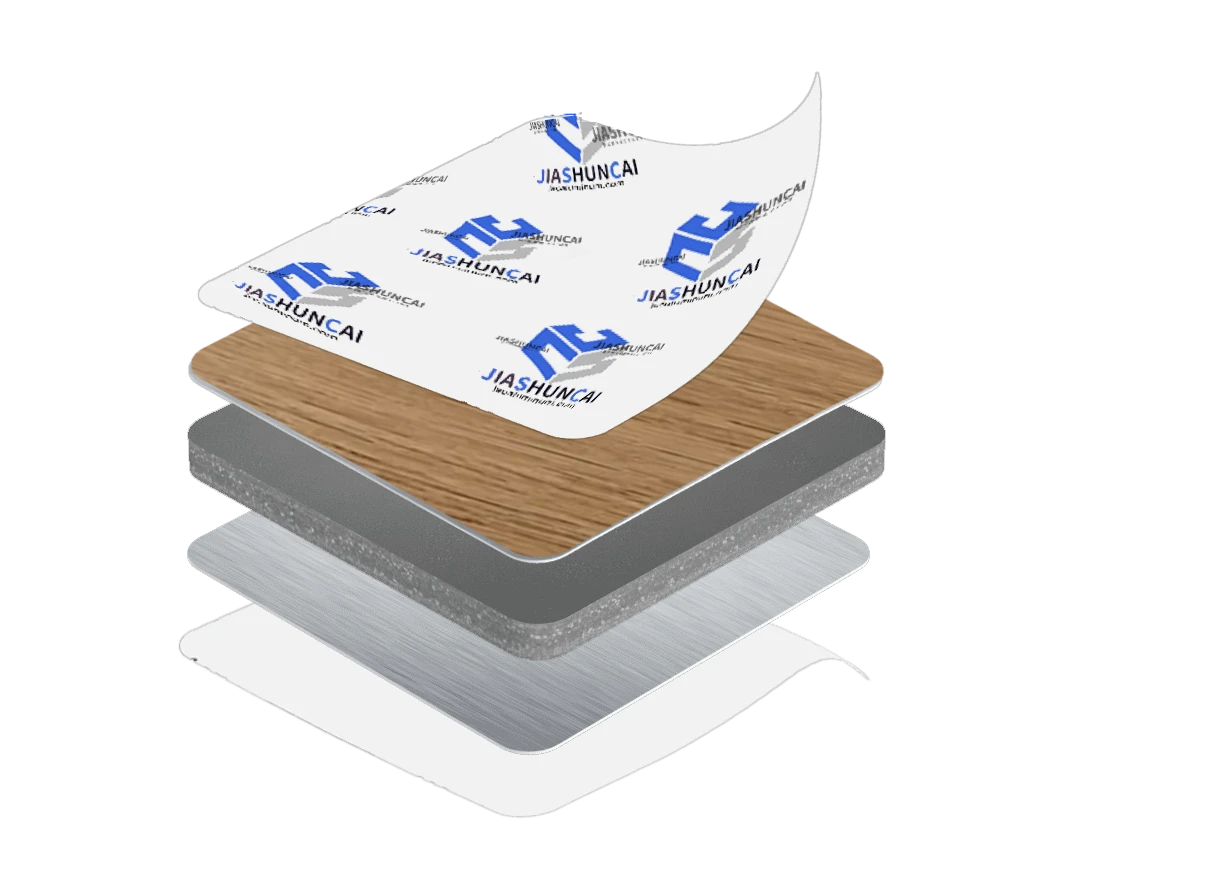
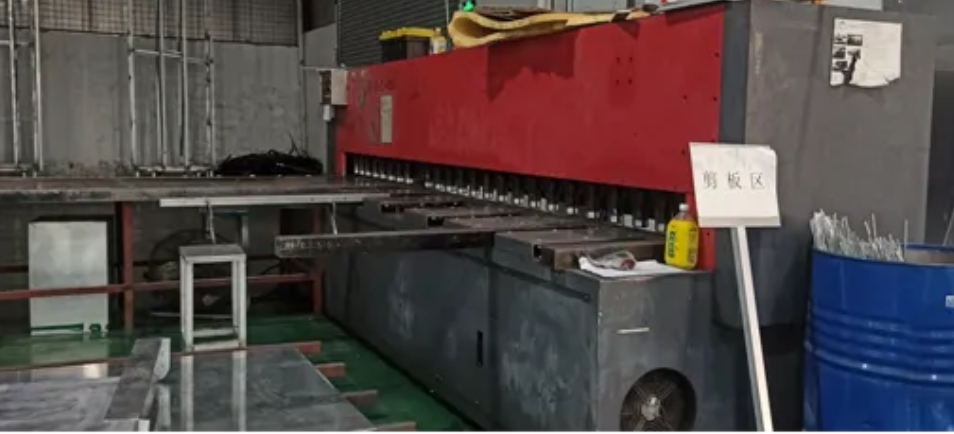
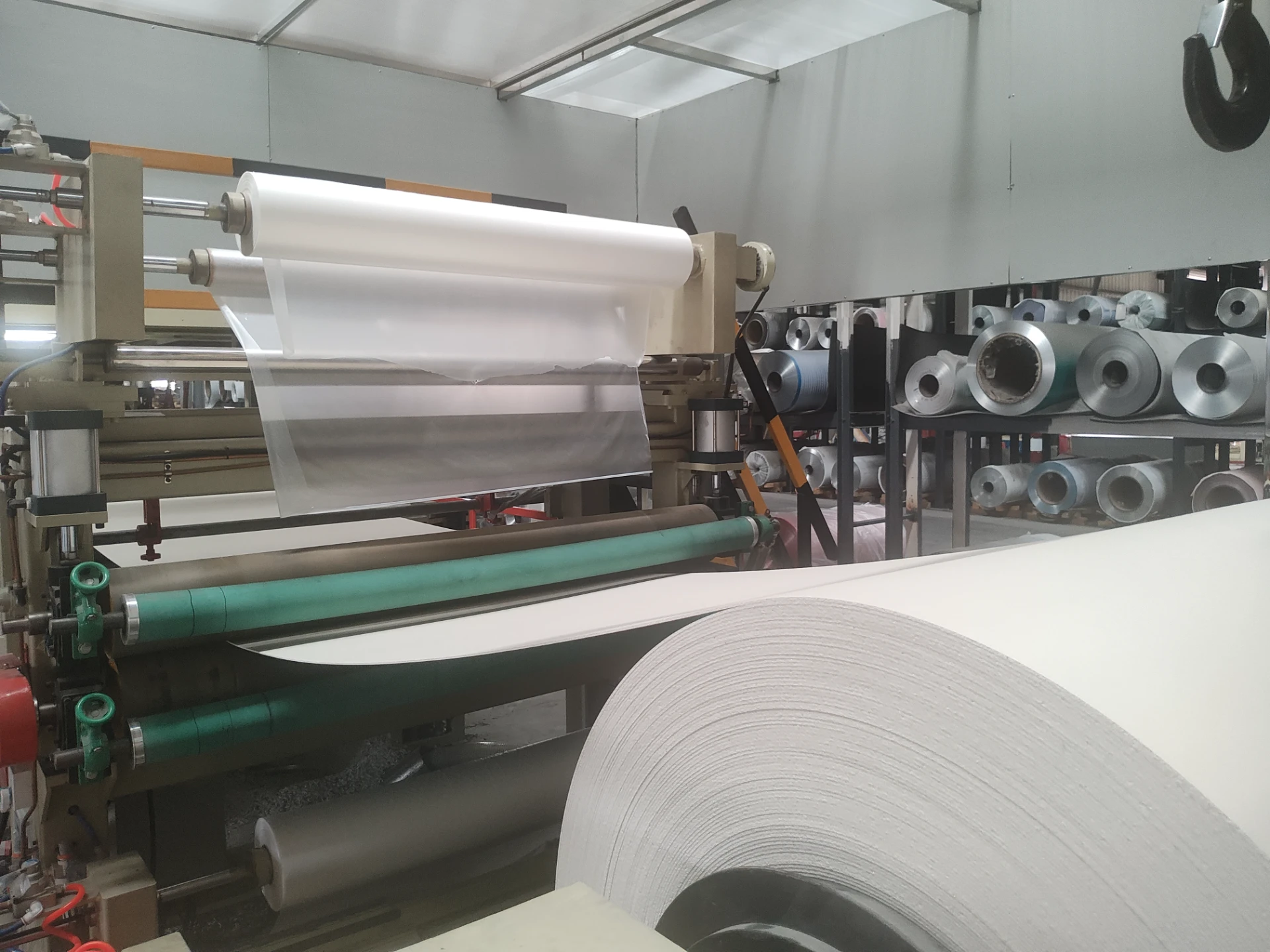
In simple terms, an aluminium composite panel factory manufactures panels made by sandwiching a core material—often polyethylene or fire-resistant mineral cores—between two thin aluminium sheets. This process results in a material that is lightweight yet sturdy, and highly customizable. These factories use advanced machinery to cut, coat, and assemble these layers, ensuring precision and quality.
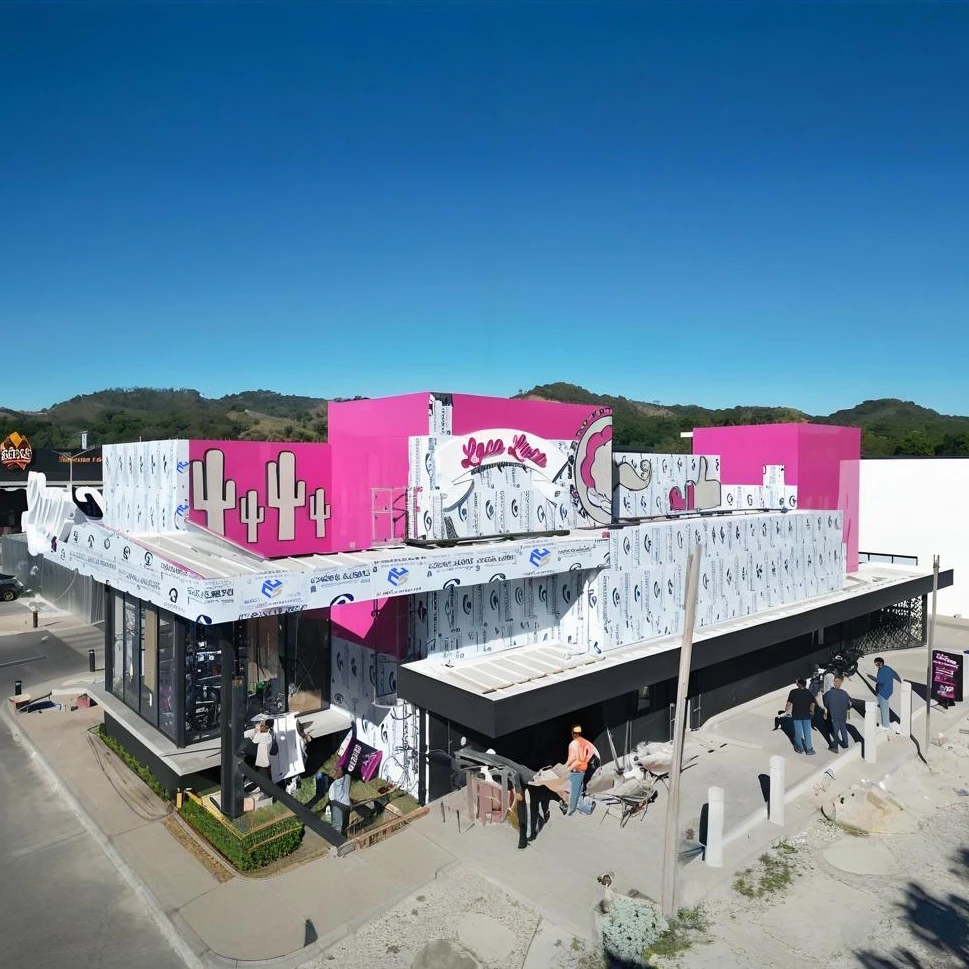
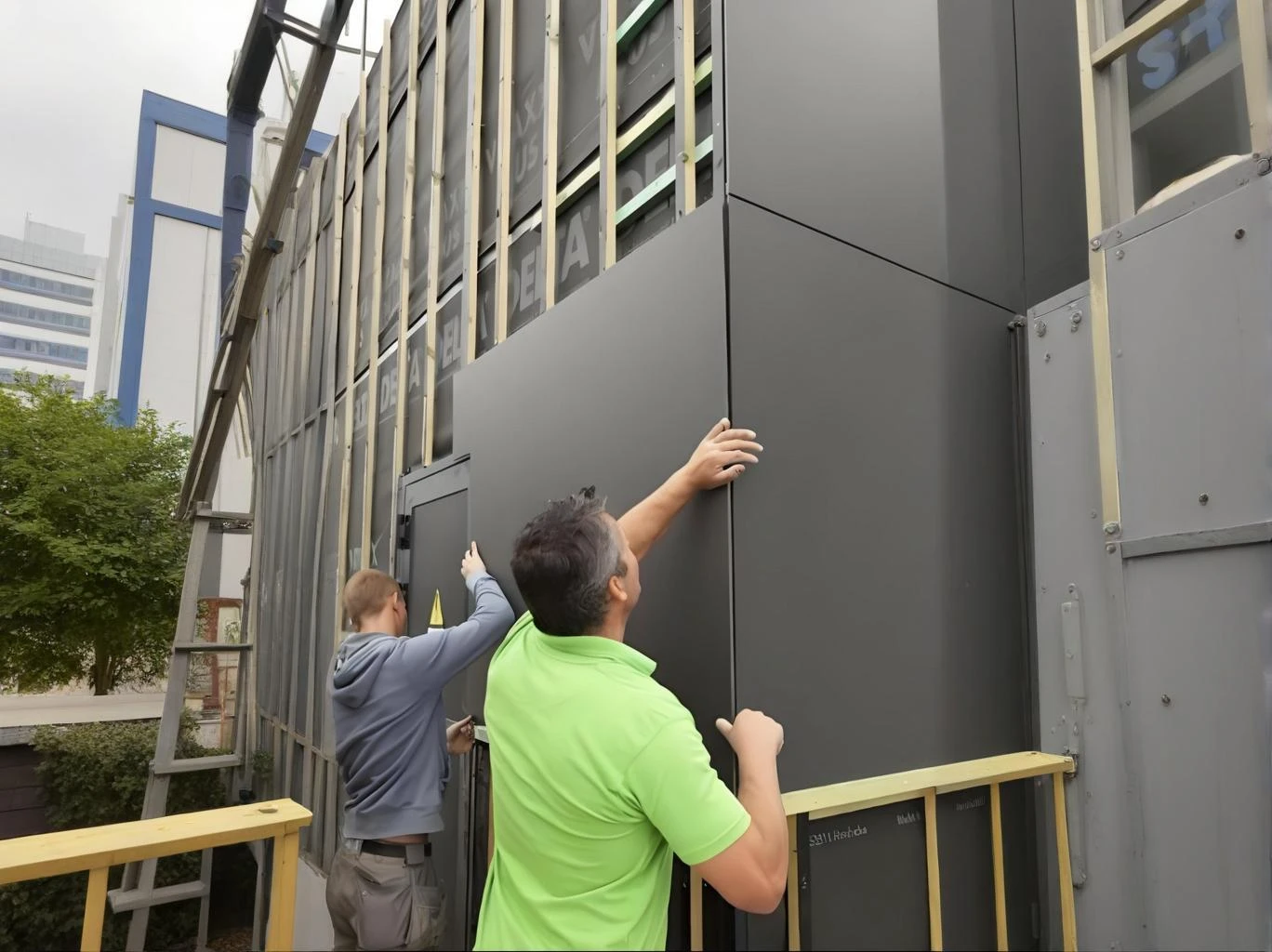
This isn’t just about making construction materials; it’s about supporting industries that rely on resilient, efficient building components. From skyscraper cladding to signage, these panels also meet safety standards, which is critical for public buildings and disaster-prone zones.
Key Components and Considerations in Aluminium Composite Manufacturing
1. Durability and Weather Resistance
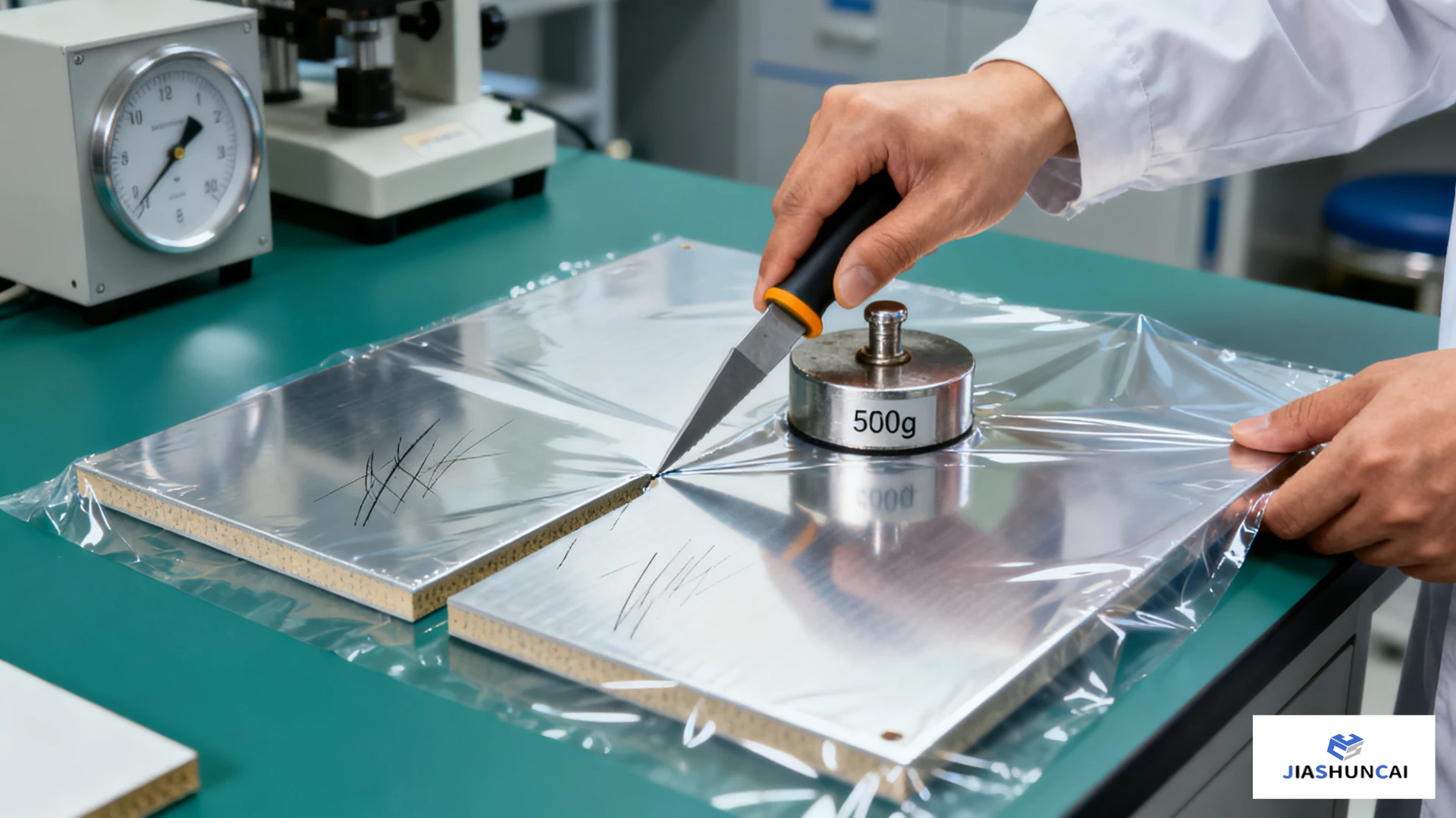
Factories focus on producing panels that withstand extreme weather—UV exposure, heavy rain, wind, and temperature fluctuations. The aluminium layers resist corrosion, while the cores provide structural support. This combination means buildings last longer with lower maintenance costs.
2. Scalability and Production Capacity
Large-scale aluminium composite panel factories can churn out thousands of square meters daily. This scalability is key for meeting global market demands, especially in fast-growing regions.
3. Cost Efficiency
Thanks to refined manufacturing techniques, producing composite panels has become cost-competitive against traditional materials, without compromising quality. Factories optimize raw material sourcing and production lines to keep prices attractive.
4. Customization and Finishes
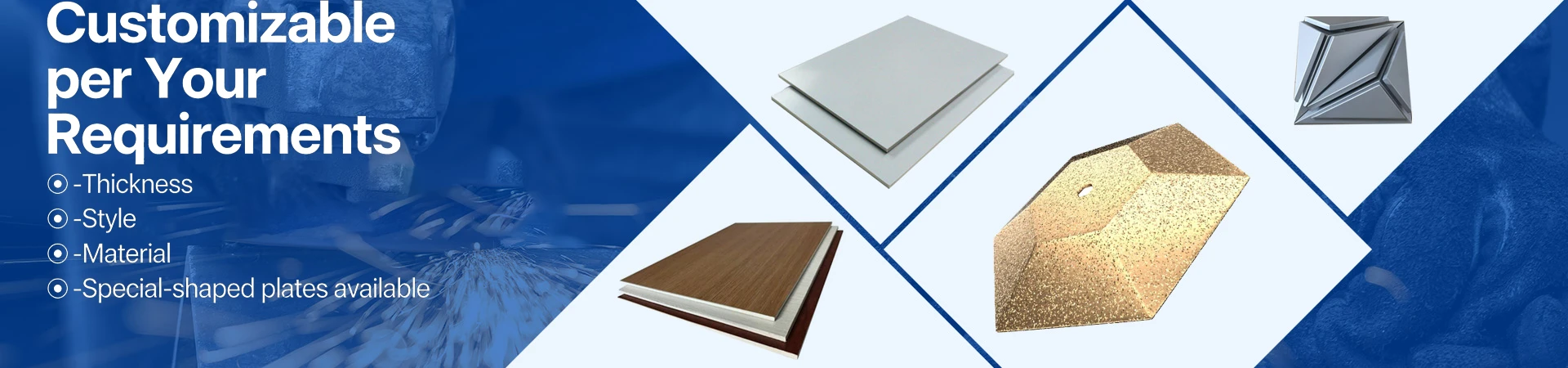
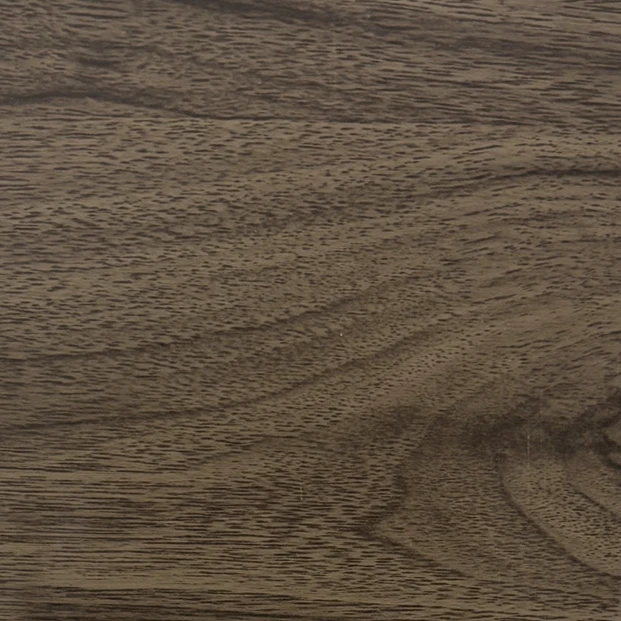
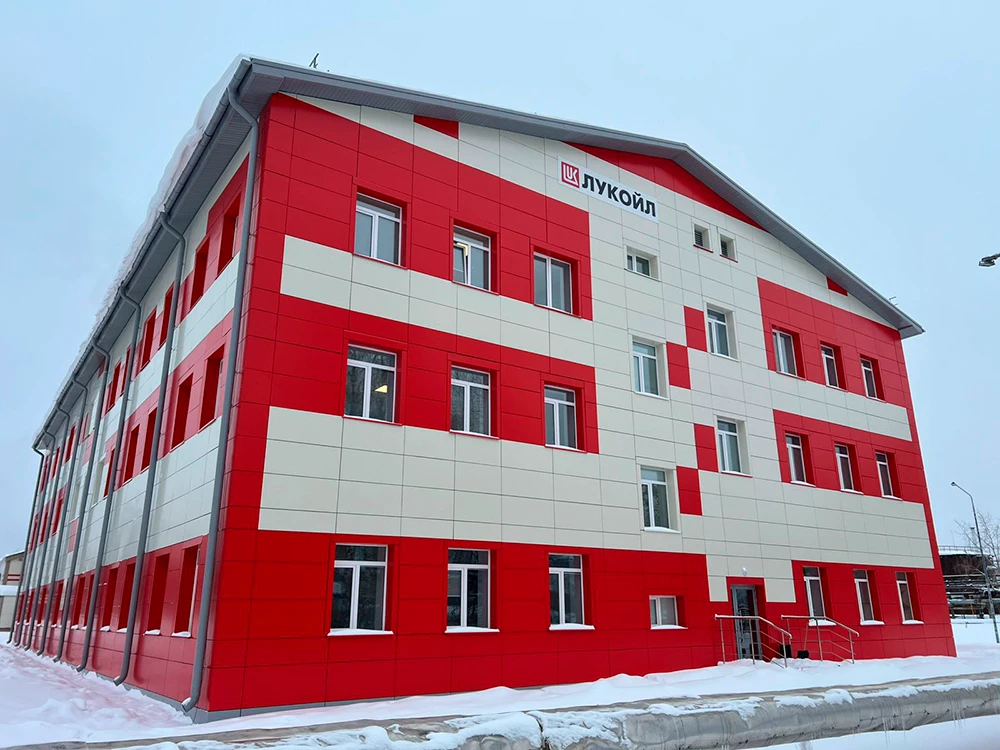
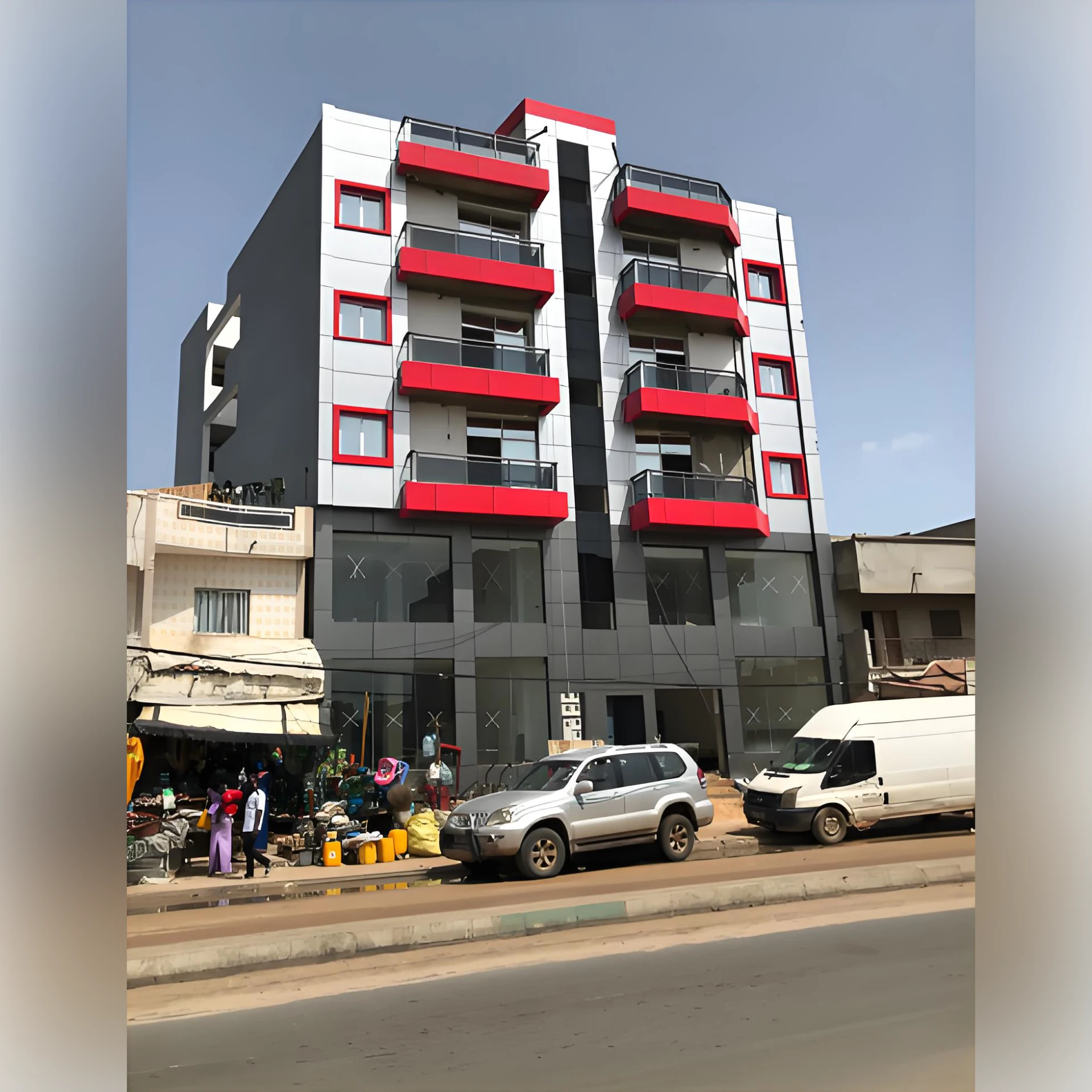
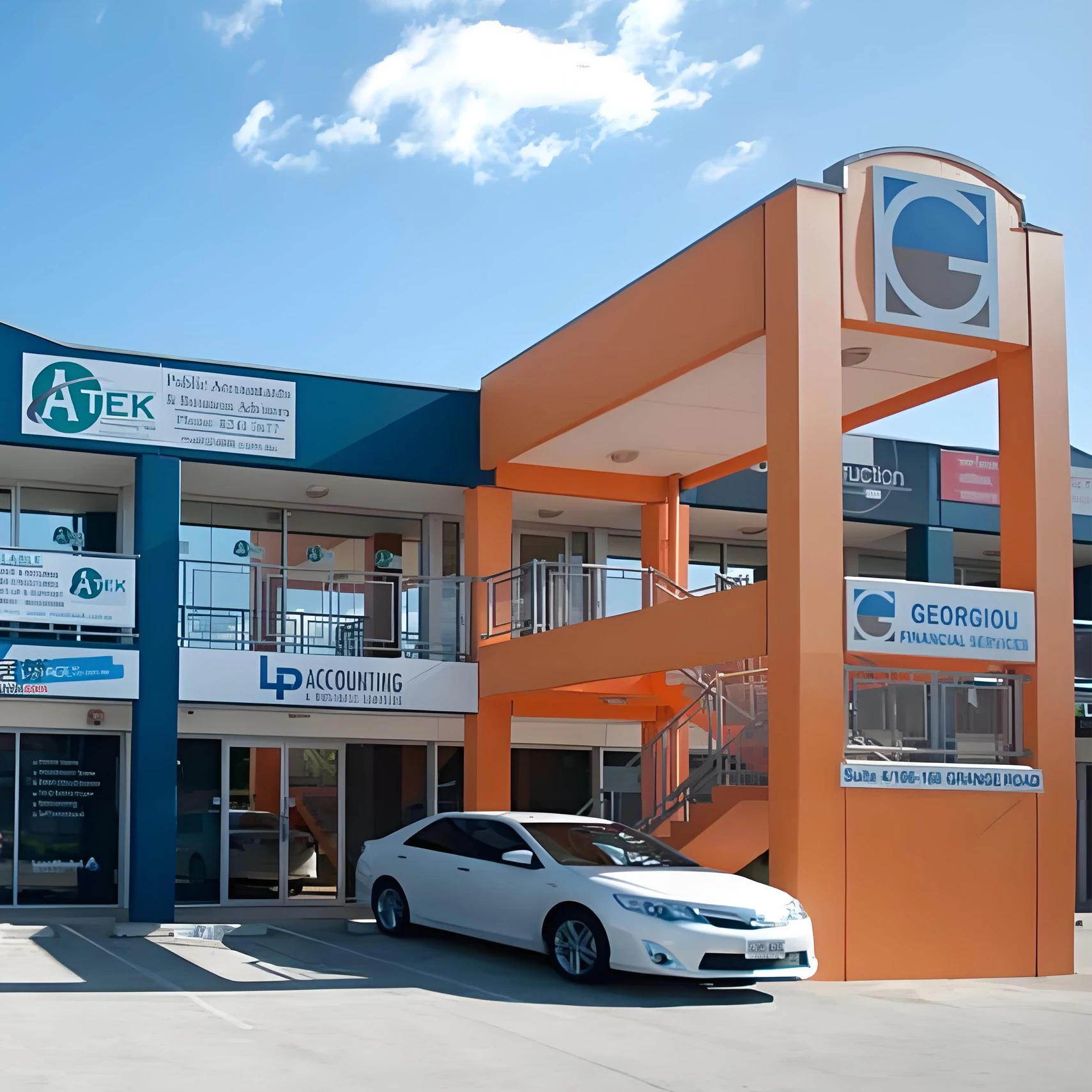
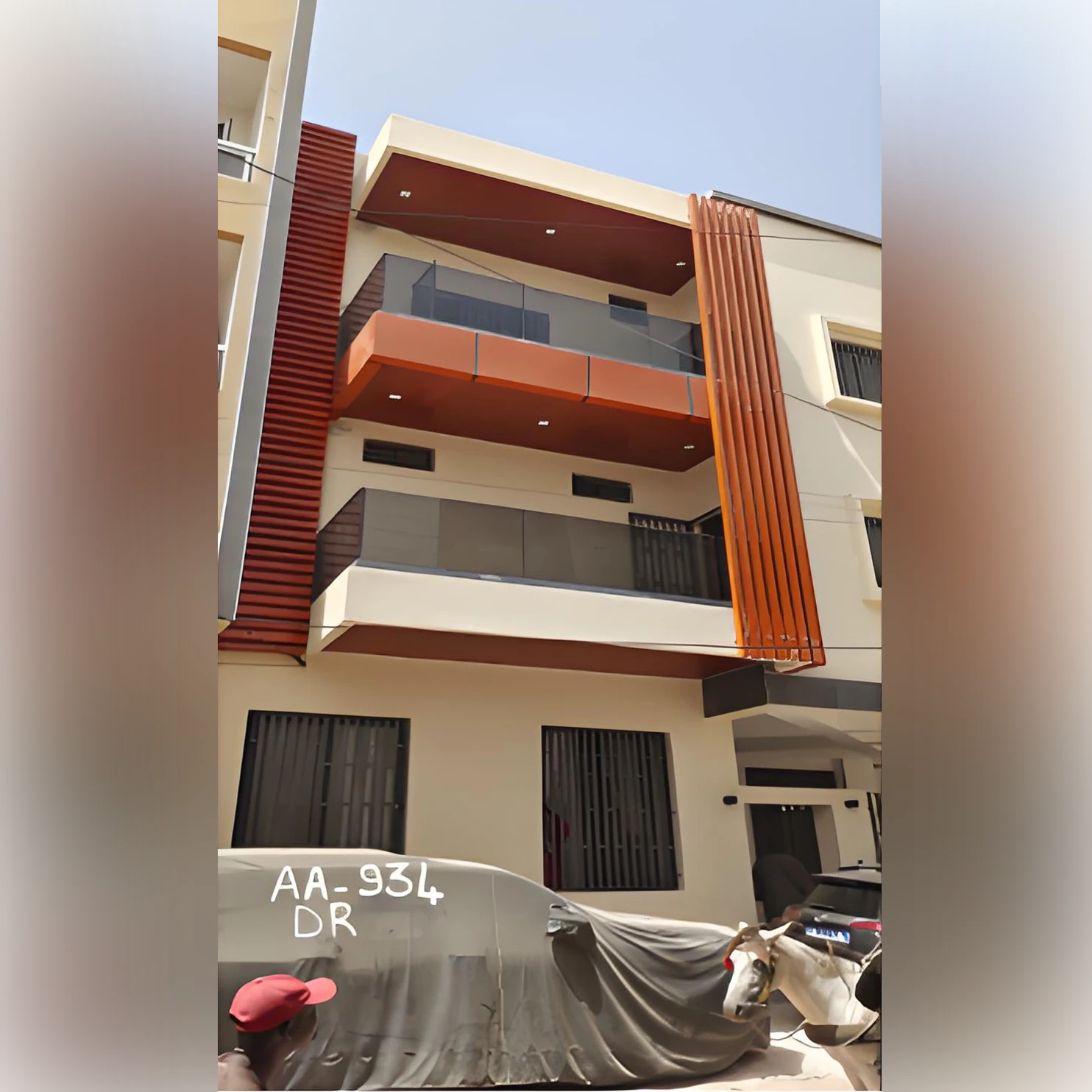
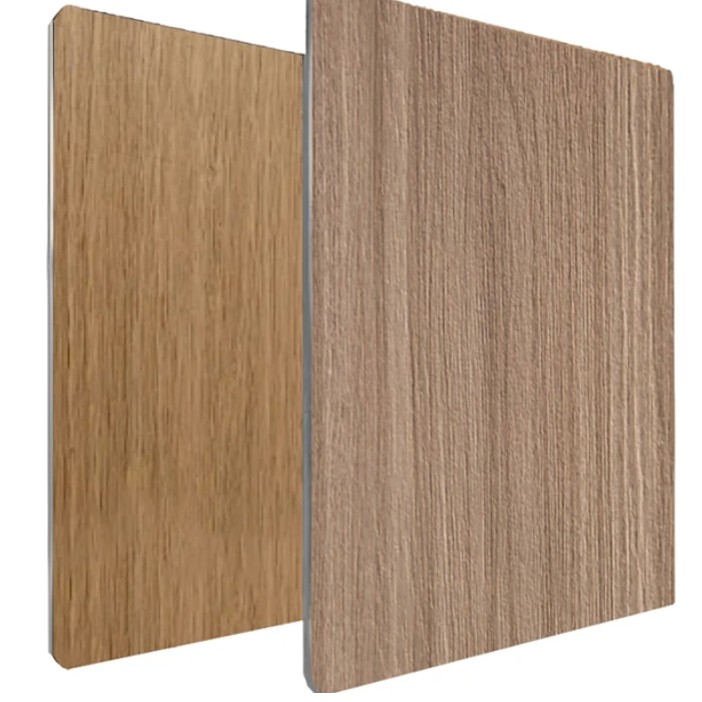
Customers increasingly want variety—color, texture, and patterns matter. Factories incorporate coatings and laminations including stone, wood grain, and metallic finishes. This flexibility supports diverse architectural visions.
5. Fire Safety
Given recent concerns, many factories now offer fire-retardant composite panels meeting strict international standards (ISO 9705, EN 13501). This increases adoption in public spaces and high-rise projects.
Typical Specifications from a Leading Aluminium Composite Panel Factory
| Specification |
Value/Range |
| Aluminium Sheet Thickness |
0.3 - 0.5 mm |
| Core Material |
Polyethylene / Fire-Retardant Mineral Core |
| Panel Thickness |
3 - 6 mm |
| Surface Finish |
PVDF / PE Coating / Wood-Grain / Stone-Effect |
| Fire Rating |
Class A (fire-retardant panels) |
| Panel Width |
1000 - 1500 mm |
Mini Takeaway: Aluminium composite panel factories produce versatile, durable, and highly customizable panels that serve a wide range of construction and design needs globally. Their growing importance comes from modern requirements for efficiency, safety, and aesthetics.
Global Applications and Use Cases
From soaring business towers in Dubai to rapid housing prototypes in Southeast Asia, these panels are everywhere. In India and China especially, the demand for lightweight, fire-resistant cladding has exploded, driven by urban building codes and sustainability goals.
- Post-Disaster Reconstruction: In earthquake or flood zones, lightweight panels simplify transport and speed up rebuilding efforts, restoring communities faster.
- Industrial and Remote Zones: Factories in remote areas capitalize on the panels’ modularity and resilience to set up warehouses and processing plants.
- Advertising and Signage: Their surface finish variety makes them a go-to for durable, vibrant signboards and displays.
This versatility is part of what makes investing in an aluminium composite panel factory a smart move—the products’ adaptability to diverse environments and needs is impressive.
Vendor Comparison: Leading Aluminium Composite Panel Factories
| Feature |
Factory A |
Factory B |
Factory C |
| Annual Capacity (m²) |
2,000,000 |
1,500,000 |
2,500,000 |
| Product Range |
Standard & Fire-Retardant |
Standard Only |
Full Range + Custom Finishes |
| Eco Certifications |
ISO 14001 |
None |
ISO 14001, LEED |
| Average Lead Time |
15 Days |
20 Days |
12 Days |
Advantages and Long-Term Value
What makes aluminium composite panels an investment rather than just a purchase? The answer lies in their blend of practical and emotional benefits. Practically, these panels offer cost savings—not just in raw materials but in transportation, installation, and maintenance. They speed construction, which is a big deal when time is money.
On a sustainability front, aluminium’s recyclability is a significant plus. Many factories, especially those with ISO 14001 certification, recycle production scrap, reducing environmental impact. This supports clients’ green building certifications (LEED, BREEAM).
Emotionally, these panels can evoke confidence in safety and innovation. Their fire-rated options protect lives. Their sleek finishes convey modernity and professionalism, adding prestige to projects. They’re trusted by architects and engineers worldwide to balance beauty with functionality.
Emerging Trends and Innovations in Aluminium Composite Panel Factories
The industry isn’t standing still. Frankly, it feels like it’s on the cusp of several exciting developments. Factories are now experimenting with nanocoatings for enhanced durability and self-cleaning surfaces. Digital printing tech allows truly bespoke designs at scale, which is thrilling for creative builders.
Because sustainability is not just a buzzword, more factories are adopting renewable energy sources and using bio-based resins in cores to reduce carbon footprints. Automation and AI-driven quality control are also revolutionizing production, minimizing waste and errors.
Challenges and Expert Solutions
No manufacturing process is perfect, and aluminium composite panel factories face a few challenges. Cost fluctuations in raw materials, especially aluminium, can be hard to predict. Sourcing fire-retardant cores that meet both price and performance criteria demands careful vetting.
To combat these, many factories build strong supplier relationships and diversify sourcing. They invest in R&D to improve core materials and surface coatings. Furthermore, regulatory compliance across international markets requires diligent quality assurance systems, something the top players never skim on.
FAQ: Frequently Asked Questions About Aluminium Composite Panel Factory
Q1: What does an aluminium composite panel factory produce exactly?
A1: These factories manufacture panels composed of two aluminium sheets sandwiching a core material—usually polyethylene or fire-resistant variants. The panels are used widely in architecture, signage, and industrial applications due to their durability and lightweight nature.
Q2: How long do aluminium composite panels last in extreme environments?
A2: With proper coatings and quality production, panels can last 20-30 years or more, resisting corrosion, UV damage, and temperature extremes. Regular maintenance extends their service life further.
Q3: Are these panels eco-friendly?
A3: Aluminium is highly recyclable, and many factories use eco-conscious manufacturing methods. However, panels with polyethylene cores are less recyclable than fire-retardant mineral cores. Choosing certified factories helps ensure better environmental practices.
Q4: How do I choose the right aluminium composite panel factory for my project?
A4: Factors include production capacity, product range (fire rating, finishes), certifications (ISO, LEED), lead time, and after-sales support. Checking detailed specs and sample panels is always recommended.
Q5: Can aluminium composite panels be customized for branding or special finishes?
A5: Absolutely. Many factories offer a wide range of coatings, digital prints, and textures like wood grain or stone. Custom colors and branding logos are feasible and increasingly popular.
Conclusion: Why Investing in an Aluminium Composite Panel Factory Makes Sense
Aluminium composite panel factories form the backbone of a versatile, growing industry that balances efficiency, design, and sustainability. Whether you’re an architect dreaming in colors and textures or a builder seeking reliable fire-rated materials, understanding these factories’ offerings guides smarter procurement decisions. The long-term value shines through in cost savings, environmental benefits, and aesthetic flexibility. If you’re keen to explore or source from a trusted aluminium composite panel factory, take a closer look at industry leaders who combine technology with expertise to serve tomorrow’s building needs today.
Mini Takeaway: Aluminium composite panel factories don’t just produce materials; they fuel modern construction’s evolution—smart, sustainable, and stylish.
References
- United Nations, World Urbanization Prospects, 2018 Edition. population.un.org
- International Aluminium Institute, Global Aluminium Demand Report, 2023. world-aluminium.org
- ISO 14001 Environmental Management Standard, iso.org