Unlocking the Potential of Aluminium Alucobond: Why It Matters Globally
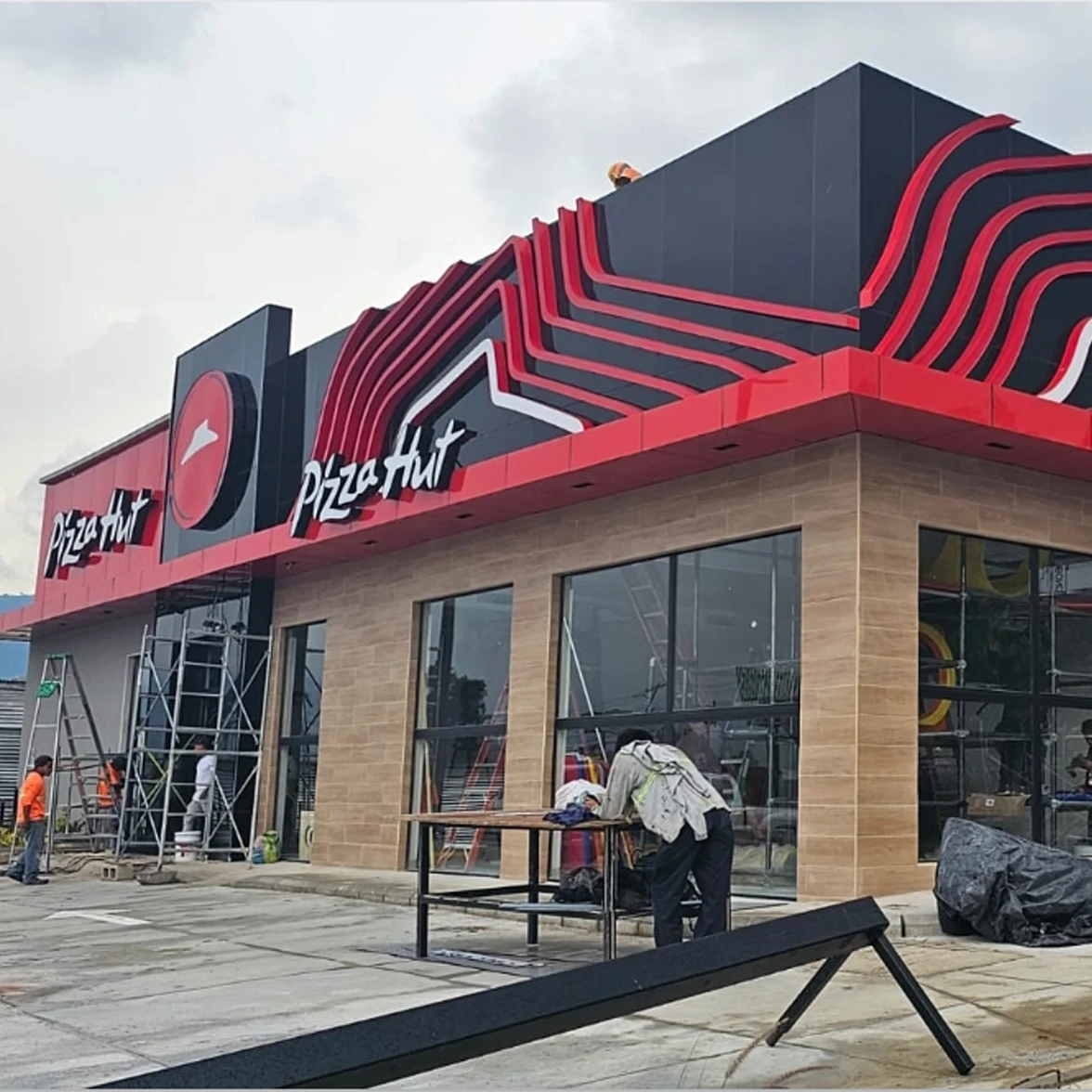
If you've ever admired sleek, modern building facades or admired the sturdy but lightweight panels in various applications, chances are aluminium alucobond has played a part. This advanced composite panel is not only turning heads in architecture and industrial design but also plays a significant role in sustainability and innovation worldwide. Why does it matter on a global scale? Because understanding aluminium alucobond means tapping into solutions that balance durability, aesthetics, and environmental responsibility—qualities increasingly prized in an ever-demanding world.
In this deep dive, we’ll explore what aluminium alucobond really is, why global industries are turning to it, and the fascinating ways it reshapes everything from urban landscapes to remote humanitarian projects.
The Global Relevance of Aluminium Alucobond
Across continents and industries, demand for materials that combine strength with lightweight properties has soared. According to recent data from the World Bank, urban construction is expanding rapidly—particularly in Asia and the Middle East—where innovative materials are key to quick yet sustainable development.
Aluminium alucobond surfaces emerge as a frontrunner, addressing challenges like energy efficiency in building envelopes and resource scarcity. In fact, the global aluminium composite panel market was valued over USD 5 billion in 2022, with predictions of steady growth fueled by green building standards aligned with the ISO 14001 protocols.
Yet, beyond construction, aluminium alucobond steps in where durability and ease of deployment are critical—think emergency shelter frameworks, industrial signage, and transport industries.
Mini Takeaway:
In the era of rapid urbanization and climate-conscious policies, aluminium alucobond's blend of strength, lightness, and eco-friendliness gives it a broad global appeal that’s only growing.
What Exactly Is Aluminium Alucobond?
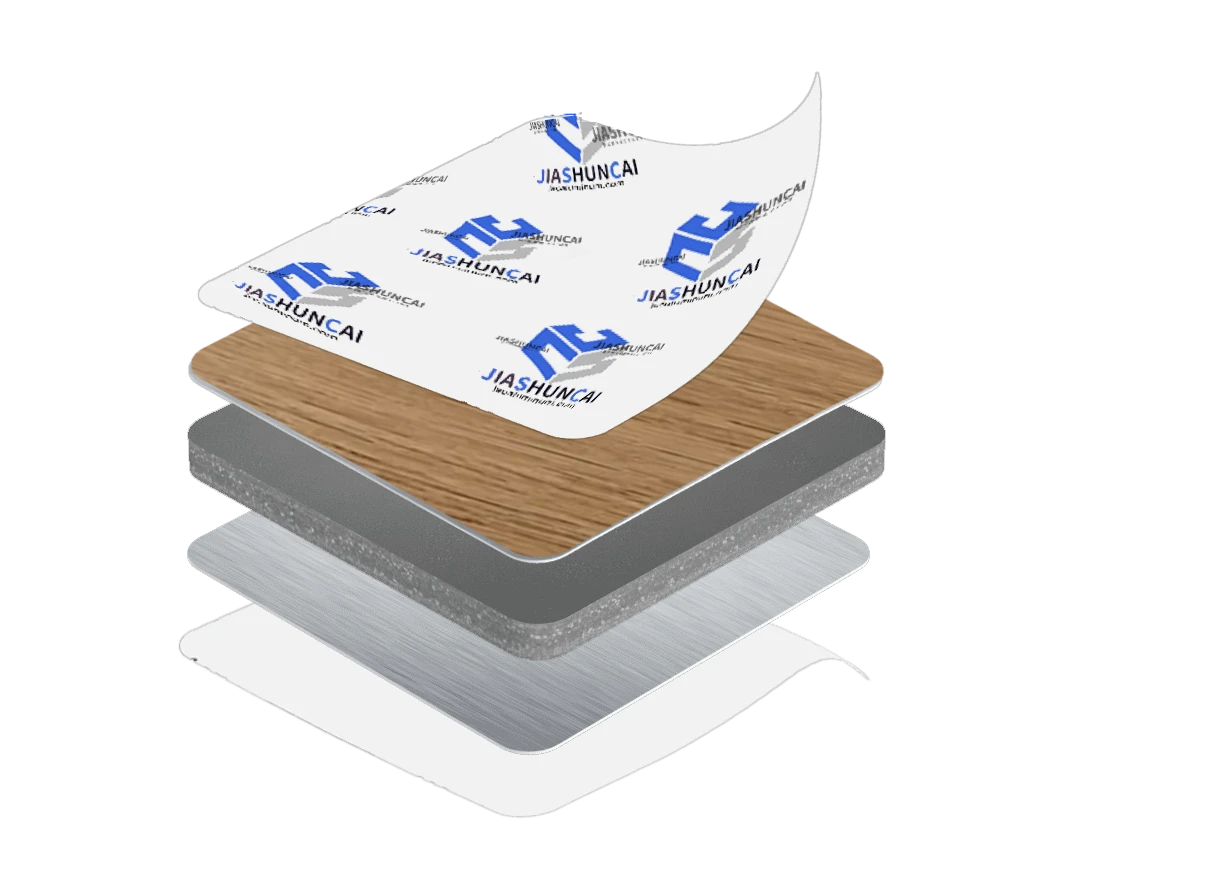
Put simply, aluminium alucobond is a composite panel made of two thin aluminium sheets bonded to a polyethylene core. The result is a material that combines the rigidity and weather resistance of metal with surprising flexibility and lightness.
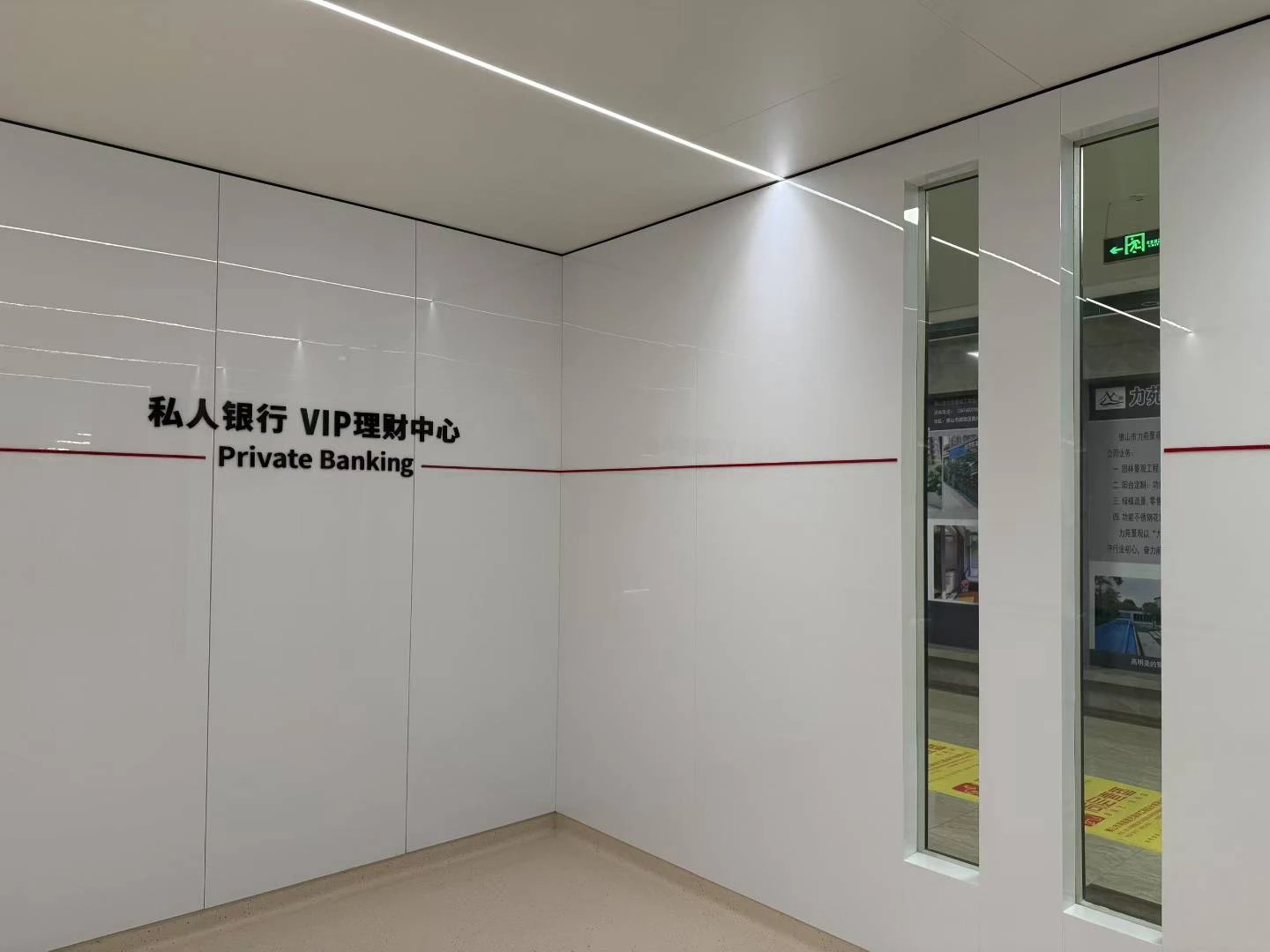
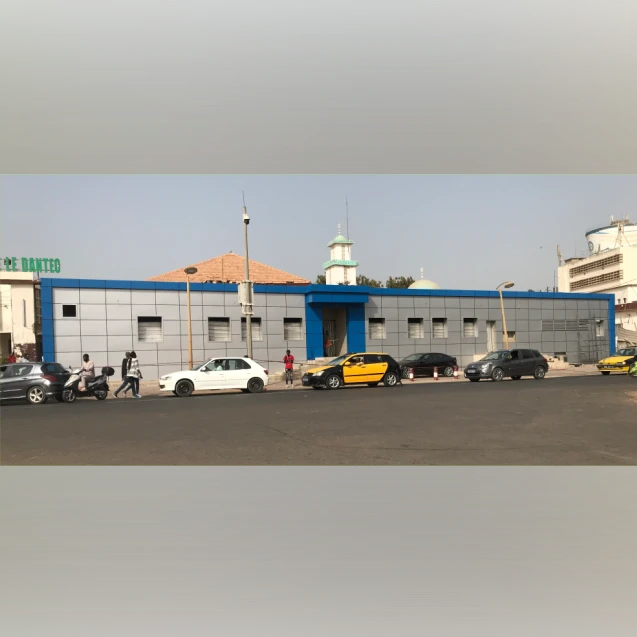
The invention caught on because it supports modern architectural styles, like high-rise curtain walls and dynamic facades, while offering longevity far beyond traditional materials. In humanitarian applications, this means swift, reliable structures that can be transported easily and withstand harsh climates.
Mini Takeaway:
Aluminium alucobond is a smart marriage of aesthetics and function, making it indispensable across industries focused on durability and innovation.
Core Components and Key Factors
1. Durability
The weatherproof aluminium exterior resists corrosion and UV damage, making it ideal for both coastal cities and arid zones. Many engineers I’ve spoken with praise its capacity to maintain integrity over decades—a rare feat.
2. Lightweight Yet Strong
Despite being sturdy, these panels are surprisingly light, reducing structural load and transport costs. For example, transportation firms often report up to 30% savings in fuel due to lighter cargo weights when using these materials.
3. Ease of Fabrication
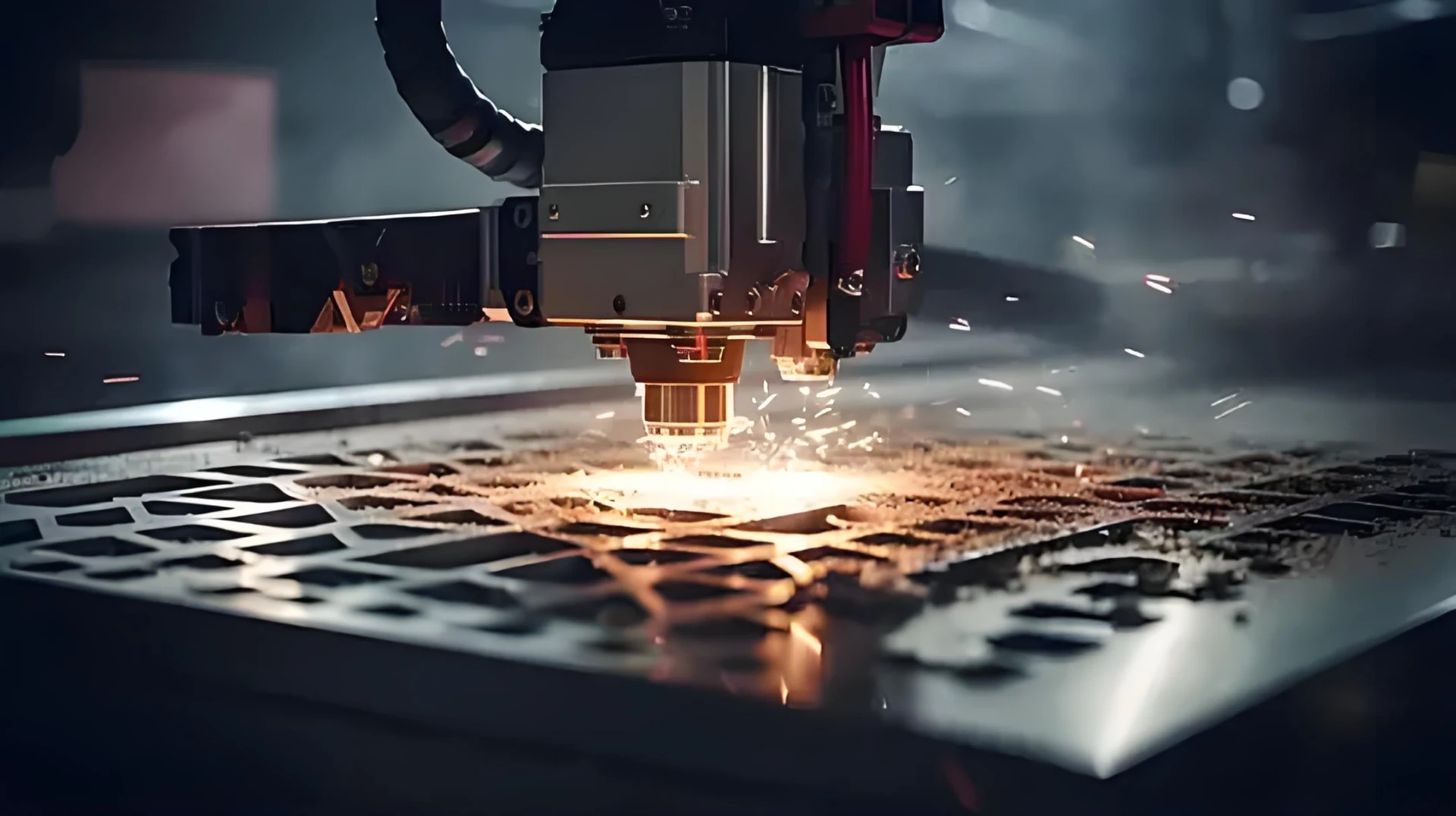
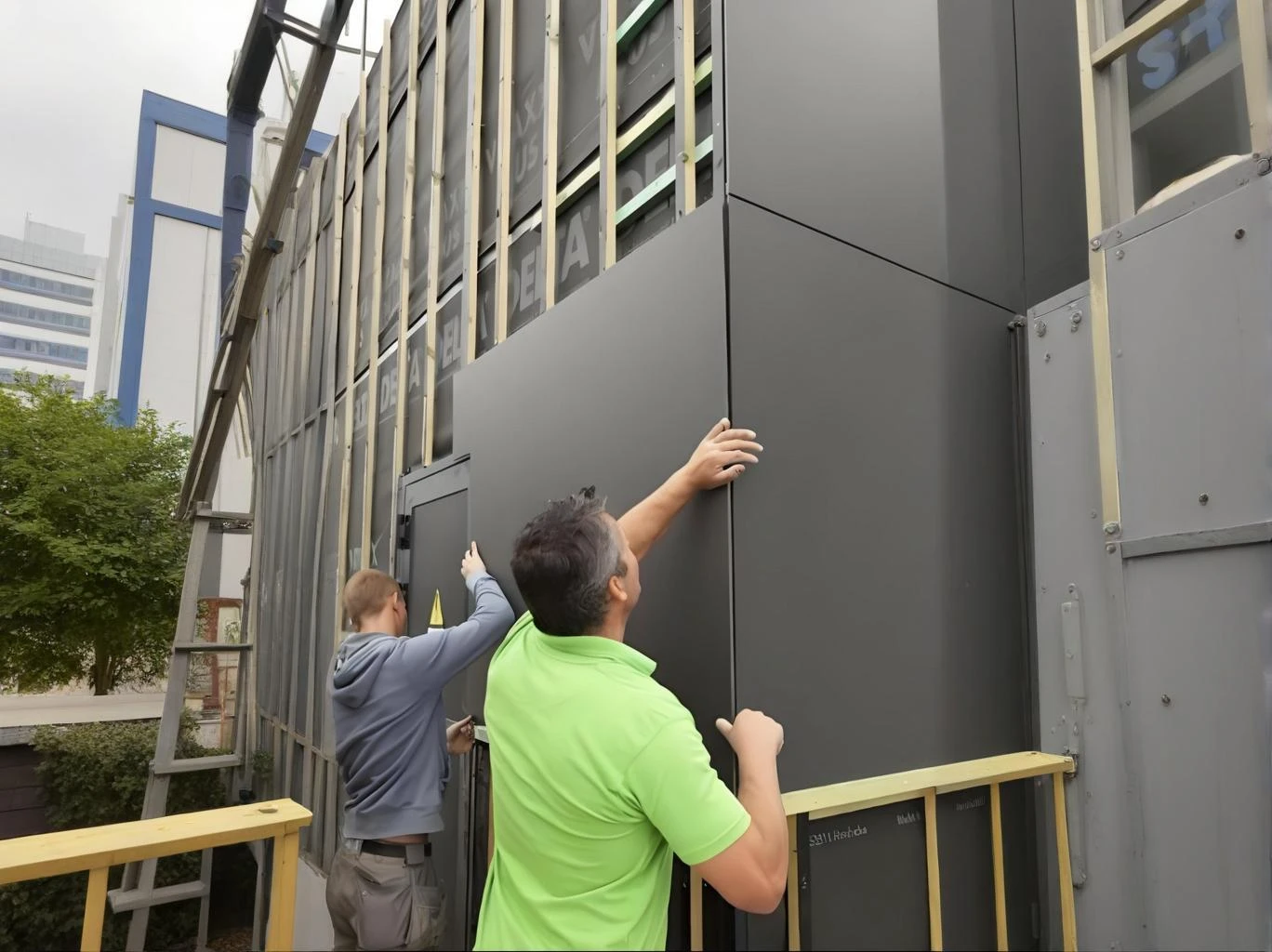
Fabricators appreciate how aluminium alucobond cuts, bends, and bonds easily without losing form, allowing for quick customization without extensive machinery.
4. Cost Efficiency
While the initial price might look steeper than standard cladding, lifecycle savings in maintenance, energy, and replacement are huge—making it a smart long-term bet.
5. Environmental Sustainability
It’s 100% recyclable and supports LEED certification goals, which many developers and governments now require for new projects.
Mini Takeaway:
The combination of durability, light weight, and sustainability makes aluminium alucobond a smart material choice both practically and economically.
Aluminium Alucobond in Action: Global Applications & Use Cases
This material is present far beyond fancy city buildings. For example:
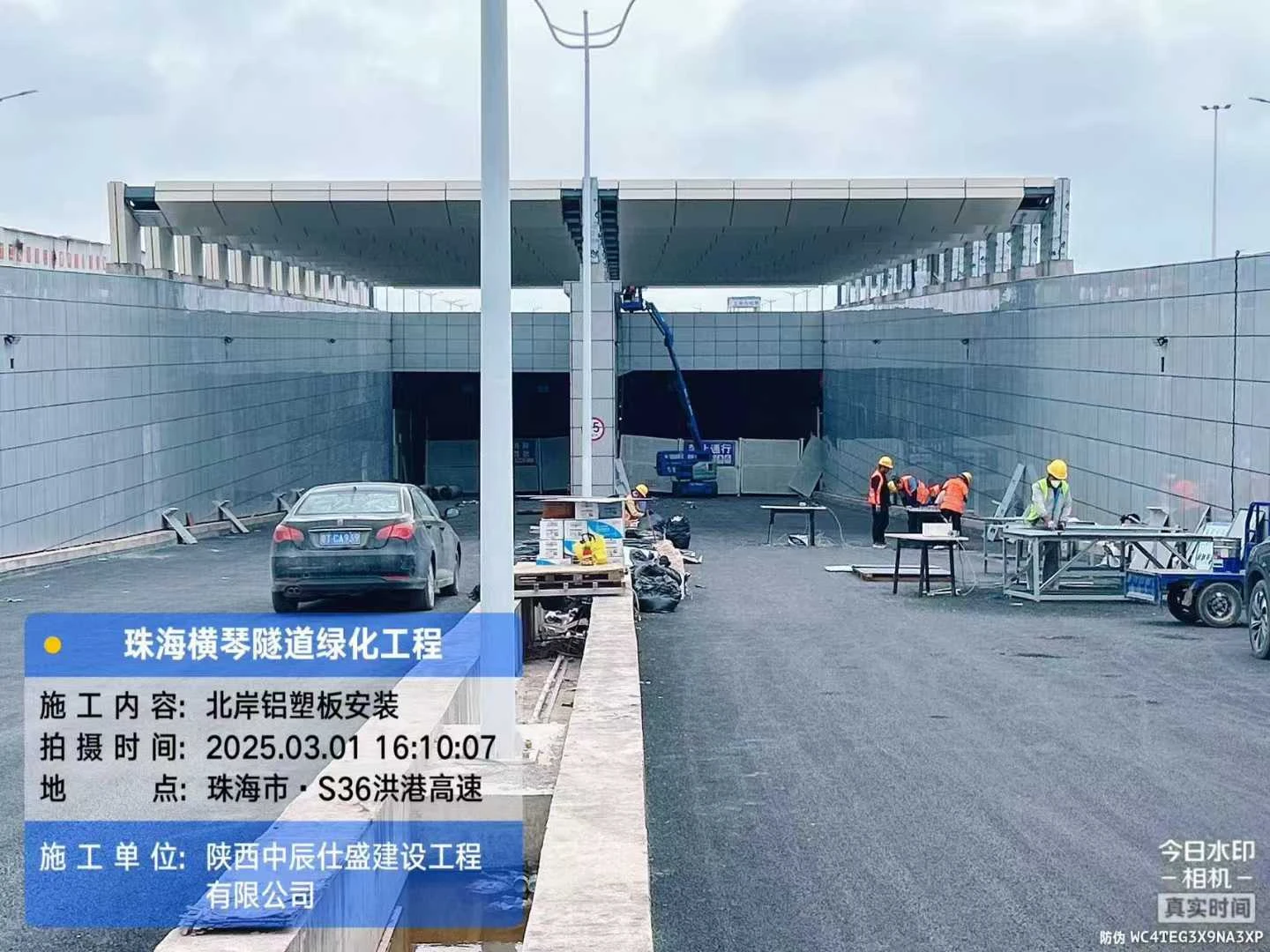
- Middle East: In Dubai and Abu Dhabi, aluminium alucobond panels clad iconic skyscrapers, offering both style and solar reflectance to reduce cooling costs.
- Europe: Historic building renovation projects use aluminium composite panels to create lightweight protective façades that don’t harm original structures.
- Humanitarian projects: Groups like Médecins Sans Frontières employ aluminium alucobond in pop-up clinics and shelters due to its portability and resilience in disaster zones.
- Transport and signage: Public transit systems in Asia increasingly use these panels for bus shelters and station tags to maximize visibility and fight wear-and-tear.
Mini Takeaway:
If you’ve seen sleek building cladding, energy-efficient facades, or reliable disaster shelters recently, aluminium alucobond likely played a role.
Advantages and Long-Term Value of Aluminium Alucobond
Looking beyond specs, many stakeholders praise this material for:
- Cost Savings: Reduced maintenance and energy bills over decades.
- Environmental Impact: Lower carbon footprint and reuse potential.
- Safety and Dignity: In emergency housing, tough yet attractive panels mean displaced families get better, safer shelter.
- Innovation and Trust: The construction industry’s growing confidence in aluminium alucobond has spurred creative architectural designs and urban renewal.
Product Specification Table
| Specification |
Typical Value |
Units |
| Panel Thickness |
4–6 |
mm |
| Weight |
350–450 |
g/m² |
| Thermal Conductivity |
0.3–0.5 |
W/m·K |
| Fire Rating |
Class B |
– |
| Recyclability |
100% |
– |
Vendor Comparison: Aluminium Alucobond Providers
| Feature |
JS Aluminum |
AluDecor |
MetaPanels |
| Panel Thickness Options |
3–6 mm |
4–8 mm |
4–6 mm |
| Fire Safety Class |
Class B |
Class A2 |
Class B |
| Customization Support |
High |
Moderate |
High |
| Environmental Certification |
ISO 14001 |
LEED Compatible |
None |
| Global Shipping |
Yes |
Limited |
Yes |
Looking Ahead: Future Trends and Innovations
The aluminium composite industry is not standing still. Innovations like integrating photovoltaic cells directly into aluminium alucobond panels are already being tested, potentially turning façades into solar energy generators. Digital fabrication techniques and automation make customization faster and cheaper, helping meet the demand for green building certifications.
Another exciting avenue is bio-based polyethylene cores, which replace traditional plastics to further enhance sustainability. These advances aren’t just futuristic; they’re often piloted right now in leading-edge cities striving for net-zero emissions.
Challenges and Practical Solutions
That said, there are hurdles to widespread adoption. Aluminium alucobond panels can be pricey upfront, and fire safety standards vary regionally, sometimes limiting use. Supply chain disruptions, especially for aluminium itself, can also cause delays.
Experts advise rigorous vendor vetting and investing in quality certifications to ensure performance. Modular design and recycling programs also help offset initial costs and environmental concerns. Frankly, if you’re in construction or logistics, having an adaptable plan for sourcing and managing these panels is key.
FAQ: Your Questions About Aluminium Alucobond Answered
What makes aluminium alucobond panels better than traditional cladding?
Aluminium alucobond offers superior durability, lighter weight, and better weather resistance than many traditional cladding materials like wood or fiber cement. It also supports sleek, modern design and is recyclable, providing long-term cost and environmental benefits.
How long can aluminium composite panels last in harsh environments?
Properly maintained aluminium alucobond panels can last 20–30 years or more, even in corrosive coastal or desert climates, thanks to corrosion-resistant coatings and rigid core construction.
Is aluminium alucobond environmentally friendly?
Yes, it’s 100% recyclable, reduces carbon footprint through light weight, and supports energy efficiency in buildings. Using panels with certified sustainable cores further enhances eco-friendliness.
How can NGOs import aluminium composite panels for international projects?
Many global vendors offer shipping services worldwide. NGOs should check local import regulations, certifications, and select suppliers that provide clear documentation—and often, aluminium alucobond providers facilitate this process.
Can aluminium alucobond panels be customized?
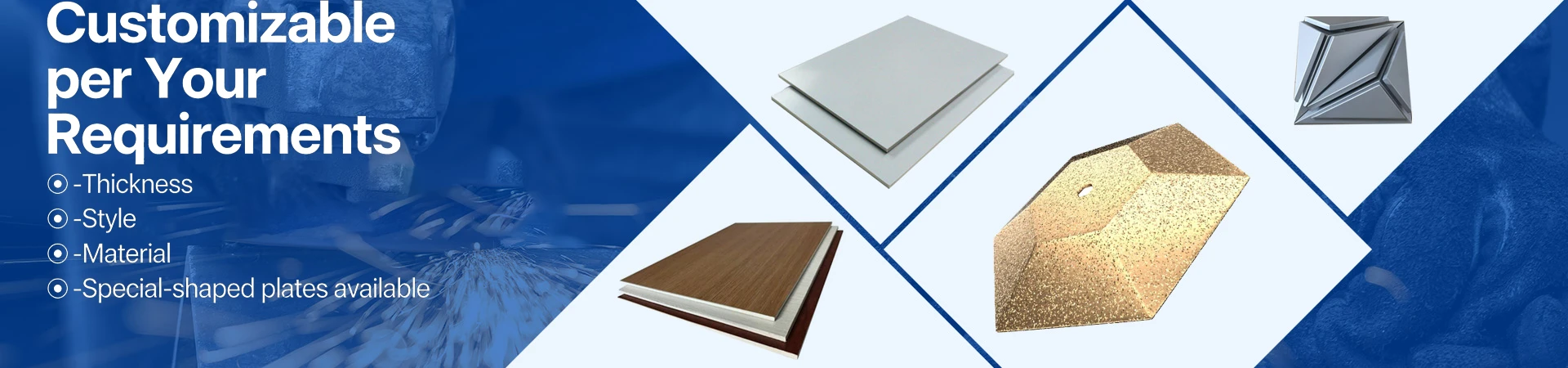
Absolutely. These panels can be cut, shaped, and finished in many colors and textures, fitting diverse architectural and industrial needs.
Wrapping Up: The Lasting Value of Aluminium Alucobond
In sum, aluminium alucobond isn’t just another building product—it’s a versatile solution meeting the demands of modern industry, environment, and society simultaneously. Its use transcends borders and sectors, proving time and again that blending innovation with sustainability pays dividends.
If you’re curious to explore aluminium alucobond’s potential in your projects, I warmly invite you to visit our website: https://www.jscaluminum.com. From technical specs to ordering support, they’re a great place to begin.
References
- Wikipedia — Aluminium Composite Panel
- ISO 14001 Environmental Management Systems
- World Bank Urban Population Data