Alpolic Composite: A Modern Marvel in Lightweight Panel Solutions
In a world that’s increasingly demanding smarter, more sustainable building materials, alpolic composite stands out as a versatile solution that’s quietly reshaping façades, signage, interiors, and even eco-conscious infrastructure projects. But, what exactly is this material, and why should designers, builders, and even humanitarian agencies care? Let’s unpack this lightweight yet mighty composite and see why it matters globally today.
Why Alpolic Composite Matters Globally
According to the International Organization for Standardization (ISO), global construction and façade industries are under immense pressure to innovate with materials that reduce environmental impact and improve performance. Enter alpolic composite – a type of aluminum composite panel renowned for its durability and flexibility. The World Bank estimates that sustainable building material sectors will grow by over 7% annually through 2030, largely driven by products like these that boast strength without the weight.
However, challenges like rising material costs and stricter building codes require composites that don’t just look good but also meet performance and safety standards. That’s precisely where alpolic composite fills a pressing need.
Defining Alpolic Composite: What Is It?
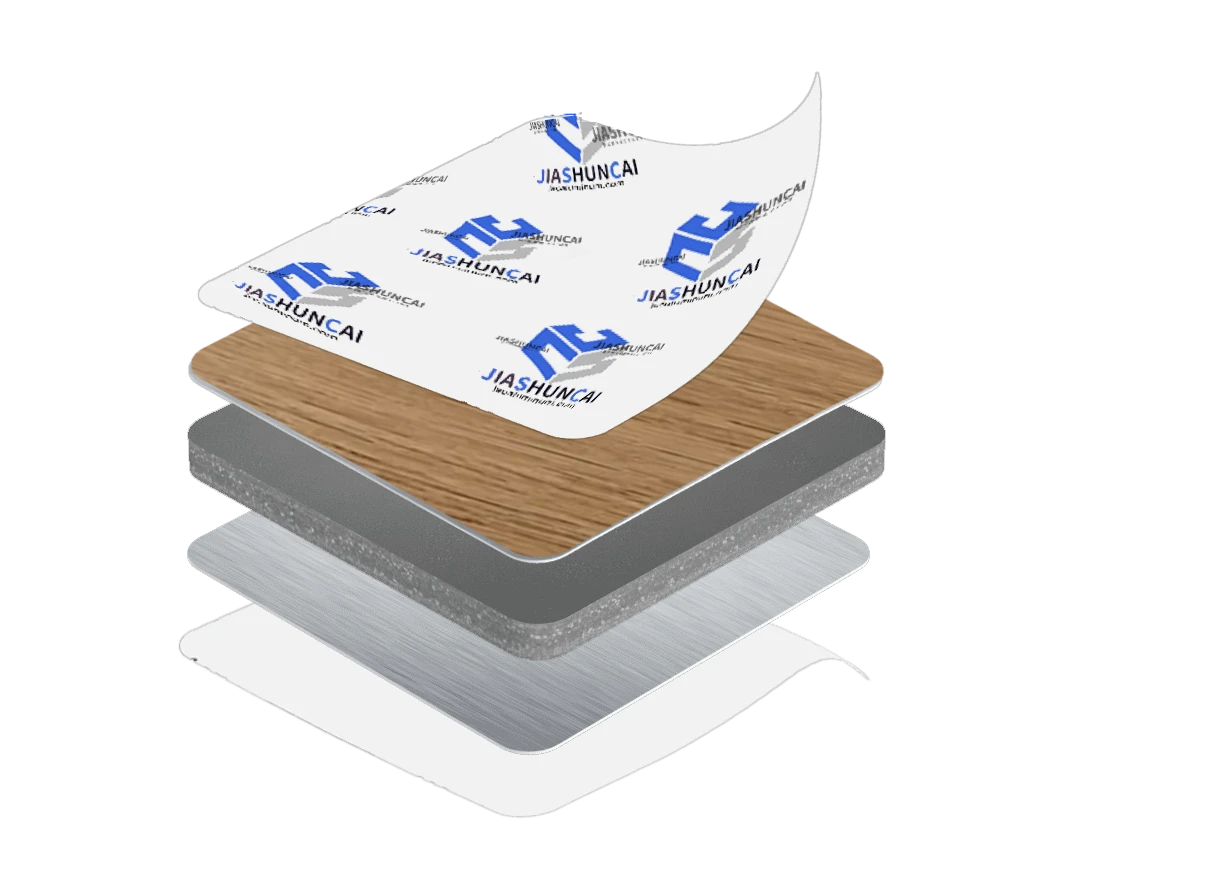
Simply put, alpolic composite panels are sandwich-like structures—thin sheets of aluminum bonded on either side of a non-aluminum core (usually polyethylene or fire-retardant materials). This design creates a lightweight yet rigid panel that offers exceptional flatness and finish quality.
These panels are a staple in modern architecture, advertising boards, and even mobile structures. Their ability to balance strength and weight helps everywhere from hurricane-prone housing to mobile medical clinics in remote locations. Think of them as the muscle and skin of modern design.
Core Factors Behind Alpolic Composite’s Popularity
Durability: Weather the Storm
One impressive aspect is their resistance to rust, corrosion, and UV rays — qualities crucial for buildings exposed to harsh climates. Many engineers say alpolic panels can last 20+ years with minimal maintenance. It’s like having a shield that just keeps on giving.
Lightweight & Scalable
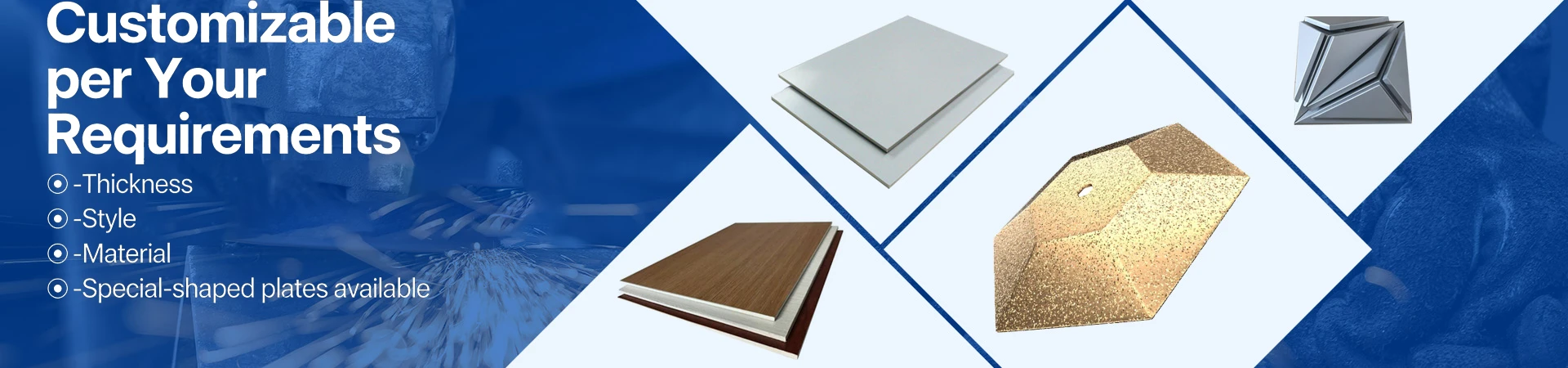
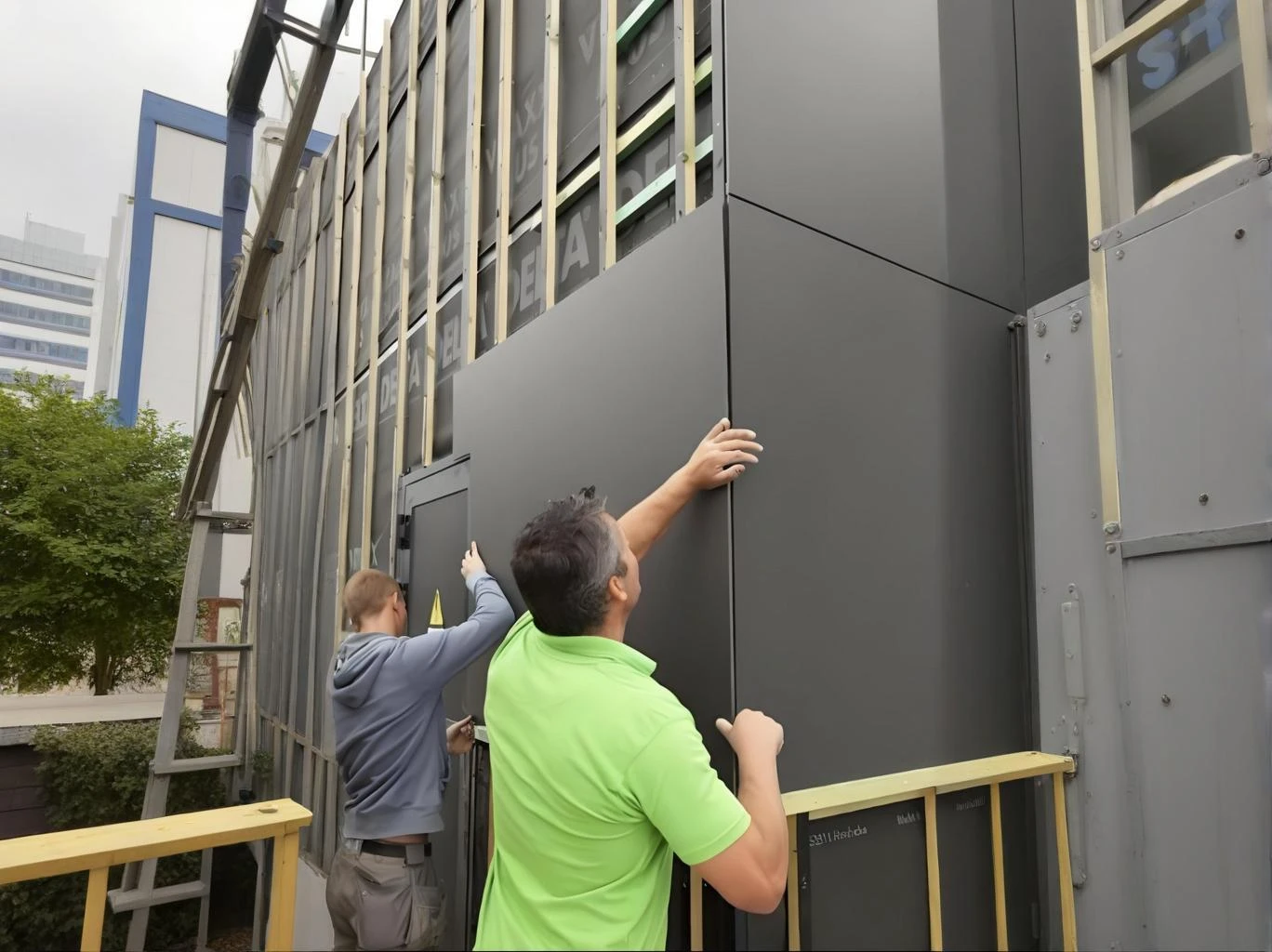
Compared to solid aluminum sheets or traditional materials, these composites weigh roughly half as much. That means easier handling on site, reduced transport emissions, and flexibility in design. Plus, because they’re highly scalable in size and thickness, architects can customize them to fit everything from large curtain walls to compact signboards.
Cost Efficiency
At first blush, the upfront cost might seem high—but when you stack up lifecycle costs — including installation, maintenance, and durability — alpolic composite often emerges a worthy investment. Plus, their easy machinability means less time wasted cutting and shaping, so labor costs dip too.
Aesthetic Flexibility
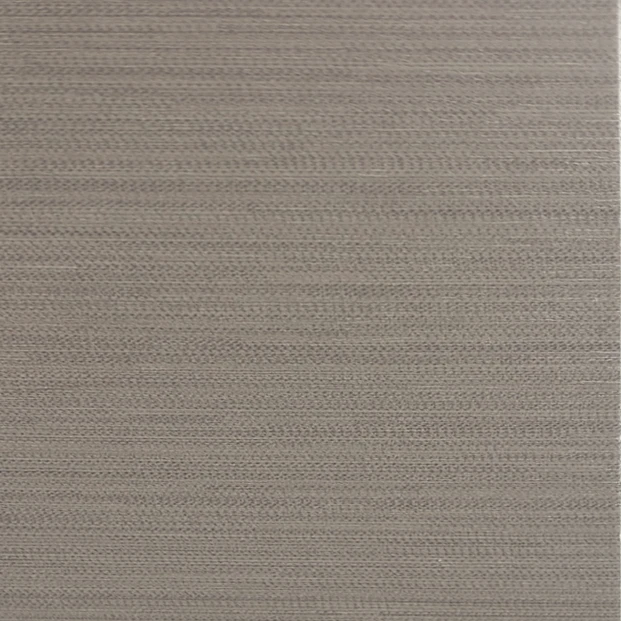
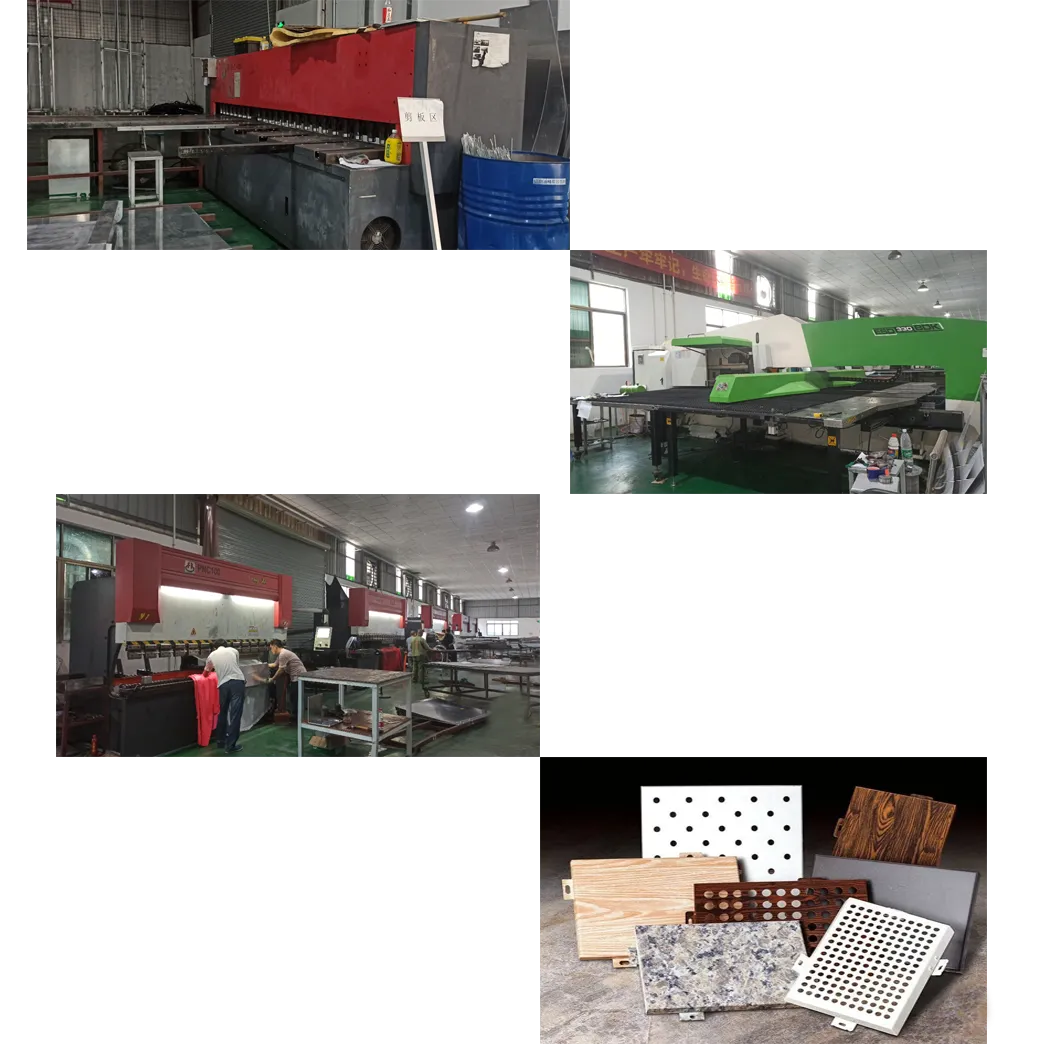
These panels come in a staggering array of colors, finishes (matte, glossy, metallic), and even textures, so designers have almost endless freedom without compromising reliability.
Where Are Alpolic Composites Changing the Game?
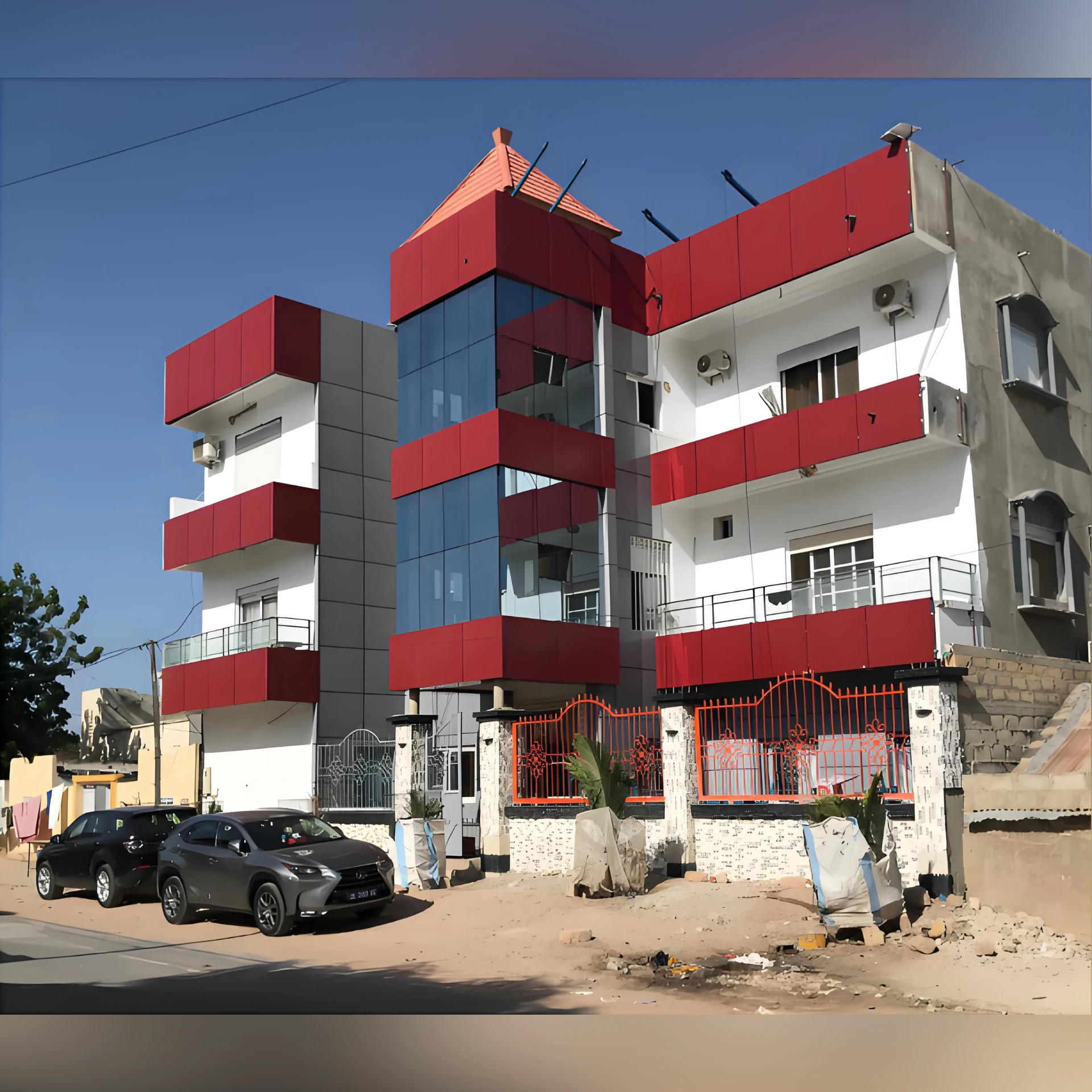
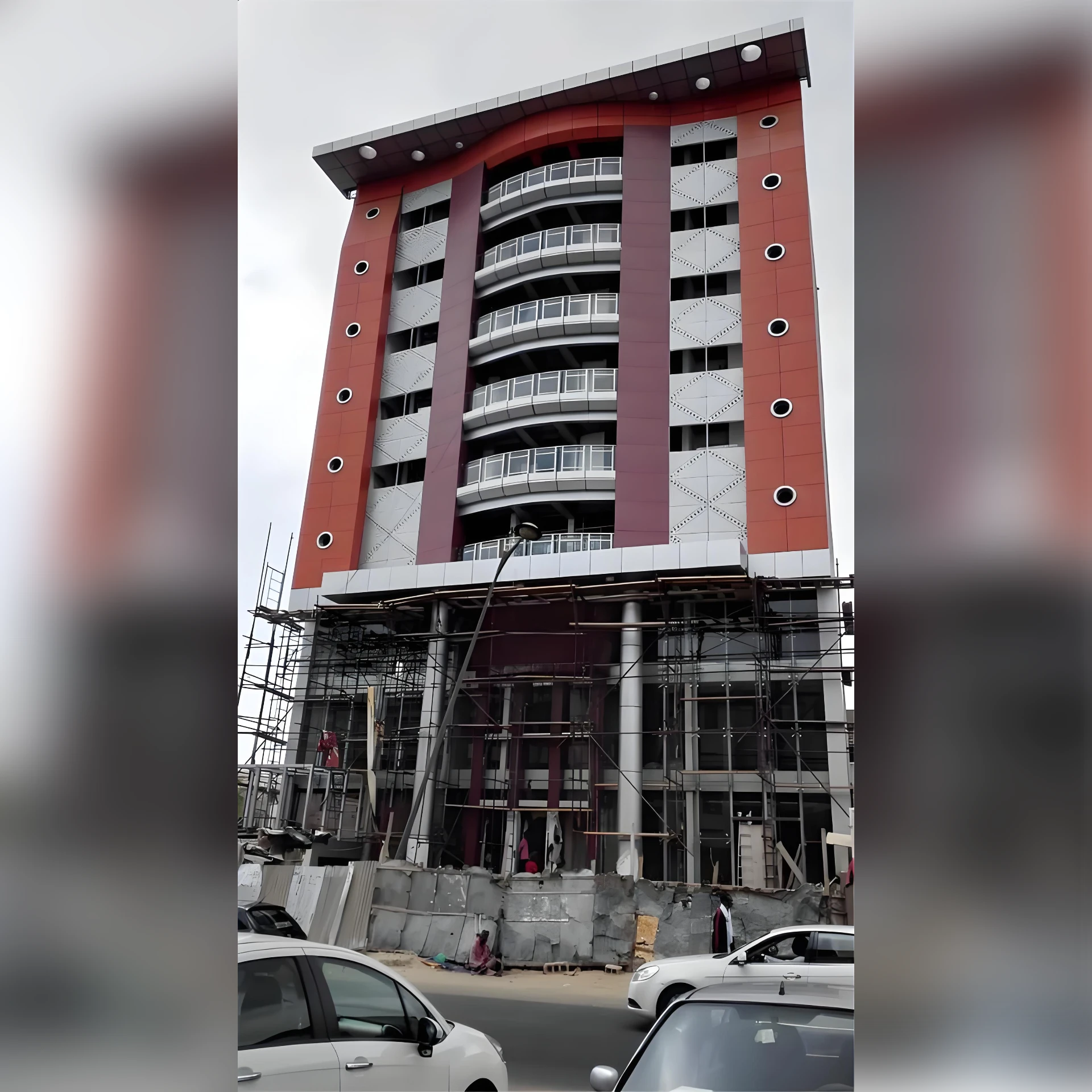
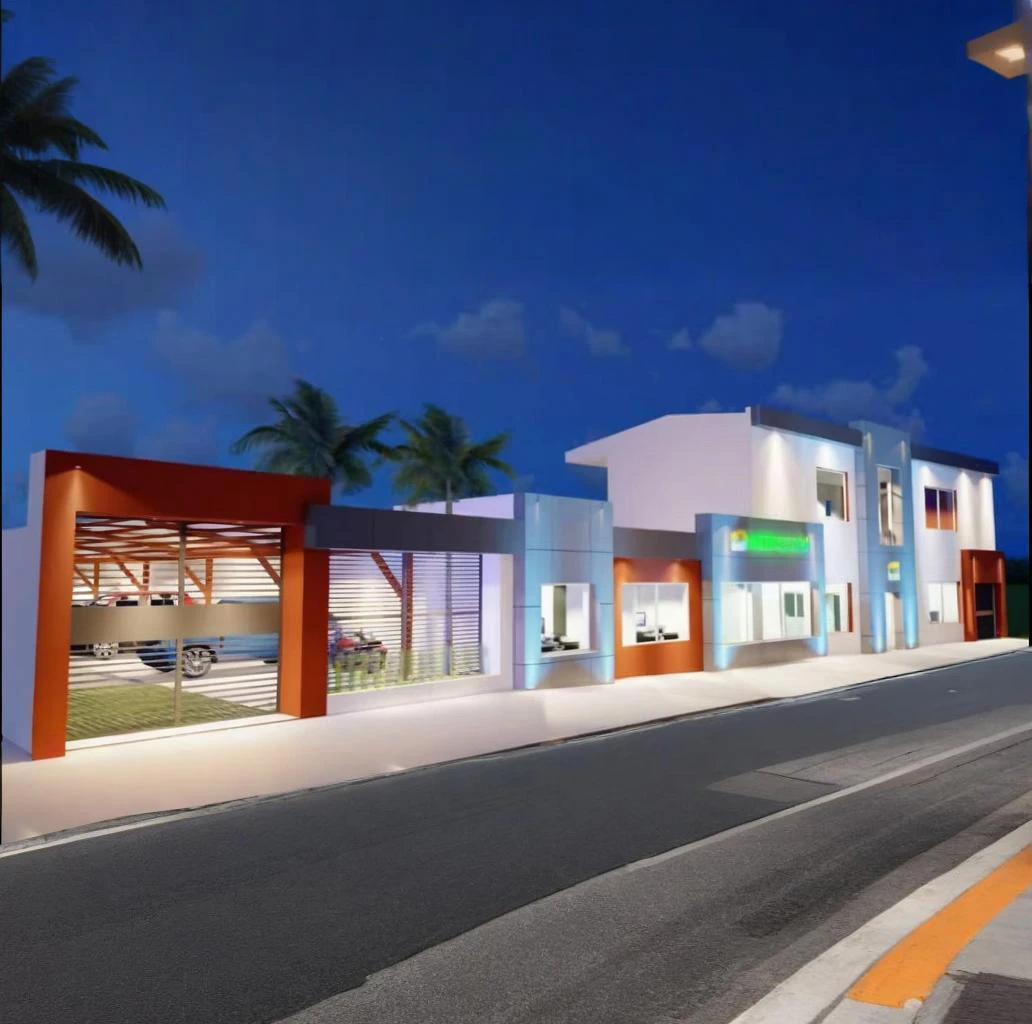
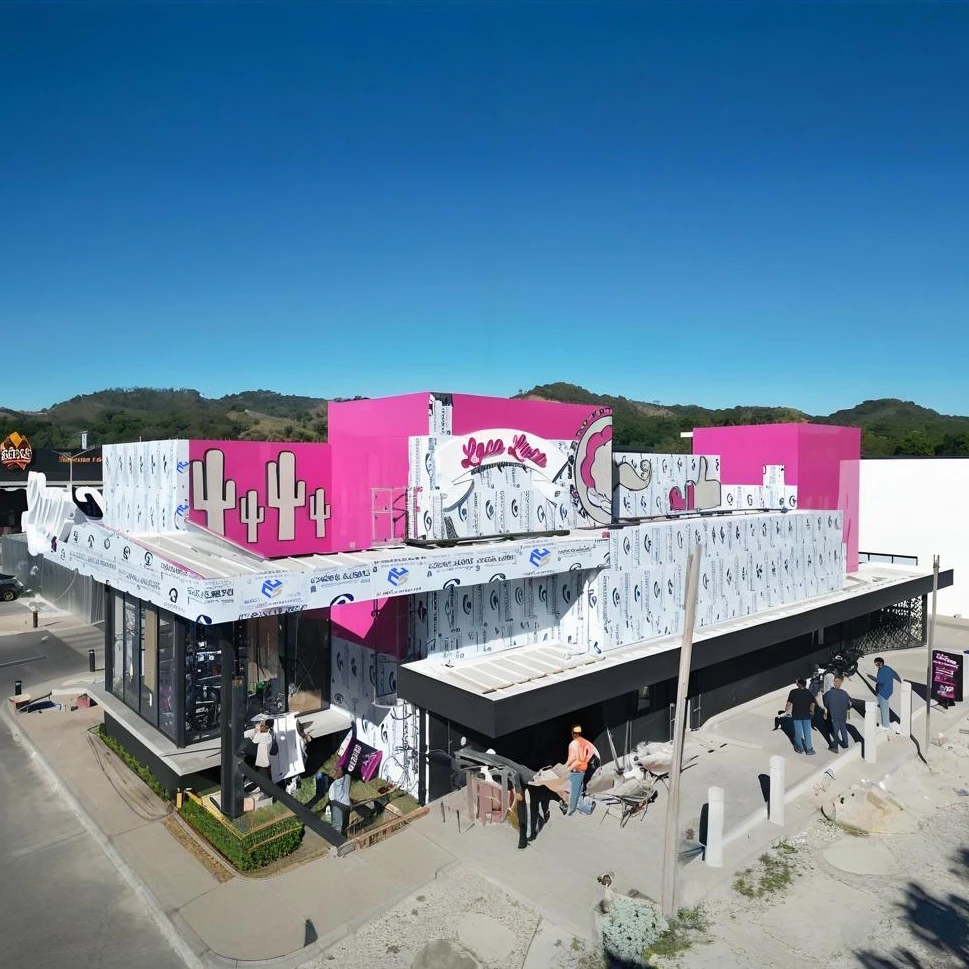
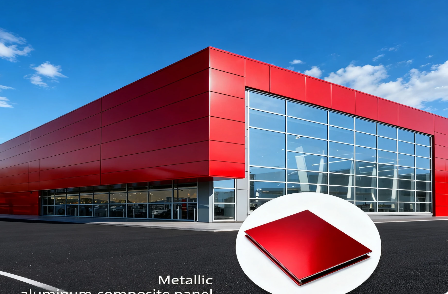
- Architecture and Facades: In Europe and Asia, skyscraper curtain walls increasingly use alpolic composites to achieve sleek, reflective surfaces that last.
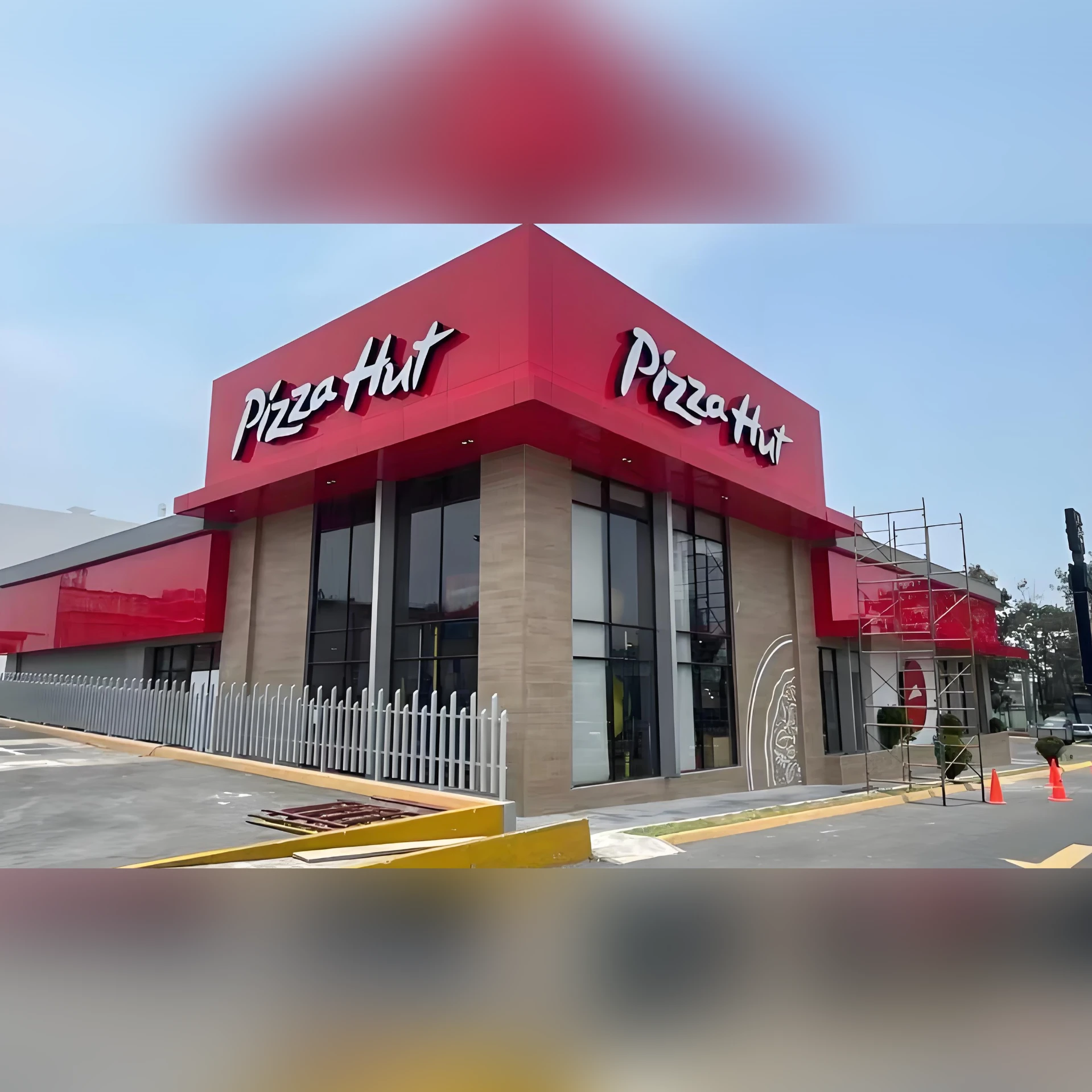
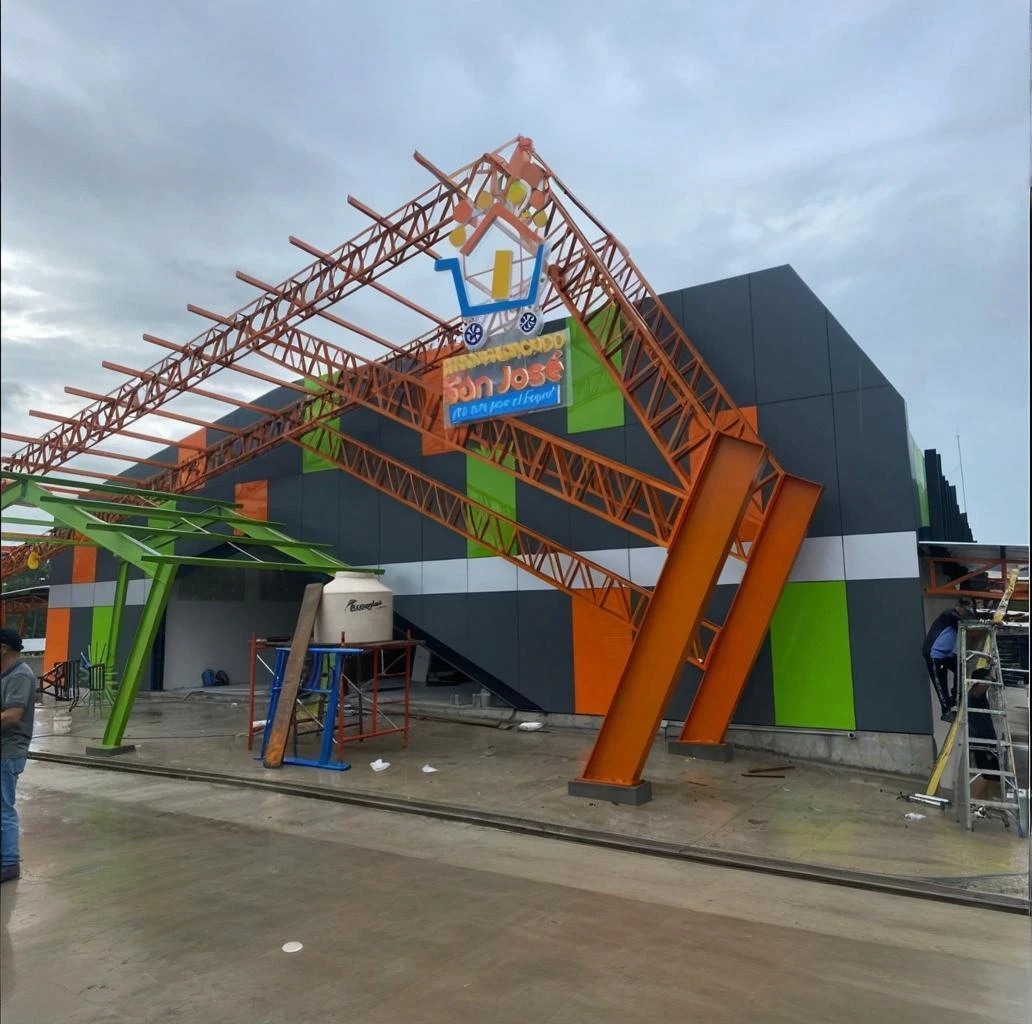
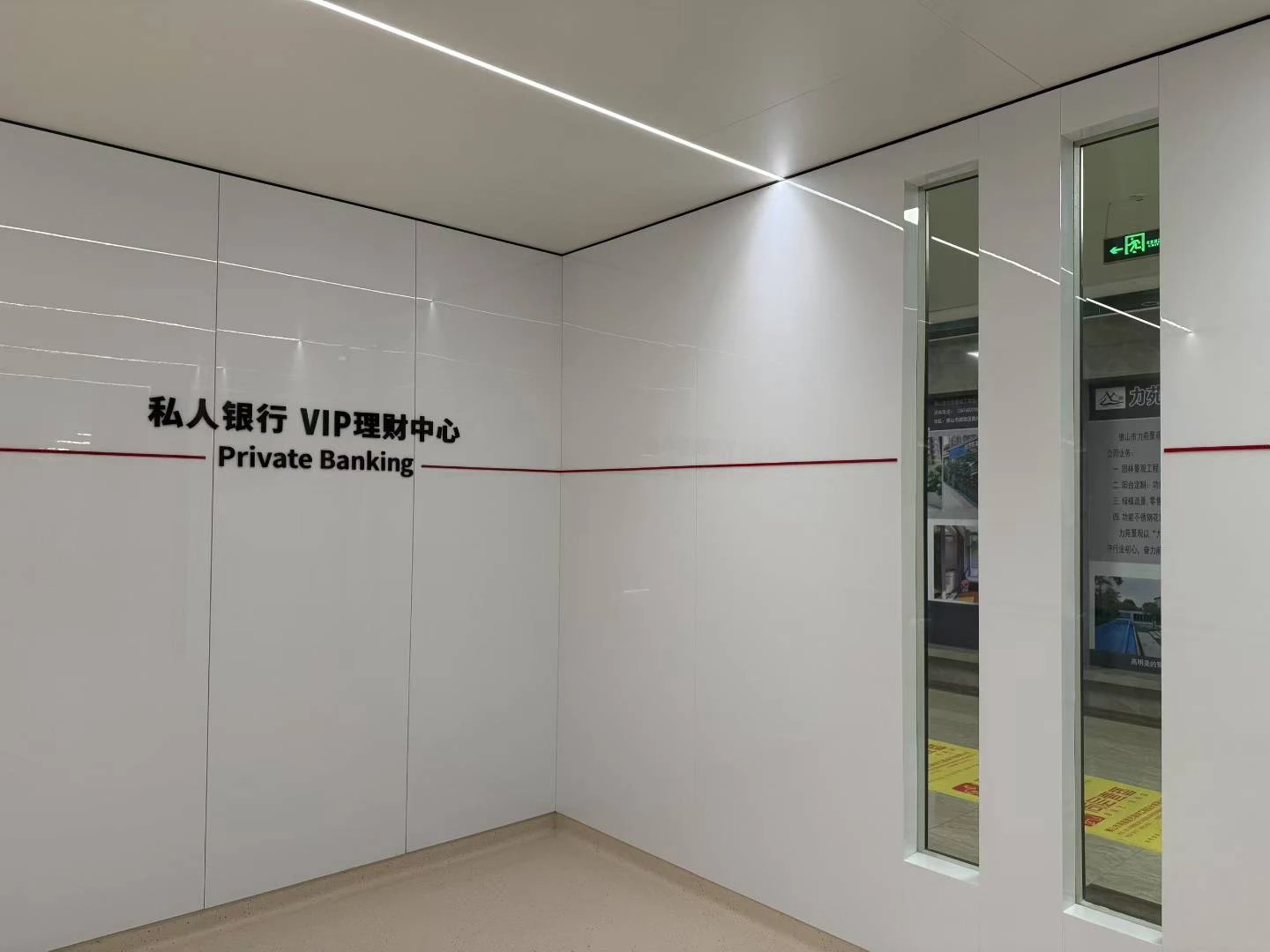
- Signage & Advertising: From storefronts in the US to subway stations in Japan, these panels make bold branded statements with perfect edges and vibrant colors.
- Transportation: Vehicle exteriors, especially buses and trains, benefit from panels’ lightweight nature to improve fuel efficiency.
- Humanitarian & Disaster Relief: NGOs deploying modular shelters and clinics in zones affected by natural disasters praise these composites for their ease of transport and durable weather resistance.
For example, after a typhoon hit Southeast Asia in 2022, rapid deployment medical units used alpolic composite panels for walls and roofing — cutting setup times and improving the structures’ resilience.
Advantages That Go Beyond the Surface
- Green Building Potential: Many alpolic composite panels are recyclable, plus their thermal insulation can reduce energy needs.
- Safety & Compliance: Fire-resistant variants help projects meet strict local codes without adding bulk.
- Social Impact: Especially in disaster zones, the durability and quick installation translate into safer, dignified living for displaced families — a human factor worth remembering.
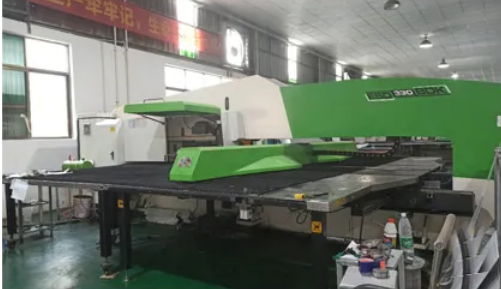
- Innovation Ready: These materials integrate with digital fabrication methods, opening doors to smart building façades that adjust shading or illumination.
Looking Ahead: Trends & Innovations in Alpolic Composites
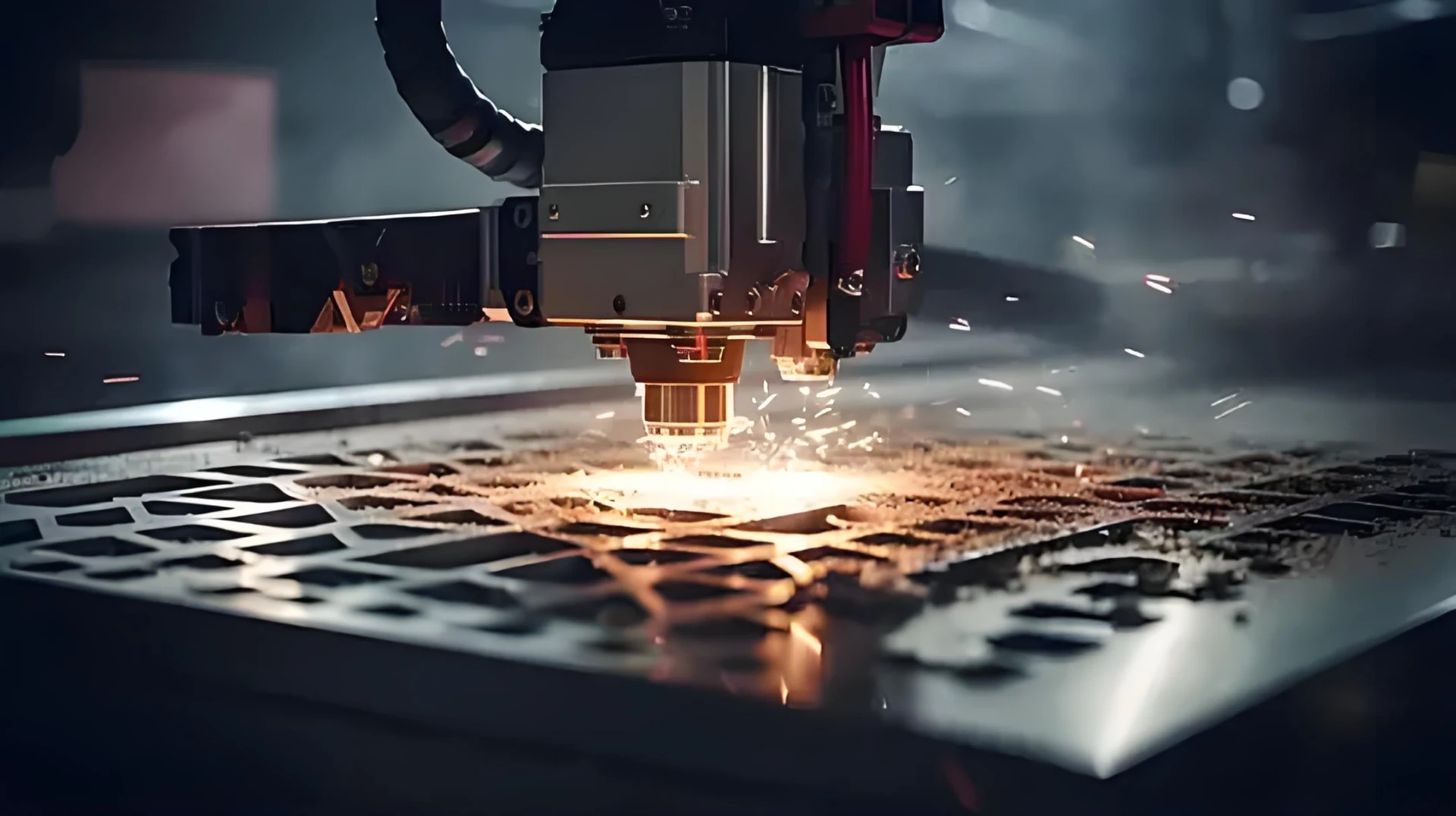
New developments in eco-friendly cores (think bio-based or mineral-filled) are pushing the sustainability envelope further. In parallel, automated panel fabrication is improving precision and reducing waste. We also see an uptick in incorporating solar-harvesting films on composite surfaces, turning once-static walls into energy producers.
Given global pushes for carbon neutrality and smarter cities, alpolic composites feel poised to evolve from a clever panel to a cornerstone of green infrastructure.
Common Challenges—and How Experts Are Tackling Them
No material is perfect, right? A few concerns persist:
- Fire Safety: Early polyethylene cores were flammable, causing alarm. The solution? Fire-retardant cores certified to international standards.
- Environmental Impact: The aluminum production footprint remains a concern. Recycling efforts and innovations in low-energy smelting are improving this.
- Installation Expertise: Panels require careful handling to avoid damage; training installers and standardizing procedures help mitigate this.
In all, challenges here seem more like hurdles on a promising path than dead ends.
Alpolic Composite Technical Specs
| Specification |
Typical Values |
Notes |
| Panel Thickness |
3mm – 6mm |
Varies by application |
| Core Material |
Polyethylene / Fire-retardant mineral |
Fire safety graded |
| Aluminum Sheet Thickness |
0.2mm – 0.5mm |
Surface finish dependent |
| Weight |
~3.5 – 5.5 kg/m² |
Much lighter than solid aluminum |
| Fire Rating |
Class B1 / ASTM E84 |
Depends on core type |
Quick Vendor Comparison
| Vendor |
Product Range |
Fire Safety |
Customization |
Lead Time |
| JSC Aluminum |
Alpolic composite panels, colors & finishes |
Meets ASTM E84 & B1 |
Full custom sizes & colors |
2–4 weeks |
| AluCom TM |
Standardized core options, limited finishes |
Class B only |
Limited customization |
1–3 weeks |
| SafePanel Inc. |
Fire-retardant specialty composites |
UL compliant, Class A |
Custom fire-rated options |
3–6 weeks |
FAQ: What You Might Be Wondering About Alpolic Composite
- Q: How does alpolic composite compare to traditional solid aluminum panels?
- A: Alpolic composite panels are significantly lighter due to their sandwich construction, which reduces weight by nearly half while maintaining rigidity. This leads to easier transport and installation, plus better thermal insulation properties compared to solid aluminum sheets.
- Q: Are these panels safe for high-rise building facades?
- Yes, especially if you select fire-retardant core variants that comply with strict local and international fire codes such as ASTM E84 and EN13501-1. Always verify certification with your supplier.
- Q: Can alpolic composites be recycled?
- Most definitely — the aluminum skins are recyclable, and several manufacturers now offer panels with cores designed to minimize environmental impact. Recycling infrastructure supports recovering both aluminum and core materials effectively.
- Q: How customizable are these panels?
- Extremely customizable. Sizes, core materials, thicknesses, colors, and finishes can typically be tailored to project needs. Some suppliers even provide digital color matching and textured finishes for architectural uniqueness.
- Q: What industries benefit most from alpolic composites?
- Beyond construction and signage, transportation, marine, and humanitarian relief sectors find them invaluable due to their balance of lightness, strength, and weather resistance.
Wrapping Up and Next Steps
Alpolic composite panels are more than just aluminum sandwiches; they represent a convergence of modern manufacturing, sustainability efforts, and design freedom that’s hard to ignore. Whether you’re an architect aiming for ultra-sleek facades, a humanitarian group deploying shelters, or a signage company craving vivid, durable advertising, these materials have seriously earned their keep.
Interested in exploring alpolic composite options customized to your needs? Visit alpolic composite supplier JSC Aluminum to see their extensive product range and get expert guidance.
Mini Takeaways:
- Alpolic composite panels combine lightweight design with durability and aesthetic versatility.
- Sustainability and strict safety standards are shaping new innovations in composite materials.
- They serve diverse sectors from genuine humanitarian aid to cutting-edge architectural projects.
References
- International Organization for Standardization (ISO)
- World Bank Urban Development
- Aluminum Composite Material - Wikipedia