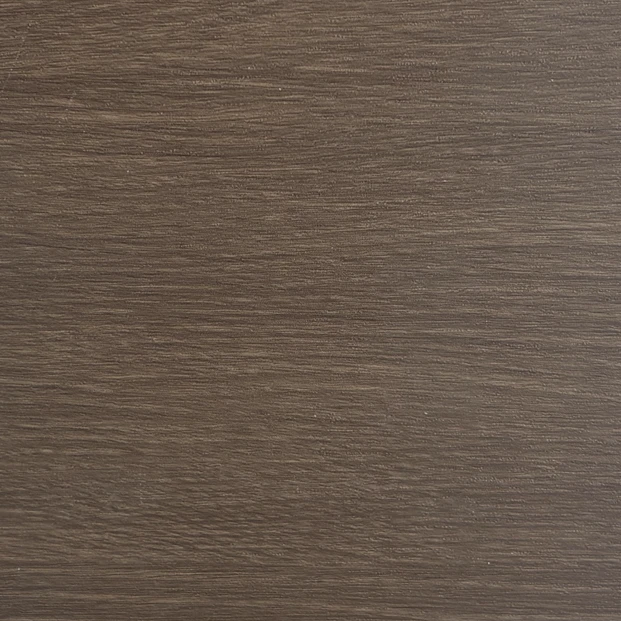
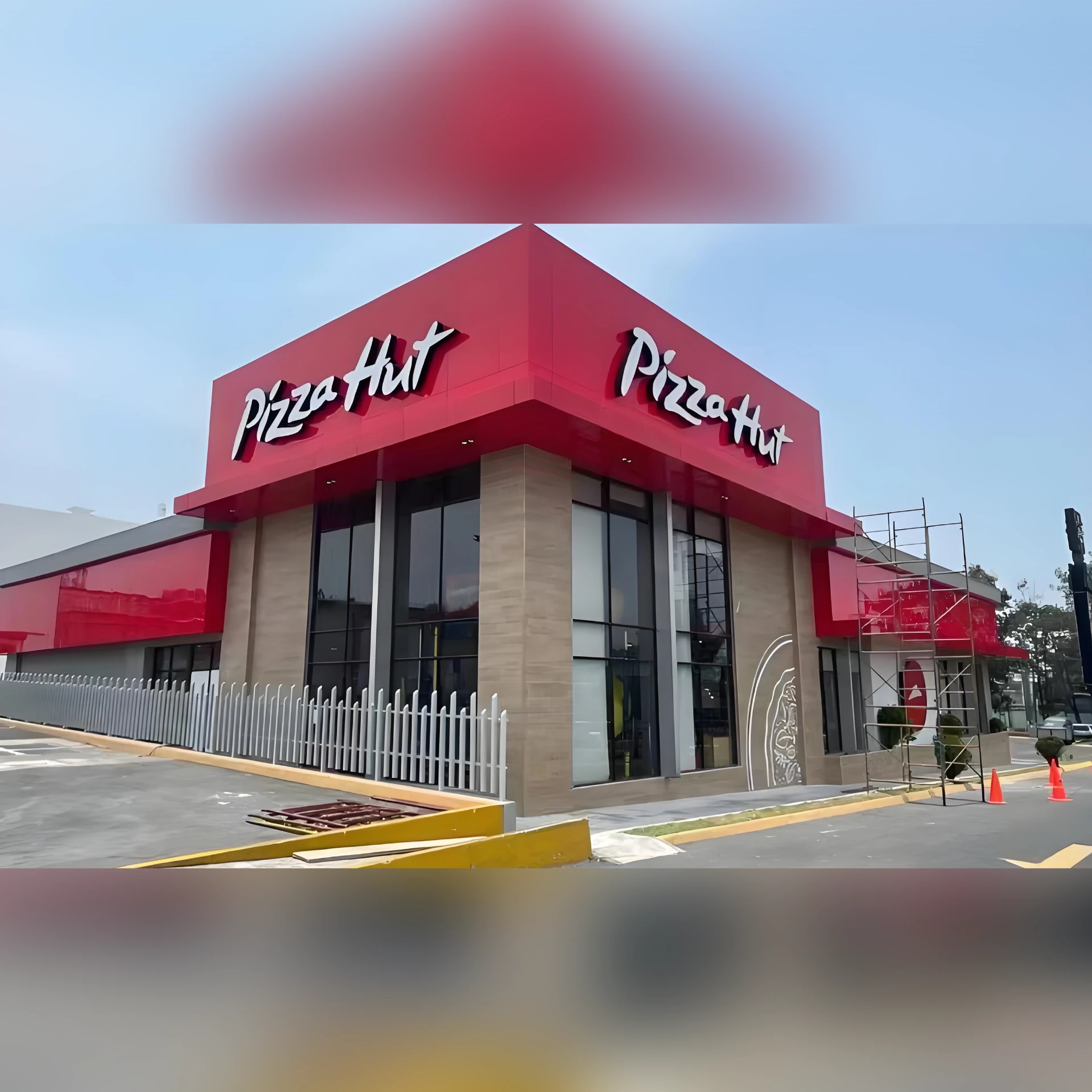
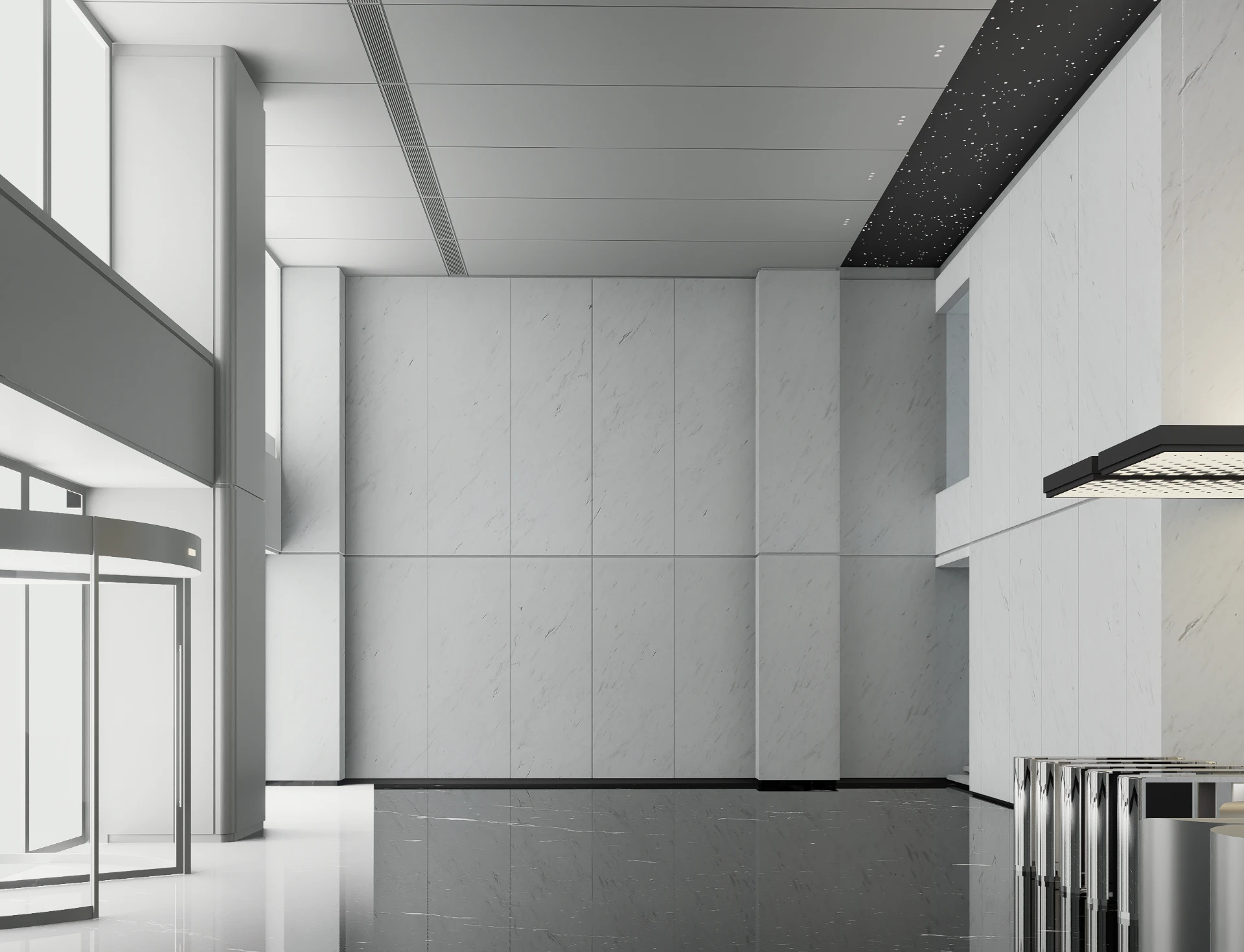
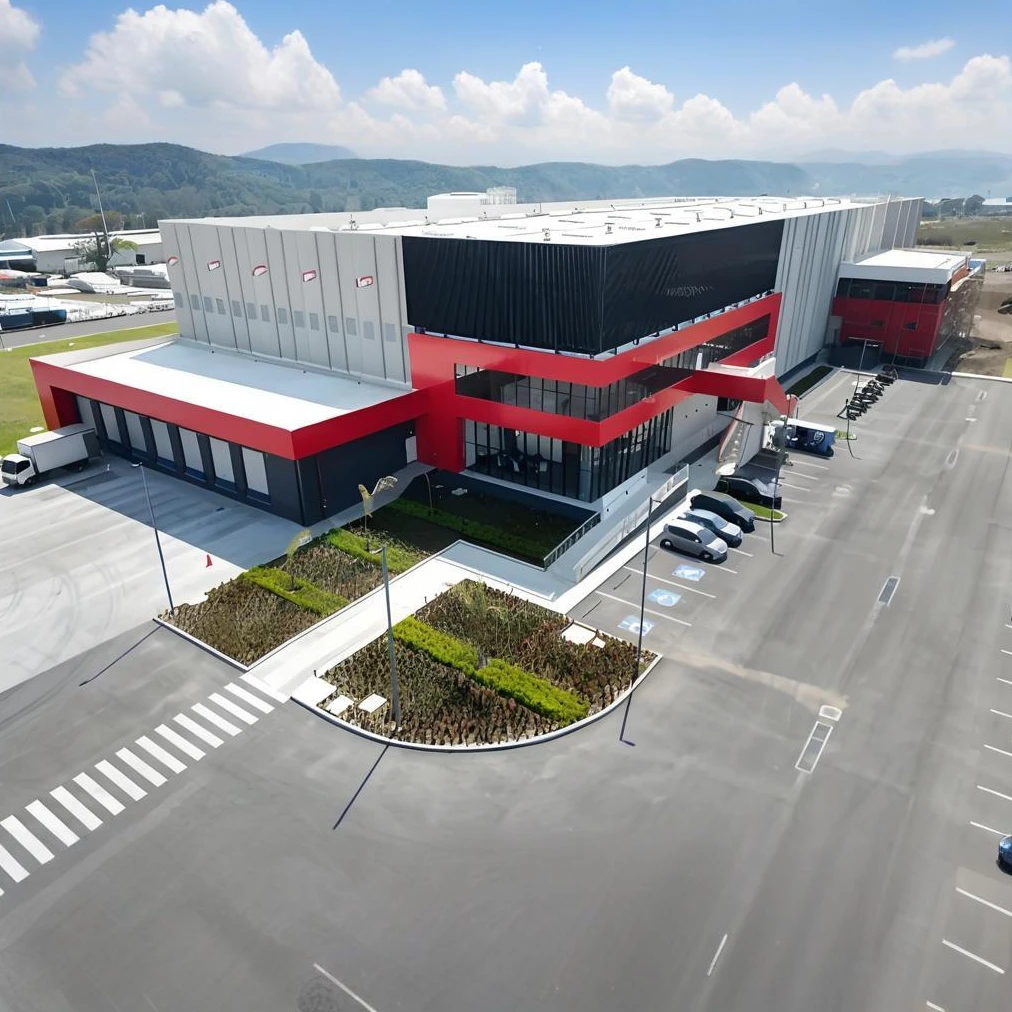
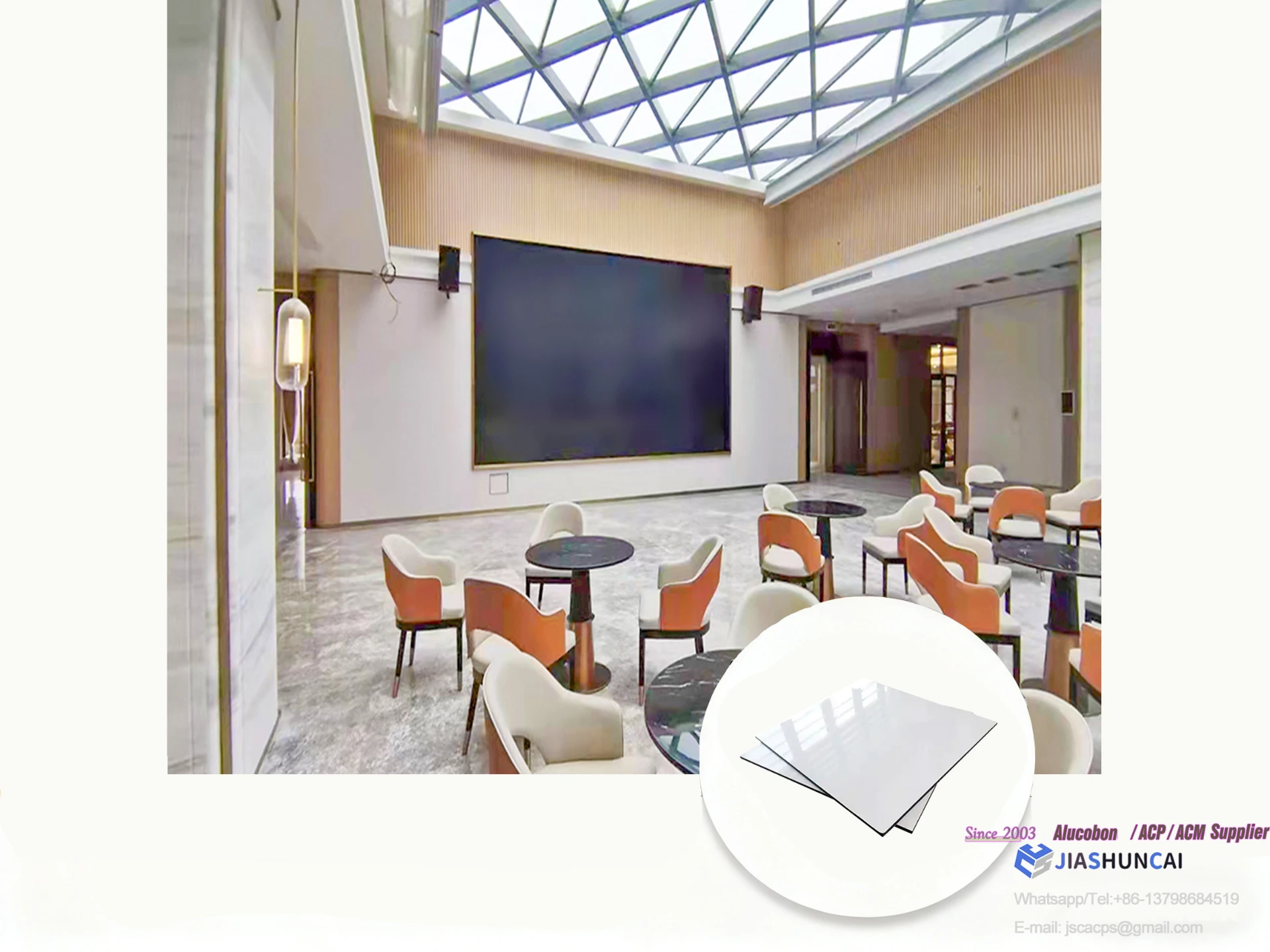
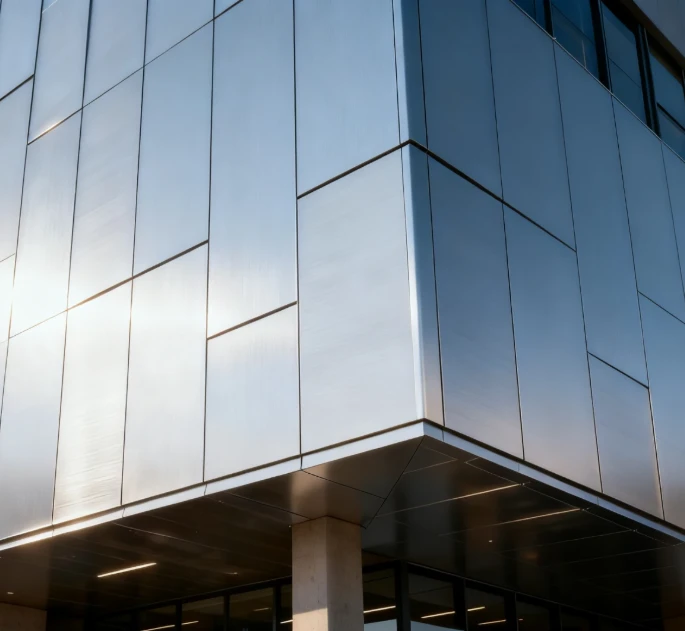
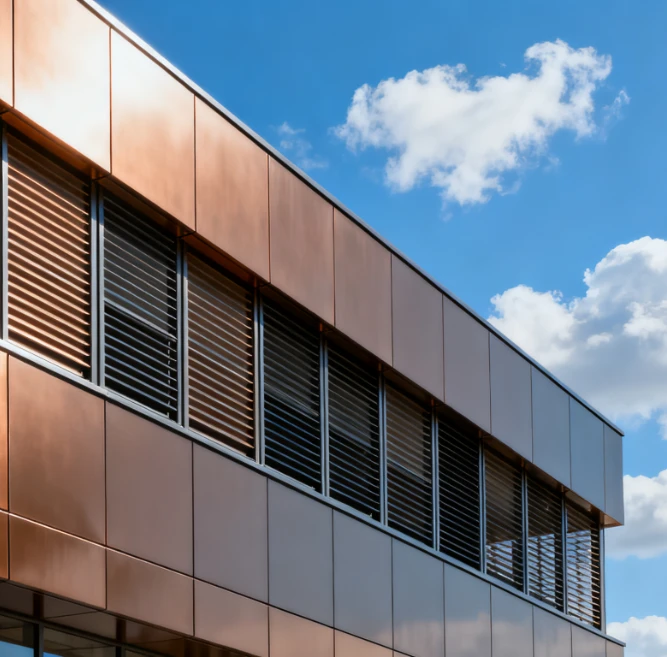
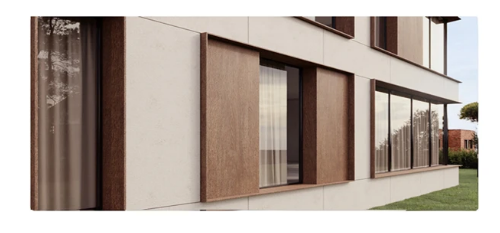
कोरियाली ऐश ओक भेनियरले हाई-डेफिनिशन प्रिन्टिङ टेक्नोलोजी प्रयोग गरेर खरानी ओक काठको प्राकृतिक बनावटलाई सही रूपमा प्रतिकृति गर्दछ, कम-संतृप्ति खैरो-खैरो टोन प्रस्तुत गर्दछ जसले काठको न्यानो बनावटलाई एल्युमिनियम कम्पोजिट प्यानलहरूको औद्योगिक प्रदर्शनसँग जोड्दछ। यसको सतह फ्लोरोकार्बन (PVDF) वा पलिएस्टर (PE) ले लेपित छ, जसले UV प्रतिरोध र स्क्र्याच प्रतिरोध प्रदान गर्दछ, जुन भित्री र बाहिरी दुवै अनुप्रयोगहरूको लागि उपयुक्त छ। एल्युमिनियम कम्पोजिट प्यानलको कोर तह पोलिथिलीन वा आगो प्रतिरोधी सामग्री (FR) बाट बनेको छ, प्राकृतिक काठको एक चौथाई मात्र तौल, काट्ने र झुकाउने जस्ता जटिल आकारहरूलाई समर्थन गर्दछ, र घुमाउरो अनुहार वा अनियमित छतमा प्रशोधन गर्न सकिन्छ। उदाहरणका लागि, ३ मिमी बाक्लो कोरियाली ऐश ओक एल्युमिनियम कम्पोजिट प्यानलहरूले हल्का र लयबद्ध अनुहार प्राप्त गर्दा संरचनात्मक शक्ति आवश्यकताहरू पूरा गर्दछ। सतहले फॉर्मल्डिहाइड छोड्दैन, र कोर सामग्रीलाई ज्वाला प्रतिरोधकहरूसँग थप्न सकिन्छ, भवन आगो सुरक्षा मापदण्डहरू (वर्ग B1 र माथि) पूरा गर्दछ, विशेष गरी सार्वजनिक स्थानहरूमा भित्ता प्यानलहरू वा छत सजावटको लागि उपयुक्त। बाह्य अनुप्रयोगहरूमा, निरन्तर खरानी ओक बनावट १२२०×२४४० मिमी मापन गर्ने मानक प्यानलहरूको मोड्युलर एसेम्बली मार्फत बनाइन्छ, जसले धातुको चिसो अनुभूति कम गर्दछ। उदाहरणका लागि, व्यावसायिक भवनहरूमा काँचको पर्दाको भित्तासँग यसलाई मिलाउँदा 'कडा र नरम' को दृश्य पदानुक्रम सिर्जना हुन्छ। भित्री ठाउँहरूमा, खरानी ओक एल्युमिनियम कम्पोजिट प्यानलहरू प्रायः रेस्टुरेन्ट र पसलको पृष्ठभूमि भित्ताहरूमा प्रयोग गरिन्छ, म्याट धातु वा ढुङ्गाहरूसँग जोडेर औद्योगिक वा वाबी-साबी सौन्दर्य ठाउँहरू सिर्जना गरिन्छ। तिनीहरूको कम-संतृप्ति टोनले ठाउँको शान्ति बढाउँछ। डिजाइनरहरूले प्रायः कोरियाली न्यूनतमवादलाई प्रतिध्वनि गर्न खरानी ओकको शान्त खैरो टोनहरू प्रयोग गर्छन्, जस्तै आधुनिक भित्ता प्यानल जोइन्टहरूमा परम्परागत काठको वास्तुकला रेखाहरूलाई सरल बनाउने वा सार्वजनिक ठाउँहरूमा मोड्युलर एसेम्बली मार्फत कोरियाली घरको इभको ज्यामितीय लय पुन: सिर्जना गर्ने। क्याफेहरू, कपडा पसलहरू, र अन्य सेटिङहरूमा, आधा-उचाइको भित्ता स्कर्टहरू वा भित्ता प्यानलहरूले चमकदार सेतो स्कर्टिङ बोर्डहरूसँग जोडिएको खरानी ओक ढाँचाहरू प्रयोग गरेर एक सरल तर तहयुक्त सजावटी इन्टरफेस बनाउँछन्। स्कूलहरू र अस्पताल कोरिडोरहरूले वास्तु सीमाहरूलाई नरम गर्न खरानी ओक एल्युमिनियम कम्पोजिट प्यानलहरू प्रयोग गर्छन्, जस्तै शेन्जेनको 'सय स्कूल नवीकरण' परियोजनामा, जहाँ यो बालबालिकाको गतिविधि क्षेत्रको भित्ताहरूमा प्रयोग गरिन्छ, सुरक्षा र प्राकृतिक स्पर्श सन्तुलनमा राख्छ।
सम्पर्कमा रहनुहोस्
यदि तपाईं हाम्रा उत्पादनहरूमा रुचि राख्नुहुन्छ भने, तपाईं आफ्नो जानकारी यहाँ छोड्न सक्नुहुन्छ, र हामी छिट्टै तपाईंसँग सम्पर्क गर्नेछौं।
Reducing facade fading from strong UV exposure is one of the most common technical concerns raised by architects, contractors, and façade suppliers evaluating aluminum composite panel (ACP) materials for exterior projects. Prolonged sun exposure, combined with temperature swings, humidity, rainfall, and in some cases coastal or industrial conditions, places continuous stress on the coating layer of an aluminum composite panel. When the coating system is not designed for long-term exterior performance, color fading, gloss loss, and surface degradation can occur over time, affecting both the appearance and the perceived quality of a building façade. Foshan Jiashuncai Building Materials Co., Ltd., operating internationally under the brand JIASHUNCAI, addresses this exact challenge through its PVDF Aluminum Composite Panel product line, supported by more than 20 years of manufacturing experience since the company's establishment in 2003 in Foshan, Guangdong, China.
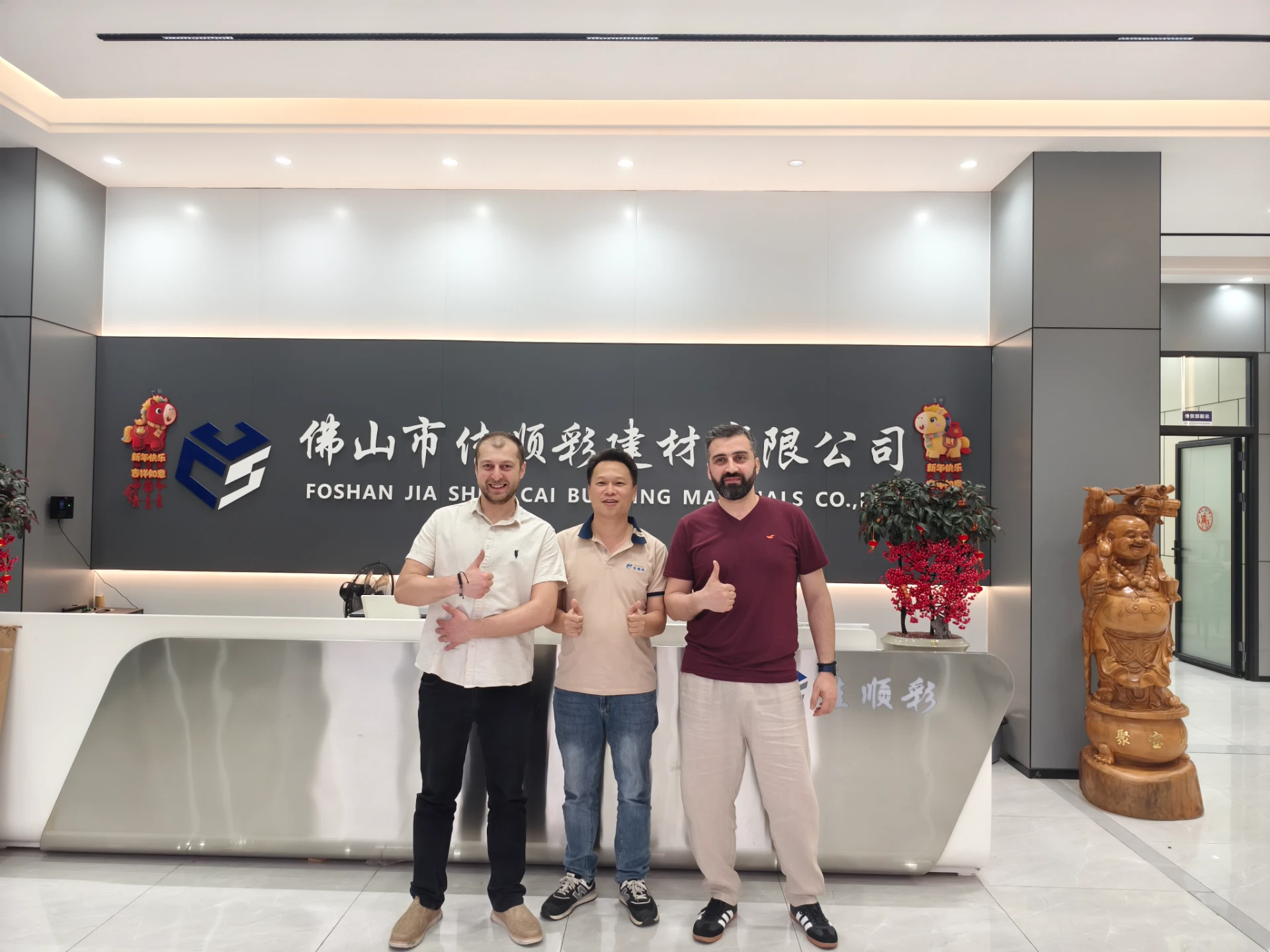
Welcoming Clients from Georgia to Visit Our ACP Factory
Recently, JIASHUNCAI was pleased to welcome clients from Georgia to visit our Aluminum Composite Panel (ACP) manufacturing factory in China.
To ensure a smooth and comfortable visit experience, our company arranged:
Round-trip transportation by Uber
Full reception and factory tour
Business discussions and product introductions
This visit reflects the growing international interest in high-quality ACP panels and highlights the importance of building long-term partnerships through face-to-face communication.
In modern architecture and urban construction, exterior materials must do more than look good. They need to withstand strong sunlight, heavy rain, wind pressure, and long-term exposure to pollution. As cities grow and buildings become more complex