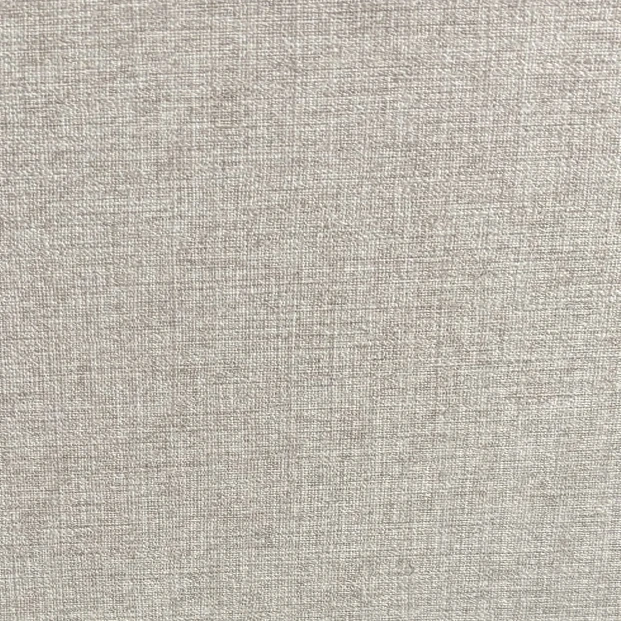
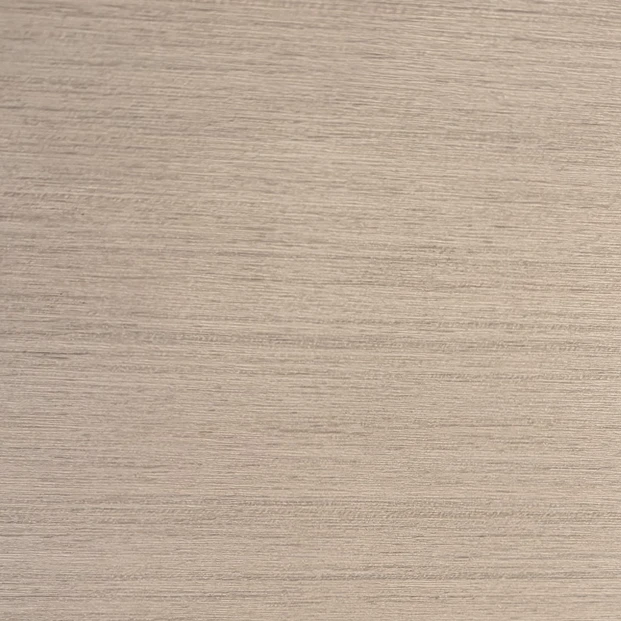
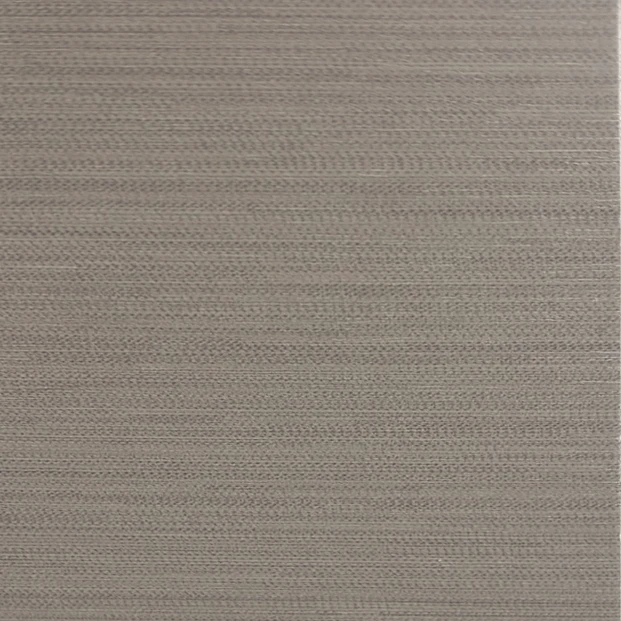
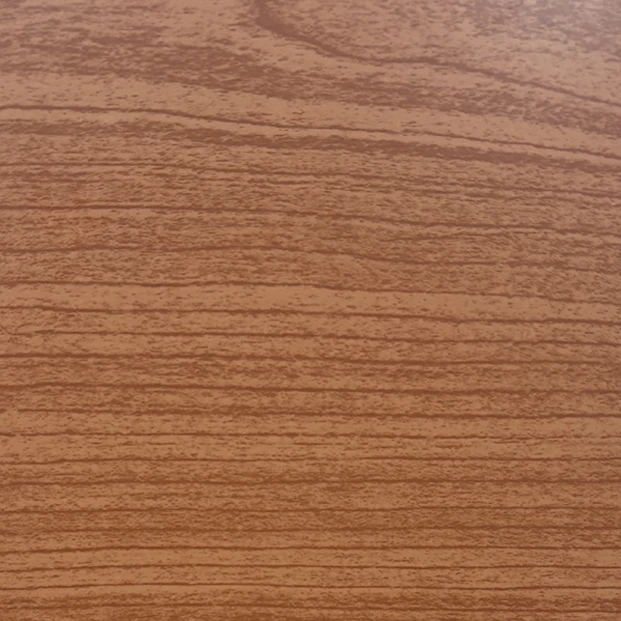
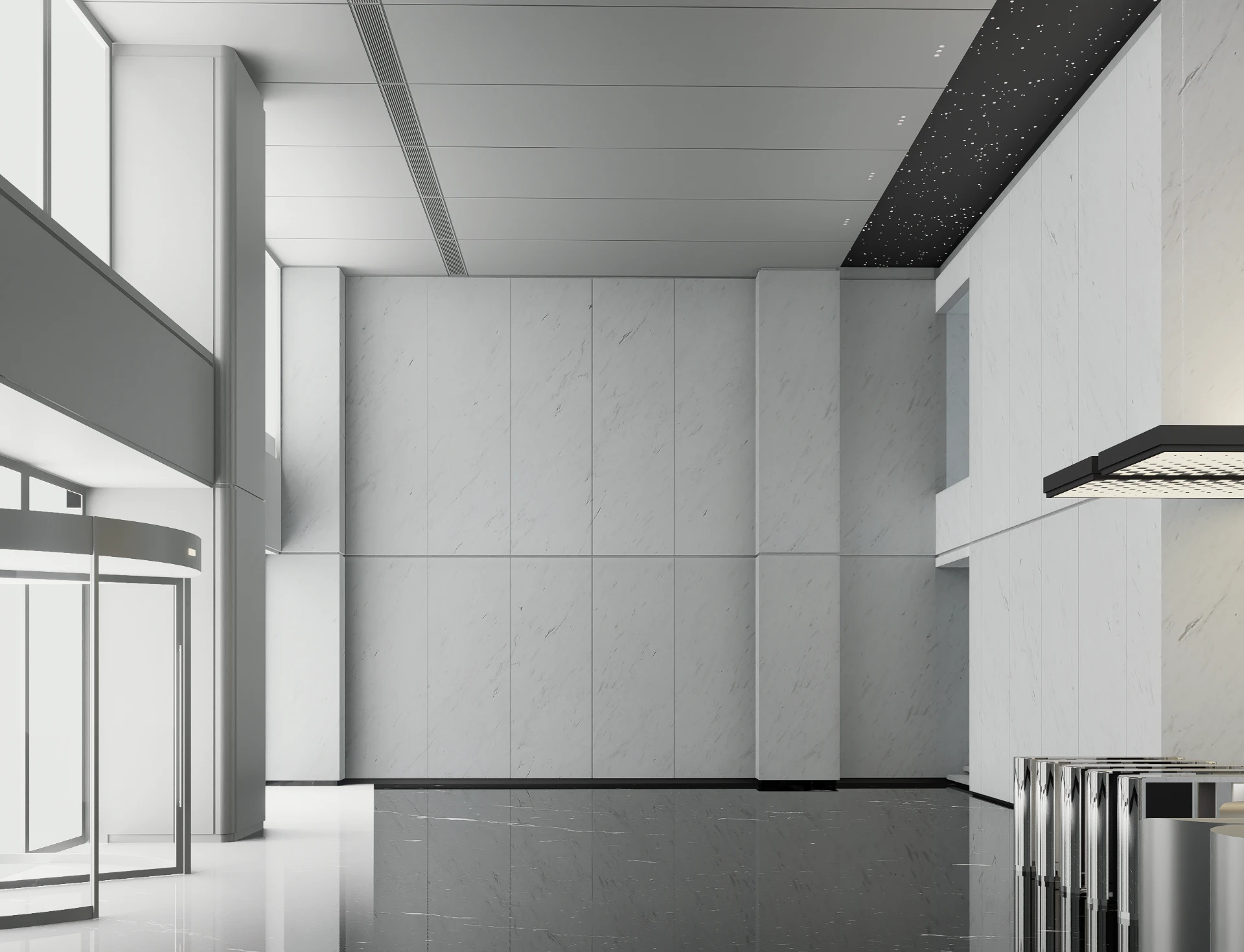
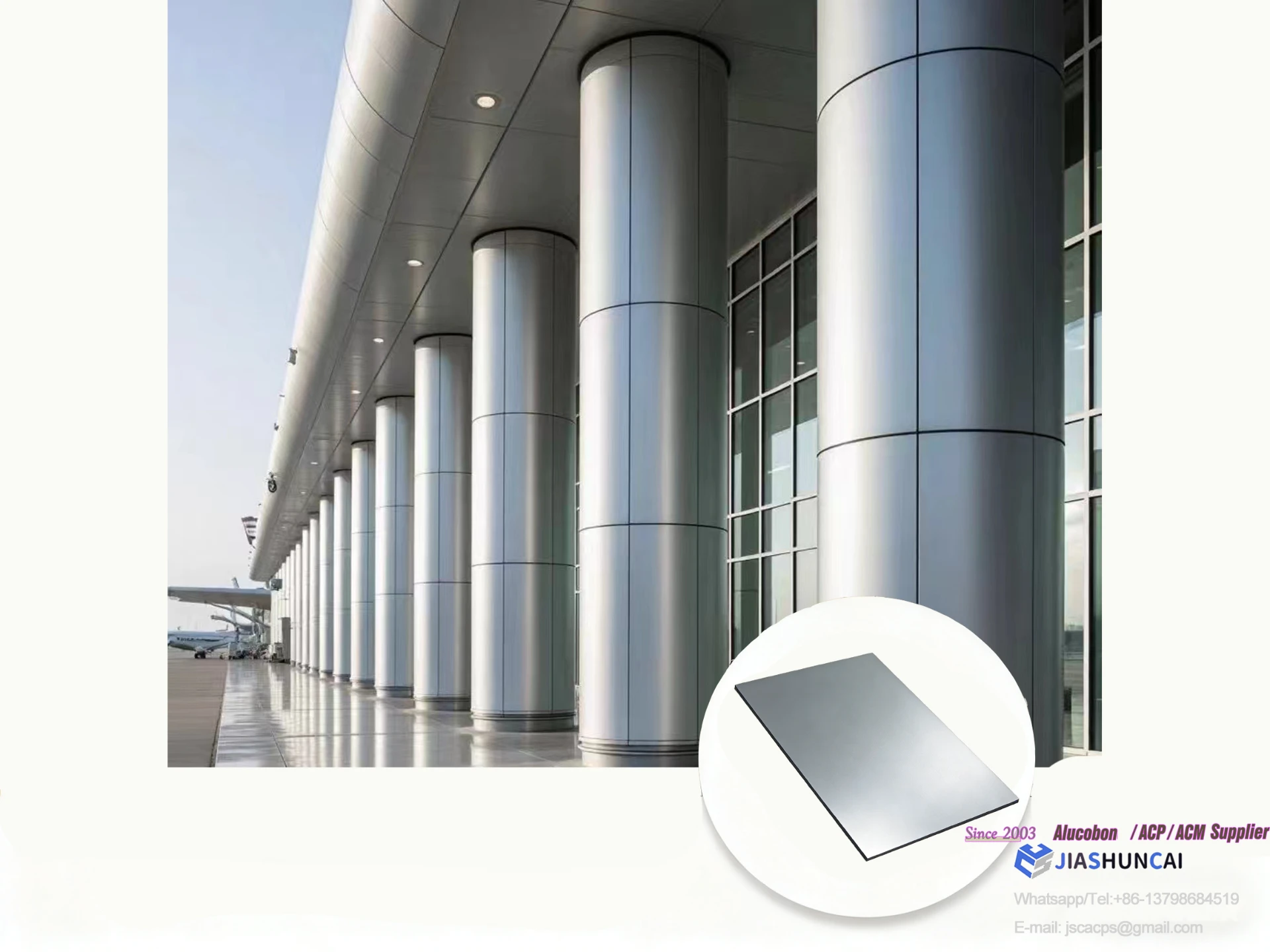
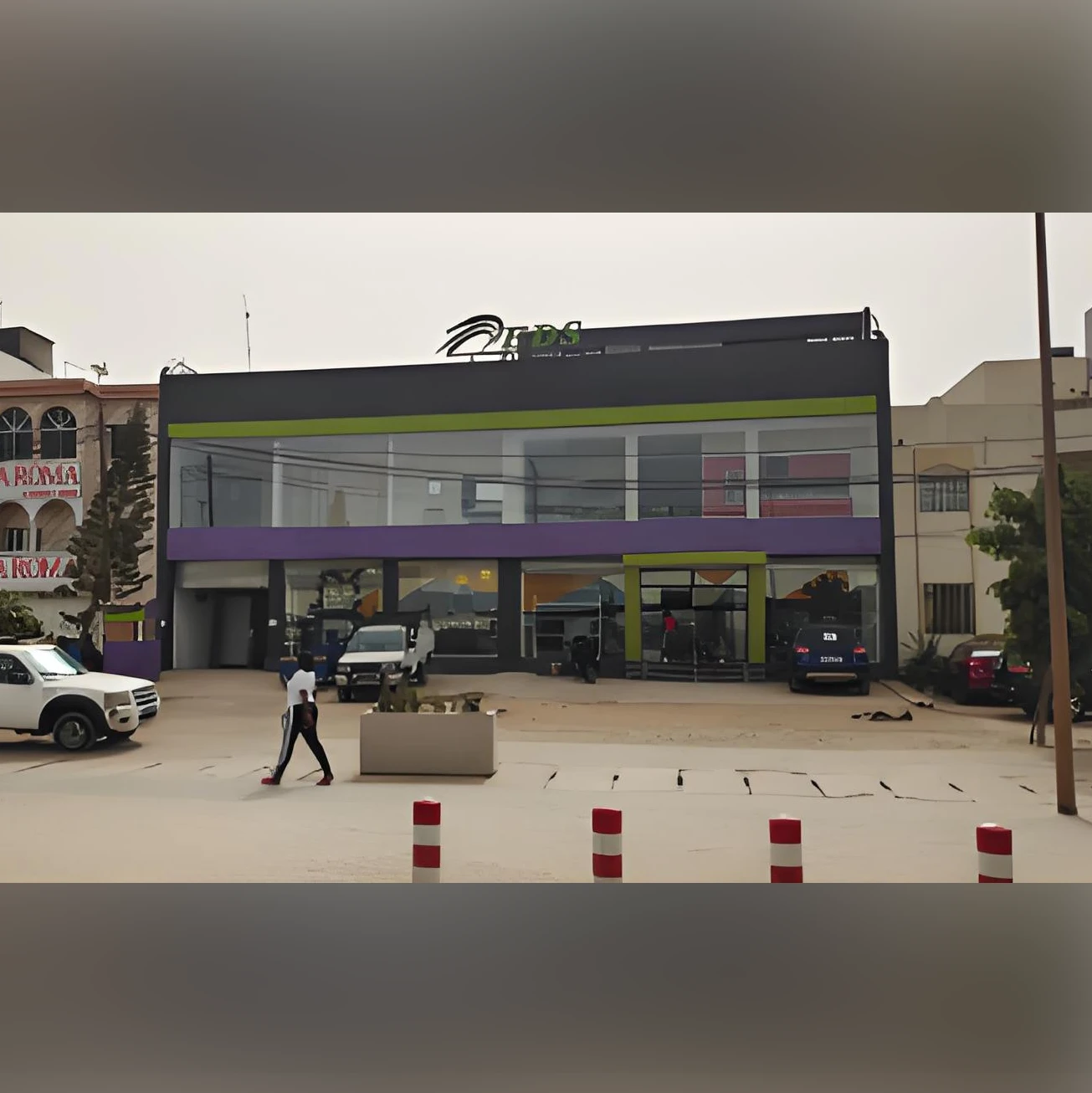
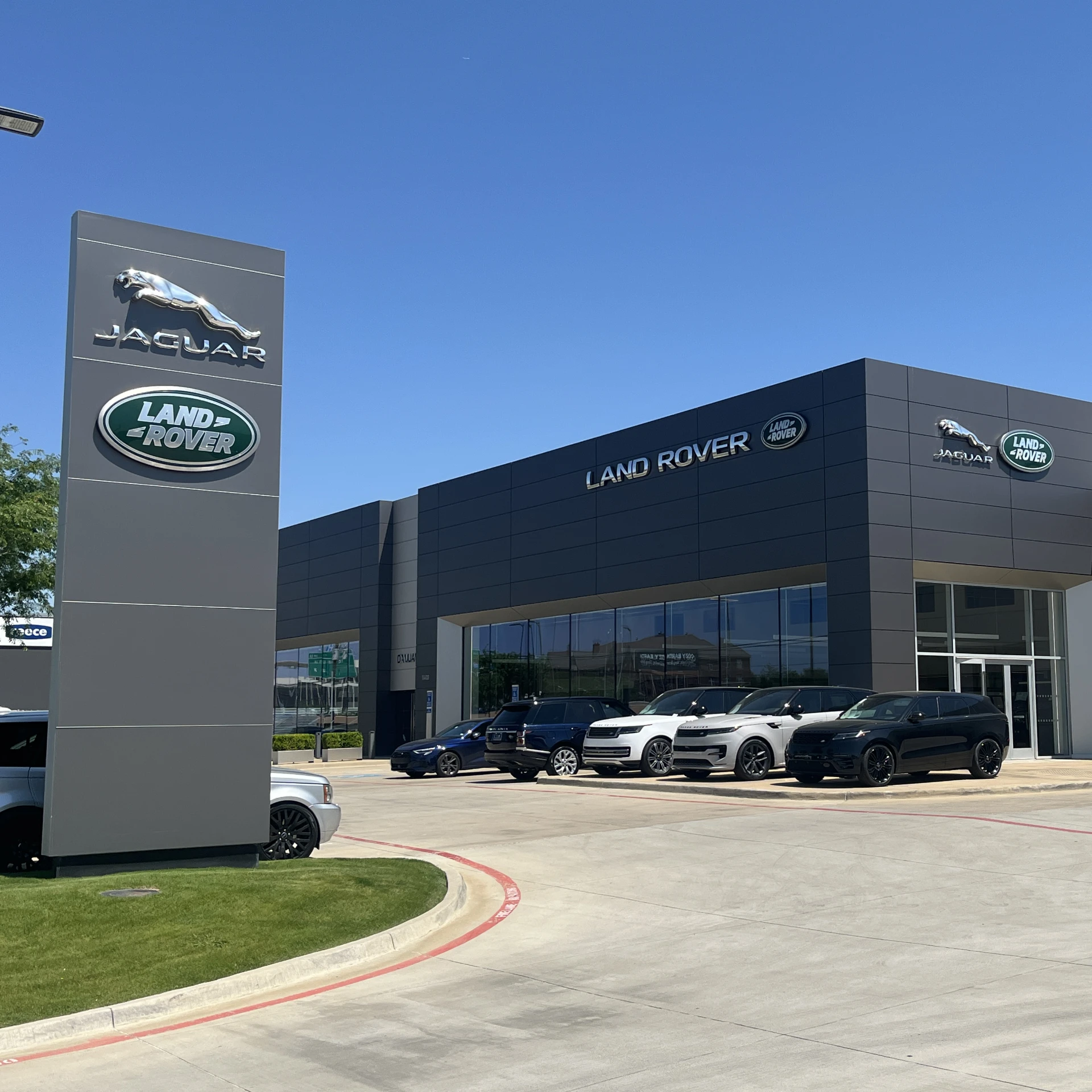
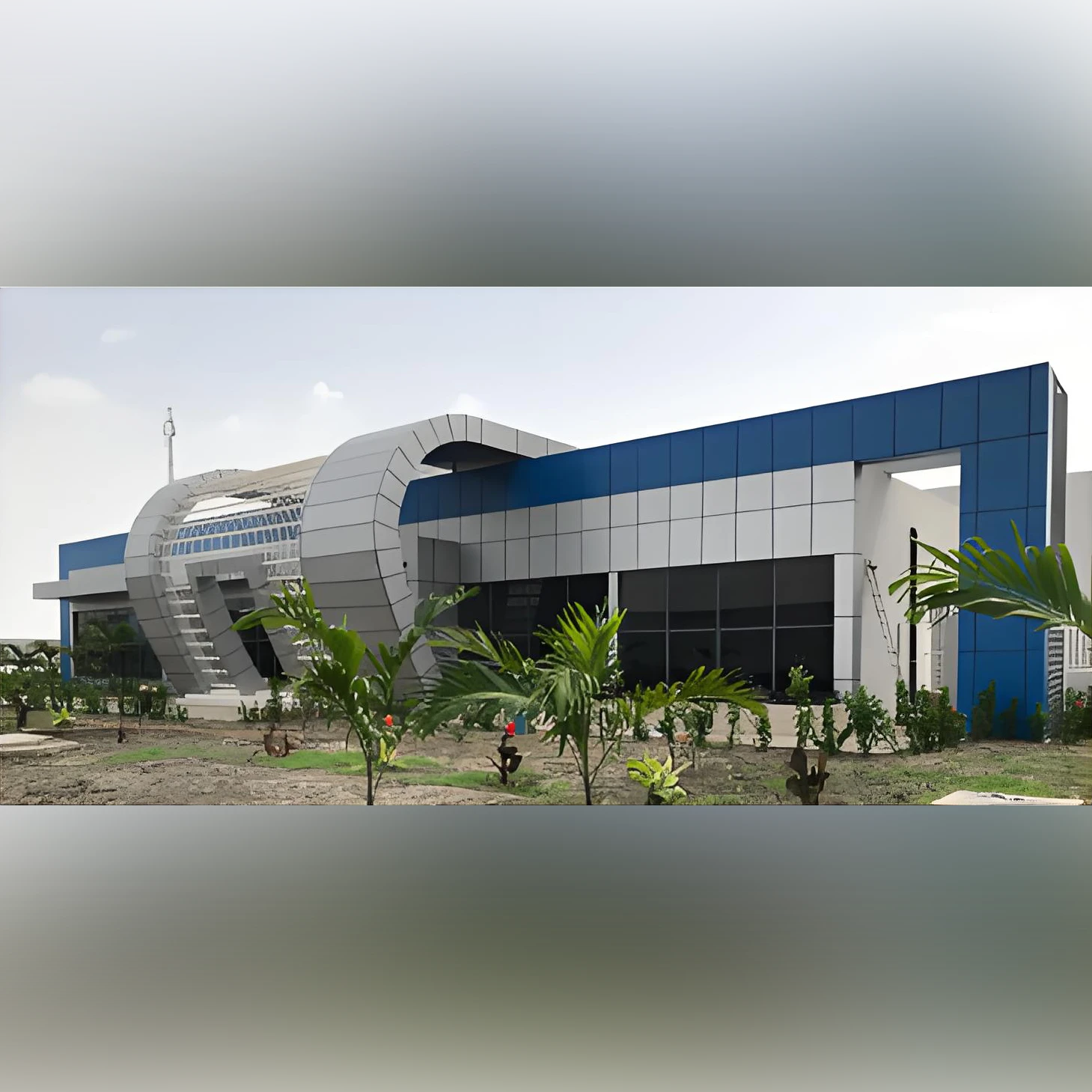
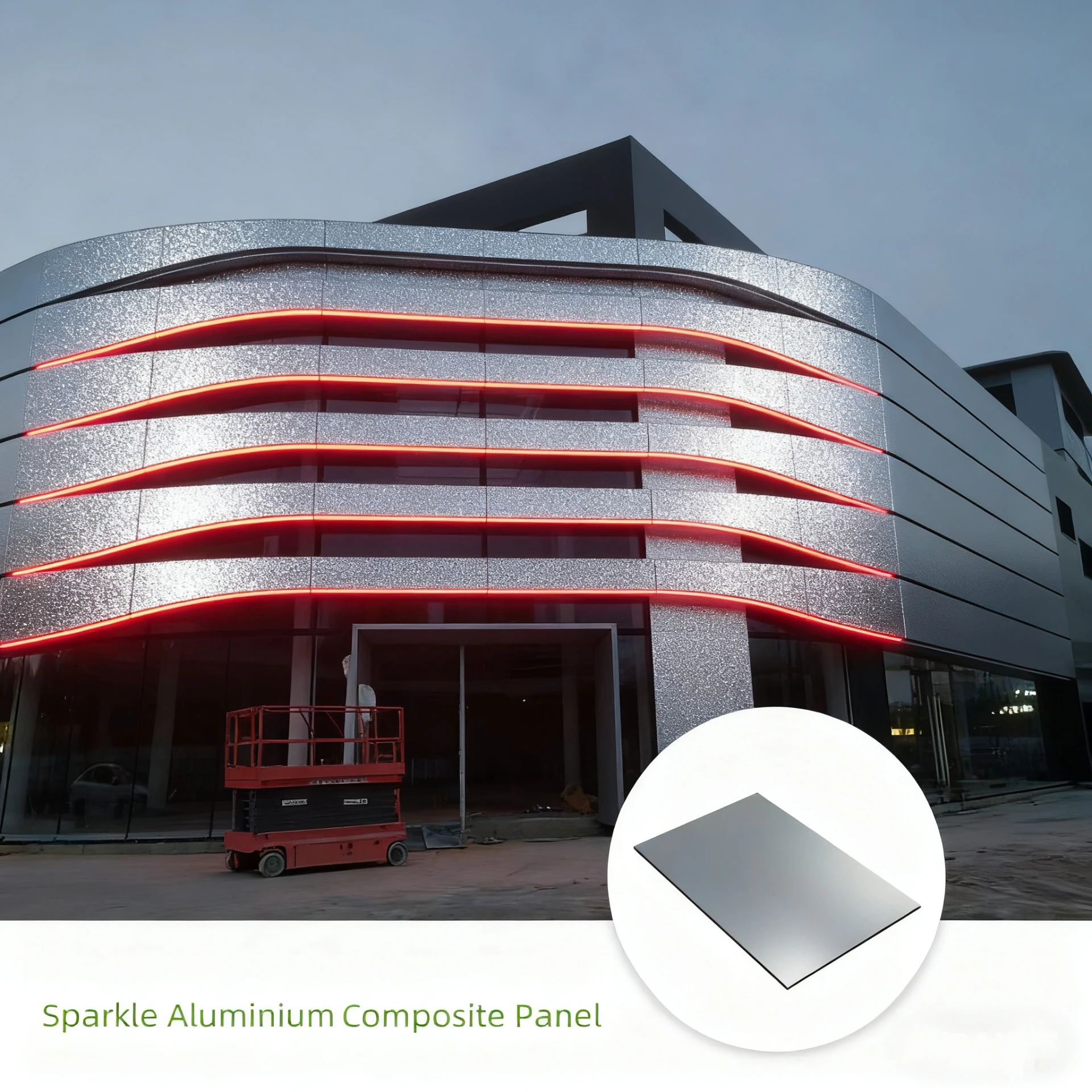
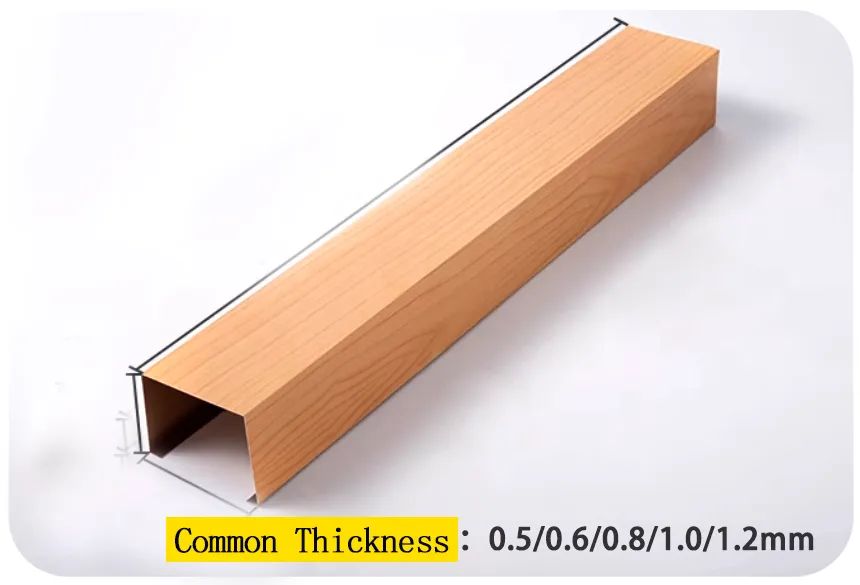
शैम्पेन सिल्भर फ्ल्याशले शैम्पेन रङको आधारलाई संयोजन गर्दछ, जुन हल्का सुन र हात्तीको दाँतको मिश्रण हो, जसमा चिसो चाँदीको अन्डरटोन हुन्छ, जसले धातुको चाँदी र न्यानो सुनको बीचमा संक्रमणकालीन छाया सिर्जना गर्दछ। यसले समग्रमा नरम र तहयुक्त चमक प्रस्तुत गर्दछ; रंग स्थिरता, यूभी प्रतिरोधी, समयसँगै चमक कायम राख्छ; आधुनिक र न्यूनतम, व्यावसायिक भवनहरू, सार्वजनिक सुविधाहरू, र स्टाइलिश निवासहरूको लागि उपयुक्त। कार्यात्मक फाइदाहरू: बलियो मौसम प्रतिरोध, सफा गर्न सजिलो, हल्का वजन। स्थापना र मर्मत: लचिलो स्थापना, कम मर्मत लागत। आवेदन परिदृश्यहरू: व्यावसायिक भवनहरू (कार्यालय भवनहरू, किनमेल मलहरू), सार्वजनिक सुविधाहरू (विमानस्थलहरू, सबवे स्टेशनहरू), आवासीय उच्चारणहरू। नोटहरू: प्रकाश प्रदूषणबाट बच्नुहोस्, डिजाइन सुझावहरूमा गिलास, गाढा ढुङ्गा, वा न्यानो सामग्रीहरूसँग संयोजन समावेश छ।
सम्पर्कमा रहनुहोस्
यदि तपाईं हाम्रा उत्पादनहरूमा रुचि राख्नुहुन्छ भने, तपाईं आफ्नो जानकारी यहाँ छोड्न सक्नुहुन्छ, र हामी छिट्टै तपाईंसँग सम्पर्क गर्नेछौं।
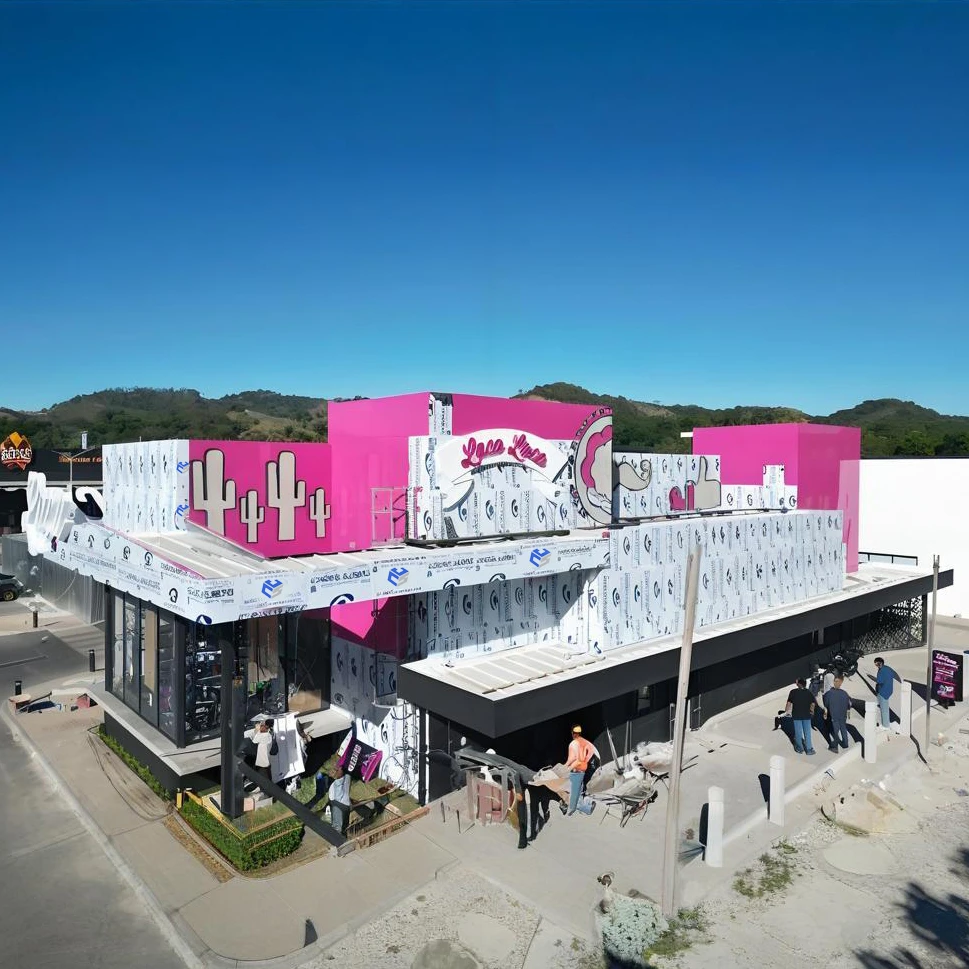
In modern architecture and commercial decoration, pe acp has become a highly popular material for designers, builders, and advertisers. This type of panel features a polyethylene core sandwiched between two aluminum skins, with the front surface coated in polyester paint. Its vibrant design
In modern building exterior and decoration works, Aluminum Composite Panel (ACP) is widely favored for its light weight and easy processability. Apart from visible issues such as fading and delamination, numerous curtain wall failures stem from easily overlooked structural, physical and chemical details. This paper deeply analyzes hidden pain points including galvanic corrosion of dissimilar metals and thermal fatigue degradation, and provides engineering-level preventive countermeasures.
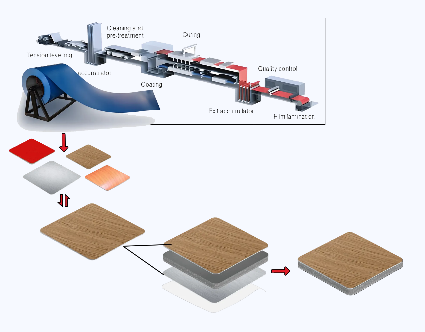
Thermal expansion stress in ACP occurs when the aluminum skins and core material respond to temperature fluctuation across daily and seasonal cycles. Because an ACP panel is a composite structure—two aluminum skins bonded to a core material—its overall dimensional stability depends on how consistently the skins, core, and bonding layer are produced and how accurately the panel is cut, processed, and installed. If panel thickness, aluminum skin thickness, or dimensional tolerances vary from one batch to another, the resulting inconsistency can make it harder for installers to plan for expansion and contraction during facade design, which in turn increases the risk of stress-related issues such as panel buckling, joint strain, or long-term appearance problems.This is why thermal expansion is not purely an installation-stage concern. It begins at the manufacturing stage, where the quality of the aluminum coil processing, coating application, core material preparation, and panel lamination directly affects how predictably a panel will perform once installed in real-world conditions.
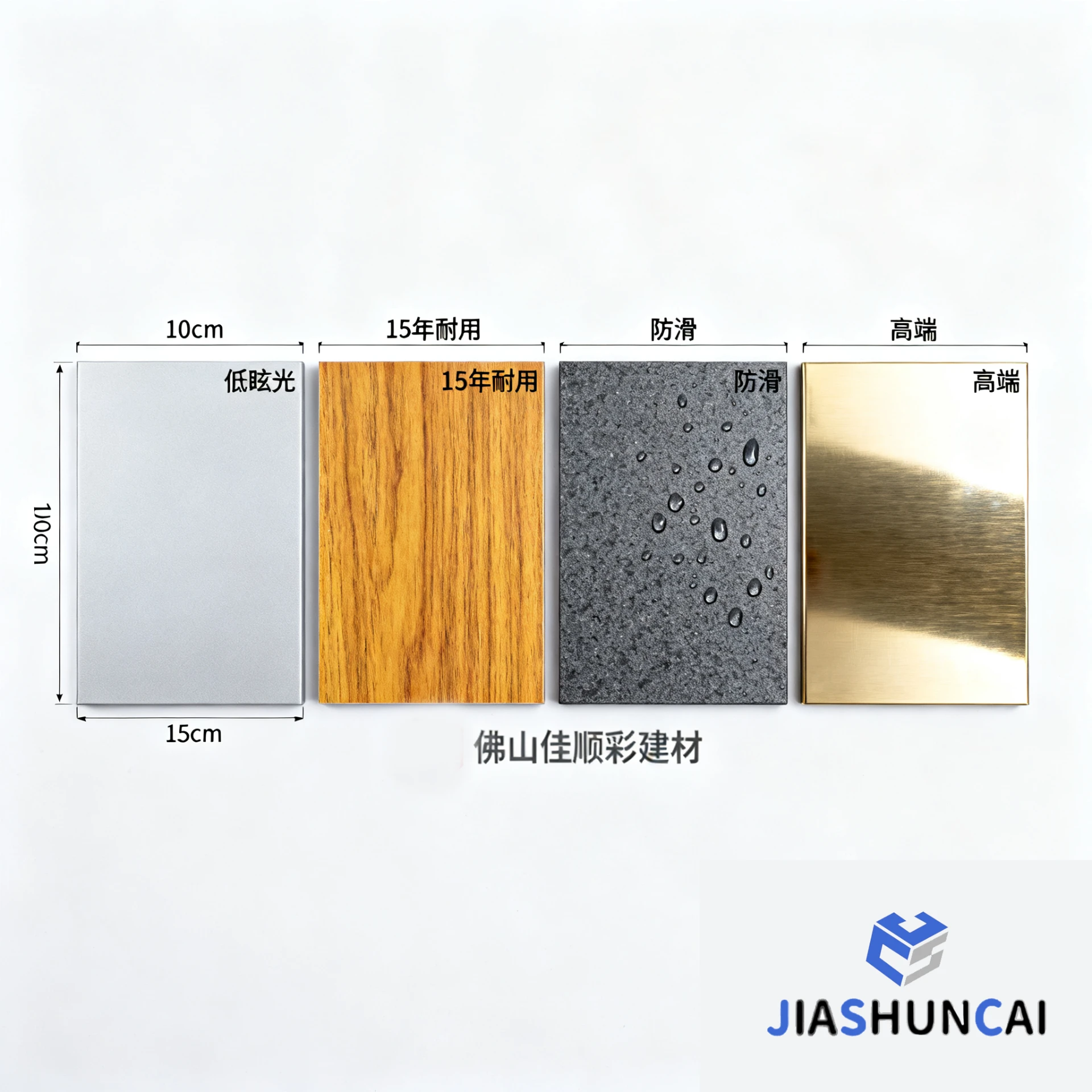
For procurement teams, façade contractors, and engineering companies evaluating ACP for coastal or exterior construction, the core takeaway is that coating system selection, specification detail, and supporting documentation are inseparable from product performance. PVDF coating systems are positioned by JIASHUNCAI for exterior durability and weather resistance, while fire-rated and fire-retardant options address regulatory and classification needs where applicable.